

Did you know that washi tape, often praised for its artistic flair, actually boasts impressive strength and versatility? If you’re wondering whether this decorative tape can hold its own in your everyday projects, you’re not alone. Many people love using washi for crafts, organizing, or decorating, yet they often question its durability. In this article, we’ll dive into how strong washi tape really is, exploring its unique properties and the best uses for it. By the end, you’ll have a clear understanding of its holding power and how to make the most of this delightful tool in your creative endeavors. So, let’s get started and discover what makes washi tape a staple for both function and flair!
How Washi Tape Strength Compares to Other Tapes
Washi tape often surprises people with its strength. Though it’s lightweight and delicate in appearance, when compared to other tapes, it holds its own remarkably well. Unlike standard adhesive tapes, which are typically made from plastic and may leave residue, washi tape is crafted from natural materials, providing both versatility and a unique texture. This means it’s perfect for everything from delicate craft projects to wrapping gifts, all while offering a surprisingly robust hold.
When stacking up washi tape against conventional choices like masking or duct tape, you’ll find it shines in its unique applications. For instance, while duct tape boasts superior strength and durability for heavy-duty applications, washi tape’s charm lies in its reusability and easy removal. This makes it ideal for temporary decorative uses-think of scrapbooking or labeling-where you might want to change things up without damaging the underlying surface. It’s also easier on delicate materials, making it a favorite among artists and crafters.
However, the holding power can vary based on the specific substrate it’s applied to. On porous surfaces like paper, washi tape adheres well but can lose its grip on smoother finishes like glass or metal. Therefore, if you’re considering washi tape for a project, think about the surface. You might also experiment with a few different brands, as the formulation can vary widely, leading to differences in stickiness.
In short, while washi tape may not be the first choice for every situation, its unique strengths and aesthetic appeal make it a valuable tool in any crafter’s kit. Understanding when and how to use it can drastically change the outcome of your projects, merging function with creativity in ways that other tapes simply can’t match.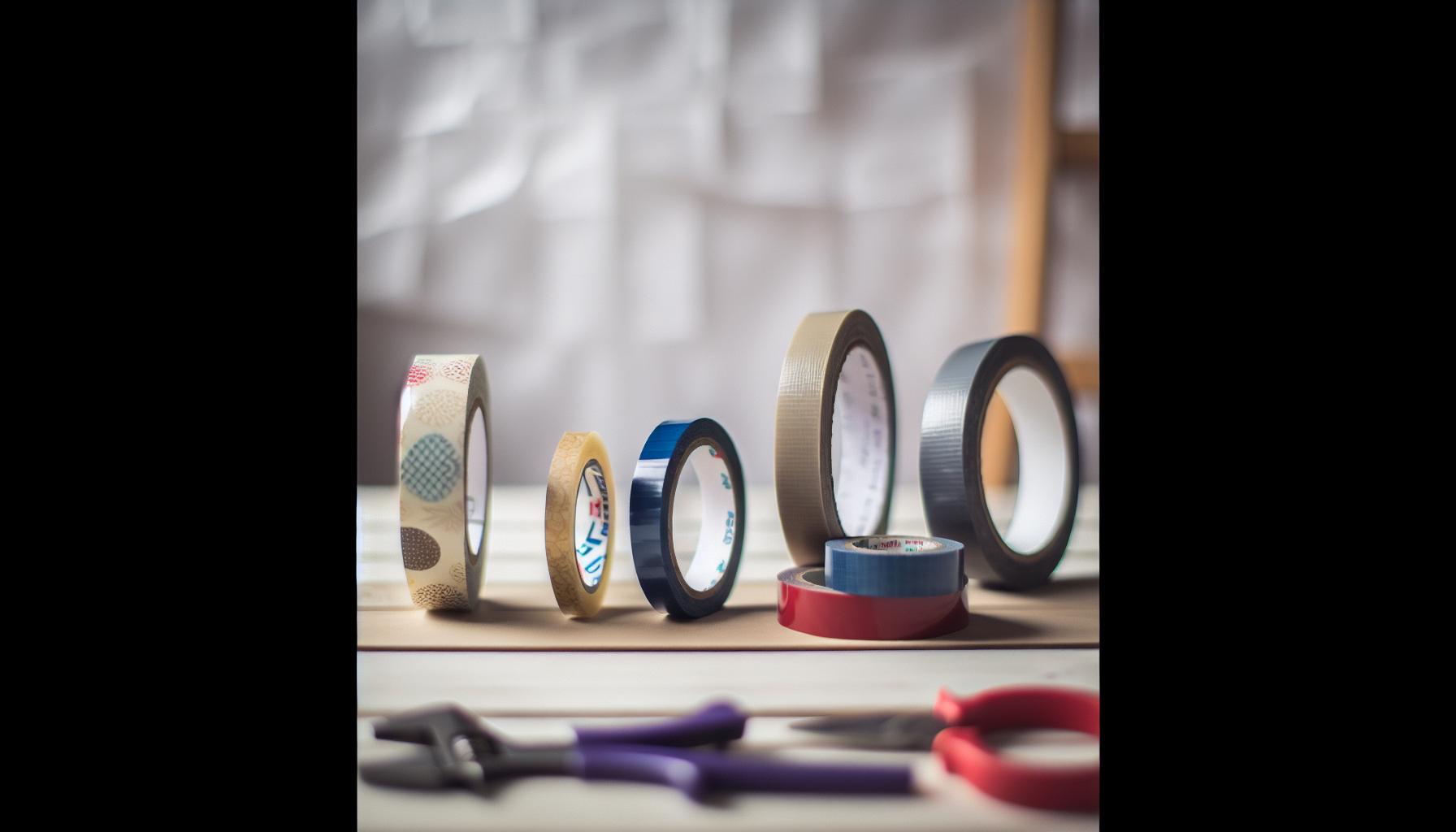
The Science Behind Washi Tape Adhesion
Washi tape’s adhesion is remarkably unique, defying expectations for a product that looks so delicate. The secret lies in its composition and the way it interacts with different surfaces. Unlike conventional tapes that rely heavily on plastic-based adhesives, washi tape utilizes a more natural adhesive that provides a stunning balance of stickiness and easy removal. This gentle yet effective adhesion allows users to reposition the tape without leaving behind messy residue, making it a favorite for various applications.
One of the fascinating aspects of washi tape adhesion is how it reacts to different materials. On porous surfaces like paper, the tape bonds exceptionally well, creating a firm hold that resists peeling. However, it might struggle on non-porous surfaces such as glass or metal, where its grip can diminish. Understanding this can help you choose the right surface for your projects and maximize the tape’s potential. Experimenting with different brands is also advisable, as formulations may vary and influence how well the tape sticks, even on the same types of surfaces.
The temperature and humidity of the environment can also play a significant role in washi tape adhesion. In warmer conditions, the adhesive tends to become tackier, while excessive humidity can weaken the bond. For the best results, consider the conditions where you’ll be using the tape. If you’re working on a creative project, apply the tape under stable conditions to achieve optimal adhesion.
Ultimately, when it comes to washi tape, it’s about smart application and understanding its strengths. Whether you’re crafting a unique gift or looking for a temporary solution for organizing, knowing how to leverage washi tape’s adhesion can elevate your projects and ensure they hold up to your expectations.
What Affects Washi Tape’s Holding Power?
Washi tape’s holding power is influenced by a mixture of factors, making it an intriguing option for both crafters and casual users. One key element is the adhesive composition. Unlike standard tapes that often use synthetic adhesives, washi tape typically employs a more natural adhesive that provides flexibility and a balance between stickiness and easy removal. This characteristic allows the tape to bond well with various surfaces, but the effectiveness can drastically change depending on the surface type.
Surface Type Matters
The type of surface you’re applying washi tape to plays a pivotal role in its holding power. For instance:
- Porous surfaces: Washi tape adheres exceptionally well to materials like paper and cardboard. The fibers in these surfaces help grip the adhesive, creating a strong bond that’s resilient against peeling.
- Non-porous surfaces: On glass, metal, or plastic, washi tape may struggle to maintain its hold. These surfaces are slick and don’t allow the adhesive to penetrate, which can lead to a weaker connection.
Environmental factors are another crucial aspect. Temperature and humidity significantly affect washi tape’s performance. In warmer conditions, the adhesive often becomes tackier, enhancing the bond. On the flip side, high humidity can compromise the adhesion, potentially causing the tape to lift or peel away. It’s best to use washi tape in stable environments to achieve optimal results.
Ultimately, you can maximize washi tape’s strength by understanding these dynamics. Always consider what material you’ll be working with and the conditions in which you’ll apply the tape. By aligning these factors, you not only enhance washi tape’s holding power but also unlock its full potential in your creative projects.
Testing Washi Tape: Methods & Results
To truly understand the strength of washi tape, testing methods can reveal how well it performs under various conditions and applications. One effective approach is to conduct a tensile strength test, which involves measuring the force needed to pull apart a strip of washi tape from a designated surface. This test can be done using a digital scale equipped with a hook where you attach one end of the tape while the other end is adhered to the surface. Gradually increase the force until the tape comes off, noting the maximum weight it can hold. Such results help in comparing it against other tapes.
Another useful method is the shear strength test. This involves applying a consistent force sideways to the adhered tape until it detaches. This is particularly important since many real-world applications, like crafting or home decor, require the tape to not only hang on but also withstand lateral pressures. Using a consistent test area, apply the tape, then slowly increase the lateral force until it fails. This simulates everyday use and gives a clear picture of its practical strengths and weaknesses.
Moreover, conducting tests on different surfaces can inform you about washi tape’s versatility. For instance, using porous surfaces like paper versus slick surfaces like glass will yield different results. Collecting data from these tests will allow you to categorize the tape’s performance and make informed recommendations based on intended use.
Lastly, keep in mind environmental factors during testing. Conduct tests in varying humidity and temperature conditions to see how these variables affect adhesion over time. Documenting these conditions alongside results provides valuable insights into when and where to effectively use washi tape, ensuring users maximize its potential in their creative projects.
Common Uses for Washi Tape and Its Strength Limitations
When it comes to washi tape, its charm lies not just in its aesthetic appeal but also in its versatility. This decorative tape can add flair to various projects, from scrapbooking and gift wrapping to home decor and organization. While washi tape is light and easy to use, it’s crucial to understand its limitations to avoid frustrations during your creative endeavors.
Common Uses for Washi Tape
Many crafters swear by washi tape for its gentle yet effective adhesive properties. It’s perfect for:
- Craft Projects: Whether you’re making greeting cards, scrapbooks, or DIY decor items, washi tape can be a game-changer. Its easy repositionability allows you to adjust your designs without damaging the surface.
- Labeling: Use washi tape to label jars or office supplies. The vibrant colors and patterns make it easy to categorize while adding a personal touch.
- Wall Art: Create temporary wall designs or decals. Washi tape adheres well to walls, and can be removed without leaving residue, making it great for renters.
- Gift Wrapping: Add a decorative touch to gifts. It can secure paper but is best paired with stronger tape if you’re wrapping heavy items.
However, while it shines in low-stakes, creative applications, washi tape has its strength limitations. It’s not designed for tasks that require heavy-duty adhesion. For instance, trying to use it for mounting objects or in high-stress areas (like hanging frames or securing cables) can lead to disappointment as it may peel off or fail to hold under weight. Also, washi tape performs best on smooth surfaces; using it on porous materials or uneven textures can compromise its stickiness.
In practice, many users have discovered that while washi tape is wonderfully effective for decoration and light holding, it’s vital to choose the right project. Pairing washi tape with stronger adhesives for heavier jobs is a smart approach that ensures you leverage its unique qualities while mitigating its limitations. Remember, the key to maximizing washi tape’s potential lies in understanding where it shines and where it may fall short.
Tips for Maximizing Washi Tape’s Performance
To truly unlock the potential of washi tape, a few savvy techniques can make all the difference. Many underestimate the impact that surface preparation and application methods can have on adhesion. Start with clean, dry surfaces. Dust and moisture can seriously compromise the tape’s ability to stick. When applying, press firmly along the entire length to ensure a solid bond, especially at the edges where peeling often starts.
Think about your crafting environment. Was your tape sitting out in the cold? Temperature can affect adhesion, too. For best results, keep your washi tape at room temperature. When working on longer pieces, cut your tape lengths ahead of time. Not only does this simplify the process, but it also reduces potential fraying or damage as you handle the tape repeatedly.
Using a color-coordinated or pattern-matching approach can elevate your projects while enhancing performance. When layering washi tapes, ensure the base layer is adequately adhered before adding additional pieces. This method allows you to create more complex designs without worrying about the stability of each layer.
Here’s a pro tip: if you’re crafting on a wall or an area with even a hint of moisture or texture, consider applying a light coat of adhesive under the washi tape. This can provide extra security without sacrificing your design. Lastly, always test on a small area before committing to larger projects, especially if the tape will be placed on delicate surfaces. This helps you gauge how well the tape will adhere and if it leaves any marks upon removal. Employ these strategies, and you’ll maximize not only the strength of your washi tape but also the overall success of your artistic ventures.
Real-Life Reviews: Users Share Their Experiences
When it comes to washi tape, users have a wealth of experiences that highlight its unique strengths-and a few drawbacks. Many crafters rave about how washi tape stands out for its versatility and ease of use. For instance, a scrapbooker shared that her favorite part about washi tape is its ability to stick well enough to hold embellishments in place, yet it’s easy to remove and reposition. This feature is particularly valuable for those who like to experiment with layouts without committing to permanent adhesive just yet.
Others have noted the differences in strength compared to traditional tape. One user mentioned that while washi tape may not be suitable for heavy-duty tasks-like securing boxes for shipping-it’s perfect for decorative elements and light crafts, such as card making or journaling. The beautiful array of colors and patterns adds aesthetic value, satisfying both the practical and creative aspects of her projects. Yet, she also cautions about washi’s limitations when it comes to temperature and moisture; her experience showed that washi tape performed poorly in humid conditions, often peeling away from surfaces after a few days.
Real-life reviews also emphasize the importance of surface preparation. A planner enthusiast pointed out that using washi tape on a glossy surface proved challenging. Applying the tape on matte or textured surfaces yielded much better results. Her tip? “Make sure the surface is clean and dry before applying. You wouldn’t believe the difference it makes!”
Ultimately, these shared experiences highlight a critical takeaway: washi tape thrives in creative environments where it can shine, but users need to understand its strengths and limitations. With the right approach, it can be a delightful addition to any crafting toolkit. When armed with these insights, you’re better prepared to make the most of washi tape while avoiding common pitfalls.
Creative Projects: Leveraging Washi Tape’s Strength
Washi tape isn’t just a decorative element; it’s a game-changer in the creative world. With its unique blend of strength and versatility, it opens up a myriad of project possibilities. Whether you’re decorating your planner, creating custom art pieces, or sprucing up a gift, washi tape can elevate your craft, making it not just pretty but functional too.
To maximize washi tape’s strength in your projects, consider layering it. By overlapping strips, you can create a thicker application that enhances adhesion, making it suitable for slightly heavier embellishments. For instance, in scrapbooking, layering different patterns not only adds depth but can also provide a more robust hold for photos and other items. Additionally, try using washi tape as a guide for straight lines or borders in your work; just remember that while it’s removable, the more you tug at it, the less adhesive it may become.
Another fantastic way to leverage its strengths is through customization. You can write on it, paint over it, or even segment it into smaller pieces for effects like confetti or decorative rug edges. Think about using washi tape to make DIY bookmarks or label your home office supplies. The creative options are practically endless. Plus, if you find the tape doesn’t adhere well in certain scenarios, experimenting with different surfaces-like wood, paper, or fabric-can lead to better performance and unique outcomes.
One essential tip? Use washi tape to accentuate specific themes. For seasonal decorations, vibrant patterns can breathe life into your decor with minimal effort. Apply it to jars, furniture, or even as part of a wall art arrangement. This way, it not only enhances the aesthetic but keeps things functional without a permanent commitment. Dive into the world of washi tape experiments; the only limit is your creativity!
Troubleshooting Common Washi Tape Issues
To keep your projects smooth and frustration-free, knowing how to troubleshoot common issues with washi tape can make all the difference. One of the primary concerns users face is poor adhesion. If you find that your washi tape isn’t sticking as it should, first check the surface you’re applying it to. Washi tape performs best on clean, dry surfaces. If you’re using it on textured or porous materials, like unfinished wood or some fabrics, the bond might not hold. A bit of sanding or applying a clear sealant can help create a smoother surface for better adhesion.
Another common issue arises when removing washi tape. While it boasts gentle adhesive properties, sometimes it can still pull off underlying fibers or paint, especially on delicate surfaces. If you’re worried about damage, consider using a hairdryer on low heat to slightly warm the tape. This method relaxes the adhesive, allowing for easier removal without tearing the surface beneath. Always peel it back slowly and at a sharp angle for the best results; patience is key here.
Humidity and temperature fluctuations can also impact how washi tape adheres. If you’re working in a humid environment, moisture can interfere with adhesion and weaken the tape’s hold. Use washi tape in a climate-controlled space for optimal results. Additionally, if you’ve had your tape sitting around for a while, check to see if it’s dried out. An adhesive that’s lost its tack might need replacement to ensure your projects stay intact.
Finally, store your washi tape properly. Keep it away from direct sunlight and extreme temperatures to preserve its adhesive quality. Consider organizing your rolls upright in a cool, dark place, possibly in a dedicated craft drawer or container. By addressing these common issues proactively, you can enjoy the full benefits of washi tape’s creativity and versatility without the hassle of unexpected setbacks.
How to Remove Washi Tape Without Damage
If you’ve ever struggled to remove washi tape without damaging your project, you’re not alone. Washi tape is praised for its versatility and ease of use, but sometimes it can cling a little too well. To ensure that your surfaces remain intact while you’re enjoying the creative possibilities of washi tape, follow these effective tips for removal.
Start by applying gentle heat with a hairdryer. Set it to low and direct the warm air at the tape for just a few seconds. This softens the adhesive, making it less likely to pull away paint or surface fibers when you peel it off. Once you’ve warmed the area, gently lift one edge of the tape. Remember to pull it back slowly and at a sharp angle, ideally less than 45 degrees. This technique minimizes the risk of tearing or lifting the substrate beneath the tape.
If you’re dealing with particularly stubborn sections, use a thin, flexible tool like a palette knife or credit card to help ease the tape up. Slide it under one corner while applying even pressure to avoid creating too much strain on either the tape or the surface. If you notice any residue left behind, a little rubbing alcohol on a soft cloth can help clean it off without harming the finish. Always test on a small, inconspicuous area first to ensure compatibility.
To recap, treat your washi tape removal process with care. Heat, gentle angles, and patience will serve you well. Taking these extra steps ensures that your projects stay safe and beautiful, letting you enjoy all the creative benefits of washi tape without the worry of damage.
Eco-Friendly Aspects of Washi Tape: Is It Worth It?
Using washi tape isn’t just about decorating your projects-it’s also about making eco-conscious choices. Washi tape stands out in the world of crafting and stationery supplies because it’s often made from natural materials derived from plants like the gampi tree or kozo bush. This gives it a unique advantage: it’s generally biodegradable and less harmful to the environment compared to synthetic tapes made from plastic or other petroleum-based products.
Natural Materials Matter
When you choose washi tape, you’re opting for a product that is often created using traditional, artisanal methods. These practices not only contribute to its aesthetic appeal but also have a lower environmental impact. Many manufacturers of washi tape prioritize sustainable sourcing, ensuring that their materials are harvested responsibly, reducing deforestation and habitat destruction. This contrasts sharply with typical tape, which can contribute to environmental concerns due to its petroleum-based components.
Reusability and Minimal Waste
Another eco-friendly aspect of washi tape is its versatility and reusability. You can easily reposition it without losing adhesive strength, making it a great option for temporary arrangements-like decorating a planner or creating seasonal crafts. This quality encourages a less wasteful approach to crafting, as you can use the same tape multiple times or transfer it between projects without it ending up in the trash.
Is It Worth It?
If you’re weighing the environmental benefits against the costs, think about how washi tape’s strength and functionality can contribute to your creative process. While it might be priced higher than regular tape, investing in washi tape can lead to more satisfying, sustainable projects. You get the added bonus of knowing you’re making a more environmentally friendly choice. In a world where every small effort counts, opting for washi tape can be a step toward reducing your carbon footprint while indulging your creative whims.
Choosing washi tape isn’t just a trendy move; it’s a conscious decision that aligns with a growing commitment to sustainability-making it a worthy addition to any crafting toolkit.
FAQ
Q: How much weight can washi tape hold?
A: Washi tape can typically hold light items, generally around 0.5 to 1 pound depending on the surface and application. For heavier or more demanding tasks, consider reinforcing it with stronger adhesives. Always test the tape under actual conditions for optimal results.
Q: Is washi tape waterproof?
A: Most washi tape is not waterproof and can lose its adhesive properties when wet. If you need water resistance, look for washi tape specifically designed to be moisture-resistant or coated for outdoor use. Check product descriptions for specifications.
Q: Can you reuse washi tape after applying it?
A: Yes, you can often reuse washi tape if it has been applied to a smooth surface and not overly stretched. Gently peel it off, and it might still retain some adhesive quality, making it great for temporary projects. Just be mindful of decreased sticking power.
Q: What surfaces does washi tape adhere to best?
A: Washi tape adheres best to smooth, clean surfaces such as paper, plastic, glass, and painted walls. Rough or textured surfaces may reduce adhesion, so consider your material when planning projects. For better results, ensure the surface is dry and free of dust.
Q: How can I improve the adhesion of washi tape?
A: To improve adhesion, apply washi tape at room temperature on clean surfaces. Lightly pressing it down increases contact, and using a brayer can help. If using on uneven surfaces, consider a glue stick under the tape for extra holding power.
Q: How do I remove washi tape without damaging walls?
A: To remove washi tape without damaging walls, peel it gently at a 45-degree angle. If it’s stubborn, use a hairdryer on low to warm the adhesive slightly, making it easier to peel without pulling off paint or leaving residue.
Q: Why does washi tape lose its stickiness?
A: Washi tape can lose its stickiness due to dust accumulation, exposure to moisture, or age. To maintain its adhesive quality, store it in a cool, dry place and avoid frequent exposure to sunlight or humidity, which can degrade the adhesive.
Q: What makes washi tape eco-friendly?
A: Washi tape is often made from renewable resources like the fibers of the paper mulberry plant, making it more environmentally friendly than many synthetic tapes. Additionally, its biodegradable nature contributes to reducing waste. Always check labels for eco-certifications.
To Wrap It Up
Now that you know how strong washi tape really is, it’s time to put that knowledge to good use! Whether you’re crafting, organizing, or decorating, washi tape’s versatility and holding power make it a must-have in your toolkit. If you found this information valuable, dive deeper into our articles on the fascinating history of washi paper and discover creative ways to use washi tape to elevate your projects.
Don’t miss out-subscribe to our newsletter for tips, tricks, and exclusive content on all things washi! Plus, share your thoughts in the comments below-what’s your favorite way to use washi tape? For those seeking the best quality washi products, check out our recommended suppliers to ensure you get the best of this amazing Japanese craft. Join our community and keep exploring the colorful world of washi!