
How to Fill a Calligraphy Pen Nib: Load for Smooth Writing

Unlock smooth writing by mastering how to fill a calligraphy pen nib! Discover expert tips for effortless ink loading and elevate your calligraphy today!
How to Load Sheaffer Calligraphy Pen: Fill Without the Mess
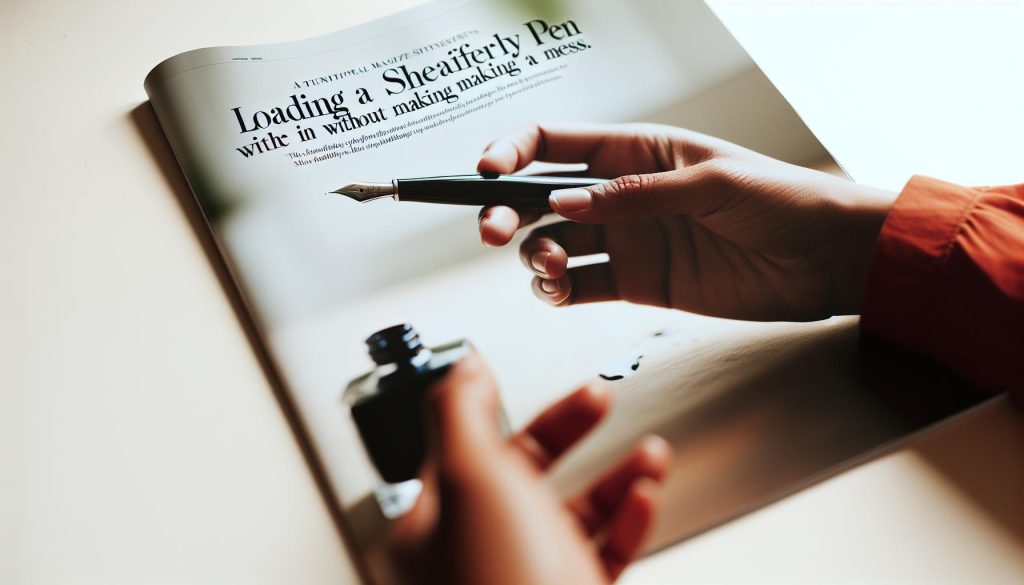
Discover how to load your Sheaffer calligraphy pen effortlessly and mess-free! Learn expert tips to fill with ease and elevate your writing today!
How to Prepare a Calligraphy Pen: Ready Your Tool for Writing
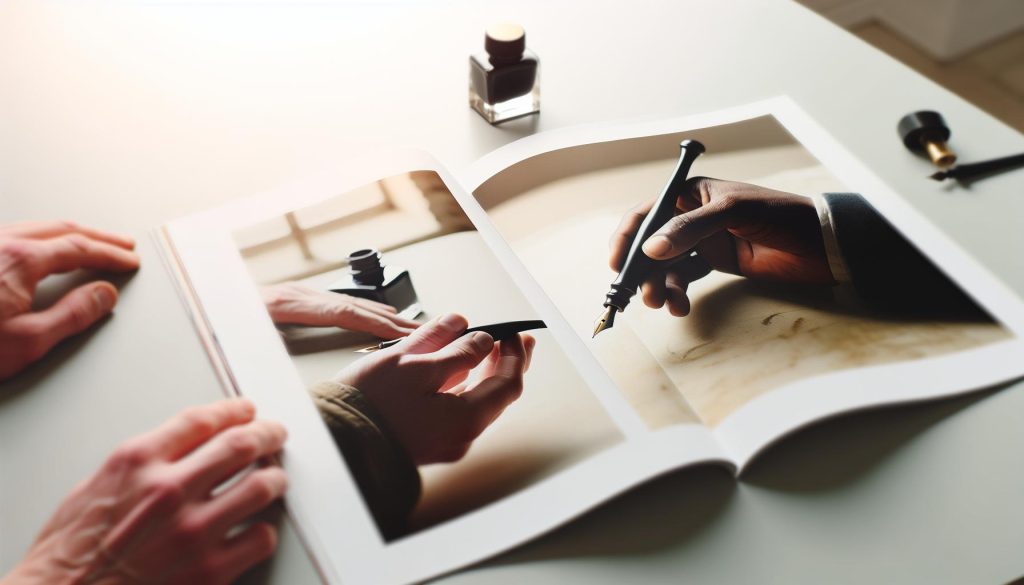
Unlock the art of beautiful writing! Discover how to prepare a calligraphy pen and elevate your craftsmanship. Learn these essential steps now!
How to Write with a Manuscript Calligraphy Pen: Quality Brand Tips
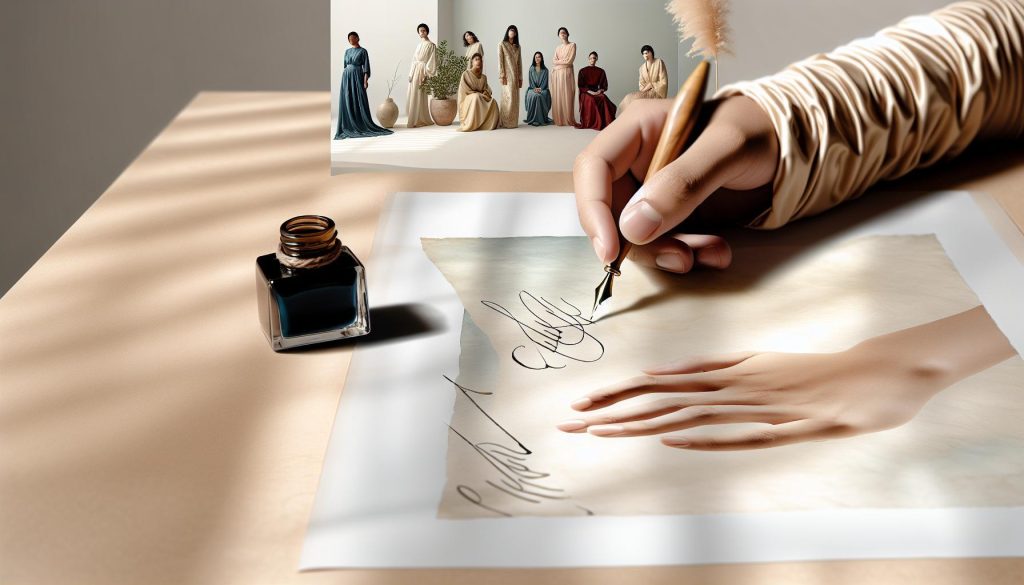
Unlock the art of beautiful writing! Discover how to use a Manuscript calligraphy pen with expert tips that elevate your skills. Don’t miss out!
Mont Marte Calligraphy Pen Set How to Assemble: Setup Success
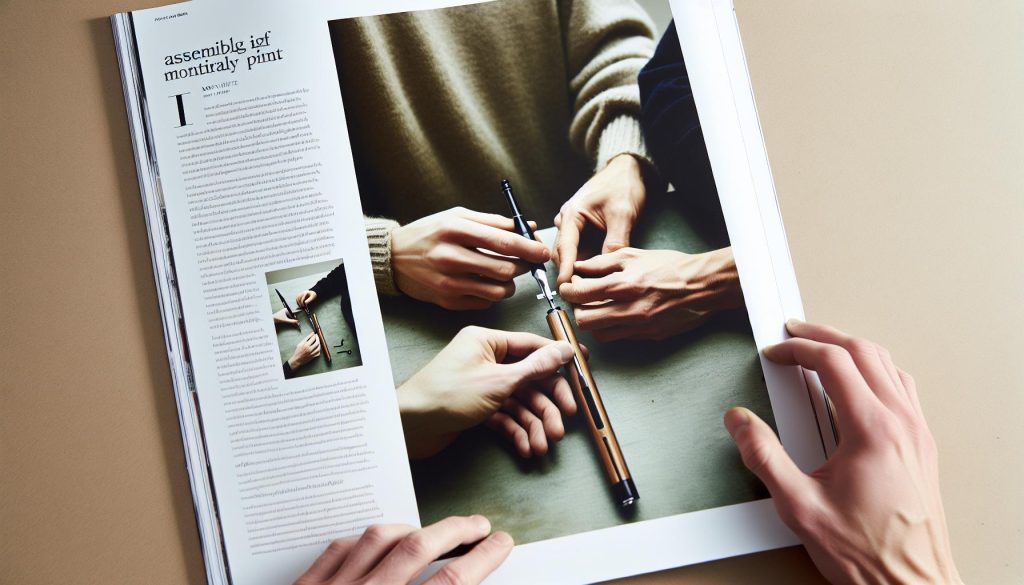
Unlock the art of stunning calligraphy! Discover how to assemble your Mont Marte Calligraphy Pen Set for setup success. Get started today and elevate your writing!
How to Use Soho Studio Calligraphy Pen: Create Stunning Letters
Unlock your creativity with the Soho Studio Calligraphy Pen! Discover tips to craft stunning letters that impress and inspire. Don’t miss out-learn how today!
How to Set Up a Manuscript Calligraphy Pen: Beginner-Friendly

Unlock the art of lettering with our guide on setting up a manuscript calligraphy pen! Discover essential tips for a smooth start. Don’t miss out!
How to Set Up Royal Langnickel Calligraphy Pen: Assembly Basics
Master the art of calligraphy with our guide on how to set up your Royal Langnickel calligraphy pen! Discover essential assembly tips and start creating stunning letters today!
How to Put Cartridge in Calligraphy Pen: Install Correctly

Unlock the art of beautiful writing! Learn how to put cartridge in a calligraphy pen correctly and elevate your lettering skills in minutes. Don’t miss out!
How Does a Calligraphy Pen Work: The Mechanics Explained Simply
Unlock the art of calligraphy! Discover how a calligraphy pen works with our simple mechanics guide. Learn the secrets to mastering this beautiful craft today!
Foundational Pillars (Start Here)
How Does a Calligraphy Pen Work: The Mechanics Explained Simply
Foundational physics of ink delivery, capillary pressure differentials, atmospheric venting, and nib tine deflection.
How to Prepare a Calligraphy Pen: Ready Your Tool for Writing
Step-by-step checklist for cleaning factory oils, priming capillary feeds, seating cartridges, and testing ink flow.
How to Put Cartridge in Calligraphy Pen: Install Correctly
Foolproof walkthrough on puncturing cartridge seals, aligning universal international vs proprietary standards, and establishing initial capillary prime.
Why Isn't Ink Coming Out of My Calligraphy Pen: Solve Flow Issues
Systematic diagnostic tree addressing dried ink clogs, nib tine misalignment, paper fiber blockages, and surface tension failures.
Operational Protocols: Ergonomic Posture, Fluid Priming & Hygiene Standards
Successful calligraphy relies on consistent mechanical habits. Unlike standard rollerballs designed to write at arbitrary angles under heavy downward force, calligraphy tools require relaxed whole-arm movement and precise angular orientation. Maintaining an open hand grip prevents cramping, stabilizes line thickness, and eliminates the hand tremors that ruin delicate entry hairlines.
Hygiene and fluid maintenance directly govern tool lifespan. Leaving fountain pens capped with wet ink for months creates stubborn sediment blockages that choke feed micro-fins. Implementing a scheduled maintenance regimen—immediate water rinses for dip nibs, monthly flushes for fountain feeds, and airtight horizontal storage—ensures instant startup and flawless ink flow across decades of artistic practice.
| Usage Phase | Key Operational Step | Primary Hazard to Avoid | Quality Standard |
|---|---|---|---|
| Pre-Flight Setup | Degrease nib / prime feed | Writing with factory anti-rust oils | Ink clings evenly without pooling |
| Writing Execution | Maintain 45° angle & light touch | Pressing hard on upstrokes | Consistent hairline-to-shade contrast |
| Inking & Reloading | Airtight cartridge/converter seating | Air bubbles trapped behind feed | Immediate, unbroken ink delivery |
| Post-Session Care | Rinse & lint-free cloth dry | Storing metal nibs damp (oxidation) | Clean, rust-free, polished tines |
Curated Topic Directory & Methodologies
Brand Setup & Assembly Guides
- How to Load Sheaffer Calligraphy Pen: Fill Without the Mess
- How to Set Up a Manuscript Calligraphy Pen: Beginner-Friendly
- Mont Marte Calligraphy Pen Set How to Assemble: Setup Success
- How to Set Up Royal Langnickel Calligraphy Pen: Assembly Basics
- How to Put Together a Sheaffer Calligraphy Pen: Assembly Steps
Inking & Cartridge Operations
Frequently Asked Questions
How do you start ink flow in a newly inserted cartridge?
After firmly puncturing the cartridge into the feed post, gently squeeze the cartridge sides once or twice while holding the pen point-down over scrap paper until a drop of ink appears at the nib breather hole.
Why does my pen tear the paper on upstrokes?
Tearing occurs when too much downward pressure is applied during an ascending stroke, causing the sharp steel tines to snag paper fibers. Upstrokes must be executed with featherlight, near-zero pressure.
What should you do if ink dries inside the feed?
Soak the section (nib and feed unit) in a glass of lukewarm distilled water with a drop of mild dish soap for 2 to 4 hours, then flush repeatedly with clean water using a bulb syringe.
How should calligraphy pens be stored when not in use?
Fountain pens filled with ink should be stored horizontally in a pen case to keep the feed moist without causing ink to pool in the cap. Dip pens should always be disassembled and stored dry.