
How to Fill a Calligraphy Pen Nib: Load for Smooth Writing
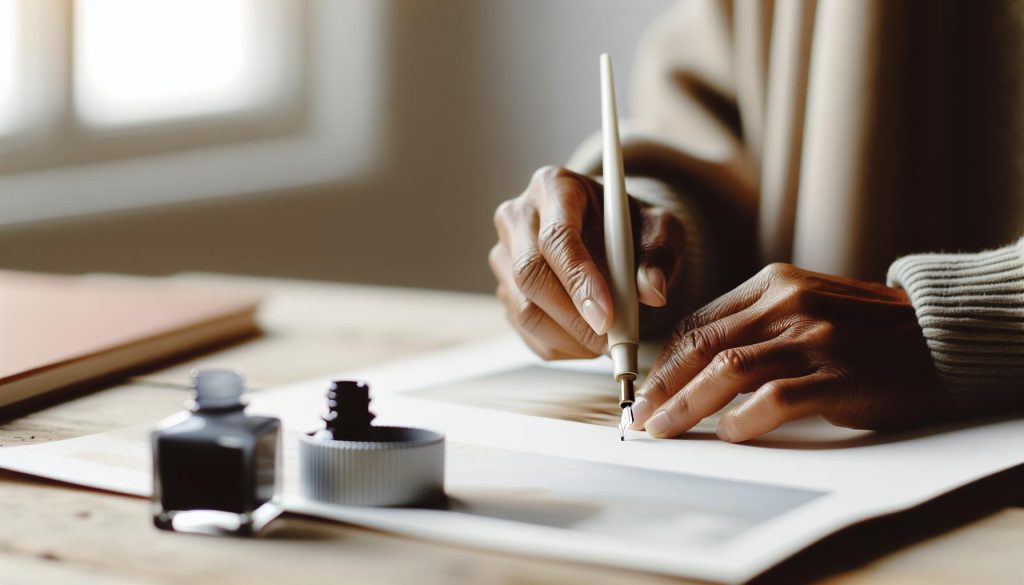
Unlock smooth writing by mastering how to fill a calligraphy pen nib! Discover expert tips for effortless ink loading and elevate your calligraphy today!
How to Load Sheaffer Calligraphy Pen: Fill Without the Mess
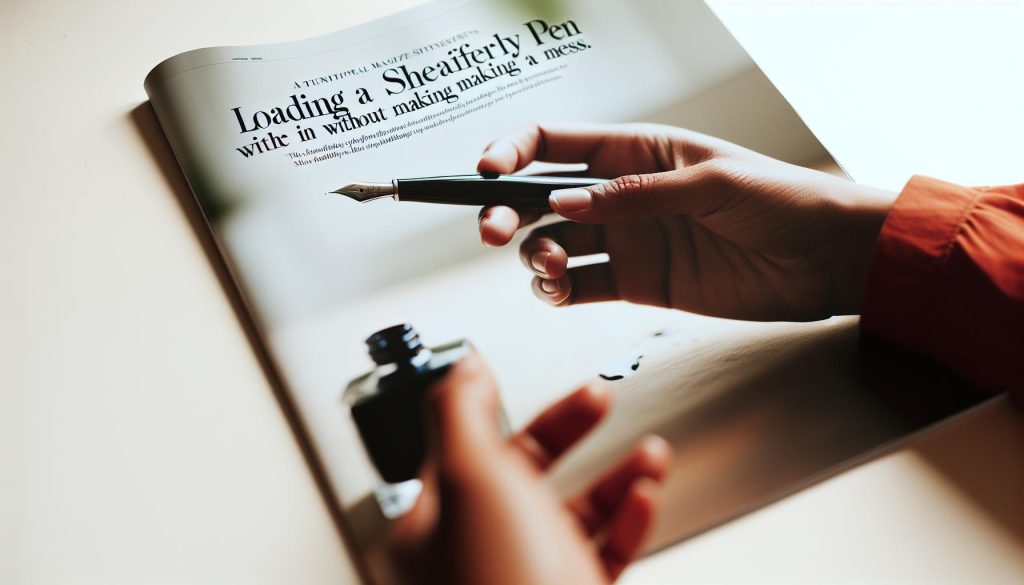
Discover how to load your Sheaffer calligraphy pen effortlessly and mess-free! Learn expert tips to fill with ease and elevate your writing today!
Mont Marte Calligraphy Pen Set How to Assemble: Setup Success
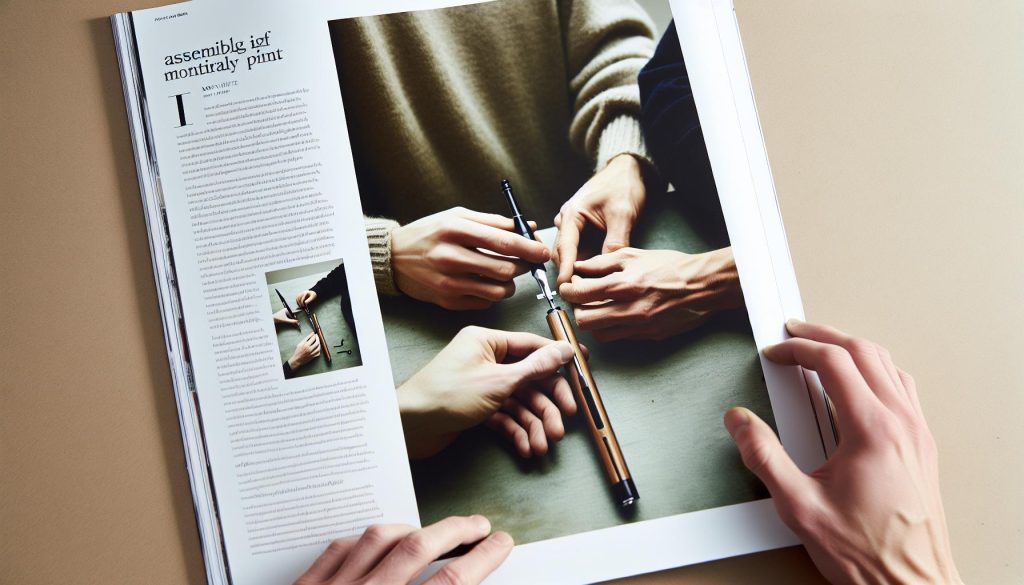
Unlock the art of stunning calligraphy! Discover how to assemble your Mont Marte Calligraphy Pen Set for setup success. Get started today and elevate your writing!
How to Set Up a Manuscript Calligraphy Pen: Beginner-Friendly
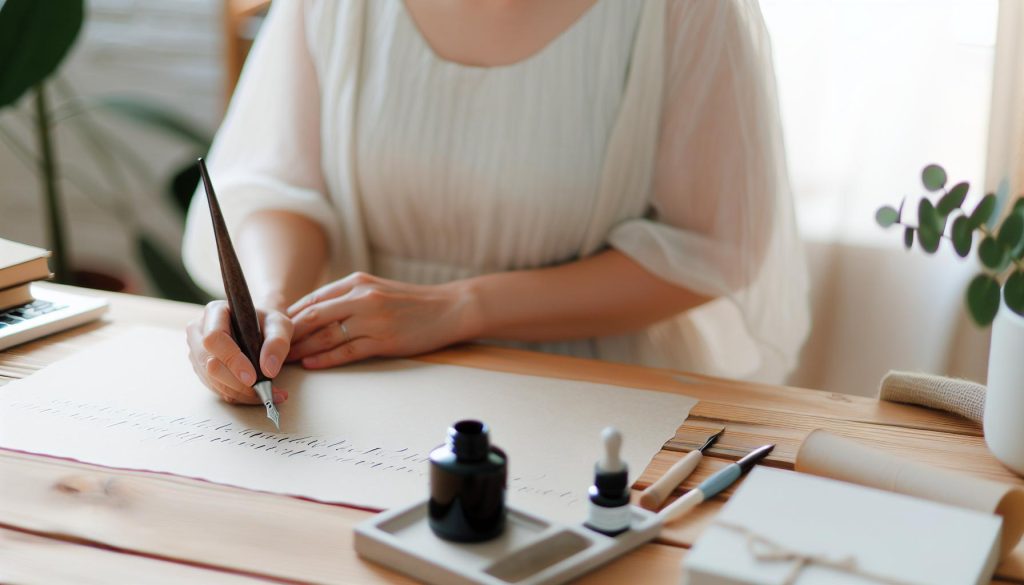
Unlock the art of lettering with our guide on setting up a manuscript calligraphy pen! Discover essential tips for a smooth start. Don’t miss out!
How to Set Up Royal Langnickel Calligraphy Pen: Assembly Basics
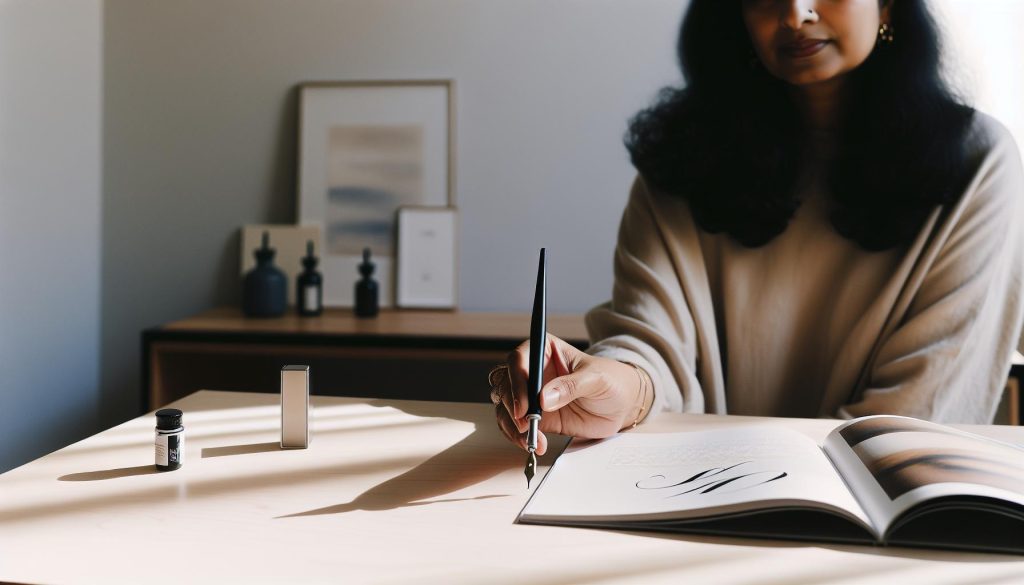
Master the art of calligraphy with our guide on how to set up your Royal Langnickel calligraphy pen! Discover essential assembly tips and start creating stunning letters today!
How to Put Cartridge in Calligraphy Pen: Install Correctly
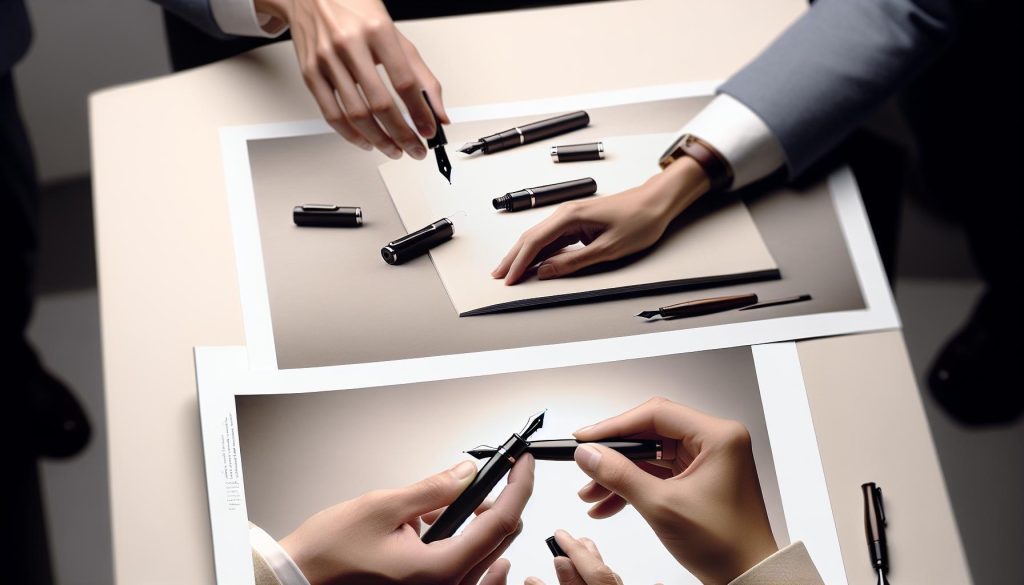
Unlock the art of beautiful writing! Learn how to put cartridge in a calligraphy pen correctly and elevate your lettering skills in minutes. Don’t miss out!
How to Use a Calligraphy Pen with Ink Cartridges: Foolproof Method
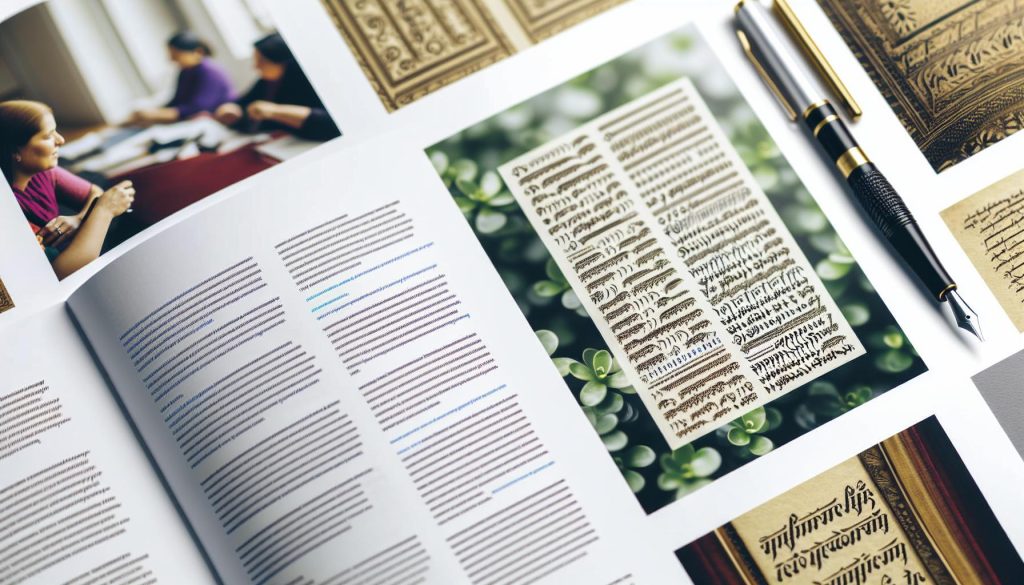
Unlock stunning calligraphy with our foolproof guide on using a calligraphy pen with ink cartridges! Discover expert tips for effortless, beautiful writing today!
How to Refill a Calligraphy Pen: Keep Your Ink Flowing Fresh

Discover how to refill a calligraphy pen effortlessly! Keep your ink flowing fresh and elevate your writing today-don’t let your creativity run dry!
Why Isn’t Ink Coming Out of My Calligraphy Pen: Solve Flow Issues
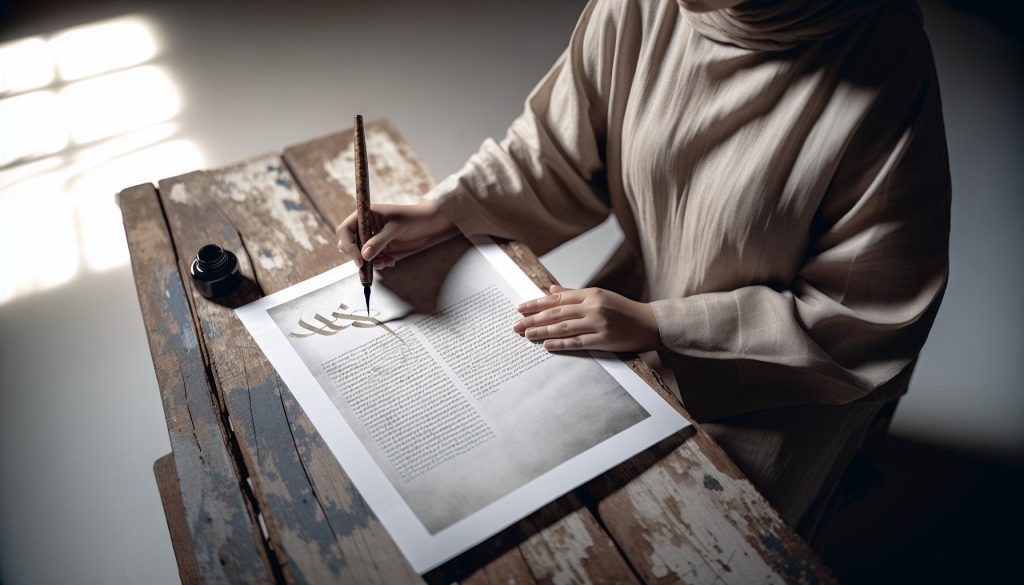
Struggling with ink flow in your calligraphy pen? Discover quick fixes to solve these pesky issues and get back to creating beautiful lettering today!
How to Load a Sheaffer Calligraphy Fountain Pen: Fill Properly
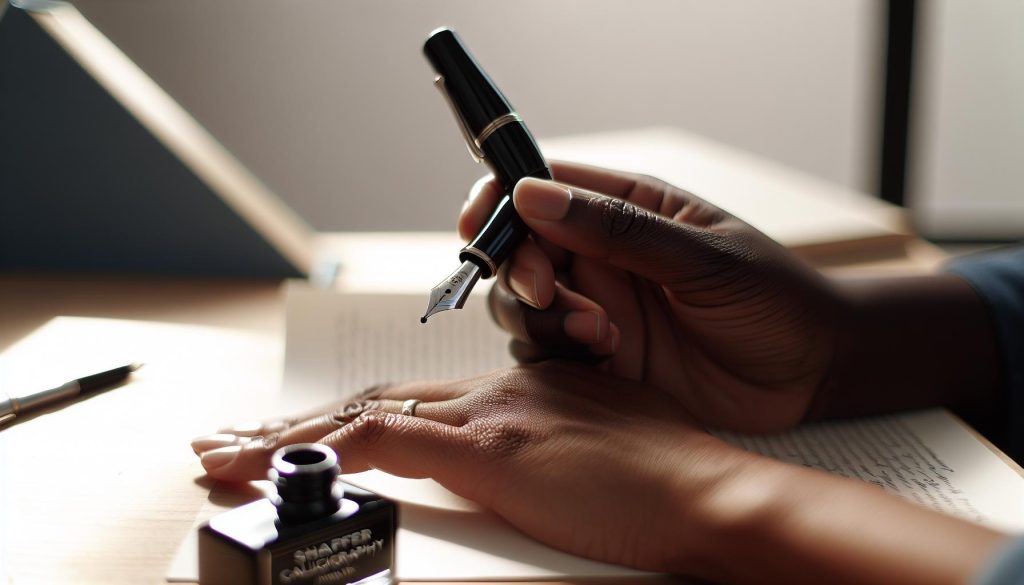
Unlock the art of calligraphy! Discover how to load a Sheaffer calligraphy fountain pen properly and elevate your writing. Learn expert tips for flawless fills!
Foundational Pillars (Start Here)
How to Put Cartridge in Calligraphy Pen: Install Correctly
Correct insertion technique, identifying proprietary vs standard international fittings, and verifying a secure mechanical puncture.
How to Load Sheaffer Calligraphy Pen: Fill Without the Mess
Detailed guide on loading vintage and modern Sheaffer calligraphy cartridges, Classic converters, and Skrip ink chambers.
How to Refill a Calligraphy Pen: Keep Your Ink Flowing Fresh
Complete workflow for drawing bottled ink through rotary converters, wiping excess from the grip, and purging trapped air pockets.
How to Fill a Calligraphy Pen Nib: Load for Smooth Writing
Brush-loading and dropper-loading techniques for dip pen nibs to achieve precise, measured ink loads without messy dipping.
Fluid Dynamics: Surface Tension, Hydraulic Seal & Priming Physics
Loading ink into a writing tool is a controlled hydraulic operation. When a piston converter draws ink upward, it creates a partial vacuum that pulls fluid through the feed's collector fins. To achieve a complete 100% capacity fill, the nib must remain fully submerged beneath the ink surface until the piston stroke finishes, followed by releasing two drops back into the bottle and turning the piston slightly back to clear the feed collector of excess saturation.
For traditional dip pens, 'dipping' directly into a bottle often loads too much ink, leading to accidental blobs. Master calligraphers frequently employ 'brush loading'—using an ordinary watercolor brush or eyedropper to apply ink directly onto the underside of the nib reservoir. This provides exact volume control, extends writing duration, and prevents dipping accidents.
| Loading System | Capacity | Ink Versatility | Mess Risk Level |
|---|---|---|---|
| Pre-filled Plastic Cartridge | 0.8 - 1.4 ml | Restricted to manufacturer dye inks | Zero (instant snap-in) |
| Piston / Twist Converter | 0.5 - 0.9 ml | All bottled fountain-pen safe inks | Low (requires tissue wipe) |
| Eyedropper Conversion | 2.0 - 4.0 ml | High-capacity fountain inks | Medium (requires silicone grease) |
| Brush-Loaded Dip Nib | 0.1 - 0.2 ml per charge | Acrylics, India inks, gouache, metallics | Minimal (controlled brush dab) |
Curated Topic Directory & Methodologies
Brand-Specific Setup & Assembly
- How to Load Sheaffer Calligraphy Pen: Fill Without the Mess
- How to Load a Sheaffer Calligraphy Fountain Pen: Fill Properly
- Mont Marte Calligraphy Pen Set How to Assemble: Setup Success
- How to Set Up a Manuscript Calligraphy Pen: Beginner-Friendly
- How to Set Up Royal Langnickel Calligraphy Pen: Assembly Basics
Cartridge & Bottled Refill Tutorials
- How to Put Cartridge in Calligraphy Pen: Install Correctly
- How to Use a Calligraphy Pen with Ink Cartridges: Foolproof Method
- How to Refill a Calligraphy Pen: Keep Your Ink Flowing Fresh
- How to Fill a Calligraphy Pen Nib: Load for Smooth Writing
- Why Isn't Ink Coming Out of My Calligraphy Pen: Solve Flow Issues
Frequently Asked Questions
What should you do if an ink cartridge won't puncture?
Ensure you are inserting the narrower end of the cartridge directly into the feed nipple. Press firmly and straight down against a stable desk surface until you hear or feel a distinct snap.
Can you refill empty plastic ink cartridges with bottled ink?
Yes! Clean out the empty cartridge with a blunt-tip syringe and water, let it dry, and use the syringe to refill it with any fountain pen ink of your choice.
Why does ink leak into the cap after filling with a converter?
After filling via a converter, the feed is oversaturated. Always release 2 to 3 drops of ink back into the bottle and reverse the piston screw slightly to create an air buffer that prevents cap flooding.
Can you use calligraphy dip pen ink inside a fountain pen converter?
Never. Bottled inks labeled 'Calligraphy Ink' or 'Drawing Ink' often contain shellac or acrylic binders that harden into waterproof plastic, permanently destroying converter mechanisms and feed capillaries.