What Pen to Use for Calligraphy Beginners: Start Smart

Unlock your calligraphy potential! Discover the best pens for beginners and learn how to elevate your writing. Start smart and get creative today!
Can You Do Calligraphy with a Fountain Pen: Yes—Here’s How
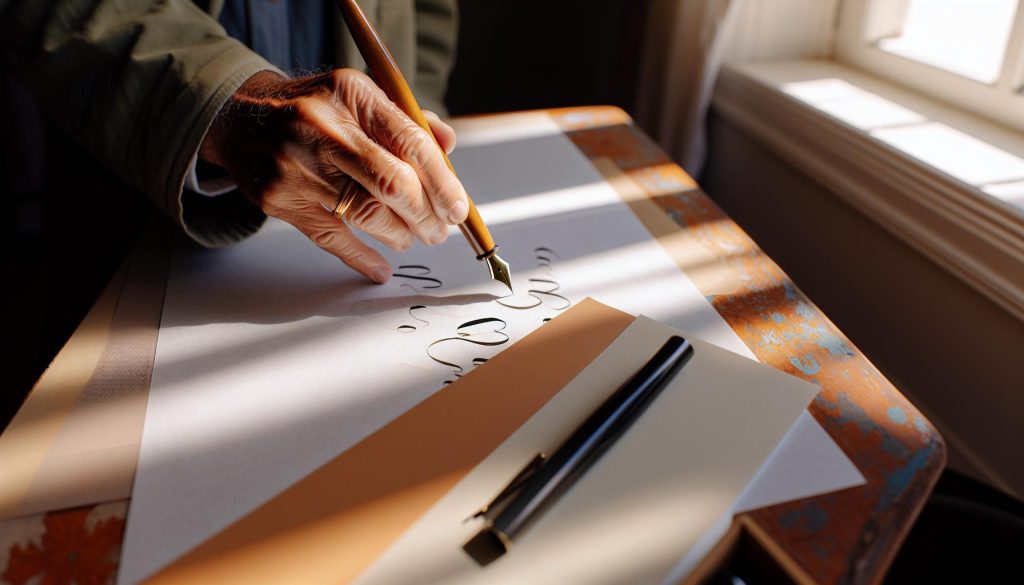
Unlock the beauty of calligraphy with a fountain pen! Discover expert tips and techniques to master this elegant art form today. Don’t miss out!
Speedball Calligraphy Fountain Pen How to Use: Professional Tips
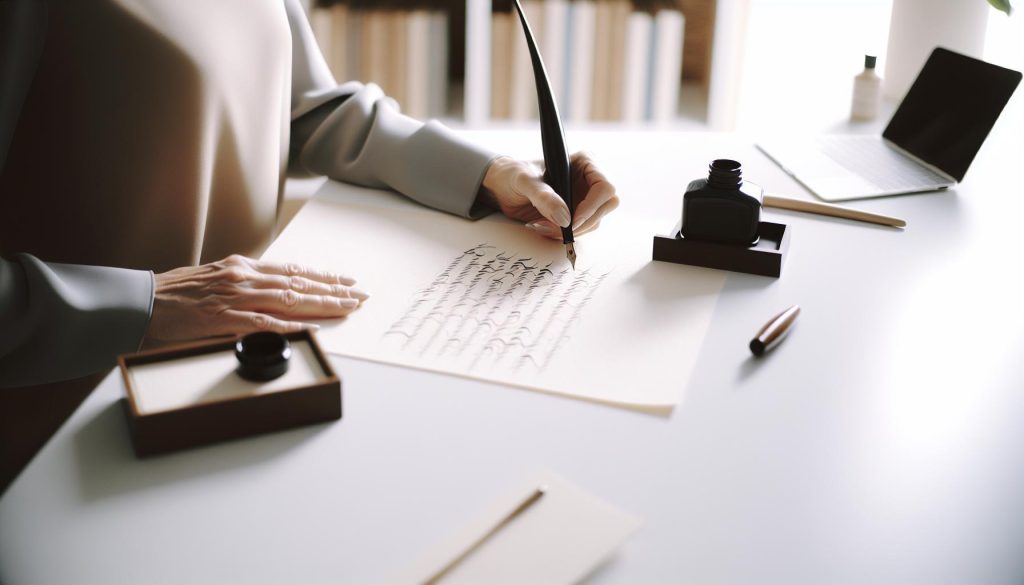
Unlock your calligraphy potential! Discover professional tips on how to use the Speedball Calligraphy Fountain Pen and elevate your writing today!
Which Pen Is Best for Calligraphy Writing: Expert Picks

Discover which pen is best for calligraphy writing! Get expert picks and tips to elevate your lettering skills. Don’t miss out on the perfect pen!
What Pen to Buy for Calligraphy: Make the Right Choice

Unlock stunning calligraphy! Discover what pen to buy for calligraphy and elevate your skills. Find the perfect match today for beautiful lettering!
What Pen Is Used for Calligraphy: Top Choices Revealed

Unlock the art of calligraphy! Discover the top pens used for stunning lettering and elevate your skills. Don’t miss out-find your perfect pen now!
What Is a Piston Filler for a Calligraphy Pen: Mechanism Explained

Discover what a piston filler for a calligraphy pen is and how this innovative mechanism enhances your writing experience. Unleash smooth, effortless flow now!
How to Use Fountain Pen Calligraphy: Elegant Writing Simplified

Unlock the art of fountain pen calligraphy! Discover simple techniques for elegant writing that captivate and impress. Transform your penmanship today!
Calligraphy How to Use a Fountain Pen: Classic Tool Basics

Unlock the art of beautiful writing with “Calligraphy How to Use a Fountain Pen.” Discover essential tips and classic tools to elevate your penmanship today!
How to Do Calligraphy with a Fountain Pen: Essential Techniques

Unlock the art of beautiful writing with “How to Do Calligraphy with a Fountain Pen: Essential Techniques.” Discover tips and tricks to elevate your skills today!
Foundational Pillars (Start Here)
Can You Do Calligraphy with a Fountain Pen: Yes—Here's How
Definitive breakdown of calligraphy possibilities with fountain pens, outlining the required nib grinds and stroke angles.
Speedball Calligraphy Fountain Pen How to Use: Professional Tips
Practical walkthrough on unboxing, inking, and writing with the widely adopted Speedball calligraphy starter pen set.
What Is a Piston Filler for a Calligraphy Pen: Mechanism Explained
In-depth engineering breakdown of piston filling systems, high-capacity ink chambers, and airtight vacuum seal maintenance.
What Is the Best Fountain Pen for Calligraphy: Top Recommendations
Comparative analysis of top models across budget tiers, reviewing the Pilot Parallel, Lamy 1.5/1.9 Italic, and vintage flex pens.
Capillary Dynamics: Feed Channels, Ink Viscosity & Nib Grinds
The heart of a calligraphy fountain pen is its feed system. Under fluid capillary action, narrow plastic or ebonite channels draw liquid ink forward from the reservoir while simultaneously venting air bubbles back into the chamber. Calligraphy nibs demand substantially wider ink flow than ordinary fine nibs, requiring high-flow feeds to prevent railroading during broad, rapid strokes.
Fountain pen calligraphy nibs come primarily in two varieties: stub/italic nibs and flexible nibs. Crisp italic nibs have sharp, unrounded edges that produce dramatic stroke contrast but require precise desk posture. Stub nibs feature subtly rounded corners for smoother daily script. Understanding your nib's grind geometry determines whether your letterforms display Gothic rigidity or flowing Spencerian grace.
| Fountain Pen Style | Filling System | Nib Profile | Best Suited Script |
|---|---|---|---|
| Plate Parallel Pen (e.g. Pilot) | Proprietary Cartridge | Dual parallel metal plates | Gothic Blackletter, Uncial, Fraktur |
| Interchangeable Stub (Lamy Joy) | Cartridge / Z28 Converter | 1.1mm / 1.5mm / 1.9mm ground steel | Italic script, Foundational hand |
| Piston-Filled Flex Pen | Integrated internal piston | Cutout slit flexible gold/steel | Spencerian, Modern Copperplate hybrid |
| School Calligraphy Set (Speedball) | Standard international cartridge | Assorted steel broad stubs | Introductory classroom practice |
Curated Topic Directory & Methodologies
Beginner Fountain Pen Guides
Writing Techniques & Execution
Frequently Asked Questions
Can you write Spencerian script with a normal fountain pen?
No. Traditional Spencerian script requires extreme variation between hairline upstrokes and shaded downstrokes, which is only possible with a vintage full-flex nib or modern custom flex fountain pen.
Why is my fountain pen skipping on broad downstrokes?
Skipping (or railroading) occurs when ink surface tension breaks across the wide nib slit. Common causes include using ink that is too dry, writing too quickly, or paper oils clogging the nib slit.
How often should a calligraphy fountain pen be flushed?
Flush your pen with lukewarm distilled water every 4 to 6 weeks, or whenever you change ink colors or brands, to prevent pigment residue buildup in the feed.
What paper works best with calligraphy fountain pens?
High-density, smooth papers with surface sizing (such as Clairefontaine 90gsm, Rhodia, or Tomoe River 52/68gsm) resist feathering and show off ink shading without bleed-through.