
If you’re diving into the beautiful world of calligraphy, choosing the right pen can make all the difference in your journey. Did you know that different pens unlock different calligraphic styles? Whether you’re a complete beginner or an experienced letterer looking to refine your craft, selecting the right tool is crucial to achieving those stunning flourishes and elegant strokes. The variety is vast-brush pens, pointed nibs, and even broad-edge pens each offer unique benefits tailored to various techniques and styles. As you explore the options available, you’ll discover how the right pen can not only enhance your writing but also elevate your artistic expression. So, let’s unveil the top choices and find the perfect pen that resonates with your creative goals.
What to Look for in a Calligraphy Pen
When diving into the world of calligraphy, the pen you choose can make or break your experience. It’s not just about picking something that looks nice; you need a pen that feels good in your hand and suits your style of writing. First, consider the nib type. For traditional calligraphy, you might opt for a dip pen fitted with a flexible nib, allowing for varied line thickness based on the pressure you apply. Conversely, if you’re exploring modern styles, brush pens might be more your speed. Their flexible tips help create beautiful strokes effortlessly.
Next, the pen holder can greatly affect your writing comfort. If you’re using a dip pen, try to find one that feels balanced in your grip. A pen holder that can adjust the tilt of the nib will make your strokes smoother, especially if you’re working with pointed pens. For brush pens, look for options that have a comfortable grip and control over ink flow.
Don’t forget about ink compatibility. While some pens come as a complete set with ink, others may require you to purchase your ink separately. A good-quality ink can significantly enhance your calligraphy. Look for inks that dry quickly and produce vibrant colors without feathering on your paper. Testing different inks helps you find the perfect match for your pen and paper combination.
Lastly, choose a pen that you can grow with. While beginners might want something simple and affordable, investing in a quality pen that you can use as you advance your skills can save you money in the long run. Aim for a mix of functionality, comfort, and personal preference to ensure your calligraphy journey is enjoyable and fulfilling.
Top Types of Calligraphy Pens Explained
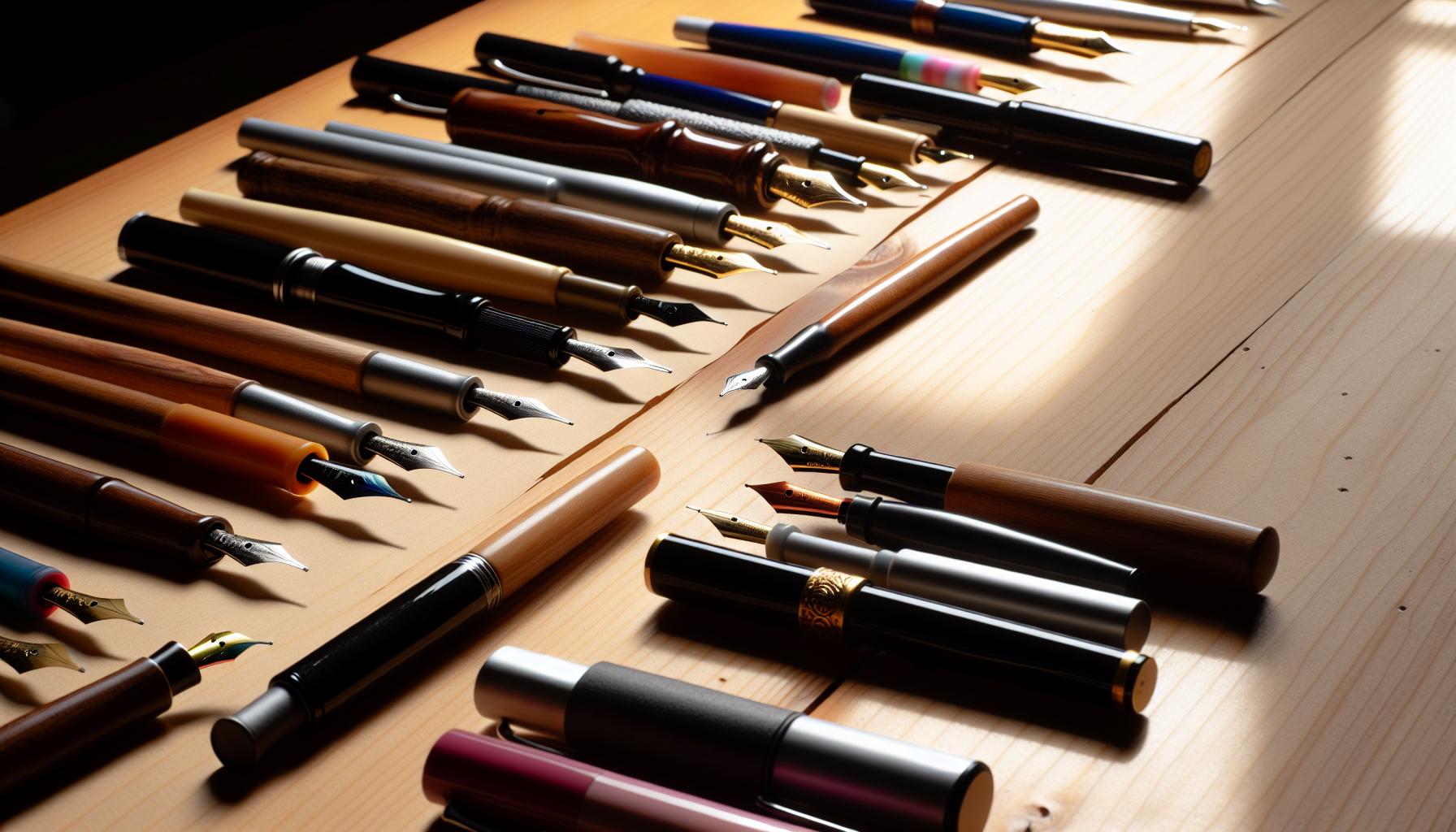
When you start your journey into calligraphy, understanding the types of pens available is crucial. Each style of pen caters to different techniques and effects, so knowing your options will help you find the right fit for your needs.
Dip Pens
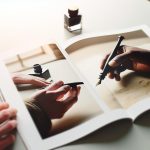
Dip pens are a favorite among traditional calligraphers for their versatility and control. They consist of a metal nib attached to a holder and require dipping in ink. This allows for varying line thickness by altering the pressure you apply. As your skill improves, you can switch out nibs depending on the desired thickness and style of writing. Whether you’re creating elegant scripts or bold lettering, dip pens provide a tactile experience that enhances your connection with the artwork you’re crafting.
Fountain Pens
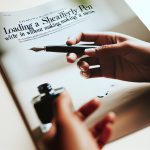
Fountain pens are another excellent choice, especially for those who enjoy a more modern feel. Equipped with a refillable ink cartridge or converter, they offer convenience and consistent ink flow without the need for frequent dipping. Fountain pens are ideal for everyday writing as well as calligraphy, especially when you want clean, precise lines without the fuss of traditional dip pens. Many come with varying nib sizes, enabling you to experiment with different styles of lettering.
Brush Pens
If you’re leaning towards a more casual or expressive style, brush pens might be your go-to. These pens feature flexible brush tips that mimic traditional paintbrushes, allowing you to create wide strokes and intricate flourishes with ease. Ideal for beginners, brush pens like the Tombow Fudenosuke are popular because of their sturdy tips that offer both flexibility and control, perfect for practice and mastering calligraphy techniques. They are especially useful for modern calligraphy and hand lettering.
Marker Pens
Marker pens, particularly those designed for calligraphy, are a fantastic entry point as well. They combine the ease of use of traditional markers with features that support calligraphy techniques. These pens usually have chiseled nibs or rounded tips, making them suitable for both thick and thin strokes. They’re great for creating bold styles and can be found in an array of colors, making them perfect for vibrant projects.
In essence, whether you prefer the control of dip pens, the convenience of fountain pens, the expressive nature of brush pens, or the colorful possibilities from marker pens, there’s a perfect tool for every calligraphy enthusiast. As you explore these options, experiment to find out which pen feels best in your hand and aligns with your creative vision.
Best Calligraphy Pens for Beginners
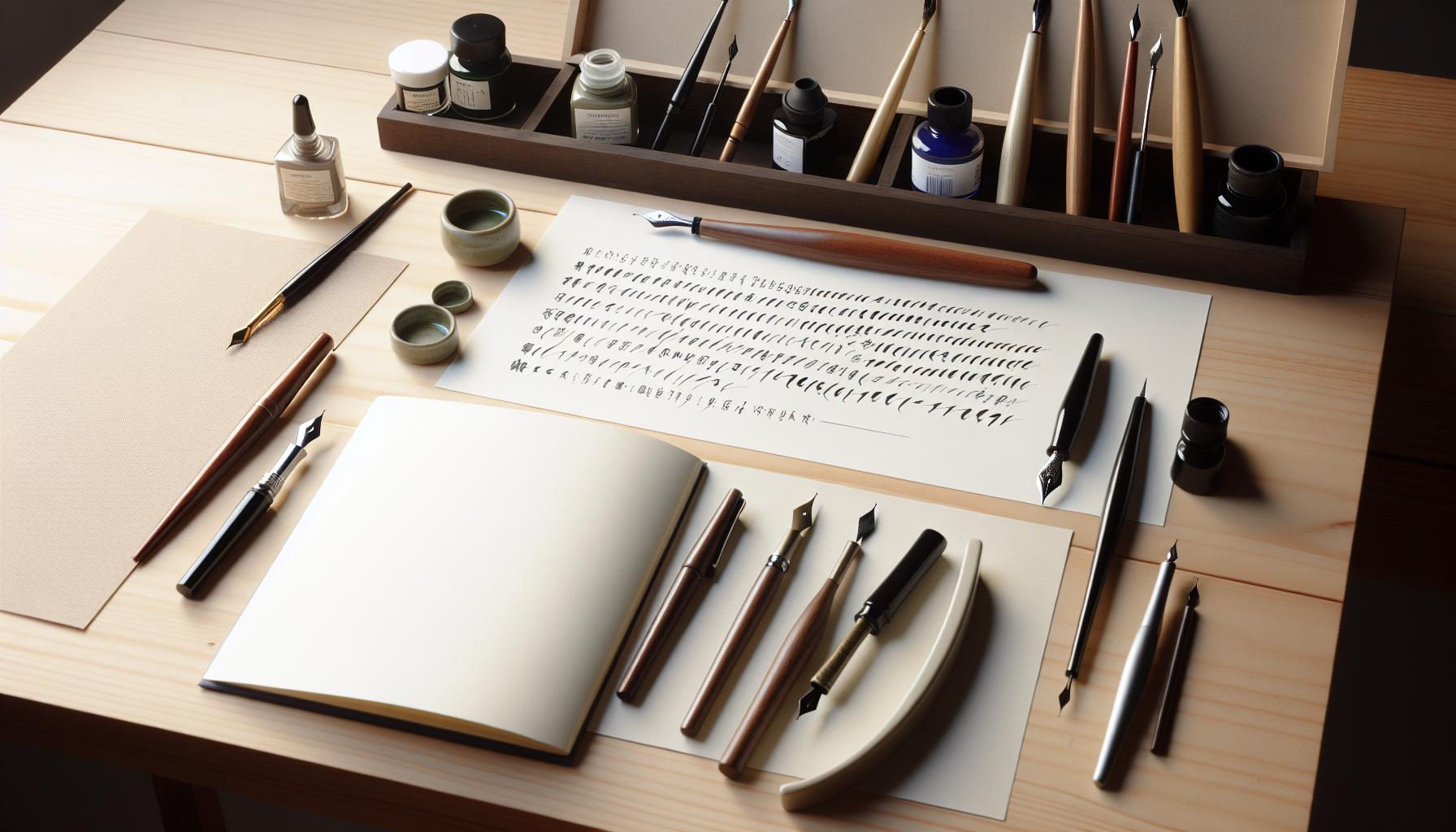
Some calligraphy pens are better suited for beginners, offering an easier entry point into the art of beautiful writing. If you’re just starting, it’s important to choose pens that provide both comfort and versatility while allowing you to experiment with different styles of calligraphy.
Brush pens are incredibly popular among beginners, and for good reason. They combine the feel of a paintbrush with the convenience of a pen, making them perfect for those learning to create varied strokes. For instance, the Tombow Fudenosuke is a favorite due to its dual tips-one soft and flexible for thicker lines, and the other firm for more precise strokes. This adaptability makes it easy to master basic techniques without the frustration that often comes with traditional calligraphy tools.
Another excellent choice is the Pilot Parallel Pen. Unlike traditional dip pens, this pen has a distinctive rectangular nib that allows for smooth, consistent lines and is perfect for creating italic scripts. It’s reusable and comes with cartridges, which means less mess and more focus on practicing your lettering. Additionally, this pen can help you learn pressure control, essential for producing beautiful calligraphy.
Don’t overlook beginner-friendly calligraphy sets, which often include a selection of nibs, a nib holder, and ink. These sets, like those from Speedball, are an economical way to explore different styles and find what suits you best.
Ultimately, choosing the right pen comes down to personal preference. It’s a good idea to try a few different types to see which feels most comfortable in your hand. As you practice with these pens, you’ll gain confidence and start developing your unique style, making your calligraphy journey all the more enjoyable.
Advanced Calligraphy Pens for Experienced Users
When you’ve progressed beyond the basics of calligraphy, it’s time to elevate your game with advanced pens that offer flexibility and precision for more intricate designs. An experienced calligrapher knows that the right tools make all the difference in achieving the desired artistic effect. Let’s dive into the top choices for advanced calligraphy pens that can help you refine your skills and create stunning masterpieces.
Pointed Nib Pens
For those who favor traditional styles, pointed nib pens are essential. They offer the control needed for fine details and varying line thickness-key components of advanced calligraphy. A popular choice among seasoned artists is the Oblique Pen Holder, which allows for better ink flow and more dramatic strokes. Combine this with a selection of high-quality nibs such as the Zebra G Nib or the Rose Gold Nib, and you’ll have a versatile setup. These nibs respond beautifully to pressure changes, giving you the ability to create both delicate hairlines and bold downstrokes.
Broad-Edged Pens
If you’re looking to explore typography or traditional scripts like Gothic or Italic, broad-edged pens are your best bet. The Speedball Broad Edge Pen Set is excellent for those diving into this style, providing various nib sizes that enable you to experiment with different scripts. The pen’s edges create sharp, clean lines that hold up beautifully in both large pieces and smaller, intricate work.
Brush Pens for Precision and Style
Though often favored by beginners, high-quality brush pens can be powerful allies for experienced calligraphers too. Look for options like the Pentel Pocket Brush Pen or Tombow Dual Brush Pens, which offer flexible tips that maintain shape over time. The adaptability of these pens allows you to venture into modern calligraphy styles while still honing traditional techniques.
Ink Selection
The right ink can significantly enhance your calligraphy experience. Many advanced pen users opt for bottled inks like Dr. Ph. Martin’s Hydrus Watercolor Ink, known for its vibrant colors and smooth flow. When paired with your preferred pen type, high-quality ink can elevate your letterforms, allowing for seamless blending and layering in your artwork.
Using these advanced tools isn’t just about getting better results; it’s also about finding joy in the process. Experiment with different combinations of pens and inks to discover the tactile satisfaction and visual delight they bring. Mastering new techniques is all about patience and practice, but with the right pens in hand, you’ll find the journey not only rewarding but deeply fulfilling.
Comparing Fountain Pens and Dip Pens
When it comes to choosing the right tools for calligraphy, understanding the differences between fountain pens and dip pens is crucial. Both types offer unique advantages that can enhance your creative process and the final result of your work.
Fountain pens provide convenience and consistency. They come pre-filled with ink, allowing for a smoother, uninterrupted writing experience. With their built-in reservoir, you won’t have to constantly dip your pen, making them ideal for longer writing sessions or projects. The nibs are engineered for precision, producing clean lines with minimal effort. It’s also easy to switch between different ink types or colors, making them versatile for various styles of calligraphy.
On the flip side, dip pens offer a level of control and tradition that many calligraphers cherish. By dipping the nib in ink, you can manipulate the flow and saturation to produce different effects. This method allows for experimentation with various inks and materials, which can be a delightful part of the creative process. Dip pens, especially when used with pointed or broad-edged nibs, enable greater expression, as you can change pressure and angles to create varied line thickness. They are excellent for styles that involve intricate details and flourishes, giving you the tactile joy of connecting with your writing tool.
Ultimately, the choice between fountain pens and dip pens boils down to personal preference and the specific demands of your projects. Many calligraphers benefit from using both, depending on whether they seek convenience or a deeper engagement with their craft. Whether you favor the modern feel of a fountain pen or the artisanal experience of a dip pen, both can elevate your calligraphy game to new heights.
Brush Pens: A Creative Alternative for Calligraphy
One of the most exciting developments in the world of calligraphy is the rise of brush pens. These versatile tools combine the precision of traditional nibs with the accessibility of a marker, making them perfect for both beginners and experienced artists. The brush tip allows for dynamic line variation-thick strokes for bold emphasis and thin lines for delicate details-all while being remarkably easy to use. If you’re looking to infuse your calligraphy with creativity and flair, brush pens are definitely worth considering.
What sets brush pens apart is their flexibility and ease of use. The brush nib mimics the feel of a paintbrush, giving you the power to create sweeping strokes and intricate patterns effortlessly. You don’t need to worry about mastering ink flow or nib pressure as much as you would with dip pens, making brush pens a fantastic entry point for those new to calligraphy. For instance, the Tombow Fudenosuke Brush Pens are a favorite among beginners and experts alike. Their firm tip offers excellent control while still providing the expressive capabilities that brush lettering requires [[2]].
Additionally, brush pens come in a variety of colors and styles, allowing for unlimited creativity. Whether you’re embellishing invitations, making greeting cards, or simply doodling, you’ll find that these pens can adapt to your project’s needs. Plus, cleanup is minimal-unlike traditional dip pens, which require careful washing, brush pens can simply be capped when not in use, ready to go when inspiration strikes.
Incorporating brush pens into your calligraphy toolkit can not only enhance your skillset but also introduce a whole new range of artistic expression. Explore different brush pen brands and styles to discover what fits your style and preferences, ensuring every piece you create is uniquely yours. With a little practice, these creative alternatives can transform your calligraphic creations into stunning works of art.
Essential Accessories for Calligraphy Success
To elevate your calligraphy game, having the right tools beyond just pens can make a world of difference. Accessories can enhance not only the quality of your work but also the overall experience of calligraphy. From ensuring ink flows smoothly to providing comfort during those long creative sessions, the right accessories are essential.
Start with a solid workstation. A comfortable, well-lit area to create is invaluable. Consider investing in a high-quality light source-like a LED desk lamp-that illuminates your workspace without straining your eyes. A non-slip mat can also be a game-changer, keeping your paper in place and preventing smudges or misalignments as you write.
Inking and cleaning supplies are crucial, too. For those using dip pens or brush pens, a good quality ink bottle is important. Look for ink that dries quickly and doesn’t bleed through paper; this helps maintain clean lines. Moreover, having a cleaning solution on hand for nibs-notably for those dip pens-can prolong their lifespan and maintain performance. An old rag or a dedicated cleaning pad will be your best friend in maintaining your tools.
Don’t overlook the potential of practice guides or worksheets. These tools can help you master letter forms and strokes effectively, leading to noticeable improvement in your calligraphic skills. Many artists find using grid paper or guides particularly effective for maintaining proportions and spacing, which is vital in calligraphy.
Lastly, consider storage solutions for your pens and accessories. A stylish pen case or organizer not only keeps everything in one place but also protects your tools from damage. By having everything organized and accessible, you’ll be more inclined to practice regularly, helping you to hone your skills faster. With these essential accessories in your arsenal, you’ll find your calligraphy sessions more enjoyable and productive.
How to Choose the Right Ink for Your Pen
Choosing the right ink for your calligraphy pen can significantly enhance your writing experience and the quality of your work. Not all inks are created equal; their properties can wildly affect how smoothly your pen glides, how vibrant your letters appear, and how quickly they dry. Start by considering the type of pen you’re using-dip pens require different inks compared to brush pens or fountain pens. For dip pens, opt for an ink with a good flow that won’t clog your nib. If you’re working with a brush pen, look for fluid inks that retain their color intensity when blended or watered down.
When it comes to color, there’s a wide spectrum to choose from, but it’s essential to think about your project. For classic calligraphy, black ink is a staple, but don’t shy away from exploring metallics or vibrant colors for decorative pieces. Many artists also prefer archival ink for their permanence and resistance to fading, making them ideal for projects meant to last. You might also want to try different brands to find one that matches your nib’s characteristics; some inks are thicker, while others are more watertight, influencing your writing style and the effect you want to achieve.
Drying time is another key aspect to consider. If you often find yourself smudging your work, look for quick-drying inks. This is especially crucial for left-handed calligraphers who may drag their hand across wet ink. Consider doing a small test with the ink on your intended paper to see how well it behaves before committing to a full project. Remember, high-quality paper can also make a difference-certain papers absorb ink differently, impacting your overall results.
Ultimately, finding the right ink can be a journey of experimentation. Keep a checklist of your experiences, documenting which inks suit which techniques and styles. This way, you’ll build a personal library of preferences, helping you elevate your calligraphy skills while enjoying the creative process. So, gather a few inks, test them out, and see which ones resonate with your artistic style!
Top Brands for Quality Calligraphy Pens
When diving into the world of calligraphy, finding the right tools can transform your experience and the beauty of your work. Let’s talk about some top brands that consistently deliver quality calligraphy pens-penned by artists and enthusiasts alike.
One standout is Tombow. Known for their versatility, Tombow’s brush pens are a favorite among beginners and pros for their flexible brush tips that allow for smooth line variation. The Tombow Dual Brush Pen offers a blend of rich pigment and water-based ink, perfect for both watercolor techniques and detailed calligraphy work.
Another trusted name is Speedball. Their broad-edged calligraphy kits are legendary. The Speedball Calligraphy Pen Set includes various nib sizes and is excellent for learning different styles, from Gothic to italic. With a reputation for durable construction and responsive nibs, Speedball makes it easy to produce crisp lines every time.
Pilot also has a strong reputation, particularly with their Pilot Parallel Pens. These pens feature a unique double-sided nib that produces stunning flat-line variations and is ideal for those interested in modern calligraphy styles. The ink flow is reliable, and the results are striking, making these pens a go-to for many calligraphers.
Don’t overlook brands like Kaweco and Sakura either. Kaweco’s Sport Fountain Pen line has an excellent reputation for portability and quality, while Sakura’s Pigma Micron pens are fantastic for fine, detailed work, offering archival-quality ink that resists fading.
In summary, the right pen can significantly impact your calligraphy journey. By choosing brands known for their quality and performance, you’re setting yourself up for success in mastering this beautiful art form. Whether you’re just starting or looking to elevate your skills, investing in quality tools from brands like Tombow, Speedball, Pilot, Kaweco, and Sakura will enhance your experience and the art you create.
Tips for Maintaining Your Calligraphy Pen
Taking care of your calligraphy pen isn’t just about cleanliness-it’s about enhancing your creative experience and ensuring your tools perform at their best. Whether you’re using a dip pen, a fountain pen, or a brush pen, maintenance can drastically affect how smoothly the ink flows and how your work turns out.
First off, always clean your pen after each use. For dip pens, remove the nib from the holder and rinse it gently in cold water, using a soft brush if necessary to remove any dried ink. Avoid hot water as it can damage certain nib types. For fountain pens, it’s crucial to flush the pen with water or a gentle pen cleaning solution, especially if you’ve changed ink colors. This prevents clogging and keeps your nib in top condition. Regular cleaning not only maintains performance but can extend the life of your nib.
Also, pay attention to the storage of your pens. Storing pens horizontally helps maintain an even flow of ink through the nib, while standing them upright can dry out the tip if the ink sits too long. For brush pens, keep the cap on securely to avoid drying out the brush tip. If a brush pen starts to dry out, a little warm water may help revive it.
Finally, use quality inks and papers that are compatible with your chosen pen. Poor-quality ink can clog the nib and even corrode metal tips, while rough paper can wear down the nib faster than you’d like. Experiment with different combinations to find what suits your style best, and don’t hesitate to replace nibs or brushes when they wear down. When well-maintained, your calligraphy pens will consistently deliver beautiful results, making your creative journey all the more enjoyable.
Where to Buy Calligraphy Pens Online
If you’re itching to dive into the world of calligraphy, knowing where to snag your supplies is crucial. Thankfully, buying calligraphy pens online has never been easier. There are countless stores that cater specifically to artists and crafters, ensuring you find exactly what you need without the hassle of in-person shopping.
One of the best places to start your search is at dedicated art supply retailers. Websites like Dick Blick or Jerry’s Artarama have extensive selections of pens, including brush pens, fountain pens, and dip pens, making it easy to compare brands and styles. Plus, many of these sites often offer seasonal discounts or promotions, which can save you some cash along the way.
Don’t overlook popular online marketplaces like Amazon or Etsy. They feature a vast array of options, often with user reviews that can guide your purchase. You can find everything from beginner kits to advanced tools used by professionals. Just check for seller ratings to ensure you’re buying from a trusted source.
Local stores may not always carry the specialized tools needed for calligraphy, but they often have great online shops. Check out companies like Tombow or STAEDTLER, which provide a range of high-quality pens directly through their websites. By purchasing directly from the brand, you can sometimes access exclusive products or offers not found elsewhere.
Lastly, consider joining online art communities or social media groups focused on calligraphy. Members often share their favorite shops and may even have discount codes for specific retailers. This not only helps you find the right pens but also connects you with fellow enthusiasts for tips and inspiration.
In summary, whether you’re a newbie or a seasoned calligrapher, the online world is rich with options. Take your time, read reviews, and don’t hesitate to explore different sources. Happy pen hunting!
Calligraphy Techniques to Master with Your Pen
To truly make your calligraphy shine, mastering a few essential techniques can elevate your work from simple lettering to breathtaking art. Different pens will naturally lend themselves to varying styles, but regardless of your tool, these techniques are fundamental to your success.
Understanding Stroke Weight
Every mark you make with your pen varies in thickness. Whether you’re using a pointed pen or a brush pen, understanding how to control pressure can create stunning visual effects. Experiment with applying light and heavy pressure. For instance, in broad-nib calligraphy, push down harder to produce thicker downstrokes while easing off for thinner upstrokes. This contrast not only adds dimensionality but also helps convey the flow of your writing.
Mastering the Basics: Consistent Letterforms
Dedicate time to practicing basic shapes. Letters in calligraphy often derive from fundamental strokes. From lines and loops to oval and angles, these shapes form the backbone of your letters. Create a cheat sheet with each letter’s basic structure, and use it as a reference for consistent practice. Keeping your angles and proportions consistent will significantly enhance the uniformity of your work.
Spacing and Alignment
One common pitfall many artists face is poor spacing. Whether you’re practicing modern calligraphy or traditional scripts, maintaining consistent spacing between letters and lines is crucial. Use guides or ruled paper to help keep your rows straight. A little extra time spent on alignment pays off in creating a polished final piece.
Incorporating Flourishes
Flourishing can add a beautiful finishing touch to your work, but it must be executed thoughtfully. Start with simple flourishes and gradually incorporate them into your writing. They should enhance, not overpower, your letters. Consider using flourishes at the beginning or end of words to draw attention without overwhelming the viewer.
Incorporating these techniques into your practice will help solidify your skills and boost your confidence as you explore the world of calligraphy. The beauty of this art lies in the details-happy practicing!
Faq
Q: What is the best type of pen for beginners in calligraphy?
A: The best type of pen for beginners is often a pointed pen, like a Nikko G nib, which allows for versatile strokes. Pair it with sumi or India ink for smooth flow. Starting with a straight pen holder and quality paper, like 32# laserjet, helps create beautiful letters easily.
Q: How do I choose between dip pens and fountain pens for calligraphy?
A: Choosing between dip pens and fountain pens depends on your style. Dip pens offer flexibility with different nibs for varying styles, while fountain pens provide convenience with less mess. If you’re looking for control and variety, start with dip pens; for ease, try fountain pens.
Q: Can I use regular inks with calligraphy pens?
A: While you can use regular inks, it’s best to choose calligraphy-specific inks for optimal results. These inks are designed for smooth flow and consistency without blobbing, especially useful with nibs that require precise handling. Always test new inks to avoid damage or clogging.
Q: What accessories do I need to start calligraphy?
A: Essential accessories include high-quality paper, various nibs, and a good calligraphy pen holder. You might also want ink, a ruler, practice worksheets, and good lighting. These tools will help you create beautiful lettering more comfortably and effectively.
Q: When should I use brush pens instead of traditional calligraphy pens?
A: Use brush pens when you want to experiment with a more artistic, flowing style that mimics brush strokes. They’re great for beginners wanting to achieve beautiful lettering quickly. Traditional pens provide more precision, so switch based on your project needs.
Q: How do I maintain my calligraphy pen for optimal performance?
A: To maintain your calligraphy pen, always clean your nib after use with water or a soft cloth to remove ink buildup. Store it upright to prevent damage. Regular maintenance not only extends the life of your pen but also ensures consistent writing quality.
Q: What brands are recommended for quality calligraphy pens?
A: Recommended brands for quality calligraphy pens include Speedball for dip pens, Pilot for fountain pens, and Tombow for brush pens. These brands offer durable, high-quality options that cater to both beginners and seasoned calligraphers. Choose one that matches your writing style!
Q: Where can I buy quality calligraphy pens online?
A: Quality calligraphy pens can be found at online retailers like Amazon, JetPens, and specialized art supply stores. Make sure to read reviews and check for return policies to ensure you’re satisfied with your choices. Happy shopping!
To Wrap It Up
Now that you know the best pens for calligraphy, it’s time to put that knowledge to use! Choosing the right pen is crucial for mastering this beautiful art form, and you have plenty of options to explore that suit different styles and budgets. Don’t just stop here-dive deeper by checking out our guides on calligraphy techniques and ink selection to elevate your skills even further.
Have questions or tips of your own? Join the conversation in the comments below, and let’s help each other grow as artists. Remember, every stroke enhances your craftsmanship. If you enjoyed this article, subscribe to our newsletter for more insights and exclusive content. Your next masterpiece is just a pen away!
Get our latest guides, news, and insights highlighted in your Google Search & AI Overviews.