
WashiPro Crafting Guide: Precision Tape Cutting & Setup | WedgieNet
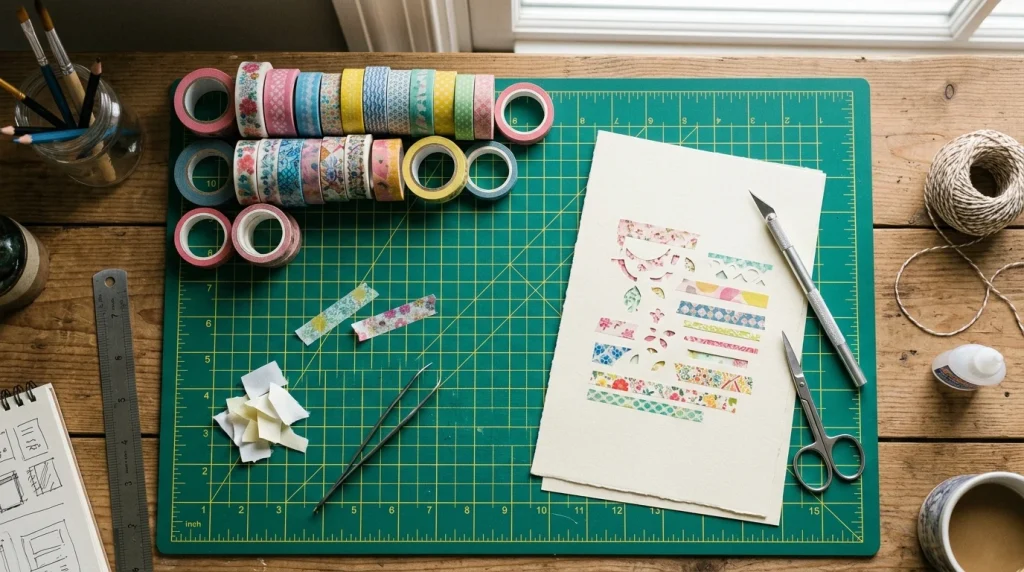
WashiPro is a precision crafting methodology and cutting framework optimized for decorative Japanese washi tapes, combining specialized low-tack release backing, fine-point rotary or electronic cutting blades, and calibrated pressure profiles. It enables papercrafters, journalers, and designers to execute clean, intricate, tear-free cutouts from delicate fiber tape without tearing or adhesive degradation. Decorative washi tape has […]
How to Decorate With Washi Tape: Transform Any Space

Transform any space effortlessly with washi tape! Discover creative ways to decorate and revitalize your home decor. Click to learn how today!
How Strong Is Washi Tape? Holding Power Revealed

Discover how strong is washi tape! Uncover its surprising holding power and learn why it’s a must-have for your DIY projects. Don’t miss out on this essential guide!
How to Make Washi Tape at Home: Kitchen Supplies Method

Unlock your creativity! Learn how to make washi tape at home using everyday kitchen supplies. Discover simple steps to craft unique designs today!
How to Print Washi Tape: Home & Professional Methods

Unlock your creativity! Discover how to print washi tape at home or with professional methods. Get unique designs today and elevate your crafting game!
Where to Buy Washi Tape Online: Best Websites Ranked
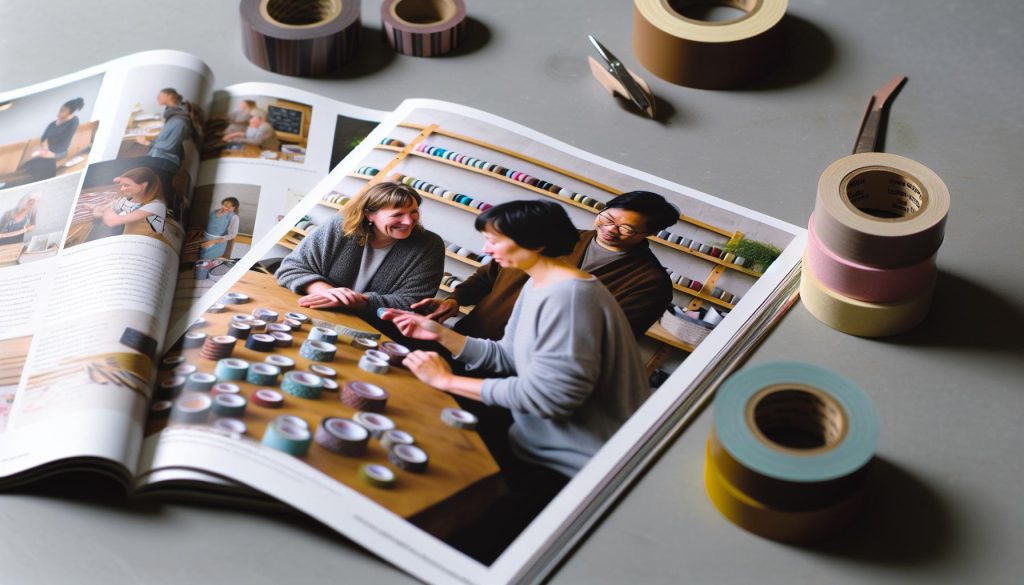
Discover where to buy washi tape online! Explore our ranked list of the best websites and find your perfect tape today. Don’t miss out on unique designs!
What Is Washi Tape Made Out Of? Materials & Components

Discover what washi tape is made out of! Learn about its unique materials and components. Uncover the creative potential of this versatile crafting staple today!
How to Make Washi Tape Waterproof: Seal & Protect
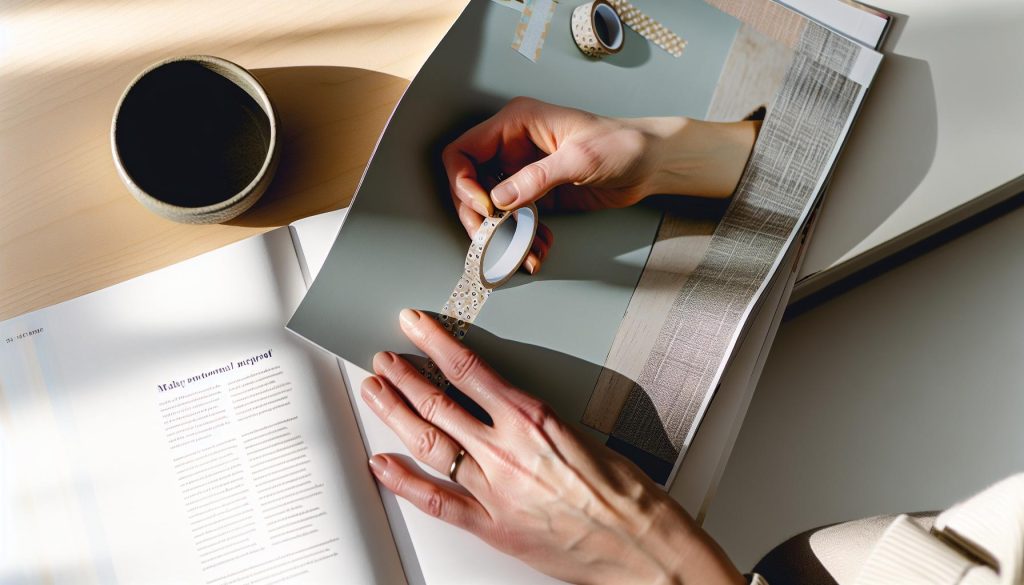
Protect your projects! Discover how to make washi tape waterproof and ensure it lasts. Learn sealing techniques to keep your crafts safe today!
What Aisle Is Washi Tape in Walmart? Find It Fast
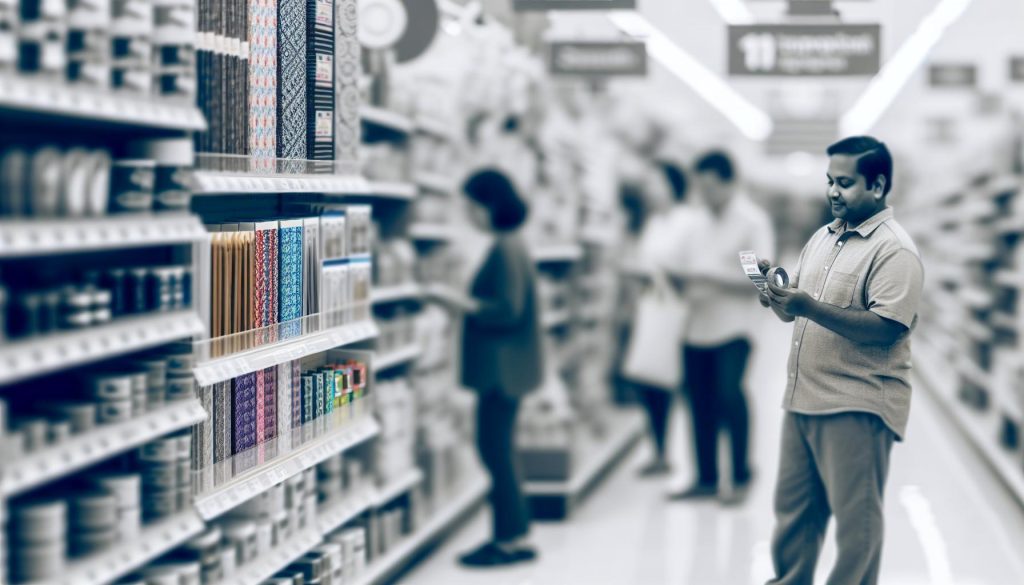
Discover where to find washi tape in Walmart quickly! Don’t waste time searching. Unlock tips and aisle secrets to get your crafting supplies fast!
Is Washi Tape Biodegradable? Environmental Impact Explained

Is washi tape biodegradable? Discover its environmental impact and find out if your crafting habit is eco-friendly. Get the facts you need today!
Foundational Pillars (Start Here)
What Is Washi Tape Made Out Of? Materials & Components
Anatomy of traditional Japanese washi paper, long bast fibers, biodegradable cellulose composition, and non-toxic adhesive formulations.
How Strong Is Washi Tape? Holding Power Revealed
Empirical analysis of tensile strength, low-tack shear resistance, surface cling, and how weight capacity compares to standard masking tape.
How to Decorate With Washi Tape: Transform Any Space
Creative architectural and stationery applications: geometric accent walls, picture framing, laptop decals, and party decor.
How to Make Washi Tape at Home: Kitchen Supplies Method
Complete tutorial on crafting bespoke washi tape using tissue paper, double-sided tape, wax paper, and personalized patterns.
Material Science: Kozo Fibers, Adhesive Chemistry & Residue-Free Peeling
Traditional washi tape differs fundamentally from western industrial masking tape in both fiber architecture and adhesive chemistry. Washi tape utilizes long, intertwined vegetable fibers from the paper mulberry (Kozo) tree, creating an ultra-thin, semi-translucent substrate that tears cleanly by hand across its width yet demonstrates high tensile tear-resistance along its length. Its semi-transparency allows craft artists to layer multiple patterns and colors to achieve rich watercolor effects.
The defining utility of washi tape is its low-tack, pressure-sensitive adhesive. Formulated without aggressive solvent glues, authentic washi adheres securely to paper, wood, glass, and painted drywall, but can be repositioned and peeled away hours or years later without tearing delicate paper fibers or leaving sticky gummy residue. For semi-permanent applications, topcoats like Mod Podge or acrylic varnishes lock the tape into place.
| Tape Type | Substrate Material | Adhesive Tack Level | Best Suited Use Case |
|---|---|---|---|
| Traditional Japanese Washi (MT brand) | 100% Japanese Kozo bark paper | Low tack, repositionable | Bullet journaling, planners, delicate paper crafts |
| Printed Craft Washi (Western) | Wood pulp paper blend | Low to medium tack | Gift wrapping, card making, scrapbook borders |
| Clear PET Washi Tape | Glossy polyethylene terephthalate | Medium tack, permanent cling | Epoxy resin crafts, phone cases, waterproof decals |
| Wide Architecture Washi (50mm+) | Reinforced fibrous washi | Removable wall-safe tack | Rental accent walls, baseboard masking, furniture borders |
Curated Topic Directory & Methodologies
Durability, Strength & Surface Compatibility
Crafting, Printing & DIY Applications
Frequently Asked Questions
Will washi tape damage painted drywall or peel off paint?
Genuine washi tape uses a gentle, low-tack adhesive designed to be wall-safe. However, on freshly painted walls (cured less than 30 days) or peeling latex paint, test a small piece in an inconspicuous corner first.
Can you write on washi tape?
Yes! Because authentic washi tape is made from paper rather than plastic, you can write on it using ballpoint pens, fine-point permanent markers (Sharpie), or pencil. Gel and fountain pen inks may feather or take longer to dry on glossy prints.
How do you make washi tape stickier if it is lifting?
Washi tape can lift in cold weather or on textured surfaces. You can restore adhesion by warming the tape briefly with a hairdryer on low heat or using a dab of glue stick on the ends.
What is PET washi tape and how does it differ from traditional washi?
PET washi tape is made from clear, transparent plastic film rather than paper. It features vibrant, glossy, waterproof prints with peel-off release paper backing, making it ideal for resin art, water bottles, and glass surfaces.