Where to Buy Calligraphy Pen: Quality Sources You Can Trust

Discover where to buy a calligraphy pen you can trust! Find quality sources and expert tips to elevate your writing skills. Don’t miss out!
How to Use Manuscript Calligraphy Dip Pen: Traditional Excellence
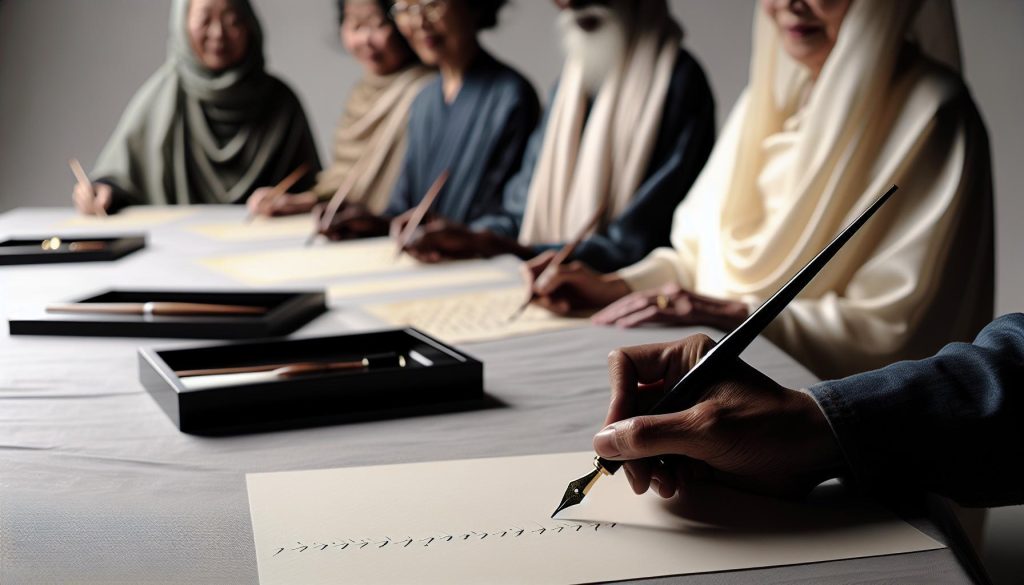
Unlock your calligraphy potential! Learn how to use a Manuscript calligraphy dip pen for stunning, traditional results. Discover timeless techniques today!
Where to Get a Calligraphy Pen: Find the Perfect Match
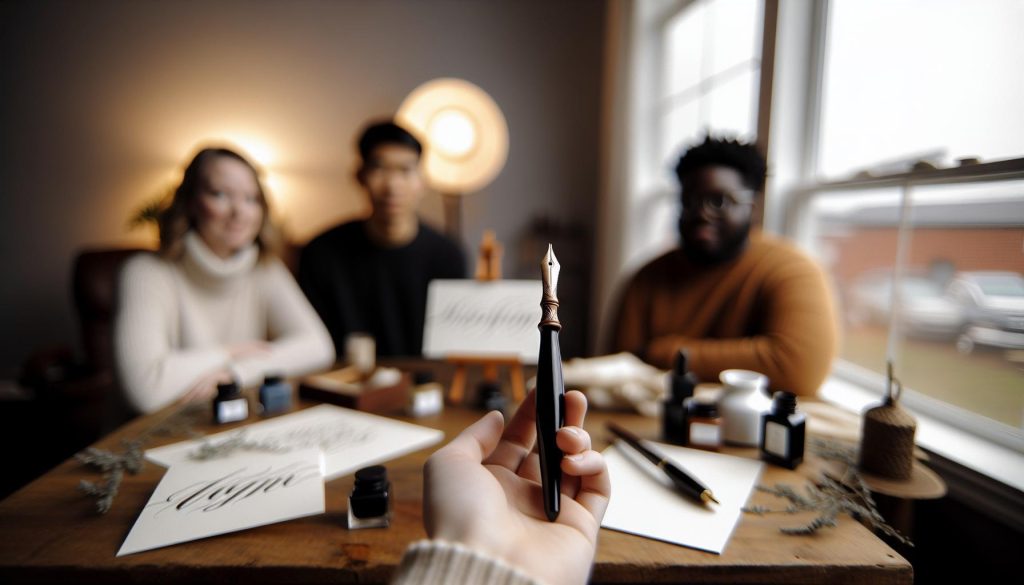
Unlock your calligraphy potential! Discover where to get a calligraphy pen that suits your style perfectly. Don’t miss out on crafting stunning letters!
What Is a Calligraphy Pen: Your Complete Beginner’s Answer
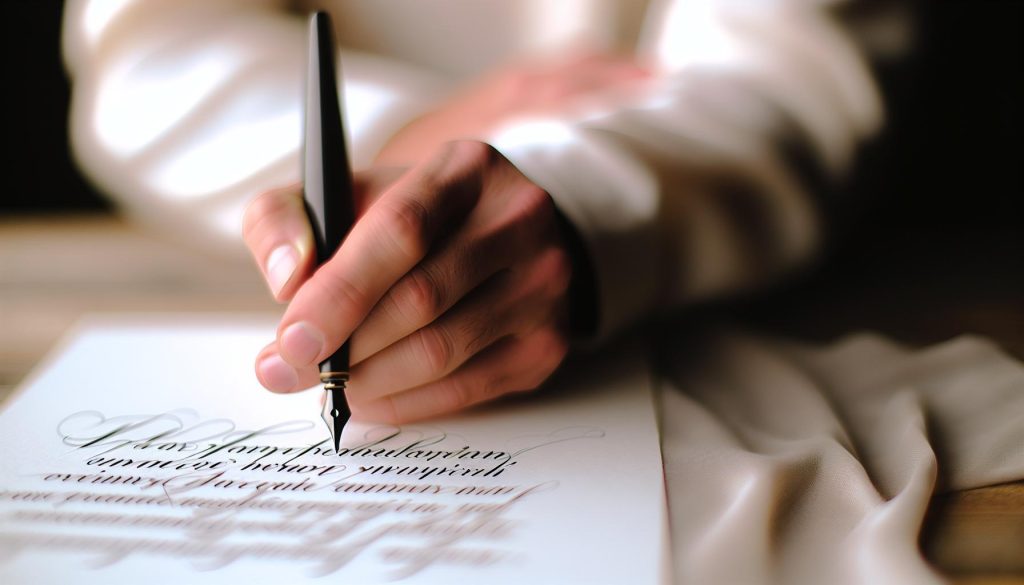
Unlock the art of beautiful writing! Discover what a calligraphy pen is and how to choose the perfect one for your creative journey. Don’t miss out!
How to Write with a Calligraphy Dip Pen: Master Classic Technique
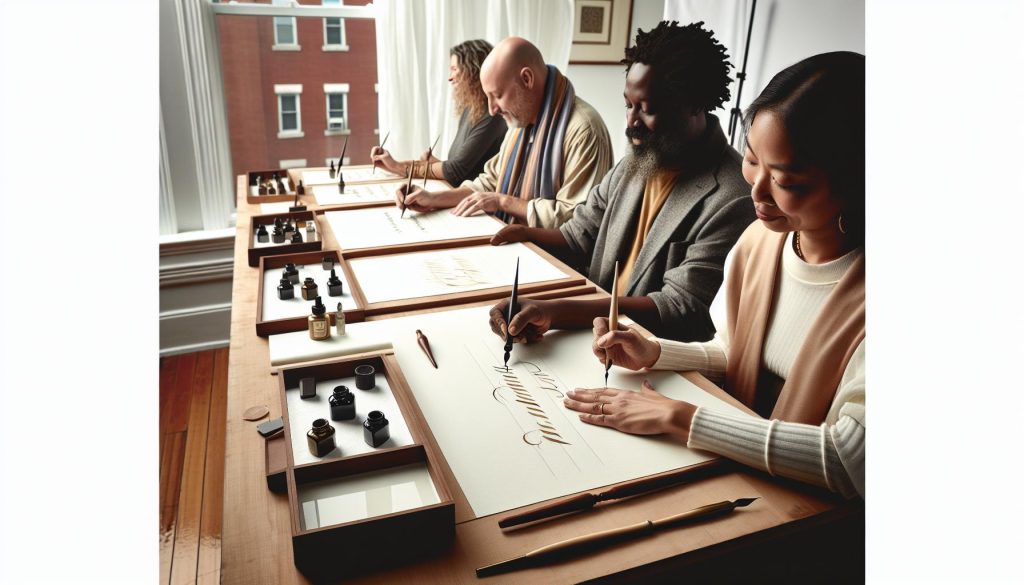
Master classic calligraphy with a dip pen! Discover essential techniques and tips to elevate your writing. Unleash your creativity today!
Where to Buy a Calligraphy Pen: Find Quality Tools Fast

Discover where to buy a calligraphy pen that fits your needs! Find quality tools fast and elevate your writing today-don’t miss out on the perfect pen!
How to Clean a Calligraphy Pen Nib: Care for Longevity

Unlock the secret to a lasting calligraphy pen nib! Discover effective cleaning techniques to enhance performance and longevity. Don’t let dirt ruin your art!
Who Invented the Calligraphy Pen: History of the Tool

Uncover the fascinating history of the calligraphy pen! Discover who invented this essential tool, and learn how it transformed the art of writing forever.
What Pen to Use for Copperplate Calligraphy: Specialty Style Guide

Unlock the secrets of beautiful Copperplate calligraphy! Discover the best pen to elevate your lettering. Don’t miss out on this essential guide for artists!
How to Write Calligraphy Dip Pen: Classic Style Techniques

Unlock the art of beautiful writing! Discover classic calligraphy dip pen techniques in this essential guide. Learn now and elevate your lettering skills!
Foundational Pillars (Start Here)
How to Use Manuscript Calligraphy Dip Pen: Traditional Excellence
Hands-on guide to fitting nibs into Manuscript holders, preparing metal surfaces, and controlling ink release.
How to Write with a Calligraphy Dip Pen: Master Classic Technique
Comprehensive instructions on desk ergonomics, pen angles, pressure thresholds, and preventing ink drops.
Where to Buy Calligraphy Pen: Quality Sources You Can Trust
Curated directory of specialty suppliers offering vintage Gillott, Hunt, and Brause nibs alongside handcrafted holders.
When Was the Calligraphy Pen Invented: Fascinating History Revealed
Chronological evolution of writing instruments from ancient reeds and quills to the 19th-century mass industrialization of steel nibs.
Capillary Physics & Holder Ergonomics: Straight vs. Oblique
Dip pens provide an unmatched level of artistic freedom because they separate the nib from the ink delivery mechanics. Because there is no internal capillary feed to clog, calligraphers can utilize dense artist pigments, acrylic inks, and metallic mica solutions. The metal nib holds ink via surface tension behind its breather hole and vent slits, releasing it whenever pressure brings the tines into contact with paper.
Choosing between straight and oblique holders is foundational to dip pen calligraphy. For broad-edge scripts (such as Roman Capitals, Blackletter, and Uncial), a straight holder aligns naturally with your hand. For slanted pointed-pen scripts like English Roundhand or Copperplate (written at a 55-degree slant), an oblique holder positions the nib at the correct slant angle without requiring unnatural wrist twisting.
| Holder Configuration | Nib Compatibility | Ideal Script Forms | Primary Benefit |
|---|---|---|---|
| Straight Hardwood Holder | Universal metal ferrule / Brause / Leonardt | Broad-edge Blackletter, Italic, Modern Pointed | Direct axial control, intuitive alignment |
| Oblique Holder with Brass Flange | Pointed flexible nibs (Nikko G, Hunt 101) | Traditional Copperplate, Spencerian Script | Enforces 55° slant angle without wrist strain |
| Crowquill Holder | Small tubular base nibs (Hunt 102) | Micro-lettering, comic book stippling & crosshatching | Ultra-fine hairline precision |
| Automatic Ruler Pen | Folded solid brass/nickel blades | Experimental calligraphy, poster lettering, splash text | Extraordinary line width range (up to 25mm) |
Curated Topic Directory & Methodologies
Dipping & Writing Techniques
Tool Selection & Acquisition
Historical Context & Standards
Frequently Asked Questions
Why does ink slide right off a brand-new dip pen nib?
Manufacturers coat new steel nibs with a protective oil to prevent oxidation during storage. You must remove this factory oil (using rubbing alcohol, toothpaste, or dipping briefly in boiling water) before ink will adhere properly.
How deep should you dip the pen into the ink bottle?
Dip the nib only up to the breather hole (approximately half the length of the metal nib). Dipping deeper coats the holder and causes sudden ink drops onto your artwork.
What is the best starter nib for pointed pen calligraphy?
The Nikko G or Zebra G titanium nib is universally considered the best starter nib due to its moderate stiffness, smooth rounded tip, and high durability against aggressive beginner pressure.
How do you store dip pen nibs between sessions?
Always remove the nib from the holder, clean it thoroughly with water and a soft toothbrush, dry it completely, and store it in a dry container or small tin with a packet of silica gel.