How to Make a Bamboo Calligraphy Pen: Natural Material Craft
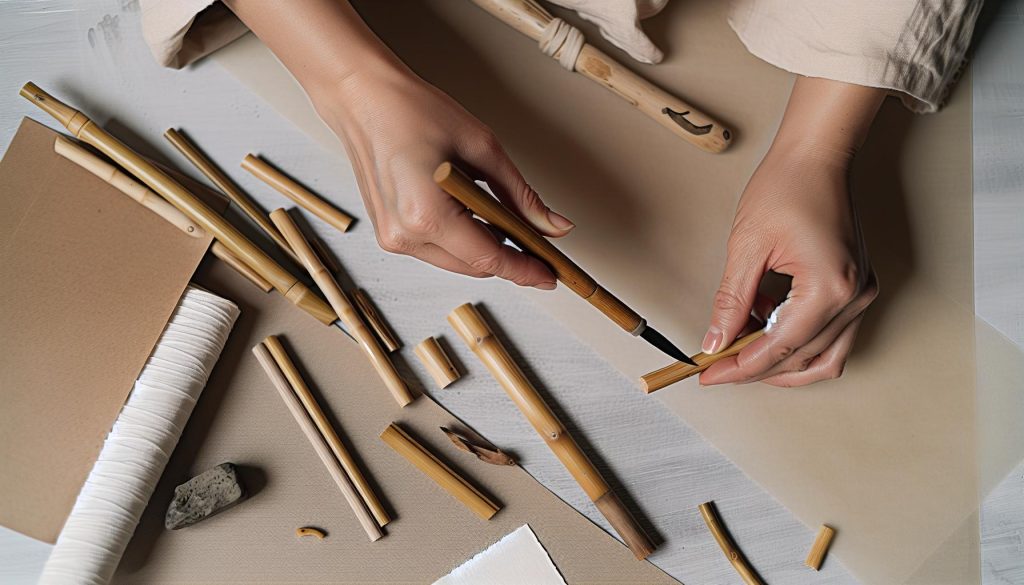
Create stunning art with a bamboo calligraphy pen! Discover how to make your own natural tool today and elevate your writing to the next level!
How to Make Washi Tape at Home: Kitchen Supplies Method
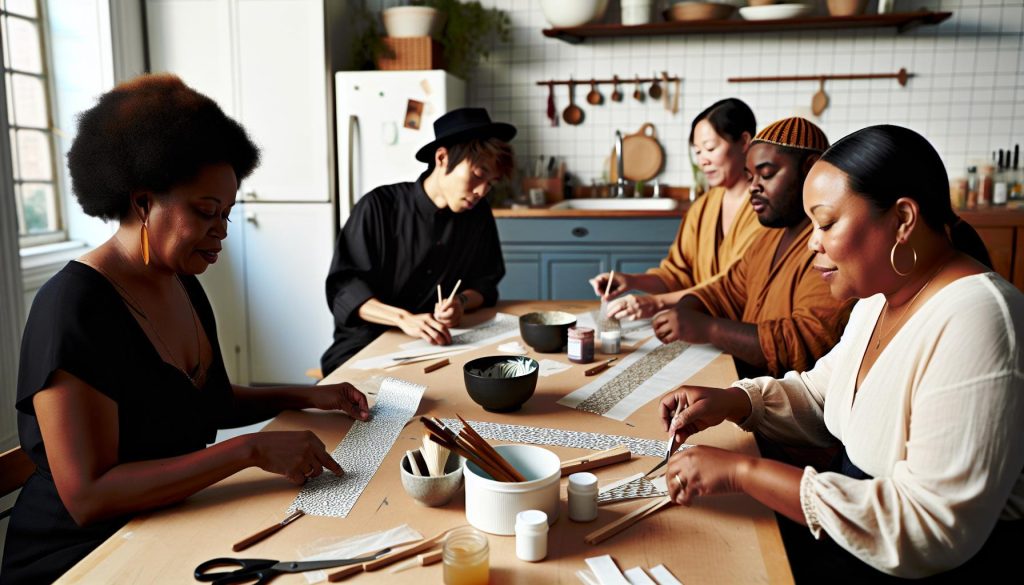
Unlock your creativity! Learn how to make washi tape at home using everyday kitchen supplies. Discover simple steps to craft unique designs today!
How to Make Washi Tape With Masking Tape: Budget Hack
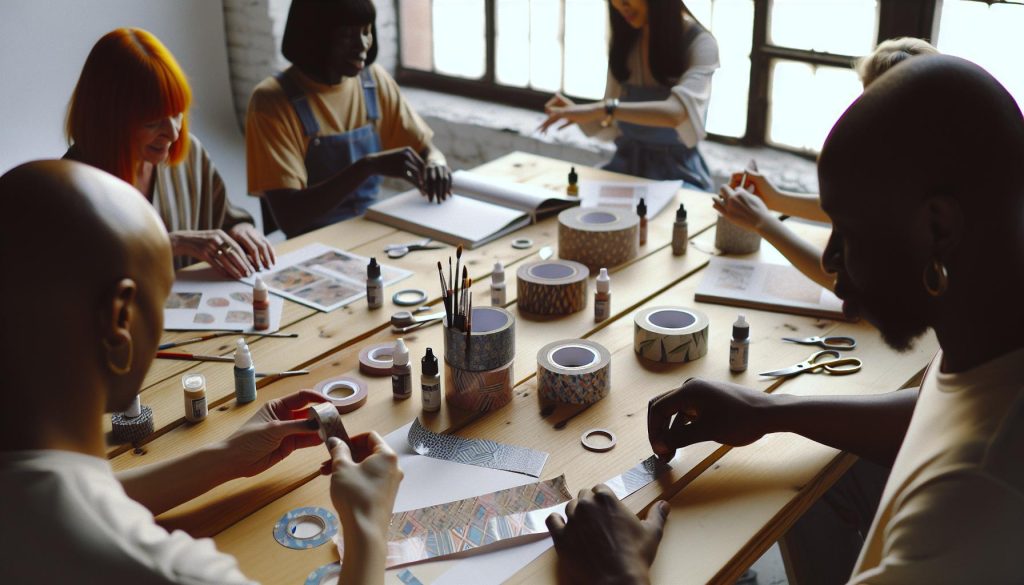
Transform everyday masking tape into beautiful washi tape! Discover this budget hack and elevate your crafts today. Get creative without breaking the bank!
How to Make DIY Washi Tape: From Kitchen to Craft Room
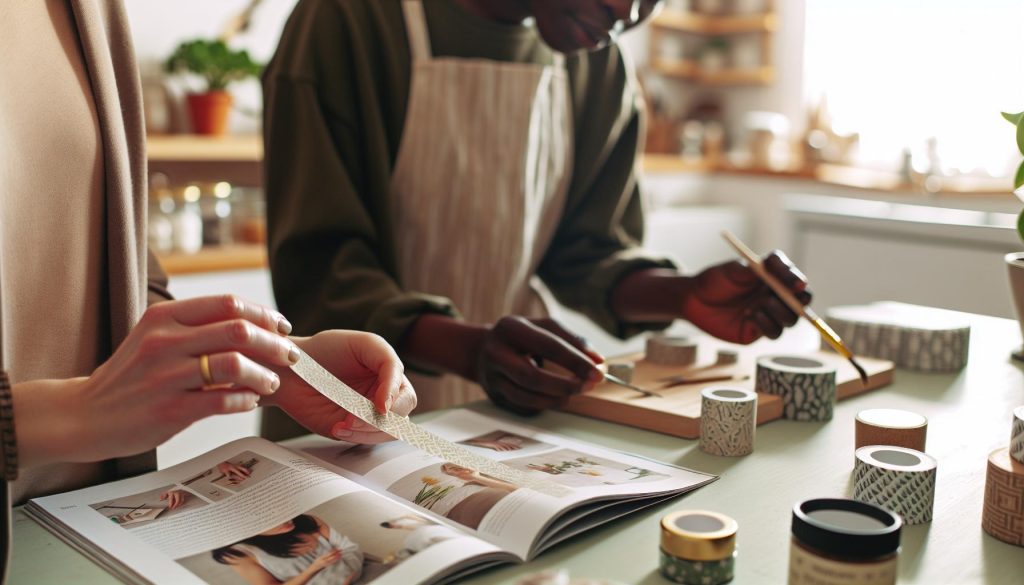
Unlock your creativity with our guide on how to make DIY washi tape! Transform everyday items into stunning craft supplies. Discover unique designs today!
Homemade How to Make a Calligraphy Pen: Craft from Scratch
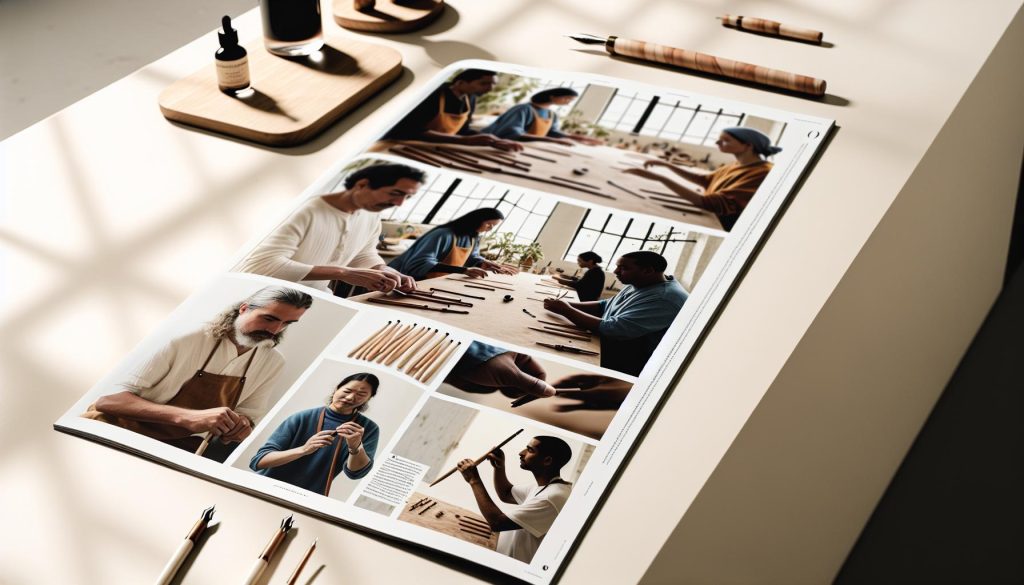
Unlock your creativity! Discover how to make a calligraphy pen from scratch-craft a personal writing tool that transforms your lettering game today!
How to Make Your Own Washi Tape Roll: DIY From Scratch

Unlock your creativity and learn how to make your own washi tape roll from scratch! Discover fun, easy steps to craft unique designs today!
How to Build a Calligraphy Pen: Construct Your Own Tool

Unlock your creativity! Learn how to build a calligraphy pen and craft your own unique tool today. Discover expert tips and techniques that will elevate your writing!
How to Make Calligraphy Pen at Home: Creative DIY Project

Unlock your creativity! Learn how to make a calligraphy pen at home with our easy DIY project. Get inspired and elevate your writing today!
How to Make Calligraphy Pen Nibs: DIY Custom Tips

Discover how to make calligraphy pen nibs with DIY custom tips! Unleash your creativity and elevate your lettering skills today. Get started now!
How to Make a Calligraphy Pen from Bamboo: Eco-Friendly DIY

Unlock your creativity! Learn how to make a calligraphy pen from bamboo in this eco-friendly DIY guide. Craft a unique writing tool and impress others!
Foundational Pillars (Start Here)
How to Make a Bamboo Calligraphy Pen: Natural Material Craft
Traditional hand-carving techniques: cutting reed bamboo, hollowing the canal, shaping the chisel nib, and slicing the ink reservoir slit.
How to Make Your Own Washi Tape Roll: DIY From Scratch
How to produce professional-looking rolls of custom decorative tape using printed rice paper, double-sided film, and recycled cardboard cores.
How to Make Calligraphy Pen at Home: Creative DIY Project
Turning everyday items—drink cans, feather quills, and wooden dowels—into functioning calligraphy pens with surprising line precision.
How to Make Calligraphy Pen Nibs: DIY Custom Tips
Cutting and smoothing thin sheet brass, copper, and upcycled beverage cans into expressive folded nibs and broad chisels.
Maker Philosophy: Organic Substrates, Upcycling & Tool Customization
The beauty of DIY artistic toolmaking lies in understanding the primal mechanics of lettering and adhesion. When you cut a bamboo stalk to form a calligraphy reed pen (Qalam), you learn firsthand how fiber grain orientation, bevel angle, and slit length govern capillary ink retention. DIY tools provide an organic, textured aesthetic that standardized factory instruments can never replicate.
Fabricating your own washi tape rolls bridges the gap between digital graphic design and tactile craftwork. Crafters can print unique vector illustrations onto semi-translucent mulberry or tissue paper, bind them with ultra-thin solvent-free transfer adhesives, and roll them onto custom spools for bespoke planner kits, gift packaging, and stationery branding.
| DIY Project | Key Raw Materials | Primary Tool Required | Artistic Outcome |
|---|---|---|---|
| Bamboo Reed Pen | Dried bamboo stalk or sea reed | Sharp carving craft knife / scalpel | Bold, textured historical Arabic/medieval script |
| Homemade Washi Tape | Decorative paper napkins, tissue, double-sided tape | Rotary cutter & ruler | Bespoke pattern rolls perfectly matched to your palette |
| Folded Can Lettering Pen | Cleaned aluminum soda can, wooden dowel | Tin snips & fine micro-mesh | Wild expressive gestural flourishes and splatters |
| Feather Quill Pen | Cured goose or turkey flight feather | Pen knife & hot sand curing pot | Traditional 18th-century pointed cursive writing |
Curated Topic Directory & Methodologies
Handmade Calligraphy Pen Projects
- How to Make a Bamboo Calligraphy Pen: Natural Material Craft
- Homemade How to Make a Calligraphy Pen: Craft from Scratch
- How to Build a Calligraphy Pen: Construct Your Own Tool
- How to Make Calligraphy Pen at Home: Creative DIY Project
- How to Make Calligraphy Pen Nibs: DIY Custom Tips
- How to Make a Calligraphy Pen from Bamboo: Eco-Friendly DIY
Homemade Washi Tape & Craft Innovations
Frequently Asked Questions
What type of bamboo is best for carving a DIY calligraphy pen?
Hard, well-cured bamboo stalks with an outer diameter of 8mm to 12mm (such as garden bamboo stakes that have dried for over 6 months) carve cleanly without splintering.
How do you temper a feather quill before cutting the nib?
Soak the feather barrel in water for several hours, then plunge it into a container of clean sand heated to roughly 350°F (175°C) for 15 to 20 seconds. The heat cures the keratin, making the quill clear, rigid, and ready to hold an edge.
What adhesive tape makes the best carrier for DIY washi tape?
Use thin, repositionable double-sided tape (like Scotch Removable or Duck Brand) on white tissue paper so the paper tears easily and leaves no sticky glue residue.
Can you use aluminum soda cans to make folded ruling pens?
Yes! Cleaned aluminum cans provide the ideal thickness and flexibility for folded pens. After cutting the shape with shears, always buff the writing edge smooth on 8,000-grit micro-mesh to prevent tearing the paper.