What Size Calligraphy Pen for Beginners: Choose Wisely
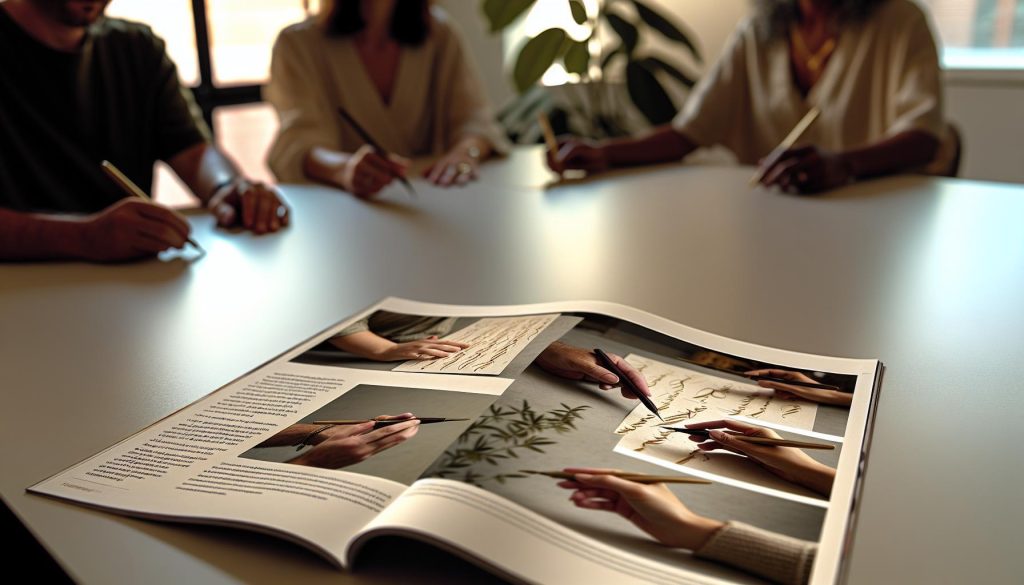
Unlock your calligraphy potential! Discover the perfect pen size for beginners and elevate your writing skills. Don’t miss these expert tips to choose wisely!
Brush Pen Calligraphy How to: Modern Script Made Accessible
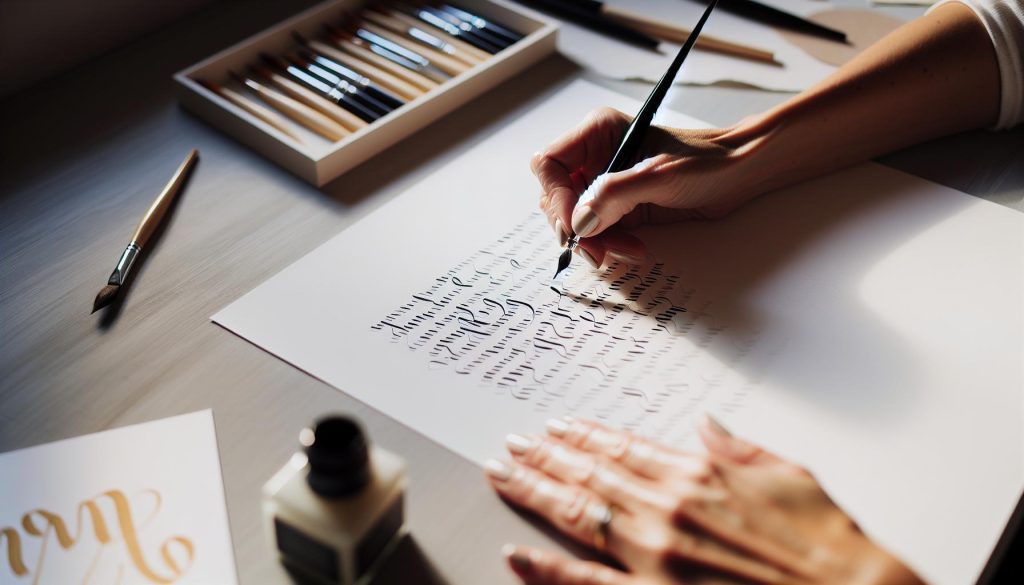
Unlock the art of Brush Pen Calligraphy! Discover techniques for mastering modern script with ease. Get started today and elevate your lettering skills!
What Calligraphy Pen Should I Buy: Decision Made Simple
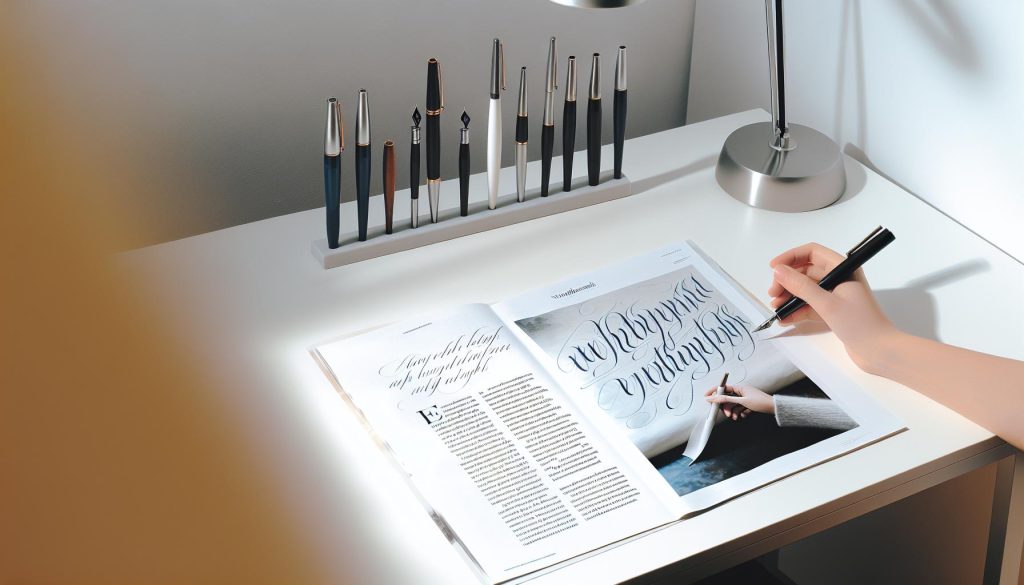
Discover the perfect calligraphy pen for your needs! Uncover essential tips and expert insights in “What Calligraphy Pen Should I Buy: Decision Made Simple.” Don’t miss out!
What Is the Best Calligraphy Pen for Beginners: Start Here
Discover the best calligraphy pen for beginners! Unleash your creativity and elevate your writing skills. Start your journey to beautiful lettering today!
What Type of Pen Do You Need for Calligraphy: Smart Buying Guide
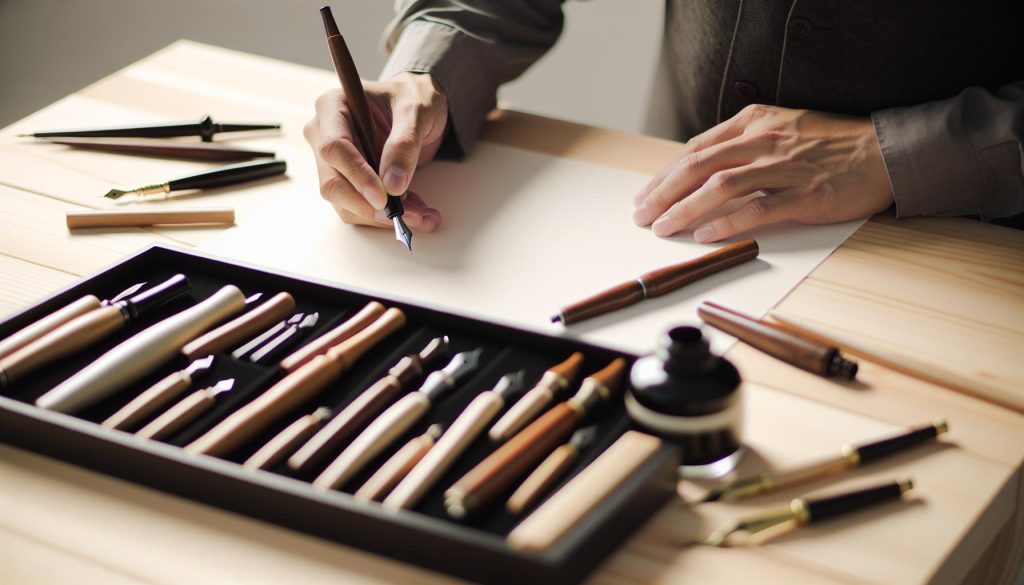
Discover the perfect pen for calligraphy and elevate your lettering skills! Learn essential tips in our Smart Buying Guide to find your ideal match today.
What Is Brush Pen Calligraphy: Modern Lettering Made Simple
Unlock the art of brush pen calligraphy! Discover simple techniques for stunning modern lettering and elevate your creativity today. Dive in now!
How to Use Tombow Calligraphy Pen: Premium Brush Pen Mastery
Unlock your creativity and master the Tombow Calligraphy Pen! Discover techniques, tips, and unique styles that will elevate your brush pen skills today!
Which Pen Is Used for Calligraphy: Traditional to Modern Options

Unlock the art of calligraphy! Discover which pen is used for calligraphy and explore traditional to modern options. Master your lettering today!
How to Do Brush Pen Calligraphy: Contemporary Lettering Skills

Unlock the art of brush pen calligraphy! Discover essential techniques and tips for stunning contemporary lettering. Start your creative journey today!
What Kind of Pen Is Best for Calligraphy: Expert Recommendations

Unlock the secret to stunning calligraphy! Discover the best pens designed for beautiful lettering and find your perfect match today. Transform your art!
Foundational Pillars (Start Here)
What Is the Best Calligraphy Pen for Beginners: Start Here
Complete overview of beginner-friendly calligraphy instruments, comparing tip firmness, control, and ink flow for newcomers.
Brush Pen Calligraphy How to: Modern Script Made Accessible
Step-by-step tutorial on mastering foundational letterforms, smooth transitions from upstrokes to downstrokes, and muscle memory.
How to Hold a Brush Pen for Calligraphy: Achieve Perfect Strokes
Proper grip angle, wrist stabilization, and desk posture guidelines to achieve consistent 45-degree angle stroke dynamics.
How to Use Tombow Calligraphy Pen: Premium Brush Pen Mastery
Detailed practical guide on utilizing Tombow dual brush and Fudenosuke pens for color blending, durability, and flourish styling.
Brush Pen Dynamics: Nib Physics, Elasticity & Substrate Standards
Unlike rigid metal dip pens or standard fountain pens, brush pens operate on dynamic elastic deflection. The core mechanical attribute governing brush performance is tip rebound—the speed and consistency with which flexible nylon fibers return to a razor-sharp point following a heavy downstroke. Lettering artists rely on this elasticity to produce hair-thin entry flourishes alongside bold shade strokes without experiencing structural fatigue or fiber splaying.
Selecting the appropriate paper substrate is critical to preserving brush pen tip integrity. Uncoated, fibrous wood-pulp papers act like micro-abrasives that degrade synthetic bristles and cause premature nib fraying within hours. Premium ultra-smooth, high-density paper stocks (such as 68–90 gsm fountain-pen friendly or marker-grade coated surfaces) maintain consistent capillary ink uptake while ensuring zero friction wear across thousands of lettering cycles.
| Nib Construction | Elasticity & Resistance | Optimal Application | Target Skill Level |
|---|---|---|---|
| Hard Elastomer Felt (Fudenosuke) | Firm rebound, high resistance | Small script, daily journaling & envelopes | Beginner to Intermediate |
| Medium Flexible Felt (Tombow Dual) | Moderate flex, wide stroke coverage | Large quote lettering, poster art & blending | Beginner to Advanced |
| Individual Synthetic Bristle (Pentel) | High flex, zero artificial resistance | Expressive brush script, watercolor art & Asian calligraphy | Intermediate to Master |
| Refillable Pocket Brush | Continuous capillary flow, rich pigment | Plein air sketching, comic inking & fine art | Advanced Artists |
Curated Topic Directory & Methodologies
Beginner Sizing & Selection
Lettering Mechanics & Stroke Execution
- How to Do Brush Pen Calligraphy: Contemporary Lettering Skills
- How to Write Calligraphy Letters with Brush Pen: Form Beautiful Words
- How to Use a Calligraphy Brush Pen: Master Modern Lettering
- How to Do Calligraphy with Brush Pen: Stunning Letters Fast
- How to Use Brush Pen for Calligraphy: Contemporary Lettering Now
Tool Profiles & Contemporary Comparisons
- What Is Brush Pen Calligraphy: Modern Lettering Made Simple
- Which Pen Is Used for Calligraphy: Traditional to Modern Options
- What Kind of Pen Is Best for Calligraphy: Expert Recommendations
- Which Pen Is Used to Write Calligraphy: Find Your Match
- What Is the Best Calligraphy Pen: Top Picks for Every Style
Frequently Asked Questions
What is the primary difference between a felt brush pen and a bristle brush pen?
Felt brush pens use a molded porous elastomer core that provides structured resistance and predictable rebound, making them ideal for beginners. Bristle brush pens feature individual synthetic hairs that offer superior line variation and expressive flair but require higher finger dexterity and muscle control.
How do you stop a brush pen from fraying?
Prevent fraying by writing exclusively on ultra-smooth paper stocks (like Rhodia or HP Premium32), holding the pen at a consistent 45-degree angle rather than pressing directly perpendicular, and releasing pressure cleanly before initiating upstrokes.
Can brush pens be used for traditional copperplate calligraphy?
While brush pens can emulate the thick-and-thin contrast of copperplate script, traditional copperplate strictly requires an oblique dip pen with a flexible steel nib. Brush pens produce contemporary or modern brush script with rounded terminals rather than sharp classical copperplate shades.
What ink formulation is safest for mixed-media artwork?
Pigment-based waterproof and archival ink formulations are best for mixed-media projects because they do not reactivate or smear when watercolors, alcohol markers, or wet glues are layered over dry line work.