How to Do Calligraphy with a Glass Pen: Mesmerizing Technique
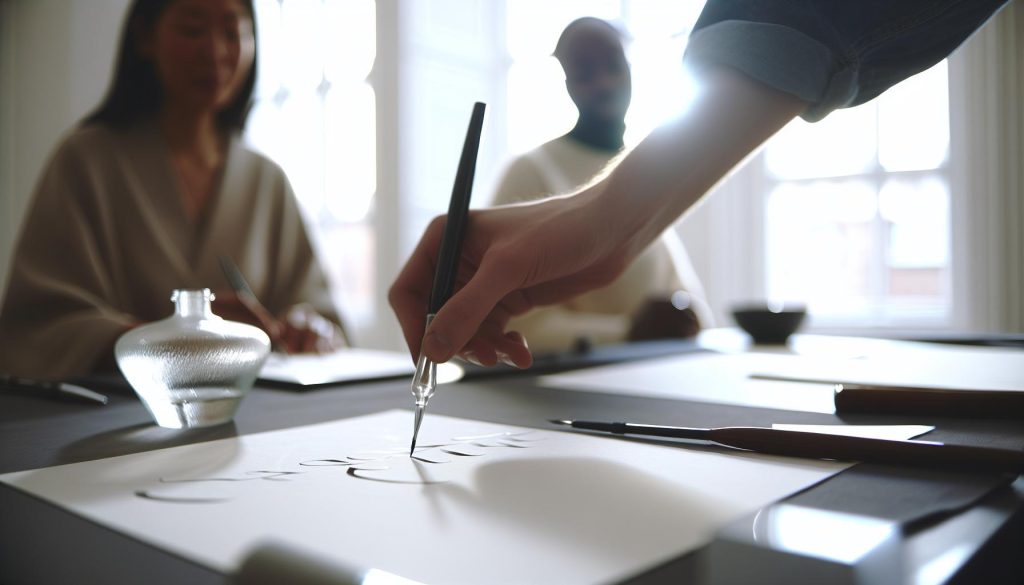
Unlock the art of calligraphy with a glass pen! Discover mesmerizing techniques that elevate your creativity. Start your journey to beautiful lettering today!
How to Write with Glass Calligraphy Pen: Smooth Flowing Technique
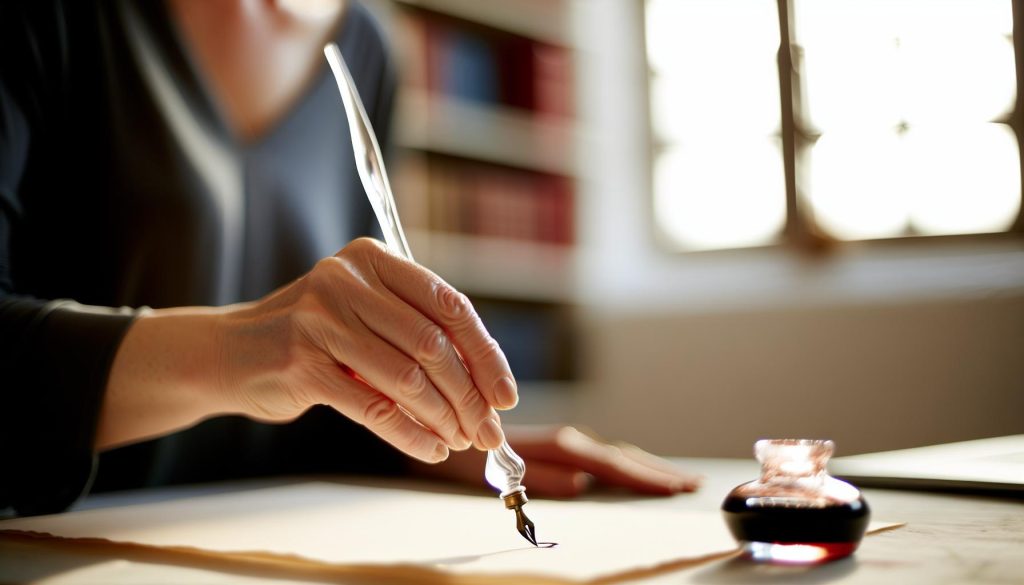
Unlock the art of elegance! Discover smooth flowing techniques to master glass calligraphy like a pro. Get inspired and start creating breathtaking designs today!
Glass Calligraphy Pen How to Use: Beautiful Transparent Tool
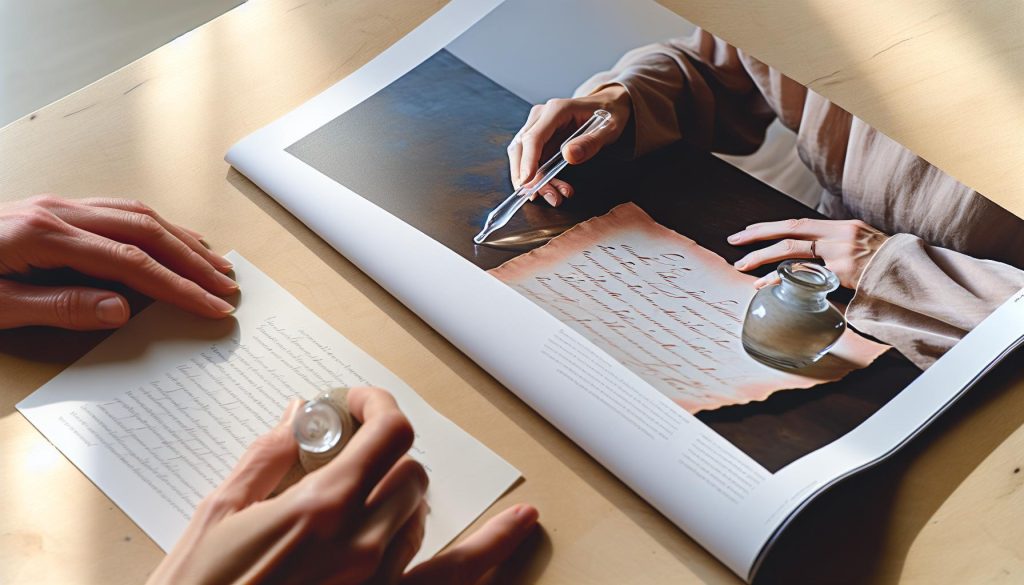
Unlock the art of elegant writing with a glass calligraphy pen! Discover tips for stunning designs and elevate your creativity today. Don’t miss out!
How to Use Glass Calligraphy Pen: Unique Tool, Beautiful Results

Unlock the art of beautiful lettering! Learn how to use a glass calligraphy pen for stunning results. Discover tips that elevate your writing today!
How to Use a Glass Calligraphy Pen: Unique Writing Experience

Unlock the art of beautiful writing! Discover how to use a glass calligraphy pen for a unique experience that transforms your letters into masterpieces.
Foundational Pillars (Start Here)
How to Do Calligraphy with a Glass Pen: Mesmerizing Technique
Complete walkthrough of the rotational writing technique that extracts maximum ink mileage from a single glass dip.
How to Write with Glass Calligraphy Pen: Smooth Flowing Technique
Practical advice on nib angles, light touch pressure control, and smooth letterform rendering on high-grade paper.
Glass Calligraphy Pen How to Use: Beautiful Transparent Tool
Introduction to glass pen anatomy, borosilicate heat treatment, capillary channels, and safe desk storage.
How to Use a Glass Calligraphy Pen: Unique Writing Experience
Detailed guide on ink swatching, shimmer and sheen inks, color blending, and instant water cleaning.
Capillary Grooves: Fluid Dynamics of Borosilicate Glass Nibs
The functioning of a glass pen is a masterclass in surface tension physics. Rather than relying on a slit or internal feed, the nib is fashioned with multiple spiral micro-channels. When dipped into ink, capillary action pulls fluid upward into these grooves. As the tip glides across the paper, ink is drawn down steadily through capillary attraction without any mechanical flex.
A single dip with a well-crafted glass pen can yield up to a full paragraph of continuous writing. To maintain an even line weight, experienced calligraphers slightly rotate the pen barrel between sentences, engaging adjacent spiral reservoirs. Cleaning requires nothing more than swirling the tip in a glass of water and dabbing it on a paper towel, making glass pens the ultimate tool for ink swatching.
| Feature / Attribute | Glass Dip Pen | Steel Dip Pen | Fountain Pen |
|---|---|---|---|
| Nib Material | Borosilicate handcrafted glass | Flexible stamped steel/bronze | Iridium-tipped gold or steel |
| Ink Reservoir | External spiral grooves | Surface tension behind breather hole | Internal converter / piston chamber |
| Color Changing Speed | Instant (3-second water swirl) | Fast (water rinse & dry) | Slow (thorough multi-stage flush) |
| Specialty Ink Compatibility | Shimmer, sheen, pigment, India inks | Pigment, acrylic, gouache, calligraphic inks | Water-soluble dye inks exclusively |
Curated Topic Directory & Methodologies
Writing Tutorials & Techniques
Frequently Asked Questions
Are glass calligraphy pens fragile?
While made of borosilicate laboratory glass that resists thermal shock, the extreme tip point can chip if knocked against hard ceramic or dropped onto a desk. Always use a pen rest when laying the pen down.
Can you sharpen or smooth a scratchy glass pen tip?
Yes. If a glass nib feels scratchy or has a tiny micro-chip, you can smooth the tip by gently rubbing it in figure-eight motions on ultra-fine 12,000-grit micro-mesh abrasive paper with a drop of water.
What types of ink are best for glass pens?
Glass pens are universally compatible with all inks, including shimmer inks containing mica particles, heavy iron gall inks, waterproof acrylics, and fountain pen dye inks.
Do glass pens produce line width variation like flexible nibs?
Glass nibs do not flex. Line variation is subtle and achieved by varying the angle of contact with the paper or using specialized glass nibs ground with chisel profiles.