
Have you ever admired the beauty of elegant handwriting and wished you could create such stunning calligraphy? You’re not alone! Using a fountain pen for calligraphy simplifies the process and adds a touch of sophistication to your writing. With just a few essential techniques and some practice, you can transform everyday notes into artful expressions, making them more personal and memorable.
In this article, we’ll explore the world of fountain pen calligraphy, covering everything from choosing the right pen to mastering basic strokes. Whether you want to impress at your next event or simply enjoy the therapeutic act of writing, understanding how to wield a fountain pen effectively is invaluable. So, grab your pen, and let’s dive into the elegant realm of fountain pen calligraphy-your journey to stylish writing starts here!
Understanding Fountain Pen Calligraphy Basics
Calligraphy through the medium of fountain pens offers a delightful blend of tradition and personal expression. While many might assume that calligraphy is solely the realm of dip pens and brushes, fountain pens bring their own unique charm to the art form. One of the first things to understand is that fountain pens allow for a smooth flow of ink, which can greatly enhance your writing experience. They provide varying line widths depending on the nib’s design-this gives you the flexibility to create the subtle distinctions in stroke thickness that truly characterize calligraphy.
Getting started with fountain pen calligraphy involves more than just pen and paper; you need to be familiar with a few basic concepts that can elevate your work. First, consider the nib types-flex nibs, in particular, can add a dynamic element to your writing by allowing for different line variations with pressure changes. As you practice, you’ll discover how to control these distinctions to create elegant, flowing letters. Understanding the importance of ink selection is equally crucial-different inks can provide various saturations and drying times, impacting the final appearance of your script.
Another essential aspect is finding a comfortable grip. The way you hold your pen can significantly affect your control and flow. Experiment with different grips and angles to see what feels right, as this personalization can lead to a more relaxed and enjoyable writing experience. Keeping your hand relaxed and fluid will help you maintain a steady pace while writing, and it’s vital to practice this regularly to avoid fatigue.
Lastly, don’t forget the power of practice. Spend time mastering basic calligraphy strokes before moving on to more complex letterforms. This foundational work will pay dividends when you start designing beautiful, personalized pieces. Embrace the learning curve; each stroke brings you closer to finding your style within this elegant discipline.
Choosing the Right Fountain Pen and Ink
can transform your calligraphy experience, bringing both comfort and creativity to your writing. Many beginners overlook this critical step, but investing time in understanding your tools pays off in elegant strokes and smoother flows. Different nib types, such as flex or italic nibs, can dramatically change your writing style and the thickness of your lines. A flex nib allows you to apply pressure for thicker downstrokes and finer upstrokes, giving your letters depth and personality. If you’re just starting, look for pens that offer interchangeable nibs, so you can experiment without committing to one style.
When it comes to ink, the choices are just as varied. Fountain pen inks can range from vibrant colors to subtle shades, with different drying times and saturation levels affecting the final look of your calligraphy. For instance, a quick-drying ink is ideal if you often write on glossy paper or if you’re left-handed and want to avoid smudging. Conversely, if you prefer a smoother, richer line, consider a pigment-based ink, which provides excellent color but may require more maintenance. Always test your ink with your chosen paper before committing to larger projects-this helps prevent unexpected bleed-through or feathering.
The paper you use also plays a significant role in how your pen and ink interact, so don’t neglect this aspect. Smooth, high-quality paper can handle the flow of your fountain pen better, giving you clean, sharp results. You might also want to consider the weight and texture, especially if you’re looking to add embellishments or flourishes to your pieces. Experimentation is key, so find a few combinations that work for you and allow your creativity to flourish.
By carefully selecting your fountain pen and ink, you’ll position yourself for success in the art of calligraphy. These choices are more than just practical-they’re part of your personal journey in developing a unique style that reflects your aesthetic preferences and skill level. Embrace the exploration, and don’t hesitate to adjust your tools as you discover what feels best for you.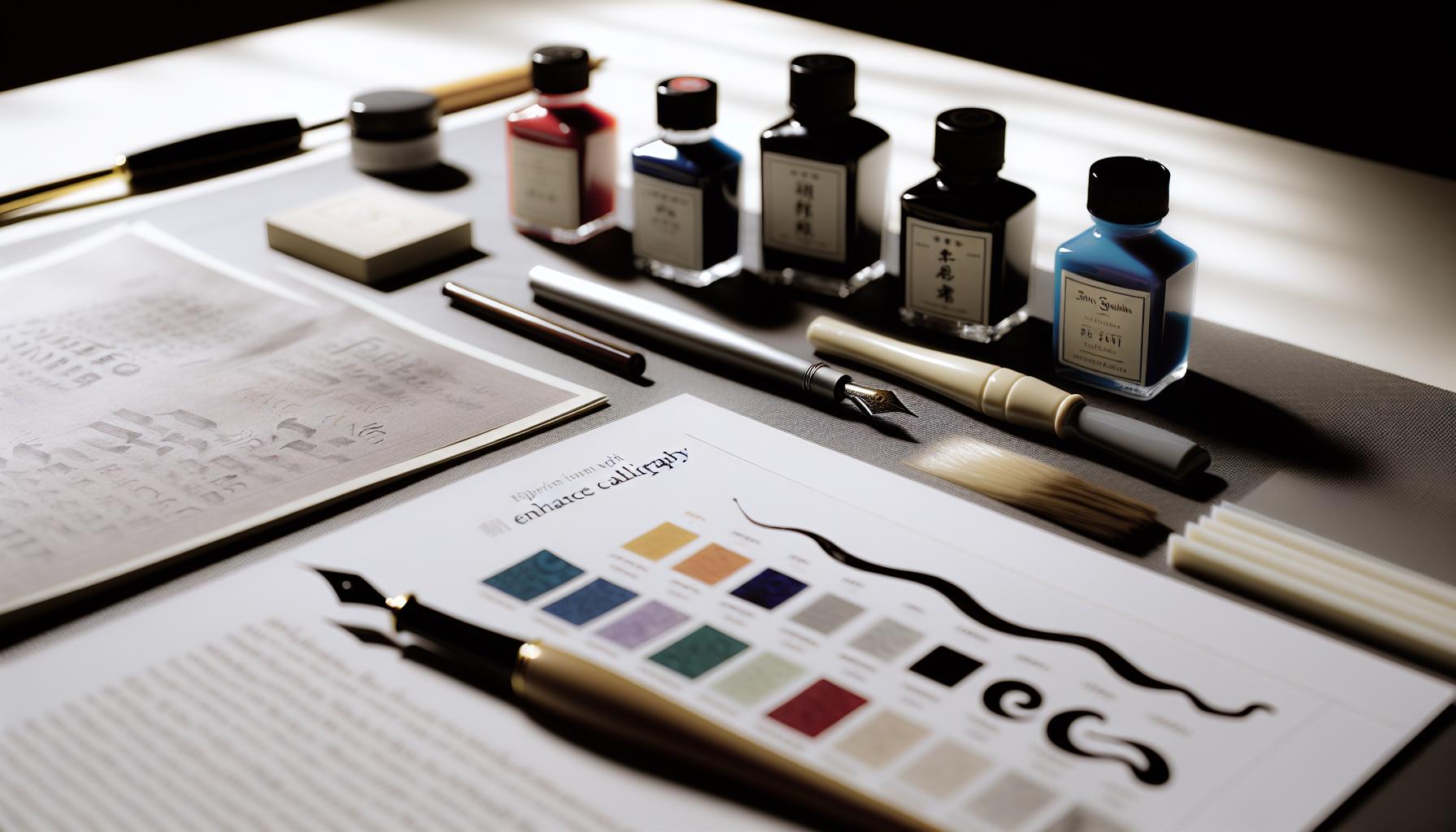
Essential Tools to Enhance Your Calligraphy
To truly elevate your fountain pen calligraphy, having the right tools is essential. Not only do they enhance your writing experience, but they also significantly impact the quality and creativity of your calligraphy. While a fountain pen is your primary tool, there are several additional supplies that can help streamline your process and inspire your work.
Must-Have Calligraphy Tools
- Quality Fountain Pens: The foundation of good calligraphy lies in your pen. Look for fountain pens with flexible nibs, which provide the versatility for different line weights and styles. Brands like Lamy or Pilot offer excellent options that cater to both beginners and seasoned calligraphers.
- Variety of Inks: Having a selection of inks is crucial. Experiment with different colors, formulations, and drying times. Fast-drying inks are great for left-handed writers or when working on glossy paper, while pigmented inks offer vibrant colors without compromising detail.
- High-Quality Paper: The paper you use can make or break your calligraphy project. Look for smooth, bleed-resistant papers specifically designed for fountain pen use. Brands like Rhodia and Clairefontaine are popular among calligraphers for their ability to handle ink without feathering.
- Calligraphy Guides: Using guide sheets or practice pads can help you maintain consistency and improve your forms. These often come with printed grids or line guides to assist in developing your skills.
- Cleaning Supplies: A well-maintained fountain pen ensures a better writing experience. Invest in a pen cleaning solution and soft cloths to keep everything in prime condition. Regular cleaning prevents ink build-up and prolongs the life of your pens.
In essence, the right combination of tools will not only make your fountain pen calligraphy more enjoyable but also allow your personal style to shine. Experiment with different setups, and don’t be afraid to invest in quality items that will support your creative journey.
Mastering Basic Calligraphy Strokes
Mastering the art of calligraphy with a fountain pen begins with a solid understanding of basic strokes. These fundamental movements form the building blocks of elegant lettering. Just as a musician practices scales before tackling complex pieces, calligraphers must master these strokes to develop their unique style and ensure a polished final product.
Start with the simplest strokes, like straight lines and curves. Vertical and horizontal lines are the core of many letters. Practice drawing them with consistent pressure; this is crucial for achieving the classic thick and thin effect that defines calligraphy. Use a light touch for the upstroke (which should be thinner) and apply more pressure for the downstroke to create contrast. This technique requires some practice, but mastering it will elevate your writing dramatically.
Once you’ve got the basic lines down, move on to curves and loops. These strokes often require a bit more fluidity. Practice C-shaped curves, which appear in letters like “C” and “G,” and tight loops for letters like “e” and “g.” Focus on smooth transitions; your goal should be to create an organic feel as your pen glides across the paper. Don’t rush. Slow, deliberate movements will yield far better results than hurried ones.
In addition to these basic elements, mastering the diagonal strokes is essential. Diagonal lines appear in letters such as “A,” “M,” and “V.” Practice drawing them at various angles, paying attention to how the angle can affect the overall look of the letter. These delicate strokes are where your personal flair can shine through, giving your calligraphy a distinct personality.
To solidify your skills, create a practice routine focused on these fundamental strokes. Set aside time each day, even if just for ten minutes, to practice. Use lined or grid paper to guide your hand while maintaining consistent size and spacing. Remember, consistency is key. Your goal is not just to write well; it’s to develop muscle memory that will make elegant writing feel effortless. With patience and persistence, these basic strokes will serve as a strong foundation for your journey into fountain pen calligraphy.
Creating Elegant Letter Forms with Confidence
Creating letter forms that exude elegance is an essential part of mastering fountain pen calligraphy. The beauty of calligraphy lies not just in the letters themselves but in how every curve and loop flows seamlessly into the next. You’ll find that confidence will come with practice and understanding the fundamental shapes that make up each letter.
Start by examining the anatomy of each letter. For instance, the majuscule letters-those uppercase letters-often have more pronounced elements that can appear grand when executed properly. Each letter comprises basic shapes: straight lines, arcs, and loops. By breaking down letters into these components, you can practice each part individually. For example, when tackling the letter “O,” focus on its circular shape. Make it perfect through repetition. Once you’re comfortable with the basic outline, proceed to add thick strokes where needed, keeping pressure and fluidity in mind.
The key to creating elegant forms lies in your control over the fountain pen. A fountain pen with a flex nib can provide a diverse range of strokes that mimic traditional calligraphy while still allowing for modern aesthetics. Experiment with different pressures: light touches for upstrokes and heavier pressure for downstrokes create that sought-after contrast. This dynamic is vital for breathy, graceful lettering that stands out and captures the eye.
Practice Strategies
To build your confidence, establish a routine that emphasizes repetition and variation. Here are some strategies to help:
- Write Slowly: Take your time with each letter, and focus on precision rather than speed. Fast writing often hampers elegance.
- Use Guidelines: Lightly pencil in guidelines for slant and height. This provides a framework, helping achieve consistent letter forms.
- Vary Your Nib Sizes: Different nib sizes give unique effects. A fine nib can create delicate lines, while a broader nib emphasizes your strokes more prominently.
After you’ve practiced your letters individually, combine them into words and phrases. Focus on the rhythm of writing, ensuring your letters connect smoothly. Remember, every stroke should feel fluid and intentional. With consistent practice, you’ll not only improve your skills but start developing a personal flair, setting your style apart.
As you grow more confident in creating elegant letter forms, play around with spacing and layout. This will add a professional touch to your pieces. Ultimately, creating beautiful letters with a fountain pen is as much an art of confidence as it is a technique. Embrace the journey, and don’t hesitate to infuse your personality into your work. Each stroke is a reflection of you, and that’s the true beauty of calligraphy.
Advanced Techniques for Flourishing and Embellishment
Flourishing in fountain pen calligraphy isn’t just about adding decorative swirls; it’s about transforming your letters into pieces of art that capture attention and convey elegance. Mastering these flourishes requires practice, but when executed properly, they can elevate your work tremendously. Start with the basics-understanding how to use your pen’s flex nib to create varied pressure and line thickness is fundamental. This variability allows for more expressive and dynamic strokes, bringing your embellishments to life.
To incorporate flourishes effectively, begin with simple forms. Integrate loops and curls into the ascenders and descenders of your letters. For example, when writing an ‘h’, gently curve the top of the ascender into a soft loop, allowing it to flow seamlessly into the next character. Experiment with the tails of letters like ‘g’ or ‘y’-extend them with grace and draw them back, creating scroll-like effects. Practice these shapes individually until they feel natural; eventually, they’ll slip into your regular writing style without thinking.
Another exciting technique involves layering different flourish styles for complexity. Use a combination of straight lines and ornate curves to build depth in your writing. You might outline letters with a thicker stroke or add light decorative elements around your text that frame it beautifully. When embellishing, always consider the overall composition-ensure that flourishes enhance rather than overshadow the main text. You can create balance by mirroring flourishes from one side of your letter to the other.
Finally, don’t forget about spacing and placement. Flourishes can draw the eye, so think about their role in your design. A well-placed flourish can act as a visual punctuation mark, leading the reader’s gaze through your piece. As you practice, keep a sketchbook dedicated to experimenting with various flourish styles-this will not only preserve your ideas but also help you develop a consistent, signature style over time. By embracing these advanced techniques, you’ll find that your calligraphy becomes not just writing but a vibrant expression of your artistic voice.
Tips for Maintaining Your Fountain Pen
Taking care of your fountain pen is crucial if you want it to serve you well and contribute to your beautiful calligraphy. These pens can be delicate, and proper maintenance ensures they perform at their best. Here’s how to keep your fountain pen in top condition, so it remains your trusted tool in creating stunning calligraphy.
First, cleaning is key. After each use, especially when you’ve used different colors or inks, flush the pen to remove any residual ink. This is particularly important if you use inks that can dry out and clog the nib. To clean it, simply fill a glass or jar with water, then draw the water into the pen and let it flow back out. Repeat this until the water runs clear. If you’ve switched to a lighter or different colored ink, this step will prevent colors from mixing and muddying your work.
Next, be mindful of ink choices. Using the right ink not only affects your writing but also impacts your pen’s longevity. Always opt for high-quality, fountain-pen-friendly inks that won’t gum up or corrode your nib. If you’re unsure, check the ink manufacturer’s guidelines to avoid any unpleasant surprises.
Another practical tip is to store your pen properly. When it’s not in use, cap it tightly to prevent the nib from drying out. You should also store your pen horizontally if it has a cartridge or converter filled with ink. For capped pens, placing them in a pen case or a drawer away from direct sunlight can help preserve their finish and mechanics.
Lastly, never underestimate the importance of regular checks. Inspect the nib for any signs of wear or damage. If the nib seems scratchy or if the pen starts skipping, it might be time to clean it more thoroughly or replace the nib altogether. Keeping an eye on these details will ensure that your fountain pen remains a reliable companion on your calligraphy journey, allowing your artistic expression to flourish with every stroke.
The best practice? Make fountain pen maintenance a part of your routine. Regularly spending just a few moments caring for your pen can lead to a lifetime of beautiful writing.
How to Develop Your Unique Calligraphy Style
Finding your unique calligraphy style is like unearthing a hidden treasure; it reflects your personality and artistic voice. Everyone starts somewhere, but what matters is how you explore, experiment, and express yourself on the page. The journey to developing a unique style can be truly rewarding, transforming your writing from functional to fantastic.
Start by immersing yourself in different types of calligraphy. Study various scripts-like copperplate, gothic, and brush lettering. Each has its distinct flair and feel, and by trying them out, you can identify what resonates with you. Don’t hesitate to take notes to capture your impressions. What do you enjoy about each style? Is it the elegance of pointed pen strokes or the boldness of broad edge letters? This exploration phase isn’t just about imitation; it’s your chance to play with form and function.
Next, focus on your materials. The fountain pen you choose can significantly influence your style. Different nibs and inks produce varied results; an italic nib will yield sharp angles while a round nib gives soft curves. Experiment with different paper types as well. Some are more absorbent, while others allow for smoother gliding. The right combination can enhance your writing experience and elevate your personal style.
Once you’ve gathered inspiration and materials, practice fundamental strokes and letterforms. But don’t stop there! Combine elements you love to create something new. Think about integrating personal touches-like unique curls at the end of your letters or combining elements from different styles. This is where authenticity flourishes. As you refine your handwriting, start paying attention to how you can make each letter feel like a reflection of you.
Finally, consistency is key. Set aside time for regular practice, but make sure to keep it enjoyable. It’s all too easy to feel overwhelmed by trying to perfect every stroke. Remember, your style will evolve naturally over time. Celebrate small milestones, and don’t shy away from sharing your work. Engaging with communities, whether online or in person, can provide inspiration and constructive feedback, further fueling your growth. Your unique calligraphy style is waiting to be discovered. All you need to do is dive in!
Inspiring Projects to Showcase Your Calligraphy
The beauty of fountain pen calligraphy lies not only in the strokes and letters but also in the transformative projects you can undertake. Showcasing your skills through tangible creations can enhance your confidence and give you a unique purpose to your practice. Whether you’re looking to impress with personalized gifts or want to beautify your home, there are countless inspiring projects that can highlight your calligraphy skills.
Consider creating personalized greeting cards for various occasions. Handwritten invitations for weddings, birthdays, or holidays can add a personal touch that digital messages can’t replicate. Choose elegant paper stock, and practice addressing envelopes with flair. Not only does this project allow you to showcase your calligraphy, but it also demonstrates your thoughtfulness to friends and family. To take it a step further, design each card with a cohesive theme, mirroring the event’s mood, which can elevate your work from simple writing to a piece of art.
Decorative Art Pieces
Another fantastic way to display your calligraphy is by creating decorative wall art. Choose uplifting quotes or meaningful phrases, and craft them into a visually pleasing layout. Use high-quality paper or canvas, and feel free to play with borders and embellishments. You can experiment with different styles-perhaps a modern brush lettering for a lively take or classic script for a timeless look. Frame your creations to hang in your home or gift them to others. This not only serves as a confidently shared piece of your art but also inspires those around you.
Lastly, don’t overlook the power of creating a calligraphy journaling routine. Combine your calligraphy practice with thoughtful reflections or artistic planning. Design journal pages that incorporate beautiful headers and quotes, providing a therapeutic space to reflect on your day or set goals. Customize each page and let your creativity flow, making it a canvas of your thoughts and artistic flair. The more you engage with your calligraphy through these projects, the more you’ll refine your style and gain confidence in your abilities.
Engagement in these varied projects not only enhances your calligraphy skills but also provides a sense of accomplishment. So grab your fountain pen and start creating-each stroke is a reflection of your journey into the world of elegant writing.
Common Mistakes to Avoid in Fountain Pen Calligraphy
Jumping into fountain pen calligraphy can be exhilarating, but the journey is often riddled with pitfalls. Many new calligraphers overlook small details that can make a huge difference in the quality of their work. Here are some common mistakes to watch out for, so you can create elegant letters without frustration.
One of the biggest errors is failing to select the right pen and ink combination. Not all fountain pens work well for calligraphy, especially if you’re new to it. Many beginners reach for standard ballpoint pens or unsuitable inks without realizing they can affect the flow and consistency of your writing. Instead, opt for a fountain pen specifically designed for calligraphy, and pair it with smooth-flow ink to ensure that your strokes glide effortlessly across the page.
Another frequent misstep is gripping the pen too tightly. It’s natural to want control over every stroke, but excessive pressure can lead to fatigue and uneven lines. Instead, hold the pen lightly and allow it to do more of the work. This not only results in smoother lines, but it also helps you maintain fluidity in your writing. Remember, elegance comes from gracefulness, not tension.
Inconsistent practice is also a common struggle. Many enthusiasts dive headfirst into complex letters and styles without adequate foundational training. This can lead to frustration when the results don’t meet expectations. Instead, focus on mastering basic strokes before moving on to intricate letter forms. Regular practice will help build muscle memory and improve your overall skill.
Lastly, neglecting to take care of your tools can hinder your progress. A clogged nib or dried-out ink can ruin an otherwise perfect writing session. Regularly clean your fountain pen and ensure you’re using fresh ink at all times. This simple maintenance task will pay off in spades, enhancing your writing experience and extending the life of your pen.
By being mindful of these common mistakes, you’ll find yourself progressing more confidently and fluidly into the enchanting world of fountain pen calligraphy. Embrace the learning process, enjoy your practice, and watch your skills flourish!
Building a Calligraphy Practice Routine
Establishing a routine is the backbone of mastering fountain pen calligraphy, transforming it from a pleasant hobby into a refined skill. To see significant improvement, you don’t need hours each day; a consistent, well-structured practice can yield fantastic results. Here’s how to carve out a calligraphy routine that fits your lifestyle and nurtures your growth as a calligrapher.
First, set aside specific times each week dedicated solely to practice. Short, frequent sessions-around 20 to 30 minutes-are often more effective than infrequent, longer sessions. This creates a habit and allows you to maintain momentum. You might say Tuesday and Thursday evenings are for strokes and flourishes, while Saturday mornings are for letter forms. Create a calendar or chart to track your progress and stay motivated. It can be incredibly satisfying to visually map out your development.
In your sessions, focus on varied exercises to cover the essential skills. You might split your time between different aspects of calligraphy. For instance, one day you could practice basic strokes and another, letter formations. Incorporate drills that emphasize control and fluidity, often focusing on one letter or style each week. Mixing repetition with exploration keeps your practice fresh. Try new styles occasionally or incorporate different colors and inks, making each session feel new and exciting.
Don’t forget to reflect on your progress. After each week, spend a few minutes reviewing what you’ve learned. What strokes feel comfortable? Which letters still challenge you? This reflection gives insight into your evolving style and areas that need focus. Consider keeping a journal of your practice where you can jot down notes or tips you’ve discovered along the way.
Finally, stay inspired. Look for projects that excite you, whether it’s creating custom cards, experimenting with quotes, or preparing for a special event. Engaging with your work outside of practice time sparks creativity and encourages you to continue improving. Surround yourself with resources-books, online classes, or community groups-where you can share your journey and gather new techniques.
By building a structured routine, you’ll accelerate your calligraphy progress, feel more confident in your skills, and enjoy the mesmerizing flow of ink on paper. Keep committed, and remember, every stroke gets you one step closer to your unique calligraphy style.
Resources for Further Learning and Inspiration
Here are some of the best avenues for expanding your knowledge and sparking creativity in fountain pen calligraphy. Whether you’re a seasoned artist or just starting out, there’s a wealth of resources out there to inspire and educate you.
Start with online communities and forums. Platforms like Reddit, particularly the r/fountainpens and r/calligraphy subreddits, are treasure troves of collective knowledge. You can ask questions, share your work, and even participate in discussions about tools and techniques that others have found successful. These communities also often showcase personal projects, providing a real-world look at how others apply their skills.
Consider diving into YouTube tutorials as well. Many skilled calligraphers share their tips through engaging video content, allowing you to see techniques in action. Channels often cover everything from the basics to advanced flourishing techniques. This visual approach can make complex ideas more accessible, so you can practice alongside the videos at your own pace.
Don’t overlook books written by calligraphy experts. Titles such as “The Calligrapher’s Bible” by David Harris offer structured lessons that are both inviting and informative. These texts often include examples of letter forms and practice exercises that can be invaluable for honing your skills.
Lastly, explore local workshops or classes. Many art supply stores or community centers offer in-person sessions that provide hands-on experience and direct feedback from instructors. Not only do these experiences enhance your skills, but they also offer a chance to connect with fellow enthusiasts who can become lifelong friends and inspiration sources.
By tapping into these resources, you’ll not only elevate your fountain pen calligraphy skills but also foster a vibrant connection within the calligraphy community.
FAQ
markdown
Q: What are the best fountain pens for calligraphy beginners?
A: For beginners, medium nib fountain pens like the Lamy Safari or TWSBI Eco are excellent choices. They're user-friendly and provide good ink flow, allowing you to practice calligraphy without frustration. Explore detailed options in the sections about choosing the right fountain pen and ink in your calligraphy guide.

Q: How can I create different styles of calligraphy using a fountain pen?
A: To create various calligraphy styles, practice basic strokes and then experiment with different techniques like flourishing and embellishment. Start by mastering foundational letters and gradually incorporate unique elements to develop your style. For more tips, see the section on developing your unique calligraphy style.

Q: What type of ink should I use for fountain pen calligraphy?
A: It's best to use water-based fountain pen ink for calligraphy. Pigmented or archival inks provide vibrant colors and great flow. Avoid using permanent inks unless your pen is designed for them. For specific recommendations, refer to the section on choosing the right fountain pen and ink.

Q: How do I maintain my fountain pen for calligraphy?
A: Regularly clean your fountain pen by flushing it with water and using pen-friendly cleaner. This prevents clogging and ensures smooth writing. Check out the maintenance tips section for a detailed maintenance routine and troubleshooting common issues.

Q: What are common mistakes to avoid in fountain pen calligraphy?
A: Avoid pressing too hard on the pen, which can damage the nib, and don't rush your practice. It's important to maintain consistent pressure and flow. Refer to the common mistakes section for more insights on what to watch for during your practice sessions.

Q: Can I use a flex nib fountain pen for modern calligraphy?
A: Absolutely! Flex nib fountain pens offer versatility for creating varying line widths, making them great for modern calligraphy. They emulate a dip pen feel while providing the convenience of fountain pens. Explore more about flex pens in the section on essential tools.

Q: How do I start building a calligraphy practice routine?
A: Begin by dedicating 15-30 minutes daily to practice basic strokes and letterforms. Gradually increase your time as you become more comfortable. Incorporate projects to apply your skills and make it fun! Check out the practice routine section for more detailed plans.

Q: What projects can I create to showcase my fountain pen calligraphy?
A: You can create personalized greeting cards, invitations, or even decorative quotes for wall art. Consider a scrapbook of your progress as an engaging way to showcase your growth. The inspiring projects section provides more ideas and steps to get started.
The Conclusion
You’ve now unlocked the basics of fountain pen calligraphy, setting you on a path to elevated writing. Remember, practice is your best ally! Don’t wait-grab your favorite fountain pen and start experimenting with the techniques you’ve just learned. For further insights, check out our guide on Fountain Pen Nib Tuning to optimize your pen for smoother flow, or dive into masterful calligraphy tips tailored for beginners on our Pilot Pen blog.
Have thoughts or questions? Drop a comment below-we love hearing from you! And if you found this article helpful, share it with fellow enthusiasts and keep the conversation going. Don’t forget to subscribe to our newsletter for more tips and tricks on mastering the art of elegant writing and to stay updated on all things fountain pen! Your journey to beautiful calligraphy begins now!
Get our latest guides, news, and insights highlighted in your Google Search & AI Overviews.