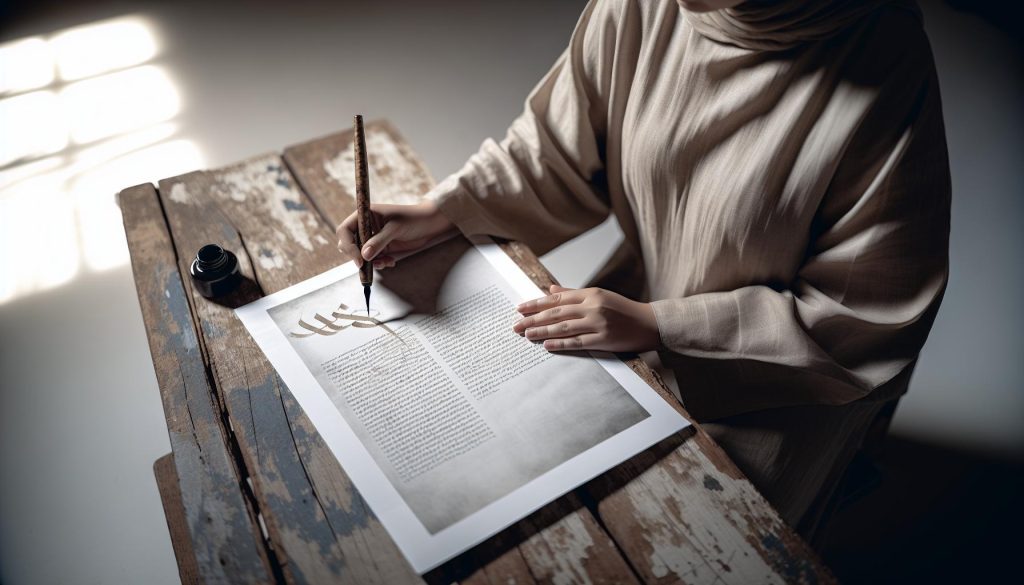
Have you ever sat down with your favorite calligraphy pen, excited to create something beautiful, only to be frustrated by an ink flow issue? You’re not alone. It’s a common challenge that can disrupt your creative flow and ruin your carefully planned project. Understanding why ink isn’t coming out of your pen is crucial not only for getting back to your art but also for ensuring your tools serve you well. In the following sections, we’ll dive into the causes of ink flow problems and provide practical solutions that you can implement right away. Get ready to bring your pen back to life and inspire your writing!
Why Your Calligraphy Pen Isn’t Working: Common Reasons
If you’ve ever found yourself staring at a blank page, pen in hand, wondering why your calligraphy pen just won’t cooperate, you’re not alone. It’s a frustrating moment that many artists experience. Several common issues can cause ink flow problems, and they’re often easier to fix than you might think.
One of the primary culprits is dried ink. If you haven’t used your pen in a while, the ink inside can dry up, clogging the nib. Regularly using your pen can help prevent this, but if it’s already happened, try soaking the nib in warm water for several minutes to loosen the dried ink. Another frequent issue is incorrect nib pressure. Applying too much or too little can disrupt ink flow, so ensure you’re using a light, consistent pressure when writing.
Additionally, check your ink. Not all inks are created equal, and some may be too thick or unsuitable for certain nibs, causing flow complications. Consider testing different brands or types of ink to find one that works smoothly with your pen. Finally, always inspect your nib; any bends or damages can obstruct the ink, leading to frustrating skips and pauses in your writing. By addressing these common issues, you can often restore your pen’s performance and get back to creating beautiful calligraphy.
Understanding Ink Flow Mechanics in Calligraphy
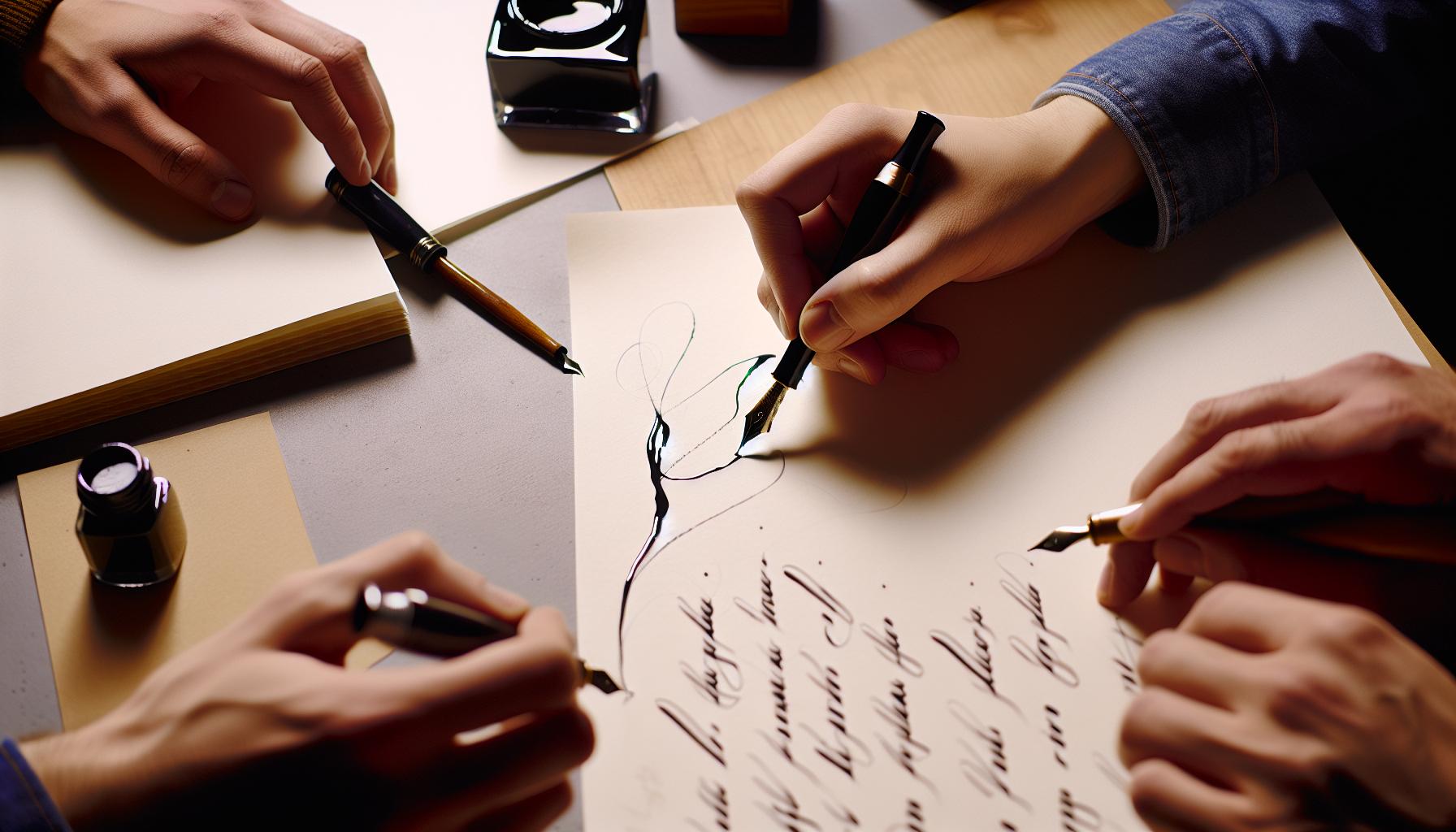
Understanding how ink flows in calligraphy is essential for any artist looking to create smooth, beautiful lettering. The flow of ink is influenced by several factors, including the type of nib, the viscosity of the ink, and even the angle and pressure of your writing. When you know how these elements interact, you can troubleshoot flow issues more effectively.
At its core, ink flow relies on gravity and capillary action-the phenomenon where liquid rises or moves through a narrow space. When you dip a nib in ink, the ink coats the tines. Ideally, this coating should be even and not too thick. If the nib isn’t properly loaded, you’ll likely experience skipping or uneven strokes. Additionally, how you hold the pen matters. A proper angle can help facilitate better ink delivery. Generally, a nib should be held at about 45 degrees to the paper, allowing for a smooth transition of ink.
Another crucial factor is the ink itself. Not all inks are equal; their thickness and consistency can significantly impact flow. For instance, some inks are too viscous and won’t flow well, especially in finer nibs. It’s advisable to experiment with different brands and formulations-like fountain pen ink versus calligraphy ink-to find the best match for your specific nib and style.
You should also consider the condition of your nib. Over time, wear and tear can lead to bends or damage that disrupt ink flow. Regular inspections and maintenance can help you catch these issues early. Lastly, environmental factors like humidity and temperature can also affect how ink performs, so be mindful of your workspace conditions. By understanding and adjusting these mechanics, you can avoid frustrating interruptions in your calligraphy flow and keep your creative process moving smoothly.
Essential Tools for Troubleshooting Your Pen
When your calligraphy pen starts to misbehave and ink refuses to flow, having the right tools at your fingertips can make all the difference. You don’t need an entire workshop; just a few essential items will allow you to troubleshoot effectively and get back to creating beautiful lettering.
First up, a cleaning solution is indispensable. Whether it’s water for washable inks or a specialized pen cleaner for stubborn residues, this tool ensures you can quickly flush out any blockages. Keep a soft cloth handy, too, for wiping down the nib and body of your pen without scratching.
Next, a magnifying glass or loupe is your friend when examining the nib. Tiny cracks or bends can disrupt the flow, and a closer look often helps in spotting these issues that your naked eye might miss. If you notice any irregularities, a gentle adjustment using a proper nib tool can restore its functionality.
Another useful tool is a syringe or pipette filled with ink. This can help you refill your pen precisely without making a mess. It’s especially helpful when you’re dealing with fountain pens. A few plunges can help clear air bubbles in the ink chamber, ensuring a more consistent flow.
Finally, consider investing in a set of varied inks. Different pen nibs react better with certain inks, so having several options allows you to experiment and find the right match for your style. If you’re facing flow problems consistently, it may just be a matter of pairing the right ink with your pen. Gather these tools, and you’ll be well-prepared to troubleshoot any ink flow issues that come your way, keeping your creative process smooth and enjoyable.
Step-by-Step Fixes for Ink Flow Problems
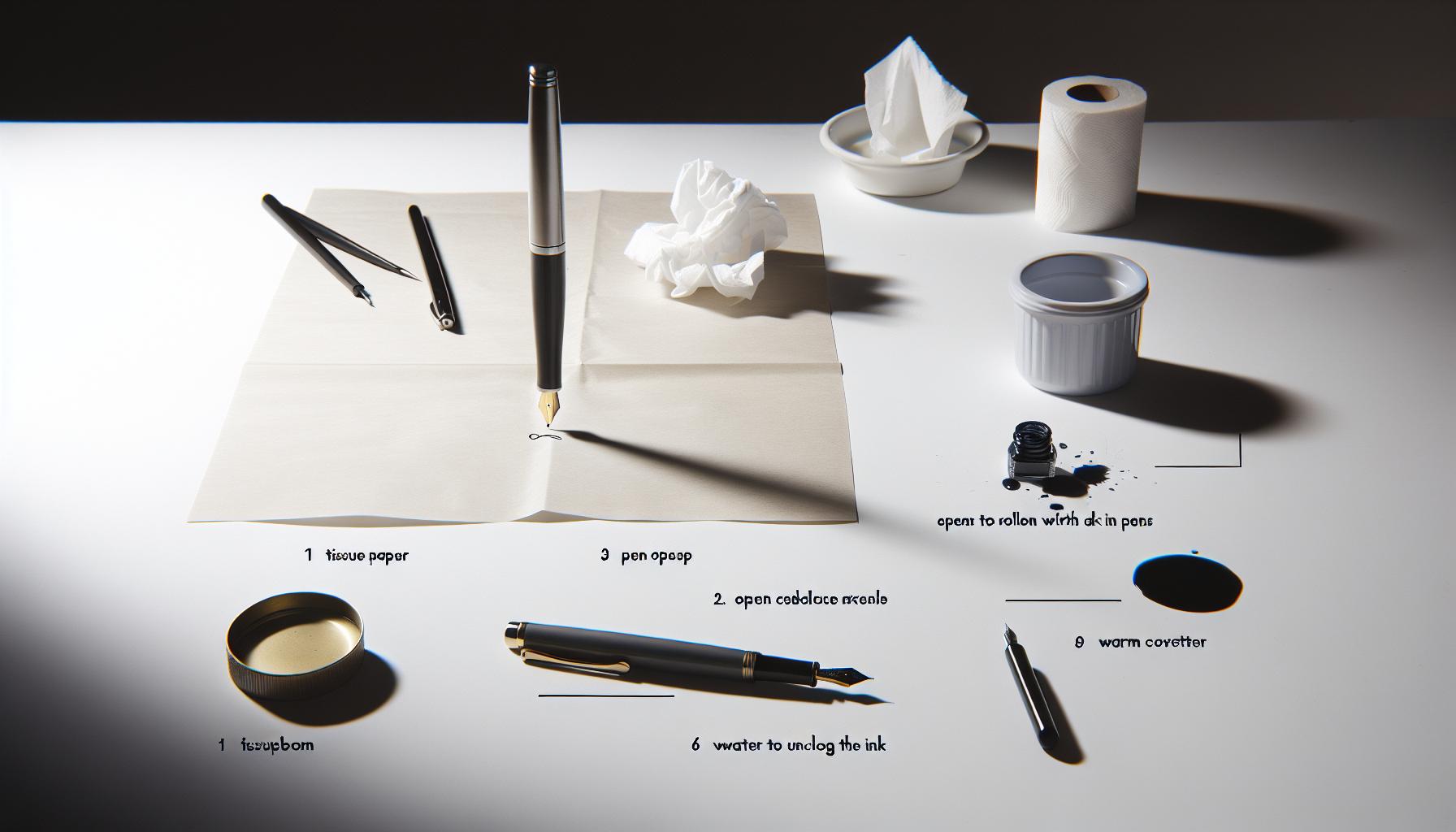
Sometimes, it feels like your calligraphy pen has a mind of its own, refusing to release ink when you need it most. Before you toss it aside in frustration, there are several straightforward fixes you can try to resolve those pesky ink flow problems.
Start by checking the nib. Often, the simplest issue is a blockage. Remove the nib and give it a thorough cleaning. Use warm water or a specialized cleaning solution to flush away any ink residue. If it’s a fountain pen, ensure the ink reservoir is filled correctly. Sometimes, just a quick rinse can do wonders. When reattaching the nib, ensure it’s seated properly; a misaligned nib can easily lead to flow issues.
Inspect the ink itself. Not all inks behave the same way, and some can dry out faster than others. If you’ve been using a thick or metallic ink, it might have congealed in the nib or feed. Consider switching to a different brand or formulation that flows more smoothly. Also, check that the ink isn’t too old-using fresh ink is crucial for optimal performance. If you suspect your ink has dried, try running a bit of warm water through the pen to rehydrate it.
If these steps don’t resolve the issue, you may need to look at air bubbles in your ink chamber or feed. A few taps on the pen can help release any trapped air, or try gently squeezing the reservoir if it’s a squeeze converter. Remember, the key to smooth ink flow is balance. Adjust the nib pressure and angle while writing; sometimes, a slight change in your grip can make all the difference.
With patience and a little practice, you can troubleshoot these common issues and get back to creating beautiful lettering without the frustration of an uncooperative pen. Don’t let minor hiccups derail your artistic flow; your calligraphy journey deserves smooth sailing!
Preventive Maintenance: Keeping Your Pen in Top Shape
To ensure your calligraphy pen performs flawlessly, preventive maintenance is crucial. Just like any precision tool, a little care goes a long way in extending its life and enhancing your artistic experience. You don’t need to wait for issues like ink flow problems to arise; instead, proactive steps can keep your pen in top condition.
Start with regular cleaning. After each use, especially if you’ve used colored or specialty inks, flush the nib and feed with warm water. This is particularly important for fountain pens, where dried ink can quickly become a problem. If you use a dip pen, clean the nib after every session to avoid the buildup of residue. To gently remove stubborn ink, you might consider using a soft brush or cloth-never use abrasive materials that could damage the nib.
Storing your pen correctly is just as important as cleaning it. Keep your pen in a horizontal position whenever possible to avoid ink flowing into unwanted areas, which can lead to leaks or clogs. For fountain pens, always cap them tightly-this prevents the nib from drying out and protects it from dust. If you’re using a cartridge or converter, ensure it’s filled to the right level; a nearly empty reservoir might lead to air dilution, compromising ink flow.
Lastly, assess your ink choice regularly. Incompatible or excessively thick inks can create significant flow issues. Stick to high-quality ink that suits your pen type, and don’t hesitate to test new brands that promise better fluidity. Remember to check the expiration date-old ink can thicken and become unusable. By being diligent with maintenance and mindful of your products, you can avoid flow issues and keep your creativity flowing smoothly.
Different Types of Calligraphy Pens and Their Mechanics
Different types of calligraphy pens each have their own mechanics, and understanding these nuances can make all the difference when ink flow problems arise. Calligraphy pens generally fall into a few categories: dip pens, fountain pens, brush pens, and rollerball pens. Each one operates on different principles that affect how ink is delivered to the page.
Dip Pens
Dip pens have a simple but effective design. A nib is dipped into ink, and the flow relies on both gravity and capillary action. If the nib becomes clogged with dried ink or if the ink is too thick, flow can be intermittent. To improve performance, keep the nib clean and ensure you’re using an ink that’s not too viscous. Also, remember to dip the nib into the ink just enough to coat the tip without flooding it.
Fountain Pens
Fountain pens are a bit more technical, relying on a reservoir of ink and a feed mechanism that regulates flow. They can be cartridge-based, converter-based, or even piston-fillers. Ink flow issues may stem from air bubbles in the feed or a worn-out feed mechanism. To troubleshoot, check for ink blockages and try flushing the pen with water or a pen cleaner. It’s also crucial to use the right type of ink that’s designed for fountain pens to prevent clogging and ensure smooth flow.
Brush Pens
Brush pens combine the qualities of a brush with a pen. They’re often filled with water-based inks, which means they can dry out quickly if left uncapped. Brush pens may also present flow issues if the brush tip becomes damaged or worn down. Regular practice of cleaning and proper storage can help maintain their functionality. When using these pens, remember that different strokes require different amounts of pressure, which can affect ink flow, so adjust your technique accordingly.
Rollerball Pens
Rollerball pens utilize liquid ink, providing a smoother writing experience. However, their ink can also dry out quickly or leak if not stored properly. The mechanism relies on a ball bearing at the tip, which can become obstructed if the pen is not used for a while or if the ink settles. If you find your rollerball pen isn’t delivering ink, try gently shaking it or rolling it in your hands to get the ink flowing again.
By understanding how each type of calligraphy pen works, you can better diagnose and solve ink flow issues, ensuring that your artistic expression flows as effortlessly as possible. Maintaining your tools with care and staying proactive about potential problems will enhance your calligraphy experience and keep your creativity uninterrupted.
Reviving Dried Ink: Quick and Effective Methods
Sometimes, facing a dried-up calligraphy pen can feel like hitting a brick wall in your creative process. But don’t worry; with a few quick and effective methods, you can get that ink flowing again. The first step is to identify the severity of the ink drying. If there’s just a slight blockage, you might only need to break up the dried ink, while a complete blockage may require more intensive care.
To start reviving your pen, try holding it at a downward angle and giving it a gentle shake. This can help dislodge any air bubbles trapped in the ink reservoir and facilitate flow. If that doesn’t work, submerge the nib or brush tip in warm water for a few minutes. Warm water helps dissolve dried ink more effectively than cold. After soaking, gently wipe the nib with a soft cloth or paper towel to remove excess water and any remnants of dried ink.
For fountain pens, you might need to flush the pen with water. This process involves filling a cup with warm water and using a syringe or a bulb syringe to force water through the nib and feed. It’s an excellent way to clear out any dried ink that may be clogging the channels. Remember to do this over a sink or container to catch any mess!
If you’re dealing with brush pens, try pulling the brush tip through a wet paper towel or using a little bit of pen flush specifically designed for cleaning inks. Dried tips can often be revived by carefully re-wetting them and working the ink back down into the brush fibers.
Finally, always ensure you’re using the right ink for your pens. Some inks dry faster than others, and using an incompatible ink can lead to flow issues. By incorporating these methods, you’ll not only revive your pens but also enhance your overall calligraphy experience, keeping your creative juices flowing!
How to Clean Your Calligraphy Pen Properly
Cleaning your calligraphy pen properly can make a world of difference, not just for how it performs, but also for extending its life. You may not realize it, but residual ink can clog the nib or tip, causing frustrating flow issues just when you’re trying to create your masterpiece.
Start with the basics: disassemble your pen as much as possible. For fountain pens, carefully remove the ink cartridge or converter. With brush pens, you may be able to detach the brush from the barrel. Always check the manufacturer’s instructions to avoid any accidental damage. Once disassembled, rinse each part under lukewarm water, allowing the ink to float away. Avoid using hot water, as it can warp some materials.
For stubborn ink, you might need to use a gentle cleaning solution. A few drops of dish soap mixed with warm water can work wonders. Soak the nib or brush tip in this solution for about ten minutes. Gently scrub with a soft brush – an old toothbrush works well – to dislodge any stubborn residue. Rinse thoroughly afterward to ensure no soap remains, as it can affect future ink flow.
Finally, let everything air dry completely before reassembling your pen. This is crucial because any moisture left inside can lead to mold or further clogs. Keeping your tools clean and well-maintained will not only solve ink flow issues but also ensure that every stroke is a joy to execute. Remember, a little care goes a long way in the art of calligraphy!
Testing Ink Compatibility for Optimal Flow
Choosing the right ink for your calligraphy pen is crucial-using incompatible ink can lead to frustrating flow issues and ruin your writing experience. Different types of pens require specific inks. For instance, fountain pens need liquid inks that are designed to work with their nibs, while brush pens often thrive on thicker, more viscous inks. If you’re facing flow problems, testing ink compatibility should be your first step.
Start by checking the manufacturer’s recommendations for the specific pen you’re using. Most brands provide guidelines regarding the types of ink their pens can handle. If you’ve switched inks recently and started experiencing issues, this might be a sign that the new ink isn’t suited for your pen. For example, using an opaque ink in a fountain pen can clog the nib, causing abrupt flow interruptions.
Testing Your Ink
To identify whether your ink is compatible, perform a simple test: fill your pen with the ink in question and try writing on different paper types. Here’s what to observe:
- Flow consistency: Does the ink flow smoothly? If it skips or stops frequently, it may not be suitable.
- Color saturation: Does the ink produce the desired color when applied? Some inks may dry up too quickly or appear dull on certain surfaces.
- Drying time: Notice how quickly the ink dries on paper. Some inks may take too long to dry, leading to smudging-especially in brush calligraphy.
If issues persist, consider switching back to an ink you know performs well with your pen. Sometimes, maintaining a few tried-and-true options is the best approach to ensure you don’t face unexpected flow problems during your artistic sessions. Understanding these compatibility nuances not only saves you time and frustration but also enhances your overall calligraphy experience.
What to Do When It’s Time to Replace Your Pen
At some point, every calligraphy enthusiast faces the inevitable moment of needing to replace their trusty pen. Perhaps the ink just won’t flow, no matter how much you’ve cleaned it, or maybe the nib has become worn down and isn’t giving you those crisp lines. Knowing when to let go of an old friend can be tough, but it’s essential for maintaining the quality of your work.
Watch for signs that it’s time for a replacement. If you find yourself constantly struggling to get the ink to flow, despite cleaning and trying different inks, or if the nib feels scratchy and doesn’t glide smoothly across the paper, these could be indicators. A damaged or worn nib can drastically alter your writing experience, making it frustrating instead of enjoyable. In some cases, you might even notice that ink seems to bleed or feather excessively, which can signal a problem with the pen itself rather than the ink you’re using.
When selecting a new pen, think about how you want to use it. Are you looking for precision for intricate designs, or do you need flexibility for fluid strokes? Different pens-like dip pens, fountain pens, or brush pens-offer varying degrees of control and flexibility. If you’ve been gravitating towards a particular style or type of ink, seek out pens that best complement those preferences. Also, don’t forget to consider the comfort of the grip; a pen should feel good in your hand to avoid fatigue over long writing sessions.
Lastly, if you have a collection of pens, rotate your usage to extend the life of each. Regular maintenance, such as cleaning and proper storage, can keep your pens in better condition for longer. However, when it’s time to say goodbye, don’t hesitate. Investing in a new pen can rejuvenate your calligraphy practice and bring back the joy of creating without hindrance.
Expert Tips for Smooth Calligraphy Writing
Getting smooth ink flow with your calligraphy pen isn’t just about the pen; it’s about how you handle the whole process. A few simple tweaks can drastically improve your writing experience. First off, always start with a quality ink. Not all inks play nice with all pens, and the viscosity can affect flow. If you’re using a dip pen, for example, thicker ink may not flow well. Experiment with different brands to find one that suits your technique.
Another vital aspect is the angle and pressure you apply while writing. If you’re pressing too hard or holding your pen at an awkward angle, you might restrict the ink flow. Try to hold the pen lightly, letting the nib glide across the surface. This not only helps with ink flow but also adds a graceful touch to your strokes. Plus, don’t forget about the paper you’re using. Some papers absorb more ink than others, which can lead to an uneven flow. Opt for smoother, high-quality paper designed for calligraphy to achieve the best results.
Regular maintenance is your friend. Even the best pens need some love. Clean your nib thoroughly after each session to prevent dried ink from gumming up the works. If you notice ink struggles the next time you write, try dipping the nib in clean water and gently tapping it to release any clogs. In addition to cleaning, check for any damage to the nib. A bent or broken nib can ruin your flow, so inspect it regularly.
Lastly, practice patience. Calligraphy is an art that takes time to master. If you find yourself fighting with your pen, take a break and come back refreshed. Often, a clear mind will lead to smoother strokes and a more enjoyable writing experience. Embrace the learning curve, and soon you’ll find your rhythm.
Avoiding Common Calligraphy Mistakes with Ink
Getting the ink to flow smoothly from your pen is a dance of factors, and it’s all too easy to trip and stumble along the way. Many calligraphy enthusiasts, whether beginners or seasoned pros, find themselves grappling with ink issues that can stem from common mistakes. Understanding what these pitfalls are can save you time, frustration, and lots of wasted ink.
One of the most frequent missteps happens right from the start: using the wrong ink for your pen. Not all inks are created equal; some are thicker and may clog a finer nib, while others are too thin and can lead to an overly wet, uncontrolled flow. Always experiment with inks tailored for calligraphy. Look for quality bottled inks or ensure that the bottled or cartridge inks are designed for fountain pens, if that’s what you’re using.
Additionally, consider your writing surface. Not all papers provide the same experience. Textured or absorbent papers can soak up more ink than necessary, causing inconsistent strokes. Instead, opt for smooth, high-quality paper that complements your nib’s design. Remember that practice makes perfect, so don’t shy away from testing various combinations of inks and papers until you discover what feels right for you.
Lastly, keep an eye on your technique. A common error is applying too much pressure when writing. This not only obstructs ink flow but can also lead to nib damage. Focus on letting the pen glide over the paper with a light touch. This gentle approach will enhance your control and allow the ink to flow more freely, resulting in smoother lines and a better overall experience. Always remember that patience is key-if something feels off, take a moment to adjust rather than pressing harder. Embrace these principles, and watch your calligraphy flourish.
Frequently Asked Questions
Q: How can I tell if my calligraphy pen nib is damaged or worn out?
A: Inspect the nib closely for any bends, cracks, or unusual wear. If the tip feels rough or uneven and doesn’t make consistent contact with paper, it might be time to replace it. Regularly check the nib condition to ensure optimal performance.
Q: Why is the ink flow inconsistent when I write with my calligraphy pen?
A: Inconsistent ink flow can be due to a clogged nib or air bubbles in the ink reservoir. Try cleaning the nib thoroughly and ensuring it’s primed by dipping it in ink and tapping it lightly to release any trapped air.
Q: What should I do if my calligraphy pen runs out of ink suddenly?
A: If you suddenly run out of ink, refill the reservoir or replace the cartridge, depending on your pen type. Always keep a spare ink bottle or cartridges nearby, as it’s best to be prepared to avoid interruptions during your work.
Q: How do temperature changes affect ink flow in my calligraphy pen?
A: Temperature changes can cause ink to thicken or thin, impacting flow. Keep your pen stored at a consistent temperature, and let it acclimatize to room temperature before using it if moved from a cold to a warm environment.
Q: Why isn’t my calligraphy pen writing after being unused for a while?
A: If left unused, dried ink can clog the nib. Soak the nib in warm water or a cleaning solution for a few minutes, then gently clean it with a soft brush or cloth to restore flow. Regular use helps prevent this issue.
Q: How can I effectively clean the ink from my calligraphy pen?
A: To clean your calligraphy pen, disassemble it, if possible, and rinse the nib and reservoir with warm water. Use a soft brush to remove dried ink, ensuring everything is thoroughly dried before reassembling to prevent future clogs.
Q: What type of ink works best for calligraphy pens to avoid flow issues?
A: High-quality, non-clogging ink is best for calligraphy pens. Look for inks specifically formulated for fountain pens or calligraphy, as these are less likely to dry out quickly and provide smoother flow. Testing different inks can help find the ideal match.
Q: Can using the wrong paper affect ink flow in my calligraphy pen?
A: Yes, using the wrong paper can significantly affect ink flow. Rough or overly absorbent paper can cause the ink to dry too quickly or clog the nib. Always choose paper designed for calligraphy to maintain a smooth writing experience.
Final Thoughts
If your calligraphy pen isn’t cooperating, remember that these flow issues are more common than you’d think, and many are easily fixable! Clean your nib, check your ink, and experiment with different paper types to see immediate improvements. Don’t let a minor setback discourage your artistic flow!
If you found this guide useful, dive deeper into our tips on enhancing your calligraphy skills. Check out “How to Choose the Right Calligraphy Ink” and “Troubleshooting Common Calligraphy Problems” for insights that can elevate your craft.
Join our newsletter for more expert guidance and exclusive resources-you’ll unlock the secrets to creating stunning calligraphy pieces! Don’t hesitate to share your own experiences or ask questions in the comments below. Your journey towards perfect flow is just a click away. Keep writing beautifully!
Get our latest guides, news, and insights highlighted in your Google Search & AI Overviews.