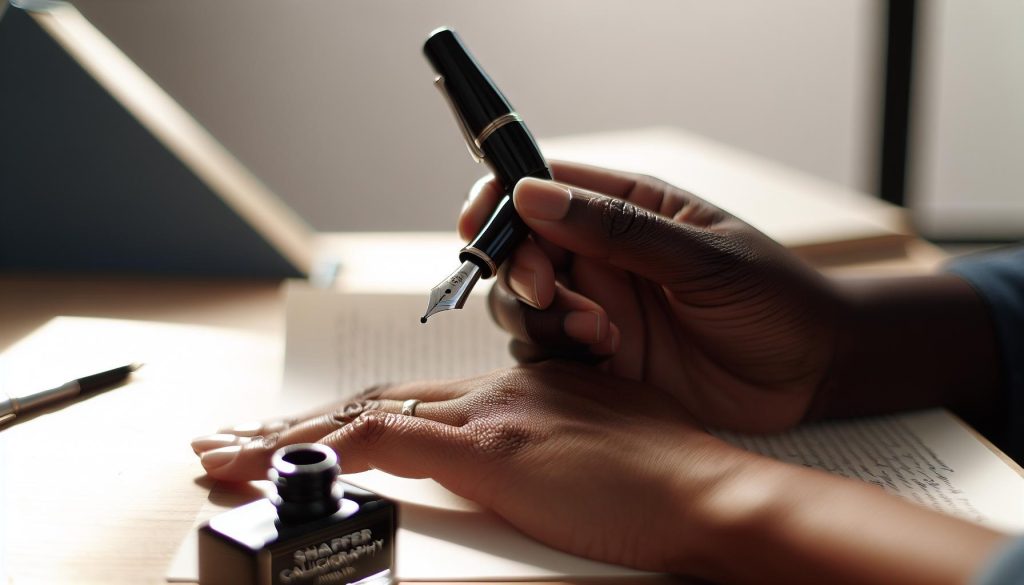
Have you ever marveled at the beautiful script produced by a calligraphy fountain pen only to struggle with using it? You’re not alone! Properly loading your Sheaffer calligraphy fountain pen is the secret to unlocking its full potential, ensuring that every stroke flows smoothly and flawlessly. The right filling technique not only enhances your writing experience but also prolongs the life of your pen. In this guide, we’ll walk you through the simple steps to fill your Sheaffer pen so you can elevate your handwriting game. Get ready to transform your writing with ease and confidence!
How to Choose the Right Ink for Your Sheaffer Pen
Choosing the right ink for your Sheaffer pen can elevate your writing experience from mundane to extraordinary. Not all inks are created equal; some are designed to flow smoothly, while others may clog or fade. The type of ink you select impacts not just the vibrancy of your writing but also the pen’s functionality and longevity. Whether you’re a seasoned calligrapher or a casual note-taker, understanding your ink options is crucial.
First, consider the type of ink. Sheaffer pens typically use fountain pen ink, which comes in either bottled or cartridge forms. Bottled ink allows for a wider variety of colors and formulations, while cartridges offer convenience and ease. If you want to try something new, opt for bottled ink since it opens the door to countless brands and shades. It’s significant to ensure that any bottled ink you purchase is fountain pen-friendly-some inks are too thick and can cause clogs.
Next, let’s talk about colors and properties. If you’re aiming for vibrant calligraphy, you’ll want inks that are rich in pigment-this gives your letters a pronounced pop on the page. Brands like Noodler’s, Diamine, and Pilot Iroshizuku offer phenomenal color choices and consistent performance. Consider trying out sample vials before committing to a whole bottle. This lets you experiment with how different inks interact with your particular pen and paper types, allowing you to find the perfect match that flows smoothly and suits your style.
Lastly, keep ink properties in mind, such as drying time and water resistance. Some inks dry quickly, making them excellent for left-handed writers, whereas others offer a watercolor effect but can take longer to dry. Water-resistant inks are ideal for documents you want to preserve long-term, whereas non-waterproof inks are often easier to manipulate for art projects. What you choose will depend on your individual writing habits and needs, but taking the time to select the right ink for your Sheaffer pen will undoubtedly enhance both your writing experience and your results.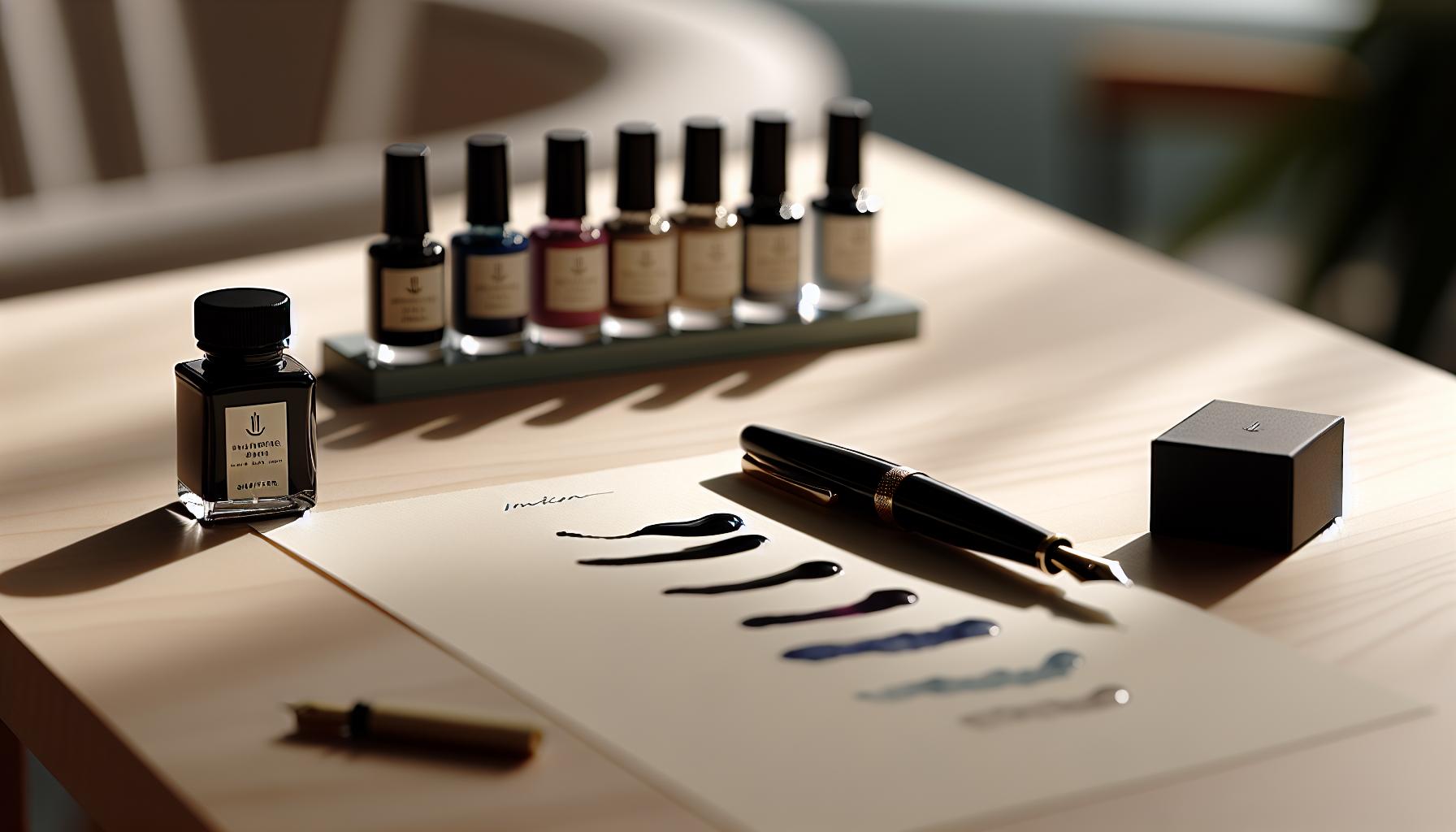
Essential Tools for Filling Your Fountain Pen
Filling your Sheaffer fountain pen properly can seem daunting, but with the right tools, it becomes a straightforward and satisfying process. At the heart of a successful filling experience is quality ink, specifically designed for fountain pens. Ensuring you have a good supply of fountain pen-friendly ink is crucial; whether it’s bottled ink that lets you explore a spectrum of colors or pre-filled cartridges that offer convenience, each has its advantages. For fountain pen enthusiasts, using bottled ink is often the preferred method, providing a broader range of brands and pigment options.
You’ll also want a reliable converter if you’re opting for bottled ink. Many Sheaffer pens come equipped with a converter that lets you draw ink directly from a bottle, offering greater flexibility. If your pen didn’t include one, purchasing a compatible converter is a worthwhile investment. A clean workspace is essential too; this helps prevent any potential ink spills or stains. Have some paper towels on hand for easy cleanup, and consider using an old cloth or newspaper to catch any drips.
When preparing your pen for filling, keep a few simple tools within arm’s reach. A small funnel can help when drawing ink from a bottle, especially if you’re using a large, wide-mouthed inkwell. In addition, some dedicated fountain pen users swear by using a syringe with a blunt tip, which allows precise filling without creating a mess. And don’t forget to frequently check your ink levels, so you’re never caught off-guard with a dry fountain pen. By having these essential tools on hand, you’ll find filling your Sheaffer even more enjoyable, bringing a new level of flair and creativity to your writing sessions.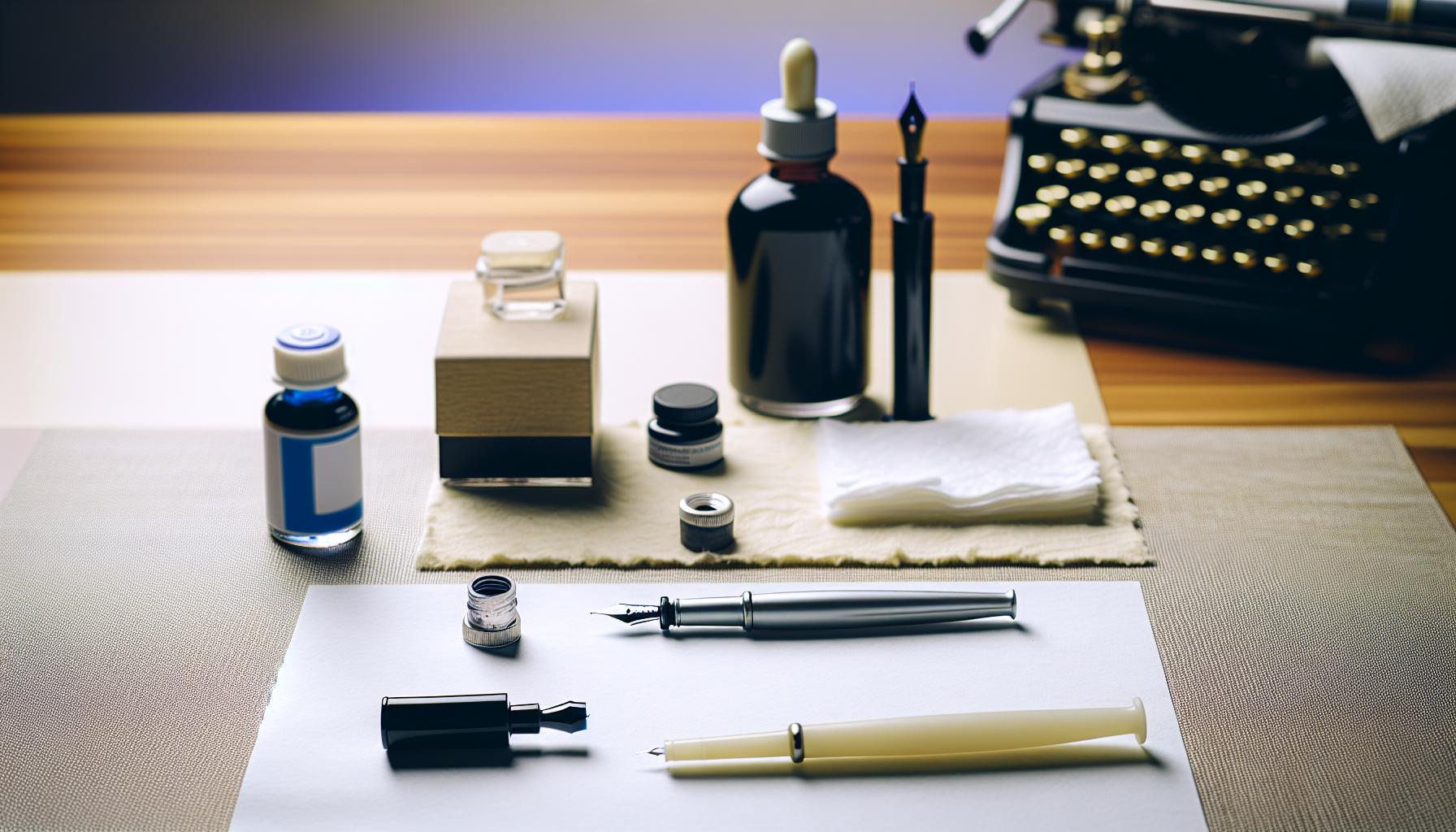
Step-by-Step Guide to Filling Your Sheaffer Pen
Filling a Sheaffer fountain pen might feel intimidating, but with a few simple steps, it becomes a satisfying ritual rather than a chore. Here’s how to ensure a smooth filling process that gets you writing beautifully in no time.
Start by selecting the right ink. For a Sheaffer pen, bottled ink usually delivers the best experience due to its diverse colors and brands. If your pen supports it, grab a converter that allows you to draw directly from the bottle. This gives you the flexibility to try various inks without being tied to cartridges. Once you have your ink, gather a few essential tools: a clean workspace, some paper towels, and a small funnel or syringe if you prefer precise filling.
Now, let’s get into the filling process itself. Begin by unscrewing or pulling off the pen’s cap and removing the barrel. If you’re using a converter, it typically has a plunger mechanism. First, submerge the nib into the ink, ensuring it’s fully submerged to avoid air bubbles. Then, pull the converter’s plunger back to let in ink, and slowly push down to fill the chamber. Repeat this a couple of times to ensure the nib absorbs enough ink. If you’re using a cartridge, simply insert it firmly until you hear a click, signaling it’s loaded properly.
Once filled, wipe the nib gently with a paper towel to remove excess ink-that’s crucial to avoid drips! Reassemble your pen and let it sit nib-down for a minute to allow the ink to flow properly. Then, test it on a scrap piece of paper to ensure a consistent ink flow, and you’re good to go. This step-by-step method not only optimizes your experience but also adds a personal touch to your writing process, making each moment with your Sheaffer pen special.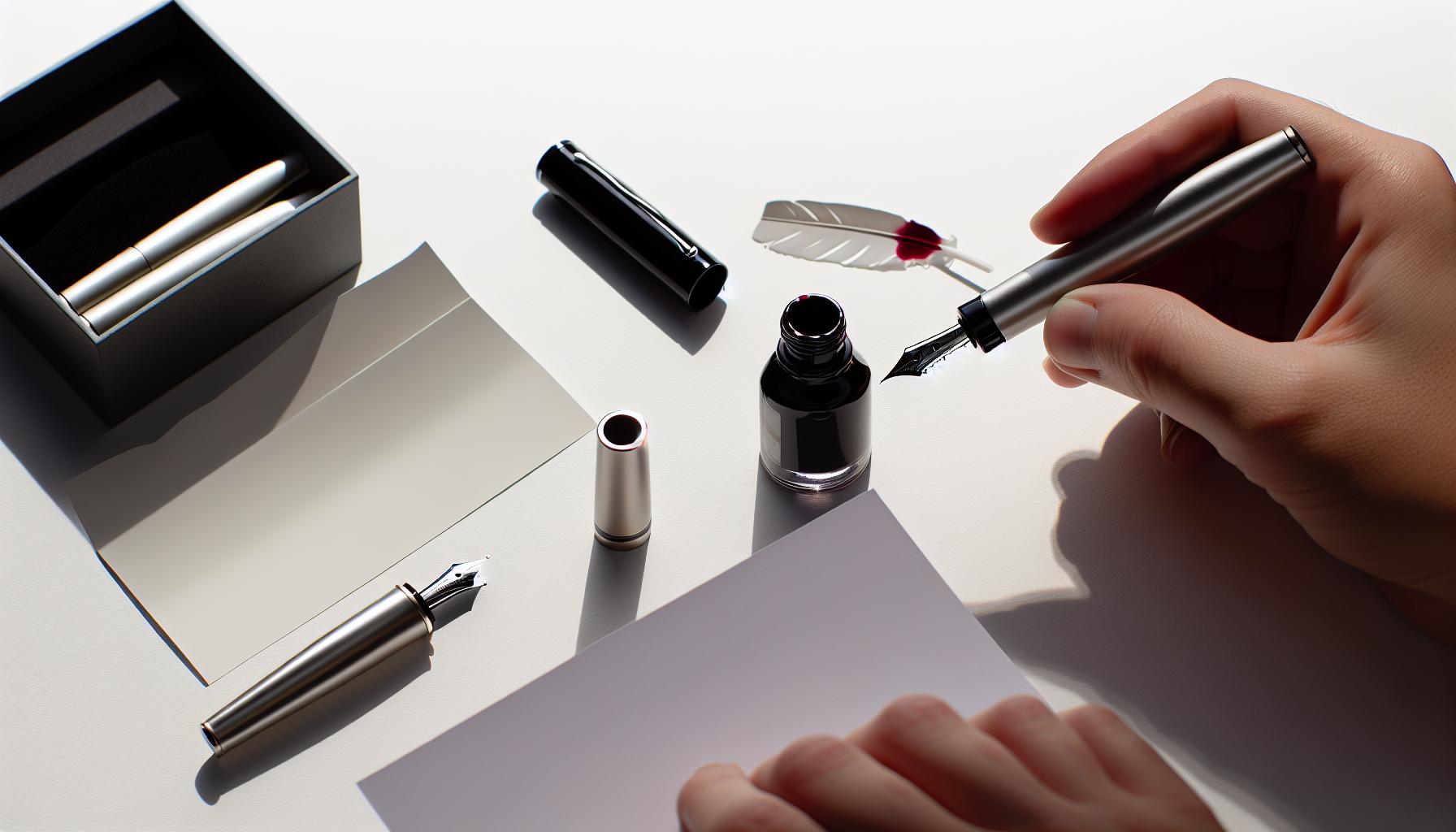
Common Mistakes When Loading a Fountain Pen
When loading a Sheaffer fountain pen, even small missteps can lead to frustrating ink flow issues or messy situations. One of the most common mistakes is failing to properly prime the pen. Many users assume that simply inserting a cartridge or filling a converter will suffice. However, unless the nib is fully submerged in ink during this process, air bubbles can get trapped, resulting in an inconsistent flow. Always ensure that the nib dips into the ink, allowing it to draw in properly. This simple detail can drastically improve your experience.
Another frequent error lies in the overfilling of the converter. It’s tempting to assume that more ink equals better performance, but too much ink can lead to leakage and uncontrolled flow. Instead, aim for just enough ink to fill the chamber, leaving a little space for air bubbles to escape. A simple tip is to fill it gradually and check the ink level so you can adjust as necessary.
Wiping the nib after filling is also a step that many overlook. Every time you fill your Sheaffer, take a moment to wipe the nib gently with a clean paper towel. This minor action prevents excess ink from creating drips or smudges on your pages, allowing you to start writing smoothly without the anxiety of unintended marks.
Educating yourself about your fountain pen’s specific filling mechanism is crucial as well. Each Sheaffer model may have slight variations in how ink is loaded. Whether you’re using a piston filler or a cartridge/converter system, understanding the intricacies of your pen can save you time and avoid common pitfalls. Always consult the manufacturer’s instructions if you’re unsure, as this will guide you in avoiding operational mistakes that could hamper your writing flow and overall experience with the pen.
Tips for Maintaining Ink Flow in Your Sheaffer
To keep your Sheaffer fountain pen’s ink flowing smoothly, it’s essential to pay attention to a few key details. A fountain pen’s performance hinges on how well you manage the ink system. It’s not just about filling it up; maintenance ensures a consistent and enjoyable writing experience. Here’s what you need to know.
Start with the ink. Not all inks are created equal. Some may be too viscous or contain particles that clog the nib. Opt for high-quality fountain pen ink from reputable brands to prevent ink flow issues. Regularly check your ink levels and refill before it runs too low. If an ink bottle has been sitting for a while, give it a gentle shake before filling your pen to ensure even consistency.
Cleaning your pen is another crucial part of maintaining optimal ink flow. Depending on how often you write, you should clean your fountain pen approximately every four to six weeks. Use water or a specialized pen cleaner to flush out old ink and any buildup. Disassemble your pen as advised by the manufacturer, and rinse each part thoroughly. Remember to let everything dry completely before reassembling your pen. This step is vital after switching ink colors, as leftover ink can tarnish new applications.
Dry writing is a common frustration for fountain pen users, usually caused by dried ink or a clogged nib. If your Sheaffer starts skipping or producing faint lines, a simple fix is to soak the nib in warm water for a few minutes. After soaking, gently wipe it with a microfiber cloth, ensuring any residue is removed, which should restore smooth writing. If the issue persists, inspect the nib and feed for any debris that might be obstructing ink flow.
Finally, don’t underestimate the importance of storing your pen correctly. Always store your fountain pen upright or with the nib facing up to minimize the risk of ink pooling and drying. When you’re not using it, keep the cap on to prevent the nib from drying out. Taking these steps will not only extend the life of your Sheaffer but also enhance your writing experience.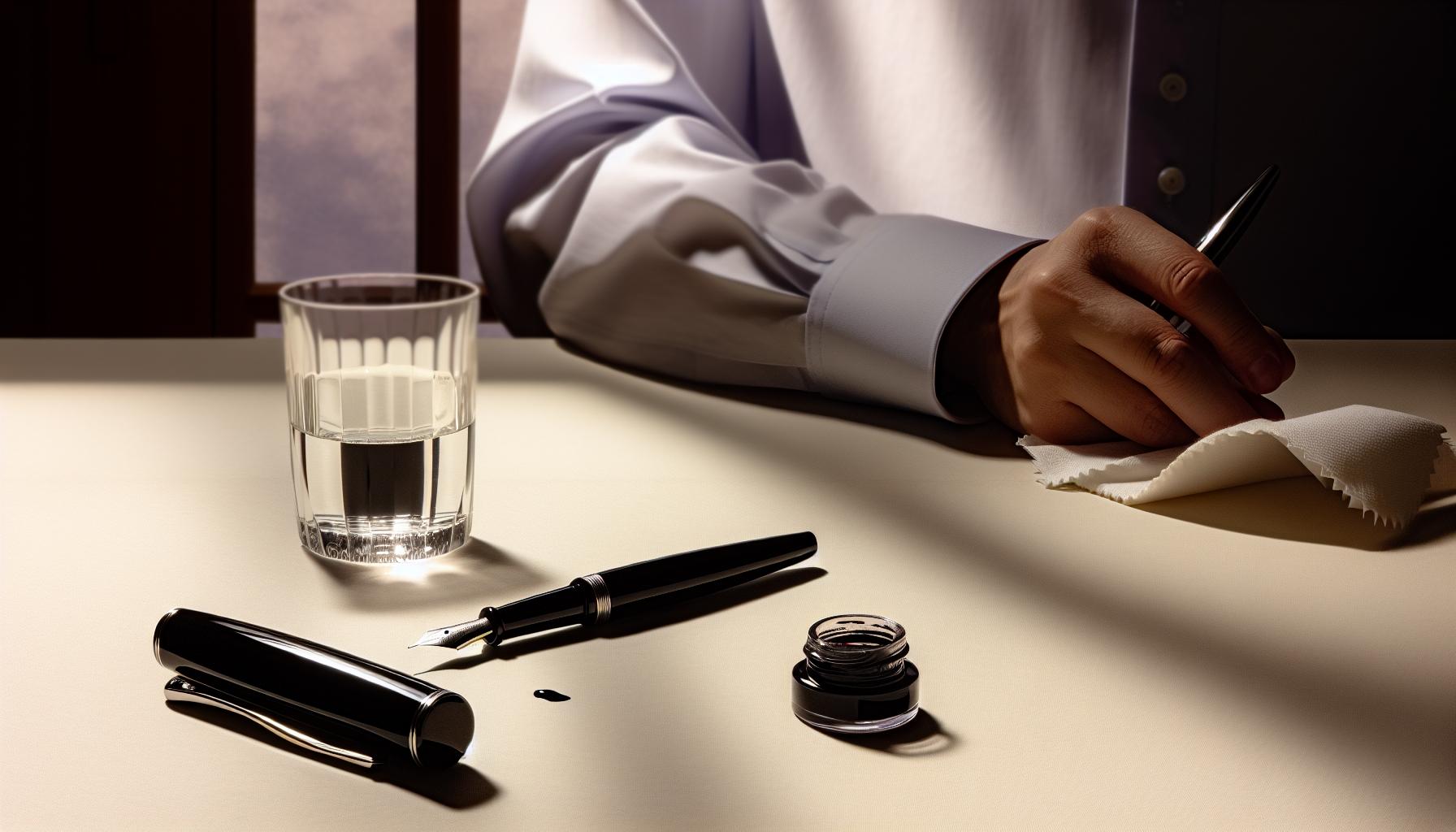
Understanding Different Filling Mechanisms
Understanding the mechanics behind filling your Sheaffer fountain pen can dramatically enhance your writing experience. Different filling mechanisms offer various levels of convenience and control, so knowing which one you have-and how it works-can make all the difference.
Fountain pens typically utilize several types of filling systems, such as cartridge/converter, piston, and eye-dropper methods. Each has its own operations and benefits. The cartridge system is the simplest: you simply replace a pre-filled cartridge with a new one when it runs dry. This method is ideal for those on the go, as it eliminates mess and reduces the time spent refilling. However, it limits your ink choices since you’re typically stuck with the options available in cartridges.
The converter, on the other hand, provides flexibility and lets you choose from a wider variety of bottled inks. It functions similarly to a syringe, where you draw ink into the converter chamber. This system is great for writers who enjoy experimenting with different ink colors and brands, as it offers an easy way to switch out inks without investing in numerous cartridges.
A piston fill mechanism takes it a step further, using a built-in piston to draw ink directly from a bottle into the pen. This method usually allows for a larger ink capacity, making it a favorite among those who write extensively. However, it requires a bit more maintenance since the piston needs to be cleaned periodically to prevent ink residue buildup.
For those who appreciate a more hands-on approach, the eye-dropper filling mechanism allows you to use an eyedropper to fill the entire barrel with ink. This keeps the pen’s design sleek and elegant but demands more attention regarding cleaning and maintenance. The volume of ink you can store is substantial with this method, making it perfect for long writing sessions.
In conclusion, choosing the right filling mechanism affects not just how your pen performs, but also your overall experience and satisfaction with the writing tool. Whether you’re drawn to the convenience of cartridges or the versatility of converters and pistons, understanding these systems will help you load your Sheaffer pen properly and enjoy the art of writing seamlessly.
Troubleshooting Common Filling Issues
If you’re experiencing issues while filling your Sheaffer calligraphy fountain pen, you’re not alone. Many users face similar challenges, but troubleshooting can be straightforward with a few helpful tips. Most filling problems arise from air bubbles, improper filling techniques, or ink flow issues. The key is to stay patient and methodical-after all, writing should be a joyful experience, not a frustrating one.
One common issue is getting an air bubble in the filling mechanism, especially with converters and piston systems. If you notice your pen skipping or not writing well after filling, try the following: remove the nib from the ink and slightly shake the pen while keeping it upright. This action can dislodge trapped air. Another quick fix is to re-dip the nib into the ink and draw the converter back and forth to pull more ink into the feed. This helps ensure a steady flow without those bothersome air bubbles.
If your Sheaffer pen still refuses to write after filling, it may be due to an ink blockage. This often happens if the pen hasn’t been used for a while. To clear blockages, submerge the nib and feed in warm water for a few minutes. Gently shake out any remaining water, and then refill the pen after it’s completely dry. This should restore the ink flow. Always remember to flush your pen regularly-doing so every couple of weeks keeps the nib and feed clear, ensuring optimal performance.
Lastly, always ensure you’re using quality inks suitable for fountain pens. Thicker, glittery, or heavily pigmented inks can cause clogs or limit flow. If you’re experiencing recurring issues, consider switching inks or brands. Adapting your ink choices can make a huge difference in your writing experience. By treating your Sheaffer with care and performing these simple troubleshooting steps, you’ll find maintaining your fountain pen is well worth the effort.
Exploring Ink Options: Colors and Brands
Choosing the right ink for your Sheaffer calligraphy fountain pen can make all the difference in your writing experience. With a stunning variety of colors and brands available, it’s not just about what looks good on the page; it’s about compatibility and performance too. You want inks that flow smoothly without clogging, maintain their vibrancy over time, and suit your style of expression.
Start with classic brands that have a solid reputation among fountain pen enthusiasts. Look into Sheaffer’s own range-their inks are formulated for optimal performance in their pens. They offer a variety of colors that can spark your creativity. If you’re feeling adventurous, consider exploring other reputable brands like Pilot, Waterman, and Diamine. Each has unique colors and properties, like shading and shimmer, which can enhance your calligraphy work.
When selecting ink, consider the viscosity. Thin inks flow smoothly but may not produce the same depth of color as thicker inks. Conversely, thicker inks can offer richer colors but might cause clogging if you’re not using your pen regularly. One trick is to test your chosen ink in a sample pen first. Most shops that sell fountain pen supplies will offer testers, so you can see firsthand how it behaves on paper and how it interacts with your Sheaffer.
Don’t forget to check the pH and dye composition of the inks. Some inks contain dyes that can be problematic for certain pen materials, potentially causing staining or deterioration over time. In general, it’s wise to avoid heavily pigmented or glittery inks for your Sheaffer pens unless specifically designed for fountain pens, as they can lead to maintenance issues down the line. Stick with inks that are known for their fountain pen compatibility to ensure a smooth writing experience.
Ultimately, your choice of ink should reflect your personal style and writing needs. Play around with different colors to find what resonates with you. Whether you prefer muted tones or vibrant hues, the perfect ink can elevate your writing from ordinary to extraordinary. Enjoy the journey of discovery as you experiment with inks that inspire your creativity and enhance your calligraphy.
Why Regular Cleaning is Crucial for Performance
Keeping your Sheaffer fountain pen clean is not just a matter of aesthetics; it’s essential for maintaining optimal performance. Over time, dried ink and residue can accumulate inside your pen, leading to clogs, inconsistent ink flow, and even permanent damage. Regular cleaning ensures smooth operation, allows for effortless changes between ink colors, and extends the life of your pen. Ignoring this critical maintenance step can result in a frustrating writing experience when you least expect it.
When you finish writing, especially if you’ve used a vivid or dark ink, take a moment to flush your pen. All you need is lukewarm water and a gentle squeeze of the converter or aerometric filling mechanism. This practice prevents the ink from drying up and solidifying inside the nib and feed. Ideally, after each ink color switch or about every month if you use the same ink, you should give your pen a thorough cleaning. This isn’t a burdensome task; it can be as quick as rinsing under running water, yet it pays off tremendously in preventing the need for more complex repairs.
Furthermore, cleaning isn’t just about the immediate performance of your pen. It’s also about preserving the quality of your writing. A clean nib glides effortlessly across the page, ensuring that your calligraphy retains its sharpness and delicacy. If you’ve ever struggled with a pen that skips or hesitates, you know how detrimental a clogged pen can be to the flow of your creativity. Regular maintenance allows you to express your ideas without interruption, letting your creativity flow as freely as the ink.
In summary, regular cleaning is an investment in your writing experience. It keeps your Sheaffer performing at its best, maintains your ink’s integrity, and allows you to enjoy each writing session fully. Trust me, as someone who has learned from experience, taking a few moments to care for your pen will yield a noticeable difference in your writing quality and overall satisfaction. So, make it a habit, and your Sheaffer will thank you with smooth, consistent writing for years to come.
Enhancing Your Calligraphy Skills with Sheaffer Pens
There’s something magical about holding a Sheaffer pen, especially when you’re diving into the art of calligraphy. The smooth glide of the nib against the paper, combined with the vibrant ink, can transform ordinary writing into a graceful dance of letters. To truly enhance your calligraphy skills, mastering the techniques of loading your Sheaffer calligraphy fountain pen is essential.
Start by selecting the right ink; vibrant colors can elevate your work, but consistency is key. When you fill your pen, make sure to choose an ink designed for fountain pens to avoid clogging. Use the filling mechanism correctly-whether it’s a converter or cartridge-to fully immerse the nib in the ink. This ensures that the ink flows smoothly when you begin writing. Don’t rush this part. Take your time to properly load the pen, allowing the nib and feed to soak in the ink. This initial step lays the foundation for a beautiful writing experience.
After loading your Sheaffer, practice the basics of calligraphy with simple strokes and letters. This helps you get a feel for the pen and understand how much pressure to apply. As you write, pay attention to the angle of your nib and the flow of the ink. Adjusting your grip or repositioning your paper can make a world of difference. Remember, practice is essential; the more you write, the more comfortable you’ll become with your pen’s unique characteristics.
Lastly, don’t overlook the importance of maintenance. A well-maintained pen delivers consistent ink flow, allowing your creativity to shine through. Regular cleaning and proper storage keep your Sheaffer in top condition, ensuring that every stroke you make glides smoothly across the page. Whether you’re practicing for a special project or just doodling, investing time in these practices will significantly enhance your calligraphy skills and result in beautiful, fluid writing.
When to Refill Your Fountain Pen for Best Results
To keep your Sheaffer fountain pen performing at its best, knowing when to refill is crucial. Waiting too long can lead to a dry nib and inconsistent ink flow, which can be frustrating during those creative moments. Generally, you should consider refilling your pen when the ink level reaches about one-quarter full. This early refill helps ensure that you have enough ink to avoid any interruptions, allowing you to maintain a steady writing rhythm.
Another great cue for a refill is when you start noticing any changes in ink flow, such as skipping or a lighter mark on the paper. This often indicates that the ink supply is running low and could benefit from a fresh fill. It’s also wise to refill your pen before any significant writing sessions or projects. Consider keeping a small bottle of your preferred ink handy, especially if you frequently switch between colors for your calligraphy work.
For daily users, you might find it helpful to create a refill routine. If your Sheaffer pen uses cartridges, they’re quick and easy to replace. If you use a converter, make it a point to clean it regularly to maintain optimal ink flow, which can also be a cue that it’s time for a refill. Listening to your pen and paying attention to its behavior will ensure your writing continues to flow beautifully, enhancing both your experience and the quality of your artistry.
Storing Your Sheaffer Pen: Best Practices
Properly storing your Sheaffer pen is just as crucial as knowing how to fill it. A well-cared-for pen not only helps maintain ink flow but also extends the longevity of this fine writing instrument. When you put your Sheaffer away, it’s wise to be mindful of how and where you store it to prevent damage and ensure it’s ready for your next writing session.
First and foremost, always keep your Sheaffer pen capped. This simple step prevents the nib from drying out and keeps dust or debris from clogging the feed. If you’re using a converter, make sure to store your pen nib-down in a pen case or holder. This position helps keep the ink closer to the nib, ensuring a consistent flow when you pick it up for use. If you store it nib-up, be prepared for a few strokes of priming to get the ink flowing smoothly again.
Consider environmental factors too. Avoid extreme temperatures-heat and cold can expand and contract the materials and might even affect ink consistency. A stable, moderate temperature is ideal. Light is another factor; prolonged exposure to direct sunlight can fade the finishes on your Sheaffer pen.
Lastly, if you’re ambitious about calligraphy, invest in a dedicated pen case or a box specifically designed for fountain pens. These offer protection from accidental drops and provide a stylish way to showcase your fine writing instruments. With a bit of attention to storage, you can ensure your Sheaffer pen remains in top condition, ready to express your creativity at a moment’s notice.
FAQ
Q: How do I know when my Sheaffer calligraphy fountain pen needs to be filled?
A: You can tell your Sheaffer calligraphy fountain pen needs filling when the ink flow becomes inconsistent or the nib runs dry. Regularly check the ink level if your pen has a transparent barrel. Aim to refill when the ink is around one-quarter full to ensure seamless writing.
Q: Can I use any type of ink in my Sheaffer calligraphy fountain pen?
A: No, it’s best to use inks specifically designed for fountain pens. Sheaffer recommends using their branded inks or high-quality, bottled fountain pen inks. This ensures optimal flow and prevents clogging, maintaining your pen’s performance.
Q: What should I do if my Sheaffer calligraphy pen won’t fill with ink?
A: If your pen won’t fill, first check for any air bubbles in the ink or blockages in the feed. Try submerging the nib fully in ink and pulling back on the filling mechanism several times. If issues persist, refer to the Troubleshooting Common Filling Issues section of your guide.
Q: How often should I clean my Sheaffer calligraphy fountain pen?
A: Clean your Sheaffer calligraphy pen every few weeks, or whenever you change ink colors. Regular cleaning prevents buildup and ensures smooth operation. Use cold water and a soft cloth, avoiding any harsh chemicals.
Q: Is there a specific technique to filling a Sheaffer calligraphy fountain pen with ink?
A: Yes, for optimal filling, submerge the nib in ink, then activate the filling mechanism while keeping the nib submerged. This helps to draw ink without trapping air. Refer to the Step-by-Step Guide to Filling Your Sheaffer Pen for detailed instructions.
Q: What type of filling mechanism does a Sheaffer calligraphy pen use?
A: Sheaffer calligraphy pens typically use either a piston or cartridge filling mechanism. Knowing which type you have can guide your filling process, as each operates slightly differently. Check the Understanding Different Filling Mechanisms section for specifics.
Q: Why is it important to maintain ink flow in my Sheaffer calligraphy fountain pen?
A: Maintaining proper ink flow ensures consistent, smooth writing and helps you avoid skipping or blotting. It also extends the life of your pen. For tips, see the Tips for Maintaining Ink Flow in Your Sheaffer section of your guide.
Q: What steps should I take if I experience ink leakage from my Sheaffer pen?
A: If you notice ink leakage, first check that the cap is properly secured and the pen is stored upright. Inspect the nib and feed for ink buildup and clean accordingly. If problems persist, consult the Troubleshooting Common Filling Issues section for additional solutions.
To Wrap It Up
Congratulations on mastering how to load your Sheaffer Calligraphy Fountain Pen! With this simple yet essential skill, you can unlock the true potential of your writing experience. Want to dive deeper? Check out our guide on choosing the right ink for your pen or learn about caring for your fountain pen to ensure it lasts for years. Don’t forget to subscribe to our newsletter for more tips and tricks that enhance your calligraphy journey!
Feeling uncertain about the process? Drop your questions or share your experiences in the comments-we love hearing from fellow fountain pen enthusiasts! Your next masterpiece is just a refill away, so grab your pen, fill it up, and let your creativity flow. Explore more resources on our site, and let’s turn your writing into art!
Get our latest guides, news, and insights highlighted in your Google Search & AI Overviews.