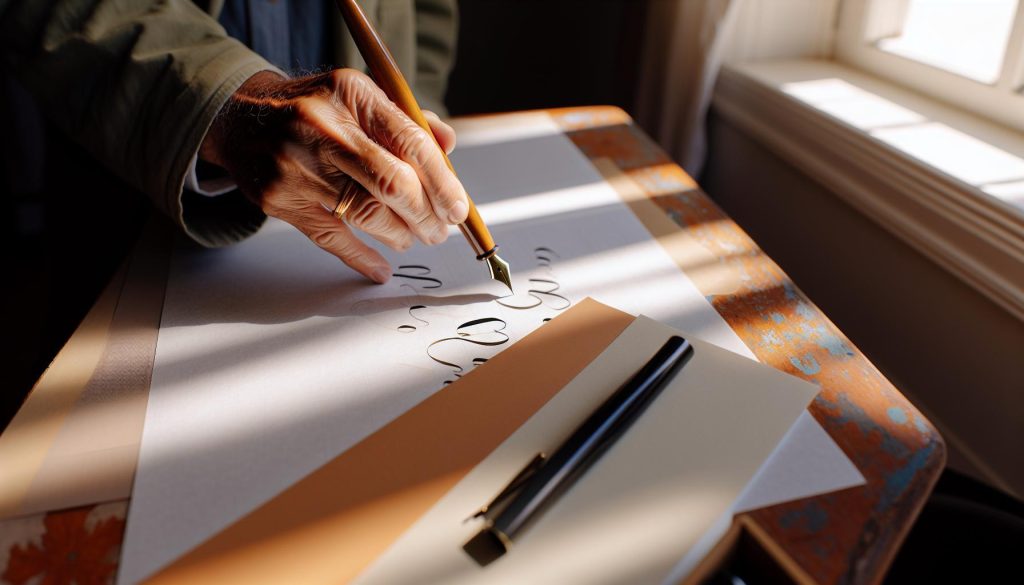
Can you really do calligraphy with a fountain pen? Absolutely! Many enthusiasts transition from traditional tools to fountain pens for a smoother writing experience and a unique flair. With the right techniques and a personal touch, you can create stunning letters that stand out. Whether you’re looking to enhance your greeting cards, journaling, or art projects, mastering calligraphy with a fountain pen can elevate your work and express your creativity.
This guide will walk you through everything you need to know to get started-from selecting the right pen and ink to essential techniques that will have you crafting beautiful letters in no time. If you’ve ever dreamed of writing with elegance or simply want to impress your friends, keep reading to uncover the secrets of fountain pen calligraphy!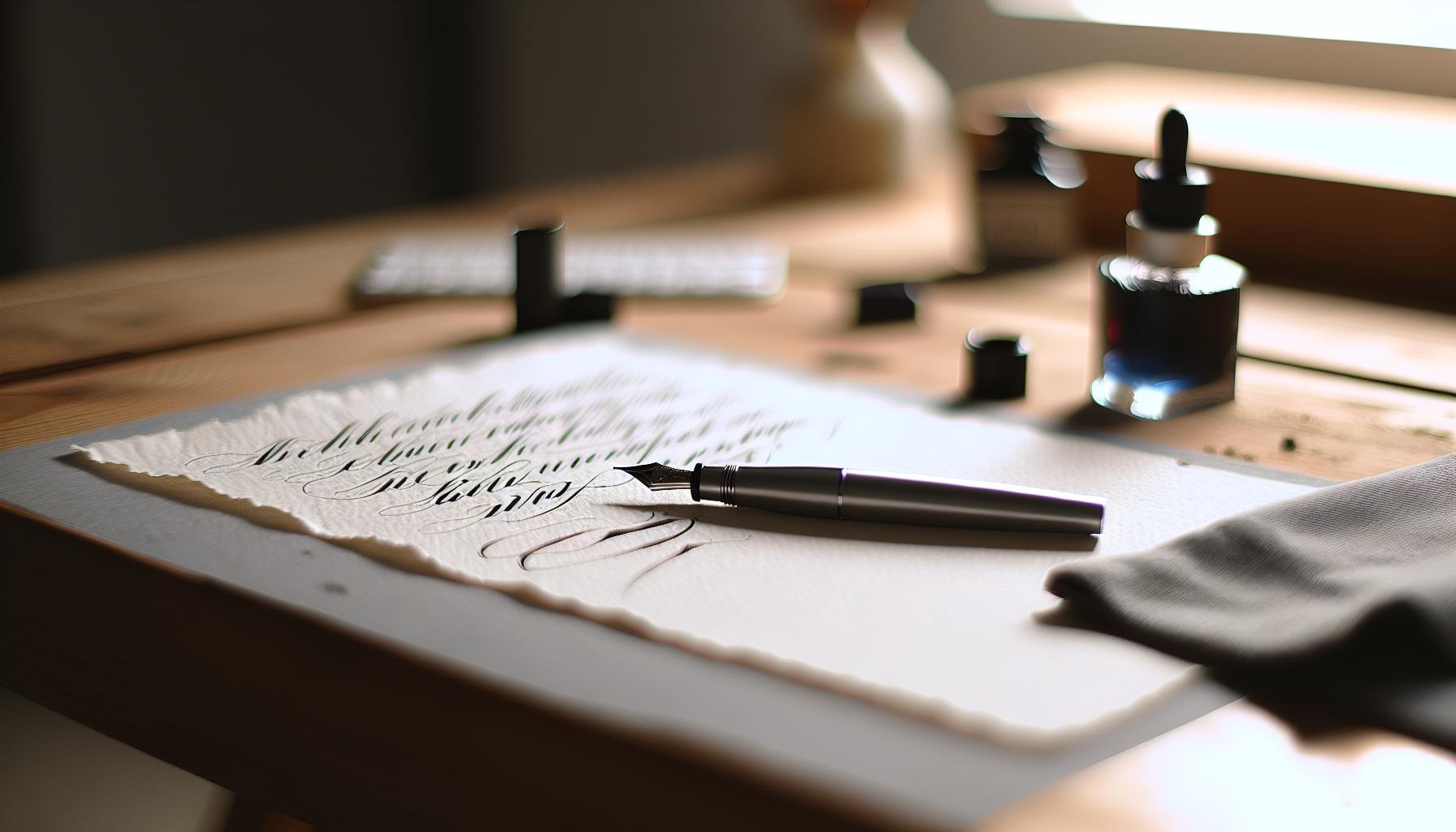
Choosing the Right Fountain Pen for Calligraphy
Choosing a fountain pen for calligraphy can be a game-changer in your writing experience. It’s not just about picking any pen; it’s about finding one that complements your style and enhances your creativity. Different nibs offer unique strokes, so understanding their characteristics is crucial. A broader nib can produce bolder lines, perfect for more dramatic styles, while finer nibs allow for delicate flourishes and intricate details.
When exploring options, look for pens labeled as “calligraphy pens.” Many come with interchangeable nibs, giving you the flexibility to experiment without investing in multiple pens. Popular brands, such as Lamy and Pilot, offer starter kits that are user-friendly for beginners. Don’t hesitate to handle a few different pens at a stationery store; the right grip can make a world of difference in your comfort and control.
The choice between a converter or cartridge is also key. Converters allow you to use bottled ink, giving you access to a broader palette of colors and properties, while cartridges provide convenience and portability, which can be appealing if you’re on the go. Whichever you choose, test different inks to find what flows best with your pen and style preferences.
Ultimately, selecting a fountain pen involves a personal connection. It should feel right in your hand, inspire you, and reflect your artistic voice. Start with what feels comfortable, and let your calligraphy journey unfold!
Essential Calligraphy Techniques for Fountain Pens
Fountain pens are more than just tools; they’re an extension of your artistic expression, especially in calligraphy. Mastering essential techniques can elevate your writing from ordinary to extraordinary. Start with your grip. Hold the pen lightly at a 45-degree angle to allow for fluid motion. This angle facilitates the nib’s interaction with the paper, producing graceful strokes and elegant curves. A relaxed grip not only reduces fatigue but also allows for better control over your lines.
Next, focus on the pressure. The beauty of calligraphy lies in the contrast between thin and thick strokes. Apply slight pressure on downstrokes to achieve those bold lines, while keeping pressure light on upstrokes for finesse. Practice forming basic letters slowly, exaggerating the strokes to heighten your muscle memory. Remember, consistent practice yields proficiency, so don’t rush!
When it comes to spacing, be mindful of your letter connections and the distance between words. Uneven spacing can distract from the experience of your calligraphy. Consider using guidelines to maintain uniform height and spacing as you work. Over time, you’ll develop an intuitive understanding of how much space each letter typically requires.
Lastly, don’t overlook the importance of rhythm. Your hand movements should flow smoothly, almost like music. Experiment with your speed; faster movements can sometimes lead to more expressive strokes, while slower ones allow for precision. As you learn to balance these elements-grip, pressure, spacing, and rhythm-your fountain pen will become a powerful tool for beautiful calligraphy, helping to capture your unique style on every page.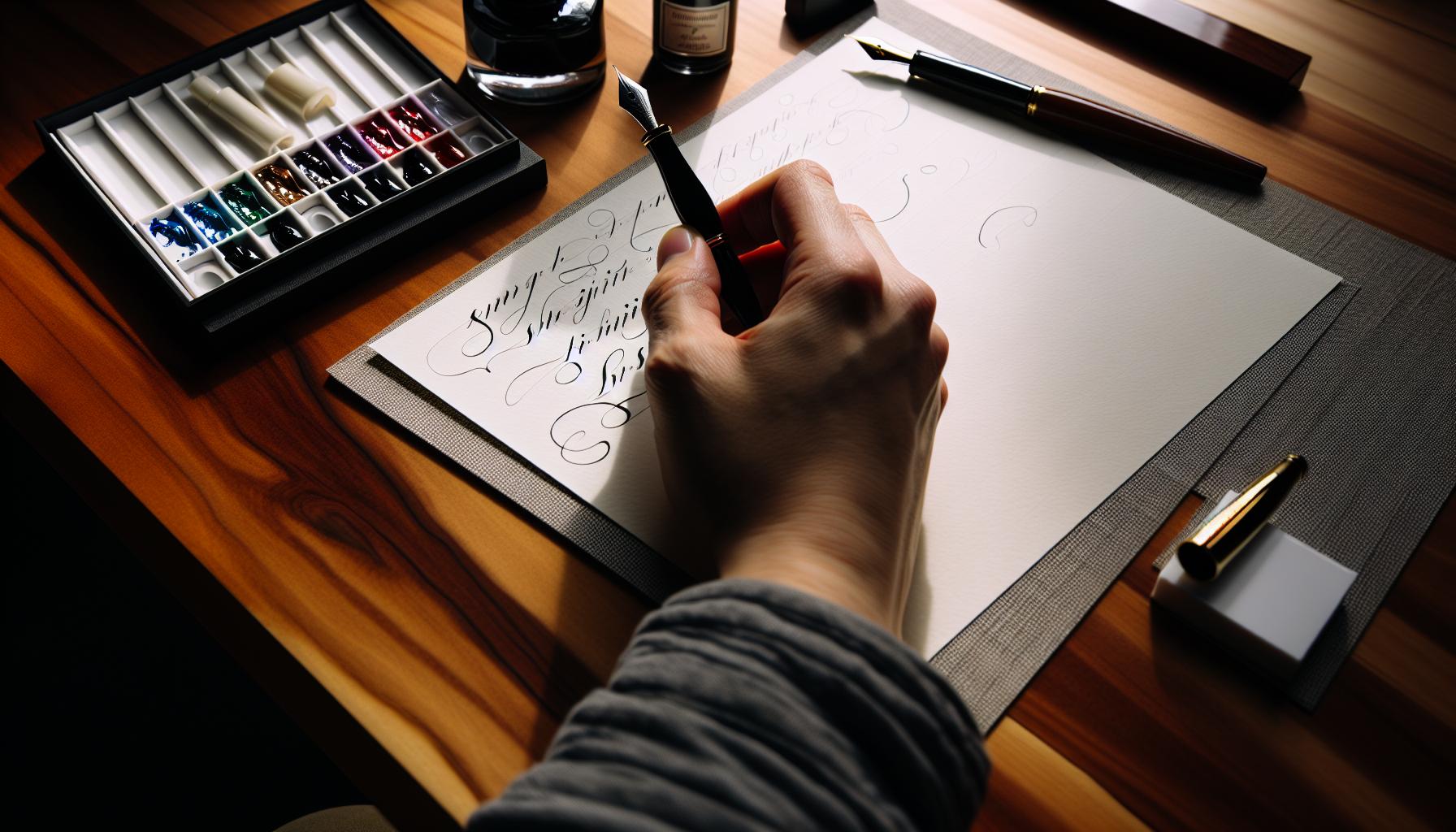
Understanding Ink Types: Which is Best?
Choosing the right ink for your fountain pen can make all the difference in your calligraphy. Not all inks are created equal, and selecting one that matches your style and the effects you want to achieve is crucial. For example, some inks are designed to flow smoothly and dry quickly, making them ideal for beginners. Others offer vibrant colors and rich saturation but may take longer to dry, which could lead to smudging if you’re not careful.
When considering ink types, you generally have three categories: dye-based, pigment-based, and iron gall inks. Dye-based inks are popular among calligraphers for their vibrant colors and smooth flow. They tend to work well on a variety of paper types, making them versatile choices for practice or finished pieces. However, they can fade over time when exposed to light – so if longevity is essential for you, keep that in mind.
On the other hand, pigment-based inks are better for archival quality since they resist fading and are water-resistant once dry. This makes them perfect for formal invitations or artwork you want to last. However, they may require more maintenance and can be harder to clean from your pen, as they don’t flow as effortlessly as dye-based inks.
Lastly, there are iron gall inks, which have a historical significance and offer a unique, deep black hue. They’re water-resistant and create a beautiful, antique look. But caution is needed as their ingredients can corrode your nib if left unattended. Always clean your pen thoroughly after using these inks to maintain its condition.
In summary, while selecting the right ink may seem overwhelming, consider what you’ll be using the ink for, the permanence required, and your personal flavor for color. Experimenting with different types can be fun and will ultimately elevate your calligraphy game as you find the ink that harmonizes best with your style.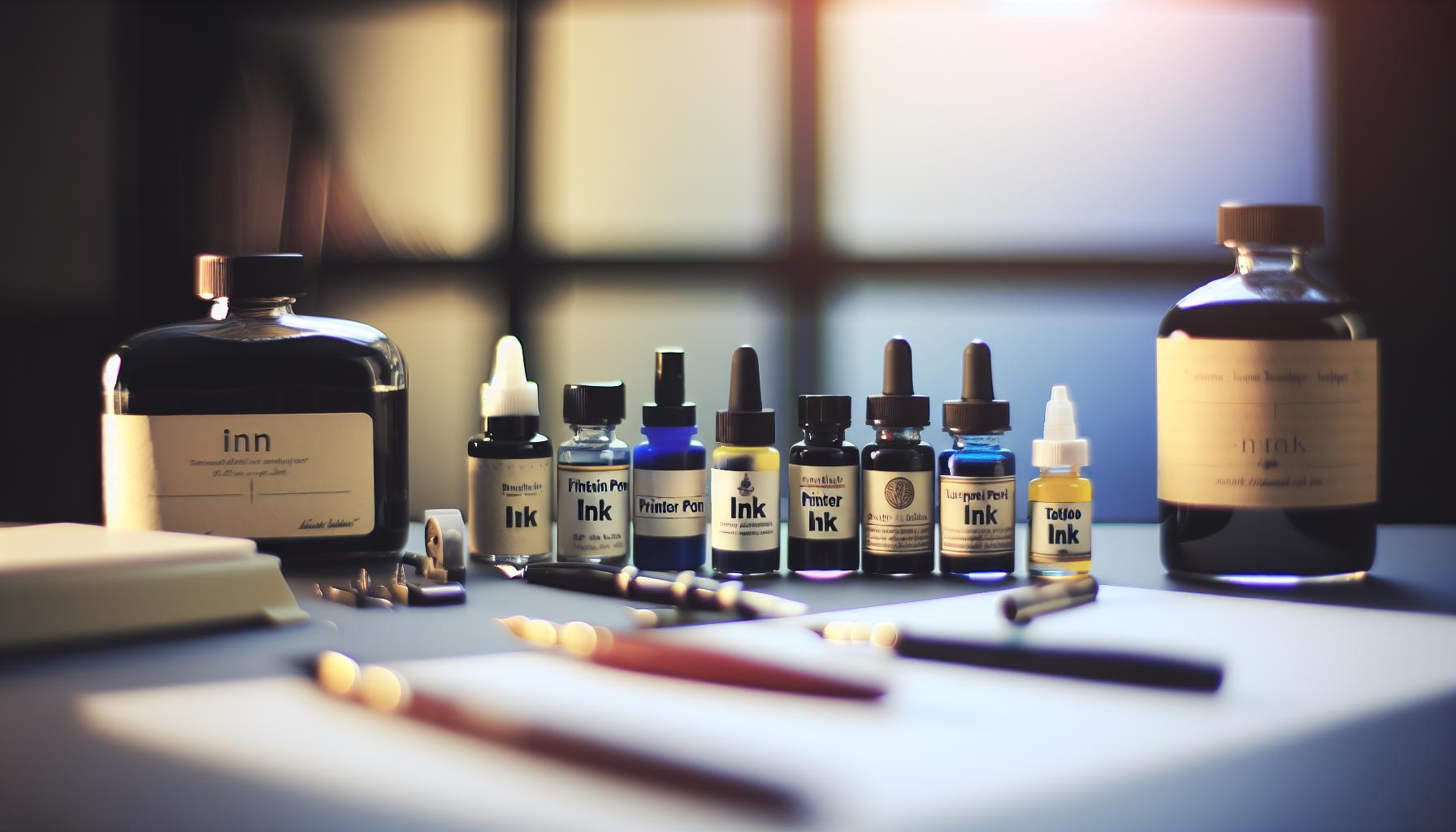
Paper Matters: Finding Your Ideal Surface
When it comes to calligraphy, the right paper can make all the difference. Using fountain pens for your lettering can yield stunning results, but not every paper will showcase your work effectively. A smooth, high-quality surface will allow the ink to flow freely, enhancing the beauty of your writing. If you’re using a fountain pen, opting for papers that have a weight of at least 90 gsm can help prevent bleed-through and ensure your letters remain bold and clear.
Consider types of paper that are specifically designed for calligraphy. These often have a finish that reduces resistance, allowing the nib to glide effortlessly. Look for papers labeled as “calligraphy” or “fine art” which may feature textures that aid in achieving different styles-from contemporary scripts to classic lettering. Often, papers with a little tooth can enhance the feel as you write, giving you more control over your strokes.
Here are some popular options you might want to experiment with:
- Bristol board: Known for its smooth surface, it’s excellent for clean lines and intricate designs.
- Watercolor paper: It can add an artistic flair to your work, especially if you’re using wet inks.
- Stationery or notecards: These are great for final projects or gifts, as they often come in beautiful finishes and colors.
- Practice pads: Don’t overlook lightweight options for practice. They can be economical and perfect for rough drafts.
Beyond just paper type, also pay attention to the paper’s texture and finish. A smooth finish can offer a sleek result, ideal for styles that call for precision. If you want something more dynamic, textured paper can add character to your pieces and lend a hand in crafting a more varied appearance.
In summary, finding your ideal surface is about experimenting with different papers until you discover what enhances your individual style. Whether you prefer smooth or textured, thick or thin, the right choice will help elevate your calligraphy, making the process more enjoyable and rewarding. So grab a few samples, try them out, and see which one feels just right for you!
Step-by-Step Calligraphy Projects to Try
Creating calligraphy projects can be incredibly rewarding, and using a fountain pen brings an elegance to your work that’s hard to beat. Let’s explore some step-by-step projects you can try, whether you’re a novice or looking to refine your skills. These projects will help you practice your technique while producing beautiful, usable pieces.
Start with greeting cards. They’re perfect for holidays or special occasions. Grab some quality cardstock and focus on crafting a lovely message. Begin by sketching your layout lightly in pencil. This allows room for adjustments. Once you’re satisfied, use your fountain pen to write over the pencil marks. Experiment with flourishes-don’t hesitate to add little swirls or embellishments to enhance the overall design. Finally, go over your ink with a fine-tip brush to add a touch of watercolor for extra flair.
Next, you might want to try creating a personalized quote poster. Choose your favorite quote and decide on the visual style you’d like-modern, vintage, or whimsical. Use a large piece of paper or canvas, and again sketch your design lightly. The key here is to play with different font sizes for visual interest. Focus on emphasizing key words with larger, bolder strokes. Once the design is laid out, confidently fill in your lettering with the fountain pen. Consider enhancing your poster with colored ink or even gold or silver for a stunning look.
For a more intricate project, consider making wedding invitations or place cards. These require precise execution, so take your time. Start with high-quality paper that suits a special occasion. Plan your layout meticulously and ensure all the text is clear, as you want these invites to be both beautiful and legible. Personal touches like calligraphy for guests’ names can transform a simple card into something truly memorable.
Lastly, think about creating a calligraphy journal. Use a blank notebook and dedicate each page to practicing a different style or letter. This not only refines your skills through repetition but also gives you a beautiful personal artifact at the end. Use a mix of fountain pen inks to see how colors alter your work, and don’t shy away from experimenting with different nibs and papers. This journey will illuminate your progress and serve as a visual representation of your development.
These projects are just starting points. Embrace creativity! Remember, practice makes perfect. Dive in, and you’ll be amazed at how quickly your skills evolve while you explore the art of calligraphy with your fountain pen.
Common Mistakes in Fountain Pen Calligraphy
If you’re venturing into the world of fountain pen calligraphy, you might find yourself falling into some common traps. It’s easy to underestimate how technique and preparation can impact your final piece. One major mistake beginners often make is inconsistent pressure, which leads to uneven ink flow and varying line thicknesses. Remember, the beauty of calligraphy lies in its deliberate strokes. Practice applying a consistent pressure-stronger on downstrokes and lighter on upstrokes-to create the graceful lines that define this art form.
Another frequent error is neglecting to choose the right nib for your specific style. Many new calligraphers assume that a single nib will serve all their projects. However, different nibs yield different results; a broad nib is perfect for bold, expressive writing, while a finer nib offers more detail and precision. Experimenting with various nib sizes will help you discover which complement your style best-don’t hesitate to invest in a few different ones!
Then there’s the issue of ink selection. Not all inks are created equal, and using the wrong type can lead to frustration-think smudging or drying issues. Always test your ink on your chosen paper before starting your project to ensure compatibility. Water-based inks can be great for smooth writing but be cautious with their drying time. On the other hand, pigment-based inks tend to provide vibrant, long-lasting color but often flow differently.
Lastly, many calligraphers overlook the importance of proper posture and grip. How you hold your pen can affect your control and comfort during long sessions. Keep your wrist relaxed and your fingers light; gripping too tightly can lead to fatigue and cramping. A relaxed grip allows for smoother movements and steadier lines, helping you maintain consistency throughout your work.
By being mindful of these factors-pressure, nib choice, ink selection, and grip-you’ll find that your confidence and skill in fountain pen calligraphy will grow significantly. Each error is a chance to learn, so don’t get discouraged! Happy writing!
Tips for Maintaining Your Fountain Pen
Maintaining your fountain pen is crucial for achieving that fluid, beautiful calligraphy you’re aiming for. A well-cared-for pen not only lasts longer but also performs better, allowing your creativity to flow uninterrupted. Here are some essential tips to keep your fountain pen in tip-top shape.
First, always remember to clean your pen regularly. Nothing ruins a calligraphy session faster than a clogged nib. Rinse your pen with cool water every few weeks, especially if you switch ink types or colors frequently. For more thorough cleanings, disassemble the pen (if it’s designed for that) and soak the nib and feed in water for a few hours. Avoid using hot water, as it might damage the plastic components. After soaking, use a soft brush, like a toothbrush, to remove any stubborn ink residues.
Store Your Pen Properly
How you store your pen matters too. Always keep it capped to prevent the nib from drying out. If you know you won’t use it for a while, consider storing it horizontally or nib-side up to prevent ink from pooling in the nib. Avoid extreme temperatures and direct sunlight; a temperature shift can cause the ink to expand, leading to leaks or dried-up ink.
Monitor Ink Levels
Pay attention to your ink levels. Running out of ink mid-project can be frustrating, and dry ink can lead to clogs. Keep track of your ink supply, and refill your pen before it gets too low. When refilling, ensure you’re using compatible inks. Some inks contain additives that could harm your pen over time, so always do your research before trying something new.
Incorporating these simple habits into your routine will not only extend the life of your fountain pen but also enhance your calligraphy experience. A clean, well-maintained pen is key to producing those stunning strokes and elegant flourishes you desire, allowing your artistic expression to shine through!
Advanced Calligraphy Styles with Fountain Pens
Mastering can transform your writing into a stunning art form. If you’re ready to elevate your skills, consider techniques like Copperplate, Spencerian, or even experimenting with flourishing. Each style has its unique flair and demands different approaches to strokes and letterforms.
Copperplate is characterized by its elegant, flowing letters and thin upstrokes paired with thick downstrokes. To create this style effectively, practice with a pointed nib fountain pen; the flexibility of the nib allows for beautiful hairline strokes. Start with warm-up exercises focusing on the basic shapes and learn the foundational lowercase and uppercase letters. Over time, incorporate slant angles and spacing techniques for that signature Copperplate finesse.
Spencerian is another beautiful script that thrives on the use of a fountain pen. This style emphasizes smooth transitions and looping letters. You can achieve great results by keeping your hand relaxed and allowing the pen to glide without excessive pressure. Concentrate on the rhythm of each letter, maintaining a fluid motion. It’s often helpful to study existing Spencerian works as examples of spacing and embellishment.
Beyond the Basics: Flourishing Techniques
Flourishing can add a decorative finish to any calligraphic piece. Here are a few tips to integrate flourishing into your writing:
- Experiment with Lines: Start by practicing basic line strokes. Understand how to feather out your strokes at the ends to create delicate flourishes.
- Use Light Pressure: Apply gentle pressure while doing flourishes. This creates softer lines and avoids overly harsh or thick strokes.
- Incorporate Curves: Curvy flourishes can complement your lettering. Keep your wrist relaxed as you let the pen flow in circular motions around the letters.
Emerging styles like modern calligraphy or brush lettering can also be adapted to fountain pens. The key is to focus on personal expression and breaking traditional rules. Your unique style will evolve as you break free from conventional practices, blending aspects from various techniques that you find appealing.
In essence, advanced calligraphy involves relentless practice and experimentation. Keep a notebook solely for calligraphic explorations-and don’t shy away from making mistakes. Each line and stroke contributes to your journey in mastering fountain pen calligraphy, crafting personal styles, and eventually, creating breathtaking visual poetry.
Inspiration: Showcasing Stunning Fountain Pen Work
There’s something enchanting about beautifully crafted fountain pen calligraphy that transforms simple writing into a work of art. The swirls and loops of each letter can capture the heart and evoke emotions, making every piece a personal expression. If you’re seeking inspiration, look no further than the vibrant and diverse community of fountain pen enthusiasts. Their showcases offer a treasure trove of styles-from modern brush lettering to traditional scripts like Copperplate and Spencerian-that demonstrate the endless possibilities with this medium.
One way to spark your creativity is by exploring social media platforms or dedicated online forums. You’ll find exquisite pieces that showcase how different nib sizes and ink colors can drastically change the mood and style of calligraphy. For instance, a broad nib and rich black ink evoke a classic feel, while a fine nib coupled with vibrant hues brings a contemporary vibe. Challenge yourself to recreate these designs and add your personal touch, perhaps by integrating embellishments or unique motifs that reflect your personality.
Consider joining online calligraphy groups where members regularly share their latest projects and tips. Engaging with others can provide not only inspiration but also valuable critiques that help you grow. Participating in monthly challenges can further push your creative boundaries, encouraging you to try new styles or techniques that you might not have explored otherwise. Collaborating with fellow artists or even participating in local workshops can lead to fantastic exchanges of ideas and techniques.
Remember, the journey of honing your calligraphy skills is as beautiful as the final pieces you create. Embrace the process, soak in the inspiration around you, and let your fountain pen be the tool that expresses your unique story.
Resources for Learning Fountain Pen Calligraphy
There’s no better way to elevate your fountain pen calligraphy than tapping into a wealth of resources designed specifically for this beautiful art form. Whether you’re a newbie trying to figure out the intricacies of nib pressure, or a seasoned scribe looking to refine your techniques, there are countless options available to help you flourish.
Start with online platforms like YouTube, where talented calligraphers share tutorials that range from basic strokes to complex scripts. Channels dedicated to fountain pen calligraphy can provide visual guidance, allowing you to see first-hand how to manipulate the pen and ink. Websites like Skillshare and Udemy also offer structured courses that can take your skills to the next level, often featuring downloadable resources and feedback from instructors.
Books remain invaluable for calligraphy enthusiasts. “The Art of Calligraphy” by David Harris and “Modern Calligraphy” by Molly Suber Thorpe are fantastic introductions and provide detailed instructions and inspiration. They cover techniques, materials, and styles that are crucial for mastering the craft. Don’t overlook local libraries or bookstores; many have dedicated sections on calligraphy that can introduce you to both foundational techniques and artistic embellishments.
Additionally, consider joining calligraphy clubs or communities, both online and in-person. Websites like Reddit and Facebook have groups filled with passionate calligraphers sharing tips, projects, and critiques. Engaging in these communities fosters a supportive environment where you can ask questions, get feedback, and connect with others who share your passion.
Finally, keep an eye out for local workshops or classes. These hands-on experiences offer the chance to learn from seasoned experts, practice in real-time, and meet fellow calligraphers. No matter your starting point, these resources will help you deepen your understanding, expand your skills, and ignite your creativity in fountain pen calligraphy.
Joining the Calligraphy Community Online
Finding your niche within the calligraphy community can ignite your passion and propel your skills forward. Online forums and social media platforms are gold mines of inspiration and support. Engage with fellow enthusiasts who share your love for fountain pen calligraphy. You’ll not only find techniques and tips but also camaraderie among those who appreciate the beauty of the craft as much as you do.
One of the easiest ways to dive in is through Facebook groups or Reddit communities focused on calligraphy. These platforms host thousands of members sharing struggles, triumphs, and projects. You can post your work for constructive feedback or browse through others’ creations for inspiration. Many groups also host challenges or themed months, encouraging a creative push and helping you to refine your style while learning from others.
YouTube is another fantastic resource. It’s full of calligraphy channels that break down different techniques and styles. Watching a demonstrator live can make complex movements feel more achievable. For instance, you might struggle with a specific flourished letter or a particular ink flow; seeing it in action can clarify your understanding immensely. Plus, the comments section often contains nuggets of advice from fellow viewers, some of whom may be at a similar skill level or further along and happy to share their insights.
Consider participating in online workshops and webinars. Many professional calligraphers host virtual classes, bringing the workshop experience right to your home. Here, you’ll get real-time feedback and the chance to ask questions while practicing. This interactive format allows for growth that pre-recorded tutorials simply can’t match. Platforms like Skillshare and Udemy often offer access to a community of learners, which can enhance the overall experience by fostering relationships and collaboration.
Utilizing these online resources not only enhances your skills but also connects you with a network of like-minded individuals who are all on the same journey. Whether you’re sharing progress photos, learning new techniques, or discussing favorite supplies, being part of an online calligraphy community can make all the difference in your fountain pen journey. So, grab your pen, don’t hesitate to engage, and let the magic of community fuel your calligraphy adventure!
Next Steps: Elevating Your Calligraphy Skills
To truly elevate your fountain pen calligraphy skills, immerse yourself in a world of practice, community, and exploration. Every expert calligrapher started as a novice, often making the same mistakes we all do. The difference lies in their commitment to continuous improvement and their willingness to learn from both successes and setbacks. So, where do you go from here?
Start by setting clear, achievable goals. Perhaps you want to master a specific style, like Copperplate or Gothic, or maybe you’re aiming to complete a set of personalized greeting cards. By defining your objectives, you give your practice direction and purpose. Break these goals into smaller, manageable tasks-focus on one letter at a time, for example. Daily practice is key; even if it’s just fifteen minutes a day, consistency will yield noticeable progress.
Next, diversify your learning. Participate in online challenges or apps dedicated to calligraphy where you’re prompted with daily or weekly exercises. Platforms like Instagram often host such challenges, encouraging creativity while connecting you with a wider community. Joining local workshops or online classes not only sparks inspiration but also provides immediate feedback-a critical aspect of growth. Learning from others, whether through direct instruction or by studying different styles, can open your eyes to techniques you haven’t considered.
Don’t forget about tools and techniques. Experimenting with different nib sizes, ink types, and paper textures can reveal new dimensions in your work. Each tool influences the outcome, so take the time to explore what feels best for you. For instance, smooth papers can enhance your strokes, while textured surfaces offer a unique aesthetic. Documenting your experiments in a dedicated calligraphy journal can help you track what works and what doesn’t, building your knowledge base over time.
As you push your boundaries, remember to seek out inspiration. Follow talented calligraphers on social media, and don’t shy away from imitating their techniques-the imitation is part of learning. Create a vision board filled with styles and quotes that inspire you. This not only keeps your passion alive but also provides a reference point for your growth.
In summary, elevating your calligraphy skills is about setting goals, seeking feedback, experimenting with tools, and finding ongoing inspiration. Embrace every part of the process, even the mistakes, for they all contribute to your unique calligraphic voice. Your journey is yours alone, so enjoy each flourish and letter you create!
Faq
Q: Can any fountain pen be used for calligraphy?
A: Yes, many fountain pens can be used for calligraphy, but those with flexible nibs or specialized calligraphy nibs are preferable. They allow for varied line thickness and better control. For best results, choose a pen designed for calligraphy to enhance your experience.
Q: What type of ink is best for fountain pen calligraphy?
A: The best ink for fountain pen calligraphy is one that flows smoothly and dries quickly. Consider using water-based, high-quality fountain pen ink to achieve clean lines without clogging your pen. Ensure the ink is pigment-based if you want vibrant colors.
Q: How do I start practicing calligraphy with a fountain pen?
A: To start practicing calligraphy with a fountain pen, choose a calm space, gather your materials, and begin with basic strokes. Follow tutorials or practice sheets that focus on letter formation. Consistency and patience are key; practice regularly to improve your skills.
Q: How can I improve my calligraphy skills quickly?
A: To improve your calligraphy skills quickly, focus on practicing basic shapes and strokes. Use slow, deliberate movements and analyze your work for areas needing improvement. Additionally, study different calligraphy styles and challenge yourself with more complex projects.
Q: Are there specific types of paper for fountain pen calligraphy?
A: Yes, using smooth, high-quality paper can significantly enhance your calligraphy results. Look for paper labeled as fountain pen-friendly, which reduces bleed-through and feathering. Cotton paper or specially designed calligraphy pads are excellent choices for practice and projects.
Q: What common mistakes should I avoid in fountain pen calligraphy?
A: Common mistakes in fountain pen calligraphy include using the wrong nib for your pen, rushing strokes, and applying uneven pressure. Always ensure your pen is properly maintained and experiment with different grips for optimal control.
Q: Can anyone learn calligraphy with a fountain pen?
A: Absolutely! Anyone can learn calligraphy with a fountain pen. It requires practice and dedication, but beginners can quickly develop skills by starting with basic techniques and gradually progressing to advanced styles.
Q: Should I use a lightbox for tracing in calligraphy?
A: Using a lightbox for tracing can be very helpful in calligraphy, especially for beginners. It allows you to practice letter shapes without the pressure of freehand writing, building your confidence and muscle memory as you improve.
Concluding Remarks
You’ve got the tools and techniques to dive into calligraphy with a fountain pen, so why wait? Remember, practice is key to mastering this art. If you’re eager to refine your skills even further, check out our tips on choosing the right fountain pen for calligraphy or explore creative lettering styles that can elevate your work.
Feeling inspired? Don’t hesitate to share your journey with us in the comments below! We love hearing your experiences and creations. Plus, if you haven’t already, subscribe to our newsletter for exclusive tips and resources delivered straight to your inbox. Start your calligraphy adventure today and unlock a world of creativity-your next masterpiece is just a stroke away!