Did you know that some of the most beautiful calligraphy throughout history was created using bamboo pens? Not only does crafting your own bamboo calligraphy pen connect you to this ancient art form, but it also allows you to work with a natural material that’s both sustainable and elegant. If you’re looking to enhance your calligraphy skills or simply want a unique tool that reflects your creativity, making a bamboo pen can be a rewarding experience. You’ll not only learn about the essential techniques involved in crafting your pen but also gain a deeper appreciation for the tools artists have used for centuries. Whether you’re a beginner eager to dive into the world of calligraphy or an experienced artist looking to revive traditional practices, this guide will equip you with the knowledge to create a functional and beautiful bamboo calligraphy pen. Let’s explore the steps together and unlock the potential of this timeless craft!
Choosing the Right Bamboo for Your Calligraphy Pen
When selecting the perfect bamboo for your calligraphy pen, quality can make all the difference. The right piece not only enhances your writing experience but also affects the final aesthetic of your work. Look for bamboo that is young, straight, and free from cracks or blemishes. Generally, younger bamboo has a softer consistency, making it easier to carve and shape for fine detailing. You might also prefer bamboo with a smooth surface to ensure ink flows evenly.
Consider the type of bamboo as well. Generally, Moso, Giant, and Makino bamboos are popular choices among calligraphers. Moso is thick and durable, making it suitable for heavier strokes. Giant bamboo offers flexibility and is lighter, which is great for intricate designs. Makino, with its refined texture, can be excellent for finer writing styles. Always remember to test the bamboo’s flexibility; bending it gently should produce a satisfying spring-back effect without snapping.
If you’re new to crafting bamboo pens, go for a thicker stalk initially to give yourself a bit of room for error while shaping. As you become more confident, you can experiment with thinner pieces for intricate, delicate lines. Don’t forget that the diameter of the bamboo can also impact your pen’s final look and feel. Ideally, choose pieces that are about 8-10 mm in diameter for a balance of sturdiness and versatility.
To sum up, when choosing bamboo for your pen, focus on its age, type, and diameter. By paying attention to these aspects, you’ll be well on your way to creating a functional and beautiful tool for your calligraphy journey.
Tools and Materials Needed for Crafting
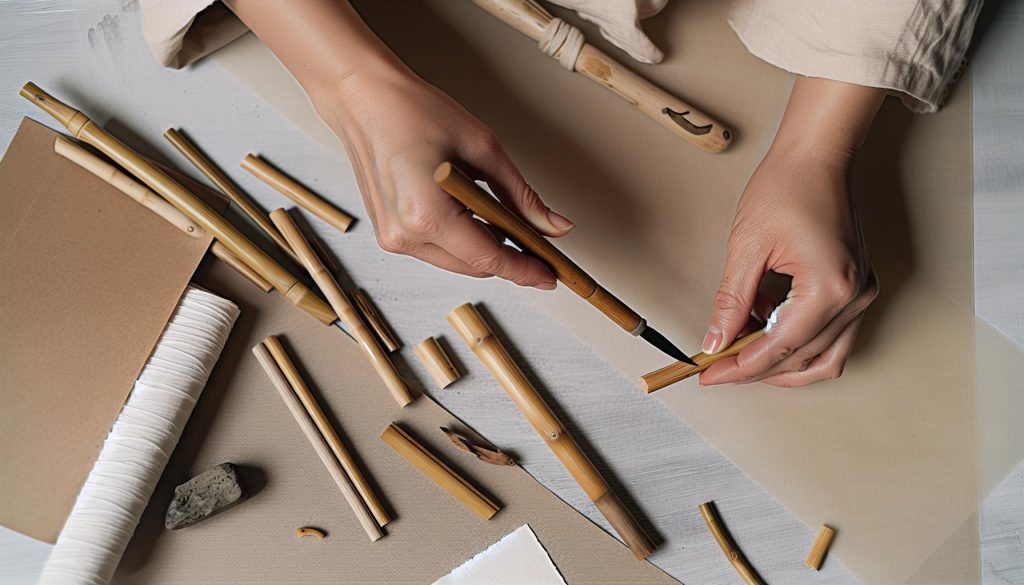
To craft your very own bamboo calligraphy pen, you’ll need a few essential tools and materials that make the process smooth and enjoyable. First off, your primary material will, of course, be bamboo. Look for a healthy stalk that’s around 8-10 mm in diameter, as this provides a sturdy base for carving. You’ll want a piece that is young, straight, and free from defects to ensure the best quality pen.
Next on your list should be a variety of carving tools. A sharp knife or a chisel set is crucial, as these will allow you to shape the tip of the bamboo accurately. You’ll also need sandpaper or a smoothing file to refine the tip after carving, giving it the perfect finish. Don’t forget a cutting mat to protect your workspace while you carve and shape the bamboo.
You’ll also need some drawing ink or calligraphy ink specifically designed for bamboo pens. A small disposable cup or dish will come in handy for holding the ink during your writing sessions. Finally, a ruler can help you measure and mark where you’ll be cutting, adding precision to your process.
Putting these tools together creates a simple yet effective setup for crafting your bamboo calligraphy pen. Each element plays a role in ensuring you create a pen that not only writes beautifully but feels great in your hand. Take your time gathering these materials; they’re your first step towards an enjoyable calligraphy journey.
Step-by-Step Guide to Making Your Bamboo Pen
Crafting a bamboo calligraphy pen is an art that combines skill and the unique properties of bamboo. The process not only allows you to express your creativity but also gives you a personal tool for your calligraphy journey. Here’s how to make one step-by-step, ensuring you capture the essence of traditional craftsmanship while adapting it for your unique style.
Start by selecting a suitable piece of bamboo. Look for a stalk that’s about 8-10 mm in diameter, straight, and free of blemishes. Cut a segment approximately 20-30 cm long. This length provides a comfortable grip and allows for an effective working area. Once you have your bamboo, carefully slice it to the desired length using a sharp knife.
Next, remove any nodes and carefully hollow out the tip where the ink will flow. This is crucial, as it determines the ink reservoir and affects your writing experience. Use a small carving tool or chisel for precision. With the hollowed end ready, shape the tip by tapering it to a point. Sandpaper or a smoothing file is perfect for this, allowing you to create a fine point that suits your writing style. The smoother the tip, the better the ink flow.
Don’t overlook personalizing your pen. This can be your chance to make the pen truly yours. Whether you choose to carve patterns into the handle or simply polish it to highlight the natural grain, these details can enhance your writing experience. Experiment with different shapes and angles on the tip to discover what feels best for your unique calligraphy style.
Now, it’s time to prepare your pen for use. Dip the tip into your chosen ink, ensuring it’s saturated but not dripping. Test it on a piece of paper before diving into your serious work. This trial helps you gauge the ink flow and make any necessary adjustments to the tip shape or ink consistency. By following these steps, you’ll create a bamboo calligraphy pen that not only serves its purpose but also reflects your artistic vision. Enjoy the journey!
Techniques for Shaping and Smoothing the Tip
Shaping the tip of your bamboo calligraphy pen is where your artistry truly begins. The tip’s design profoundly influences how your pen interacts with paper, affecting everything from ink flow to line quality. To get started, you’ll need a few essential tools: a sharp knife or craft blade, sandpaper (various grits), and a small file for fine details.
Begin by carefully tapering the bamboo’s end. A good rule of thumb is to aim for a pointed end that’s about 3-5 mm in width. Angle your knife to create a sharp taper, gradually honing the point to your desired sharpness. Remember, the finer the tip, the more precise your strokes will be. Be patient; this part requires a gentle touch.
Once you’ve achieved the basic shape, it’s time to smooth the tip. Start with coarse sandpaper to remove any rough edges, then switch to finer grits for a silky finish. This is crucial because a smoother tip not only improves ink flow but also enhances your writing experience. Spend a little extra time here, and don’t hesitate to test the tip against some paper. You can draw a few lines to see how it feels. If it’s not quite right, adjust the angle or smooth it further.
Lastly, consider personal touches. You might experiment with various shapes-such as a rounded or slightly chiseled tip-to find what matches your style best. Personalizing the tip can make your pen not just a tool, but a true extension of your artistic voice. Trust your instincts and enjoy the process!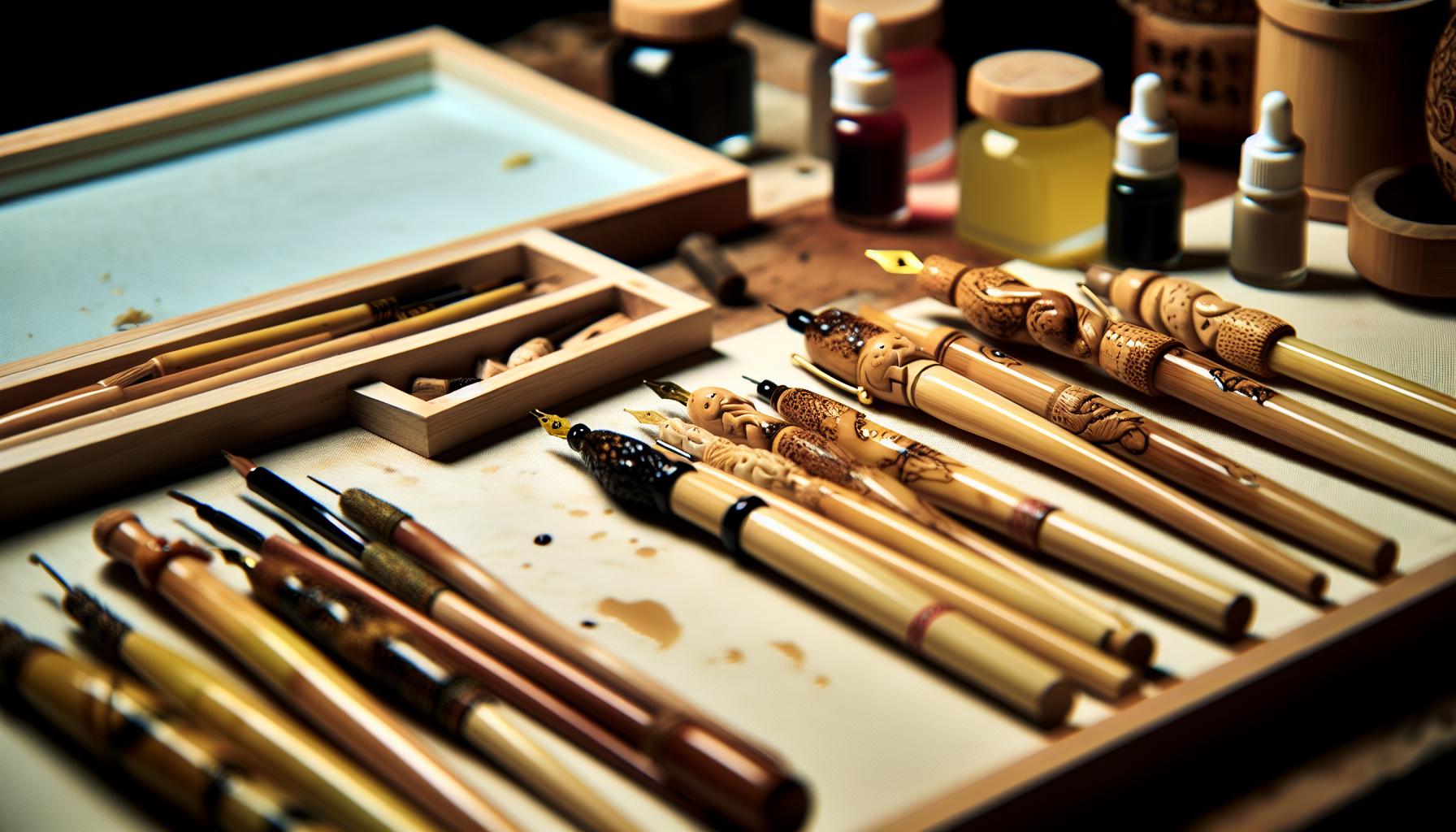
Customizing Your Bamboo Pen for Unique Styles
Crafting a bamboo calligraphy pen is not just about function; it’s an opportunity to express your unique artistic flair. Each modification you make can transform a simple tool into a truly personalized instrument that enhances your calligraphic style. Whether you’re a beginner experimenting with shapes or an experienced artist seeking to refine your tool, customizing your bamboo pen invites creativity into your writing process.
One effective way to customize is through the tip shape. A traditional pointed tip provides precision for intricate designs, but have you considered experimenting with rounded or oblique tips? Rounded tips offer softer strokes, perfect for flowing scripts, while chiseled edges can create bold, dramatic lines. This experimentation not only affects the aesthetics of your work but also the way ink flows onto the paper. Try crafting different tips on separate pens-this way, you can easily switch based on your current project or mood.
Another vital aspect of personalization is the decoration of the pen itself. The appearance of your bamboo pen can be tailored to reflect your personality. Consider carving designs or patterns into the handle, or even applying wood stains to achieve a unique finish. This doesn’t just make your pen beautiful; it can also increase grip and comfort during longer writing sessions. Remember, the pen is an extension of you, and making it visually appealing can inspire your creativity as you write.
Lastly, don’t overlook the materials you pair with your pen. Whether you choose traditional black ink or vibrant watercolor paints, the type of ink you use can enhance your calligraphy style profoundly. Experiment with colors and consistencies-some inks provide a glossy finish, while others have a matt effect that might better suit your artistic goals. The right ink can highlight the unique features of your customized pen, tying your entire artistic expression together.
In short, customizing your bamboo pen is about finding your voice and embracing the journey of creation. From the shape of the tip to the aesthetic details, every choice reveals something about your personal style and enhances your connection to the art of calligraphy. Enjoy the exploration, and let your pen tell your story.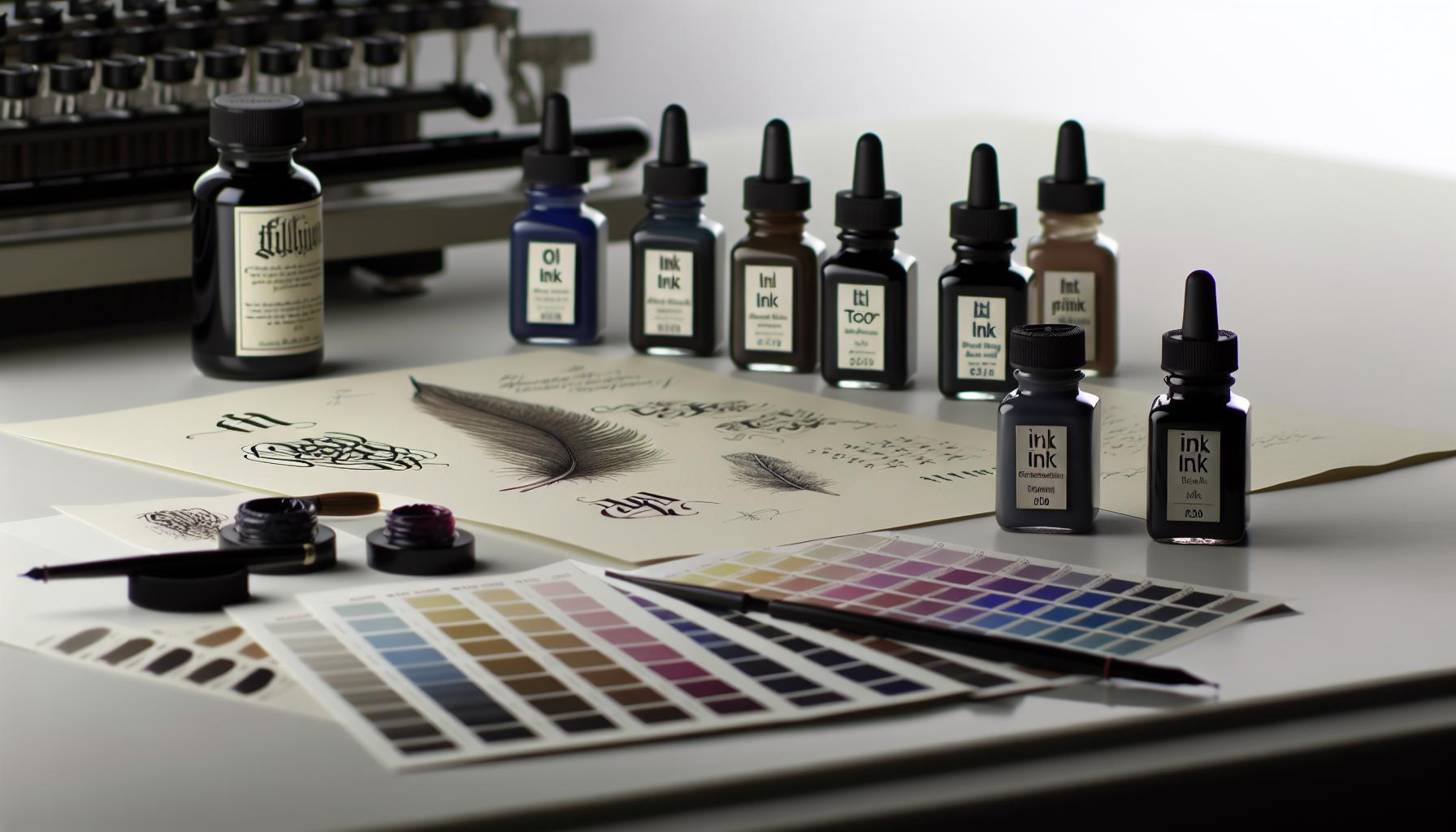
Inking Options: Ink Types and Their Effects
Choosing the right ink for your bamboo calligraphy pen can dramatically transform your writing experience and the final aesthetic of your work. Each ink type has its unique characteristics that can enhance your artistry, from flow to finish. When selecting ink, consider how it interacts with your pen and paper-some inks provide better adherence and saturation, while others give a distinct sheen or texture.
One popular choice for traditional calligraphy is black ink, often derived from carbon pigment, which offers deep, rich color and consistent flow. It’s perfect for creating striking contrasts on white or cream paper. However, if you want to explore different colors or finishes, consider water-based inks. These inks often come in a variety of hues and can produce soft, flowing scripts, ideal for a more artistic look. Just remember, water-based inks can sometimes bleed on thinner papers, so testing on your chosen substrate is key.
For those looking for a more dramatic effect, iron gall ink is an ancient formula that darkens as it dries, providing a vintage appeal. It’s less common but can add depth to your work when used with a bamboo pen. On the other hand, pigment-based inks offer rich pigmentation and are generally more lightfast than dye-based inks, ensuring your creations won’t fade over time. They can create striking lines and bold statements, perfect for when you want your calligraphy to stand out.
Experimentation is crucial. Collect a selection of inks to test their behavior with your custom bamboo pens. Pay attention to how the ink flows, its drying time, and how it interacts with your paper. Your choice of ink isn’t just practical; it’s an extension of your artistic expression that can either enhance or detract from the unique qualities of your personalized bamboo pen. Embrace the exploration, and let your ink choices inspire creativity in your calligraphy projects.
Caring for Your Bamboo Calligraphy Pen
is essential to ensure its longevity and functionality. These pens, crafted from natural materials, require a little extra attention to maintain their performance and appearance. Regular maintenance not only preserves the pen’s life but also enhances your writing experience.
Start by cleaning your bamboo pen after each use. Residue from inks can harden and clog the nib, affecting your writing ease. Use a soft cloth or paper towel to wipe the nib gently. If you’ve used water-based inks, you can rinse the nib under lukewarm water for a more thorough clean. For stubborn ink residues, a mild soap solution can help, but always rinse thoroughly afterward to remove any soap residue. Avoid soaking the pen in water, as it can weaken the bamboo over time.
Storage is equally important. Store your pen in a cool, dry place, ideally in a protective case to prevent it from getting damaged. Avoid exposing your bamboo pen to direct sunlight or high humidity, which can warp or crack the material. A stable environment will help maintain the integrity of the bamboo and the sharpness of the nib.
Finally, periodic inspection of your pen’s tip can prevent common issues. Check for fraying or irregularities, which can impact line quality. If you notice the tip becoming worn, you can carefully carve it down to refresh its shape. Remember, each bamboo pen is unique, and understanding its characteristics will help you nurture a productive relationship with your tool.
By following these simple yet effective care practices, you’ll enhance both the performance and aesthetic of your bamboo calligraphy pen, ensuring that your creative expression flows smoothly for years to come.
Common Mistakes to Avoid When Crafting
Crafting a bamboo pen may seem straightforward, but a few common traps can trip you up. It’s easy to underestimate the importance of selecting the right bamboo. Not all bamboo is created equal-some types can be too brittle or too soft, affecting the quality and durability of your pen. Look for mature bamboo that’s thick and sturdy, making it less likely to crack or splinter during use. Remember, what you choose now can dictate your pen’s performance later.
Another frequent mistake is overlooking the tip shaping process. Many beginners dive right into writing without ensuring their nib is properly fine-tuned. A poorly shaped tip can lead to uneven lines or a frustrating writing experience. Take your time to shape the tip with precision; test it frequently as you go. Start by cutting the angle and then refine the edge until it meets your desired width and sharpness. This attention to detail can significantly enhance your calligraphy work.
Don’t forget about ink selection-it’s more crucial than you might think. Using an ink that’s too thick can clog your nib, while one that’s too watery might not provide the coverage you desire. Experimenting with different inks will help you find the best match for your bamboo pen and the writing style you’re aiming for. Always do a small test on scrap paper to avoid wasting time on ruined projects.
Lastly, fail to care for your pen, and you’re inviting disaster. Neglecting cleaning or proper storage can diminish the qualities of your crafted tool. Be diligent with your maintenance-as they say, a little regular care goes a long way. Clean your nib after each session to prevent ink build-up and store it in a moisture-controlled environment to keep the bamboo from warping. By sidestepping these common pitfalls, you’ll not only craft a better bamboo pen but also enjoy a more rewarding calligraphy experience.
Exploring Different Calligraphy Styles with Bamboo
When you pick up a bamboo calligraphy pen, you’re not just holding a writing tool; you’re embracing a tradition that spans centuries and cultures. The beauty of bamboo pens is their versatility, allowing calligraphers to explore a myriad of styles, from elegant Western scripts to the fluid strokes of Eastern calligraphy. Each technique highlights the unique characteristics of the bamboo, enabling artists to experiment and find their personal touch.
One popular style to try is Copperplate, known for its graceful loops and swift transitions. This style benefits from the flexibility of the bamboo nib, which allows for thick and thin line variation. To achieve the fluidity required in Copperplate, focus on the pressure you apply – lighter pressure for ascenders and descenders, and more pressure for horizontal strokes will add dimension to your letters. Alternatively, Gothic or Blackletter is another rich style that looks strikingly bold when done with a bamboo pen. Its sharp angles and thick downstrokes can be emphasized through the natural ink flow of bamboo, providing dramatic contrast on your page.
Exploring East Asian styles like Sumi-e or Kanji opens up a world of expressive marks and brush-like strokes. Bamboo’s natural flexibility can help mimic the brush techniques traditionally used in these styles. Here, the key is to use sweeping, deliberate movements to create graceful characters that dance across the paper. Don’t shy away from experimenting with different nib tips or angles; this will help you discover unique textures and lines that can elevate your work.
As you dive into these styles, consider joining local workshops or online communities focused on calligraphy. Sharing your work and exchanging techniques can offer invaluable insights and motivate you to refine your craft. Remember, the journey of mastering calligraphy with bamboo is one of exploration and personal expression. With practice, your bamboo pen can help you convey not just words, but emotions and artistry. So, grab that pen, test new styles, and let your creativity flow!
Inspiration: Artistic Projects Using Bamboo Pens
Using bamboo pens opens up a world of creativity and expression that can transform your calligraphy practice into an artistic journey. One captivating project is creating personalized greeting cards for friends and family. Start by designing card backgrounds using watercolor or natural dyes, then use your bamboo pen to write heartfelt messages or quotes. The combination of vibrant colors and expressive lettering creates a unique, tactile experience that store-bought cards can’t match.
Another exciting venture is to explore wall art projects. You can create stunning calligraphy pieces featuring inspirational quotes or phrases that resonate with you. Use large sheets of handmade paper for a rustic touch, and let your bamboo pen bring your words to life with dynamic strokes. Consider mixing media by incorporating ink, gold leaf, or even pressed flowers to enhance the visual appeal. This project not only beautifies your space but also serves as a daily reminder of positivity.
Don’t overlook the potential for combining bamboo calligraphy with other crafts. For instance, consider incorporating your calligraphy into handmade journals or scrapbook pages. You can personalize the covers with your pen, showcasing names or inspiring phrases, and fill the pages with notes, sketches, or memories. This blend of writing and visual storytelling adds a personal touch to your journaling practice, making it more meaningful.
If you’re feeling adventurous, delve into collaborative projects with other artists. Partnering with painters, illustrators, or photographers can lead to innovative synergies. Imagine a mixed-media piece where your calligraphy dances alongside vibrant illustrations or photographs, connecting different art forms in a cohesive way. The possibilities are endless, and these collaborative works often bring fresh perspectives to your calligraphy practice.
Experimentation is key; don’t shy away from trying new styles and techniques to find what resonates with you. Let your imagination guide your projects, and remember that every creation, no matter how small, contributes to your growth as an artist. Grab that bamboo pen and start making art that reflects your unique voice and vision!
Where to Source Bamboo and Supplies
Finding the right materials to create your bamboo calligraphy pen is vital for ensuring both quality and sustainability. Sourcing bamboo may seem daunting, but with a bit of guidance, you’ll discover it can be a rewarding endeavor. Bamboo, a versatile grass known for its strength and flexibility, is not only eco-friendly but also provides an excellent writing tool for calligraphy. Here’s how to gather what you need for your crafting journey.
Start by looking for local suppliers who specialize in crafts or woodworking. Craft stores often stock various types of bamboo, usually in the form of sticks, sheets, or rods suitable for your pen-making. You can also check out garden supply shops, as they frequently offer bamboo poles and stakes that are sturdy enough for calligraphy pens. When purchasing, inspect the bamboo closely; look for sections that are straight, free of cracks, and have a uniform diameter to guarantee a smooth writing experience.
For those who enjoy online shopping, several websites cater specifically to crafting materials. Etsy is a fantastic platform where you can find artisans selling handcrafted bamboo pieces or kits designed for making calligraphy tools. Additionally, specialty stores like Flax Art & Design offer a variety of bamboo brushes and calligraphy supplies that complement your pen-making projects beautifully [2].
Once you have your bamboo, don’t forget to gather the necessary tools and materials for crafting. A good quality craft knife for cutting, sandpaper for smoothing edges, and some wood glue can help strengthen joints if you’re combining different bamboo pieces. To finish your pen, you might want to explore inks or dyes that resonate with your style, enhancing the overall aesthetic of your writing tool.
In summary, sourcing bamboo and supplies doesn’t have to be a complex process. With local craft stores, online platforms, and a few essential tools, you’re equipped to create a bamboo calligraphy pen that reflects your personal artistry. Embrace the journey of crafting; it’s not only about the end product but also about the creative experience along the way.
Sharing Your Creations: Documenting and Displaying Your Work
Capturing your creative journey with bamboo calligraphy pens can be just as rewarding as the crafting process itself. Once you’ve made your pen, it’s time to showcase your work. Not only does this allow you to share your art with others, but it also helps you reflect on your progress and techniques. So, how do you document and display your creations effectively?
Start by taking high-quality photographs of your finished pieces. Natural light is your friend here-make sure to shoot in a well-lit area to enhance the textures and details of your bamboo pen and writing. Use a simple backdrop, like a sheet of white paper or a wooden table, to keep the focus on your artwork. Consider taking close-ups to highlight the unique features of your pen and the intricacies of your calligraphy.
Social media platforms like Instagram or Pinterest are excellent for sharing images of your work. Create a dedicated account or a specific hashtag for your bamboo pen projects to build a community around your art. Engage with other artists by sharing tips, engaging in challenges, or simply complimenting their work. You could also document your process through short videos or reels, demonstrating how you crafted your pen and the different calligraphy styles you explore with it.
Creating a Portfolio
Beyond social media, consider compiling your written pieces and images into a digital or physical portfolio. A well-organized collection showcases your skills and evolution as an artist. Include annotated notes about the materials you used for each pen and the techniques you experimented with. This not only serves as a reflection for your growth but can be a great conversation starter with potential clients or fellow artists.
Ultimately, sharing your creations fosters a sense of community and connection in the art world. Whether you’re posting on social media, showing family and friends your work, or entering your pieces in local art shows, remember that every display is a step in your artistic journey.
Faq
Q: What types of bamboo are best for making calligraphy pens?
A: Mature bamboo with a solid structure is ideal for crafting calligraphy pens. Look for bamboo that is at least three years old, as it provides durability while allowing flexibility. Species like Moso or Tonkin bamboo are popular choices for their smoothness and strength.
Q: Can I use any tools at home to make a bamboo calligraphy pen?
A: Yes, common tools like a sharp knife, sandpaper, and a cutting board can effectively create a bamboo calligraphy pen. Ensure you have precise cutting tools to shape the nib and smooth the shaft. Crafting gloves are also recommended for safety during the process.
Q: How do I ensure the nib of my bamboo calligraphy pen is sharp enough?
A: To sharpen the nib, start with a fine blade to create a point at the end of the bamboo strip. Then, smooth the edges using sandpaper until you achieve the desired sharpness. This technique allows for better control and precision in your lettering.
Q: What finishes can I apply to a bamboo calligraphy pen?
A: After crafting your pen, consider applying natural oils like linseed or mineral oil. These finishes protect the bamboo from moisture and enhance its appearance. Avoid synthetic finishes as they can interfere with ink flow and damage the bamboo.
Q: How do I customize my bamboo calligraphy pen?
A: Personalization can be achieved through decorative carvings or painting. Use a wood burner for designs or acrylic paints for colorful accents. Additionally, you can experiment with different shapes and sizes of the nib to suit your writing style.
Q: Are there specific inks to use with bamboo calligraphy pens?
A: India ink and sumi ink are excellent choices due to their smooth flow and rich pigmentation. These inks provide crisp line quality and complement the natural feel of bamboo pens. Make sure to test different inks to find which works best for your style.
Q: How can I maintain my bamboo calligraphy pen?
A: Regular maintenance includes wiping the nib with a damp cloth after use and periodically reshaping the tip as needed. Store the pen in a cool, dry place to prevent moisture damage. Avoid excessive pressure when writing to prolong the nib’s lifespan.
Q: Where can I find bamboo for DIY calligraphy pens?
A: You can source bamboo from local craft stores, home improvement shops, or even online marketplaces. Look for bamboo intended for crafting, as it tends to be of higher quality and more suitable for creating calligraphy pens.
In Summary
Now that you’ve learned how to craft your very own bamboo calligraphy pen, it’s time to unleash your creativity! Using natural materials not only connects you deeper to your craft but also enhances your writing experience. Don’t just stop here-dive deeper into calligraphy by exploring our guides on different nib types and techniques to elevate your skills [[2]](https://loveleighloops.com/blog/how-to-use-a-calligraphy-pen/) or consider our resource page for must-have supplies [[3]](https://arabiccalligraphysupplies.com/bamboo).
Feeling inspired? Share your creations with us in the comments below, and don’t forget to subscribe to our newsletter for more insightful tips and exclusive content. Your journey into the art of beautiful writing is just beginning-stay motivated and keep exploring! With your bamboo pen in hand, amazing pieces await. Grab one of our recommended nib sets and get started on your next project today [[1]](https://www.etsy.com/listing/4345217444/tibetan-bamboo-calligraphy-nib-set-uchen). Happy crafting!