

In a world flooded with imitations, spotting fake Chuck Taylors can feel like navigating a minefield. Did you know that counterfeit sneakers can be found at surprisingly low prices, luring in unsuspecting buyers? As a Chuck Taylor enthusiast, you want not just style but authenticity-and knowing the difference can save you money and disappointment. In this guide, we’ll explore key factors to help you distinguish genuine Chucks from knock-offs, ensuring your next purchase is a smart one. Keep reading to unlock the secrets of authenticating those classic kicks you love!
How to Identify Authentic Chuck Taylors
To truly appreciate the classic style of Chuck Taylors, distinguishing genuine pairs from counterfeit ones is vital. Authentic Chuck Taylors are not just a fashion statement; they also reflect craftsmanship and quality that counterfeits often lack. Start with the most immediate feature: the logo. Real Chuck Taylors showcase a clear, vibrant logo that reads ‘Converse’-typically on the inner side of the shoe. If the logo looks blurry or has irregular spacing, it’s a red flag.
Next, pay close attention to the materials used. Genuine Chuck Taylors tend to use high-quality canvas and rubber, offering durability and comfort. If the fabric feels thin, cheap, or off in color-too glossy or too matte-it’s best to be cautious. The sole should also feel sturdy; a flimsy sole that bends too easily can indicate a fake.
One of the best ways to learn about authenticity is by examining the stitching. Authentic pairs will have even, tight stitches with a well-structured pattern. Inspect the toe cap as well; genuine Chuck Taylors have a clean finish with no overlapping threads. Inconsistencies or a lack of attention in stitching can signify a counterfeit.
Always consider the packaging too. An authentic pair comes in a solid box that prominently features the Converse branding, complete with size details and product information. If the packaging looks shabby or lacks official markings, it probably isn’t the real deal. Lastly, take into account the price; if it seems too good to be true, it probably is. Original Chuck Taylors usually maintain a consistent price point. A suspiciously low price can signal an imitation, so always buy from authorized retailers or trusted sources to ensure you’re getting the genuine product.
Key Features of Genuine Chuck Taylors

To spot authentic Chuck Taylors, it’s essential to look for key features that set them apart from counterfeits. First, let’s talk about the unmistakable logo. Genuine Chuck Taylors have a clear, vibrant Converse logo, usually located on the inside of the shoe. If it appears faded, blurry, or poorly spaced, that’s a major red flag indicating you might be dealing with a fake.
Another critical aspect is the materials used. Authentic pairs are crafted from high-quality canvas and durable rubber. When you touch them, the fabric should feel substantial-thin or overly glossy surfaces are signs of inferior production. The soles of real Chuck Taylors are sturdy and have a little flexibility, while counterfeit versions often use cheaper materials that bend too easily.
Stitching is where you can really see the craftsmanship. Genuine Chuck Taylors feature tightly spaced, even stitches with a consistent pattern. Inspect the toe cap-authentic shoes will have a neat finish without any overlapping threads. If the stitching looks sloppy, it’s probably not the real deal.
Don’t overlook the packaging either. Authentic Chuck Taylors are sold in sturdy boxes adorned with the Converse branding, displaying size information clearly. If the box is damaged, poorly printed, or lacks proper information, you may be looking at a counterfeit product. Always remember, if a deal seems too good to be true, that’s often exactly what it is. Check price points and stick to authorized retailers when shopping to increase your chances of scoring genuine Chuck Taylors.
Common Signs of Fake Chuck Taylors
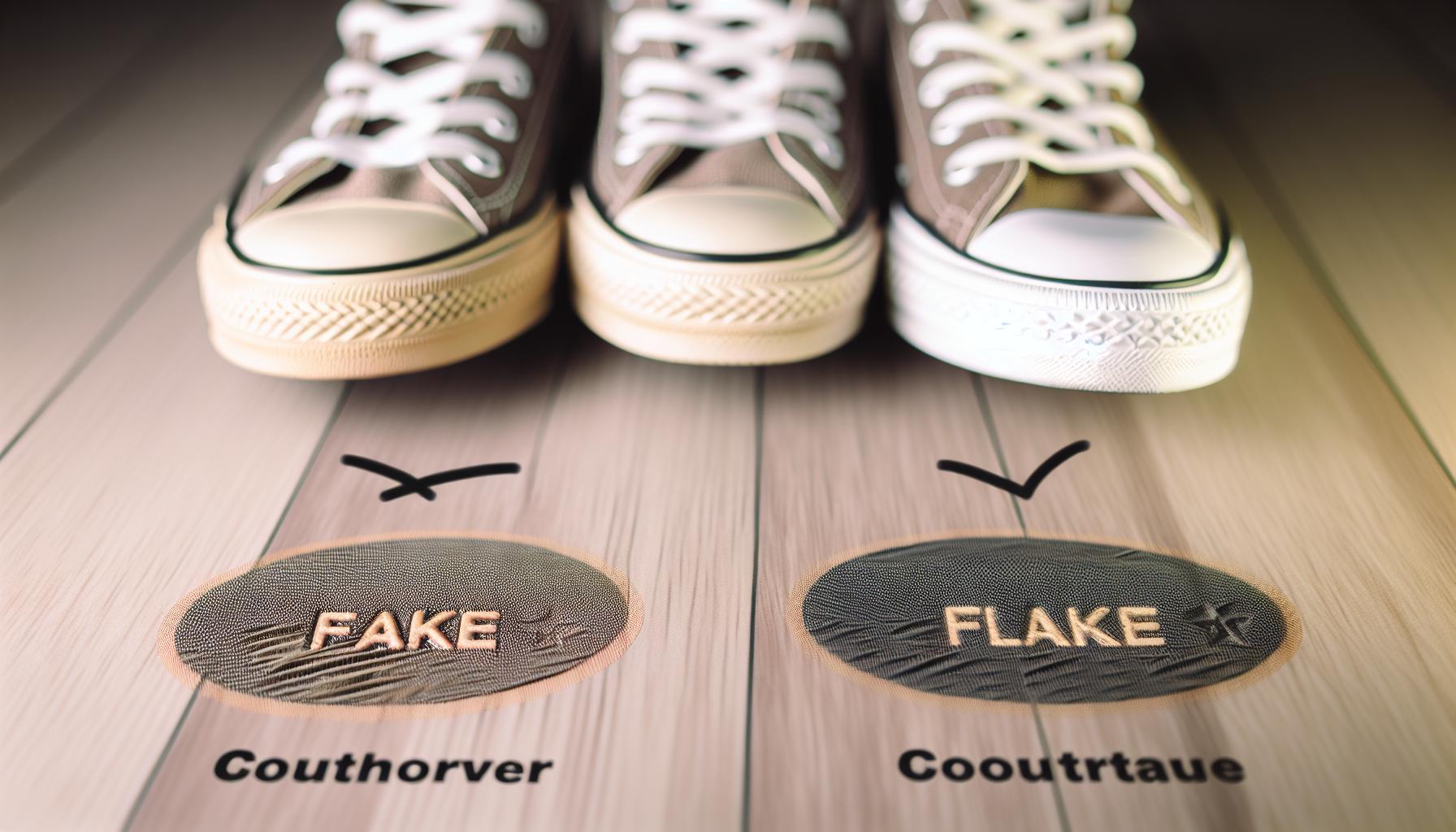
Spotting fake Chuck Taylors can save you both money and disappointment when you realize that what you’ve bought isn’t the real deal. A few telltale signs can expose imposters while ensuring you walk away with authentic kicks.
One of the first things to check is the logo. Genuine Chuck Taylors have a crisp, vibrant Converse logo that’s evenly spaced. If the logo appears blurry, poorly aligned, or the stitching around it seems off, you’re likely looking at a counterfeit. Authentic models also have the iconic All Star patch on the ankle. A faded or misshapen patch often indicates a fake.
Next, consider the quality and feel of the materials. Real Chuck Taylors are made with durable canvas and robust rubber soles that provide comfort and flexibility. If the cotton feels thin or overly shiny, that’s a major red flag. Moreover, the soles of authentic shoes should have a substantial grip pattern. If they feel flimsy or don’t provide decent traction, you might want to rethink that purchase.
The stitching tells another important story. Examine the seams carefully-you’re seeking tightly spaced, uniform stitches. Counterfeit models might show uneven or sloppy stitching. Also, the toe cap should have a clean finish without loose threads. Any sign of subpar craftsmanship in these areas should make you suspicious.
Finally, always scrutinize the packaging. Authentic Chuck Taylors come in a sturdy box that prominently features the Converse branding. If the box lacks proper labeling, is badly printed, or looks damaged, you could be dealing with a fake. Remember, a deal that seems too good to be true often is, so trust your instincts and check prices at authorized retailers to increase your chances of purchasing the real deal.
Material Differences: Real vs. Fake
When it comes to identifying authentic Chuck Taylors, the materials used in their construction is a key factor that can help you spot a counterfeit. Genuine Chuck Taylors are crafted from high-quality, durable canvas. This canvas is not only thick and resilient but also has a slightly textured finish, which is distinct from many fakes that may use cheap, shiny plastic or overly thin materials. If you pick up a pair and the canvas feels flimsy or slick, it’s likely a knockoff.
Another significant aspect to consider is the rubber used for the soles. Authentic Chuck Taylors feature robust rubber that is designed to provide comfort and durability. The soles should feel substantial and have a deep, defined grip pattern to ensure traction. In contrast, counterfeits often exhibit rubber that feels light and lacks grip, which not only diminishes the shoe’s performance but also hints at cost-cutting measures in production that aren’t found in genuine pairs.
You can also examine the colors and prints of the materials. Authentic Chuck Taylors come in a consistent range of colors with clean, vibrant prints. If the colors appear faded or the print looks off – such as being misaligned on the shoe – these are telltale signs of a counterfeit. Quality control is stringent for genuine products, ensuring that every pair maintains a high standard, while fakes often skip these essential checks.
Ultimately, touching and assessing the materials can save you from disappointment. Always trust your instincts; if something feels off-whether it’s the texture, weight, or color-it’s worth investigating further. Paying attention to these material differences will empower you in your pursuit of authentic Chucks that deliver on style and durability.
Stitching Techniques to Check
When it comes to spotting authentic Chuck Taylors, the stitching is a crucial detail that can reveal a lot. Genuine Chucks are known for their precise, even stitching that reinforces their durability and craftsmanship. If you glance at a pair and notice irregularities-like crooked lines, uneven spacing, or loose threads-you might be looking at a counterfeit. Authentic models have carefully placed stitching that not only looks neat but also serves a functional purpose, helping the shoes hold up against wear and tear.
Another telltale sign is the type of stitching used. Real Chuck Taylors typically feature a consistent, double-stitched pattern, especially along the seams of the shoe. This technique not only adds strength but also reflects the attention to detail that Converse is known for. Counterfeit versions often opt for single stitching or cheap alternatives that can easily unravel, which compromises quality. If you pick up a pair and the stitching looks flimsy or feels weak when you tug on it, that’s a red flag.
Don’t forget to check for the little things, too. Look closely at the tongue and eyelets of the shoe-these areas usually display the highest quality stitching. The stitching should be reinforced around the eyelets to prevent ripping and tearing when lacing up. Counterfeit pairs often skimp on these details, leading to over-stretched holes or uneven pulls. If something doesn’t feel right in these crucial spots, take a step back and re-evaluate.
Lastly, remember that the stitching color should match the shoe design. Converse typically uses contrasting colors that enhance the overall look-think white stitching on a black canvas. Fakes might show inconsistency in the stitching color or pattern placement. Pay attention to how the threads align with the design of the shoe; misalignment here can signal a knockoff. By keeping these stitching techniques in mind, you can confidently navigate your way to authentic Chuck Taylors.
Examining the Packaging of Chuck Taylors

When you’re eyeing a new pair of Chuck Taylors, don’t just focus on the shoes themselves; the packaging can be a huge giveaway between authentic and counterfeit pairs. Real Chuck Taylors come in quality boxes that are designed to protect the shoes and add a level of credibility to the purchase. If the box feels flimsy or looks like it was printed off in someone’s garage, that’s a big red flag.
Look for Quality Indicators
Genuine Converse packaging will often feature a sturdy box with clear, vibrant graphics. The logo should be crisp, and any text should be correctly spelled and formatted. Examine the details like the barcodes and product information found on the labels. Authentic versions are typically printed with high-quality inks and resist fading or smudging. If the packaging appears cheap or the printing seems off, you might be looking at a fake.
Check for Extra Items
Another hint about authenticity can be found in what’s included with the shoes. Authentic Chuck Taylors often come with additional items like care guides or warranty cards. If you open the box and it’s just the shoes rattling around with no protective tissue paper or any extra material, that could signal that something isn’t right. Real Converse packaging goes the extra mile to enhance the experience – counterfeit manufacturers usually cut corners.
Finally, consider where you made your purchase. If the packaging looks inconsistent or you’ve bought from unauthorized retailers, it’s often linked to reproductions. Converse’s reputation is built on quality, and that commitment extends to how they package their products. For peace of mind, always validate your purchase through well-known retailers or official websites. By carefully examining the packaging along with the sneakers themselves, you can significantly increase your chances of walking away with the real deal.
Price Points: Spotting Red Flags

When it comes to Chuck Taylors, price tells a story. If you stumble upon a pair that seems too good to be true-say, a brand-new pair of classic Chuck Taylors priced at nearly half off-you should immediately raise your eyebrows. Authenticity comes at a certain price, and any major discount is often a red flag that what you’re eyeing might not be the real deal.
Authentic Chuck Taylors typically range from about $50 to $75 for the standard models, with limited editions or collaborations sometimes costing more. If a seller is offering new pairs for far less, it’s wise to dig a little deeper. Here’s what you should look for:
- Check Retail Prices: Familiarize yourself with the standard retail prices for different styles. A too-low price often means you’re looking at fakes.
- Watch for Outliers: If you see a trusted retailer listing Chuck Taylors far below the expected range, there’s a good chance something’s off. Authorized retailers usually adhere to pricing guidelines set by the brand.
- Price Consistency: If multiple sites or sellers are listing the same shoes at vastly different prices, be suspicious of the lower-priced options.
Moreover, authenticity often correlates with the reputation of the seller. If you find a pair at a low price listed by a third-party marketplace or an unfamiliar site, consider it a gamble. Always opt for established retailers where you can confirm authenticity and benefit from customer service.
Remember, it’s not just about saving a few bucks. You’re investing in a piece of footwear that should complement your style and last. Don’t let a bargain blind you to the very real risk of counterfeit products. It’s always better to spend a little more on genuine Chuck Taylors than to regret a cheap purchase later.
Authorized Retailers and Trusted Sources
You can never go wrong by sticking to when hunting for genuine Chuck Taylors. Shopping from the right places not only saves you from the disappointment of fakes but also guarantees solid customer service and return options. Begin with well-known sneaker outlets, both online and in-store, like Foot Locker, Finish Line, or directly from the Converse website. They provide authentic products and are recognized for their reliable customer service.
Don’t overlook department stores with established reputations, like Nordstrom or Macy’s. They carry legitimate lines of Chuck Taylors, giving you peace of mind while you shop. If you’re venturing into online marketplaces like Amazon or eBay, look for listings that come from verified sellers or check for any rating systems that indicate trustworthy vendors. Always read the details carefully; a hallmark of authenticity includes proper brand naming and a clear description of products.
Another effective strategy is to seek recommendations from sneaker enthusiast forums or communities. Members often share insights on reputable retailers and can point you toward online shops with an excellent track record. Remember, a seller’s reputation matters just as much as the product itself; check reviews and ratings across multiple platforms to ensure the seller has a reliable history of selling authentic merchandise.
Lastly, don’t hesitate to ask questions. If you’re buying from a retailer that seems a bit off, reach out to their customer service for clarity on their authenticity guarantees. A legitimate retailer will not shy away from addressing your concerns transparently. Trust is key in this game; stay informed, shop wisely, and you’ll score the real deal every time.
Customer Reviews: What to Look For
When hunting for authentic Chuck Taylors, customer reviews can be your best ally. They often reveal insights that aren’t visible in product descriptions or images. The feedback from fellow buyers offers a real-world glimpse into the products you’re considering. It’s vital to look for specific patterns in reviews, as this could help you steer clear of counterfeits and get the quality you expect.
Start by focusing on overall ratings and the quantity of reviews. A genuine product typically attracts a larger number of reviews, often averaging around 4-5 stars. However, don’t just skim through the star ratings; dive into the written comments. Look for mentions of the shoe’s fit, comfort, and durability. Satisfied buyers often detail how the shoes hold up after extended use, while negative reviews may highlight issues like poor materials or manufacturing problems that could indicate a fake.
Pay attention to comments discussing the appearance of the shoes, such as color consistency, logo placement, and general aesthetics. Authentic Chuck Taylors have distinctive features that are highly consistent, so if reviewers frequently mention discrepancies or variations in these areas, consider those red flags. Additionally, reviews that point out inconsistencies in the packaging or delivery can also be telling; legitimate retailers usually provide quality packaging that reflects the brand’s standards.
Lastly, check if the seller addresses customer concerns. If you see owners expressing issues and the retailer responds promptly and professionally, that’s a good sign of a trustworthy business. Conversely, if critical feedback goes unacknowledged, it’s wise to be cautious. Customer reviews are more than just opinions; they can provide the clarity you need to make an informed purchase.
Tips for Buying Vintage or Rare Models
When searching for vintage or rare models of Chuck Taylors, it’s essential to arm yourself with knowledge to avoid falling for fakes. The world of collectible sneakers can be a minefield, and counterfeiters have become increasingly sophisticated. First, narrow down the specific model you’re looking for. Understanding the history and characteristics of your desired pair goes a long way in ensuring authenticity. Consult dedicated sneakerhead forums and social media groups to gather insights on what to expect in terms of design, materials, and typical wear patterns.
One key factor to examine is the label and branding. Authentic Chuck Taylors-especially older models-often have unique labeling styles that can differ significantly from modern pairs. Look for date stamps or manufacturing codes, and compare these with verified examples online. If the seller can’t provide clear photos showing these details or if they look off in any way, it’s a red flag.
Next, always inspect the soles and overall construction. Vintage pairs may show signs of wear, but they should still retain the defining features of genuine Chuck Taylors. Pay close attention to the sole pattern, as each era has distinct designs. Fake versions often cut corners on these details. You might even take a new pair of Chuck Taylors for comparison if you can find them.
It’s also wise to consider where you buy your sneakers. Platforms like Depop and eBay can offer great finds, but always check the seller’s ratings and reviews. Engaging with sellers who are knowledgeable about the product and can provide additional context or documentation of authenticity can make a significant difference. Don’t hesitate to ask for more pictures-if they’re reluctant or can’t provide them, walk away.
Ultimately, buying vintage or rare Chuck Taylors is about trust and informed decision-making. Stay patient and remember: if a deal seems too good to be true, it probably is.
How to Report Counterfeit Chuck Taylors
When you encounter counterfeit Chuck Taylors, it’s crucial to take action-not just for yourself but also to help others avoid falling victim to the same scams. If you suspect you’ve found a fake pair, reporting it can contribute to a broader effort against counterfeit sales. Here’s how to navigate the reporting process effectively.
Start by documenting everything about the purchase. Take clear photos of the shoes, focusing on specific details that show signs of counterfeiting-like logos, stitching, and packaging differences. Note the seller’s information, including the website or platform used for the transaction, and any communication you had with them. This evidence is critical when reporting, as it can support your claim that the items are not genuine.
Next, report the counterfeit to the platform where you made the purchase. Most online marketplaces like eBay, Amazon, or Depop have specific protocols to handle counterfeit claims. Look for a “Report” option on the listing and follow the prompts. Provide all the information you gathered, as thorough reports are more likely to result in swift action, such as removing the listing or banning the seller.
Additionally, consider filing a report with the brand itself. Companies like Converse are dedicated to combatting counterfeiting and often have dedicated teams for this purpose. Visit their official website to find contact information or a form specifically for reporting counterfeit products. Sharing your experience with the brand not only helps them track counterfeiters but might also lead to action against the seller.
Lastly, if you encounter significant counterfeiting issues or large-scale scams, don’t hesitate to report it to local consumer protection agencies or law enforcement. They can investigate further and potentially prevent future counterfeit activities. Remember, your proactive steps can help create a safer marketplace not just for you but for everyone involved in sneaker culture.
Faq
markdown
Q: How can I tell if my Chuck Taylors are authentic?
A: To determine if your Chuck Taylors are authentic, check for consistent stitching, quality materials, and correct branding. Inspect the packaging for any signs of poor design or odd labeling. Refer to the Key Features of Genuine Chuck Taylors section for more detailed criteria.

Q: What details should I look for on the Chuck Taylor label?
A: Authentic Chuck Taylors will have a clearly printed label with proper spelling and logo placement. Look for the "Converse" brand name and any manufacturing information. For further specifics, review the Key Features of Genuine Chuck Taylors section.

Q: Are there specific color patterns that indicate a fake?
A: Yes, authentic Chuck Taylors usually have specific color patterns that are consistent across collections. If the colors or designs seem off, it's likely a counterfeit. Consult the Common Signs of Fake Chuck Taylors section for examples of discrepancies.

Q: Why do some websites sell Chuck Taylors at a much lower price?
A: If the price of Chuck Taylors seems too good to be true, it probably is. Counterfeit sellers often slash prices to attract buyers. Always verify the seller's credibility and check the Price Points: Spotting Red Flags section for guidance.

Q: Where can I safely buy authentic Chuck Taylors?
A: Purchase authentic Chuck Taylors from authorized retailers or the official Converse website to ensure quality. Avoid unknown e-commerce sites. For a list of trustworthy sources, check the Authorized Retailers and Trusted Sources section.

Q: How can customer reviews help in identifying fake Chuck Taylors?
A: Customer reviews can reveal experiences that may highlight counterfeit issues or product discrepancies. Look for patterns in reviews regarding quality and authenticity. Refer to the Customer Reviews: What to Look For section for tips.

Q: Can I spot fake Chuck Taylors just by looking at the sole?
A: Yes, inspecting the sole is crucial. Authentic Chuck Taylors have a specific rubber pattern and tread. If you notice anything differing from the standard design, you might be looking at a counterfeit. Review the Material Differences: Real vs. Fake section for more details.

Q: What should I do if I suspect my Chuck Taylors are fake?
A: If you suspect your Chuck Taylors are fake, compare them with authentic models based on the details outlined in Common Signs of Fake Chuck Taylors. For more guidance, see the How to Report Counterfeit Chuck Taylors section to learn about reporting options.
Key Takeaways
Now that you know how to spot fake Chuck Taylors, you’ll walk confidently in a pair of genuine kicks. Remember, always check the stitching, logo, and packaging before your next purchase! Don’t let counterfeit sellers ruin your style-be proactive and informed.
For more insights on maintaining your sneaker collection, check out our guide on “Sneaker Care Tips” or learn about “The History of Chuck Taylors” to deepen your appreciation of this iconic brand. Want exclusive updates including style tips and special offers? Subscribe to our newsletter now!
Your fashion journey doesn’t end here. Dive deeper into the world of authentic sneakers and ensure you’re getting what you pay for. Let us know your thoughts in the comments below-we’d love to hear any tips you have or questions you may still have! Stay savvy, and keep stepping out in style.