
Have you ever stared at your new calligraphy pen, puzzled over how to insert the ink cartridge? You’re not alone. Properly installing a cartridge is crucial for ensuring a smooth writing experience and preventing frustrating mishaps. Whether you’re a seasoned calligrapher or just starting, mastering this simple step can significantly enhance your art. In this guide, we’ll walk you through the process, making it straightforward and stress-free. Get ready to unleash your creativity without the hassle-let’s dive in and make your calligraphy flow!
Understanding Your Calligraphy Pen and Cartridge Type
Understanding the different types of calligraphy pens and cartridges is essential for anyone looking to dive into this art form. A calligraphy pen can be a fountain pen, a dip pen, or a modern brush pen, each offering distinct styles and techniques. For beginners, understanding these variations can significantly affect your experience. For instance, Fountain pens typically use cartridges or converters, which allow for easy ink replacement. In contrast, dip pens require an ink bottle and involve dipping into the ink each time you write, providing more control over the amount of ink used but requiring more setup time.
When it comes to cartridges, there are standard sizes and types available, most notably the Short International Standard size, commonly utilized across many fountain pens. It’s essential to choose the right cartridge that fits your particular pen model. These cartridges come in various colors and ink qualities, some being pigmented for vibrant color, while others are designed to be smooth flowing for a delightful writing experience. Using the right cartridge enhances not just the feel but also the outcome of your calligraphy efforts.
In addition to understanding your pen and cartridge type, consider experimenting with various brands and ink types. Some artists prefer specific brands that offer unique colors or formulations, which can influence the overall look of their work. For example, brands like Pilot or Lamy offer excellent cartridges that are widely regarded in the calligraphy community. As you explore your options, keep in mind that the interplay between pen type and cartridge can lead to different experiences, influencing everything from line quality to flow consistency.
By grasping these basics about calligraphy pens and cartridges, you’re setting the stage for a more enjoyable and productive calligraphy journey. You’ll find yourself more prepared to tackle the creative challenges ahead and to express your ideas beautifully on paper.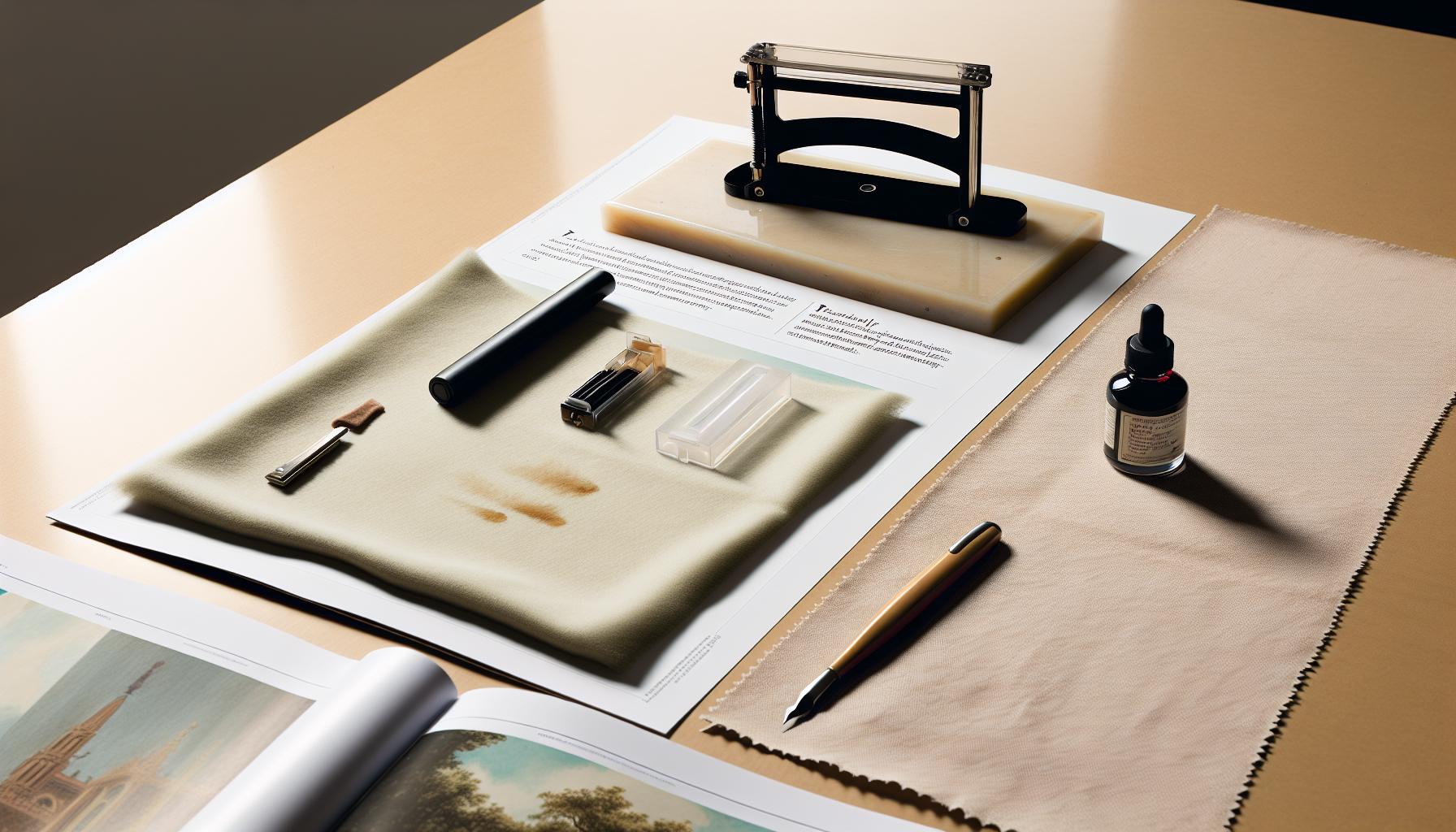
Essential Tools for Installing a Calligraphy Cartridge
To successfully install a cartridge in your calligraphy pen, you need more than just the right cartridge; having the essential tools can make all the difference. First and foremost, ensure you have a clean workspace. A clutter-free area helps you focus and prevents any accidental spills or mishaps as you work with ink cartridges. Additionally, having a soft cloth or paper towel handy can catch any excess ink or stray drops, keeping your surfaces tidy.
Another useful tool is a pair of tweezers. Sometimes cartridges can be a snug fit or challenging to grip, especially for beginner calligraphers. A lightweight pair of tweezers allows you to maneuver the cartridge into place without risking smudging your fingers with ink. If your pen allows for it, a small funnel can also be beneficial, particularly when refilling from a bottle rather than using pre-filled cartridges. It minimizes spills and ensures you get every drop of ink into the pen.
When selecting cartridges, familiarize yourself with a few key aspects. Always choose cartridges that are compatible with your pen model; this isn’t just about size but also how the ink flows within the pen. Some pens function best with specific brands due to the ink viscosity or air flow designed into their cartridges. Experimenting with different types may require patience, but it’s crucial for achieving the results you desire.
Lastly, a printed guide or a quick reference app on your phone can offer invaluable assistance during installation. Many artists find themselves in tricky situations or forget exact steps when multitasking. Having a visual guide helps ease the process, allowing for a smoother installation and more enjoyable calligraphy experience. With these tools at your disposal, you’re well on your way to mastering the art of installing cartridges in your calligraphy pen.
Step-by-Step Guide: Installing the Cartridge
Inserting a cartridge into your calligraphy pen doesn’t have to be a daunting task. With a little know-how and a few easy steps, you can ensure that your pen is ready to create beautiful strokes in no time. The success of this process hinges on being prepared and following a methodical approach, so let’s dive right in.
First, start by removing the cap of your calligraphy pen and, if necessary, unscrew the back section to expose the cartridge chamber. Most pens are designed to house a standard cartridge, so make sure you have the right type for your specific model. Take a moment to visually inspect the cartridge and the pen to confirm compatibility. This step is crucial-different pen brands use distinct designs that can affect how the cartridge fits.
Next, take your cartridge and gently push one end into the opening of the pen’s chamber. You may hear a soft click, which indicates that it’s seated correctly. If you’re using a twist mechanism pen, be sure to twist the cartridge in if required. Should the cartridge feel too tight or not fit at all, don’t force it. Instead, double-check the size and orientation. Applying excessive pressure can lead to broken parts or ink spills, which are best avoided.
Once the cartridge is fully inserted, reattach the back section of the pen if you had to remove it. Now it’s time to prime your ink. Some cartridges might require a little extra help to get the ink flowing. Hold the pen upright and gently squeeze the cartridge to push ink into the nib. You can also do a few practice strokes on scrap paper to get things flowing smoothly.
Finally, clean up any stray ink or fingerprints from your pen body, and it’s good practice to wipe the nib gently with a soft cloth. Keeping your workspace tidy while installing cartridges not only makes for a pleasant creative process but also ensures your pen stays in good condition. Now you’re ready to unleash your creativity-happy calligraphing!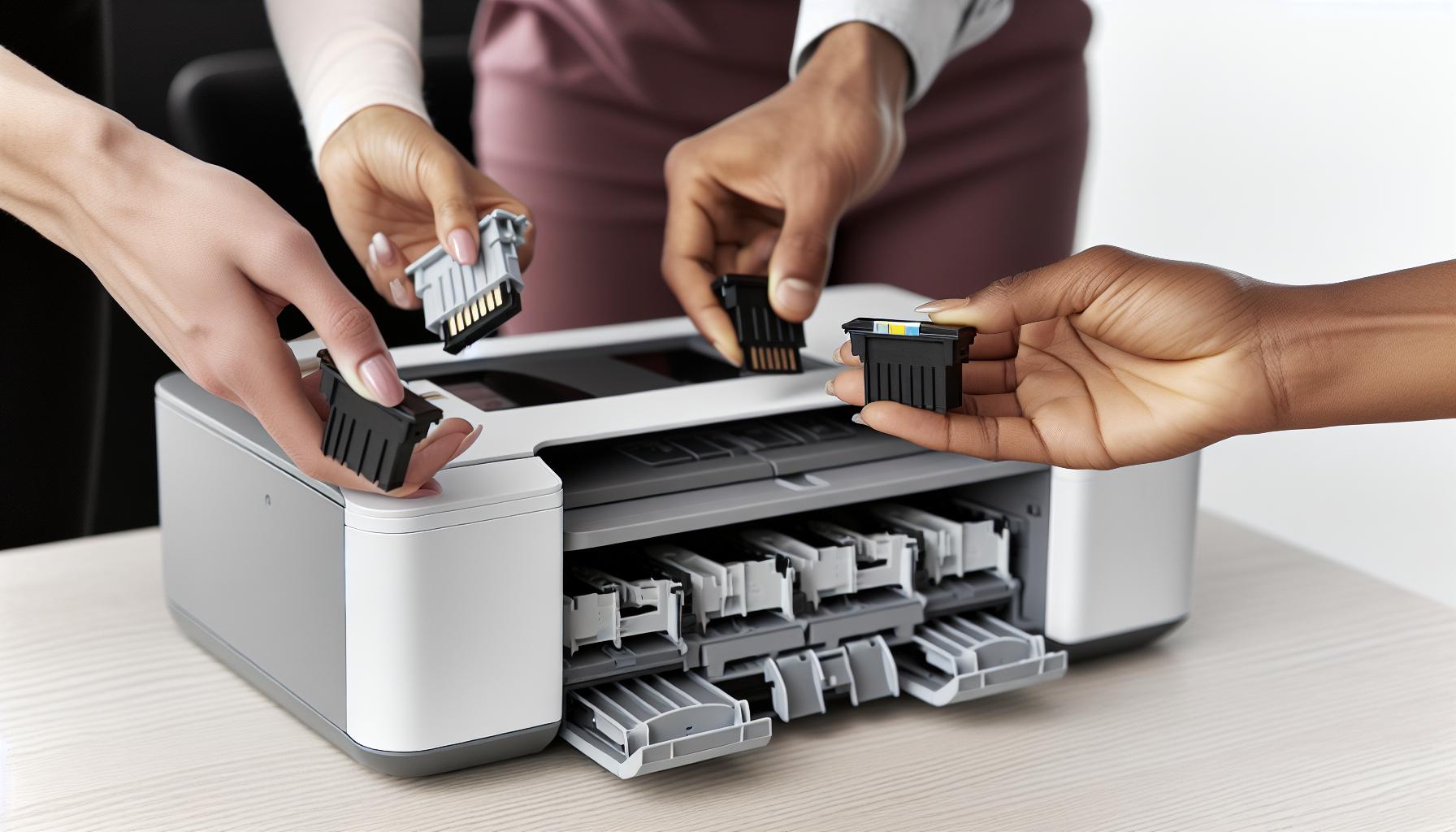
Common Mistakes When Inserting Cartridges
Inserting cartridges into your calligraphy pen may seem straightforward, but it’s all too easy to make mistakes that can ruin your writing experience. One common error is overlooking the compatibility between your pen and the cartridge. It’s essential to verify that the cartridge matches your specific pen model. Many calls to action in art forums highlight how mismatched cartridges lead to frustrating leaks or poor ink flow. Don’t skip this crucial step-take a moment to inspect both your pen and cartridge.
Another frequent mistake is applying too much force when inserting the cartridge. It might be tempting to push hard if it doesn’t seem to fit, but this can lead to damaged components or ink spills that stain your favorite notebook. Instead, focus on gently guiding the cartridge into the chamber, allowing it to click into place without aggression. If it feels stuck, pause and reassess rather than forcing it; sometimes, a simple adjustment in angle or orientation can solve the problem.
Also, remember to consider the priming of the cartridge once inserted. Many novice calligraphers skip this step, assuming the ink will flow smoothly right away. In reality, some cartridges might require a light squeeze to get the ink moving. Take a few practice strokes on scrap paper to check the ink flow before starting your actual project; this will save you from potential headaches and ensure that you’re ready to create when you sit down to write.
Finally, be mindful of cleanliness during installation. Ink can be quite messy, and avoiding unwanted stains is key-wiping the nib after installation helps keep your workspace and writing tools neat. By sidestepping these common pitfalls, you’ll set yourself up for a more enjoyable and fluid calligraphy experience. Happy writing!
Maintaining Your Calligraphy Pen for Optimal Performance
Maintaining your calligraphy pen is crucial for ensuring smooth, consistent ink flow and preserving the quality of your writing instruments. Regular care goes beyond just inserting cartridges correctly; it includes cleaning, inspection, and thoughtful usage. These simple practices can significantly extend the life of your pen and enhance your overall calligraphy experience.
Start with regular cleaning. After each use, particularly if you’ve been working with pigmented or heavy inks, rinse the nib under lukewarm running water. This helps remove any residual ink that could clog the nib over time. If you’re using a cartridge-based system, it’s wise to flush the nib periodically, especially if you switch between different ink colors or types. A gentle squeeze of the cartridge can also help prime the ink flow whenever you restart your work. Always dry the nib carefully with a paper towel to avoid any ink splatter.
Inspect your pen frequently for signs of wear and tear. Pay attention to the nib’s condition-if it appears scratched or bent, you may need to replace it. An uneven nib can lead to poor ink flow, making writing a frustrating experience. Additionally, check the grip section of your pen; if it feels loose or moves, it might need re-tightening. Remember, a well-maintained pen not only writes better but also feels more comfortable in your hand.
Lastly, think about your storage practices. Storing your pen horizontally can prevent ink from drying out in the nib, whereas keeping it upright is best when your pen is not in use, to avoid leaks. Consider investing in a soft case or pouch to protect your pen from dust and potential damage, especially if you travel with your supplies.
By integrating these maintenance habits into your routine, you’ll ensure that your calligraphy pen performs at its best, allowing you to focus on what truly matters-your creative expression. Happy writing!
Troubleshooting Issues with Cartridge Installation
When it comes to installing cartridges in a calligraphy pen, common issues can turn a straightforward task into a frustrating experience. If you find your ink isn’t flowing or the cartridge seems stuck, don’t fret; troubleshooting these problems is often simpler than it appears. One frequent hiccup is not ensuring the cartridge is fully inserted. Always listen for a click or feel a snug fit when pushing the cartridge in. If you don’t hear or feel it, the cartridge might not be seated properly, which can block ink flow.
Another issue involves the type of cartridge you’re using. Sometimes, cartridges from one brand may not fit well with pens from another. Make sure you’re using the correct cartridge for your specific pen model. If you’re confident about your cartridge but still face problems, try gently squeezing the cartridge after installation. This can prime the ink to flow to the nib, especially if the cartridge has been sitting unused for a while.
If you notice ink pooling at the nib or if the pen is skipping during use, it may be worth checking for a clogged nib. Rinse the nib under warm water to clear any dried ink or debris, ensuring a smooth flow when you next write. Additionally, don’t underestimate the importance of checking for cracks or faults in the cartridge itself, as these can lead to leaks or improper function.
Lastly, remember that practice makes perfect. Each pen has its own quirks, and getting familiar with how it operates can save you time and frustration. If you must, keep a small maintenance kit handy with a soft cloth, warm water, and a paper towel to quickly resolve any issues as they arise. With these tips, you’ll be well-equipped to troubleshoot and enjoy the beautiful art of calligraphy with minimal interruptions.
Exploring Alternative Ink Options for Calligraphy Pens
When it comes to crafting beautiful calligraphy, choosing the right ink makes a world of difference. While most calligraphy pens use cartridges designed specifically for ease and convenience, exploring alternative ink options can unlock a whole new level of creativity and expression in your writing. If you’re looking for rich colors, unique textures, or even eco-friendlier choices, there’s a vast array of inks just waiting to be discovered.
One of the most popular alternatives is bottled fountain pen ink. This ink often comes in a wide range of vibrant colors and can be used with a converter instead of a cartridge. Using a converter allows you to draw ink directly from the bottle, giving you more flexibility with ink selection and color mixing. Many calligraphy enthusiasts love brands like Noodler’s or Diamine for their variety and quality. Plus, trying different inks can lead you to unexpected outcomes that elevate your calligraphy projects.
Another exciting option is to experiment with ink from artist-grade watercolors. Simply dilute the watercolor paint with a bit of water to achieve an ink-like consistency, and then fill a converter or dip pen with this custom mix. This method allows for breathtaking watercolor effects in your writing, offering a unique flair for decorative pieces or special occasions. Just ensure that the ink you create is compatible with your pen type and nib.
For those looking to go the eco-friendly route, consider using plant-based inks. These natural inks often have a shorter drying time and can be gentler on paper. Brands like Boku Undo provide eco-conscious options made from natural materials. Not only do you get a beautiful result, but you’ll also feel great about how your choices impact the environment.
In summary, while cartridges offer convenience, exploring other ink options can enhance your calligraphy experience. Bottled inks, watercolor mixes, and plant-based alternatives can bring new life to your writing. Don’t hesitate to experiment; sometimes, the most memorable pieces come from a stroke of creativity outside the typical cartridge!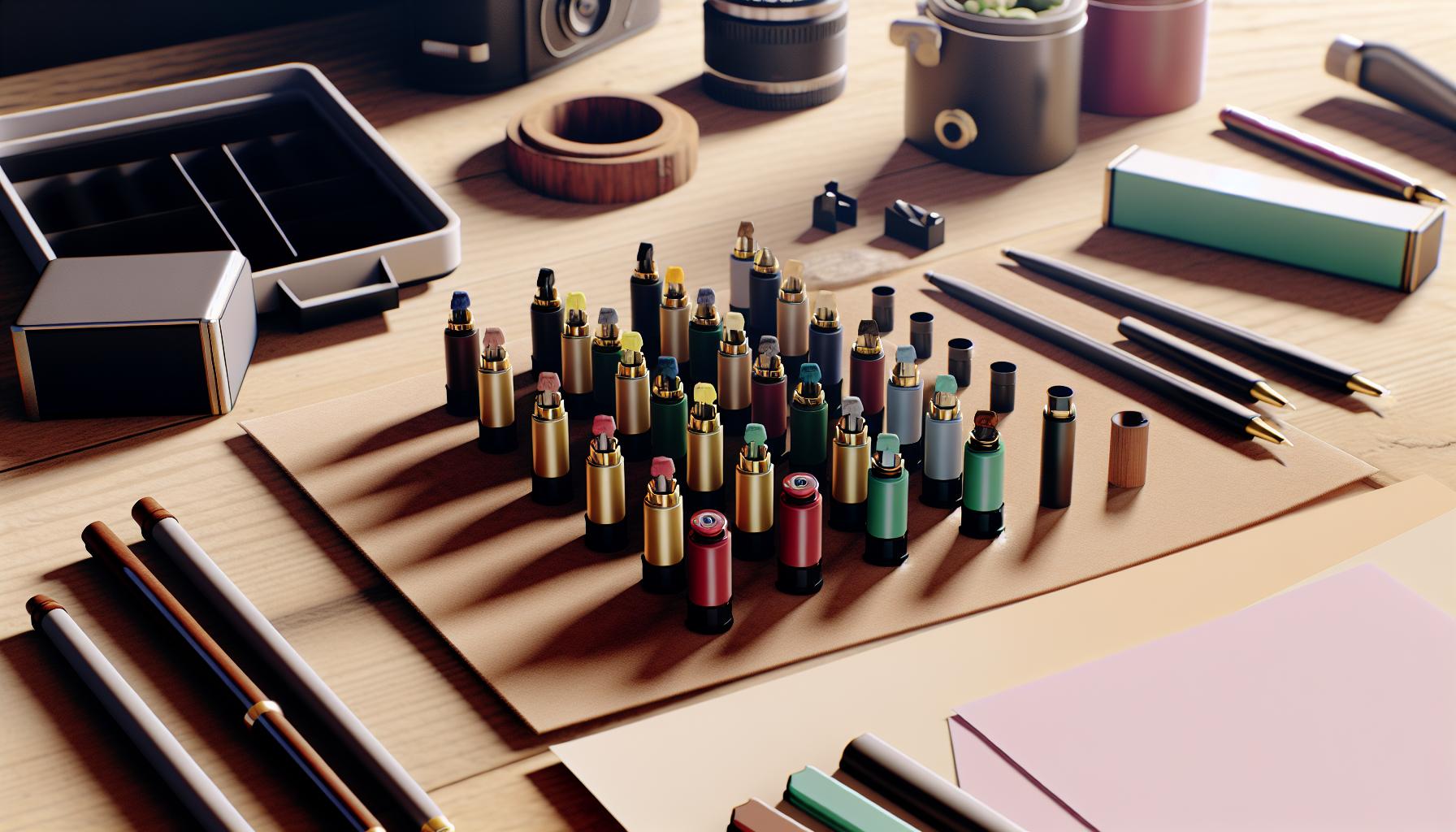
Choosing the Right Cartridge for Your Style
Choosing the right cartridge can dramatically improve your calligraphy experience. Cartridges come in various materials and ink types, impacting everything from flow to color intensity. If you’re looking to elevate your work, understanding these nuances is crucial.
Start by considering the ink type. Most calligraphy cartridges contain dye-based ink, which delivers vibrant colors but can be less resistant to water and light. If you’re after something more permanent, opt for pigment-based cartridges; they offer richer hues and better archival qualities. Experimenting with both types can help you find your preference.
Next, think about nib compatibility. Different pens have varying nib sizes-fine, medium, or broad. Ensure the cartridge matches your pen’s nib for optimal flow and line variation. For instance, a wider nib works wonderfully with wetter inks, allowing swirling techniques in your writing. A mismatch here can result in a frustrating experience, leading to poor flow or skipping.
Also, don’t forget about color options. Many brands offer an extensive palette, so choose colors that reflect your style and the specific project you’re working on. Bright, bold colors can stand out beautifully on white paper, while softer pastels can give an elegant touch to invitations or personal notes.
Lastly, read up on brand reliability. Some brands have consistent quality and positive reviews from the community. Trustworthy names in the industry, like LAMY or Pilot, often lead to satisfied artists. Don’t hesitate to try lesser-known brands too; you might discover hidden gems that suit your unique style perfectly.
In summary, your choice of cartridge can profoundly influence your calligraphy. By understanding the ink type, nib compatibility, color selections, and brand credibility, you’re well on your way to crafting stunning pieces with easiness and flair. Happy writing!
Enhancing Your Calligraphy: Tips and Tricks
Getting the most from your calligraphy experience doesn’t just come from practice; it’s about mastering the tools you use. One of the easiest ways to enhance your calligraphy is to pay close attention to how you install your ink cartridges. A well-installed cartridge can prevent issues like skipping and inconsistent flow, keeping your creativity flowing without interruption.
Start by ensuring that your cartridge is the right type for your pen. It’s a simple mistake, but using incompatible cartridges can lead to frustration and wasted materials. Different pens require different cartridges, so always check compatibility before you buy. Once you have the right cartridge, check the sealing mechanism. Sometimes, a cartridge has a protective seal or a small plastic piece blocking the ink flow. Gently pull or twist this piece out when installing, then snap it into place with a firm but careful motion.
When it comes to the act of installation, you shouldn’t rush. Align the cartridge according to the guidelines etched within or near the pen’s opening. A good tip is to listen for a satisfying click or snap-it lets you know it’s secured properly. After installation, test the flow by scribbling on a scrap piece of paper, which can help detect any potential flow issues right away. If the ink doesn’t flow smoothly, try gently squeezing the cartridge or tapping it lightly against the desk to encourage the ink to start flowing.
Lastly, keep your tools in top shape. Regular cleaning of your pen’s nib can prevent old ink from clogging the system and ensure that every new cartridge works seamlessly. Just use a bit of water and a soft cloth, and avoid any harsh chemicals that can damage your pen. By taking these simple steps, you’ll find that not only does your calligraphy improve, but your enjoyment of the process does too. Keep experimenting with different cartridges and colors to find what inspires you the most. Happy writing!
Beyond Cartridges: Traditional Ink Refilling Methods
Many calligraphy enthusiasts find themselves enamored with the artistry and fluidity of traditional ink refilling methods. Instead of relying solely on cartridges, which can be limiting, refilling with bottled ink opens up a world of color and consistency. Plus, traditional methods can enhance your connection with the art form-you’re not just writing; you’re engaging with the materials directly.
To refill your pen traditionally, you’ll need a few essential tools: a bottle of your favorite ink, an ink syringe or pipette, and some paper towels for any potential spills. Begin by cleaning your pen thoroughly; residual ink can interfere with clean refills. Once your pen is clean and dry, use the syringe or pipette to draw ink from the bottle. Make sure to fill the ink chamber of your pen carefully, avoiding overfilling to prevent leaks during use.
This method not only allows you the freedom to experiment with different inks but also encourages sustainable practices. Many bottled inks are beautifully unique and offer rich pigmentation that pre-filled cartridges might lack. If you’re concerned about ink flow, consider practicing on scrap paper first. Find a rhythm that works for you as you start to write; this helps gauge how the ink flows and whether it needs adjustment.
Pros of Traditional Refilling
- Customization: Control over the ink type and color.
- Cost-effective: Bottled ink often provides more usage per dollar than cartridges.
- Environmentally Friendly: Reduces plastic waste from disposable cartridges.
In sum, exploring traditional ink refilling can significantly enhance your calligraphy experience. Not only does it refine your skills, but it also invites you to partake in a richer, more fulfilling journey into the art of writing. So, grab that bottle of ink and dive into a world where the ink is as expressive as your most fluid strokes!
Recommended Brands for Calligraphy Cartridges
When it comes to selecting the right cartridges for your calligraphy pens, there’s a world of options that can enhance your writing experience. High-quality cartridges ensure smooth ink flow and vibrant colors, making a noticeable difference in your artwork. Here are some top brands that consistently deliver reliable performance and exquisite results.
Pilot is a standout brand in the calligraphy community, known for its superb ink quality and user-friendly cartridges. Their products are designed to fit a variety of pens and offer a wide color selection-from traditional blacks and blues to more creative hues. The convenience of Pilot cartridges often means less fuss and more time spent enjoying your craft.
Schmidt cartridges are another popular choice, especially among those who prefer a more eco-conscious option. With an excellent reputation for consistency, Schmidt cartridges provide a dependable ink flow, suitable for both beginners and seasoned calligraphers. Their refills are specifically designed for various pen types, ensuring a snug fit and minimal leakage.
For those who appreciate a touch of luxury, Waterman cartridges are an exceptional choice. Known for their rich pigmentation and smooth application, Waterman inks can elevate any writing project. Whether you’re penning a special invitation or a heartfelt letter, their products add a professional flair that’s hard to match.
Lastly, don’t overlook Lamy, which is celebrated for both its innovative design and effective ink formulations. Their cartridges come in a range of colors and are crafted to work seamlessly with their pens, ensuring a consistent and enjoyable writing experience.
Choosing the right cartridge brands ultimately enhances your calligraphy work, allowing for both creativity and professionalism. Investing in reliable cartridges means less time worrying about ink flow and more time crafting beautiful pieces. Enjoy exploring these brands and discover which ones resonate best with your personal style and needs.
Engaging in Calligraphy: A Journey to Mastery
Engaging in calligraphy is more than just picking up a pen and inscribing letters; it’s a delightful journey that hones creativity and precision over time. Each stroke you make is an opportunity to express your individuality and style. As you navigate through the high and lows of mastering this art, understanding the tools that make your work shine, especially the cartridge installation in your pen, can drastically enhance your experience.
When you start, two things are crucial: practice and familiarity with your tools. Learning to cleanly install your ink cartridge might seem minor, but it’s foundational. A good fit ensures sturdy ink flow and allows you more freedom to focus on developing your technique rather than dealing with ink spills or unresponsive nibs. Remember, preparation is key here. Having the right kind of cartridges that suit your pen’s model will save you time and frustration. It’s like choosing the right brush for a painter-crucial for achieving your desired results.
Setting aside time to master the installation process effectively can save you from ongoing headaches. There are specific steps that can help streamline this, which include ensuring the pen is clean before installation, gently pushing the cartridge in until it clicks, and testing ink flow on scrap paper. As you squeeze the cartridge lightly, you’ll watch how the ink moves through and begins to saturate the nib-an incredibly rewarding sight for any calligrapher.
Above all, embrace the learning process. Each letter you craft is a step towards your mastery of calligraphy. There’ll be moments of frustration, especially when ink doesn’t flow as expected or your nib catches. But with patience, you’ll develop a rhythm, and those initial challenges will soon transform into skillful artistry. Remember, calligraphy is about enjoying the journey, finding joy in beautiful inks, and forming elegant letters with each stroke. Keep experimenting, and soon you’ll find your unique style emerging naturally.
Frequently asked questions
Q: How do I know which cartridge fits my calligraphy pen?
A: To find the right cartridge for your calligraphy pen, check the manufacturer’s specifications or consult the pen’s manual. Most brands have specific cartridge types, so look for compatibility designations or visit the brand’s website for guidance on cartridge selection and fitting.
Q: Can I use any ink cartridge in my calligraphy pen?
A: No, not all ink cartridges are compatible with every calligraphy pen. Always choose cartridges recommended by the manufacturer to avoid leaks or clogs. Using non-compatible cartridges can damage the pen or impact your writing quality, so refer to your pen’s specifications for proper matches.
Q: What should I do if the cartridge won’t fit?
A: If the cartridge doesn’t fit, ensure you’re aligning it correctly with the pen’s mechanism. Check for any obstructions inside the pen. Forcing a cartridge may damage both the pen and cartridge. If problems persist, consult the product manual or manufacturer for assistance on potential issues.
Q: How can I tell when the cartridge is empty?
A: You can tell a cartridge is empty when ink flow diminishes or stops, resulting in faint or dry lines. If you notice inconsistent writing or scratchy strokes, it may be time to replace the cartridge. Always monitor ink levels and have spares ready for uninterrupted creativity.
Q: Are there benefits to using refillable cartridges?
A: Yes, using refillable cartridges is eco-friendly and cost-effective. They can be filled with various inks to suit your style, allowing more customization. Additionally, they reduce waste compared to disposable cartridges, making them a popular choice among eco-conscious calligraphers.
Q: What common mistakes should I avoid when installing cartridges?
A: Common mistakes include not removing the protective seal or cap, forcing the cartridge into place, or not aligning it properly. Always ensure the cartridge fits snugly without excess pressure. Refer to the installation guide in your article for a smooth process and avoid these common pitfalls.
Q: Why does my pen skip after changing the cartridge?
A: Skipping can happen due to air bubbles in the ink or dry ink in the nib. To fix this, gently shake or tap the pen with the nib facing down. If issues continue, try priming the nib by drawing on scrap paper or checking that the cartridge is fully seated.
Q: How often should I replace the ink cartridge in my calligraphy pen?
A: Replace your ink cartridge when it runs out, which varies based on usage frequency and writing style. Regular maintenance, like cleaning the nib and feed, can also help you gauge the right time for replacement, ensuring optimal performance and ink flow.
Wrapping Up
Now that you know how to put a cartridge in your calligraphy pen correctly, it’s time to unleash your creativity! Remember, the smooth flow of ink is key to beautiful writing. If you found this guide helpful, check out our next article on “Choosing the Right Calligraphy Pen for Your Style” to elevate your skills even further.
Don’t forget to subscribe to our newsletter for tips, tricks, and the latest in calligraphy supplies. Got questions or tips of your own? Share them in the comments below! Dive into our full range of calligraphy resources and get started on your journey today-your penmanship deserves it!