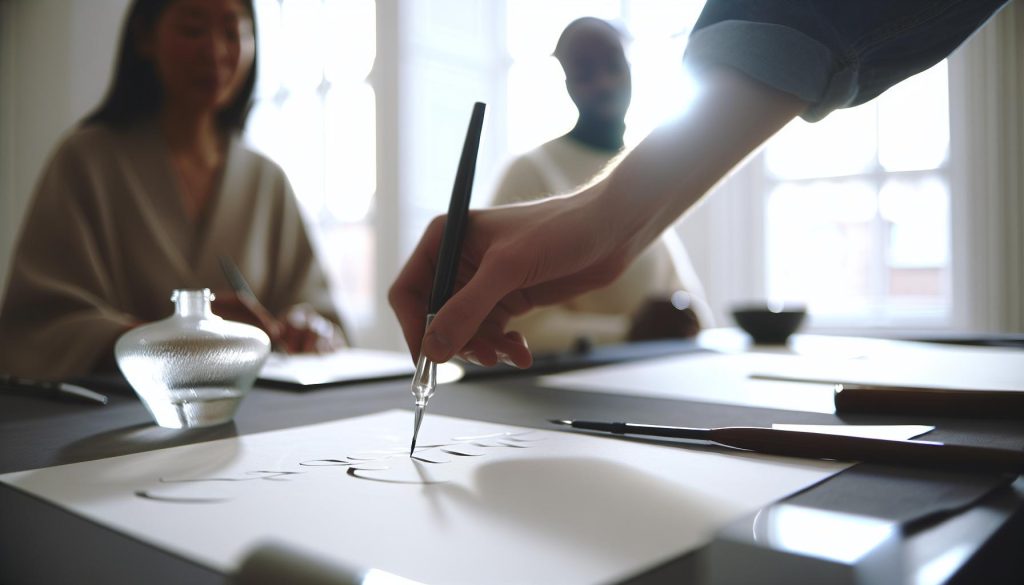
Have you ever watched in awe as someone effortlessly creates beautiful letters with a glass pen? Calligraphy is more than just fancy writing; it’s an art form that can transform ordinary text into visually stunning pieces. In this guide, we’ll explore the mesmerizing techniques of using a glass pen, giving you the skills to express yourself artfully on any page. Whether you’re seeking to enhance your personal notes, create unique gifts, or simply indulge in a relaxing hobby, mastering calligraphy with a glass pen opens up a world of creative possibilities. Ready to unlock your artistic potential? Let’s dive into the enchanting world of calligraphy and turn your writing into a captivating experience.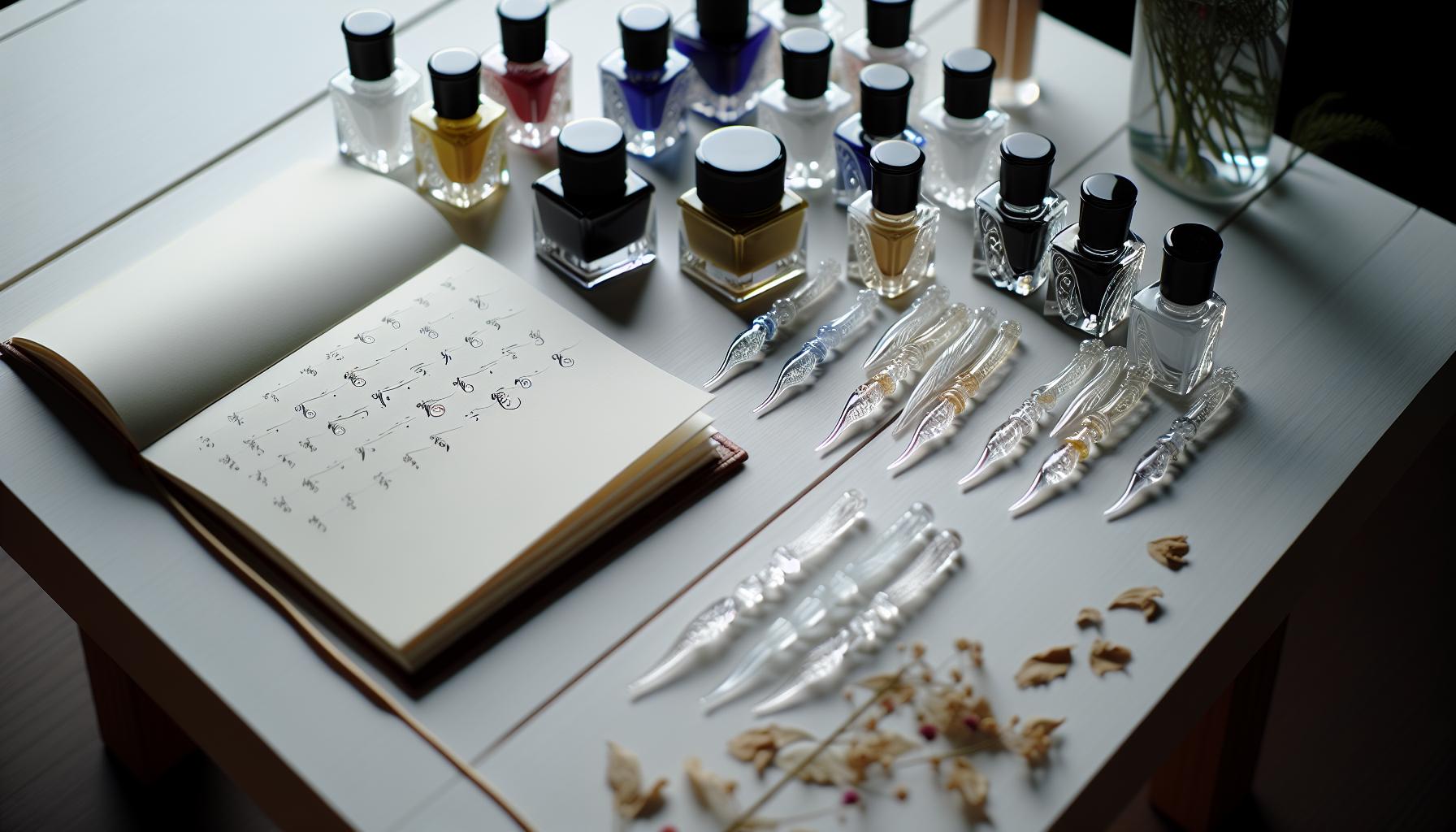
Choosing the Right Glass Pen for Calligraphy Magic
When it comes to crafting mesmerizing calligraphy with a glass pen, the choice of pen can make all the difference. Unlike traditional fountain or dip pens, glass pens offer a unique aesthetic and a different writing experience, resulting in a visually striking style. With their elegant curves and varying nib designs, these pens can elevate your calligraphy but choose wisely to match your artistic needs.
First, consider the nib size. Glass pens typically come with fine, medium, or broad nibs. If you’re just starting, a fine or medium nib is a great choice for classic scripts and detailed lettering. These nibs allow for controlled strokes and precision, essential for beginners mastering the basic techniques. For those more experienced or looking to make a bold statement, broad nibs can create striking lines and are perfect for modern calligraphy styles.
Next, the quality of the glass is crucial. Look for pens made from durable borosilicate glass, which is known for its strength and ability to withstand temperature changes. Cheaper versions may break easily or affect your ink flow. Pay attention to the design as well; some pens feature intricate patterns that can inspire creativity. Remember, a beautiful pen can spark your imagination-it’s not just a tool, but an extension of your artistic expression.
Finally, consider your ink choice. Glass pens work best with fluid inks that flow smoothly, such as calligraphy ink or India ink. You’ll want to experiment to find the ink that suits your style and maintains the character of your work. The right ink, paired with your selected glass pen, can enhance the vibrancy and flow of your calligraphy, making your words pop off the page.
In essence, selecting the right glass pen entails considering nib size, glass quality, design, and compatible ink. Take your time exploring options, and don’t hesitate to try different combinations until you find what feels just right for your artistic journey. Happy writing!
Essential Calligraphy Supplies for Beginners
The enchanting world of calligraphy can seem overwhelming at first, but with the right supplies, you can transform your artistic vision into reality. Starting your journey with a glass pen means you’ll want to gather a few essential items that can enhance your writing experience and set you up for success.
First and foremost, make sure you have a good-quality glass pen. You’ve already learned about selecting the right nib size, so once you’ve picked a pen that suits your style, you’re well on your way. This choice is crucial because a well-balanced pen will not only feel comfortable in your hand but also allow for smoother strokes. Pair your glass pen with intriguing, fluid inks that complement the transparent beauty of glass. Look for inks labeled specifically for calligraphy or drawing; they tend to have the right viscosity for your writing tool.
Next up is your paper choice. Not all paper is created equal, especially when it comes to calligraphy. Opt for smooth, heavyweight papers with minimal texture to ensure your ink glides effortlessly. Practice pads or specially designed calligraphy paper can make a huge difference as they are often bleeds-proof, allowing your work to shine without unsightly smudges.
Finally, consider incorporating accessories that can elevate your practice. A comfortable writing surface, like a slanted pad or a lightweight board, can reduce wrist strain as you work. You might also want to invest in a calligraphy guide or instructional book, which can provide step-by-step techniques and inspire your creativity with various styles and flourishes.
These essentials will not only enhance your calligraphy practice but also make each session enjoyable and fulfilling. You’re not just gathering tools; you’re assembling your own creative arsenal, ready to embark on a beautiful journey of hand-lettered expression. Happy writing!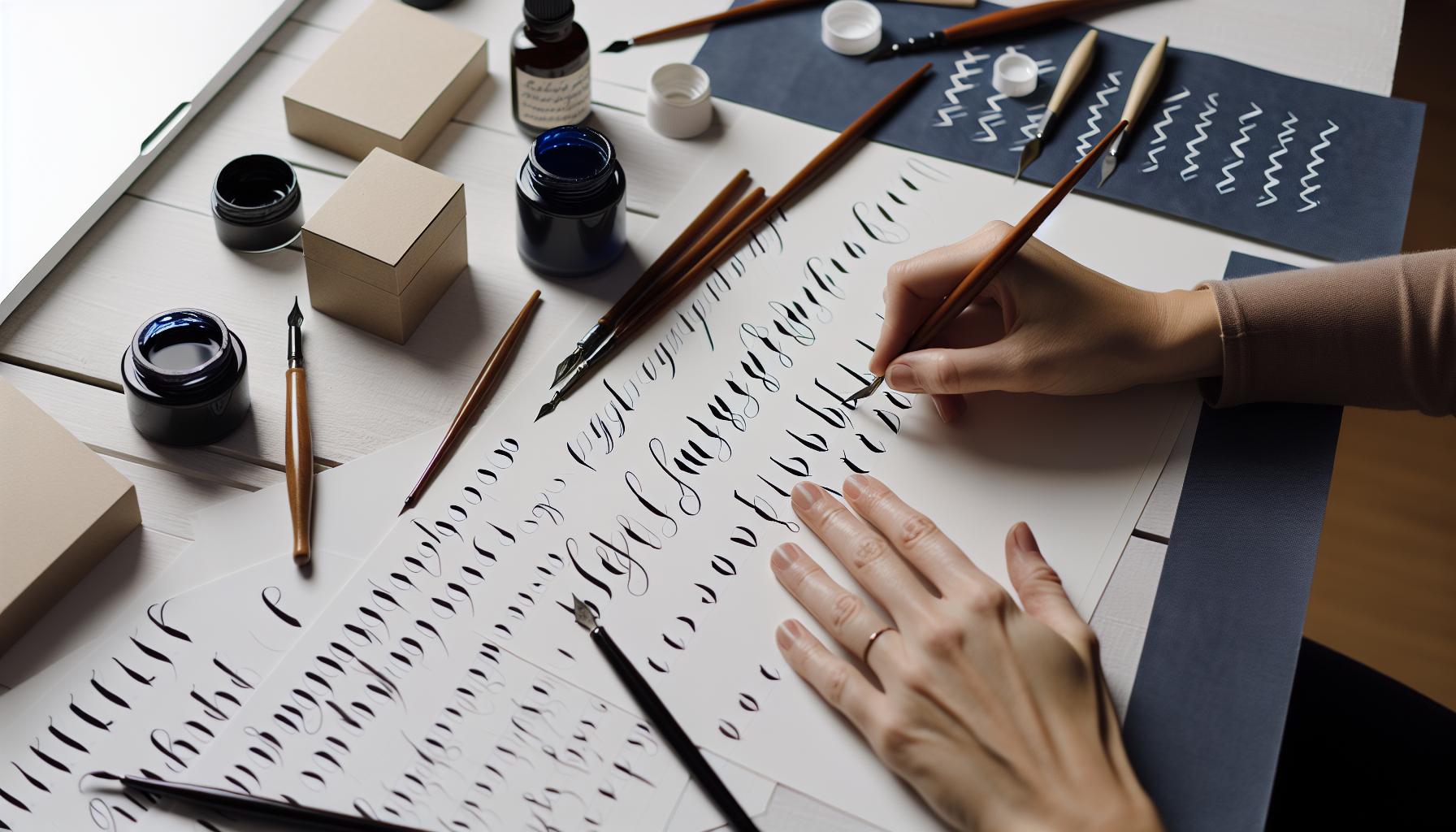
Mastering Basic Calligraphy Strokes and Techniques
The beauty of calligraphy lies in its elegant letterforms, but mastering those forms starts with a solid foundation in basic strokes and techniques. Before you dive into complex lettering styles, you need to feel comfortable with the fundamental movements that will propel your calligraphy practice to new heights. A glass pen, with its unique ability to create varying line thickness, offers an enchanting way to bring your designs to life.
Start with the essential strokes: upstrokes, downstrokes, transitions, and curves. Practice these movements repetitively to build muscle memory. For instance, upstrokes should be light and gentle, almost like you’re caressing the paper. Focus on drawing them slowly to maintain control. In contrast, downstrokes require a firmer grip and slightly more pressure, allowing the glass pen to unleash its full expressive potential. Placing these strokes side by side on your practice sheet helps you visualize and compare the differences in width and pressure.
Breaking Down Basic Movements
- Upstrokes: Start lightly, pulling the pen upwards with minimal pressure.
- Downstrokes: Apply more pressure to create thicker lines, enhancing the visual depth.
- Curves: These are crucial for letters like ‘S’ or ‘C.’ Practice shaping them with smooth, flowing motions.
- Transitions: Pay attention to how strokes connect, creating a seamless flow. This is vital for specific letters and overall composition.
To really harness your glass pen’s capabilities, experiment with varying your ink flow. A richer ink can create even bolder strokes, while lighter inks allow for subtler effects. Maintain a consistent pace and avoid rushing; fluidity comes with practice. Consider setting aside a portion of your practice time specifically for stroke work before you tackle full letters or words.
Lastly, don’t underestimate the power of angle. Tilt your glass pen for varied effects-an angle can dramatically change how strokes appear on paper. Whether you’re aiming for an elegant flourish or a steady line, a slight adjustment can make all the difference. Take the time to explore these basics, and you’ll find that they form the backbone of more elaborate calligraphy projects. Your mastery of these techniques will not only boost your confidence but also inspire creativity in every letter you write. Happy practicing!
Achieving Fluidity: Writing with a Glass Pen
Writing with a glass pen can feel like dancing with your thoughts, where every stroke conveys emotion and intention. To achieve fluidity in your calligraphy, it’s essential to let go of tension and embrace the rhythm of your hand as it glides across the page. One of the first steps is to find your comfortable grip. Try holding the pen lightly, as if it were a fragile brush. This not only relieves pressure but allows for more natural movement, essential for producing those delicate, flowing lines.
As you start practicing, focus on your breathing. Before you write, take a moment to inhale deeply and then exhale slowly. This small ritual calms your nerves and helps you settle into a more relaxed state, which translates into smoother strokes. Remember, fluidity comes from consistency. Create a practice routine where you dedicate time exclusively to writing simple phrases or repeating letters. This repetition builds muscle memory, which is crucial when aiming for that effortless movement across the page.
Experimenting with Speed and Pressure
Fluidity also hinges on how you control your speed and pressure. Try to vary your pace: sometimes slow down to focus on precision, then speed up to find a more natural flow. Pay attention to how fast or slow you move the pen while adjusting the pressure at varying points. A lighter touch during upstrokes can create elegant, airy lines, while applying more pressure on downstrokes adds depth and character. This contrasts encourages a visually appealing balance and enhances the overall quality of your work.
Consider also the ink you’re using. Thinner inks might require a steadier hand and more practice to maintain fluidity, while thicker inks may offer more forgiveness. Urban artists often switch their inks based on the look they want to achieve, so don’t hesitate to explore how different inks interact with your glass pen. The magic happens when you find that sweet spot where ink, pressure, and speed align perfectly, allowing you to create mesmerizing scripts that captivate anyone who lays eyes on your work. As you practice, keep pushing your boundaries-but always remember to have fun along the way!
Tips for Creating Beautiful Calligraphy Flourishes
Creating gorgeous calligraphy flourishes is all about confidence and creativity. When you learn to master the delicate lines and curves of a glass pen, you unlock a whole new world of artistic expression. Flourishes add personality and flair to your work, transforming simple letters into elegant art pieces. The key is practice and a willingness to experiment.
To get started, focus on the motion of your wrist and hand. Keep your grip light; this will allow for the fluid movements necessary for creating intricate loops and swirls. Start with basic strokes, slowly transitioning to more complex designs. Visualize the flourish before you start; picture the line’s path and let your hand follow. It can help to practice on smooth paper that allows the glass pen to glide effortlessly for smoother transitions.
Practice Sustained Lines
One of the best ways to create beautiful flourishes is by practicing sustained lines. Try making long curves and sweeping shapes without lifting your pen from the paper. This exercise helps condition your muscle memory and encourages a natural, effortless flow. Focus on varying the pressure of your strokes; lighter pressure can create thinner lines, while heavier pressure can yield thicker, bolder flourishes.
Additionally, consider incorporating different styles of flourishes into your repertoire. Look at traditional styles such as the *Copperplate* or *Spencerian* scripts. Observe how they utilize flourishes effectively; you can draw inspiration from their elegance to enhance your own writing. A simple way to integrate this is by adding a loop to the descenders of letters like *g* or *y*, or creating elegant swirls around ascenders like *b* and *h*. These subtle enhancements can significantly elevate your work.
Remember, successful calligraphy isn’t just about precision- it’s about expressing your unique artistic voice. So embrace mistakes and use them as an opportunity to innovate. Flourishes should feel joyful and free-flowing, so allow yourself to experiment with different designs, heights, and styles. With patience and practice, you’ll not only improve your flourishes but also develop a distinct calligraphic style that reflects your personality.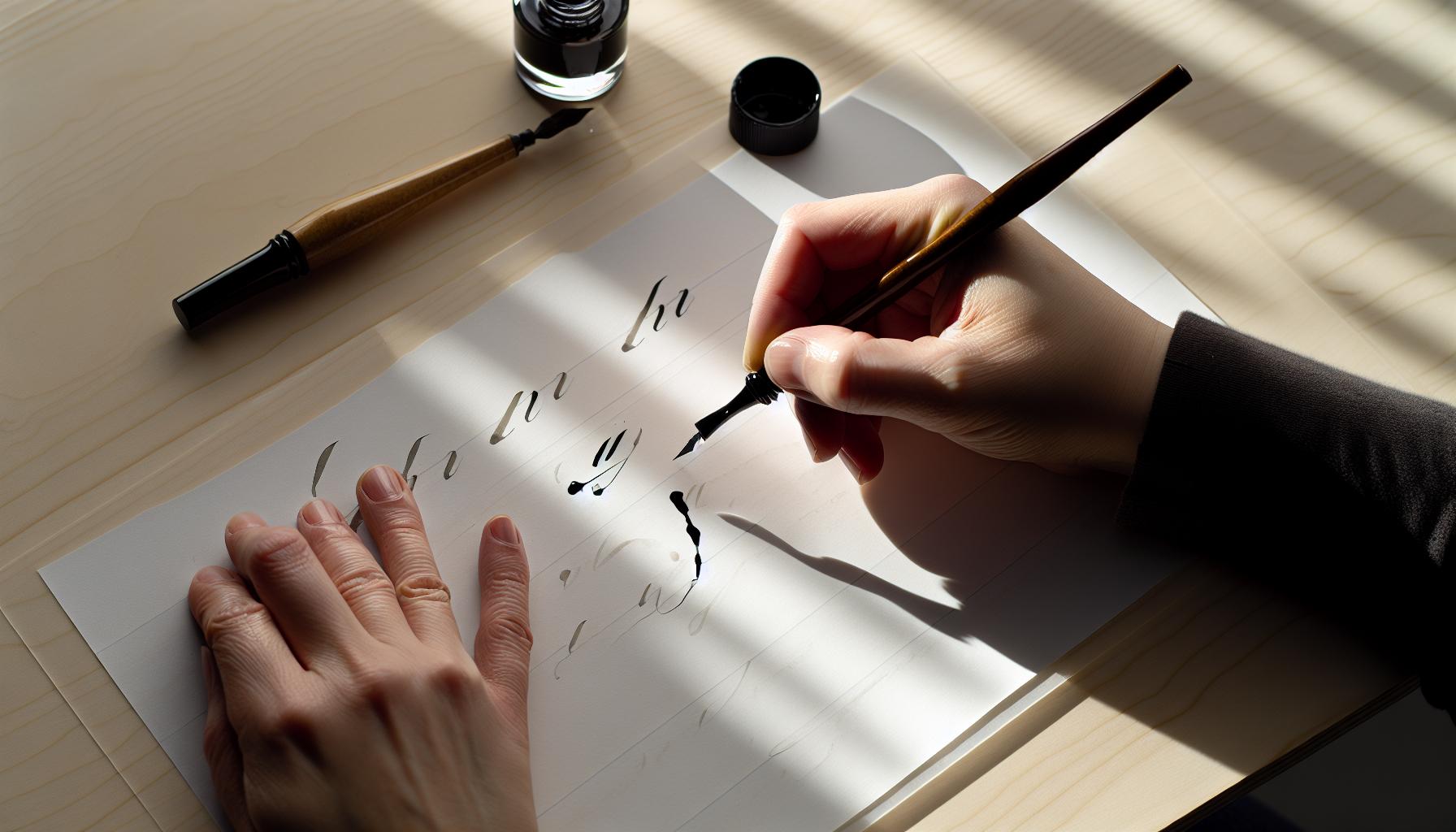
Common Mistakes in Glass Pen Calligraphy and How to Avoid Them
Every calligrapher makes mistakes, especially when starting with a glass pen, but identifying and correcting these slip-ups can significantly enhance your skills. One common issue is applying too much pressure. Many beginners tend to grip the pen tightly, mistakenly believing that more force translates to bolder strokes. In reality, this can lead to uneven lines and even damage the nib. Aim for a light, relaxed grip; let the pen glide over the paper. This subtle shift allows for better control and a more fluid writing experience.
Another frequent pitfall is inconsistent ink flow. Glass pens can sometimes vary in how they deliver ink, especially if they’re not properly filled or cleaned. Ensure your pen is adequately saturated before you start, and remember to clean it regularly to avoid clogging. If you notice skipping or uneven lines, pause and check your ink level or make adjustments to how you’re holding the pen. A consistent ink flow allows for smoother, more uniform strokes.
Additionally, many novice calligraphers forget about the importance of practice surfaces. Using the wrong type of paper can detract from your writing experience. Smooth paper is essential for glass pens as it allows the nib to glide without catching. Rough surfaces can lead to unsightly blotches and a frustrating writing session. Try experimenting with different paper types to find what feels best and delivers the cleanest lines for your style.
Lastly, don’t be afraid to embrace imperfections. Desiring perfection can create a paralyzing fear that leads to hesitation and frustrating creative blocks. Instead, view mistakes as opportunities to learn. Each flaw and inconsistency is a stepping stone toward refining your technique. Celebrate the progress and let your unique handwriting evolve. Remember, calligraphy is about expression, not just precision.
Advanced Techniques: Layering Color and Texture
There’s something truly captivating about layering color and texture in calligraphy that brings your work to life. Using a glass pen, you can combine vibrant hues and nuanced textures to create stunning effects that elevate your writing. This technique isn’t just about aesthetics; it’s a powerful way to express your unique style and enhance the overall impact of your calligraphy.
To begin layering effectively, start with a solid foundation. Choose your primary ink color and fill your glass pen. For a fresh perspective, don’t shy away from experimenting with different ink mediums, such as metallic or even glitter inks. Once you have your base layer down, let it dry completely. Drying time is crucial-if you add layers too soon, you risk smudging and muddying your colors.
Once your base layer is set, it’s time to play with additional shades. Using a different glass pen, try adding shadows or highlights to your letters. This can be accomplished by choosing a slightly darker or lighter color than your base. For instance, if your base is a vibrant blue, consider a light teal or a deep navy for the contouring effects. With each stroke, focus on keeping your pen’s angle consistent to maintain smooth, fluid lines. You might also want to consider a technique called “wet-on-wet,” where you apply a new layer of ink while the previous one is still wet, allowing the colors to blend beautifully for a gradient effect.
Texture can be achieved not just through layering colors but by varying your pressure and speed as you write. Apply lighter pressure for softer strokes and heavier pressure where you want depth. You could also consider using different surfaces or adding materials-like fabric or textured paper-to enhance the tactile quality of your calligraphy.
Ultimately, layering color and texture is about exploration and discovery. Don’t hesitate to practice and try new approaches, and always keep your artistic vision at the forefront. With these techniques, you’ll develop a unique style that brings your glass pen calligraphy to life and captivates your audience. Each piece you create won’t just be a letter; it will be a vibrant expression of your creativity.
Incorporating Design Elements into Your Calligraphy
To truly elevate your calligraphy game, incorporating design elements can transform your pieces from ordinary to extraordinary. Whether you’re adding embellishments to letters or creating themed compositions, understanding how to harmonize your calligraphy with artistic elements will captivate your audience. Beyond just writing, it’s about marrying form with function to create visually striking works.
Start by thinking about the context of your writing. Are you illustrating a quote for a wedding invitation or crafting a personal piece for your home? Consider the mood and essence of the message. For instance, if you’re designing for a romantic occasion, soft flourishes, heart motifs, and gentle colors work beautifully, while a more modern design might benefit from geometric shapes and minimalistic lines. Use an inspiration board to gather ideas for colors, styles, and themes. This visual reference not only sparks creativity but helps maintain consistency throughout your piece.
Combining textures can also add depth. Experiment with backgrounds-think watercolors, textured papers, or even pastel washes. Use these to set the stage for your calligraphy. You might write your text on a watercolor wash, creating a beautiful contrast that enhances readability while adding an artistic touch. Likewise, drawing borders or frames around your writing can tie the elements together, making your entire design feel cohesive.
Don’t forget about flourishing-these stylistic additions can create drama and sophistication. Flourishes can enhance initials, help separate verses, or even unify different sections of text. Practice a variety of styles and find those that resonate with your aesthetic. Over time, as you develop your technique, these flourishes will become an extension of your personal style.
Ultimately, incorporating design elements is about experimentation and confidence. Don’t shy away from mixing techniques or materials. Whether you’re even using different ink colors or adding small embellishments like gems or ribbons, the key is to let your style shine through. Remember, each piece is a reflection of your creativity-design elements are just the icing on the cake.
Maintaining Your Glass Pen for Longevity
To keep your glass pen in top condition, it’s essential to prioritize proper maintenance. A well-cared-for pen not only extends its life but also enhances your writing experience. Regular cleaning and careful handling play crucial roles in maintaining the delicate structure of your pen.
First, always clean your glass pen after each use. Ink residue can clog the nib and affect the flow of ink in subsequent sessions. After you finish writing, fill a small bowl with warm water and dip the nib of the pen into it. Then, gently swirl the pen to help dissolve the ink. You can also use a soft cloth to wipe down the glass to remove any stubborn stains. For a deeper clean, you might consider using a mixture of warm water and a drop of dish soap, ensuring that you rinse it thoroughly afterward to prevent any soap residue from affecting your ink.
Storage is another critical factor in maintaining your pen. Store it vertically in a cushioned case or in a pen holder, ensuring that the nib doesn’t touch any surfaces that could cause damage. Keep it away from direct sunlight and extreme temperatures which can warp or weaken the glass. If possible, consider placing silica gel packets in the storage area to absorb moisture and prevent any potential humidity damage.
Lastly, regular inspection of the pen will help you catch any issues early. Look for tiny cracks or chips, especially around the nib; these can affect performance when writing. If you notice any damage, it’s often best to replace the pen, as trying to use a damaged pen can lead to further degradation.
By taking these steps, you’ll not only prolong the life of your glass pen but also ensure that every stroke you make enriches your calligraphy projects with smoothness and precision.
Showcasing Your Calligraphy: Display and Preservation Ideas
To truly appreciate the artistry of your calligraphy, showcasing your work is just as important as the writing itself. Whether you’re creating a beautiful quote or an intricate design, displaying your calligraphy pieces can elevate them and inspire others. Here are some creative ideas for displaying and preserving your craftsmanship.
Start by considering framing your calligraphy pieces. A well-chosen frame not only protects your work but also enhances its aesthetic appeal. Opt for frames that complement the style and color of your writing-think rustic wooden frames for a vintage feel or sleek metallic ones for a modern touch. Additionally, using matting can add an extra layer of elegance and help your calligraphy stand out.
Another fantastic display option is to create a gallery wall with a collection of your calligraphy works. Arrange different pieces in varying sizes and styles to add interest. You can include quotes that inspire you or even your own creations. Mixing in photographs or other artwork can create a dynamic display that tells your personal story. Consider using washi tape for an informal look, or create a more polished effect with uniform frames.
To preserve your written masterpieces, always remember to use archival-quality materials. This includes paper, ink, and frames that are acid-free to prevent yellowing and fading over time. If you’re working on a piece you want to keep for years, consider using glass that offers UV protection to shield against sunlight and environmental factors.
Don’t forget about digital preservation! Scanning your pieces can help you share them online, whether on social media or your own website. You can even create printed products from your designs, like greeting cards or art prints, which can be sold or gifted to friends and family. This not only showcases your talent but also expands your reach.
Finally, participate in local art shows or craft fairs where you can display your calligraphy alongside other artists. Engaging with the community not only highlights your work but also offers opportunities for feedback and collaboration.
By thoughtfully displaying and preserving your calligraphy, you not only honor your art but also inspire others with your creativity. Each piece tells a story, and with the right presentation, your extraordinary work can shine brightly for all to see.
Finding Inspiration: Calligraphy Projects and Challenges
Finding new inspiration can be a game-changer in your calligraphy journey, especially when wielding the unique charm of a glass pen. The beauty of using a glass pen comes from its ability to produce fluid and mesmerizing strokes, evoking a sense of artistry that inspires creativity. So, where do you find ideas and projects that spark your interest and keep your skills sharp?
Consider starting with themed challenges. These can range from a month-long commitment to write out a favorite poem, to designing personalized greeting cards for upcoming holidays. Not only does this push you to practice regularly, but it also diversifies your experience. You might create a set of motivational quotes for your workspace or craft a beautiful piece to celebrate a friend’s milestone. Group challenges, such as “Inktober” or monthly lettering challenges on social media, can also connect you with other calligraphy enthusiasts, boosting your motivation through community engagement.
Draw from Your Environment
Your surroundings are a treasure trove of inspiration. Nature, cityscapes, art galleries, and even the books you read can ignite ideas. Try taking a walk and jotting down phrases or words that resonate with you. Capture the essence of these interactions by sketching or writing them down to incorporate into your work. Perhaps an uplifting quote you overhear will inspire your next piece. Embrace spontaneous moments; some of the best creations come from unexpected sources.
Explore Online Resources
Online resources offer a wealth of inspiration. Websites, Pinterest boards, and Instagram accounts dedicated to calligraphy can provide endless ideas for projects while showcasing various styles and techniques. Follow artists who resonate with you and immerse yourself in their work. Don’t hesitate to replicate a piece initially-this can help hone your skills before you infuse your own style and flair into future works.
Lastly, don’t underestimate the power of collaborative projects. Join local art groups or online forums that focus on calligraphy. These networks often host contests or exhibitions that challenge your creativity and push you to grow as an artist. Sharing your work and receiving feedback creates a sense of accountability and encouragement, vital for any artist’s development.
Dive into these avenues and watch your calligraphy flourish as you discover new styles and refine your technique. Each stroke with your glass pen can become a brush with inspiration, turning practice into artistic expression.
Celebrating Your Progress: Sharing Calligraphy with the Community
The thrill of sharing your calligraphy journey is like adding the final splash of color to a masterpiece. It’s not just about the art you create; it’s about the connections you make and the joy you experience as you celebrate your progress with others. In the vibrant world of calligraphy, particularly with the mesmerizing capabilities of a glass pen, sharing your work can be incredibly fulfilling and motivating.
One effective way to engage with the community is to showcase your pieces on social media. Platforms like Instagram and Pinterest are perfect for this, allowing you to display the beauty of your glass pen creations while connecting with fellow enthusiasts. You can start a specific hashtag for your work, or participate in ongoing calligraphy challenges. This not only gives your art visibility but also invites constructive feedback and encouragement from others who share your passion. Don’t shy away from sharing your processes too-behind-the-scenes shots of your workspace or time-lapse videos of your writing can spark inspiration and dialogue.
Join Calligraphy Communities
Look for local or online calligraphy groups. These communities often host workshops, tutorials, and critique sessions, offering a platform to share your work and learn from others. Engaging in group challenges can also push you to explore new styles and techniques, keeping your practice fresh. Sites like Reddit or Facebook have groups dedicated to calligraphy where you can share your projects and get insights from more experienced calligraphers.
Celebrate Milestones
Don’t overlook the importance of celebrating personal milestones. Share your progress by posting side-by-side comparisons of your early work and your latest creations. It not only shows how much you’ve improved but can inspire beginners who are just starting their journey. Consider writing about your experiences in a blog or participating in forums where you can discuss your journey, challenges faced, and how you overcame them. Documenting this journey not only solidifies your learning but also provides a resource for others facing similar struggles.
Ultimately, sharing your calligraphy not only acknowledges your hard work but fosters a sense of community. Each piece you post, every interaction you have, adds to the rich tapestry of creativity that defines the calligraphy world. By connecting with others, you cultivate a supportive network that can motivate and inspire you as you continue to refine your craft with that elegant glass pen in hand.
Faq
Q: What types of ink are best for calligraphy with a glass pen?
A: The best inks for glass pen calligraphy are *non-clogging, fluid, and quick-drying*. Consider using *calligraphy-specific inks or alcohol-based inks* that don’t damage the nib. Always test a small amount before starting your project to ensure compatibility.
Q: How do I care for and clean my glass pen after use?
A: To maintain your glass pen, rinse it with water immediately after use to prevent ink buildup. Use a soft cloth to dry it, and occasionally dip the nib in a solution of water and a mild detergent for thorough cleaning. This ensures longevity and performance.
Q: Can I use a glass pen for different calligraphy styles?
A: Yes, a glass pen can be used for various calligraphy styles, including *modern, cursive, and traditional scripts*. Adjust your grip and pressure as needed for each style. Experiment with different strokes and techniques to find what works best for you.
Q: What is the difference between a glass pen and a traditional fountain pen for calligraphy?
A: While both types of pens can be used for calligraphy, a glass pen offers *greater visibility of ink flow* and often has a unique aesthetic. Traditional fountain pens can be easier to use for longer writing sessions due to their ergonomic design. Choose based on your comfort and style preference.
Q: How can I improve my calligraphy skills with a glass pen?
A: To improve your skills, practice regularly, and focus on mastering basic strokes first. Try creating sample alphabets and engaging in *calligraphy challenges* to push your boundaries. Don’t forget to seek feedback from the calligraphy community for tips and encouragement.
Q: Are there any specific techniques for achieving smooth lines with a glass pen?
A: Achieving smooth lines involves *consistent pressure and a steady hand*. Practice slow and controlled strokes, allowing the pen to glide over the paper. Ensure your nib is properly cleaned and inked to avoid skips and inconsistencies in your writing.
Q: What paper is best for calligraphy with a glass pen?
A: The ideal paper for glass pen calligraphy is *smooth and has a good weight*. Look for papers labeled as *calligraphy or fountain pen friendly* to prevent bleeding and feathering. Experiment with different textures to see what enhances your writing style.
Q: How can I add color to my calligraphy using a glass pen?
A: To add color, consider layering different ink colors while writing or using colored inks. You can also practice *watercolor techniques* alongside your glass pen work, allowing the colors to blend for a unique effect. Always test your methods on scrap paper first!
In Summary
Now that you’ve mastered the mesmerizing technique of using a glass pen for calligraphy, it’s time to elevate your skills even further. Remember, practice is key, and varying your strokes can truly enhance your artistic flair. For more tips on perfecting your handwriting or exploring different calligraphy styles, check out our guides on “Essential Tools for Calligraphy” and “Exploring Brush Lettering Techniques” to expand your creative toolkit.
Feeling inspired? Dive deeper into your calligraphy journey by signing up for our newsletter, so you never miss out on new techniques and tools. If you have questions, share your thoughts in the comments-we love hearing from you! Your masterpiece awaits, so grab that glass pen and let your creativity flow. Happy writing!