Have you ever wondered how that elegant flourish of a calligraphy pen can transform simple letters into stunning works of art? Understanding the mechanics of calligraphy pens is essential for anyone looking to delve into this beautiful craft. At its core, a calligraphy pen is designed to create varying stroke widths, enabling you to express your creativity and personality through writing. By grasping the basic principles of how these pens work, you’ll unlock the potential to create gorgeous lettering that captivates and inspires. Whether you’re a beginner eager to enhance your skills or a seasoned writer wanting to refine your technique, this guide will simplify the technicalities behind calligraphy pens and show you how to master their use. Let’s dive in and wonder at the art of calligraphy together!
Understanding the Basics of Calligraphy Pens
Calligraphy pens are fascinating tools that offer a unique blend of artistry and mechanics. At their core, these pens are designed to help you create flowing, beautiful script with a variety of styles, from elegant cursive to bold lettering. will not only enhance your writing experience but also empower you to choose and use these tools effectively.
There are several types of calligraphy pens to choose from, including dip pens, fountain pens, and modern brush pens. Each type has its own set of characteristics and is suited for different styles and techniques. Dip pens, for example, offer flexibility with interchangeable nibs that allow you to create varied line thicknesses. On the other hand, fountain pens combine the convenience of ink cartridges with a touch of luxury, while brush pens are perfect for beginners looking to achieve fluid strokes with less effort.
The nib of a calligraphy pen is where the magic happens. It’s typically shaped to allow ink to flow smoothly, enabling both intricate details and bolder strokes. Most calligraphy pens utilize a built-in ink reservoir, whether it’s through cartridges, converters, or drawing ink from a bottle. Mastering how to hold the pen and apply pressure to create differing thicknesses is crucial. The angle of the nib against the paper affects line quality too; experimenting with angles will help you develop your personal style.
Key Takeaways
- Types of Pens: Dip, fountain, and brush pens each offer unique experiences.
- Nib Function: The nib’s shape determines the flow and style of your writing.
- Technique Matters: Holding the pen correctly and adjusting the nib angle are vital for achieving desired effects.
Equipped with this knowledge, you’ll be better prepared to select the right pen for your needs and start your calligraphy journey with confidence. Each writing session can become a delightful experience as you learn to manipulate the pen and ink to create beautiful art on paper.
The Anatomy of a Calligraphy Pen Explained
A well-crafted calligraphy pen is a blend of artistry and engineering, designed specifically to elevate your writing experience. At its core, understanding the anatomy of a calligraphy pen is crucial for mastering its use. Let’s break down the main components that contribute to its functionality.
The nib is arguably the most critical part of a calligraphy pen. It’s the tip that interacts with the paper and controls the ink flow. Nibs come in various shapes and sizes, each affecting the thickness and style of your strokes. For instance, broad nibs deliver thick, bold lines, while fine nibs provide delicate, intricate details. Beyond shape, the material-often metal or flexible plastic-will influence how much pressure you can apply and the resulting line quality.
Another essential feature is the ink reservoir, which can be a cartridge, converter, or built-in supply system. This component determines how you refill your pen and impacts the pen’s overall usability. Fountain pens often use cartridges for convenience, while dip pens require constant dipping into ink, allowing for seamless transitions between colors or types of ink. Understanding how each system works can be a game-changer in your writing practice.
Lastly, the body of the pen itself plays a significant role in your comfort and control. The grip should feel comfortable in your hand, as it affects your posture and the overall stability during writing. A well-designed pen balances weight and ergonomics to minimize fatigue and promote a fluid writing motion.
Recognizing these components isn’t just about technicality. It enhances your ability to select the right pen for your style and makes the art of calligraphy an enjoyable journey. You’ll find that experimenting with different nibs, reservoirs, and grips can lead to a personal writing style that is both unique and expressive.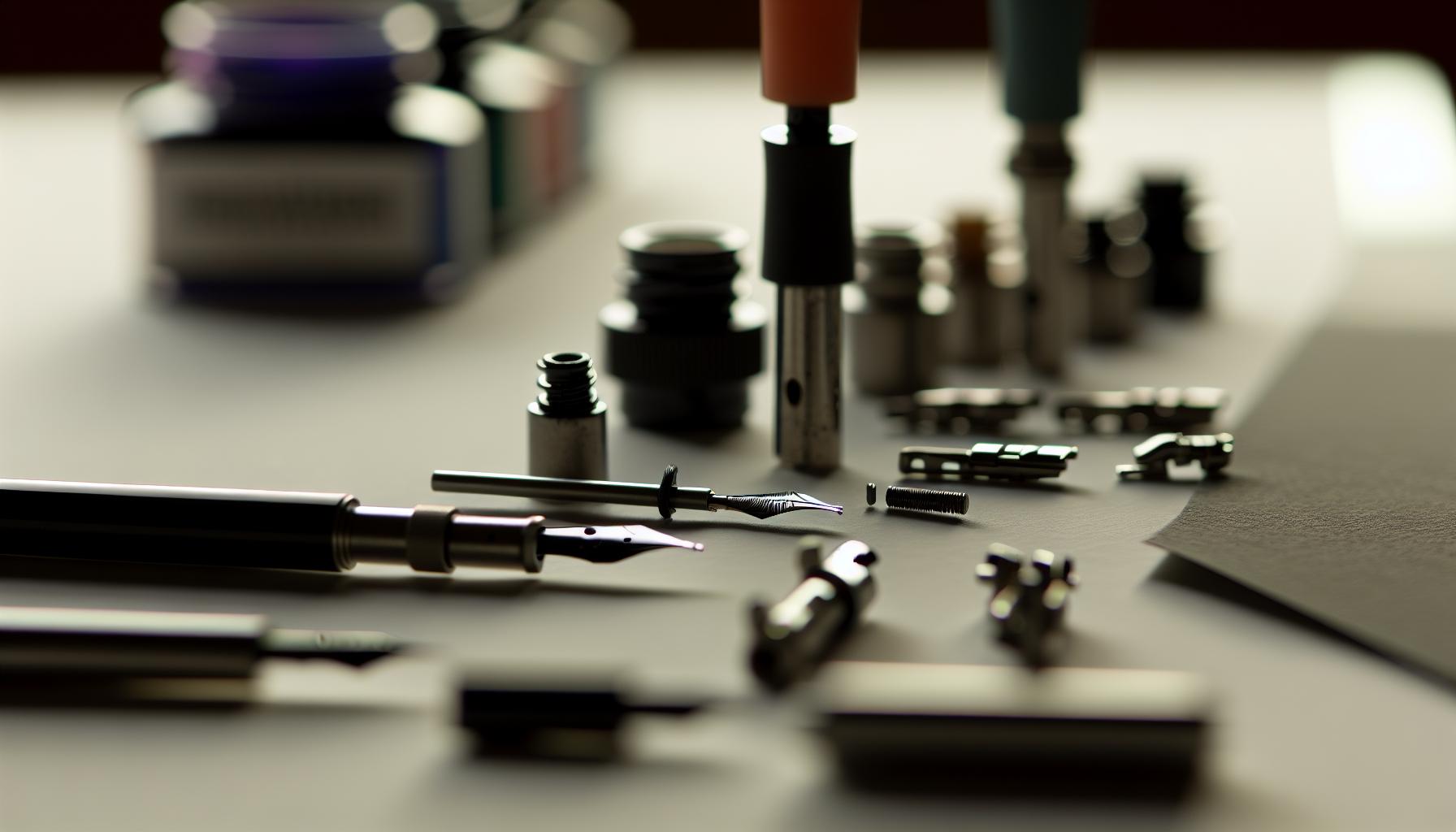
How Ink Flow Mechanisms Work in Calligraphy
Understanding how ink flows in calligraphy pens is crucial for creating beautiful, intentional strokes. The ink flow mechanism is essentially the lifeblood of your writing tool, determining how smoothly you can transfer ink to paper and how responsive your pen feels. This flow is influenced by several factors, including the design of the nib, the type of ink, and the construction of the pen itself.
Each nib type influences ink flow in unique ways. For instance, broad-edged nibs release a significant amount of ink, allowing for expressive thicks and thins in letters, while pointed nibs provide more control and a finer line. The angle at which you hold the pen also alters the flow; tilting the nib differently can either restrict or enhance the amount of ink that makes contact with the paper. A conscious understanding of these dynamics allows you to adjust your technique accordingly, leading to more satisfying results.
The ink’s viscosity plays a substantial role as well. Thicker inks tend to flow more slowly, which can be advantageous for detailed work but may require more consistent pressure to avoid skipping. Conversely, thinner inks can lead to richer saturation but may pose a risk of leakage or oversaturation on the page. Experimenting with different inks can ultimately help you find the right balance for your style, whether you prefer bold lettering or intricate details.
Maintenance is another key aspect of ensuring optimal ink flow. Regular cleaning of your pen is essential, especially for dip pens and fountain pens. Dried ink can clog the nib and disrupt the smoothness of your strokes. Simple routines, like flushing your pen with water after each use or at least once a week, will keep your nibs performing at their best. By understanding and manipulating these elements, you can harness the full potential of your calligraphy pens, allowing your creativity to shine through in every stroke.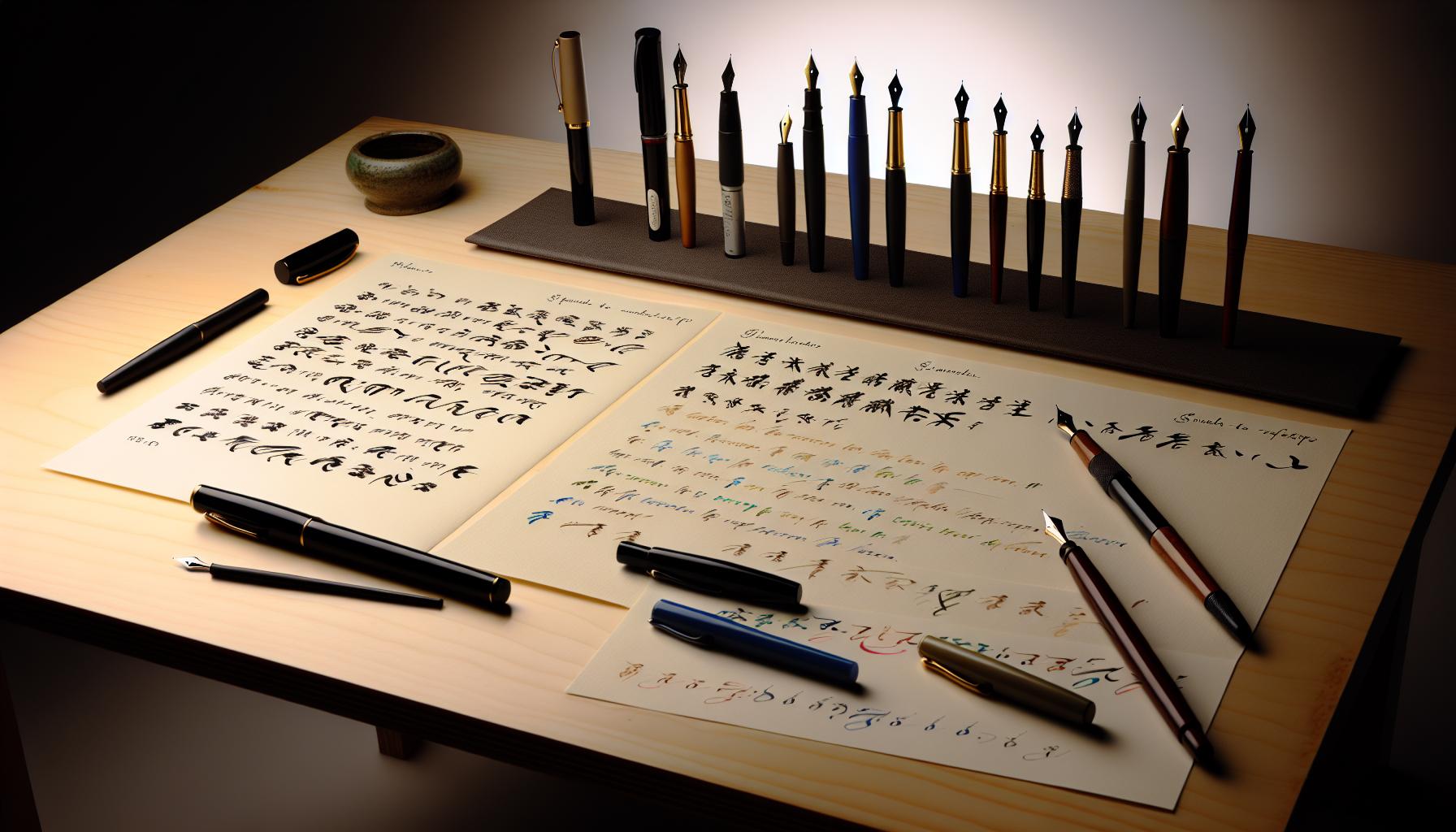
Choosing the Right Calligraphy Pen for Your Needs
Choosing the right calligraphy pen can feel overwhelming, especially with the variety of options available today. But here’s the secret: it ultimately boils down to your specific needs and the style of calligraphy you want to pursue. Whether you’re a beginner or looking to refine your skills, selecting the right tool can significantly enhance your experience.
First, think about the type of nib you want to use. For instance, if you’re drawn to expressive styles with bold strokes, a broad-edged nib is ideal. It allows for dramatic variation between thick and thin lines, perfect for traditional calligraphy. On the other hand, if precision and detail are more your focus-like in modern calligraphy-a pointed nib will give you the control you crave. Each nib brings its unique feel and application, so trying a few can be helpful to discover your preference.
Next, consider the pen’s ink flow mechanism. Some pens come with built-in cartridges, while others may require bottled ink and a converter. If you’re just starting, disposable pens with cartridges might be more convenient, minimizing maintenance hassles. As you grow your skills and understand how different inks behave, you might enjoy experimenting with bottled inks for richer colors and custom choices.
Finally, don’t forget about the grip and overall comfort. A pen that feels good in your hand will encourage longer practice sessions and a more enjoyable journey into calligraphy. Look for pens with ergonomic designs or soft grips, especially if you plan to write for extended periods. The right pen can inspire you to create beautiful works of art, transforming your calligraphy experience.
Ultimately, the best calligraphy pen is one that you connect with-so don’t hesitate to try different types until you find your perfect match.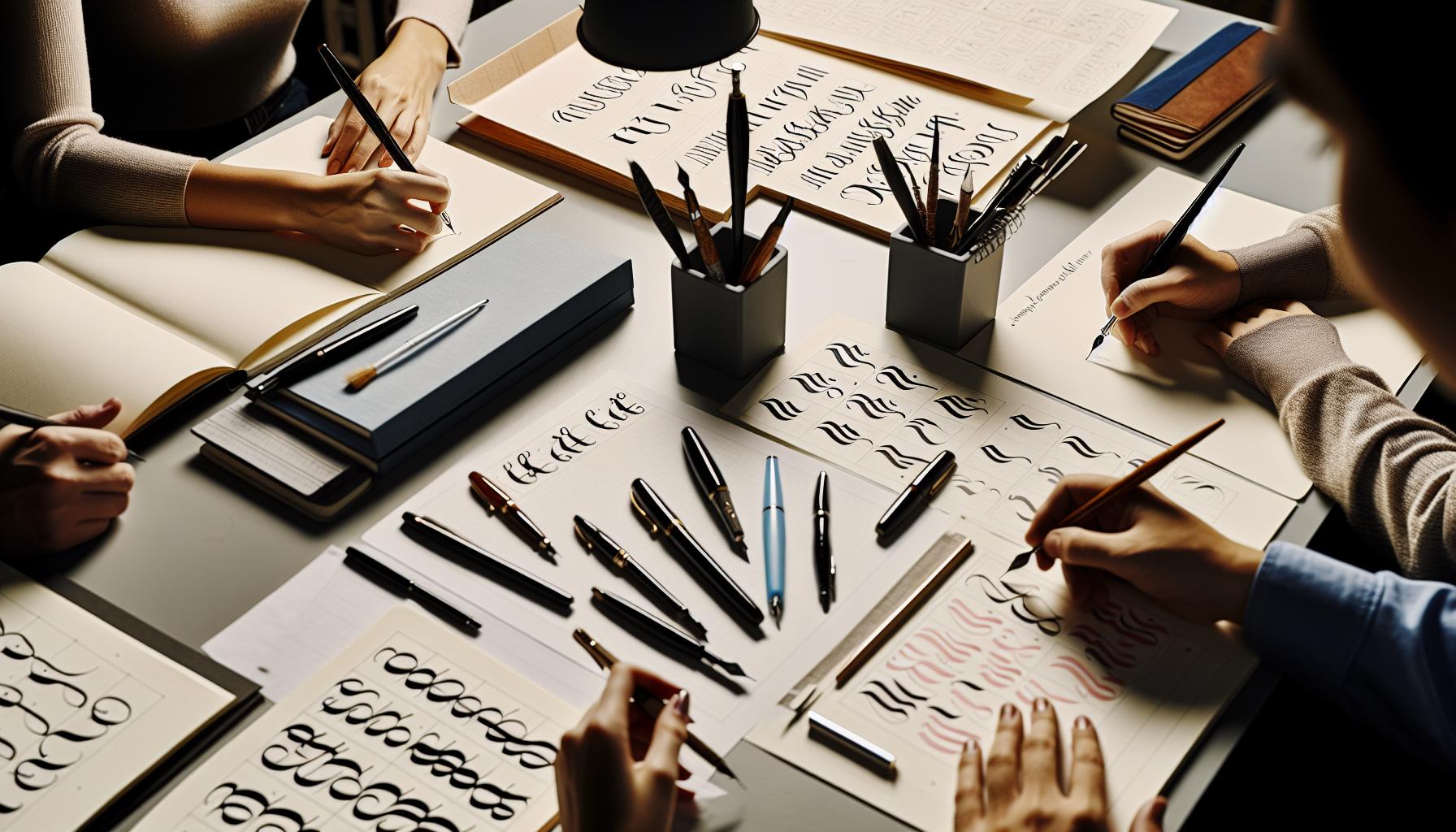
Mastering Different Calligraphy Styles with Pens
To truly master different calligraphy styles, you need to understand how the tool in your hand can influence your art. Each calligraphy pen, whether it sports a broad-edged nib or a fine pointed tip, has its own rhythm and flow that dramatically impacts your writing style. One of the most thrilling aspects of calligraphy is the versatility of styles that emerge simply from changing your pen type and technique.
For instance, broad-edged nibs excel at creating traditional scripts like Copperplate and Italic; these styles thrive on the contrast between thick and thin strokes. When you angle the pen correctly and press down hard for the thick strokes, then lift gently for the thin ones, you’ll see the elegance of these scripts come to life. Experimenting with pressure and angle is key. Try using different nib sizes to see how they affect line weight and overall aesthetic.
In contrast, pointed nibs are perfect for modern calligraphy styles, which often focus more on fluid movements and creative flourishes. These pens allow for precise control, making it easier to incorporate decorative elements into your work. If you’re leaning toward modern styles, consider starting with a flexible nib, which responds to your pressure, allowing for expressive variations in line thickness. A good practice is to create a series of strokes – light, heavy, and everything in between – to develop your muscle memory for more intricate designs.
Lastly, don’t overlook brush pens! They’re becoming increasingly popular for their ability to produce beautiful, varied strokes with just one tool. The brush tips can mimic both the characteristics of broad-edged and pointed nibs, making them versatile for both traditional and contemporary styles. Invest some time in practicing different strokes and letterforms with a brush pen-you may find it opens up a new world of creative expression.
As you explore these styles, keep a sketchbook handy to document your progress and variations. This not only tracks your journey but also sparks new ideas for techniques and projects. Remember, mastering calligraphy is as much about experimentation as it is about practice. Don’t hesitate to mix and match styles and pens; the beautiful thing about calligraphy is that it encourages personal expression, allowing your unique voice to shine through.
Troubleshooting Common Calligraphy Pen Issues
When it comes to calligraphy, nothing is more frustrating than experiencing ink flow issues. These problems can disrupt your creative flow and cause unnecessary stress during your writing sessions. But don’t worry; troubleshooting is part of the calligraphy journey, and with a few simple techniques, you can keep your pen writing smoothly.
First, if your ink isn’t flowing, clean your nib. Newly purchased nibs often come with manufacturing oils that can hinder ink flow. Simply rinse your nib with warm water or wipe it gently with a soft cloth. Make sure to dry it thoroughly before use. Additionally, it’s vital to clean your nib regularly while writing, as nibs can pick up paper fibers that can obstruct the ink flow. A quick dip back into the ink bottle can help loosen any clogs and keep the flow consistent.
Another common issue is air bubbles in the ink. If you notice intermittent writing, it could be that air is trapped inside the ink reservoir. To resolve this, gently tap the nib against your writing surface, which can help release trapped air and improve ink flow. If your ink continuously splatters, check your writing angle; a steep angle can lead to poor control and excess ink flow. Adjust your grip and find a more comfortable angle to achieve a better balance.
Lastly, it’s essential to ensure you’re using the right ink for your nib. Some inks are thicker than others and may not flow as well through finer nibs. If you’re facing persistent issues, consider trying different inks specifically formulated for calligraphy. As you troubleshoot, remember that patience and experimentation are key. Addressing these common issues not only enhances your writing experience but also deepens your connection to this beautiful art form.
Maintaining and Caring for Your Calligraphy Pen
To truly enjoy the art of calligraphy, you need to care for your tools just as much as you develop your skills. Think of your calligraphy pen as an extension of your artistic self-without proper maintenance, the pen’s performance can falter, leaving you frustrated and your work compromised. Regularly caring for your pen not only extends its lifespan but also enhances your writing experience, allowing for smoother strokes and clearer lines.
Start with the basics: cleaning your nib frequently. Over time, inks and paper fibers can build up, clogging the nib and disrupting ink flow. A simple rinse under warm water will do wonders, especially for newly purchased nibs that might still have manufacturing oils. Just be gentle and make sure to dry it thoroughly afterward. For deeper cleanings, consider using a soft cloth or a pipette to flush water through the nib. This simple ritual can make a significant difference in performance.
Proper storage is equally important. Always store your calligraphy pen upright to prevent ink from pooling at the nib and drying out. If you’re using a fountain pen, keep the cap on when not in use, as exposure to air can dry the ink inside, leading to clogs. And avoid leaving your pen filled with ink for extended periods. If you know you won’t use it for a while, consider cleaning it out to prevent any old ink residue from affecting your next session.
Lastly, pay attention to your ink choice. Some pens work better with specific inks, and using the wrong type can cause flow issues or damage your nib. If you notice persistent problems that a good cleaning doesn’t fix, it might be time to switch to a more suitable ink. Experimentation can lead to a more enjoyable calligraphy experience, allowing your artistry to shine through without interruptions. Taking these simple steps ensures your writing tools remain in peak condition, ready for your next creative endeavor.
Exploring Materials Used in Calligraphy Pens
When it comes to mastering calligraphy, understanding the materials used in your pens can make all the difference. Each component contributes to how the pen feels in your hand, how it interacts with your chosen ink, and ultimately, how your work turns out. The right materials can elevate your writing experience, allowing for the precision and flair that makes calligraphy such an art form.
First, let’s talk about nibs. Nibs come in a variety of materials, ranging from stainless steel to bronze and even gold. Stainless steel is often the go-to due to its durability and affordability, making it an excellent choice for beginners. It’s hard-wearing and easy to clean, which suits those still refining their technique. Bronze and gold nibs, while pricier, offer a different feel and flexibility that can enhance the quality of your strokes, providing a smoother writing experience and the ability to create beautiful line variation.
The pen body is just as crucial. Wood, resin, and plastic are common materials. Wood provides a classic aesthetic and a warm feel, while resin offers vibrant colors and smoother finishes. Plastic is typically lightweight and durable, great for practical everyday use. The material you choose can influence not just the appearance of your tool, but how it balances in your hand throughout lengthy writing sessions.
Ink is another decisive factor. The composition can greatly affect flow and color vibrancy. You might choose between traditional dye-based inks or modern pigments. Dye-based inks are often more saturated, but they can be prone to feathering on porous papers. On the other hand, pigmented inks provide richer hues and better permanence, making them ideal for archival purposes. Understanding these nuances helps in pairing the right ink with your pen, therefore enhancing performance and reducing frustrating flow issues.
In conclusion, investing time into understanding the materials in your calligraphy pen not only informs better purchasing decisions but also enriches your writing journey. Whether you’re trying out a bright acrylic pen or a luxurious gold-nibbed masterpiece, each choice shapes your technique and reveals new possibilities in the art of calligraphy.
Comparing Traditional vs. Modern Calligraphy Pens
When stepping into the world of calligraphy, one of the most intriguing aspects is the stark contrast between traditional and modern calligraphy pens. This distinction not only influences your writing style but also how you feel about the entire calligraphic process. Traditional pens, like dip pens, often feature a flexible nib that requires you to dip them into ink frequently. This allows for beautiful line variations and a tactile connection with the ink, which many calligraphers cherish. You’ll typically find these pens constructed with materials like wood or metal, embodying the rich history of calligraphy.
On the flip side, modern calligraphy pens, such as brush pens or fountain pens, offer convenience and consistency. Brush pens, for example, are fantastic for quick, flowing strokes and require far less setup than their traditional counterparts. They come with built-in ink supplies, which makes them ideal for travel or casual practice. Fountain pens, meanwhile, often combine the best of both worlds-smooth flow from a cartridge system with the ability to use a variety of inks.
Choosing Between Styles
Consider your needs. If you’re seeking precision and historical authenticity, traditional pens are your go-to for complex scripts. However, if you’re leaning towards modern styles that emphasize fluidity and speed, modern pens might be your best bet. Many beginners start with modern tools to build confidence before transitioning to the intricacies of traditional pens.
Ultimately, the choice between traditional and modern calligraphy pens is as personal as your own writing style. Each tool offers unique benefits. Try experimenting with both to discover what resonates with your artistic voice and enhances your calligraphy experience.
Tips for Beginners: Developing Calligraphy Skills
When you first pick up a calligraphy pen, it’s like opening a door to a new way of expressing yourself. But mastering this art isn’t just about making pretty letters. It requires understanding your tools and practicing with intention. Here are some tips to help you develop those essential calligraphy skills.
First, start with quality materials. The right paper and pen can significantly enhance your experience. Choose a smooth paper that can handle ink well, preventing feathering and bleeding. As for pens, a medium-flex nib is a great starting point because it provides the balance of control and variation you need as a beginner. It allows you to experiment with different pressures to create thick downstrokes and thin upstrokes, which are foundational in calligraphy.
Next, embrace the basics of strokes and practice. Before you dive into writing full letters, spend some time practicing simple strokes-upstrokes, downstrokes, loops. This foundational practice will help develop muscle memory and improve your overall control. Use guidelines to keep your letters consistent in size and shape. Lightly sketching pencil lines can help you maintain a balanced appearance, or you could utilize printable practice sheets available online.
Finally, be patient with yourself. It’s easy to get frustrated when things don’t flow perfectly, but remember that every master was once a beginner. Set aside regular practice time, and don’t be afraid to make mistakes. Each attempt brings you closer to your goal. Share your progress with a supportive community, whether online or in-person; feedback can be invaluable. Explore tutorials, join workshops, or learn from seasoned calligraphers to keep your journey lively and engaging. Enjoy the process, and let your style flourish as you grow in confidence and skill. The most important part is to celebrate your growth along the way!
Inspiration: Calligraphy Projects to Try
Looking for creative ideas to kickstart your calligraphy journey? There’s a world of projects you can dive into that not only hone your skills but also spark your imagination. From decorative events to everyday items, the possibilities are endless when wielding a calligraphy pen.
One inspiring project is creating personalized greeting cards. Whether it’s for birthdays, weddings, or holidays, hand-lettering your messages adds a unique touch. Experiment with different styles for each card. For instance, use elegant cursive for formal occasions or playful brush lettering for casual ones. Not only does this practice give you a chance to refine your technique, but it also allows you to create beautiful keepsakes that friends and family will cherish.
Another fun idea is to design custom wall art. Choose motivational quotes or meaningful phrases, and let your penmanship shine. You can practice different layouts and combinations of styles, and once you find a design you love, frame it as a piece of art for your home or office. This not only elevates your space but also serves as a reminder of your growth as a calligrapher.
If you’re looking for a community project, consider creating a collaborative piece with fellow calligraphy enthusiasts. This could be a large scroll where each participant contributes their unique style. It’s a fantastic way to share techniques, get inspired by different approaches, and build camaraderie while producing something beautiful together.
Finally, don’t forget about everyday practical applications like labeling jars or creating place cards for dinner parties. These small projects are not just functional; they also showcase your skills and add elegance to any setting. Investing time in these creative efforts will not only make your calligraphy more versatile but will also keep your practice enjoyable.
With each project, you’ll find your unique voice and develop your style, making your calligraphy journey both productive and fulfilling.
How Calligraphy Pens Influence Your Writing Experience
When you pick up a calligraphy pen, you’re not just choosing a tool-you’re influencing the entire writing experience. The type of pen you use can completely transform how your letters flow on the page. Calligraphy pens, whether they are broad-edged, pointed, or brush pens, each offer a different tactile experience that can enhance or hinder your creativity.
Broad-edged pens allow for strong, sweeping strokes that create bold letters with distinct flourishes. They’re perfect for traditional styles like Gothic or Italic. On the other hand, pointed nib pens provide a delicate touch, allowing for fine lines and intricate detailing essential for scripts like Copperplate or modern calligraphy. If you prefer a more casual approach, brush pens can mimic the fluid motion of a paintbrush, letting you blend colors and create softer, more organic styles. Each pen brings its own personality and style to your writing, making it essential to choose one that resonates with your artistic vision.
The ink flow mechanism also plays a crucial role in how your pen feels in your hand. Pens with a consistent ink flow will give you smoother, uninterrupted lines, making it easier to maintain control and precision. If you’re working with a dip pen, the way the nib dips into the ink can either inspire confidence or lead to frustration. With some practice, you’ll learn to adjust your pressure and angle, mastering the nuances of each pen and discovering how it matches your writing style.
Ultimately, the calligraphy pen you choose will shape not just the aesthetics of your work but also your overall experience as a calligrapher. It’s about finding the perfect match between the tool and your creative voice. As you explore different pens and styles, remember that the journey is just as important as the end result-each stroke is a step toward your own unique expression.
Frequently Asked Questions
Q: How does a calligraphy pen create different line widths?
A: A calligraphy pen creates varied line widths through its nib design. Nibs with a broader tipping can lay down thicker lines, while finer tips produce thinner strokes. Adjusting the angle and pressure applied while writing also affects line width, allowing for expressive, artistic lettering.
Q: What types of ink work best with calligraphy pens?
A: Pigment-based inks and fountain pen inks are ideal for calligraphy, as they flow smoothly and dry quickly. Avoid using India ink in fountain pens, as it can clog them. Always test inks on paper before using them in your projects for optimal results.
Q: Why is the nib material important in calligraphy pens?
A: The material of the nib, which can be stainless steel or gold, impacts flexibility and durability. Gold nibs offer greater flexibility and a unique feel, while stainless steel is more rigid and economical. Choose based on your style preference and writing technique.
Q: How do you clean and maintain a calligraphy pen?
A: Cleaning a calligraphy pen involves flushing the nib and feed with lukewarm water after each use to prevent drying ink buildup. For deeper cleanings, soak the nib in water or run it with a cleaning solution occasionally. Regular maintenance ensures a longer lifespan and better performance.
Q: Can you use calligraphy pens with watercolor paper?
A: Yes, calligraphy pens can be used on watercolor paper, but make sure your ink is waterproof if you plan to add watercolors later. The texture of watercolor paper may cause some nibs to catch, so adjust your writing technique accordingly.
Q: What is the best way to choose a calligraphy pen for beginners?
A: Beginners should choose a starter calligraphy pen that feels comfortable in their hand and suits their writing style. A straight pen with a flexible nib, such as a Nikko G nib, paired with a suitable ink will help you practice essential techniques effectively.
Q: How does the angle of the nib affect calligraphy strokes?
A: The angle at which you hold the nib significantly influences the appearance of your strokes. A more upright angle produces thinner lines, while a flatter angle results in thicker strokes. Experimenting with angles helps develop your unique calligraphy style.
Q: Why is practicing on different papers important in calligraphy?
A: Practicing on various types of paper helps understand how ink flows and how different surfaces influence your writing. Some papers absorb ink differently, affecting line quality. Experimenting ensures you find your preferred paper for various projects.
Final Thoughts
Now that you’ve uncovered how a calligraphy pen works, it’s time to apply your newfound knowledge and unleash your creativity! Whether you’re crafting elegant invitations or exploring modern calligraphy styles, selecting the right pen can make all the difference. Don’t leave your artistry on the table-check out our guide to the best calligraphy pens to find the perfect match for your projects, or dive into our in-depth tutorial on mastering calligraphy techniques.
Still hesitant about where to start? You can easily navigate through our collection to discover various nib sizes and styles that cater to your unique artistic flair. Join our community of calligraphy enthusiasts and don’t hesitate to leave a comment sharing your experiences or questions. Ready to take your skills further? Sign up for our newsletter to receive tips, tricks, and exclusive offers straight to your inbox.
Your journey into the world of calligraphy is just beginning-don’t miss out on the opportunity to enhance your skills and create stunning works of art!