
Are you ready to dive into the elegant world of calligraphy? Setting up a Manuscript calligraphy pen is not just about the tools; it’s about unlocking your creative potential. Whether you’re looking to enhance your writing for special occasions or explore a new art form, understanding how to properly assemble your pen is crucial. It’s easy to feel overwhelmed by the various components, but fear not. This guide will simplify the process, ensuring you can confidently create stunning lettering in no time. Let’s transform your blank pages into beautiful works of art, one stroke at a time!
Choosing the Right Manuscript Calligraphy Pen for Beginners
When venturing into the captivating world of manuscript calligraphy, selecting the right pen can make all the difference in your journey. A quality manuscript calligraphy pen, typically featuring a broad-edged nib, allows you to create stunning variations in line thickness, crucial for achieving that elegant script. Beginners often benefit most from a pen that combines ease of use with versatility. A wooden pen holder, often found in beginner sets, offers a sturdy grip and allows for better control as you explore different writing styles.
Look for starter kits that include a variety of nibs and ink-these provide the flexibility to experiment with different line weights and styles without requiring multiple purchases. Brands such as Speedball and Manuscript offer comprehensive starter kits that cater to novices, equipping you with the essential tools to start practicing immediately. Additionally, keep an eye out for nibs that are compatible with interchangeable holders, as this can save you money in the long term and allow for a personalized touch to your tools.
Your choice of pen should also reflect your comfort and handwriting style. Don’t hesitate to try out different options at art stores or workshops to find the nib width that feels best in your hand. Some beginners may prefer a medium-broad nib for its balance of control and elegance, while others may gravitate towards a broader nib for more dramatic flourishes. Remember, the right manuscript pen isn’t just a tool; it’s the gateway to expressing your creativity.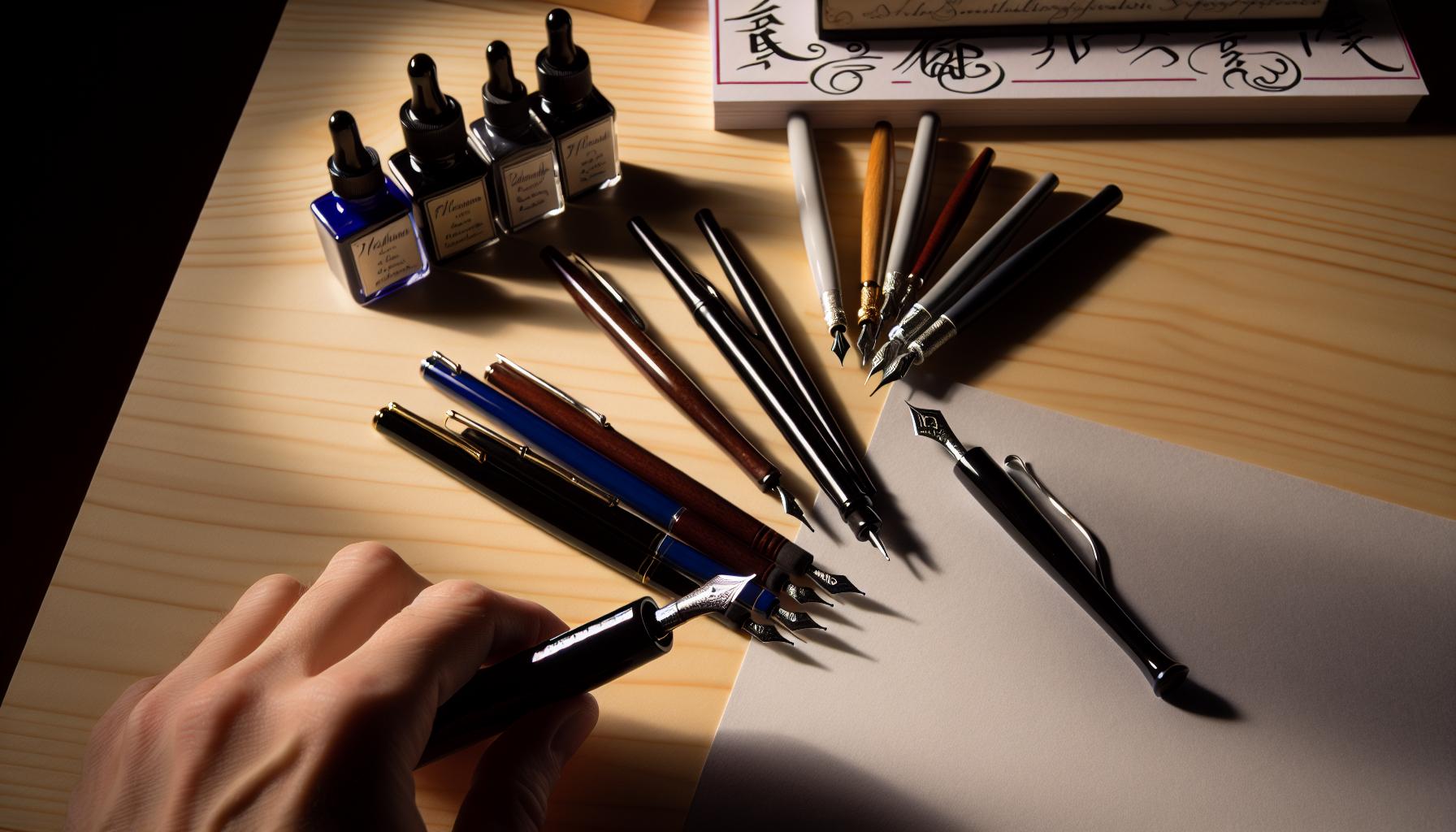
Essential Supplies for Your Calligraphy Setup
When diving into manuscript calligraphy, having the right supplies can set you up for success. While the pen is certainly crucial, it’s not the only tool you’ll need. A well-rounded setup enhances your experience and allows you to focus on mastering the art form. Here’s what you should consider for a complete calligraphy kit.
Start with the pen holder. A comfortable holder is essential for extended writing sessions. Look for holders that fit nicely in your hand and allow for a natural grip. Wooden holders are popular among beginners for their sturdiness and control. Pair your holder with a selection of nibs. Different widths can give you diverse line effects; a medium-broad nib is great for starters, but don’t hesitate to try broader ones as you grow comfortable.
Next up is your choice of ink. Opt for quality calligraphy ink, which often comes in bottles. This ink flows smoothly and dries well, preventing smudging. You’ll also need paper specifically designed for calligraphy. It should have a smooth finish to support the pen’s movement without snagging. Papers with a higher weight and absorbency will prevent bleed-through, making your writing crisp and clear.
Lastly, don’t underestimate the value of cleaning supplies. Keeping your nibs clean will prolong their life and ensure optimal performance. A simple cleaning cloth and some warm water should suffice for basic maintenance. If you’re keen on experimenting, consider incorporating starter kits that bundle these essentials, allowing you to get started without overwhelming choices. With the right supplies, you’ll be well on your way to elegant manuscript calligraphy in no time.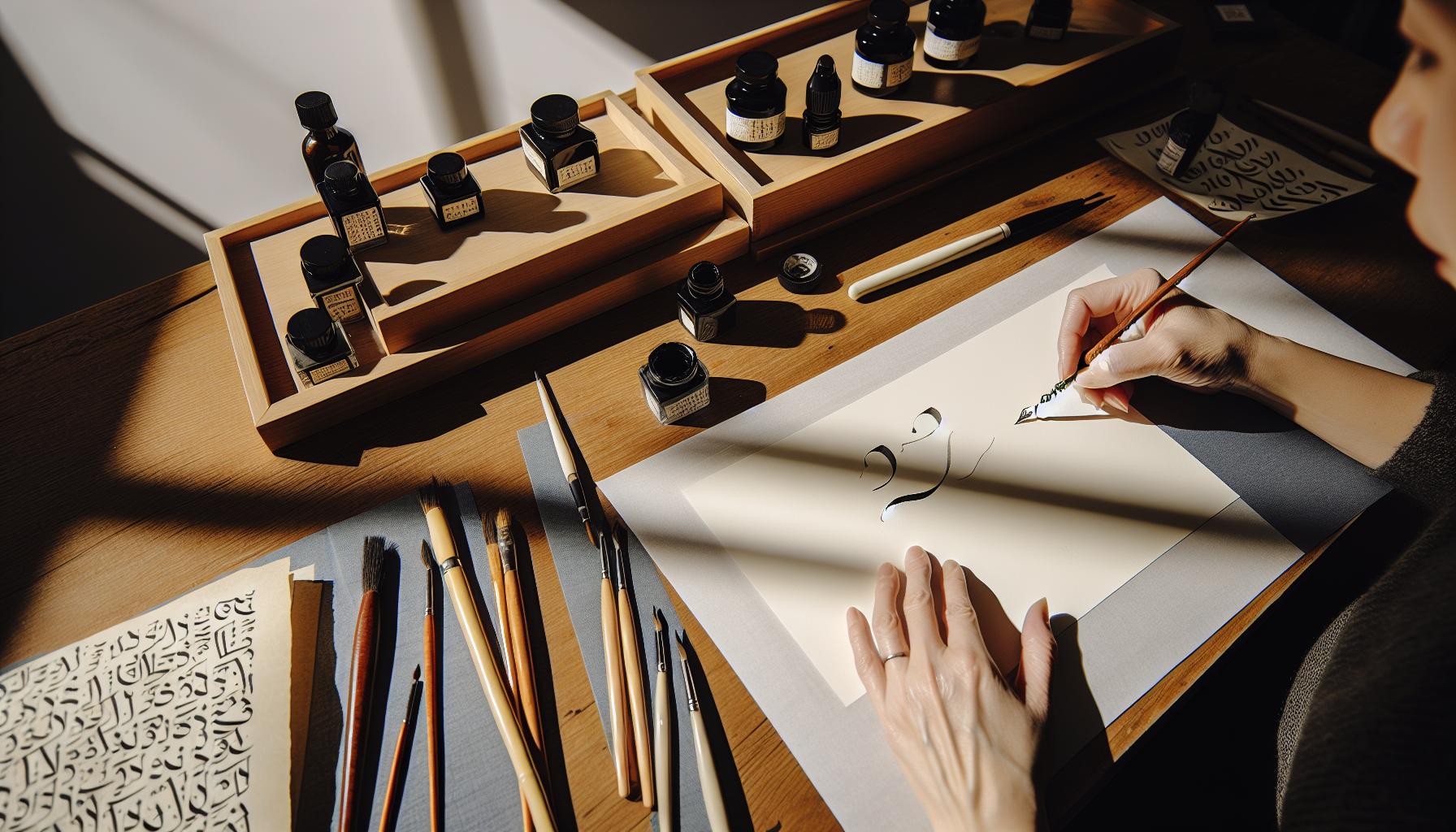
Step-by-Step: Preparing Your Manuscript Pen
To get started with manuscript calligraphy, it’s essential to know how to prepare your pen correctly. A well-prepared pen not only enhances your writing experience but also prevents frustrations that can arise from a poorly set-up tool. Here’s a step-by-step guide to ensure your manuscript pen is ready for action.
First, let’s start with the nib. If you’re using a dip pen, choose the nib that best suits your style and the effect you want to achieve. For beginners, a medium-broad nib is often ideal as it allows for varied line thickness while remaining manageable. Once you’ve chosen your nib, carefully attach it to the pen holder. Make sure it’s securely fastened; a wobbly nib can lead to inconsistent lines. Tip: If you’re unsure about the fit, consult the specifications or guides provided with your pen set.
Next, it’s time to prepare the ink. Depending on the type of ink you’re using-whether bottled or cartridge-follow specific instructions for filling the reservoir. For bottled ink, dip the nib into the ink, ensuring that the ink covers the nib’s slit but doesn’t overflow. Wipe any excess from the sides gently on the edge of the ink bottle, preventing drips that can stain your paper. If you’re using a cartridge, simply insert it into the pen holder according to the manufacturer’s guidelines.
Before you start writing, practice a few strokes on scrap paper. This will help you gauge the flow of ink and the nib’s responsiveness, allowing you to adjust your grip or technique as needed. If the ink flows too quickly or not at all, you can refine your technique by varying the amount of pressure you apply or ensuring the nib is clean and free from dried ink. Remember, preparation leads to prevention, and a minute spent testing your pen can save you a lot of heartache later.
Finally, keep your workspace organized. A clutter-free environment will help you focus and enjoy the meditative aspects of calligraphy. Have your paper set up to absorb any spills, tissues for corrections, and a cleaning station ready for when you need to swap nibs or clean ink. This preparation not only ensures your writing stays smooth but also cultivates a pleasurable creative space.
By following these steps, you’ll set yourself up for a fantastic start in manuscript calligraphy, allowing the beauty of your handwriting to shine through.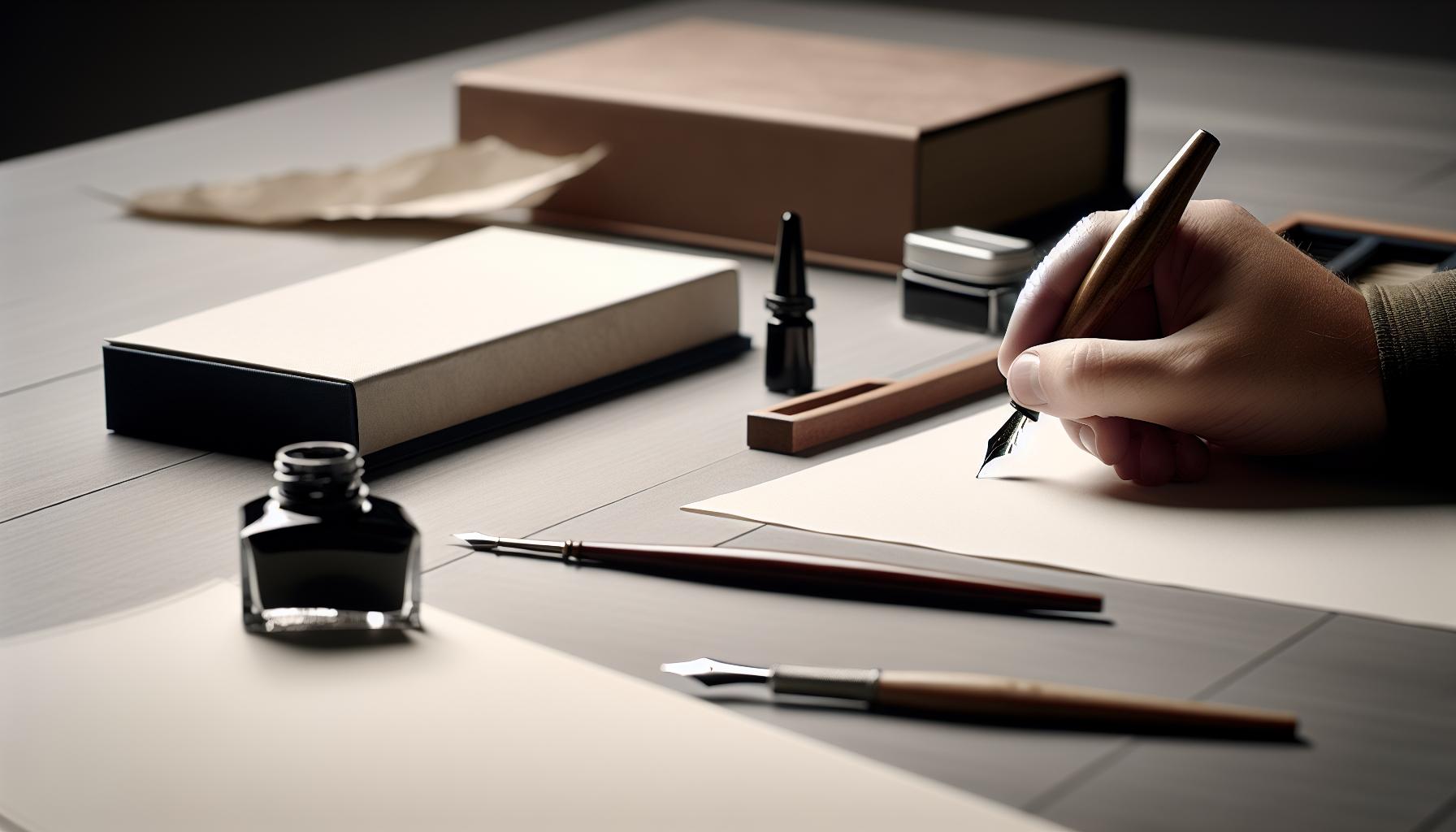
Mastering Ink Selection: What You Need to Know
Choosing the right ink is crucial for your calligraphy journey; it can make or break your experience. The beauty of calligraphy lies not just in the technique but also in the materials you use. With so many options available, understanding the types of ink can be overwhelming, especially for beginners. The right ink enhances your pen’s flow and creates the desired vibrancy in your writing.
First, consider the type of ink. There are generally two main categories: water-based and pigment-based inks. Water-based inks are easier to clean and offer a variety of beautiful colors, making them a fantastic choice for beginners. They flow smoothly and are great for practice. However, they tend to bleed through thinner paper, so keep that in mind when choosing your writing surface. On the other hand, pigment-based inks are more durable and often resistant to fading, making them ideal for artworks you want to last. They may require more effort to clean, but the payoff in longevity and vibrancy can be worth it.
When selecting ink, also think about its viscosity. Thinner inks work well for fine nibs, providing a consistent flow, while thicker inks can produce richer, bolder lines, perfect for decorative scripts. You might find it helpful to test different inks to see how each interacts with your chosen nib and paper. So grab some scrap paper and experiment a little-it’s a fun part of the process!
Lastly, don’t underestimate the importance of color. For beginners, a classic black ink is a safe choice. It provides a striking contrast on most papers and works effectively across different styles. However, as you gain confidence, consider exploring colored inks. They can add a unique touch to your work, allowing your personality to shine through. Remember, there’s no right or wrong choice in ink selection; it’s all about finding what works best for you and what inspires your creativity.
By mastering your ink selection, you’re setting yourself up for a smoother, more enjoyable calligraphy experience, letting your creativity flow freely.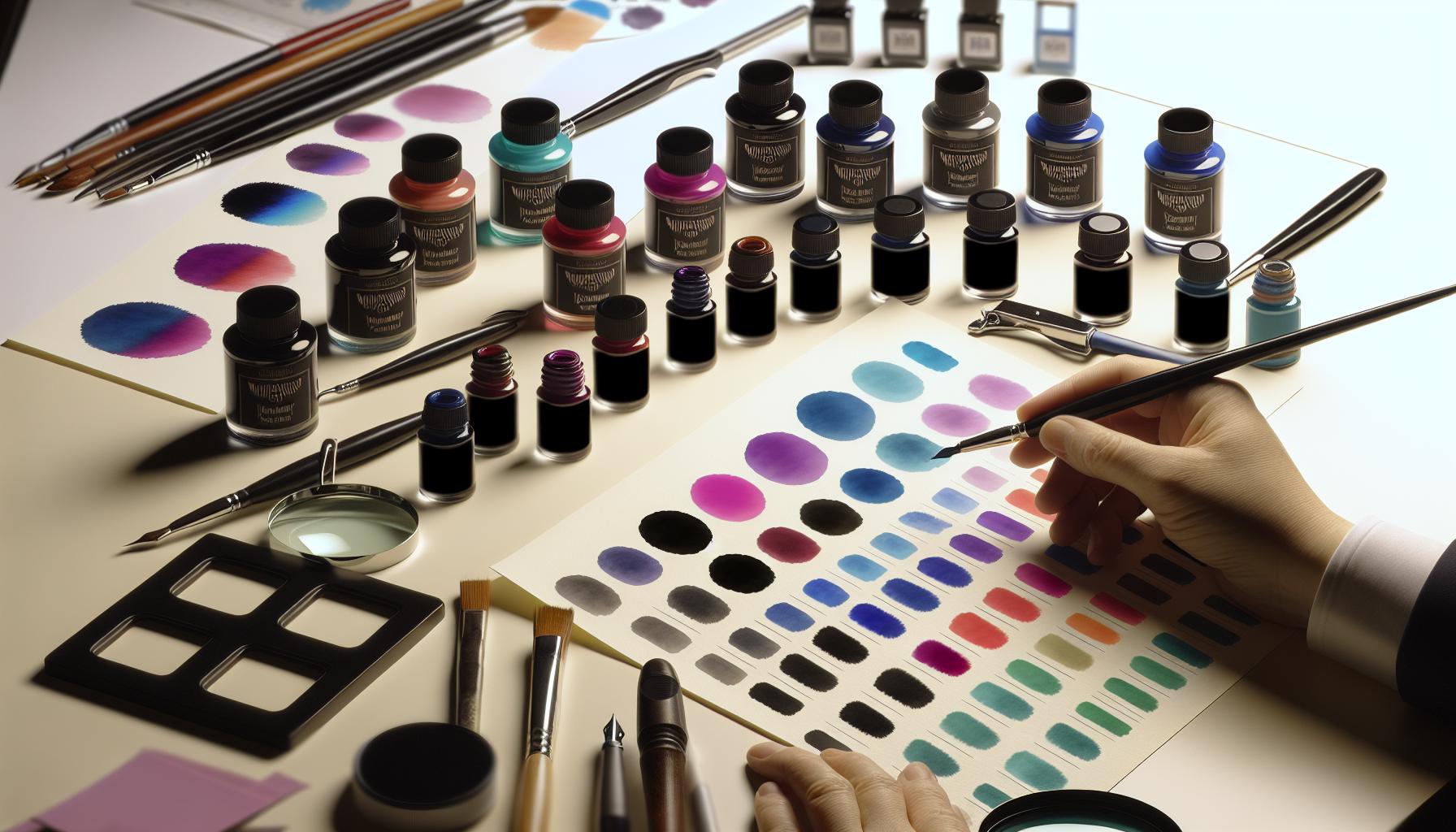
How to Hold Your Pen Like a Pro
When you pick up your calligraphy pen, how you hold it can completely change your writing experience. The right grip not only ensures comfort but also influences the flow of ink and the steadiness of your strokes. To hold your pen like a pro, start by positioning it between your thumb and index finger, allowing the pen to rest against the middle finger. This triangular grip creates a stable base and lets the nib glide effortlessly across the page.
Maintaining the right angle is crucial. Aim for a 45-degree angle to the paper. This angle helps the nib avoid catching on the surface, promoting smooth lines. If you hold the pen too upright, the ink flow might be inconsistent. Conversely, if it’s too flat, your letters may lose their intended form. Experiment with this angle; you’ll find what suits your style best through practice.
Another important aspect is your wrist and arm position. Keep your wrist relaxed and let your arm do most of the movement. This keeps tension at bay, allowing for fluid motions. Avoid gripping the pen too tightly; instead, let it rest lightly in your fingers. You’ll be amazed at how this relaxed hold enhances your control over the pen, especially during intricate curves and flourishes.
Lastly, practice makes all the difference. Try writing simple shapes or scales to get used to your grip and the feel of the pen. As you get more comfortable, shift focus to letters and then phrases. Regular practice will refine your technique, leading you to hold your pen with confidence and precision, just like the pros.
Basic Techniques to Start Your Calligraphy Journey
There’s a beauty to calligraphy that can’t be ignored; it’s about capturing not just letters, but emotions on paper. As you venture into this art form, understanding basic techniques is your first step toward creating elegant scripts. Begin with simple strokes-these are the foundation of every letter. Practice drawing lines, curves, and shapes repeatedly until you feel comfortable with the pen’s movement. This practice will not only build muscle memory but will help you get a feel for how much pressure to apply for thick and thin strokes.
Focus on Your Strokes
Each letter consists of basic strokes. By mastering these, you’ll find it easier to construct more complex characters. For instance, start with the upstroke, which is light and thin, followed by the downstroke, which should be heavier. Incorporate curves and loops into your practice. Set aside time daily to focus on these strokes before moving on to actual letters. Remember, consistency is key.
Letter Formation
Once you’re comfortable with individual strokes, it’s time to move onto letters. Begin with the simpler ones, like ‘l’, ‘i’, and ‘o’, which are composed of basic lines and curves. Gradually progress to more complex letters. Here’s a tip: break each letter down into its constituent strokes. Visualizing letters in this way makes them less intimidating and more approachable.
Experiment with Spacing and Alignment
A critical aspect of calligraphy is spacing. Consistent spacing between letters and words creates a clean, professional look. Use guidelines as a reference to maintain proper alignment. This could be a set of light pencil lines on your paper that guide where the top of the letters should reside. Over time, you’ll develop an eye for this; your letters will start to align beautifully with each other without those lines.
Practice with Purpose
Lastly, have specific goals during your practice sessions. Whether it’s mastering a particular letter, improving your speed, or enhancing your fluidity, targeted practice will yield better results than aimless writing. Consider joining a community or following online tutorials to stay motivated. Celebrate your progress, no matter how small!
As you embrace these basic techniques with patience and creativity, your calligraphy journey will become a rewarding pursuit, leading to beautiful results that reflect your efforts. Happy writing!
Common Mistakes: What to Avoid When Starting
It’s easy to feel overwhelmed when starting your calligraphy journey, especially with the myriad of tips and techniques available. But let’s streamline your focus by addressing the common pitfalls that can derail your progress. Avoiding these missteps will save you time and frustration, allowing you to hone your craft more effectively.
One mistake many beginners make is using the wrong pen. This isn’t just about preference; the type of pen you choose can dramatically affect your results. For instance, opting for a chiseled tip instead of a flexible brush pen like the Tombow Fudenosuke can hinder your ability to create those smooth, varying strokes characteristic of beautiful calligraphy. Take the time to research and invest in a pen that’s beginner-friendly-it’ll be worth it.
Next, improper hand positioning can lead to strain and uneven handwriting. Hold your pen too tightly or at an awkward angle, and you’ll end up fighting against your own tool. Practice holding your pen lightly and at a natural angle-this simple adjustment can enhance your control and make the entire process more enjoyable.
Speed is another enemy of precision in calligraphy. Many beginners rush through their strokes, eager to see a finished product. However, calligraphy is about art, not speed. Take a deep breath and slow down. Your strokes will have more character, and you’ll be able to focus on creating clean lines and consistent shapes.
Finally, neglecting foundational techniques can be detrimental. Jumping straight into writing letters without practicing basic strokes is like trying to run before you’ve learned to walk. Dedicate time to mastering fundamental strokes first; they’re the building blocks of your calligraphy skills. Use printable worksheets to guide your practice, ensuring you get comfortable before moving on to letters and words.
By being aware of these common mistakes, you’ll set yourself up for success. Remember, calligraphy is a journey, not a race. Enjoy the process, and don’t be afraid to make adjustments along the way!
Sample Exercises to Practice Your Skills
When it comes to practicing calligraphy, repetition is key. The beauty of the art lies not just in the final piece, but in the journey of mastering the strokes. Here are some effective exercises to build your skills using your manuscript pen.
Start with basic strokes that form the foundation of all calligraphy. Focus on these simple exercises:
- Upstrokes and Downstrokes: Practice drawing thin upstrokes and thick downstrokes. The contrast between the two is essential for creating elegant letters.
- Ovals and Circles: Draw ovals and circles continuously to improve your pen control and muscle memory.
- Straight Lines: Spend time making straight vertical and horizontal lines. Consistency in alignment is crucial for forming letters that are pleasing to the eye.
Once you’re comfortable with basic strokes, move on to letters. Start with individual letters, particularly those that have similar strokes to reinforce your skills. For instance, practice all the letters that start with a straight line first:
Letter Formation
- Practice ‘L’, ‘E’, ‘T’ first, focusing on consistency.
- Follow up with letters like ‘A’ and ‘D’ that require both upstrokes and downstrokes.
As you progress, consider integrating more complex letters and combinations:
Connecting Letters
Try linking letters together in common words. This will help you improve your flow and speed. Focus on maintaining rhythm rather than rushing-the beauty of calligraphy is in the artful execution.
Remember to track your progress. Take time to compare your earlier attempts with newer ones. This practice not only builds skill but also boosts your confidence.
Incorporating these exercises into your routine will set a solid foundation for your calligraphy journey. Enjoy each stroke, and let your passion guide your practice!
Advanced Tips for Enhancing Your Calligraphy
To take your calligraphy skills to the next level, consider these advanced tips that focus on refinement and creativity. This isn’t just about mastering the basic strokes anymore; it’s about exploring your style and expressing it through every line and curve.
Start by experimenting with different pressures on your pen. This dynamic can drastically change the appearance of your letters. Varying the pressure on upstrokes and downstrokes can help you create a more dramatic contrast, enhancing visual interest. Don’t be afraid to play with these techniques. Use a heavier hand for impactful downstrokes and a lighter touch for upstrokes to develop that elegant, flowing look.
Next, focus on the concept of spacing-both between letters and lines. Many beginners overlook this, but proper spacing can make or break a piece of calligraphy. Aim for consistent spacing that matches the width of your letters; this contributes greatly to the overall harmony of your work. Draft your layouts lightly with a pencil first to get the spacing right before committing with ink.
Another key aspect is the consistency of your strokes. As you gain confidence, practice writing entire words in one fluid motion. This helps you understand how letters interact with one another. Try writing common phrases or quotes repeatedly, gradually speeding up your writing. You’ll find that with practice, your flow becomes smoother and more natural.
Lastly, don’t underestimate the power of inspiration. Look at various calligraphy styles from different cultures or periods. Create a mood board with different scripts that resonate with you. This not only broadens your skill set but also helps you discover your unique approach to calligraphy. Implement elements from these styles into your own work to cultivate a signature look that reflects your personal aesthetic. By blending techniques and styles, you’ll gain confidence and creativity, unlocking new possibilities in your calligraphy journey.
Maintaining and Caring for Your Manuscript Pen
To keep your manuscript calligraphy pen in top shape, it’s essential to establish a regular maintenance routine. After each session, be sure to clean your nib to prevent drying ink from clogging it. Start by gently wiping the nib with a soft cloth or paper towel to remove any excess ink. For a deeper clean, soak the nib in water for a few minutes. This will help dissolve any dried ink. If you’re using a removable nib, take it out and rinse it under warm running water, ensuring all ink is washed away. Remember, never submerge the pen body in water, as this can damage the mechanism and affect the pen’s performance.
Storage is another critical aspect of care. Keep your pen in a dry place away from direct sunlight. This helps prevent any warping or deterioration of materials. If your calligraphy pen came with a case, use it! Proper storage not only protects your pen but also keeps it ready for your next creative session. Consider investing in a pen holder or a dedicated calligraphy storage or organizer to keep your pens and supplies safe and accessible.
Finally, be mindful of the ink you choose. Not all inks are created equal-some can cause more wear over time. Use high-quality, compatible ink that supports the lifespan of your pen. Be aware of the type of ink you’re using, especially if you’re working with colored or metallic inks, which can dry more quickly or have particulates that may clog your nib. A little preventive maintenance can go a long way in ensuring your calligraphy pen remains a reliable tool in your artistic journey.
Exploring Different Calligraphy Styles for Beginners
The world of calligraphy is rich with diverse styles, each offering its unique charm and personality. If you’re just starting, diving into different styles can be both exciting and a bit overwhelming. However, understanding the basics of these styles will help you choose one that resonates with you and fits your creative vision.
What to Explore in Calligraphy Styles
Beginner calligraphy styles often fall into several key categories:
- Monoline Script: This style is characterized by consistent line thickness. It’s a fantastic starting point because it encourages you to focus on forming letters without worrying about varying pressure.
- Flourished Script: A beautiful blend of cursive and embellishment, this style adds swirls and flourishes to your letters. It requires control and finesse, making it a favorite for decorative pieces.
- Brush Pen Script: Using a brush pen introduces a modern twist to traditional calligraphy. The brush allows for dynamic strokes while maintaining a whimsical, fluid feel, perfect for headings and invitations.
- Gothic Style: Known for its intricate and elaborate formations, this style speaks to elegance and history. It may take some time to master, but the results can be stunning.
- Modern Calligraphy: This style embraces a free-form approach, combining traditional techniques with a personal touch. It allows for creativity and individual expression, making it popular among new calligraphers.
Experimenting with these styles not only enhances your skills but also helps you discover your own artistic voice. Start by selecting a couple of styles that intrigue you. Dedicate time to practice their specific letterforms and techniques. Use resources like practice sheets available online to guide you as you develop your skills.
As you explore, pay attention to how each style feels to you. Do you prefer the rigid elegance of Gothic lettering, or does the fluidity of modern calligraphy make your heart race? Engaging deeply with the different styles will fuel your passion for calligraphy and encourage you to create unique works of art that reflect your individual style.
Finding Inspiration: Resources for Calligraphy Lovers
Finding inspiration in calligraphy can transform your practice from a chore into a delightful exploration. To kickstart your creative journey, consider delving into multiple resources designed specifically for calligraphy lovers. One great tool is online communities like Instagram and Pinterest, where you can discover countless artists showcasing their work. By following hashtags such as #calligraphy, #moderncalligraphy, or #handlettering, you’ll not only witness diverse styles but also find tutorials and tips shared by fellow enthusiasts.
Books are another fantastic resource. Many authors have crafted guides that cover everything from the basics to advanced techniques. Some popular titles include The Art of Calligraphy and Modern Calligraphy: A Beginner’s Guide. These books often include step-by-step instructions alongside practice sheets, enabling you to both learn and apply what you discover.
Don’t overlook online courses, either. Platforms like Skillshare or Udemy offer classes that range from beginner to advanced levels, often taught by industry experts. These structured lessons are perfect for diving deeper into specific techniques or styles. Plus, you can watch demonstrations, which can be incredibly helpful for visual learners.
Lastly, attending local workshops or calligraphy meet-ups not only bolsters your skills but also connects you with fellow calligraphy lovers. Sharing experiences and tips with others can reignite your passion and introduce you to fresh ideas. Remember, the journey of mastering calligraphy is as enriching as the end results, so keep seeking inspiration in every corner!
FAQ
Q: How do I clean my Manuscript calligraphy pen?
A: To clean your Manuscript calligraphy pen, disassemble it and rinse the nib under lukewarm water. Use soapy water for stubborn ink. Ensure all parts are thoroughly dry before reassembling to avoid clogging. For detailed maintenance tips, refer to the “Maintaining and Caring for Your Manuscript Pen” section in our article.
Q: What type of ink is best for Manuscript calligraphy pens?
A: For Manuscript calligraphy pens, use water-based or non-permanent ink designed specifically for fountain pens. Avoid pigment-based inks that can clog the nib. Explore the “Mastering Ink Selection” section in our article for more insights.
Q: Why does my Manuscript pen skip when writing?
A: If your Manuscript pen skips, it may be due to dried ink or a clogged nib. Try dipping the nib in water or cleaning it as suggested earlier. For troubleshooting tips, see the “Common Mistakes: What to Avoid When Starting” section.
Q: How do I hold a Manuscript calligraphy pen correctly?
A: Hold your Manuscript calligraphy pen at a 45-degree angle and use a relaxed grip. This allows for smooth ink flow and better control. Check out the “How to Hold Your Pen Like a Pro” section for a more detailed guide.
Q: Can I use my Manuscript pen on different types of paper?
A: Yes, Manuscript pens are versatile but perform best on smooth, high-quality paper to prevent bleeding. Experiment with various papers, but for best results, learn more in the “Basic Techniques to Start Your Calligraphy Journey” section.
Q: What should I do if my pen runs out of ink?
A: If your Manuscript pen runs out of ink, refill it with suitable fountain pen ink or change the cartridge, depending on your model. For refill techniques, visit the “Preparing Your Manuscript Pen” section.
Q: Is it normal for a new Manuscript pen to have inconsistent ink flow?
A: Yes, new pens may struggle with ink flow due to residual oils or manufacturing debris. Flush the nib with soapy water or dip it in clean water to improve flow. Check the “Having Trouble with Consistent Ink Flow” tips for more details.
Q: How do I start practicing calligraphy with my Manuscript pen?
A: Begin practicing basic strokes and letters using guidelines for spacing and slant. Consistent daily practice helps improve your skills. For exercises, refer to the “Sample Exercises to Practice Your Skills” section of our article.
In Conclusion
Now that you know how to set up your Manuscript calligraphy pen, it’s time to put those skills into practice! Whether you’re crafting beautiful invitations or exploring artistic lettering styles, the key is to start experimenting. Don’t hesitate to dive into projects or share your creations with fellow calligraphy enthusiasts. If you’re looking for more tips, check out our guides on choosing the perfect calligraphy pens and exploring different styles.
Ready to take your calligraphy journey further? Why not subscribe to our newsletter for exclusive content and insider tips? Remember, practice makes perfect, and we’re here to support you every step of the way. Have questions or want to share your progress? Drop a comment below! Your voice is important, and we’d love to hear your thoughts. Happy lettering!