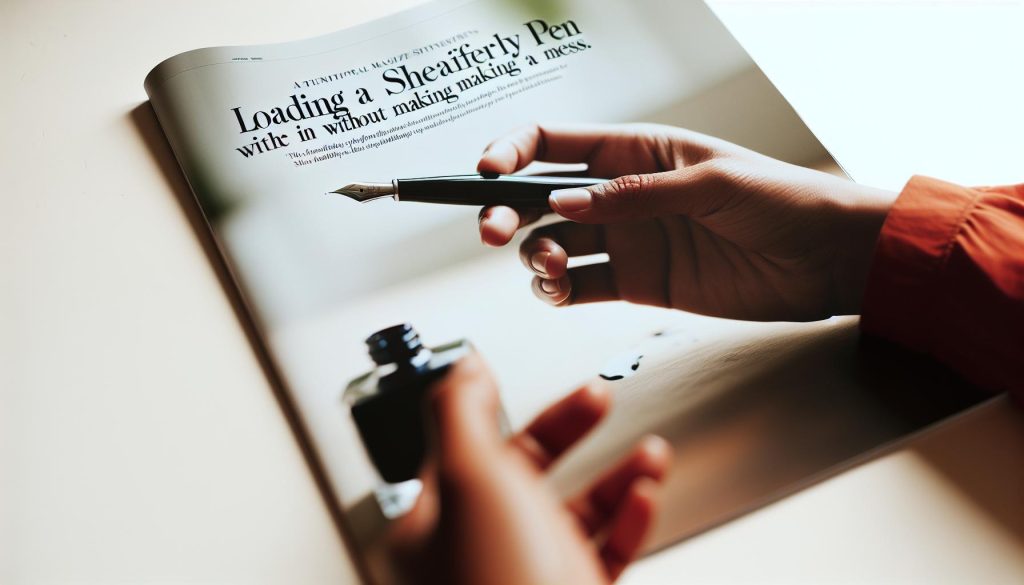
Loading a Sheaffer calligraphy pen doesn’t have to be a messy ordeal. In fact, with the right techniques, you can fill your pen cleanly and efficiently. Whether you’re a novice writer or a seasoned calligrapher, knowing how to load your pen properly is crucial for achieving beautiful, fluid strokes without frustration or ink stains.
Many people worry about making a mess or wasting ink during the filling process. But don’t fret! This guide will walk you through the steps to load your Sheaffer calligraphy pen effectively, keeping both your workspace and your creativity intact. The right approach can enhance your writing experience, ensuring your calligraphy flows effortlessly on the page. Ready to elevate your writing game? Let’s dive in!
Choosing the Right Sheaffer Calligraphy Pen for You
Choosing a calligraphy pen can feel overwhelming, especially with so many options available. The right Sheaffer calligraphy pen can elevate your writing experience and help you achieve the artistry you crave. Start by considering the type of writing you’ll be doing. Are you looking for a pen for casual journaling, formal invitations, or maybe something for an art project? For beginners, the Sheaffer calligraphy starter kits often provide an excellent balance of quality and ease-of-use, featuring multiple nib sizes for various styles.
Next, think about the nib size. Sheaffer pens typically come with fine, medium, and broad nibs. Fine nibs are great for detailed work but may require more precision, while broad nibs produce thicker lines that create bold strokes ideal for decorative lettering. If you’re unsure, a medium nib is a versatile choice that works well for most styles.
Moreover, consider the material of the pen. Sheaffer offers a range of designs from classic plastic bodies to elegant metal finishes. A more substantial pen can offer a more balanced feel in your hand, which many find helpful during longer writing sessions. Finally, don’t forget about the ink. Sheaffer provides specialty inks that are designed to flow smoothly and prevent clogging, vital for maintaining the quality of your strokes.
Choosing the right pen transcends mere aesthetics; it’s about finding a tool that complements your creative flow. Investing time in selection will pay off when you experience the effortless glide of your chosen Sheaffer.
Understanding the Different Ink Filling Mechanisms
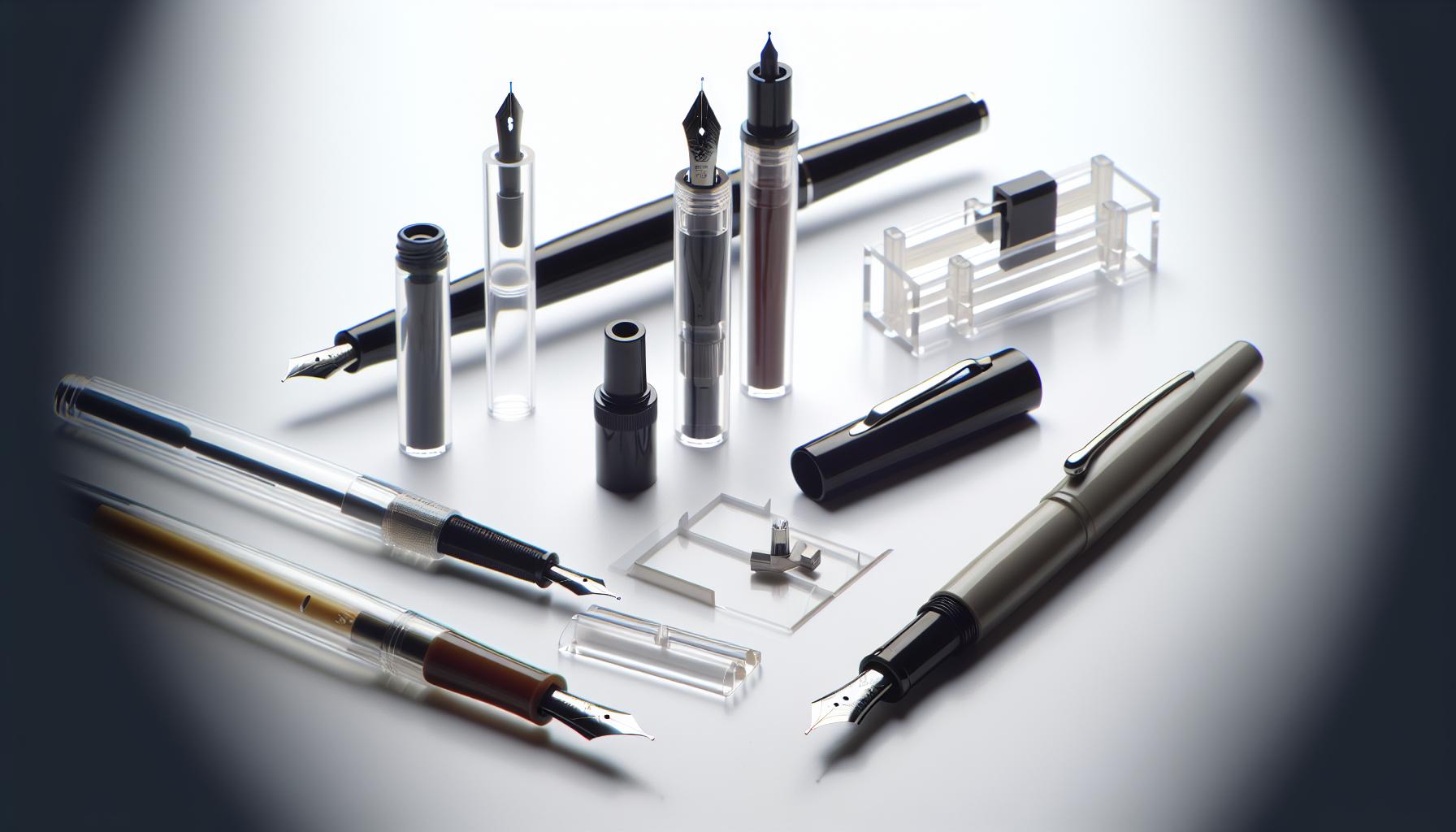
When it comes to using your Sheaffer calligraphy pen, understanding the ink filling mechanism is crucial for a smooth and successful experience. Different pens come with different filling systems, and recognizing how they work can save you from messy mishaps and frustration. The primary filling mechanisms you’ll encounter are cartridge, converter, and piston filling systems, each with its unique characteristics and benefits.
With cartridge systems, the process is straightforward. You simply pop in a pre-filled ink cartridge, which means less mess and no need for extra tools. This is ideal for those who want quick access to color without the hassle of filling. However, you’re limited to the ink types available in cartridges. On the other hand, converters allow more flexibility. They fit into your pen where a cartridge would. To fill a converter, dip the nib into an ink bottle and twist the knob to draw ink up. This method opens a world of vibrant ink choices but requires a bit more care to avoid spills.
Piston filling mechanisms, a bit more advanced, are built directly into the pen. They work similarly to converters, using a knob to draw ink from a bottle. This is often favored by serious calligraphy enthusiasts since they can hold more ink. The trade-off? They can be a bit trickier to master, especially for beginners. Regardless of which mechanism you choose, the key is knowing how to handle it properly to ensure an enjoyable writing experience.
Before loading your pen, remember to prepare your workspace. Lay down some paper towels and have your ink ready. Familiarity with your pen’s filling mechanism empowers you to fill it efficiently and without the mess. Whether you opt for cartridges for convenience, converters for flexibility, or piston fills for capacity, understanding these mechanisms will enhance your calligraphy practice. Happy writing!
Step-by-Step Guide: Loading Your Sheaffer Pen
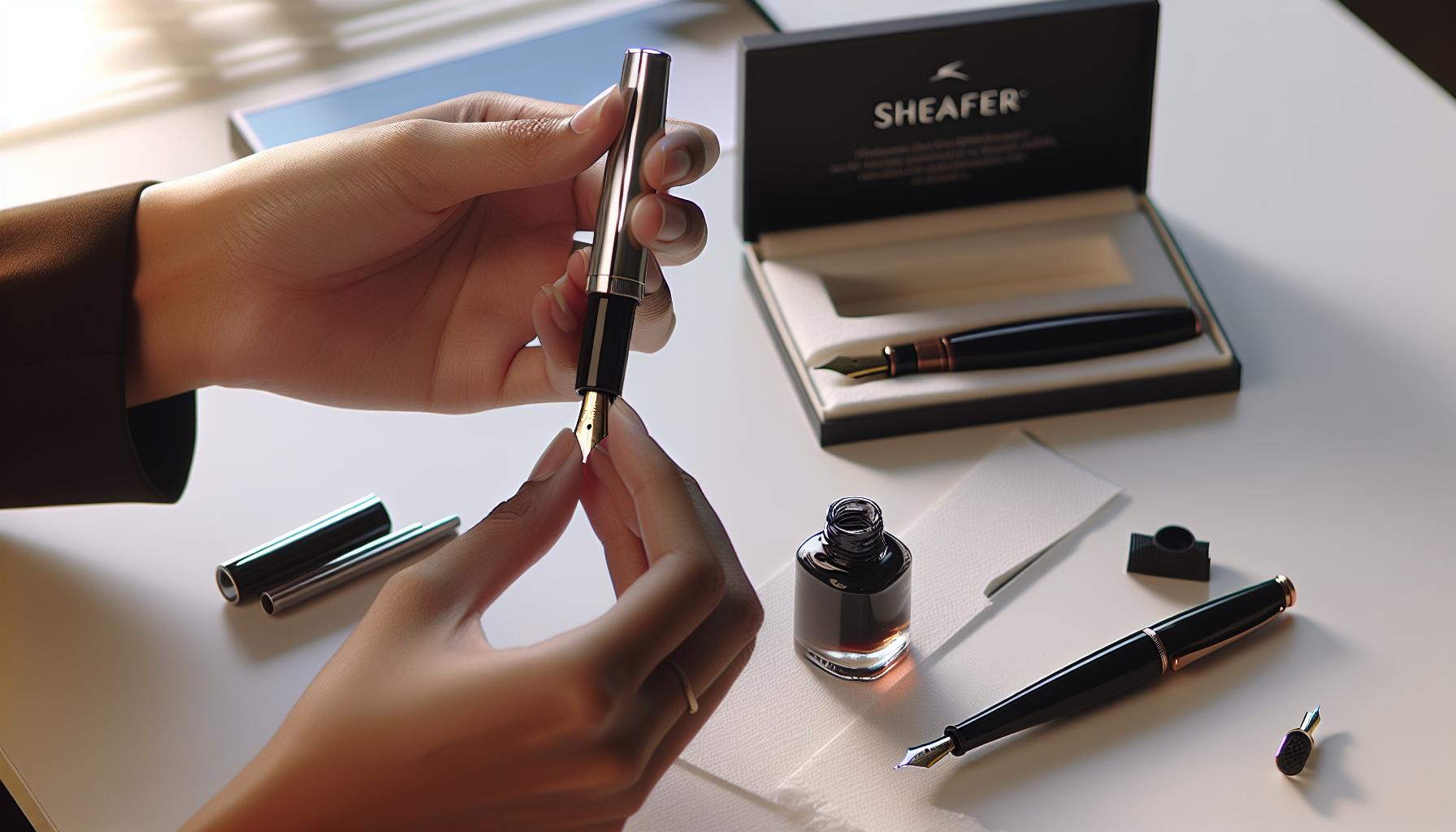
Loading your Sheaffer calligraphy pen doesn’t have to be a stressful affair. In fact, with a few simple steps, you can ensure a clean and efficient filling process that keeps your workspace tidy and your ink flowing smoothly. Whether you’re using a cartridge, converter, or piston-filling mechanism, the method is straightforward-just a little care goes a long way.
Start by preparing your setup. Lay down some paper towels on your work surface to catch any drips or spills. Next, have your ink ready; if you’re using bottles of ink, identify the color you want to work with. For cartridge users, keep your selected cartridge close by. Always use inks that are compatible with your Sheaffer pen to avoid clogging or damaging it.
Filling Your Ink Mechanism
For Ink Cartridges:
- Remove the Cap: Gently twist or pull off the cap of your pen.
- Insert the Cartridge: Take the end of the cartridge and align it with the opening of the pen. Push firmly until you hear a slight click. This ensures a good seal and that the ink flows into the nib.
- Let It Rest: Allow the pen to sit for a few moments after loading. This lets the ink saturate the nib, so you’re ready to write without a delay.
For Converters:
- Prepare the Converter: If your pen has a converter, ensure it’s securely attached where the cartridge would go.
- Dip the Nib: Submerge the nib in the bottle of ink up to the breather hole to avoid air bubbles.
- Draw the Ink: Twist the converter knob counterclockwise or pull the lever (depending on the type) to draw ink into the converter. Keep twisting or pulling until you see a good amount of ink in the chamber.
- Wipe the Nib: Use a paper towel to gently wipe off any excess ink from the nib and section before capping it. This prevents ink from running down the barrel.
For Piston Fillers:
- Open the Piston Mechanism: Rotate the knob at the end of the pen to lower the piston to its lowest position.
- Submerge the Nib: Dip the nib into the ink bottle, ensuring it’s submerged but not too deep to avoid ink splatter.
- Fill the Pen: Turn the knob clockwise to raise the piston, which will draw ink up into the chamber. Do this slowly and steadily for an even fill.
- Clean Up: Wipe the nib and the section thoroughly with a paper towel to avoid any mess.
Following these steps makes loading your Sheaffer pen a simple process. The more you practice, the more efficient you’ll become-letting you concentrate on what really matters: your calligraphy skills. With everything set up correctly, you’ll enjoy a smooth writing experience without the hassle of ink spillage or messy fills. Happy writing!
Tips for Preventing Ink Spills and Mess
Loading ink into your Sheaffer calligraphy pen should be an enjoyable process, but it can often lead to spills and messes if you’re not careful. Here are some practical tips to help you keep your workspace clean and your pen ready to write without the hassle.
Begin by creating a dedicated ink loading area. This can be as simple as a flat surface covered with paper towels or an old tray that can catch any potential drips. Always keep a roll of paper towels handy to quickly manage spills. An ounce of prevention goes a long way; if you’re using bottled ink, opt for a funnel to help transfer ink smoothly without overfilling and causing spills.
When you’re ready to fill your pen, ensure you’re holding it upright. This minimizes the risk of ink backflow, especially when using converters or piston fillers. If you’re loading an ink cartridge, make sure you push it in firmly but gently until you hear that reassuring click, ensuring a tight seal. Allowing the pen to rest for a moment after loading lets the ink saturate the nib properly, reducing the chances of leakage when you start writing.
Another great trick is to check your ink before starting. Make sure it’s not too thin or overly viscous, as the consistency can influence how easily it draws into your pen. Finally, be mindful not to overfill the pen-usually, a good guideline is to fill just enough to cover the nib without excess ink pooling at the base. This attention to detail can save you from messy accidents and keep your calligraphy experience smooth and enjoyable.
Troubleshooting Common Filling Issues

When using a Sheaffer calligraphy pen, encountering filling issues can be frustrating, but knowing how to troubleshoot these problems can save your creative session. One common problem is difficulty in drawing ink into the pen. If you notice that your pen is not filling properly, first ensure that you’re using the correct filling mechanism for your specific pen model, whether it’s a cartridge, converter, or piston filler. Sometimes, simply re-adjusting the position of the pen or ensuring that the nib is submerged adequately in the ink can make a significant difference.
Another issue could be air bubbles trapped in the ink chamber. These can prevent ink from being drawn in effectively. To resolve this, try gently tapping the pen while it’s positioned nib-down in the ink. This motion helps the air escape and allows the ink to flow freely. If this doesn’t solve it, consider disassembling the filler mechanism (if your model allows it) and checking for blockages or dried ink that may be inhibiting flow.
Sometimes, you might notice faint or inconsistent lines during writing, which can indicate that ink isn’t reaching the nib evenly. This issue often stems from an improper fill or a clogged nib. If your pen has been filled correctly and you’re still facing problems, clean the nib thoroughly with warm water to remove any ink residue. Ensure it is completely dry before reloading with ink.
Lastly, always keep an eye on your ink supply. Using high-quality ink that suits your pen type is crucial for consistent performance. If you’re still having trouble after troubleshooting, consult the Sheaffer manual for your specific model or reach out to other pen enthusiasts or forums. Sharing experiences can reveal solutions that work best for unique situations, creating a community of support for all calligraphy lovers.
Maintaining Your Calligraphy Pen for Best Performance
Keeping your Sheaffer calligraphy pen in top shape not only enhances your writing experience but also extends the life of the pen. Regular maintenance can make the difference between a smooth, fluid writing session and a frustrating, clogged mess. Here’s how to ensure your pen performs flawlessly.
Start with a clean pen. After each use, especially if you’ve used colored or specialty inks, flush the nib and feed with warm water. This simple step prevents dried ink buildup, which can lead to clogs. For a deeper clean, you can use a pen flush or a mild soap solution. Just remember to rinse thoroughly and dry the nib completely before refilling-water and ink don’t mix well when it comes to performance.
Next, be mindful of your ink. Always use high-quality inks that are compatible with your pen. Inks that are too thick or contain additives can cause flow problems. It’s also wise to store your ink in a cool, dry place away from direct sunlight. If you’ve been experimenting with different colors, keep track of which inks work best in your pen. Noting these preferences can save you time and hassle in the future.
Lastly, handle your pen with care. Dropping it or pressing too hard when writing can misalign the nib or damage the filling mechanism. Use a gentle touch and avoid unnecessary pressure. When you’re not using your pen, consider storing it horizontally or in a dedicated case to prevent leaks and protect the nib.
By incorporating these habits into your routine, you’ll maintain optimal performance from your Sheaffer calligraphy pen, making each writing session a joy rather than a chore. Remember, a little care goes a long way. Happy writing!
Exploring Different Ink Options for Calligraphy
Choosing the right ink for your Sheaffer calligraphy pen can make all the difference in your writing experience. With so many options out there, it’s essential to understand how different inks can affect your performance and results. Whether you’re going for a subtle elegance in your invitations or exhilarating vibrancy in artistic projects, the right ink is key.
Firstly, consider the composition of your ink. There are two primary types: dye-based and pigment-based inks. Dye-based inks tend to flow more smoothly and are vibrant, making them ideal for general writing and calligraphy. However, they can fade over time when exposed to light. On the other hand, pigment-based inks are more fade-resistant and waterproof, perfect for archival-quality work. They might require a bit more effort to flush out from the pen, but the results are often worth it.
When selecting colors, you’ll want to experiment with different shades and sheens. Many brands offer a rich selection that ranges from traditional black and blue to vibrant hues and metallics. For instance, an elegant gold or silver can add a stunning flair to any project. It’s also wise to check if the ink you choose is compatible with your particular Sheaffer model to avoid clogging and other issues.
Lastly, always test new inks on a scrap piece before committing to a project. Some inks can behave unpredictably, especially with certain nib sizes or paper types. Try out a few drops on your calligraphy paper to see how it flows and saturates. Keeping a record of which inks pair well with your pen can save you the frustration later and help refine your style. Remember, the right ink not only enhances your writing; it also reflects your unique artistic voice. Happy writing!
Creative Techniques to Enhance Your Calligraphy Skills
The beauty of calligraphy lies in the delicate balance of skill and creativity. To truly enhance your calligraphy skills, dive into some creative techniques that not only showcase your artistic flair but also elevate your writing experience. Let’s explore how you can transform your penmanship into a captivating art form.
One effective technique is varying your line weights. By adjusting your grip and pressure on the pen, you can create bold downstrokes and graceful upstrokes. This contrast adds depth and dimension to your letters. Practice on different types of paper to see how the texture affects your line quality. Consider using a smooth surface for fluid movements, and textured paper for more pronounced effects.
Another powerful method is experimenting with different nibs. Each nib produces a unique stroke; for instance, broad nibs yield sweeping lines, while fine nibs allow for intricate details. Try using multiple nibs in a single project to create visual interest. Pair a wide nib for elegant flourishes and a fine nib for detailing, bringing your work to life with layered textures.
Adding elements like color and embellishments can also enhance your calligraphy. Use watercolor washes as a background or incorporate metallic inks for a touch of luxury. Consider adding simple doodles or flourishes around your lettering to frame your work. Mix these techniques with your chosen Sheaffer ink, ensuring compatibility to prevent clogging and mess. You might find that gradients or ombré effects can add a stunning depth that captures attention.
Lastly, developing a consistent practice routine is key. Set aside time each week to experiment with new techniques and styles. This will not only improve muscle memory but also help uncover your personal style. Create a portfolio to track your progress and inspire further creativity. Remember, the journey of enhancing your calligraphy skills is as important as the final product. Enjoy the process, and let your unique voice shine through every stroke.
Storing Your Sheaffer Pen: Best Practices
Properly storing your Sheaffer pen is essential to maintain its elegance and ensure its long-term performance. A well-cared-for pen not only enhances your writing experience but also preserves its value. Many enthusiasts overlook this pivotal aspect, so let’s break down the best practices for storing your prized calligraphy instrument.
Firstly, always keep your pen capped when it’s not in use. This simple habit prevents the nib from drying out and minimizes exposure to dust and dirt. If you have multiple Sheaffer pens, consider using a dedicated pen case or roll that provides protection. Look for one with individual slots-this way, your pens won’t jostle against each other, reducing the risk of scratches or dents.
Optimal Conditions for Storage
When it comes to the environment, aim for a cool, dry place. Heat can cause the ink to expand, potentially leading to leakage, while excessive humidity may promote corrosion of metal components. If you live in an area with fluctuating temperatures, avoid keeping your pen in a car or near windows where the sun can affect it. A drawer or a pen display case away from direct sunlight is often ideal.
Regular Maintenance
To further prolong the life of your Sheaffer pen, periodic cleaning and maintenance can’t be stressed enough. Even when not in use, it’s wise to flush out ink residues every few months. This prevents clogged nibs and keeps the writing smooth. When you plan to store it for an extended period, make sure it’s cleaned and thoroughly dried before placing it back in its case.
By adhering to these straightforward practices, you can ensure your Sheaffer calligraphy pen remains as vibrant and functional as the day you bought it. A little care goes a long way, turning your writing tool into a cherished companion for years to come.
Comparing Sheaffer Pens to Other Brands
When diving into the world of calligraphy pens, the sheer variety can be overwhelming. However, understanding how Sheaffer pens stack up against other brands can give you confidence in your choice. Sheaffer has a well-earned reputation for quality and craftsmanship, particularly in its ink filling mechanisms, which set it apart from many competitors.
One of the standout features of Sheaffer pens is their diverse ink filling options, ranging from fountain to rollerball. This variety allows you to pick a mechanism that suits your writing style. Many other brands, like Lamy or Pilot, offer similar choices but can sometimes fall short in refinement. For instance, Sheaffer’s specifically designed filling systems minimize mess and make the loading process feel seamless-an essential factor when aiming for clean lettering in calligraphy.
Ink Quality and Options
Another area where Sheaffer shines is in ink quality. While some brands dilute their inks for cost-effectiveness, Sheaffer’s formulations are designed for smooth flow and vibrancy. This directly impacts your calligraphy. The inks are not only rich in color but are also less likely to warp or bleed through paper compared to lesser brands. This leads you to a more professional finish in your calligraphy projects.
Durability and Design
Durability is another crucial factor. Sheaffer pens are known for their robust construction, often utilizing premium materials that withstand day-to-day wear. While brands like Cross or Montblanc offer high-end options, Sheaffer strikes a sweet spot by combining luxury and practicality without an exorbitant price tag. Plus, the classic design of Sheaffer pens not only makes them aesthetically pleasing but also provides a comfortable grip, which is vital when you’re writing for extended periods.
Ultimately, choosing a calligraphy pen is about finding what feels right for you. While there are many credible brands out there, Sheaffer offers a blend of quality, performance, and heritage that can enhance your calligraphy experience significantly. Whether you’re just starting or looking to elevate your skills, understanding these differences can guide your decision in selecting a tool that complements your unique style.
User Testimonials: Experiences with Sheaffer Calligraphy Pens
There’s nothing quite like the satisfaction of using a Sheaffer calligraphy pen, especially when it comes to ink loading. A wealth of users rave about the ease and minimal mess that characterizes this process. For many, it’s a game-changer that enhances their overall writing experience. One user shared their delight, stating that the straightforward filling mechanism not only saves time but also eliminates the anxiety of ink spills that often accompany less refined designs.
A common theme among testimonials is the smoothness of the ink flow. Calligraphers frequently mention that once their Sheaffer pens are loaded, the writing experience is consistent and vibrant. One customer noted, “I loaded my pen just before a big project, and it performed beautifully from start to finish. The ink didn’t skip or clog, a testament to the thoughtful engineering behind these pens.” This reliability not only boosts confidence during important tasks but also encourages users to explore their creativity without fear of interruptions.
Another highlight from user experiences is how easily these pens can be maintained. Many users appreciate that the loading process is straightforward, often walking away without the fear of a messy workspace to clean up afterward. As one passionate calligrapher put it, “It felt like I was filling my pen without even trying. It’s such a relief to have a tool that prioritizes cleanliness.” This level of assurance can make a significant difference for those just starting their calligraphy journey, allowing them to focus more on creativity and less on possible mishaps.
It’s clear that the joy of using Sheaffer calligraphy pens extends beyond aesthetics; it lies in the user-friendly features that make writing an enjoyable pursuit. With practical feedback highlighting the ease of filling and the quality of ink flow, it’s evident that Sheaffer continues to hold a revered place in the hearts of calligraphers everywhere.
Frequently Asked Questions
Q: How do I choose the right ink for my Sheaffer calligraphy pen?
A: Choosing the right ink involves considering viscosity and color. Sheaffer recommends using their specially formulated calligraphy ink for optimal flow and smoothness. Always verify compatibility with your pen’s filling mechanism to prevent any issues. For more details, check the section on Exploring Different Ink Options for Calligraphy.
Q: What should I do if my Sheaffer pen stops writing after loading?
A: If your Sheaffer pen stops writing after filling, first check if the nib is clogged. Try gently wiping it clean with a soft cloth. If it persists, rinse the nib with warm water and refill the ink, as covered in Troubleshooting Common Filling Issues.
Q: Can I use non-Sheaffer ink in my calligraphy pen?
A: While you can use non-Sheaffer ink, it’s important to ensure it’s suitable for fountain pens. Some inks can cause clogs or damage. If you choose to experiment, test the ink in a small amount to see how it performs with your pen.
Q: How often should I clean my Sheaffer calligraphy pen?
A: You should clean your Sheaffer pen every time you switch ink colors or every few weeks if it’s used regularly. Regular cleaning prevents ink buildup and ensures your pen functions smoothly. For detailed steps, refer to the Maintaining Your Calligraphy Pen for Best Performance section.
Q: What filling mechanism does my Sheaffer calligraphy pen have?
A: Sheaffer pens may feature various filling mechanisms like cartridge, converter, or piston. Refer to the product specifications or consult the Understanding the Different Ink Filling Mechanisms section in your guide to determine which type your pen has.
Q: Is there a way to prevent ink spills when loading my pen?
A: Yes, to prevent ink spills, always load your pen over a protected surface and use a paper towel for any excess ink. Ensure the nib is submerged appropriately without overloading it, as detailed in the Tips for Preventing Ink Spills and Mess section.
Q: What are common mistakes when loading a Sheaffer calligraphy pen?
A: Common mistakes include not submerging the nib deep enough, overloading with ink, and skipping cleaning steps. These issues can lead to poor performance and messes, so following the Step-by-Step Guide: Loading Your Sheaffer Pen is crucial.
Q: How can I enhance my calligraphy skills with a Sheaffer pen?
A: To enhance your calligraphy skills, practice regularly using different techniques and ink types. Experiment with pressure and strokes to discover your style. For creative techniques, see the Creative Techniques to Enhance Your Calligraphy Skills section for inspiration.
Wrapping Up
Thanks for watching our guide on loading the Sheaffer Calligraphy Pen without the mess! Now that you’re equipped with these easy, effective techniques, you can confidently fill your pen and enjoy smooth, beautiful writing every time. If you’re eager to dive deeper, check out our articles on calligraphy supplies and tips for beginners-both will enhance your crafting experience and keep your skills sharp.
Don’t forget to sign up for our newsletter for exclusive tips and updates, or take a look at our product recommendations to find the perfect ink for your projects. Have questions or want to share your own tips? Drop a comment below! We love hearing from fellow enthusiasts. Remember, practice makes perfect, so grab your pen and start creating beautiful works of art today! Happy writing!