
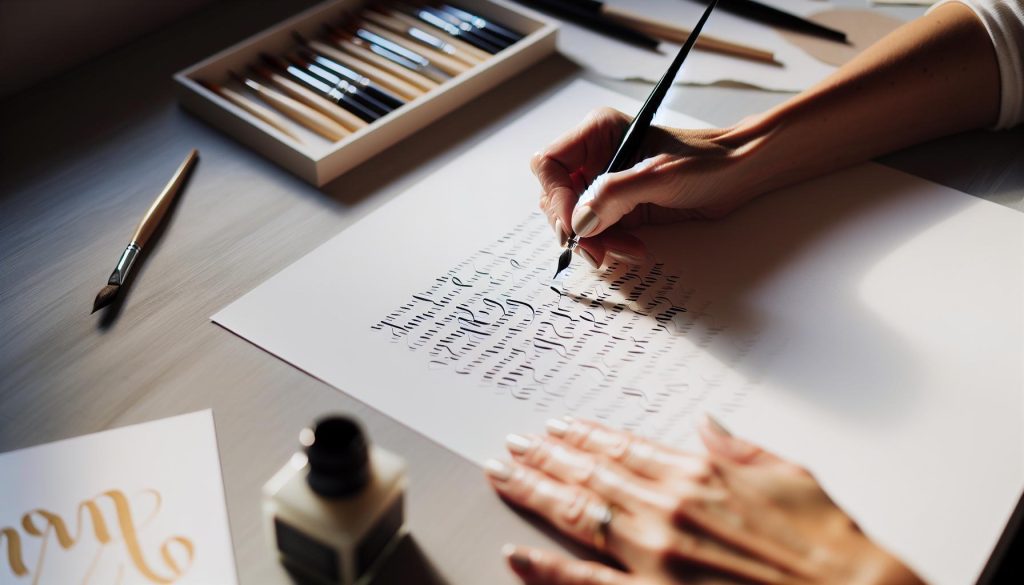
Brush pen calligraphy is a fantastic way to create beautiful lettering at your own pace, even if you’ve never picked up a pen before. Did you know that this modern art form can transform your everyday notes into stunning pieces of art? It’s not just about aesthetics; it fosters mindfulness and creativity. Whether you’re looking to enhance your scrapbooking, add a personal touch to greetings cards, or simply enjoy a new hobby, brush pen lettering is accessible to everyone.
In this guide, we’ll break down the fundamentals, share essential tools-like the highly recommended Tombow Fudenosuke Brush Pens-and provide tips to help you flourish in your practice. By the end, you’ll feel more confident in your ability to make art that reflects your unique style. So grab your pens, and let’s unleash your creative potential!
Brush Pen Calligraphy Basics for Beginners
Brush pen calligraphy is an inviting art form that can transform the way you express yourself. With just a few essential tools and techniques, you can create stunning letters and designs. This practice allows for graceful movements and a beautiful range of styles, making it accessible to everyone, whether you’re a novice or looking to expand your skills.
To get started, pick up a good brush pen. These pens have flexible tips that can create varied line widths, giving that sought-after calligraphy effect. Practice holding the pen at a slight angle and let your hand glide smoothly across the page. The key to beautiful brush pen calligraphy lies in mastering the pressure you apply-light pressure yields thin lines, while heavier pressure produces thicker strokes. To improve your control, start with basic strokes like upstrokes, downstrokes, and loops. These foundational movements will help you develop muscle memory and confidence.
As you practice, don’t be afraid to explore different styles. Find examples online or in calligraphy books that resonate with you, and try replicating them. Remember, practice makes perfect, and every artist develops their unique flair over time. It’s common to feel frustrated when beginning, but keep pushing through and celebrate your progress, no matter how small. Embrace this creative journey and let your personality shine through your brush strokes!
Essential Tools for Modern Calligraphy
Getting started with modern calligraphy is exciting, but having the right tools can make all the difference. A good brush pen is essential-it’s your primary instrument for creating beautiful strokes. Unlike traditional pens, brush pens feature flexible tips that allow for a range of lines, from delicate upstrokes to bold downstrokes. This flexibility is crucial for mastering calligraphy, as it enables you to play with pressure and style.
When choosing brush pens, consider options like the Tombow Fudenosuke series, which offers both hard and soft tips perfect for beginners. They’re easy to handle and great for practicing control and precision. Another fantastic choice is the Pentel Touch brush pen, known for its rich ink flow and vibrant colors. Try a few different types to see which one feels right in your hand, as comfort and ease of use can significantly affect your practice.
Aside from pens, you’ll want quality paper that can handle the ink without bleed-through. Look for smooth, thick paper-such as watercolor or Bristol board-to give your pens the best surface for creating clean, crisp lines. Additionally, using a ruler or a grid can help you maintain consistent letter sizing and spacing as you practice. Don’t forget to stock up on a good eraser too; it’ll help clean up any mistakes without damaging your work.
Lastly, if you’re really serious about diving into brush pen calligraphy, consider investing in a practice pad specifically designed for calligraphy. These pads often come with guidelines that make it easy to align your letters as you learn. By gathering these essential tools, you’ll set yourself up for a successful and enjoyable calligraphy journey. Happy lettering!
Mastering Brush Pen Techniques: Step-by-Step Guide
To truly excel in brush pen calligraphy, mastering techniques is essential. This is where the magic happens – transforming simple strokes into elegant letters. Start with the basics: holding your brush pen correctly impacts everything. Grip it lightly but firmly, using your fingers, not a death grip with your palm. The goal is to control the movement rather than fight against it.
Next, practice the fundamental strokes. Begin with upstrokes and downstrokes, paying attention to pressure; lighter pressure creates thin lines, while pressing down gives you those bold strokes. Focus on making smooth, fluid movements. It might feel awkward initially, but repetition is your best friend here. Use a practice pad with guidelines to maintain consistency in stroke thickness and spacing. Spend time on these drills – they are the foundation for more complex letters and styles.
As you feel more comfortable, start forming letters by combining these strokes. Experiment with simple shapes – think of each letter as a combination of loops, curves, and lines. Gaining proficiency will come with time and patience. If you’ve mastered the basic letters, don’t hesitate to explore variations. Play with letter sizes and spacing, or try out different styles, like italic or cursive.
Finally, keep a journal of your progress. Documenting your practice lets you track improvements and highlights areas needing work. Celebrate small victories, whether it’s nailing a particularly tricky letter or completing a full phrase without any hiccups. This journey can be so rewarding, not just for the final pieces you create, but for the skill and confidence you build along the way. Happy practicing!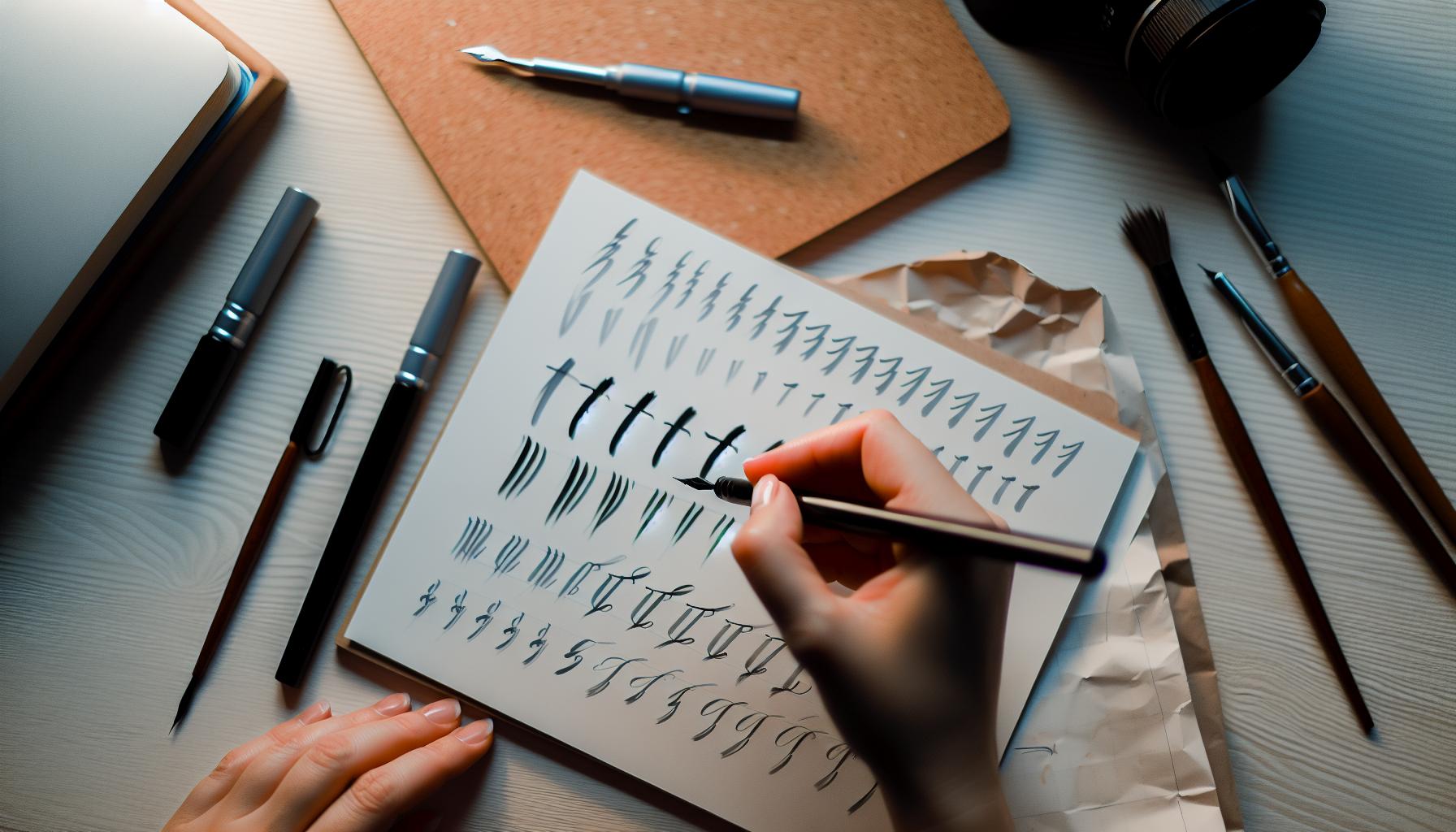
Common Mistakes to Avoid in Brush Pen Calligraphy
A common pitfall for beginners diving into brush pen calligraphy is underestimating the importance of grip and pressure. You might be surprised how a simple adjustment in your hold can make a significant difference in your stroke quality. If you clutch the pen too tightly or use an awkward grip, it not only leads to discomfort but also hampers the fluidity of your letters. Keep your grip relaxed, ultimately allowing for a smooth motion that should reflect in your strokes.
Another mistake is not practicing basic strokes diligently before jumping into letters. Skipping this fundamental practice often results in inconsistent lines and shapes. Spend quality time on basic upstrokes, downstrokes, and curves. These aren’t just warm-ups; they are essential to developing control and muscle memory. Try using a practice pad with guidelines to maintain uniformity. Remember, precision in the basics translates into elegance when you start forming complex letters.
Many newbies also have a tendency to rush the process, leading to sloppy or hesitant lettering. Taking your time to form letters and concentrating on the stroke sequence makes all the difference. If you find yourself prone to impatience, set a timer to give yourself dedicated practice periods without distractions. This focused approach will enhance both your skill and confidence over time.
Lastly, don’t shy away from showcasing your work, but don’t prematurely judge it, either. Sharing your pieces, whether through social media or within the calligraphy community, opens doors to feedback and growth. However, remember that every piece you create is a step on your journey; don’t let a few missteps discourage you. Each stroke is a learning opportunity!
By steering clear of these common mistakes, you’ll pave the way for a fulfilling and enriching experience in your brush pen calligraphy journey. Happy lettering!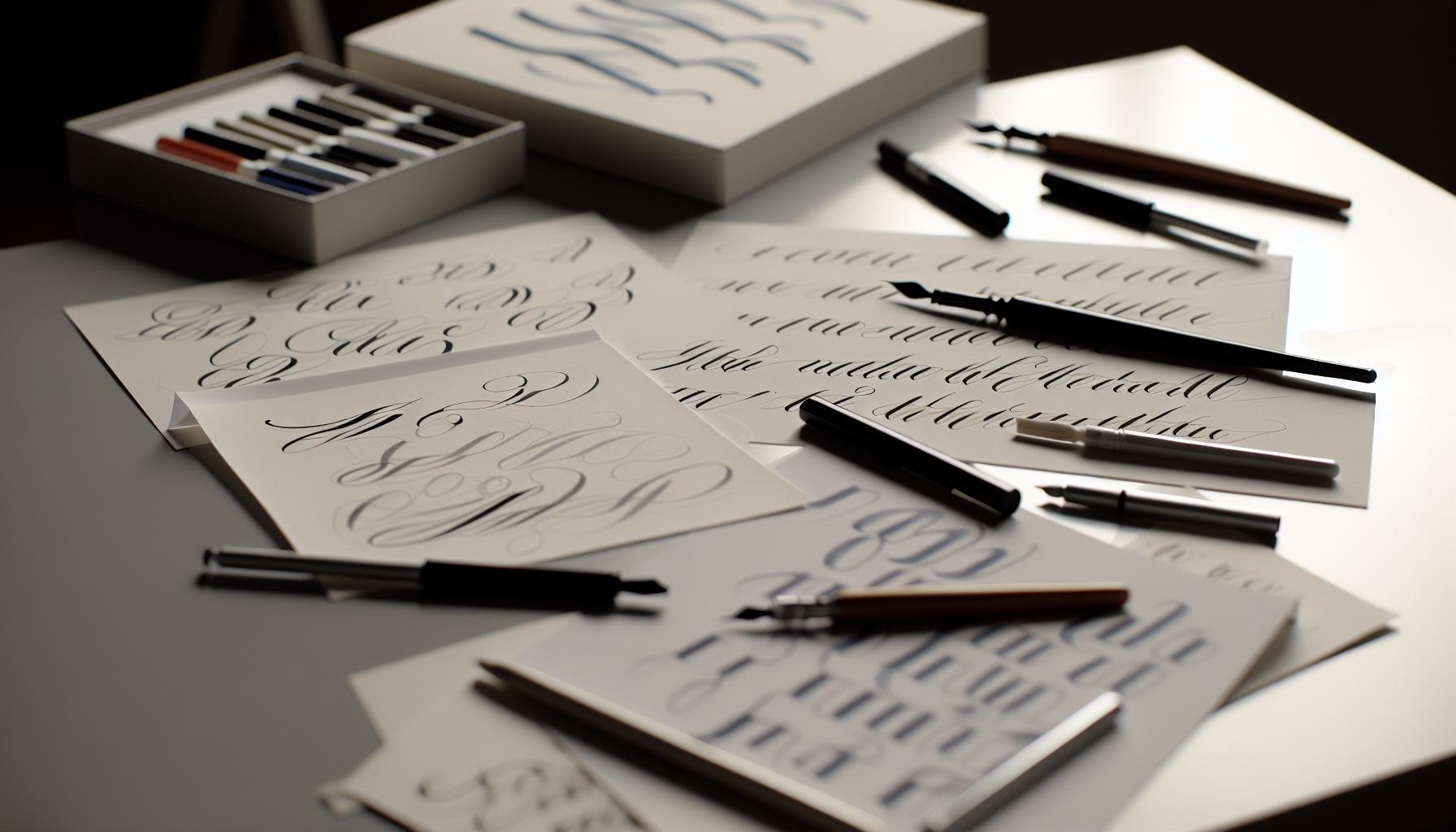
Exploring Different Styles of Modern Script
Diving into the world of modern script with brush pen calligraphy opens up a vibrant spectrum of styles, each offering a unique flavor to your lettering projects. Whether you prefer the fluid elegance of brush lettering or the more structured aesthetic of faux calligraphy, there’s a style that will resonate with your creative vision. Embracing different styles not only enriches your calligraphy practice but also allows you to express your personality through your work.
One popular style is modern calligraphy, which blends traditional elements with a contemporary twist. This approach often features varying line thicknesses, playful ascenders and descenders, and a casual yet sophisticated feel. It invites experimentation, encouraging you to adjust the slant and letterforms according to your mood or the theme of your project. If you want to stand out, consider incorporating bounce lettering, where the baseline fluctuates, giving your words a lively rhythm that feels dynamic and engaging.
Another fascinating style to explore is faux calligraphy, which is perfect for beginners looking to achieve a calligraphic look without a brush pen. By thickening certain strokes and adding loops and flair to letters, you can create an impressive visual effect using regular markers or pens. This style reinforces control and muscle memory, allowing you to develop your calligraphy skills even further before transitioning to brush techniques.
For those seeking a more artistic flair, watercolor calligraphy integrates brush pen lettering with watercolor backgrounds or accents. This combination creates stunning visual contrasts, making your pieces pop with color and depth. Practicing this style involves first mastering your strokes with a brush pen and then experimenting with watercolor washes. Remember, the key to effective watercolor calligraphy is to maintain balance between the fluidity of the letters and the vibrancy of the paint.
In summary, enriches your brush pen calligraphy experience. Each style offers distinct characteristics, allowing for creativity and personal expression. Don’t hesitate to mix and match elements from various styles to develop your own unique voice in calligraphy.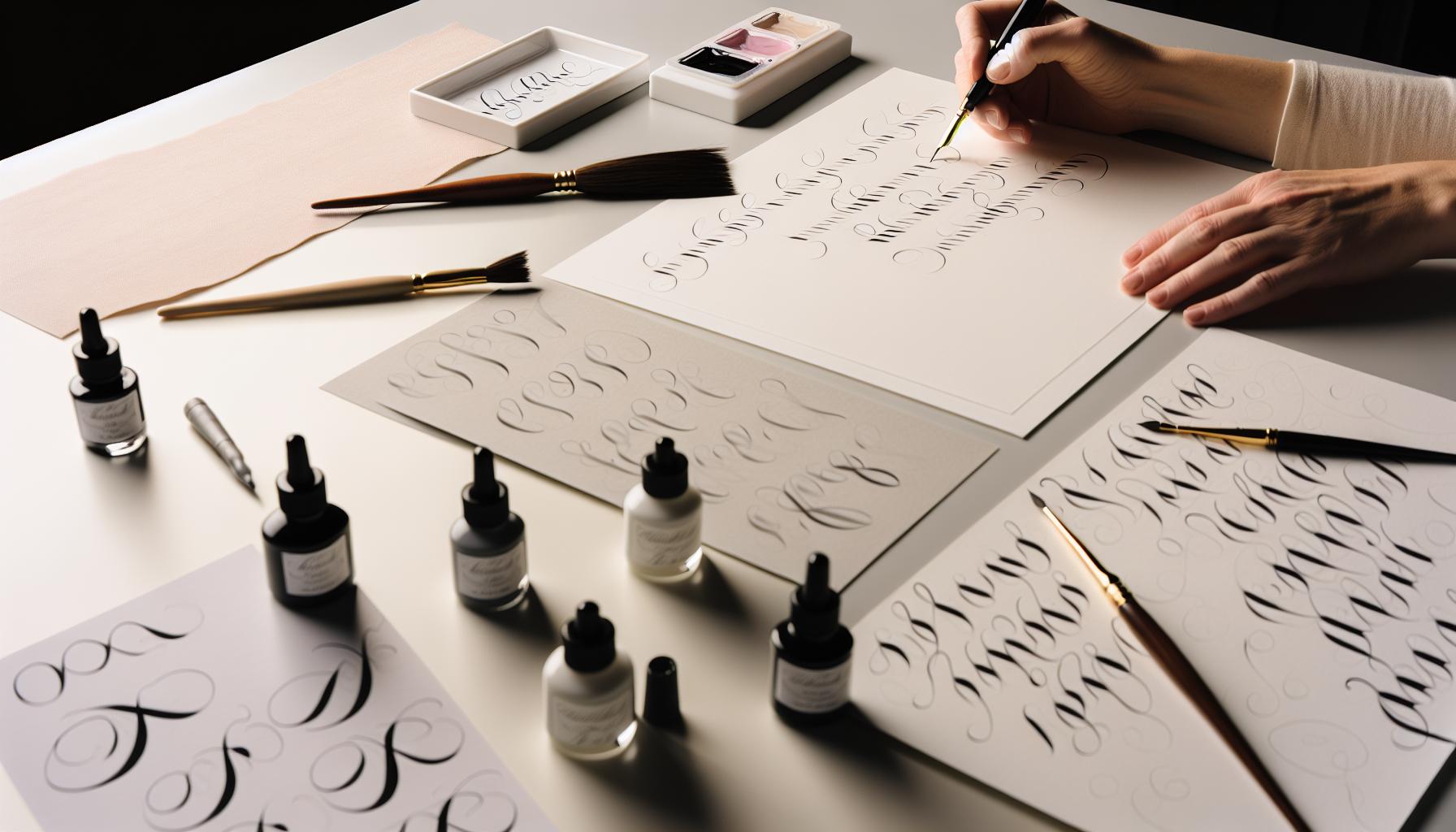
Creating Elegant Flourishes and Variations
in brush pen calligraphy can elevate your work, making it not just a form of writing but an expressive art form. Flourishes are those delicate embellishments that add flair and personality to your lettering. They can transform a simple word into something stunning, inviting viewers to linger and appreciate the intricate details of your work.
Start by practicing basic flourishes. These often include loops, swirls, and exaggerated strokes that integrate seamlessly into your letters. Focus on specific areas where flourishes naturally enhance the form-like the end of a letter or the ascenders of lowercase letters. For instance, when writing a lowercase “h,” extend the ascender to create a sweeping loop that draws the eye. Experiment with different sizes and styles to see what resonates with your aesthetic. Don’t be afraid to go big! Sometimes, a bold flourish can make a simple piece extraordinary.
When incorporating variations, think about how different angles and pen pressures affect your design. A slight tilt of the pen can dramatically change the appearance of your flourishes. Use heavy pressure for thick downstrokes and lighter pressure for upstrokes to create a dynamic contrast. This interplay between thick and thin lines not only adds dimension but also draws attention to your decorative elements. Another effective technique is combining multiple flourishes into one letter, creating a cascading effect that feels both fluid and intentional.
A key point to remember is balance. Too many flourishes can overwhelm your lettering, while too few might make it seem flat. Strive for a cohesive look where your flourishes complement the letters without stealing the show. A good rule of thumb is to choose one or two letters to embellish within a word, allowing your design to breathe. Finally, don’t forget to incorporate practice into your routine. Regularly sketching out flourishes will build muscle memory, enabling you to include them more freely in your finished pieces.
By honing in on these techniques, you’ll find that flourishes become a natural extension of your writing style, helping you craft pieces that are not only legible but also exquisite. Whether you’re addressing a wedding invitation or personalizing a gift, the right flourish can make all the difference in leaving a lasting impression.
How to Choose the Right Brush Pen for You
Choosing the right brush pen can make a significant difference in your calligraphy journey. With so many options out there, it can feel overwhelming, but focusing on key factors will help you find the perfect fit for your style and skill level. First, consider the type of brush pen. You generally have two main categories: flexible brush pens and those with firmer tips. For beginners, a firmer tip, like the Pentel Fude Touch, offers better control, making it easier to create consistent strokes. As you gain confidence, you might experiment with softer brushes for more expressive lines.
Next, look at the size of the brush tip. Brush pens come in various sizes, from small to large. A smaller tip is ideal for detailed work or narrow lettering, while a larger tip allows for bold, sweeping strokes. If you’re unsure, starting with a medium-sized brush pen is a safe bet. It provides a good balance for different lettering styles. Color is another consideration. Many brush pens come in vibrant shades, allowing you to experiment with colorful calligraphy pieces, but it’s a good idea to select some black ones to master your technique first.
Don’t forget to think about ink flow and drying time. Some pens have a more consistent flow, which is crucial for smooth writing. Others might take longer to dry, leading to smudges, especially if you’re left-handed. Take your time to test different brands and see which one feels right in your hand. Brands like Tombow and Kuretake are popular for a reason-users appreciate their reliability and variety.
Lastly, always keep in mind that the best brush pen is the one that feels most comfortable for you. Trying out different pens through sampler sets or local workshops can give you invaluable hands-on experience. Remember, as you develop your unique calligraphy style, your pen choice will evolve, and that’s perfectly okay! Get ready to explore and enjoy this wonderful art form to its fullest.
Incorporating Color and Texture in Calligraphy
Incorporating color and texture into your brush pen calligraphy can transform your work from simple lettering to stunning art pieces. The beauty of modern calligraphy lies in its versatility, and playing with color is one of the most exciting ways to express your creativity. Whether you’re aiming for a subtle gradient or vibrant multi-colored letters, color can bring a new dimension to your scripts.
Start by selecting a palette that resonates with the project you’re working on. Water-based brush pen inks are a fantastic choice because they blend easily and come in a myriad of shades. Brands like Tombow offer dual brush pens that allow you to mix colors. Don’t hesitate to experiment with layering. For example, write a letter in a lighter hue, let it dry, and then add depth with a darker shade on top. This layering creates a stunning effect that can add emphasis and intricacy to your work.
Texture is equally essential and can be achieved in several ways. One method is using different brush strokes to create visual interest. Try varying your pressure while you write; heavy pressure leads to bold, thick lines while light pressure results in thin, delicate strokes. You can also incorporate elements like gold leaf, watercolor washes, or even metallic inks for a glamorous touch. Another approach is to use textured paper. For instance, a rough, handmade paper can catch the ink differently than smooth paper, giving your writing a unique tactile quality.
Lastly, consider the interplay of color and texture. You might combine a vibrant background wash with black lettering for a striking contrast, or soften bold colors with pastel shades for a more muted aesthetic. When you allow these elements to work together, your calligraphy can achieve depth and personality. Always remember, practice is key. Don’t be afraid to try unconventional methods. The more you play with color and texture, the more your personal style will evolve, making each piece distinctly yours.
Tips for Building Your Calligraphy Practice Routine
Building a solid practice routine for brush pen calligraphy can elevate your skills and enhance your enjoyment of the art. Consistency is crucial: even just 15 minutes a day can lead to significant improvement. Set aside time in your schedule to commit to your craft. Find a quiet, comfortable space where you can focus and feel inspired. Be intentional about this time; make it a part of your daily life, just like brushing your teeth or having your morning coffee.
To make your practice effective, consider variety in your exercises. Mixing it up prevents monotony and keeps your creativity flowing. You might practice basic strokes one day, then focus on letter forms the next. Use templates or guides to create consistency, but don’t shy away from experimenting with freehand styles as you grow more confident. For example, you can alternate between uppercase and lowercase letters, or explore different textures and styles within your practice.
Setting specific goals can also enhance your routine. Maybe it’s mastering a particular letter style or completing a small project by the end of the week. Write down these goals in a dedicated notebook along with your progress, and review them regularly. This habit not only tracks your improvement but also motivates you to keep pushing your boundaries.
Finally, celebrate your achievements, no matter how small. Whether it’s showing off your work to a friend, sharing it on social media, or keeping a portfolio, acknowledgment of your growth is crucial. Engaging with the community, such as online groups or local classes, can provide inspiration and support. Connecting with fellow calligraphers enhances your motivation, offers new techniques, and sparks creativity through shared experiences. Start small, stay consistent, and watch your brush pen calligraphy skills bloom!
Showcasing Your Calligraphy: Display Ideas
Displaying your calligraphy can be an exciting way to share your creativity and celebrate your progress. Whether it’s for personal enjoyment or to inspire others, showcasing your work adds a new layer of appreciation to the art form. Here are some impactful ways to bring your brush pen calligraphy into the spotlight.
Start with frames. Picture frames are a classic choice for displaying calligraphy. Select frames that complement your style-minimalist for modern designs, ornate for vintage looks. You can create a gallery wall featuring different pieces or highlight a single work in a statement frame. Don’t forget to consider matting; it adds a professional touch and draws attention to your beautiful lettering.
Another fun and interactive way to display your calligraphy is using chalkboards or whiteboards. These versatile options allow you to update your messages easily. Write inspirational quotes, seasonal greetings, or updates, and change them often to keep your display fresh and engaging. You’ll encourage interaction too-friends and family will love to leave messages or ask you to create something special for them!
Consider making calligraphy cards or stationery as gifts. Handwritten notes in calligraphy can elevate even the simplest message. Craft personalized greetings for friends’ birthdays or special occasions, or design unique notecards to sell or share. You’ll not only practice your skill but also spread joy through your artistic expressions.
Lastly, social media is a fantastic platform for showcasing your calligraphy. Create an Instagram or Pinterest account to share your work; the visuals can attract a like-minded community. Document your progress, share tips, and interact with fellow calligraphers for support and inspiration. Highlighting your journey online can lead to unexpected opportunities while allowing you to receive feedback and encouragement from others.
Display your calligraphy proudly, and remember that each piece tells a story of your growth and creativity.
Engaging with the Calligraphy Community Online
Connecting with the calligraphy community online can be one of the most rewarding experiences of your creative journey. Whether you’re a beginner or have been refining your skills for years, the insights, support, and inspiration found in these spaces can elevate your practice. Social media platforms like Instagram and Facebook, along with dedicated forums and websites, offer vibrant communities where enthusiasts gather to share tips, showcase their work, and encourage one another.
One great way to engage is by participating in calligraphy challenges. These prompts often encourage you to create pieces based on a theme or technique, pushing your skills while also connecting you with other artists. Use hashtags like #calligraphycommunity or #brushpenlettering to discover challenges and showcase your work. This visibility can lead to constructive feedback and inspiration from other calligraphers who share your passion.
Don’t underestimate the power of sharing your own progress and learning moments. Posting not just your finished pieces, but also your practice drills or even your struggles, can foster genuine conversations with others. Many artists appreciate transparency in others’ journeys; it reminds us all that mastery takes time and practice. Engaging authentically builds stronger connections and encourages a collaborative spirit.
Check out websites and forums dedicated to calligraphy, where resources are shared, and discussions flourish. Platforms like Reddit’s r/calligraphy or dedicated Facebook groups can be goldmines for advice and critiques. Don’t hesitate to ask questions or seek guidance-most community members are eager to help newcomers.
Lastly, consider following and interacting with seasoned calligraphers. Many offer tutorials, tips, and live sessions to help you refine your style and techniques. Engaging with their content-by commenting, sharing, or even joining their courses-can propel your skills and connections within the community. Embrace the spirit of collaboration, and you’ll find that the calligraphy world is not just about personal growth but also about nurturing a collective creativity that inspires everyone involved.
Resources for Further Calligraphy Learning
There’s a wealth of resources out there to help you deepen your brush pen calligraphy skills, whether you’re just starting or looking to enhance your practice. First off, online tutorials and video classes can be your best friends. Platforms like YouTube feature countless channels dedicated to calligraphy, where professional calligraphers often share techniques and tips. For example, some creators offer step-by-step guides that break down complex strokes, making it easier for you to follow along at your own pace.
Books are also invaluable resources. Consider titles like “The Complete Book of Calligraphy & Lettering” that cover various styles and techniques, including brush pen methods. Such guides often include practice drills and example alphabets that let you study and replicate different styles. Look for books with accompanying worksheets, as these provide a structured way to practice and track your progress.
Another fantastic option is to visit online communities or forums. Reddit’s r/calligraphy or specific Facebook groups dedicated to calligraphy can connect you with both novices and experienced calligraphers who share resources, challenges, and feedback. Don’t hesitate to tap into these networks to ask questions or seek advice; the community is generally very supportive.
Lastly, explore websites like Lettering Daily, which offer comprehensive guides and worksheets tailored specifically for beginners. These resources can help you understand brush pen techniques and effectively practice them in your daily routine. By leveraging these tools and communities, you’ll not only improve your skills but also find a network of fellow enthusiasts who share your passion for modern script.
FAQ
Q: What is the best way to practice brush pen calligraphy for beginners?
A: The best way to practice brush pen calligraphy is to start with basic strokes and shapes. Focus on consistency in pressure and angles. Use practice sheets or print templates to guide your hand. *Regular practice, even for short durations*, can significantly improve your skills over time.
Q: How can I improve my brush pen calligraphy skills quickly?
A: To improve quickly, concentrate on mastering the fundamental strokes before moving to full letters. *Break down letterforms* into strokes and practice each one repeatedly. Additionally, watching tutorial videos can offer insight into techniques you might be missing.
Q: What is the difference between brush pen and traditional calligraphy?
A: Brush pen calligraphy uses a flexible brush tip to create varying line thicknesses, allowing for expressive strokes. Traditional calligraphy often employs a pointed nib or flat chisel tool, which produces more defined, consistent lines. *Brush pens offer greater versatility* in style and spontaneity.
Q: How do you achieve clean lines in brush pen calligraphy?
A: Achieving clean lines involves using the right amount of pressure-lighter for upstrokes and heavier for downstrokes. *Maintain a steady hand and practice slow, deliberate movements*. Good quality paper can also help prevent ink bleeding, resulting in sharper lines.
Q: Why should I choose a particular brush pen for calligraphy?
A: Choosing the right brush pen is crucial because different pens offer varying flexibility, ink flow, and tip size. A beginner-friendly pen typically has a suitable grip and a flexible yet sturdy tip. *Experiment with a few options* to find the pen that feels most comfortable for you.
Q: Can I use markers for brush pen calligraphy?
A: While traditional markers can be used for basic lettering, they won’t offer the same versatility as brush pens. *Brush pens are designed to facilitate varying stroke widths*, which is essential for creating the modern script style effectively.
Q: How can I add creativity to my brush pen calligraphy?
A: Enhance your brush pen calligraphy by incorporating *color, textures, and varying styles*. Experiment with different techniques like adding flourishes or combining scripts. Don’t hesitate to mix mediums, such as pairing brush pen lettering with watercolors or colored pencils for unique effects.
Q: What should I avoid when practicing brush pen calligraphy?
A: Avoid pressing too hard on the brush pen, as this can damage the tip and lead to inconsistent ink flow. Also, *don’t rush your practice*. Focus on forming each letter correctly rather than speed. Neglecting these aspects can hinder your progress.
The Conclusion
Thanks for joining us on this journey through brush pen calligraphy! By now, you should feel inspired to pick up your brush and create stunning scripts that reflect your unique style. Remember, mastering modern script is all about practice and patience, and we’ve got just the resources to support you. Check out our Brush Pen Calligraphy Practice Worksheets and explore Advanced Techniques for Scripted Lettering to enhance your skills even further.
If you’re eager to dive deeper, subscribe to our newsletter for exclusive tips and access to our community of fellow calligraphy enthusiasts. Got questions or insights? We’d love to hear from you in the comments below-let’s keep the conversation going! Before you go, don’t forget to explore other helpful guides on our site to elevate your calligraphy game. Keep creating and stay inspired!