
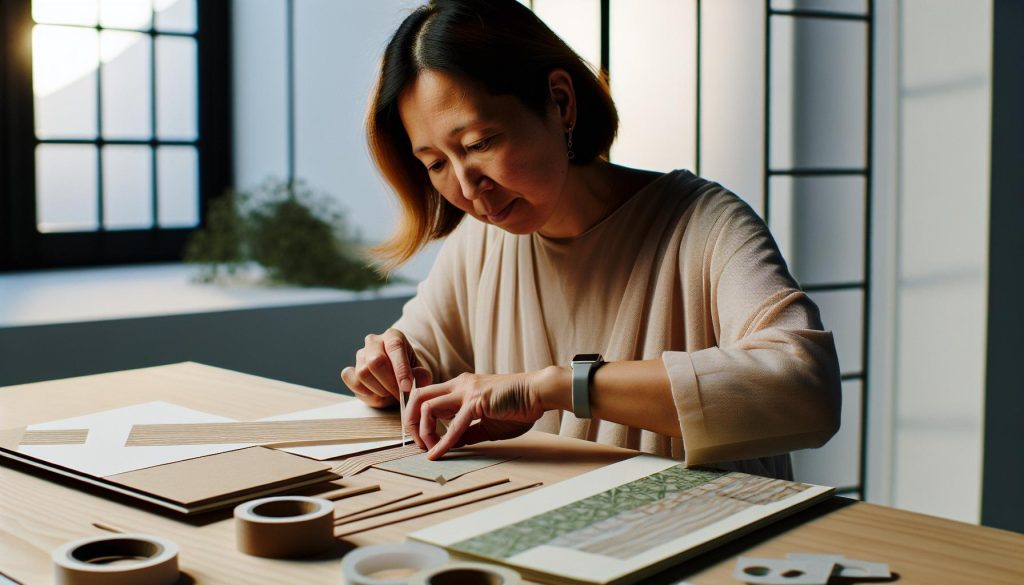
If you’ve ever marveled at the intricate designs in crafts or journals, you’ve likely seen thin washi tape in action. This versatile and delicate tool can transform ordinary projects into stunning works of art, offering a touch of elegance and precision that few can match. Whether you want to decorate planner pages, create custom gift wrap, or add subtle accents to your artwork, mastering thin washi tape is key to achieving those professional-looking details. However, many people struggle with how to use it effectively, often feeling overwhelmed or unsure about where to start. In this guide, we’ll explore practical techniques and creative ideas that will not only enhance your project but also boost your confidence in using this beautiful medium. Let’s dive into the delicate art of washi tape and unlock its potential together!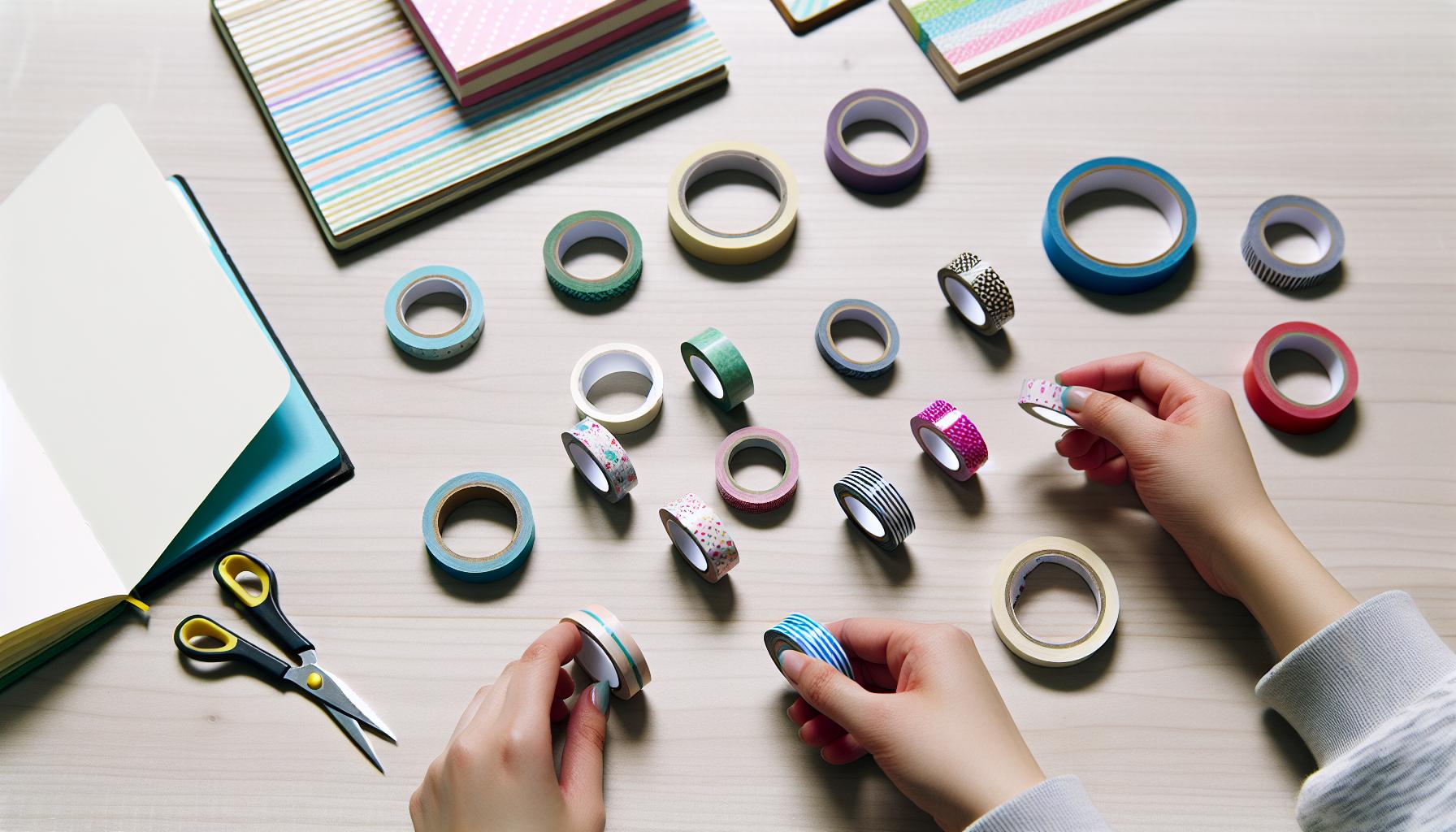
Choosing the Right Thin Washi Tape for Your Project
Choosing thin washi tape for your project isn’t just about picking a pretty color-it’s about function, design, and impact. Washi tapes are incredibly versatile, and their subtlety can enhance or transform your creative work in ways you might not expect. Here’s how you can make the right choice.
First, consider the design and color palette of your project. Are you aiming for a minimalist look, or do you want to create a bold statement? If your project has a lot of intricate details, opt for thin washi tapes with delicate patterns that won’t overpower the main elements. On the other hand, vibrant colors can add an eye-catching contrast, making your project pop.
Next, think about the adhesion and texture of the washi tape. Some tapes are more opaque, while others are translucent, which can affect their layering capabilities and overall effect. If you’re creating a piece that involves multiple layers, go for tapes known for good adhesion that won’t peel off easily. Test a few different types to see which one suits your needs best, especially if you’re working with different surfaces like paper, canvas, or wood.
Last but not least, don’t overlook the width of the tape. Thin washi tape is perfect for fine details, but if you’re working on a larger scale, you might want to have a few wider options on hand for more substantial areas. Play around and mix thicknesses to find what works best for your project.
By thoughtfully selecting the right thin washi tape, you can elevate your creative endeavors and achieve the delicate detail work you envision. Embrace the process, experiment, and most importantly, enjoy the artistic journey!
Essential Tools for Working with Thin Washi Tape
To master the art of working with thin washi tape, having the right tools can make all the difference. You might think tape is simple, but the right setup will enhance your precision and creativity. Start with a good pair of scissors. A sharp, fine-tipped pair will ensure clean cuts, preventing fraying and allowing you to achieve those crisp edges that thin washi tape calls for. For even more precision, consider using a craft knife and cutting mat to slice through the tape easily while keeping your workspace tidy.
Next up, a tape dispenser is indispensable, especially when you’re working on larger projects. A handheld dispenser lets you easily apply tape while maintaining tension, which is crucial for ensuring your lines remain straight. If you often reposition your tape, look for a dispenser with a guide to help you align it perfectly every time.
Additional Handy Tools
Beyond these essentials, having a range of tools can elevate your projects:
- Bone Folder: This tool helps to smooth out the tape onto your surface, which is especially useful if you’re layering or want to remove air bubbles.
- Ruler: A clear ruler is great for measuring and aligning your tape perfectly before cutting.
- Sticker Sheet or Pad: For projects where you want to mix different designs, a non-stick surface makes it easy to test combinations of tapes without them sticking permanent.
- Tweezers: Ideal for placing tiny pieces with precision. They’re great for detailed work where your hands may be too large to manipulate effectively.
Investing in these tools will help you harness the full potential of thin washi tape, giving you the freedom to create stunning, detailed work effortlessly. Remember, the right tools not only simplify the process but also spark creativity, allowing you to explore new techniques and project ideas with confidence.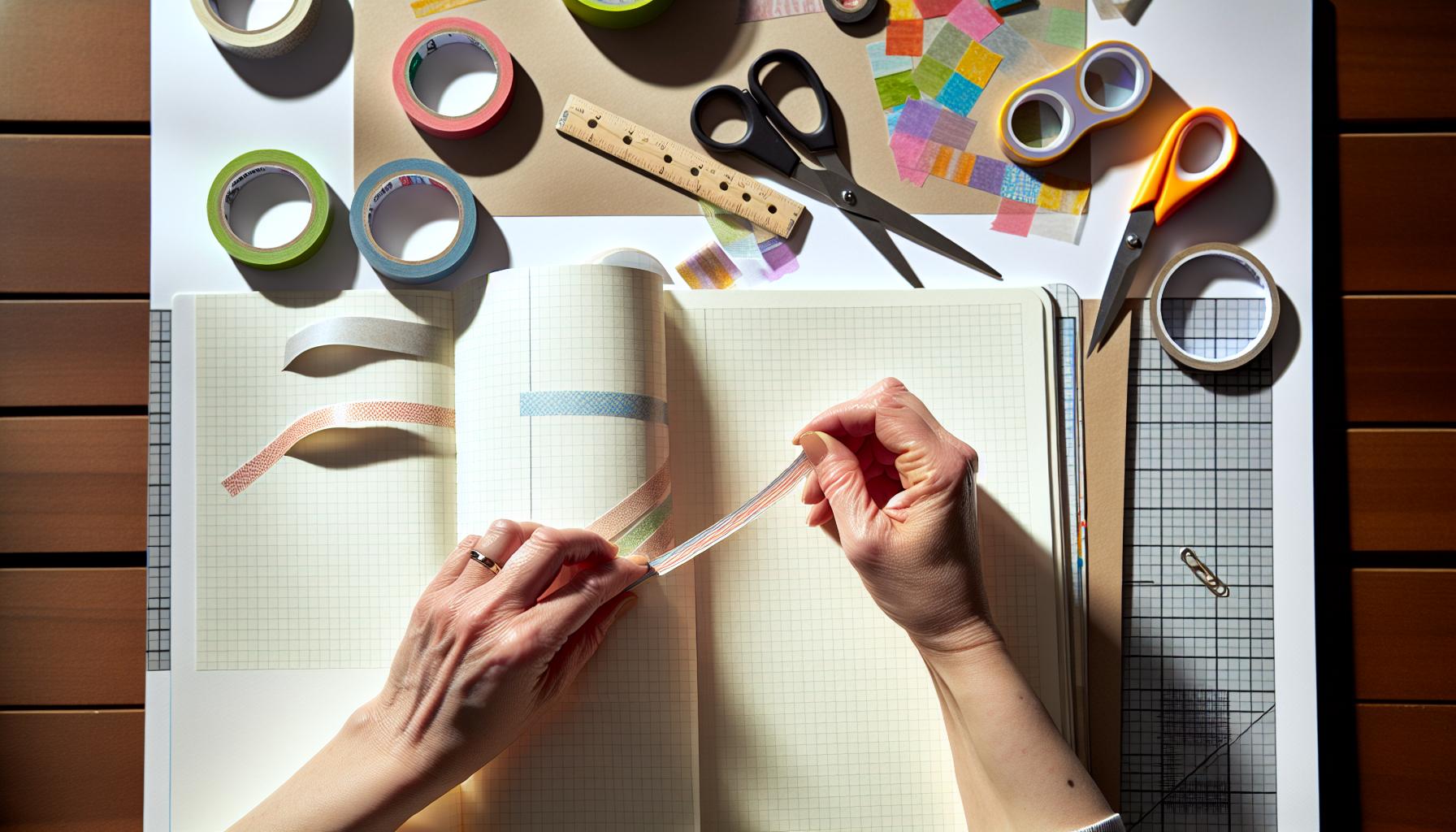
Creative Techniques for Applying Thin Washi Tape
Using thin washi tape isn’t just about sticking it down; it’s a chance to express your creativity and add intricate details to your projects. Whether you’re crafting a scrapbook, decorating your planner, or enhancing mixed media art, the application techniques you choose can elevate your work from ordinary to extraordinary. Let’s dive into some innovative and effective methods to make the most of thin washi tape.
Start by exploring the overlay technique. Layering strips of washi tape allows you to create depth and texture. Choose colors or patterns that complement each other, and apply them at varying angles. For instance, create a base layer by sticking down a bright wash tape horizontally, then add a contrasting geometric design at a diagonal angle on top. This not only draws the eye but gives your project a dynamic look. To prevent any tape from peeling up at the edges, use your bone folder to press the edges down firmly after application.
Another fascinating technique is to use washi tape as a masking tool. If you love watercolors or other inks, tape off areas of your paper to create crisp lines or patterns. When you paint over the washi, it acts as a barrier, ensuring clean edges. Once the paint dries, gently remove the tape, and you’ll reveal stunning geometric shapes or borders that pop against the background. This trick is perfect for creating custom backgrounds or focal points in your art.
Don’t overlook the potential for 3D effects. Try curling or bending strips of washi tape into unique shapes or using them to embellish handmade cards. For instance, create tiny flowers by twisting strips of tape around a pencil, then securing them with a dot of glue. These tactile elements add an engaging dimension to your work, making it more interactive and visually appealing.
Lastly, adding washi tape to your everyday items can turn the mundane into something special. Use it to decorate your phone case or embellish a simple notebook. Applying thin strips of tape along edges or making fun patterns can give new life to items you use daily, transforming them into personalized pieces that reflect your style.
Experimenting with these creative techniques can transform how you approach your projects. Don’t be afraid to mix and match methods to discover new effects. The versatility of thin washi tape allows for endless possibilities-let your imagination lead the way!
Layering Washi Tape for Stunning Visual Effects
Layering thin washi tape can transform your artistic projects from simple to stunning. This technique not only adds depth but also invites creativity by allowing colors and patterns to interact in exciting ways. Start by selecting a few complementary tapes; think about how colors contrast and complement each other. For example, if you have a bright floral print, layering it with a soft pastel geometric tape can create an eye-catching visual balance.
When applying washi tape, consider the order and angle at which you layer the strips. Placing a wider strip down as a base can serve as a canvas, followed by thinner strips applied at playful angles. This method creates dynamic movement and draws the viewer’s eye across the piece. Don’t be afraid to experiment-placing one tape slightly askew can add an unexpected twist that keeps things fresh and interesting. If any edges lift, just use a bone folder to smooth them out.
Another method to enhance your layering technique is to incorporate transparency. Many washi tapes come in semi-transparent styles that layer beautifully. When you place a translucent piece over a solid design, it can create an entirely new color and texture. Think of this as building a visual collage where each layer adds richness and complexity. You could even create a layered look using strips of varying widths to play with scale and proportion.
Lastly, remember that layering isn’t just for flat surfaces. You can create three-dimensional effects by bending or curling washi tape before securing it down. For instance, if you’re decorating a card, try rolling a strip into a small flower shape and securing it on top of your layers. These tiny details can turn an already striking design into a standout masterpiece. Embrace the versatility of washi tape and let each layer tell a part of your creative story-your projects will shine like never before!
Incorporating Washi Tape in Mixed Media Art
Using washi tape in mixed media art can elevate your projects to a new level of creativity and uniqueness. It’s not just about sticking a piece of tape down; it’s about combining textures, colors, and forms in a way that tells a story. If you’re looking to incorporate thin washi tape into your mixed media pieces, here’s how to do it effectively.
One of the best ways to use washi tape is to create base layers. Start with a canvas, paper, or wood surface and apply strips of washi tape in various directions. This not only adds color but also creates an interesting background that can serve as the foundation for your artwork. It’s important to think about the design of your tape; some designs can add a whimsical or vintage touch that enhances the overall aesthetic. Once your background is established, you can layer other materials like paint, ink, or even fabric on top, allowing sections of the washi tape to peek through.
Textures and Layers
Don’t shy away from combining different textures. Washi tape has a unique feel that contrasts beautifully with materials like acrylic paint or textured paper. For instance, try tearing pieces of tape to create irregular shapes. This adds a raw, organic vibe that can complement more polished elements of your piece. You can even use washi tape to adhere other materials-like thread or fabric-into your composition, binding your layers seamlessly while letting the decorative aspect shine through.
Focal Points and Accents
Instead of using washi tape purely for background purposes, consider it for focal points as well. You can create bold geometric shapes or patterns in the foreground of your design. Think of washi tape as a drawing tool; cut it into intricate designs or arrangements and use it to draw the viewer’s eye to a specific area of your artwork. This technique works especially well in collage work, where the contrast of the tape can vary dramatically against different backgrounds, making the piece visually striking.
Experimentation is Key
Lastly, don’t be afraid to experiment! Try layering washi tape over stencils, or even cutting it into smaller shapes to form patterns-this provides endless possibilities. Play with color combinations and transparency to create depth. For instance, layering a vibrant floral washi tape over a subtle watercolor wash can create stunning visual effects that captivate viewers.
Incorporating thin washi tape into your mixed media art not only enhances your creativity but also provides a versatile medium that’s easy to manipulate. With a bit of imagination, your art will become a vivid tapestry of texture, color, and personal expression.
Tips for Perfectly Cutting and Trimming Washi Tape
When it comes to cutting and trimming washi tape, precision is key. If you’ve ever struggled with creating clean edges or desired lengths, you’re not alone. Washi tape is delicate, flexible, and can easily fray or tear if mishandled. Here are some practical tips to ensure your cuts are perfect every time.
Start with the right tools. A pair of sharp scissors designed for fine cutting can make a huge difference. Craft knives can also be incredibly useful for making straight cuts, especially on larger pieces or when you need a precise line. For those who prefer a quicker option, a rotary cutter on a cutting mat can provide exact cuts without the mess. Whatever you choose, make sure it’s sharp-dull blades can lead to uneven edges and frustrating results.
When you’re ready to cut, measure twice and cut once. Use a ruler or a straight edge to position your tape accurately before cutting. If you’re working with intricate designs, consider cutting longer pieces and trimming them down to achieve the desired length and shape. This approach allows you to maintain control and make adjustments as needed. Additionally, always cut away from your body to ensure safety.
Another handy technique is to create a guide. For longer strips, mark the cut lines on a piece of paper or directly on your workspace with a washable marker. This guide helps ensure you’re cutting straight and allows for multiple identical strips if needed. For intricate designs, try to visualize where you want to cut beforehand, so you can avoid unnecessary waste.
Finally, don’t forget to practice. Like any skill, cutting washi tape gets easier with time. Experiment with different widths and designs, and see what works best for you. With these tips, you’ll be well on your way to achieving beautifully cut washi tape for all your creative projects.
Caring for and Storing Your Washi Tape Collection
To keep your washi tape collection in top shape, understanding how to care for and store it is crucial. Washi tape is delicate yet versatile, and proper maintenance will ensure it remains usable for all your crafting needs. Start by keeping your washi tape in a cool, dry place. Direct sunlight can fade the colors and cause the adhesive to degrade, so a shaded drawer or storage box is ideal.
Organize your tape in a way that makes it easy to see what you have. This could be through clear plastic bins, craft drawers, or even hanging racks. Use labels to categorize them by color, pattern, or size. This not only keeps your workspace tidy but also sparks creativity when you can easily mix and match different designs. Moreover, consider protecting the ends of your tapes. You can wrap a small piece of painter’s tape at the end to prevent it from sticking to itself and getting damaged over time.
It’s also important to handle your washi tape with care. When tearing off a piece, avoid pulling too hard, as this can stretch or fray the edges. Instead, use scissors for a clean cut if you’re working with intricate designs. Lastly, keep an eye on expiration dates if you’re using specialty tapes, as some might lose their adhesive quality after a certain period.
By following these straightforward tips, you can preserve the beauty and functionality of your washi tape, ensuring it’s ready for any creative project you embark on.
Common Mistakes When Using Thin Washi Tape
Using thin washi tape can elevate your creative projects, but it’s easy to fall into common traps that might hinder your results. One major mistake is assuming that all tapes have the same adhesive strength. Some washi tapes are made for temporary use, while others are designed for durability. Always check the adhesive properties; if it’s too weak, your design could fall apart, yet if it’s too strong, you could damage the underlying surface when removing it. Test the tape in a small area first to avoid disaster.
Another pitfall is how you handle the tape. If you pull it off the roll too aggressively, you risk stretching or tearing it, especially with thinner varieties. Instead, consider using scissors to cut your desired length. This gives you a cleaner edge and helps maintain the integrity of the tape. Also, avoid using thin washi tape on rough or textured surfaces. It needs a smooth backdrop to stick effectively; otherwise, you might end up with washi that won’t adhere properly or looks uneven.
Don’t forget the importance of planning your design before application. Rushing into sticking pieces down without an overarching idea can lead to mismatched colors and patterns. Take a moment to lay things out first. Create a mock-up to visualize how the colors work together. Lastly, use the wrong tools for cutting or trimming can lead to jagged edges. A precision craft knife or a good pair of scissors is essential for that crisp look.
To ensure your projects shine, take forethought and care to avoid these common mistakes. Trust me, your future self will thank you when the final result exceeds your expectations, rather than settling for a project marred by avoidable errors. Happy crafting!
Inspiring Project Ideas for Thin Washi Tape
Using thin washi tape isn’t just about sticking things together; it’s an opportunity to unleash your creativity in surprising ways. Dive into the world of projects where delicate details shine, and you’ll find that this versatile tape can be your best friend. From simple embellishments to complex designs, the possibilities are endless.
One fantastic idea is to create custom bookmarks. Simply cut the tape to your desired lengths, layer different patterns, and secure them to cardstock or plastic for a durable finish. You can even experiment with adding charms or tassels for a personal touch. Think about color combinations that reflect your personality or match a specific theme-these tiny creations are not only functional but also beautiful.
Another exciting avenue is using thin washi tape in home decor. Consider framing an entire wall with geometric patterns made from washi tape. This project is especially appealing for renters or those looking to refresh a space without permanent changes. The tape is easy to apply, reposition, and remove, making it a perfect choice for temporary designs. You can also dress up picture frames or mirrors by accentuating edges with colorful tape, adding a fun flair without the commitment of paint.
Here are more project ideas to ignite your imagination:
- Journaling: Use washi tape to create eye-catching borders for your journal entries, or highlight important dates in your planner.
- Gift Wrapping: Elevate your gift wrapping with decorative tape designs. Use it to seal the wrapping, or create a unique pattern that makes the gift itself part of the display.
- DIY Cards: Personalize blank cards with washi tape designs for birthdays, holidays, or just to say hello.
- Labels: Craft beautiful, customized labels for jars, boxes, or mail. Thin washi tape can add a stylish touch to organization in your kitchen or office.
Remember, the beauty of washi tape is in its ability to blend creativity with practicality. Don’t shy away from mixing and matching patterns-embrace the chaos! Use these ideas as a starting point and allow your creativity to lead you into uncharted territories of artistic expression. Happy crafting!
Exploring Color Combinations with Washi Tape
Brilliant color combinations can elevate your washi tape projects from ordinary to extraordinary. When choosing colors, consider the mood you want to create. For a calming effect, opt for soft pastel shades like mint green, blush pink, or light blue. If you’re aiming for something vibrant and energetic, rich hues like deep teal, bright yellow, and bold red can make your designs pop.
Start by picking a dominant color for your base layer of tape, and then select complementary colors that enhance it. A popular method is to utilize the color wheel; colors opposite each other create striking contrasts, while those next to each other offer a more harmonious feel. For example, combining shades of purple with yellows can create a visually arresting display, perfect for a lively journal spread or gift decorations.
Mixing Patterns and Textures
When working with washi tape, it’s not just about color; the pattern plays a crucial role too. Stripes, polka dots, florals, and geometric designs can interact beautifully. For instance, a floral patterned tape paired with a solid color or a subtle striped tape allows the floral to be the focal point while still adding dimension. Don’t hesitate to layer different types of tapes! This can add depth and interest to your projects-think of layering a delicate lace-patterned tape over a solid color for a gorgeous, textured effect.
Finally, pay attention to the overall balance of your design. Too many contrasting colors can overwhelm the viewer. Aim for a cohesive look by limiting your palette to three to five colors at most. Test different combinations on a practice surface to see how they interact under varying lighting conditions. You might find that what looks great in daylight could change under artificial light.
Incorporating color theory and thoughtful design will not only enhance your projects but also spark joy in your crafting process.
Using Thin Washi Tape in Gift Wrapping and Decor
Using thin washi tape can transform your gift wrapping from ordinary to extraordinary with minimal effort. Whether you’re enhancing a simple kraft paper wrap or creating an elaborate presentation, this versatile tape adds a touch of elegance that’s sure to impress. One of the best parts is its sheer variety-there are patterns, colors, and textures galore, so you can easily match your tape to any occasion.
Start by selecting a thin washi tape that complements the colors and theme of your gift. Think about the season or event: rustic floral patterns for weddings, vibrant colors for birthdays, or subtle metallics for holidays. A piece of advice from my own experience is to layer different washi tape designs to create depth. For example, a thin striped tape can act as a frame around a bolder floral piece. You can also use washi tape to create unique gift labels or tags. Simply write a personal message on a piece of tape and stick it directly onto the wrapping or a gift tag.
Creative Application Techniques
One of my favorite techniques is to use washi tape to create decorative bows or accents. Cut strips of tape and twist them into a flower shape, securing the ends with a dot of glue. This DIY addition makes your gift look professionally wrapped while showing that you put thought into it. You can also add a personal touch by attaching sprigs of fresh greenery or dried flowers alongside the tape, creating a beautiful contrast with the adhesive design.
If you’re wrapping multiple gifts, consider coordinating the designs across all items. Use a consistent color palette or theme to create a cohesive look. This not only enhances the visual appeal but also sets a festive mood. Whether you’re preparing for a holiday celebration, a birthday bash, or simply gifting a friend, thin washi tape allows you to express your creativity and craftsmanship effortlessly.
Incorporating these techniques will not only elevate your gift presentation but also turn the simple act of wrapping into a delightful and artistic process. With just a little creativity and planning, your gifts will stand out for all the right reasons.
Advanced Techniques: Customizing Your Washi Tape Designs
When it comes to customizing your washi tape designs, the possibilities are truly endless. One of the most exciting aspects of thin washi tape is its adaptability; you can easily make it your own with just a few creative techniques. Start by layering different patterns or colors to create a unique look. For instance, combine a delicate floral washi tape with bold geometric designs. This not only adds depth but also showcases your style in a way that just one type of tape can’t achieve.
Another effective technique is to create your own patterned washi tape. You can do this by taking plain, solid-colored washi tape and decorating it with stamp inks, markers, or even adhesive foil. Why not try aligning a simple dot pattern with a stencil? This gives your washi tape a personal touch that reflects your creativity and vision. It’s like having custom tape at a fraction of the cost!
For those with a knack for digital design, consider printing your unique designs onto washi tape. There are online services that allow you to upload your graphics and produce personalized rolls. This is perfect for branding your small business or adding a heartfelt touch to gifts. Make sure to choose designs that are appropriate for the material – simpler patterns generally transfer best.
Lastly, don’t overlook the power of texture. Use multiple layers of tape to create a 3D effect, or incorporate other materials like ribbons or fabric strips alongside your washi tape. This layering technique can add a tactile dimension to your projects, making them not just visually appealing but also engaging to touch.
With these methods in your toolkit, you’re well on your way to making your washi tape projects truly stand out. Whatever your vision, customizing your washi tape can elevate your work and enable you to express your creativity like never before.
Frequently asked questions
Q: What is the best way to apply thin washi tape for detail work?
A: The best way to apply thin washi tape for detail work is to use a craft knife or scissors to cut it precisely to size. Start at one end, pressing down gently, and smooth it out as you go to avoid wrinkles. For intricate designs, use a toothpick or tweezers to position it accurately.
Q: How can I remove washi tape without damaging my project?
A: To remove washi tape without damaging your project, gently peel it back at a sharp angle. If it won’t come off easily, warm it slightly with a heat gun to loosen the adhesive. Always test on a small area first to ensure it won’t damage your surface.
Q: Can I layer thin washi tape for more intricate designs?
A: Yes, layering thin washi tape is a great way to create intricate designs! Start with a base layer and add additional layers in different orientations or colors to achieve a unique texture and depth. Ensure each layer is pressed down firmly for a seamless look.
Q: What surfaces work best for using thin washi tape?
A: Thin washi tape adheres best to smooth, clean surfaces like paper, cardstock, and wood. Avoid using it on textured surfaces, which could cause it to peel up. For best results, always clean the surface before applying the tape.
Q: Are there specific techniques to avoid tearing thin washi tape during application?
A: To avoid tearing thin washi tape during application, unroll the tape slowly and use scissors to cut it instead of tearing it by hand. Keeping the tape taut while applying can also help maintain its integrity and prevent accidental rips.
Q: How should I store thin washi tape to keep it in good condition?
A: Store thin washi tape in a cool, dry place away from direct sunlight to prevent fading and damage. Use a tape dispenser or storage box to keep it organized and prevent dust accumulation. Proper storage prolongs the life of your washi tape.
Q: What are some creative ways to use thin washi tape in home decor?
A: You can use thin washi tape in home decor by creating custom wall art, accenting picture frames, or decorating lampshades. Try using it to make a unique patterned design on furniture or vases for an instant refresh to your space.
Q: How do I choose the right colors for washi tape in my projects?
A: To choose the right colors for washi tape in your projects, consider the overall color scheme of your design. Use a color wheel to pick complementary colors or opt for monochromatic shades for a subtle effect. Experiment with different combinations to achieve your desired look.
Final Thoughts
Now that you’re ready to elevate your craft with thin washi tape, don’t just stop here! Dive deeper into the world of meticulous detailing, and explore our guides on Creative Washi Tape Techniques and Washi Tape Projects for Beginners – perfect for sharpening your skills and maximizing your artistry. Remember, the ability to add delicate accents can transform your projects, so why wait?
If you have questions or want to share your creations, drop a comment below! We love seeing how you use washi in your unique projects. And don’t forget to subscribe to our newsletter for more tips and exclusive content that keeps the inspiration flowing. With thin washi tape, your creative opportunities are endless – start experimenting today!