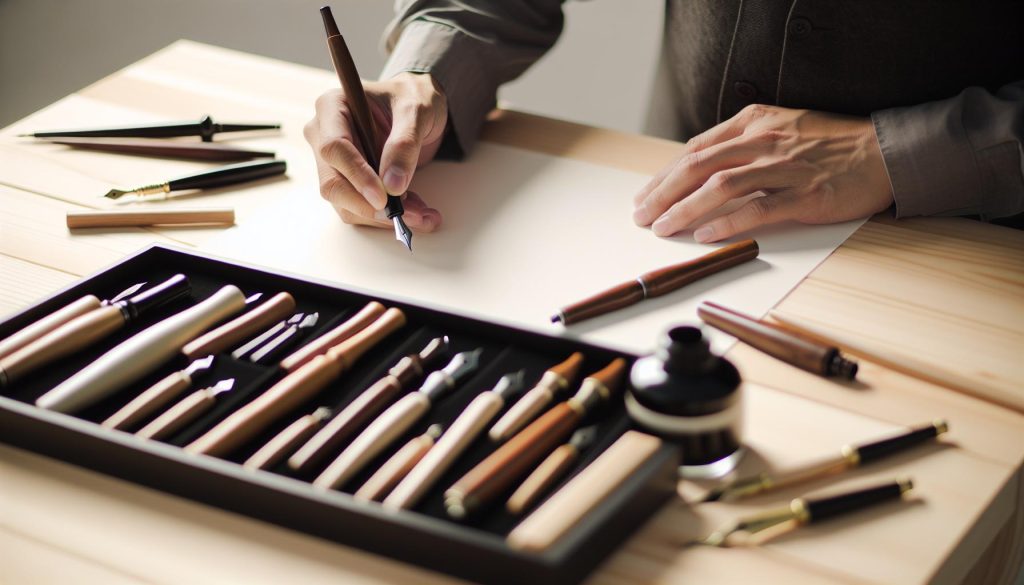
Choosing the right pen for calligraphy can make all the difference in your artistic expression. Did you know that the right tool can elevate your work from ordinary to extraordinary? Whether you’re a seasoned calligrapher or just starting out, understanding the variety of pens available is crucial. You want a pen that feels comfortable in your hand, delivers smooth ink flow, and matches your style-because let’s face it, there’s nothing more frustrating than struggling with a pen that doesn’t meet your needs. In this guide, we’ll explore different types of calligraphy pens, their features, and how they can enhance your writing experience. So, if you’re ready to transform your lettering skills and find that perfect pen, keep reading!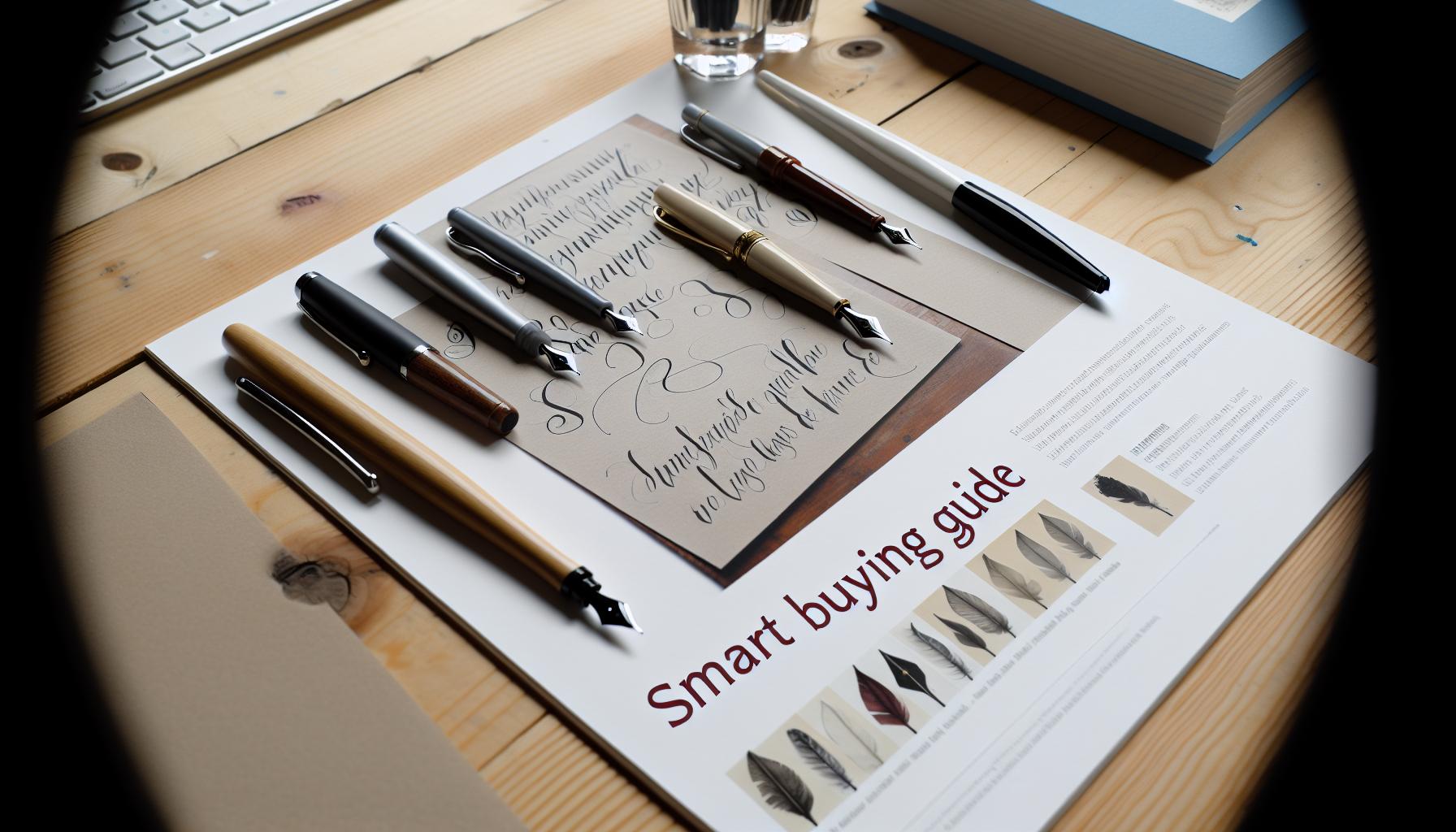
Choosing the Right Calligraphy Pen for Beginners
When starting your calligraphy journey, choosing the right pen can feel overwhelming, but it’s crucial for your success. Many beginners make the mistake of jumping straight into the most aesthetically pleasing tools, overlooking the importance of functionality and comfort. The right calligraphy pen not only enhances your technique but also makes the learning process more enjoyable and less frustrating.
Begin with fountain pens, which are often recommended for new calligraphers. They require less pressure compared to dip pens, making them easier to control. Look for a pen with interchangeable nibs; this way, you can experiment with different sizes and styles as your skills grow. Another fantastic option is the brush pen. These pens are versatile and can achieve various line thicknesses based on the pressure you apply. Plus, they’re great for both traditional calligraphy and modern styles.
As you browse for pens, consider grip comfort and weight. An ergonomic design can make hours of practice feel effortless. Don’t forget that the ink you choose matters too; certain pens work better with specific inks, affecting your final result. If you’re new to the art, a reliable mid-range pen from brands like Tombow or Pilot can deliver exceptional results without breaking the bank. Investing in a quality tool now means you’ll spend less time battling poor performance and more time enjoying your creative expression.
Understanding Different Pen Types: The Essentials
When it comes to calligraphy, the type of pen you choose can significantly influence your learning experience and the quality of your work. There’s a diverse world of pens out there, each designed for specific styles and techniques, which can be overwhelming for beginners. Here’s a breakdown of the common types of calligraphy pens to help you make an informed choice.
Fountain Pens
Fountain pens are excellent for those just starting with calligraphy. They offer the ease of use that many beginners need, featuring a nib that requires less pressure than traditional dip pens. Look for models with interchangeable nibs, as they allow you to explore different line widths and styles as you progress. This versatility can help you develop your style without needing to buy an entirely new pen.
Brush Pens
Brush pens are another popular choice among novice calligraphers. They mimic the feel of using a paintbrush, making them ideal for modern calligraphy styles. The flexibility of a brush pen means you can change your line thickness by varying the pressure you apply, giving your work a dynamic and nuanced look. Brands like Tombow offer dual-tipped options, perfect for both fine lettering and broader strokes.
Dip Pens
If you’re aiming for a more traditional approach, dip pens are worth exploring. With a reservoir for ink and a variety of nibs available, they allow for artistic expression that can’t easily be replicated by other pen types. However, they require a bit more practice to master, especially regarding ink flow and pressure control. They’re ideal for those who want to delve deeper into the art of calligraphy.
Calligraphy Markers
For a quick and easy way to get started, calligraphy markers are a great choice. These come pre-filled with ink and are convenient for travel or casual practice. Many are designed to simulate a brush pen feel, offering control without the learning curve of a dip or fountain pen. They’re particularly good for sketching out ideas or practicing on the go.
In choosing the right pen, think about your comfort and the style of calligraphy you wish to explore. Each pen type has its unique advantages, so consider trying a few different ones to find the best fit for your needs. Remember, the key is to enjoy the process and let your creativity flourish.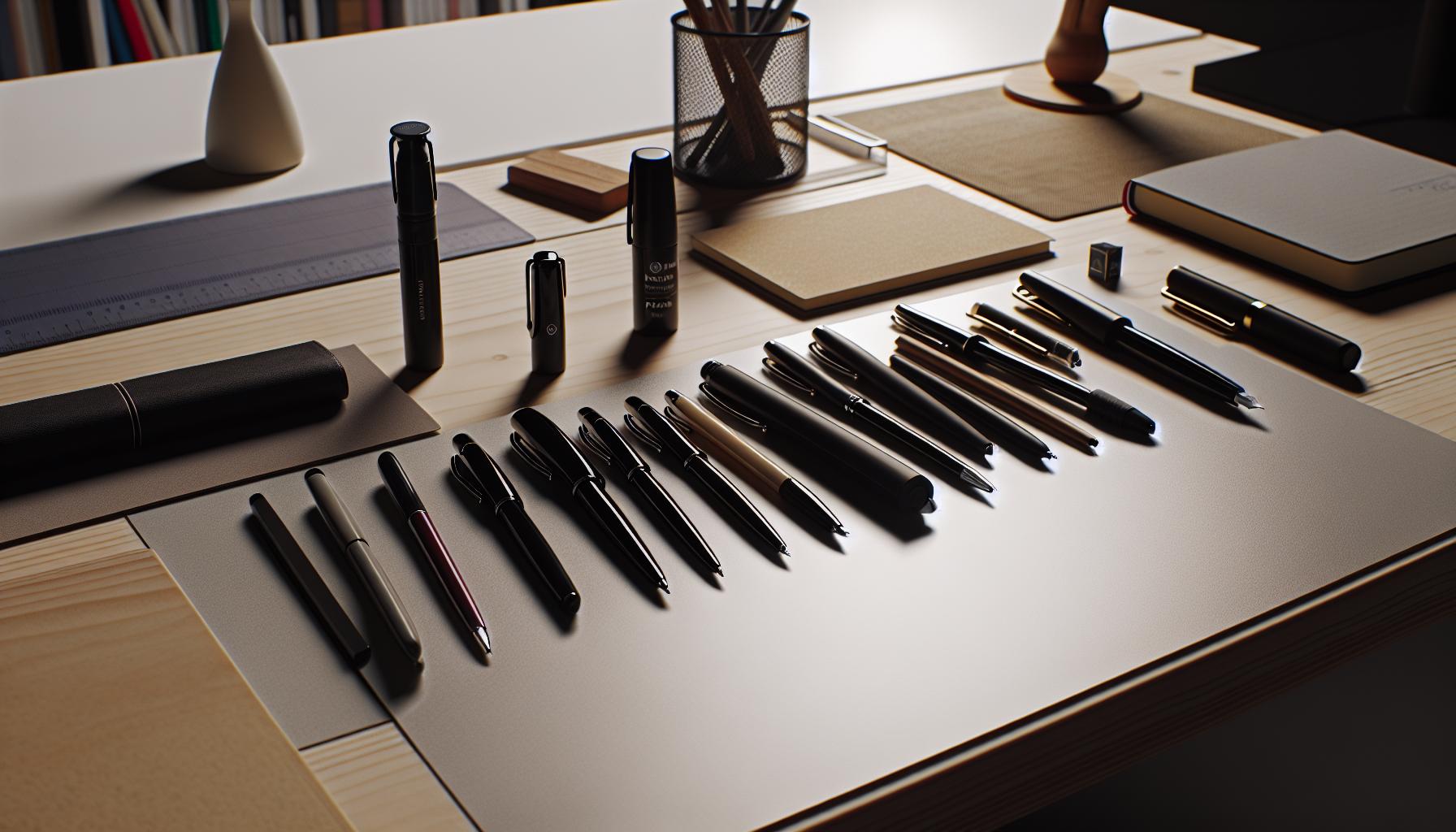
Ink Matters: Picking the Right Type for Calligraphy
Choosing the right ink for your calligraphy pen can feel like finding the perfect match in a relationship-it’s all about compatibility. The ink you select impacts not only the flow and texture of your writing but also the longevity and vibrancy of your work. Whether you prefer the dramatic richness of traditional ink or the convenience of modern alternatives, understanding your options will elevate your calligraphy game.
When it comes to ink types, you have several categories to consider, each serving different styles and techniques. Traditional calligraphy inks, often made of pigment or dye, come in various colors and finishes. Pigment inks are generally more lightfast and water-resistant, making them ideal for artwork that needs to stand the test of time. In contrast, dye-based inks are usually more vibrant and can flow more freely but may fade over time. For beginners, experimenting with both might be beneficial to appreciate the differences firsthand.
Then there are bottled inks and ink cartridges. Bottled inks offer a broader color range and are versatile for dip pens and fountain pens alike. They require a bit more maintenance-the need to clean your nibs and reservoir regularly to prevent clogging. On the flip side, cartridges are incredibly user-friendly, allowing you to switch colors quickly without mess. If you’re frequently on the go or like quick changes during practice, cartridges could be your best friend.
Lastly, consider your surface. Some inks react differently depending on the paper, whether you’re using smooth, textured, or specialty papers like watercolor or handmade options. A couple of tests can help you determine which inks perform best for your preferred surfaces.
In short, be adventurous with your ink choices but keep your ultimate goals in mind. Your calligraphy deserves a medium that complements your style and passion. Happy writing!
Essential Features of a Quality Calligraphy Pen
Selecting a quality calligraphy pen can significantly enhance your writing experience. A pen that’s well-suited to your needs not only improves your style but also makes the process more enjoyable. So, what should you look for in a premium calligraphy pen? Let’s dive into the essential features you need to consider.
First and foremost, the nib is crucial. It’s the heart of the pen and directly affects your writing. Look for versatile nibs that adapt well to different styles, from fine to broad strokes. If you’re into copperplate or modern calligraphy, consider flexible nibs that allow for varying line thickness by changing the pressure you apply. It’s also worth trying out different materials-some nibs are made from steel, offering durability, while others are gold or spring-loaded, providing a smoother and more responsive feel.
Next up, think about the pen’s body. A comfortable grip can’t be overlooked. You want a pen that feels good in your hand during extended writing sessions. Ergonomic designs that prevent fatigue will keep your hand happy. Additionally, consider the weight of the pen; a heavier pen can provide stability, but too much weight might cause strain. Try various pens to find the balance that works best for you.
Another vital feature is ink compatibility. Make sure the pen can accommodate your preferred ink type, be it bottled or cartridges. Some pens are designed specifically for certain inks; others are more versatile. If you enjoy experimenting with different colors and styles, a pen that easily switches between ink types can save you time and frustration.
Finally, quality construction matters. Look for pens made from durable materials that will withstand the test of time. Plastics are lightweight, whereas metal offers longevity and stability. A well-constructed pen will not only enhance your writing but also withstand the rigors of daily use.
In summary, when on the hunt for a calligraphy pen, focus on the nib flexibility, comfort, ink compatibility, and overall construction quality. Investing in a quality pen will make a significant difference in your calligraphy journey, helping you produce beautiful writing that reflects your unique style. Happy writing!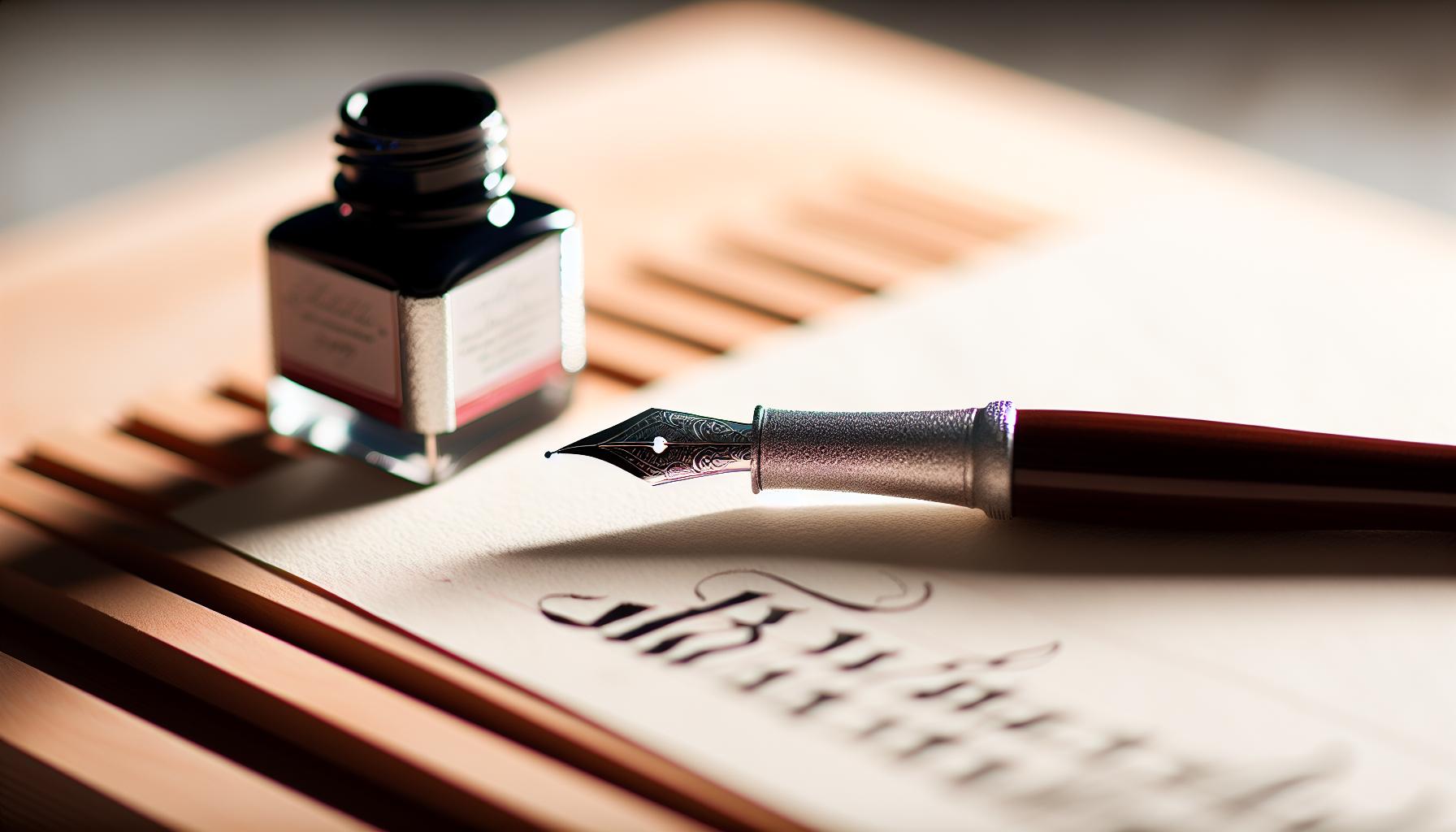
Popular Brands: Which Calligraphy Pens Stand Out?
When stepping into the world of calligraphy, pairing your skills with the right tools is essential, and choosing a reputable brand can significantly enhance your experience. Some pen manufacturers have built a solid reputation over the years for their quality and design, making them favorites among both beginners and seasoned calligraphers.
One standout brand is Pilot, particularly known for its Pilot Parallel Pens and Namiki series. The Parallel Pens are particularly user-friendly, featuring a unique square nib that allows for clean lines and beautiful flat strokes, perfect for modern calligraphy styles. They come in various sizes, accommodating both beginners and those looking for more precise applications.
Another notable name is Speedball, which has long been a staple in the calligraphy community. Speedball’s nibs, such as the Oblique Nib Holder and their variety packs, give you the flexibility to experiment with different styles while maintaining a comfortable grip. Their ink offerings, including the Super Black India Ink, are highly praised for their smooth flow and deep pigmentation, essential for achieving those vibrant letterforms.
For those leaning towards luxurious tools, Tachikawa offers beautifully crafted pens and nibs that are perfect for more refined scripts. Their Tachikawa Comic Pen Nibs, although designed initially for manga artists, deliver exceptional results for calligraphy, providing a unique blend of flexibility and control.
Finally, don’t overlook Kuretake, renowned for their Fudenosuke Brush Pens. These are perfect for brush calligraphy, providing a soft brush tip that allows for varied stroke widths depending on pressure applied. They are especially advantageous for on-the-go calligraphers, as they come in both hard and soft tip variants-ideal for practice or polished pieces alike.
In choosing a pen, consider what each brand offers in terms of style, comfort, and results. Testing them out hands-on, if possible, can help you find your perfect match. Remember, the right tools not only improve your work but can also inspire creativity and mastery in your calligraphy journey!
Budgeting for Calligraphy: Affordable vs. Premium Pens
When you’re starting out in calligraphy, one of the biggest considerations is your budget. The right pen can make a world of difference, but understanding the balance between affordable options and premium choices is crucial. A quality pen can enhance your writing experience, but it doesn’t mean you need to empty your wallet to get started.
Affordable pens often come in handy for beginners who might be experimenting with different styles and techniques. Brands like Speedball offer excellent entry-level tools that won’t break the bank, such as their straightforward nib holders and ink sets. With these, you can practice your basics without feeling guilty about the expenditure. Plus, many affordable pens provide surprising quality, allowing you to achieve satisfactory results as you learn the craft.
On the flip side, investing in premium pens can be worthwhile once you find your style and develop your skills. Premium options, like those from Tachikawa, are designed with superior materials and craftsmanship, providing a more satisfying writing experience. For instance, their specialized nibs allow for more nuanced control and flexibility, which can significantly enhance your work’s final appearance. The cost of these pens can be justified by their longevity and the quality of results, making them a valuable addition to your toolkit as you progress in your craft.
Ultimately, it’s about finding what works for you. Don’t hesitate to start with affordable options and gradually transition to premium pens as your skills grow. Your choice will depend on how often you practice and your personal preference for the feel and output of different pens. Remember, the right tool should inspire you and not deter you due to cost. Consider trying a mix of both to discover where you truly excel and what you enjoy writing with most.
Advanced Techniques: When to Upgrade Your Pen
Sometimes, your pen can hold you back more than your skills. You’ve practiced diligently, and yet the lines you’re creating don’t quite match your vision. This gap often signals it’s time to upgrade your pen. But how do you know when to transition from your starter tools to something more advanced? Here’s the scoop.
First off, pay attention to your evolving style. As you delve deeper into calligraphy, you might find a specific style that resonates with you, whether it’s elegant cursive or bold modern lettering. When you start to see limitations in the control or expression of your current pen, it’s a good indication that a more specialized tool could significantly enhance your work.
Consider the following scenarios where upgrading your pen makes sense:
- Inconsistent ink flow: If you’re constantly battling with blobs of ink or dryness, a higher-quality pen with better engineering can provide more reliable performance.
- Desire for finer control: Premium pens often have nibs designed for specific techniques, like pointed pen nibs for flourishing, which can help refine your style.
- Increased volume of work: If you’re creating more pieces, whether for personal enjoyment or commissions, investing in a pen that reduces hand fatigue can make a significant difference in your comfort and output.
- Seeking unique effects: Advanced pens can offer unique features, like flexible nibs that change thickness with pressure, allowing for more dynamic line variations.
An upgrade isn’t just about prestige or expensive equipment-it’s about enhancing your craft. Don’t shy away from exploring various brands and types, as finding the right pen that feels good in your hand is crucial. Consider trying a few options in-store if possible or investing in a small online order to test different nibs and grips. Ultimately, recognizing your needs is key; the right pen should inspire you and elevate your work, helping you reach new heights in your artistry.
Care and Maintenance Tips for Longevity
To keep your calligraphy pens in top shape, proper care and maintenance are essential. These tools can last for years, but neglect can lead to frustrations like clogged nibs or inconsistent ink flow. Here’s how to ensure your pens stay reliable, allowing you to focus on your artistry instead of battling with your tools.
First and foremost, cleaning your pens after each use can’t be overstated. Whether you’re using a dip pen or a fountain pen, residual ink can dry and clog the nib. For fountain pens, simply flush them with water until the water runs clear. For dip pens, wipe the nib with a soft cloth or paper towel, and if it’s been heavily used, soak the nib in water to loosen dried ink.
Storage matters too. Always store your pens upright, with the nib at the top for fountain pens, to prevent ink from pooling at the nib tip. For dip pens, a suitable case or holder can prevent bending or damage to the nibs. Keeping them in a controlled environment also helps-avoid places with extreme temperatures or humidity, which can affect the ink’s viscosity and the pen’s materials.
Also, be mindful of ink choices. Not all inks are created equal; some can be more prone to clogging or don’t flow as well. Investing in higher-quality ink can make a significant difference in both the performance of your pen and the quality of your work. Always refer to the manufacturer’s recommendations for compatible inks.
Lastly, understand your pen’s unique needs. Each type requires different care. For example, brush pens often have disposable nibs, while metallic or gel pens might need specific maintenance to keep the ink from drying out. Evaluate your tools regularly; if you notice performance issues, a quick clean or change of ink could make all the difference. By taking a little time to maintain your pens, you’ll ensure they serve you faithfully, helping you achieve the beautiful lettering you envision.
Troubleshooting Common Calligraphy Pen Issues
When you’re deep in the flow of calligraphy, the last thing you want is for your pen to misbehave. Unfortunately, issues like ink flow problems, nib scratches, or inconsistent lines can crop up and disrupt your creative process. Understanding how to troubleshoot these common calligraphy pen issues can keep your artistry fluid and enjoyable.
First up, let’s tackle ink flow problems. If your pen is skipping or the ink isn’t flowing as it should, it’s usually a sign that it’s clogged. For dip pens, gently cleaning the nib with water can often dislodge any dried ink. Fountain pens can benefit from a thorough flushing with water until it runs clear, sometimes even using a dedicated cleaning solution. If you consistently have issues with ink flow, it might be time to examine the quality of your ink-some inks just don’t play nice with certain pens.
Another common issue is nib scratching. If your pen isn’t gliding smoothly over the paper, the nib might be either damaged or misaligned. Carefully inspecting the nib under good lighting can help you spot any bends or rough edges. To fix minor scratches, you can gently polish the nib with a fine abrasive-like a piece of fine sandpaper or a polishing cloth specifically for nibs-taking care not to overdo it. If the nib is significantly bent, you may need to replace it, depending on your pen type.
Lastly, if you’re experiencing blotting, that can often be an ink or paper issue. High-quality, absorbent paper usually works best with ink pens, as overly glossy or rough surfaces can cause unexpected blots. Switching to a different paper type can make a big difference. Also, ensure you’re not overloading the nib with ink, as this can lead to excess ink being released onto the page.
With a little bit of knowledge and hands-on care, you can resolve these pitfalls and enhance your calligraphy experience. Investing time in understanding your tools will ensure that your pen serves you well, allowing your creativity to shine through without hindrance.
Where to Buy Calligraphy Pens: Online vs. Local
When it comes to purchasing calligraphy pens, the choice often boils down to the debate between online and local shopping. While both avenues have their perks, understanding the nuances can significantly enhance your buying experience and make sure you’re getting the right tools for your artistic journey.
Shopping online offers the convenience of vast selection and often lower prices. You can browse a wide variety of pens-from beginner-friendly options to professional-grade tools-without the constraints of local inventory. Websites often provide detailed descriptions, customer reviews, and even video demonstrations, allowing you to make informed choices from the comfort of your home. Plus, online retailers frequently have sales, exclusive discounts, and a broader range of specialty brands that you might not find in physical stores.
However, don’t underestimate the benefits of shopping locally. Visiting a craft store or specialty art supply shop allows you to hold the pens in your hands and test their feel. You can gauge the weight, balance, and flow of ink, which is crucial for calligraphy. Many local shops host workshops or have knowledgeable staff who can offer tailored advice based on your needs. Additionally, supporting local businesses helps foster a sense of community and can lead to discovering unique, handcrafted items that aren’t available online.
Ultimately, the best approach combines the strengths of both methods. Consider shopping online for specific brands or styles you’ve identified, and then visit local stores to explore and test various pens. This hybrid strategy ensures you’re equipped with the right gear for your calligraphy journey while enjoying the benefits of both shopping landscapes. Whatever route you choose, remember that the perfect pen is out there waiting for you!
Personal Recommendation: My Favorite Calligraphy Pens
When it comes to selecting the perfect calligraphy pen, personal experience plays a crucial role. After experimenting with countless options, I’ve narrowed it down to a few favorites that consistently deliver outstanding results. Whether you’re a beginner or someone looking to elevate your skills, these recommendations will serve you well.
One standout is the Tombow Fudenosuke Brush Pen. This pen is fantastic for those starting out. It’s user-friendly, with a flexible brush tip that allows for varied line thickness-perfect for practicing those elegant strokes. Moreover, the ink flow is reliable and quick-drying, which means less smudging if you’re moving quickly.
If you’re ready to invest a bit more, the Pilot Parallel Pen is a game-changer. Its unique dual nib design makes it incredibly versatile for different styles of lettering. You can create thick, bold strokes or fine lines with ease. Plus, it comes with refillable cartridges, so you’re not constantly buying new pens, making it a sustainable option as well.
For those intermediate levels, check out the Brause Blue Pumpkin Nib. Paired with a straight pen holder, it provides a beautiful ink flow and is ideal for achieving more intricate calligraphy styles. The sharp edges allow for precise details, while the comfortable grip ensures that you can practice for hours without fatigue.
Finally, for anyone serious about calligraphy, a Dip Pen Set should be considered. Brands like Speedball offer an array of nibs and can cater to different preferences and styles. Using dip pens requires a little more technique, but they offer an unparalleled degree of control and creativity.
In the end, your choice should reflect your style and goals. Test these out if you can, and don’t hesitate to mix and match until you find what feels right. Remember, the journey in calligraphy is just as important as the final piece you create!
Calligraphy Pen Accessories You Didn’t Know You Needed
When diving into calligraphy, the right tools can elevate your experience beyond just a pen and paper. There are several accessories that can make your practice more enjoyable, efficient, and even more creative. You might be surprised at how a few simple additions can refine your technique and enhance your artwork.
First off, a good blotter is a game-changer. After writing, it helps absorb excess ink, preventing smudges that can ruin your final piece. This is especially important if you’re using ink that takes longer to dry. A dedicated blotter creates a designated space to protect your work, plus it can serve as a nice display for your calligraphy creations.
Consider investing in a writing guide or graph paper. This type of paper includes printed guides that help maintain consistent letter heights and angles, which is essential for developing good habits early on. It’s particularly beneficial for beginners who are still mastering the fundamentals of letterforms. As you progress, using blank paper allows for more freedom, but starting with guidelines can boost your skills significantly.
Don’t overlook the importance of a high-quality ink holder. If you’re using dip pens, a comfortable holder can drastically improve your control and reduce hand fatigue. Choose one that fits your grip well and complements your nibs. Many holders are adjustable, allowing you to swap out different nibs easily, which can enhance your versatility as you explore various calligraphy styles.
Lastly, think about the importance of a pen case or organizer. Keeping your calligraphy tools organized not only prolongs their life but also makes it easier to grab everything you need when inspiration strikes. Protective pouches or trays help shield your pens and nibs from damage, ensuring they’re always ready for your next project.
By incorporating these accessories into your calligraphy routine, you’ll find that your practice becomes smoother and more enjoyable. Each tool adds a layer of functionality that can help you craft beautiful pieces with greater ease and confidence. Whether you’re just starting out or refining your skills, these accessories are essential for any serious calligrapher.
Frequently Asked Questions
Q: What are the best types of pens for beginners in calligraphy?
A: For beginners, fountain pens, brush pens, and gel pens are ideal. Fountain pens offer flexibility and control, while brush pens can create varied line widths. Gel pens come in various colors and provide a smooth writing experience, making them perfect for practice. Check out the “Choosing the Right Calligraphy Pen for Beginners” section for more guidance.
Q: How do you choose the right nib for calligraphy pens?
A: When selecting a nib, consider the size and flexibility. A broader nib creates thicker lines, while a fine nib allows for intricate work. Flexible nibs provide more line variation, ideal for artistic styles, whereas stiffer nibs offer consistent results. For detailed information, refer to the section on Essential Features of a Quality Calligraphy Pen.
Q: Can you use regular pens for calligraphy practices?
A: Yes, you can use regular pens for calligraphy practice, but results vary. Ballpoint pens and fineliners may work for simple designs and lettering, but they lack the line variation of specialized calligraphy pens. For best results, invest in pens designed for calligraphy. Explore the Understanding Different Pen Types section for elaboration.
Q: What ink should I use for calligraphy pens?
A: The best ink for calligraphy largely depends on your pen type. Fountain pens should use fountain pen ink, while dip pens require bottle ink. Ensure the ink is smooth-flowing and suitable for the paper you’ll use. Discover more in the Ink Matters section to choose the right type.
Q: How often should you replace calligraphy pen nibs?
A: You should replace calligraphy pen nibs when they show signs of wear, like fraying or inconsistent ink flow. For regular practice, replacing nibs every 6-12 months is advisable to maintain quality. Refer to Care and Maintenance Tips for Longevity for more insights.
Q: What are the common mistakes to avoid in calligraphy?
A: Common mistakes include using too much pressure, which leads to ragged lines, and not practicing basic strokes that are fundamental to technique. Additionally, neglecting proper ink flow can cause interruptions in writing. To improve, refer to Troubleshooting Common Calligraphy Pen Issues for solutions.
Q: How do I achieve different styles in calligraphy?
A: You can achieve different styles by experimenting with various pen types and techniques. Try brush lettering for a casual look, and use italic or gothic nibs for more formal scripts. Regular practice and studying different styles will enhance your versatility. Check out the Advanced Techniques section for more tips.
Q: Where can I find affordable calligraphy pens?
A: Affordable calligraphy pens can often be found at local art supply stores, large retail chains, or online marketplaces like Amazon. Compare prices and read reviews to find the best deals. For more purchasing guidance, visit the Where to Buy Calligraphy Pens section of the article.
The Conclusion
Now that you have a clearer understanding of what type of pen fits your calligraphy style, don’t hesitate to explore your options! Remember, the right pen can elevate your art and make every stroke feel effortless. If you’re still weighing your choices, check out our in-depth reviews of different types of calligraphy pens to find the perfect match for your needs.
Join our community of passionate calligraphers-leave a comment below sharing your favorite pen or any questions you have! And while you’re here, consider signing up for our newsletter for exclusive tips and resources tailored just for you. Looking for more inspiration? Dive into our guide on the best calligraphy techniques or browse our detailed article on maintaining your calligraphy supplies for longer-lasting tools.
Your calligraphy journey is just beginning, and with the right tools and knowledge, you’ll be creating stunning works in no time. Let’s keep the conversation going and explore your creativity together!