

Did you know that you can create beautiful calligraphy using just a regular pen? Many people assume you need fancy tools, but the art of beautiful writing is accessible to all. Whether you’re looking to enhance your personal stationery, impress at events, or simply enjoy a new hobby, mastering calligraphy can transform your writing from ordinary to extraordinary.
In this free guide, “How to Write Calligraphy with a Normal Pen,” we’ll break down the essential techniques and tips you need, revealing how easy it is to get started. You’ll learn about pen grips, stroke control, and simple exercises that will help develop your unique style. It doesn’t matter if you’re a complete beginner or someone looking to fine-tune your skills; this guide is tailored for you. So grab a pen, get comfortable, and let’s unlock your potential as a calligraphy artist!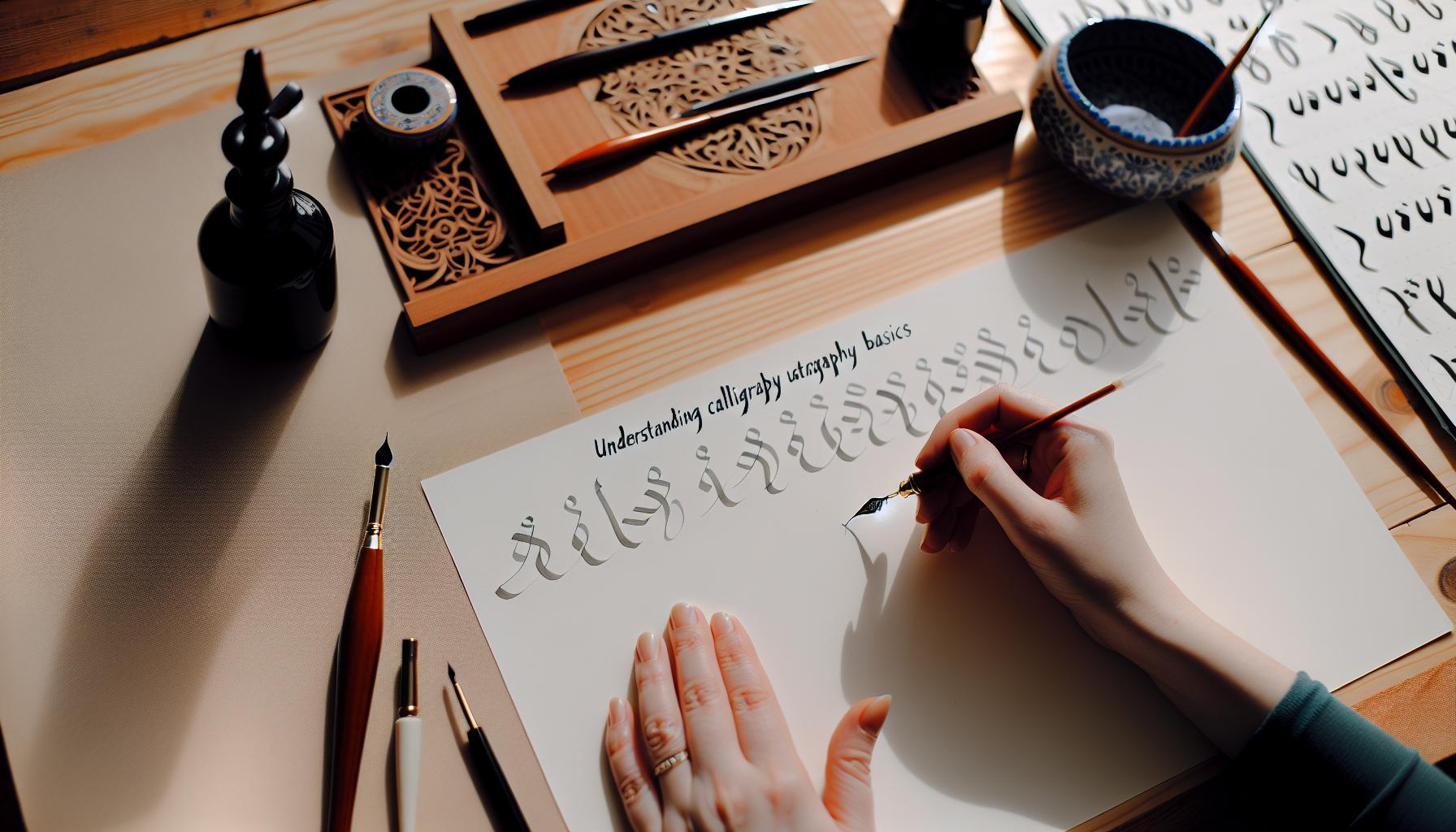
Understanding Calligraphy: The Basics You Need
Understanding calligraphy can transform mundane writing into a captivating art form that tells a story with every letter. At its core, calligraphy is about the beauty of the written word, emphasizing technique, style, and the personal touch each calligrapher brings. Whether you’re drawn to its historical roots or the modern interpretations it inspires, grasping the basics is key to unlocking your creative expression.
To get started, it’s essential to understand the importance of the tools you use. While traditional calligraphy often employs specialized pens and inks, you can absolutely create beautiful calligraphy with a normal pen. The key is to focus on consistent strokes, pressure control, and creating a rhythm as you write. Take note of your grip and maintain a comfortable posture. This foundation allows you to produce varied stroke widths, which are crucial for achieving that dynamic look characteristic of fine lettering.
When practicing, remember that calligraphy is as much about legibility as it is about aesthetics. Begin with simple scripts, such as cursive or block letters, to build your confidence. Utilize basic strokes-upstrokes should be light and thin, while downstrokes should be heavier and bold-to gain a tactile feel for how your pen interacts with the paper. As you progress, experiment with shapes and styles, allowing your unique flair to emerge.
Embrace the journey with patience-calligraphy is an art that venerates practice. It’s normal to feel challenged at first, but each line and flourish you create is a step toward mastering this beautiful craft. Keep a dedicated notebook for practice, and over time, you’ll find that your handwriting transforms into stunning calligraphic lettering that showcases your personality and skill.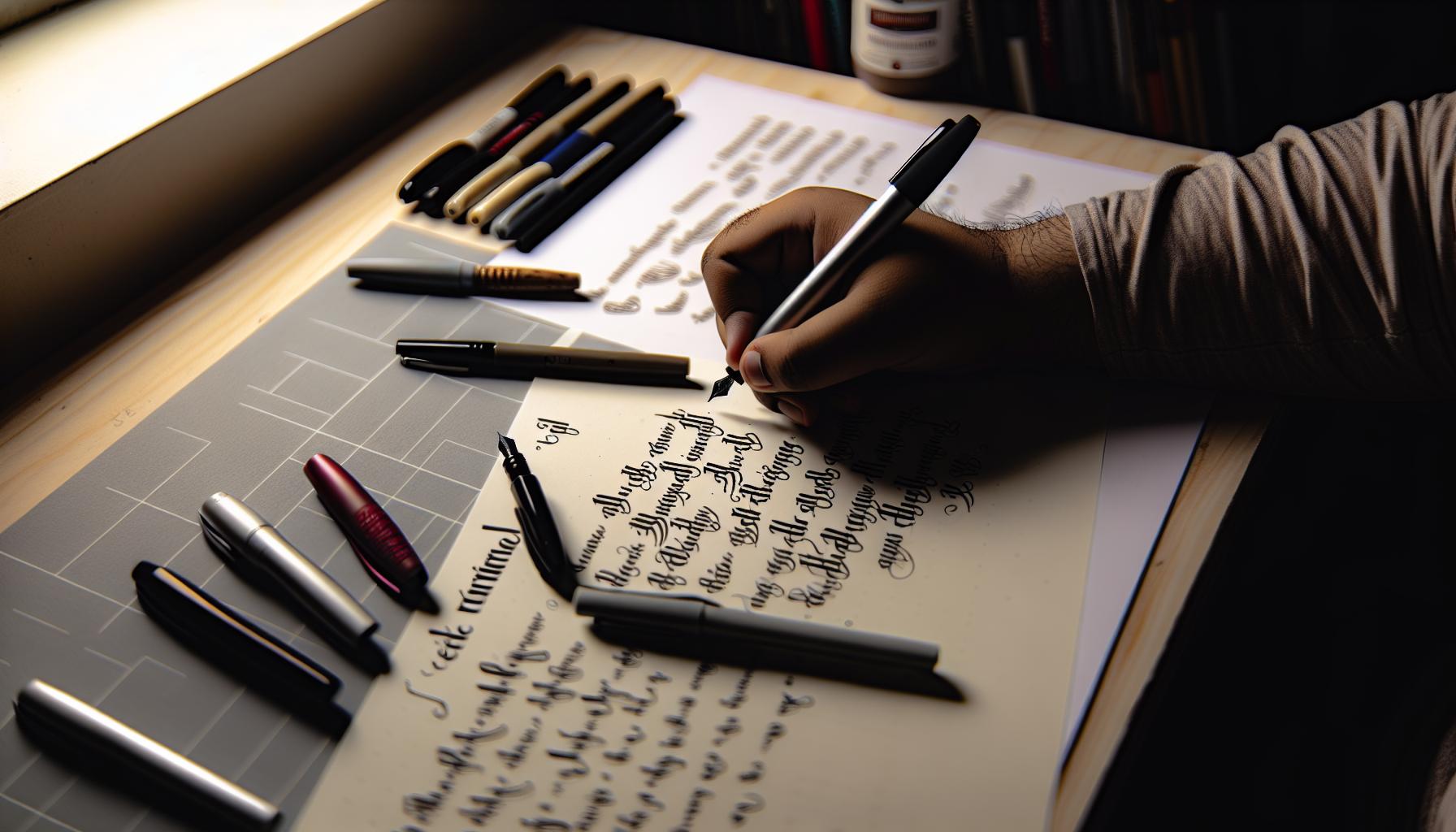
Choosing the Right Normal Pen for Calligraphy
Choosing the right pen for calligraphy is crucial, especially when you’re aiming to create beautiful lettering with something as ordinary as a normal pen. Many people underestimate the potential of typical writing instruments and assume they can only achieve elegance with specialized tools. But guess what? You can craft stunning calligraphy with basic pens, provided you use them correctly and understand their capabilities.
When selecting a normal pen, look for those with a smooth ink flow and a comfortable grip. Gel pens are often favored for their consistent line quality and vibrant colors, while ballpoint pens offer reliability and ease of use. Avoid overly thin tips unless you’re practiced, as they can limit the expressive thickness and thinness of strokes essential to calligraphy. A medium thickness (around 0.5 to 0.7 mm) works best for creating that dynamic flair in your lettering. Some popular options include the Pilot G2, Uni-ball Signo, and even a classic Sharpie for those bold, sweeping strokes.
Techniques to Maximize Your Pen’s Potential
Once you’ve chosen your pen, practice is key. Start by familiarizing yourself with the pressure exerted during your strokes. For instance, apply lighter pressure on upstrokes and heavier pressure on downstrokes, as this contrast adds depth and dimension to your lettering. As you practice, experiment with angles and grips. Some calligraphers tilt their pen slightly while writing to create a more dramatic effect, while others prefer a more traditional grip to maintain control.
Don’t forget to keep your paper choice in mind. A smoother paper will allow your pen to glide effortlessly, reducing scratching and improving your overall control. This can significantly enhance the flow of ink and make your letters look cleaner and more polished.
Remember, calligraphy is as much about patience and practice as it is about technique. So, grab your chosen normal pen, find a comfortable space, and let your creativity flourish!
Essential Techniques for Elegant Lettering
To create beautiful lettering, mastering certain techniques is essential. If you want to elevate your calligraphy using a normal pen, focus on pressure control and stroke consistency. The way you handle your pen will determine the elegance of your letters and the overall impact of your writing.
Start with pressure application. In calligraphy, upstrokes should be light while downstrokes need to be heavier. This contrast is crucial; it breathes life into your letters and adds a three-dimensional quality. One effective practice is to go slow. Begin by making simple strokes on a piece of scrap paper. Concentrate on varying your pressure deliberately. You’ll soon find the sweet spot where each stroke feels natural-this is where your calligraphy begins to shine.
Next, experiment with angles and grips. Slight adjustments can change the entire outcome of your work. Some calligraphers find that tilting the pen gives them a more fluid line, while others prefer a straight-on approach for precision. Keep your hand relaxed and allow it to move freely. Your grip should feel comfortable-too tight can hinder your strokes, while too loose can lead to sloppy lines. Test different grips until you find one that allows for both control and fluidity.
Also, remember the impact of your paper choice. Using a smooth, high-quality paper can drastically enhance your calligraphy experience. It allows your pen to glide effortlessly, which reduces drag and leads to cleaner letters. If you’re using a gel pen, a heavier paper will prevent bleed-through, ensuring your work remains sharp and aesthetically pleasing.
Lastly, practice consistency. Choose a style you want to master and stick with it. Create templates for letters, and use grids or guides as you work. This way, your letters maintain uniform size and slant. With dedication and repeated practice, you’ll not only develop your skills but also create a unique style that reflects your personality-transforming everyday writing into expressive art.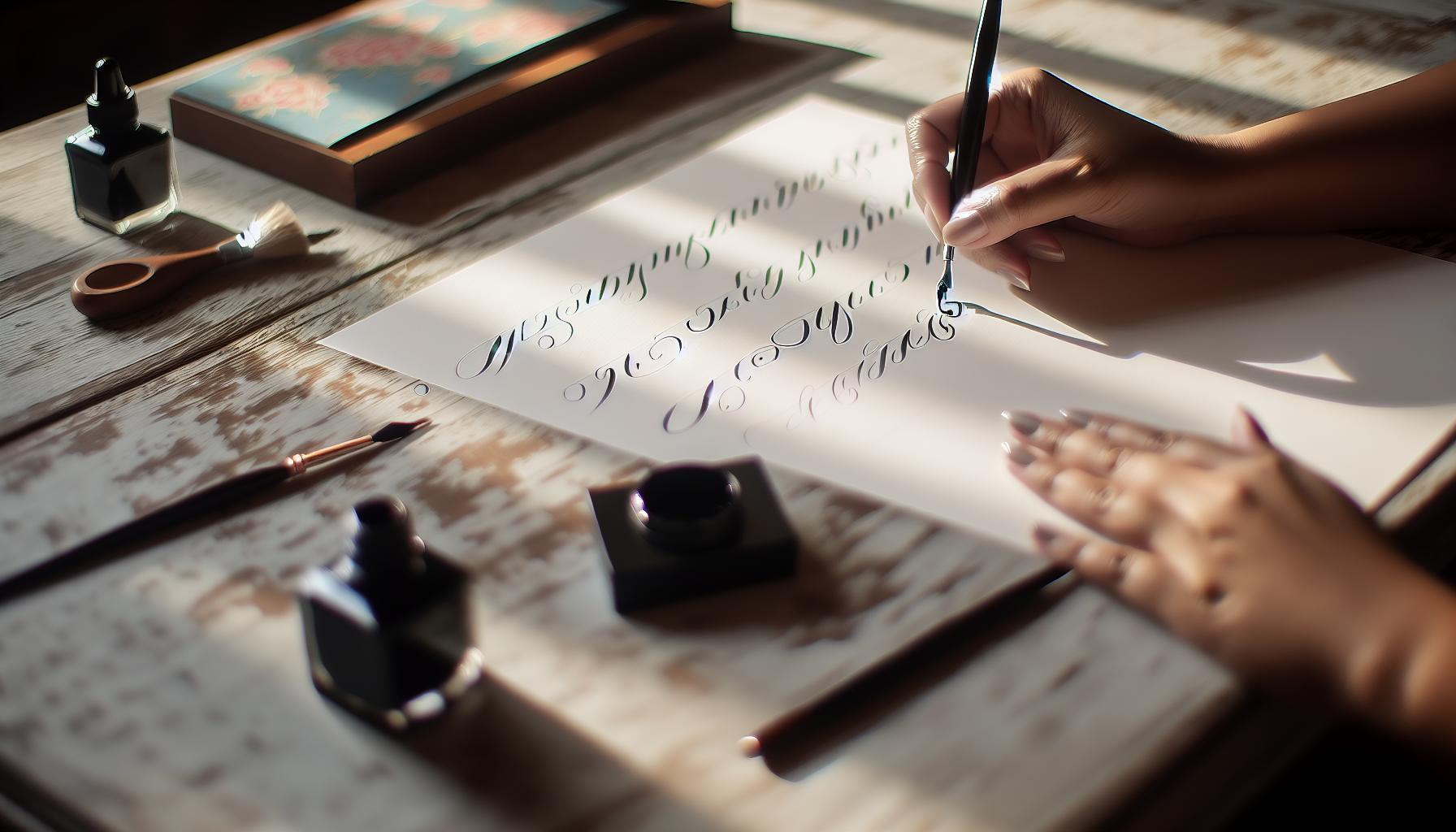
Creating Beautiful Calligraphy Alphabets
Creating beautiful alphabets in calligraphy isn’t just about mastering the strokes; it’s about unlocking your own artistic expression. The way each letter flows and connects can turn simple writing into stunning artwork. Begin by understanding the core shapes and structures of each letter. Break down complex letters into basic strokes. For instance, the letter ‘A’ can be viewed as two diagonal lines converging at the top and a horizontal bar between them. This breakdown makes it easier to practice and perfect each individual character.
Focus on Form
Each letter in your calligraphy alphabet should have its unique personality while maintaining a harmonious flow with the rest of the letters. Start practicing with a standard calligraphy alphabet to get a feel for proportion and space. Utilize a grid to help guide your size and slant; this keeps your writing consistent and visually appealing. As you become more confident, don’t hesitate to add your personal flair. Experiment with embellishments or variations, like flourishes or loops, that can give your letters an elegant twist.
Practice with Purpose
Repetition is key. Dedicate time to practicing each letter, focusing on consistency in size and style. Write out entire alphabets multiple times, then start forming simple words or phrases. This will help you see how the letters interact with each other. Create a dedicated practice sheet where you can track your progress, noting which letters feel comfortable and which ones need extra attention.
Utilizing Resources
Don’t shy away from using resources that can help guide your practice. Online tutorials, like those found in calligraphy blogs or YouTube channels, can be invaluable. You can also find or create templates for each letter, which can aid in maintaining shape and size as you learn. Review your work regularly to identify common mistakes-this reflection is crucial in improving your technique.
Calligraphy is an art form that thrives on creativity and personal expression. With practice, patience, and a bit of exploration, you’ll develop beautiful alphabets that not only represent letters but also showcase your unique style. Enjoy the journey!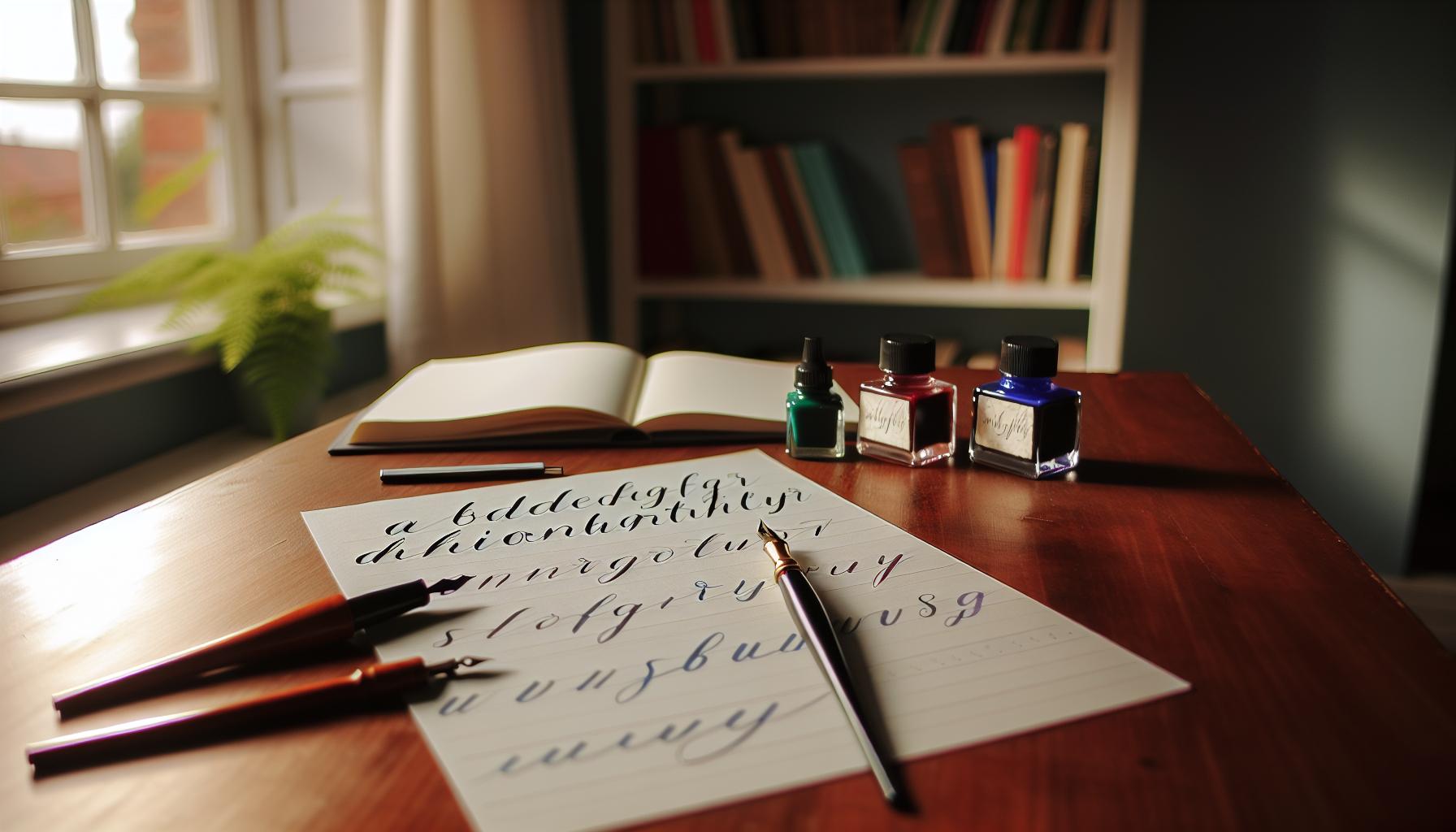
Tips for Practicing Calligraphy at Home
Practicing calligraphy at home can be both rewarding and fun. Whether you’re a seasoned pro or just starting out, having a dedicated space and routine can elevate your skills significantly. To get the best results, establish a consistent practice schedule. Aim for at least 15-30 minutes every day; short, focused bursts are far more effective than occasional marathon sessions.
Use high-quality materials to enhance your practice experience. While you can start with any normal pen, consider trying out pens with different tip sizes. This experimentation can deepen your understanding of how various tools affect your lettering style. Additionally, invest in good practice sheets or create your own templates. These will help you focus on forming letters correctly and consistently. Consider printing free downloadable practice sheets available online to guide your efforts and track your progress -A1iaNsyhAiVvZj57V5xbh66PcJtvnFXNFLo3Lzs2TiZ0h”>[2].
Don’t be afraid to make mistakes-embrace them as part of your learning journey. Keep a journal of your calligraphy pieces to track your progress over time. This can be encouraging and help you identify areas that need more focus. Set small goals for each session. For instance, you might aim to perfect a particular letter or word, making the practice session feel manageable and purposeful.
Lastly, connect with the calligraphy community. Join online groups or forums where you can share your work, get feedback, and learn from others. Tutorials on social media platforms or YouTube can be excellent resources, offering tips, tricks, and new techniques to try [3]. With dedication and the right mindset, you’ll see noticeable improvements in your calligraphy skills at home. Enjoy every moment of the process!
Common Mistakes in Calligraphy and How to Avoid Them
Every calligraphy enthusiast, regardless of experience, faces common pitfalls that can hinder progress. Understanding these missteps is crucial for improving your craft and enhancing your enjoyment of this elegant art form. Below are some of the most frequently encountered mistakes and practical strategies to avoid them.
One of the biggest errors is using the wrong pen for calligraphy. People often reach for standard pens or chiseled tip markers in a store, but these can lead to frustration and unsatisfactory results. Instead, opt for pens specifically designed for calligraphy, such as brush pens with flexible tips (like the Tombow Fudenosuke), which allow for better control of pressure and line variation. This simple switch can dramatically improve your letter forms and overall style.
Another common mistake is holding the pen incorrectly. If the grip is too tight or awkward, your lines will suffer. Experiment with different grips to find what feels most comfortable and allows for fluid motion. It’s also vital to write slowly and deliberately, especially when you’re starting. Rushing through your strokes often leads to uneven letters and a lack of clarity. Take a deep breath, enjoy the process, and let each stroke be intentional.
Moreover, many beginners neglect to practice basic strokes, which are the foundation of beautiful calligraphy. Instead of jumping straight into full letters, dedicate time to mastering these fundamental shapes. Consider creating a practice sheet that highlights these strokes, allowing you to build muscle memory and confidence in your movements. It’s these small, consistent practices that pave the way for more intricate designs later on.
Mistakes are an inevitable part of learning. Embrace them as opportunities for growth rather than setbacks. Keep a journal to document your progress, noting what went well and what areas you need to refine. By viewing mistakes as valuable lessons, you’ll cultivate a mindset that encourages continuous improvement and creativity in your calligraphy journey.
Decorative Elements to Enhance Your Calligraphy
Adding decorative elements to your calligraphy can transform simple lettering into breathtaking art. These accents not only embellish your work but also showcase your creativity and personal style. Whether you’re a beginner or looking to enhance your existing skills, integrating a few decorative techniques can elevate your calligraphy projects significantly.
One effective way to enhance your calligraphy is through embellishments like flourishes and swirls. Adding these elements at the beginning or end of letters can create a graceful flow. Start with simple swirls and, as you gain confidence, incorporate more complex patterns. Another approach is to use borders and frames around your text. This helps your calligraphy stand out, especially when creating invitations or greeting cards. Experimenting with different shapes-like circular or rectangular frames-can give your work a polished and professional look.
Color is also a game-changer. Using colored inks or watercolors to highlight specific letters or sections not only captures attention but adds a joyful vibe to your pieces. Think about combining vibrant hues with softer pastels for a visually striking contrast. You can even use metallic pens to create a stunning effect, perfect for special occasions.
Don’t forget about incorporating graphic elements like simple illustrations-think leaves, flowers, or geometric shapes. These can subtly complement your text, enhancing its beauty without overwhelming it. When you’re ready, try mixing and matching these decorative elements. The key is to maintain balance so your calligraphy remains the focal point.
Overall, decorative elements can truly make your calligraphy pop. By experimenting with flourishes, color, and simple illustrations, you can create unique and breathtaking designs that reflect your personal artistic vision. Think of this as an opportunity to express yourself and make every piece a visual delight. Happy lettering!
Free Resources and Templates for Calligraphy Practice
Finding the right resources can skyrocket your calligraphy skills, especially when you’re working with a normal pen. There are tons of free templates and guides out there that can sharpen your technique and inspire creativity. These tools not only provide structure but also encourage experimentation as you navigate this beautiful art form.
A great place to start is with free worksheets and practice sheets. Websites like The Postman’s Knock offer beginner-friendly worksheets specifically designed for flourishing and mastering basic strokes. These free resources allow you to practice essential movements and refine your letterforms without any pressure. Plus, there are tutorials for both beginners and experienced calligraphers to deepen your skills and confidence [1].
Additionally, platforms like Masgrimes curate a wide range of calligraphy resources, including guides on materials and techniques you can engage with as you progress [2]. You can find templates that cover various calligraphy styles and provide a solid foundation for practicing letter forms. By printing these out and practicing regularly, you’re setting yourself up for success.
Don’t underestimate the power of community and sharing your progress online. Many calligraphy enthusiasts share their templates, tips, and tricks on social media platforms. Joining these groups can offer you fresh ideas and support from like-minded individuals. Whether you’re copying templates from others or creating your own, these interactions can dramatically enhance your learning experience.
Lastly, always keep an eye out for mini online courses or tutorial videos-many are available for free! Engaging with visual content can help you understand the nuances of pen pressure and ink flow that written guides sometimes miss. Resources like Kalli Camp Academy provide foundational knowledge in quick, digestible segments, perfect for both visual learners and those short on time [3].
Using these free resources effectively can help you practice, learn, and ultimately fall in love with calligraphy. So grab your normal pen, dive into these materials, and let your creativity flow!
Showcasing Your Calligraphy: DIY Projects and Ideas
Want to impress your friends or add a personal touch to your home decor? Showcasing your calligraphy skills can transform everyday items into beautiful keepsakes. Here are some stunning DIY project ideas that let your creativity shine while making use of your newly acquired calligraphy skills.
First, consider creating custom greeting cards. A handwritten note adds a personal flair that digital cards simply can’t match. You can use your normal pen to design unique messages or quotes on blank cards. Pair your calligraphy with decorative elements like washi tape or stamps to elevate your cards even further. This makes them perfect for birthdays, holidays, or just as a friendly gesture.
Another fantastic idea is to make wall art. Write your favorite quotes or song lyrics on canvas or framed paper. Use various fonts and sizes to create a visually striking piece. You can even layer colors with your pen to produce a subtle gradient effect. This not only beautifies your living space but also allows you to express your personality through art.
Also, consider making personalized gifts. Items like mugs, coasters, or even tote bags can be enhanced with your calligraphy. If you’re feeling adventurous, you can use a ceramic marker for mugs or fabric paint pens for tote bags. Such gifts are thoughtful and carry a unique charm since they originate straight from your hands.
Lastly, think about documenting your calligraphy practice. Create a scrapbook or a digital portfolio showcasing your best works. Include notes on your techniques and the different pens and materials you experimented with. This not only tracks your progress but also serves as a great reference for future projects.
Incorporating your calligraphy into your daily life through these DIY projects is an exciting way to showcase your skills. By doing so, you’re reinforcing your learning while creating beautiful, functional art that you can be proud of. Get started today, and let your creativity flourish!
Advanced Techniques: Experimenting Beyond the Basics
Experimenting with advanced techniques can elevate your calligraphy from simple lettering to a stunning art form. One powerful approach is playing with letter spacing and line variation. Adjusting the space between letters can significantly alter the overall aesthetic. Try tightening the spacing for a compact, bold look or loosening it for a more airy, elegant flow. It’s amazing how a little tweak can transform the impression your work makes.
In addition, don’t shy away from incorporating different weights and styles into your letters. Use a mix of thin and thick strokes-not just in the traditional sense but also by varying the strength of your pen pressure if you’re using a normal pen. Experiment with serifs and swashes for a more dynamic appearance. Add flourishes at the end of your letters or embellishments around them-a small swirl or a point can make a huge difference.
Consider also diversifying the materials you use. Switching between smooth and textured papers can lead to interesting effects in ink distribution. You might find that a rougher surface gives an organic feel that brings more character to your work. Even try working in different orientations. Writing at an angle, or flipping the page, can inspire creative layouts that you hadn’t considered before.
Lastly, don’t just focus on letters themselves; think about the composition of your artwork. How do you want your words laid out on the page? Play with diagonal placements, curved paths, or even shapes that mimic the content of what you’re writing. For instance, if you’re writing about a garden, consider arranging your words in a leaf-like pattern. The more you experiment, the more confident you’ll become in finding a unique voice in your work. Embrace the process of trial and error-it’s where the magic of your personal style will emerge!
Building Your Calligraphy Community: Sharing and Learning Together
Building a community around your calligraphy practice can be incredibly rewarding. It’s not just about honing your skills in isolation; it’s about sharing insights, learning from others, and inspiring each other along the way. Finding a group of like-minded individuals-whether online or in-person-can elevate your craft. You can exchange tips, participate in challenges, and motivate one another to keep pushing your creative boundaries.
Join online forums or social media groups specifically tailored to calligraphy enthusiasts. Platforms like Instagram and Facebook have thriving communities where you can share your work and receive feedback. Consider participating in calligraphy challenges, which are often hosted on social media. These prompts can spark creativity and give you a chance to showcase your progress. Don’t hesitate to share your struggles and triumphs; vulnerability often cultivates a sense of camaraderie. Engaging with other calligraphers can also expose you to different styles and techniques that will further enrich your own practice.
Additionally, think about organizing or attending local workshops or meetups. These gatherings can provide hands-on learning experiences that you can’t get from books or videos alone. Having a mentor or even just a peer to troubleshoot with can make a significant difference in your understanding of techniques and materials. If you’re feeling brave, consider teaching a small class yourself-there’s no better way to solidify your knowledge than to pass it on to others.
Lastly, don’t forget the power of feedback. Actively seek critiques from your peers. Constructive criticism helps you identify areas for improvement and can often lead to breakthroughs in your work. Incorporate what you learn into your practice, and share how you’ve applied new techniques or advice. This not only strengthens your skills but also builds a supportive network that celebrates growth together. Overall, investing time in a calligraphy community not only enhances your artistic journey but also turns a solitary activity into a shared adventure.
Transforming Your Calligraphy into Art: Beyond Writing
Imagine transforming your calligraphy from simple writing into stunning pieces of art that capture attention and evoke emotion. Whether you’re crafting thoughtful notes or creating decorative wall art, calligraphy can become a powerful medium for personal expression. To elevate your calligraphy practice, consider integrating these techniques that bridge the gap between writing and artistry.
Start by experimenting with different materials. While traditional ink and paper are essential, you can expand your palette to include colored inks, watercolors, or even metallic paints. Using a variety of tools, like brush pens or fountain pens, can also add unique textures and effects to your work. This experimentation encourages creativity and allows you to discover new styles that resonate with you.
Next, think beyond the written word. Your calligraphy can complement illustrations, create striking greeting cards, or become part of elaborate scrapbook designs. Consider pairing your lettering with hand-drawn graphics or using it to enhance photographs. By combining styles, you can produce pieces that not only showcase your calligraphy skills but also tell a story or convey a message.
Finally, don’t shy away from adding personal touches like flourishes or decorative borders. These elements can turn a simple phrase into a work of art. For instance, flourishing around letters can create an elegant feel, while geometric designs can add a modern twist. Techniques such as gilding or layering different texts can also introduce depth and intrigue to your projects.
Embrace the idea that calligraphy is not just about words but about expressing your individuality and creativity. Use it as a vessel for your artistic voice, and you’ll find that every stroke of the pen can create something unique and beautiful.
Faq
Q: How can I practice calligraphy at home without expensive tools?
A: You can effectively practice calligraphy at home by using just a normal pen and plain paper. Start with basic strokes and shapes to get comfortable. Gradually move to letters and words. Follow along with free templates online to guide your practice. Consistency is key! Check our section on Tips for Practicing Calligraphy at Home for more insights.
Q: What are some common mistakes beginners make in calligraphy?
A: Beginners often rush their strokes or apply uneven pressure, leading to inconsistent results. It’s important to focus on control and consistency. Keeping a steady hand and practicing slowly can help improve your technique over time. For more tips, see our section on Common Mistakes in Calligraphy and How to Avoid Them.
Q: Can I use a regular pen for calligraphy or do I need special tools?
A: Yes, you can use a regular pen for calligraphy! Many beginners start with gel pens or ballpoint pens. These tools allow for great control when practicing elegant lettering. Check out our section on Choosing the Right Normal Pen for Calligraphy for recommendations.
Q: What are some basic calligraphy techniques I should learn first?
A: Begin with foundational strokes such as loops and curves, which help establish muscle memory. Focus on understanding pen angles and pressure variations. These basics set the groundwork for creating elegant letters. Refer to our section on Essential Techniques for Elegant Lettering for detailed guidance.
Q: How can I transform my calligraphy practice into art?
A: You can elevate your calligraphy practice by creating greeting cards, wall art, or personalized gifts. Experimenting with different styles and decorative elements can add a unique touch. Check out our article section on Transforming Your Calligraphy into Art: Beyond Writing for creative project ideas.
Q: Where can I find free resources for calligraphy templates?
A: There are numerous websites offering free calligraphy templates and resources. Look for downloadable PDFs that provide structured practice sheets tailored for different styles. Visit our section on Free Resources and Templates for Calligraphy Practice for curated links.
Q: What types of calligraphy can I learn with a normal pen?
A: You can learn several styles with a normal pen, including modern calligraphy, cursive, and print styles. The key is to practice various techniques and find a style that resonates with you. For more inspiration, explore our articles on Creating Beautiful Calligraphy Alphabets.
Q: How does practicing calligraphy improve my handwriting overall?
A: Practicing calligraphy enhances your handwriting by training your hand for better control and fluidity. It encourages you to pay attention to letterforms, spacing, and movement, all of which can translate to everyday writing. Discover our tips in Tips for Practicing Calligraphy at Home to see improvements fast!
Insights and Conclusions
That’s it! You’re now equipped with the essential tools to transform your normal pen into a calligraphy instrument! Remember, practice is key; the more you write, the more confident you’ll become in your skills. Don’t let hesitation hold you back-grab your pen and start creating beautiful lettering today. If you found value in this guide, check out our other resources like our tips on Marketing Your Calligraphy Business [3] or the Event Planner’s Guide to Live Engraving & Calligraphy [1], both aimed at enhancing your calligraphy journey.
Subscribe to our newsletter for more exclusive tips and insights that will elevate your craft. Have questions or want to share your progress? Drop a comment below; we’d love to hear from you! Keep exploring and honing your art-you’ve got this!