

Did you know that you don’t need fancy tools to create stunning calligraphy? Many people assume that beautiful lettering requires expensive pens and specialized paper. But with just a normal pen, you can unlock your artistic potential and add a personal touch to your notes, invitations, and art projects. Writing in calligraphy isn’t just about achieving an aesthetic; it’s a soothing practice that helps you slow down and appreciate the art of writing. In this guide, we’ll explore simple techniques you can use to elevate your writing, regardless of your skill level. Whether you want to impress friends with elegant birthday cards or simply enjoy the meditative flow of writing, you’ll discover that mastering calligraphy with a regular pen is not only possible but also rewarding. Let’s dive in and bring your words to life!
Understanding the Basics of Calligraphy
Calligraphy isn’t just about the fancy pens; it’s also about the graceful strokes and the art in the curves. At its core, calligraphy is writing that’s transformed into an artistic expression. The beauty lies in its variety-each style tells a story and allows you to convey emotion through lettering. You don’t need expensive tools to start creating stunning calligraphy; a simple ballpoint pen or any ordinary writing instrument can open the door to this beautiful craft. The key is to understand fundamental principles that govern calligraphy.
One of the essential aspects of calligraphy is understanding the significance of line variation. By changing the pressure on the pen, you can create thick and thin lines that add depth and character to your letters. It’s in this variance that regular writing morphs into something extraordinary. For instance, when using a ballpoint pen, you might focus on practicing how to hold it at different angles to enhance this line variation. Additionally, developing a consistent rhythm is crucial. Your strokes should flow naturally, just like music, guiding your pen across the page.
Another fundamental is mastering basic letterforms. Familiarizing yourself with the anatomy of letters, such as the ascenders, descenders, and serifs, will empower you to break down and replicate different styles of writing. Start simple: practice writing your ABCs in various forms, paying attention to their shapes and how they connect to one another. Utilize guide sheets to help maintain uniformity in height and slope. Repetition is your best friend here; the more you practice, the more fluid your writing will become.
Lastly, engage with your work. Add a personal touch or a unique flair that reflects your personality. These elements not only make your calligraphy stand out but also turn it into a reflection of who you are. Whether it’s for a birthday card or a creative journal, embracing your own style within the parameters of calligraphy can make your letters not just beautiful but meaningful. Remember, calligraphy is as much about the journey as it is about the final piece, so enjoy each stroke along the way.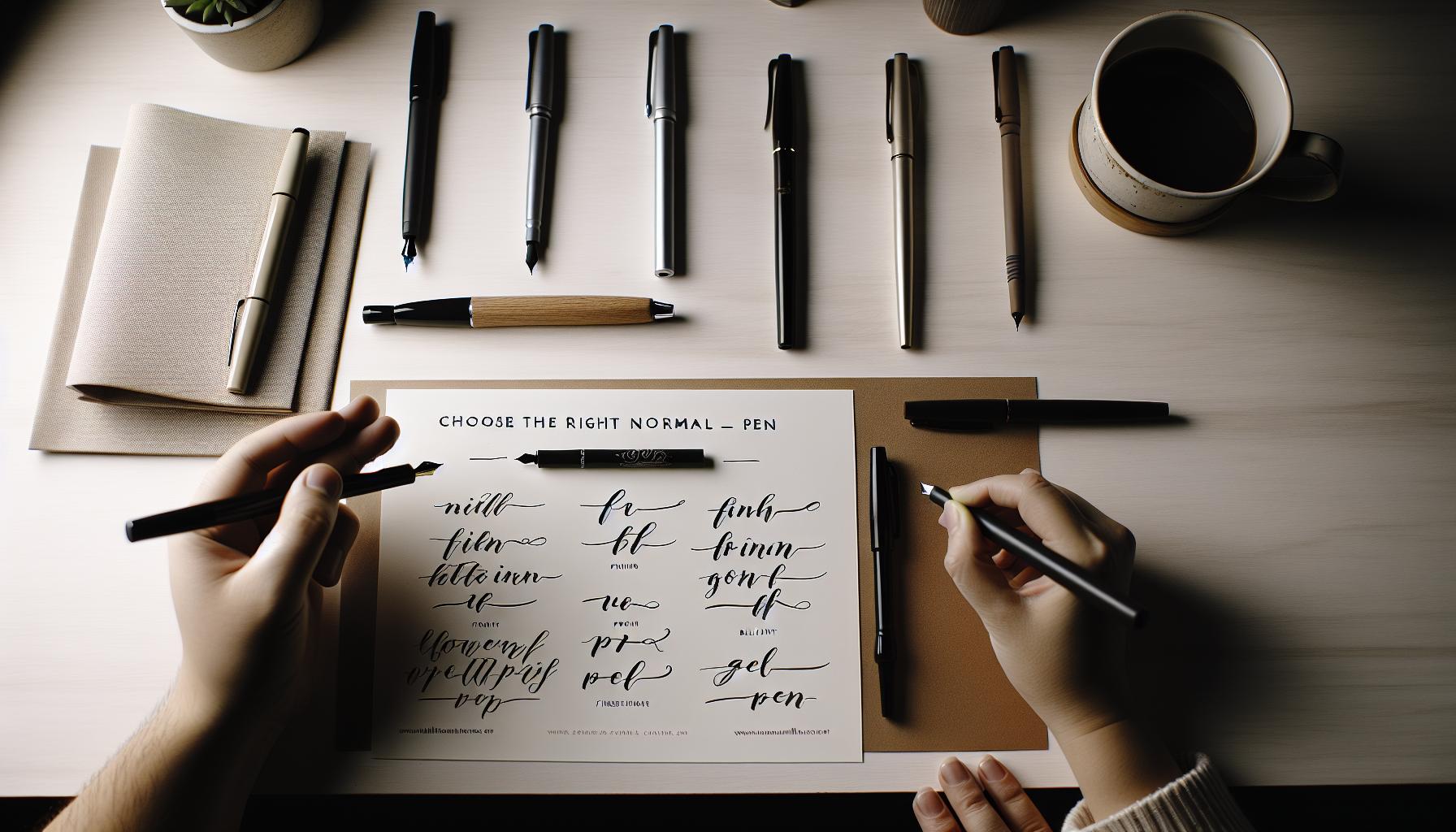
Choosing the Right Normal Pen for Calligraphy
When you think about diving into calligraphy, the first thought might be to grab those fancy pens and specialized inks. But here’s a little secret: you can create stunning calligraphy using just a regular pen! Whether it’s a ballpoint, gel pen, or even a felt tip, the right pen can help you make beautiful strokes without breaking the bank.
Choosing a pen that feels comfortable in your hand is essential. The grip matters a lot; it should fit well and allow you to control your movements. A pen with a fine tip is ideal for making those delicate lines, while a medium or broader tip can create the thick strokes often associated with calligraphy. Experimenting with different types is part of the fun. For example, consider how a gel pen might glide smoothly across your paper, while a felt tip could provide greater control for precise movements.
To get started, focus on line variation, which is the backbone of calligraphy. By adjusting how hard you press down on the pen, you can achieve the magical contrast between thick and thin lines. This is particularly effective when using a pen with some flex-like a gel pen or a well-balanced ballpoint. Try practicing letterforms and paying attention to the pressure you apply. You might be surprised at how this simple adjustment can elevate your writing from mundane to magnificent.
Lastly, let your personal style shine through. Use colors that resonate with you, or try out unique strokes to distinguish your work from others. Calligraphy with a normal pen can be as authentic and expressive as any traditional method. So grab that pen you have lying around, and start changing your everyday writing into an art form! Remember, the beauty of calligraphy lies not only in the tools but also in the passion and personality you infuse into it.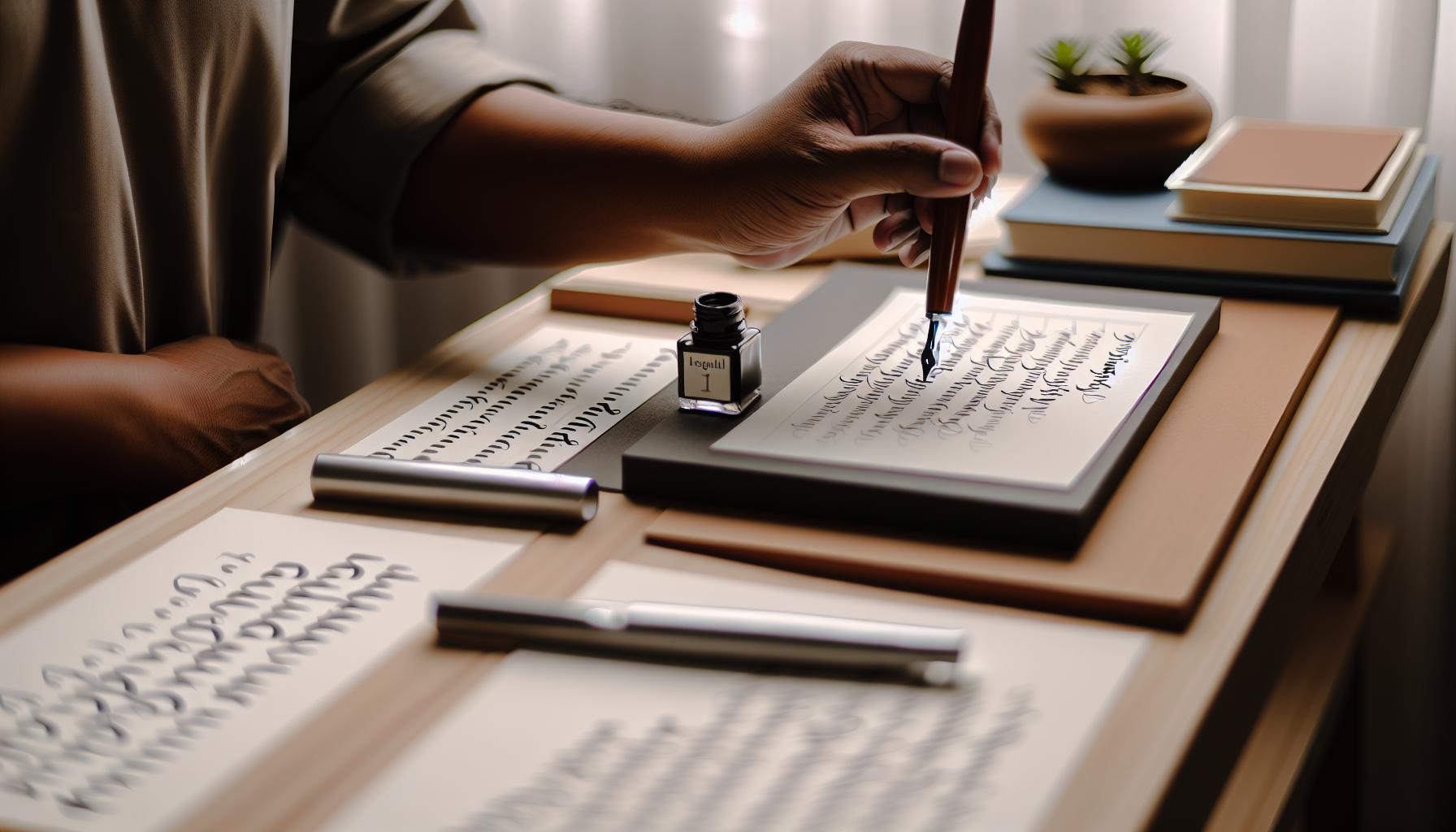
Essential Techniques for Calligraphy with a Regular Pen
Some might think calligraphy is the domain of luxury pens and high-end ink, but you can master this beautiful art with just a regular pen. With the right techniques, your everyday writing tools can produce stunning calligraphic results.
Start by honing your grip; how you hold the pen can significantly affect your control and comfort. Aim for a relaxed grip-too tight, and your lines will look stiff. Keep your wrist loose and let your arm move fluidly to create smooth letters. When it comes to pen choice, opt for a fine-tipped or gel pen. These pen types respond well to pressure, allowing for the thick downstrokes and thin upstrokes that define calligraphy.
One of the fundamental techniques to practice is line variation. It’s all about pressure-lighten your touch for upstrokes and apply more pressure for downstrokes. This contrast is essential in calligraphy. Practice forming basic strokes, creating ovals and loops, and pay attention to the angle at which your pen meets the page; this can dramatically change how your letters look. Don’t hesitate to experiment! Mixing different pen types can lead to delightful discoveries-gel pens can glide beautifully, while felt tips might give you more control for intricate details.
Lastly, embrace embellishments. Flourishes can elevate your calligraphy from good to stunning. Start simply by adding swirls to your ascenders and descenders or enhancing the ends of your letters with small loops. Over time, this personal flair will make your calligraphy distinctive. So grab that regular pen and unleash your creativity; the only limit is your imagination!
Creating Beautiful Letterforms: A Step-by-Step Guide
Creating beautiful letterforms starts with a solid understanding of letter anatomy. Each letter consists of several elements, such as ascenders, descenders, and bowls. Understanding these components helps you visualize how to construct each letter. Begin with basic shapes: practice drawing them in isolation before combining them into complete letters. Use guidelines to ensure uniformity in size and alignment, and always maintain a consistent angle while writing.
Next, focus on the strokes that define your letters. For example, the letter “e” has a rounded bowl and a horizontal crossbar that can vary in thickness depending on how much pressure you apply during the downstroke and upstroke. Emphasize these contrasts to give your letters depth. Aim for fluidity; your pen should glide easily across the paper, creating smooth, continuous lines.
When forming letters, practice with a few at a time. Start with easy ones like “l,” “o,” and “i” before progressing to more complex ones like “g” or “s.” Over time, as you gain confidence, you can tackle connecting letters to form words. Take it slow-it’s better to perfect each letter than rush through them.
Finally, consider the space and flow between letters. Altering the distance can create a variety of styles, from airy to dense. Use embellishments, such as curls or loops, at the ends of letters to add flair and personality. These small touches can turn a simple letter into a piece of art that reflects your unique style. Get comfortable with experimentation; trust your intuition, and let your creativity lead the way.
Mastering Basic Calligraphy Strokes Everyone Should Know
Mastering key strokes is essential for anyone diving into calligraphy, even when using just a regular pen. The beauty of this art doesn’t rely on fancy tools but rather on how you control your hand and practice foundational strokes. Think of it as building blocks; once you nail these essential strokes, you’ll find yourself capable of creating captivating letters and forms.
Start with the basic strokes: upstrokes and downstrokes are your bread and butter. Upstrokes should be light and delicate, while downstrokes need a firm, heavier pressure. This contrast is critical for creating the graceful lines typical of calligraphy. Focus on practicing these separately. Use a ruler to guide yourself initially, ensuring the consistency of your angles and pressure. This practice helps you understand how to manipulate the pen effectively, leading to a natural, fluid motion.
Next, incorporate basic curves and loops. These are what give your letters personality. When practicing loops, pay attention to making them even and balanced, whether they’re at the top or bottom of a letter. This is usually where elegance shines through in your writing. Don’t rush it. Slow, controlled movements will yield the best results. Try doing just a few repetitions each day. You’ll surprise yourself with the progress you can make!
Lastly, embrace the idea of embellishments. Adding simple flourishes to your basic strokes can instantly elevate your calligraphy. Think of light swirls or extensions from the end of letters. These small details can transform a basic letter into a stunning piece of art. It’s all about finding your style, so don’t hesitate to experiment with different flourishes.
In summary, focus on mastering these fundamental strokes-upstrokes, downstrokes, curves, and embellishments-to establish a strong foundation in calligraphy. With regular practice, you’ll not only improve but also develop your unique style. Practice patiently, and soon your letters will begin to reflect the beauty and artistry that calligraphy embodies.
Tips for Adding Flourishes and Variations
Adding flourishes and variations to your calligraphy can transform simple letters into stunning works of art. It’s like giving your handwriting a unique voice. When you start to integrate these embellishments, not only do your letters gain character, but you also discover a deeper connection to the craft. Here are some practical tips to help you elevate your calligraphy using just a regular pen.
Start with the basics. Before diving into complex flourishes, ensure you’re comfortable with basic strokes. Building on your foundational skills, practice simple additions like loops and swirls at the ends of your letters. Aim for consistency in size and direction-a small detail that makes a huge difference. You want your flourishes to feel like a natural extension of your letters, not an afterthought.
Experiment with spacing and angles. Flourishes can take many forms, and experimenting will help you find what resonates with your style. For example, try extending the ascenders of letters like ‘b’ and ‘h’ with elegant loops, or give the descenders of ‘y’ and ‘g’ a flourish that sweeps back toward the letter itself. Play with different pen pressures; combining light upstrokes with heavier downstrokes while creating a flourish can add depth and interest.
Don’t shy away from inspiration. Look at existing calligraphy examples that incorporate flourishes and variations. Consider using practice sheets or even tracing to get a feel for how other artists achieve their effects. You may find that certain styles inspire you or help you develop your unique flourish that feels authentic to your handwriting. The goal is to make these additions feel organic rather than forced.
Lastly, keep it simple. While it’s tempting to go all out, remember that less can be more. Sometimes a subtle loop or a gentle curve can have just as much impact as a flashy ornament. Aim for balance-your flourishes should enhance, not overwhelm, your letters. As you practice, you’ll find your rhythm, gradually blending elegance into every stroke you make, and soon, those flourishes will not just embellish your work; they’ll become a signature of your style.
Troubleshooting Common Calligraphy Mistakes
Starting with calligraphy can feel overwhelming, especially when you encounter those pesky mistakes. But don’t worry-everyone makes them! Recognizing and addressing common faults can significantly improve your writing experience and outcomes. A crucial starting point is understanding that your pen grip and pressure can dramatically affect the quality of your strokes. If your letters look uneven or shaky, it may be due to holding your pen too tightly. Lighten your grip and practice relaxed writing to see immediate improvements.
Another frequent hiccup is inconsistent spacing between letters and words. This can disrupt the flow and readability of your calligraphy. One effective method to tackle this is by using a practicing grid. This grid helps you maintain uniform distances and ensures that your letters don’t crowd together. Aim for consistency in stroke size as well; varying thickness can be visually confusing. If you’re using a regular pen, focus on applying consistent pressure during both upstrokes and downstrokes.
Common Mistakes to Watch For
- Incorrect Angle: If your pen is not at the right angle, especially when using tools like fineliners, your letters may turn out oddly shaped. Try experimenting with angles between 30 to 45 degrees for better results.
- Neglecting Guidelines: Skipping the use of guide lines often results in disproportionately sized letters. Always use a light pencil to mark lines before you begin.
- Overly Complex Flourishes: Beginners sometimes rush into embellishing their letters. Start simple, and gradually add flourishes once you feel comfortable.
Lastly, if letters are hard to read or too thick, it might be a sign you’re pressing too hard on the paper. Adjusting your pressure will help control both the thickness of your strokes and the clarity of your writing. Trust the process and allow yourself time to practice and correct these mistakes. With patience and persistence, you’ll find yourself improving steadily. Remember, even the most seasoned calligraphers are always learning!
Inspiration: Calligraphy Projects You Can Do Today
There’s something incredibly satisfying about seeing your own words beautifully written in calligraphy, especially when you can achieve that with just a regular pen. Let’s dive into some inspiring projects that you can tackle today to elevate your calligraphy skills and boost your creativity.
One fantastic project is creating personalized greeting cards. Start by picking a few quotes or messages that resonate with you, then write them out in your best lettering style. Use cards of various colors and sizes to experiment with how different inks and papers interact. These handmade cards make thoughtful gifts for friends and family while giving you the chance to refine your techniques with each new project.
Another enjoyable way to practice is through creating a calligraphy quote wall. Choose a prominent wall in your home and decorate it with a variety of your calligraphy pieces. You can even create a cohesive theme by selecting quotes that inspire you. This not only makes a stunning visual impact but also serves as a daily reminder of the words you’ve chosen. Display your work in simple frames, or hang them with clothespins on a string for a charming look.
If you’re looking for something a bit smaller in scale, consider personalizing your stationery. Use your skills to write your name or initials in a beautiful script on notecards or letterhead. This small touch adds an elegant twist to your correspondence. Plus, it’s a great way to practice and design letterforms you genuinely love.
Finally, engage with the broader community by creating seasonal decorations. For example, during holidays, write festive sayings or names in your favorite fonts on banners or gift tags. Not only does this add a personal touch to your celebrations, but it also makes your calligraphy visible and brings joy to those around you.
Remember, these projects are not just about perfect strokes; they’re about enjoying the process and the joy of creating. Whether it’s designing a card or decorating your home, let your creativity flow, and don’t be afraid to make mistakes-they’re part of the learning journey!
Calligraphy Resources: Books and Online Tutorials
Diving into calligraphy doesn’t require a treasure chest of specialized tools; sometimes, all you need is a regular pen and some guidance. There are numerous resources available that can help you learn the art of calligraphy without breaking the bank. From engaging books to interactive online tutorials, the wealth of information can transform anyone from a newbie to a confident calligrapher.
When it comes to books, look for titles that focus on the fundamentals of calligraphy. Books like “The Art of Calligraphy” by David Harris provide an excellent foundation, covering essential techniques and various styles. Alternatively, “Modern Calligraphy: A Beginner’s Guide to Pointed Pen Lettering” by Molly Suber Thorpe is perfect for those interested in brush lettering and offers practical exercises for mastering strokes. These printed guides often include step-by-step instructions and beautiful illustrations, making complex concepts easier to grasp.
Online tutorials have become incredibly popular for a reason. Websites like Skillshare and YouTube provide a plethora of video tutorials that cater to all skill levels. For instance, Jenna Rainey’s YouTube channel features videos like “Calligraphy Basics”, where she breaks down essential techniques that even beginners can follow with a normal pen. You’ll not only see the techniques in action but also gather tips on how to refine your personal style. Platforms like Instagram also allow you to follow calligraphy artists, gaining insights into their processes and finding inspiration in real-time.
Remember, the best way to improve is through consistent practice. Use these resources to kickstart your journey, explore different styles, and don’t hesitate to share your progress within online communities. Engaging with fellow calligraphers can provide motivation and feedback that refine your skills even further. Whether it’s through social media groups or local workshops, building connections will enrich your learning experience and keep your passion alive.
Sharing Your Calligraphy: Building a Community
Finding a community for your calligraphy journey can be just as rewarding as mastering the techniques themselves. Engaging with fellow enthusiasts not only provides motivation but also opens doors to new ideas and feedback that can elevate your skills. Whether you’re a beginner figuring out how to shape your first letters or an experienced calligrapher looking to refine your style, sharing your work and connecting with others can enhance your growth.
One effective way to build this community is through social media platforms. Join dedicated groups on Facebook or follow hashtags like #calligraphy on Instagram. These spaces are filled with artists sharing their projects, techniques, and encouragement. Don’t be shy-post your progress! You’ll be surprised at how many people are eager to offer constructive criticism or to cheer you on. Engaging actively in these communities can lead to friendships and collaborations, turning solitary practice into a shared adventure.
Local workshops or classes also provide invaluable opportunities to meet like-minded individuals. Many calligraphy instructors host events that combine skill-building with social interaction. For example, you might find a Sip & Script event where you can learn modern calligraphy while enjoying a creative atmosphere with cocktails and snacks. Participating in such activities fosters a sense of camaraderie and allows you to learn from others’ experiences.
Lastly, consider organizing or joining local meet-ups or online challenges. Challenges on platforms like Instagram can be a fun way to push your boundaries and share outcomes with a larger community. The key is to stay engaged, ask questions, and share your achievements and struggles. In turn, you’ll not only enrich your own practice but also inspire those around you to stay passionate about the art of calligraphy. Remember, the journey is often more rewarding when you’re not walking it alone.
Advanced Techniques to Elevate Your Calligraphy Skills
To truly elevate your calligraphy skills using just a normal pen, you’ll want to embrace a few advanced techniques that can transform your lettering from simple to stunning. One approach is to experiment with variations in pressure during your strokes. While basic calligraphy relies on heavy downstrokes and light upstrokes, manipulating pressure can create unique line thicknesses that give your letters a sophisticated flair. Practice this by consciously adjusting the amount of force you apply as you transition from upstrokes to downstrokes.
Utilizing Diverse Styles
Don’t limit yourself to one calligraphic style. Explore different lettering forms, such as copperplate, modern script, and gothic lettering. Each style offers unique characteristics and can be adapted with just your regular pen. For instance, practicing copperplate with its elegant loops and thin lines can help give your scripts an aire of sophistication. Dedicate time to mastering these styles, and soon, your hand will naturally begin to produce intricate letterforms that captivate the eye.
Adding Variations and Flourishes
Further enhance your work by incorporating flourishes and embellishments. When you write, allow your creativity to flow-add swirls or loops to your letters. For example, the end of an “r” or an “f” can be beautifully finished with a sweeping flourish, giving it motion. Just remember, while flourishes can enhance your work, they should complement the letters, not overwhelm them.
Combining Colors and Effects
Another simple yet effective method to elevate your calligraphy is by integrating colors and shading techniques. Use colored pens to alternate hues within your letters, or try adding subtle shadow effects with a darker shade of your main color to create depth. Experimenting with ombre effects-where the color gradually shifts from dark to light-can also add a modern twist to your traditional calligraphy.
Mastering these advanced techniques requires patience and practice, so don’t rush the process. Create a personal project, whether it’s a greeting card, a wall hanging, or your favorite quote, that encourages you to apply what you’ve learned. By continuing to challenge yourself and push the boundaries of your calligraphy, you’re not just improving your skills, but also discovering your unique style.
Personalizing Your Calligraphy Style: Tips and Tricks
To make your calligraphy uniquely yours, don’t shy away from experimenting. Personalization is all about finding your voice and flair within the strokes. One of the best approaches is to develop a signature style that reflects your personality. This could mean combining elements from different styles you admire or incorporating your favorite themes, such as nature or geometric shapes, into your lettering. Think about how colors resonate with you. A bright palette might convey joy, while muted tones exude calmness. Try incorporating these feelings into your work.
Another effective way to personalize your calligraphy is through custom flourishes. Instead of sticking to generic embellishments, think about what resonates with you. For instance, if you love floral designs, weave tiny flowers or leaves into your letters. This not only adds a personal touch but also transforms simple letters into intricate works of art. When drawing flourishes, stick with the flow of the letterforms you’re creating, and don’t force them. Let your creativity flow naturally.
Finally, practice is key to making your calligraphy distinctly yours. Regularly take time to create pieces specifically focusing on integrating personal elements. Set small goals like “this week, I’ll integrate a new flourish” or “today, I’ll explore a different color scheme.” Over time, these small experiments will coalesce into a recognizable style that is unmistakably yours. As you continue this journey, remember to engage with the calligraphy community. Sharing your work can provide inspiration, constructive feedback, and new ideas, enhancing your artistic growth and confidence.
Faq
Q: What is the best way to practice calligraphy with a normal pen?
A: The best way to practice calligraphy with a normal pen is to focus on basic strokes and letterforms. Start by warming up with straight lines and curves, then move on to individual letters. Consistent practice using grid paper can help maintain proper spacing and alignment. Check the *Mastering Basic Calligraphy Strokes* section for more insights.
Q: Can I use any regular pen for calligraphy?
A: Yes, you can use any regular pen, like a ballpoint or gel pen, for calligraphy. The key is to ensure it flows smoothly and feels comfortable in your hand. Explore the *Choosing the Right Normal Pen for Calligraphy* section for tips on selecting the best pen for your style.
Q: How long does it take to learn calligraphy with a normal pen?
A: Learning calligraphy with a normal pen can take anywhere from a few weeks to several months, depending on your practice frequency and dedication. Consistency is crucial. Engage with the *Essential Techniques for Calligraphy with a Regular Pen* section to speed up your learning process.
Q: What are common mistakes beginners make in calligraphy?
A: Common mistakes include inconsistent pressure on the pen, poor spacing between letters, and not practicing basic strokes enough. Review the *Troubleshooting Common Calligraphy Mistakes* section for helpful tips on how to correct these issues and improve your work.
Q: Can I create flourishes with a normal pen?
A: Absolutely! You can create beautiful flourishes with a normal pen by practicing light and heavy strokes. Start with basic curves and swirls, then incorporate them into your letters. Check out the *Tips for Adding Flourishes and Variations* for detailed techniques.
Q: Are there any online resources for learning calligraphy with a normal pen?
A: Yes, there are many online resources, including YouTube tutorials and websites dedicated to calligraphy. For a starting point, check out the *Calligraphy Resources: Books and Online Tutorials* section for recommended materials that cater to beginners using regular pens.
Q: What’s the difference between calligraphy and regular handwriting?
A: Calligraphy focuses on artistic letterforms and stylistic flourishes, while regular handwriting is more functional and less stylized. If you’re curious about the techniques that set calligraphy apart, delve into the *Understanding the Basics of Calligraphy* section for more clarity.
Q: How can I personalize my calligraphy style?
A: You can personalize your calligraphy style by experimenting with different letter forms, adding unique flourishes, or varying spacing. Try to incorporate elements that reflect your personality. For more ideas on customization, refer to the *Personalizing Your Calligraphy Style: Tips and Tricks* section.
Concluding Remarks
Now that you know how to create beautiful calligraphy with just a regular pen, it’s time to put your skills into action! Remember, practice makes perfect, so grab some paper and get started today. If you’re eager to delve deeper into the art of calligraphy, check out our tutorials on mastering different styles or how to market your calligraphy business effectively. Don’t forget to explore our guide on essential tools every calligrapher should have-yes, even basic ones can elevate your craft!
We’d love to hear about your progress! Share your thoughts in the comments below, and if you enjoyed this guide, please share it with fellow calligraphy enthusiasts. Sign up for our newsletter for more tips, exclusive content, and inspiration delivered straight to your inbox. Keep creating, and let your unique style shine!