
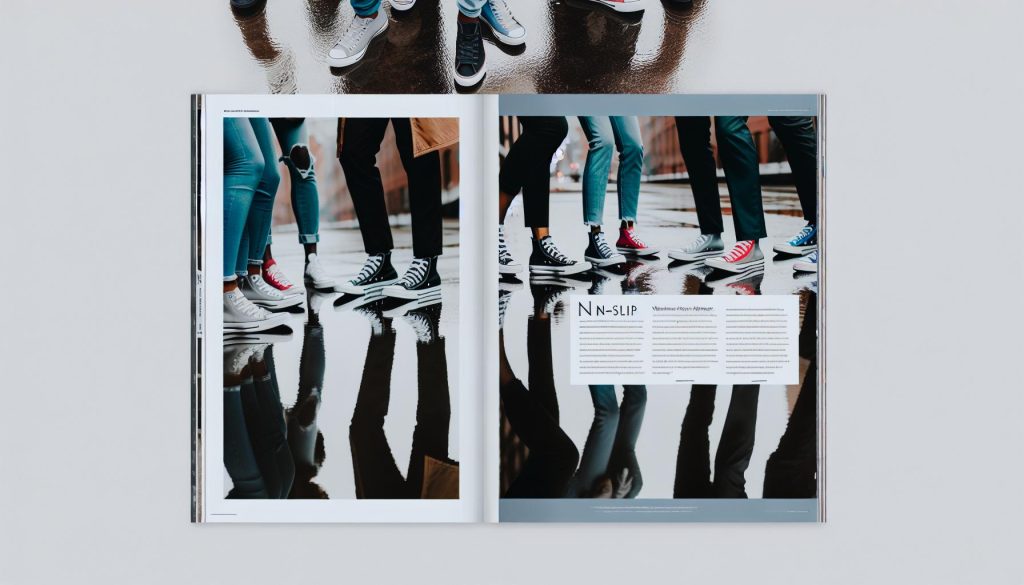
Chuck Taylors, also known as Converse sneakers, are a staple in casual footwear, but how safe are they when it comes to traction? It’s essential to understand whether these iconic shoes can provide the grip you need to prevent slips and falls, especially if you’re active or working in slippery environments. While many love the style of Chuck Taylors, concerns about safety often come up. Do they really offer reliable traction?
In this article, we’ll explore the safety features of Chuck Taylors, delving into traction facts and what you should know before slipping them on. Whether you’re heading to a concert, running errands, or engaging in sports, knowing their limitations could make all the difference in your comfort and safety. Let’s uncover the truth about these beloved kicks and help you make informed choices for your next step!
Are Chuck Taylors Non Slip? Understanding Safety Features
Chuck Taylors, or Converse All-Stars, are iconic footwear known for their casual style, but when it comes to slip resistance and safety features, the conversation gets a bit complicated. While they offer a classic look that many adore, their design isn’t predominantly focused on maximum traction. The sole of Chuck Taylors is made from rubber, which provides a decent grip under normal conditions, but this does not guarantee non-slip performance in more demanding environments.
One key feature that contributes to a shoe’s slip resistance is the tread pattern on the sole. Chuck Taylors feature a herringbone pattern, which can provide traction on dry surfaces. However, on wet or oily surfaces, this traction diminishes significantly. So, if you’re considering wearing them in settings where spills are common-like kitchens or workshops-you may want to think twice.
It’s essential to understand the intended use of your footwear. If you’re heading to a casual gathering or strolling through town, Chuck Taylors can add flair to your outfit. But for more hazardous environments, opting for shoes specifically designed for slip resistance is a far safer bet. Look for shoes with enhanced features like deeper treads, non-marking outsoles, or specialized materials explicitly labeled as “non-slip”.
In real-world applications, some users report positive experiences with Chuck Taylors in low-risk settings but acknowledge the increased risk on slick surfaces. If you decide to wear them, always be cautious and assess your environment first. Ultimately, while Chuck Taylors can serve stylish purposes, they fall short in the non-slip department, particularly when safety should take priority.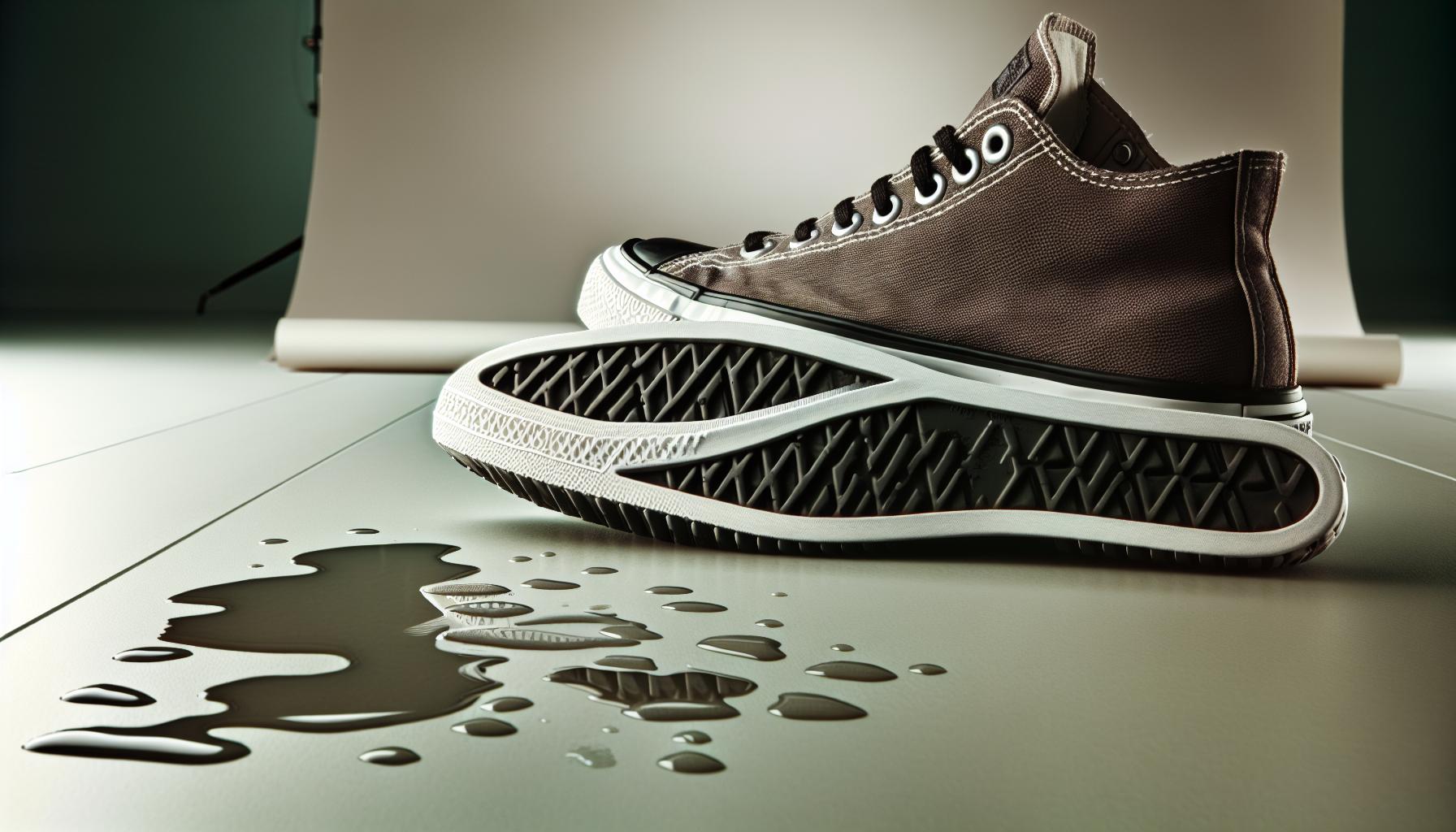
The Science of Traction: How Shoes Grip Surfaces
Walking on a slippery surface can quickly turn a fun outing into a surprising spill, and the right footwear is your first line of defense. Understanding how shoes grip surfaces is crucial-not just for avoiding accidents, but for choosing the right footwear for your lifestyle. When it comes to traction, Chuck Taylors might not be the go-to option due to their design and materials.
The science of traction hinges on several factors, including the sole’s material, tread pattern, and the environment in which the shoes are used. Chuck Taylors feature a rubber sole that provides reasonable grip on clean, dry surfaces thanks to its herringbone tread design. This pattern aids in friction, allowing for better control while walking or running. However, traction isn’t just about the type of rubber; it also depends heavily on the conditions. Chuck Taylors may struggle on wet or oily surfaces, significantly reducing their effectiveness.
A good rule of thumb is to consider the surface texture and condition where you plan to wear your shoes. For instance, on a smooth and dry floor, Chuck Taylors might perform decently, but once you introduce moisture or uneven surfaces into the mix, their grip wanes. If you frequently navigate environments prone to spills-like kitchens or certain workplaces-look for footwear designed specifically for slip resistance. Options with deeper grooves and specialized rubber compounds can enhance traction significantly.
In conclusion, while Chuck Taylors have charm and style, they don’t prioritize slip resistance. So, assess your surroundings carefully and prioritize safety, especially when choosing footwear for slippery situations. Being mindful of these factors can save you from an unexpected fall while keeping your style intact.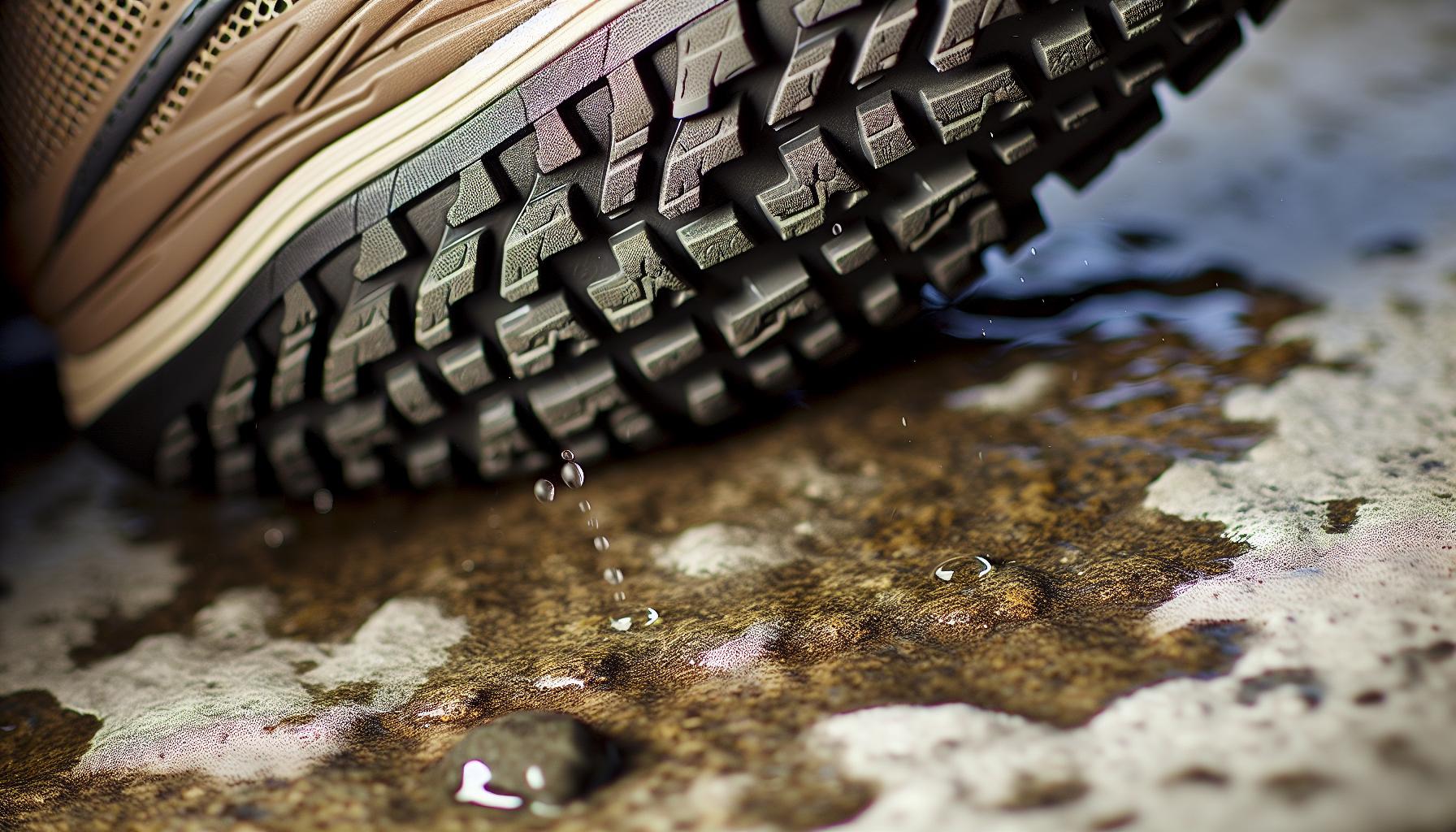
Chuck Taylors in Various Environments: Safety Ratings
Walking into a cafe or navigating your kitchen while wearing Chuck Taylors can be an adventure, but not always a safe one. Depending on where you are, these iconic sneakers can either be your stylish companion or a slip hazard waiting to happen. The rubber sole, while providing decent grip on dry surfaces, hasn’t earned its stripes in more challenging conditions.
When assessing Chuck Taylors in various environments, it’s crucial to consider safety ratings and real-world performance. In dry, clean indoor spaces-like the hallway of your office-Chuck Taylors perform adequately thanks to their herringbone tread design, which enhances grip. However, this shoe falters on wet or greasy surfaces, such as restaurant kitchens or even during a rainy day at the park. Simply put, their grip can’t compete with footwear that has been specifically designed for slip resistance.
Think about typical environments where you’d wear these shoes. If you’re strolling through the mall, you’re likely fine. But if you’re working in a setting where spills are common, you might want to rethink your choice. In these more demanding situations, opting for shoes with deeper tread and specialized rubber compounds can provide the safety you need.
Ultimately, Chuck Taylors boast style over serious traction. While they can handle everyday, casual outings, for better safety, especially in less forgiving environments, look for footwear that explicitly caters to slip resistance and safety features. Trust your instincts-if the ground looks slick, don’t risk it.
Real User Experiences: Chuck Taylors and Slips
Walking into a cafe or a crowded venue can sometimes feel like a game of chance-especially if you’re sporting a pair of Chuck Taylors. Many fans of these iconic sneakers have shared experiences that illustrate just how tricky these shoes can be in terms of slip resistance. While they’re stylish and synonymous with casual cool, opinions on their grip often differ based on individual environments and activities.
From anecdotal evidence, people who wear Chuck Taylors in everyday settings often report decent performance. For example, a graphic designer shared that while working in her cozy office, she felt secure and stable, even when commuting on public transport. However, she quickly learned the hard way about their limitations when she had to navigate a slick cafe floor after a spill-it sent her tumbling, despite her enthusiasm for her classic Chuck look.
On the flip side, other users recount how their Chuck Taylors performed unexpectedly well in dry conditions but left them feeling nervous in situations like outdoor festivals or at the gym. A friend mentioned he loves wearing his Chucks while skateboarding, crediting their lightweight feel but also acknowledging that if the ground’s wet, he exercises caution. These firsthand accounts underscore a crucial truth: environment matters.
If you need shoes that stand up to slippery conditions, you might want to explore options that prioritize traction. Factors like deeper grooves and rubber compounds designed for grip can make a significant difference. Many wearers recommend keeping an eye on the weather and choosing footwear accordingly-if the prediction calls for rain or a potential mess, it’s likely best to leave the Chucks at home. Remember, style does matter, but so does safety!
Fashion vs. Function: Are Chuck Taylors Practical?
When it comes to choosing footwear, the balance between style and safety is often a tough decision. Chuck Taylors, with their iconic design and laid-back vibe, are a staple in many wardrobes. But here’s the kicker: while they may scream fashion, their functionality-especially regarding slip resistance-can be questionable. So, are they really practical for everyday wear? Let’s dig in.
Many fans of Chuck Taylors love how effortlessly they blend with various outfits, from denim to dresses. However, this fashionable allure doesn’t always translate to practicality. The thin rubber soles and smooth surface can struggle on wet or slick surfaces, leading to potential slips. For instance, if you’re heading out for a day at a festival or a casual brunch, the classic canvas shoe may not provide the grip you need in case of unexpected rain or spills. This is something countless wearers have experienced, leaving them torn between their beloved sneaker aesthetic and the urge to keep their feet firmly planted on the ground.
If you often find yourself in environments where traction is crucial, it might be wise to consider alternatives or invest in some non-slip shoe options. Look for options that feature deeper treads and rubber compounds designed specifically for grip. Chuck Taylors can certainly work in mostly dry conditions, but knowing when to wear them is key-they are ideal for casual outings, light walking, or relaxed indoor spaces, but perhaps best left behind when tackling more adventurous or slippery settings.
In short, Chuck Taylors are undeniably stylish, but their practicality largely depends on your environment. If you’re aware of the limitations and choose wisely when to rock them, you can enjoy the flair without compromising your safety. So before you lace up, ask yourself whether your day needs a fashion statement or a steadfast companion ready to tackle whatever the pavement throws at you.
What Makes a Shoe Non-Slip? Key Features Explained
Many people assume that a shoe labeled “non-slip” is automatically safe for any surface, but there’s a lot more to the story. Understanding what makes a shoe non-slip can empower you to choose footwear that truly meets your needs, especially when assessing the slip resistance of classic designs like Chuck Taylors.
To start with, the sole of a shoe plays a crucial role in slip resistance. Non-slip shoes typically feature rubber soles engineered to provide maximum grip. Rubber is naturally more effective than other materials at adhering to different surfaces, and when it’s supplemented with a textured design-like deep grooves or patterns-it enhances traction even further. For non-slip surfaces, manufacturers often add compounds that increase friction, allowing shoes to maintain better contact with the ground.
Another element is the tread pattern. Shoes with aggressive tread designs, including lugs and channels, can channel away water and debris, preventing slippage on slick surfaces. In contrast, Chuck Taylors, with their flat and smooth soles, often lack these features, making them less effective in wet or oily conditions. They might work on dry pavements during a sunny day, but once that surface gets even slightly slick, you may find yourself in a precarious situation.
Lastly, consider the overall fit and weight distribution of the shoe. A poorly fitting shoe can increase your chance of slipping, as it may shift your weight incorrectly when walking. Non-slip shoes tend to have a snug fit to minimize this effect and often include additional elements like reinforced heels to stabilize your foot.
In summary, a shoe’s slip-resistant capabilities hinge on its sole material, tread design, and overall fit. While Chuck Taylors hold a special place in many wardrobes for their style, they certainly don’t tick all the boxes when it comes to traction. For safer choices, look for footwear specifically designed for slip resistance, especially in environments where grip is paramount.
Caring for Your Chuck Taylors for Better Grip
Keeping your Chuck Taylors in great condition is essential not just for style, but also for maximizing whatever grip they can provide. Regular maintenance can help improve their grip and extend their lifespan. Here are some practical tips to ensure your beloved kicks maintain as much traction as possible.
Start with the soles. The flat rubber sole of Chuck Taylors tends to pick up dirt, dust, and oils that can reduce traction over time. To combat this, make a habit of cleaning them routinely. Use a soft brush or cloth to wipe down the soles, removing any debris. For tougher spots, a mixture of mild soap and water can do wonders-just be sure to rinse thoroughly to avoid leaving any residue that could make them slippery.
Next, consider the environment in which you wear your Chuck Taylors. If you’re often in situations where they encounter wet or oily surfaces, it’s crucial to be more vigilant about cleaning them. After exposure to such conditions, a quick rinse and dry will help preserve the rubber’s grip.
Storage Tips
When you’re not wearing them, how you store your Chuck Taylors can also affect their performance. Avoid placing them in damp areas, which can cause the rubber to degrade. Instead, keep them in a dry, cool place to preserve the integrity of the materials. If you’re storing them for a long period, consider stuffing them with newspaper to help maintain their shape.
Finally, proactive maintenance can also aid grip. Consider applying a rubber finisher or grip spray specifically designed for footwear-this can provide an extra layer of slip resistance. Just be sure to follow the manufacturer’s instructions for best results.
By keeping your Chuck Taylors clean and well-maintained, you’ll not only enhance their appearance but also retain as much grip as their design allows. So don’t just wear them-care for them, and enjoy every step confidently.
Alternatives to Chuck Taylors: Best Non-Slip Shoes
When it comes to non-slip footwear, Chuck Taylors might not be your best bet, especially if safety is a priority in your daily routine. While they have that classic look and can be stylish, there are several alternatives that provide superior traction and slip resistance. Let’s explore some top-notch options that will keep you grounded, even in slippery conditions.
Sneakers with Enhanced Grip
- New Balance 626: Designed for work environments, this sneaker features a slip-resistant rubber sole that performs well on various surfaces. Perfect for those who spend long hours on their feet.
- ASICS Gel-Quantum 360: Known for its impressive cushioning and high-traction rubber soles, these provide both comfort and stability, ideal for active lifestyles.
- Skechers Work Sure Track: With a slip-resistant outsole and electrical hazard protection, these shoes are built to handle both wet and oily surfaces, making them ideal for restaurant or industrial settings.
Slip-Resistant Casual Options
If you want something that blends style with functionality, consider the following options:
- Dr. Martens 1460 Pascal Velvet: These boots not only look great but also come with a slip-resistant sole, making them a fashionable choice that doesn’t sacrifice safety.
- Merrell Jungle Moc: A favorite among those who need a comfortable shoe for both outdoor and casual wear, its durable slip-resistant sole offers excellent grip.
Specialized Non-Slip Footwear
For professionals in service industries, specialized footwear can be a game changer:
- Birkenstock Super-Birki: These clogs are water-resistant and designed specifically for slippery work environments with a slip-resistant sole, perfect for food service or healthcare settings.
- Keen Utility PTC Slip-On: Ergonomically designed for comfort and stability, these slip-ons feature non-slip outsoles that excel in wet conditions.
Switching from Chuck Taylors to these alternatives not only enhances your safety but also keeps you stylish. If you’re navigating environments where slips are a risk, consider investing in these shoes. It’s worth it for the peace of mind and added protection they provide.
Innovations in Slip Resistance: What to Look For
When considering footwear for slip resistance, innovations in technology have brought significant improvements that can enhance safety without sacrificing style. The key is knowing what features to look for that make a shoe truly non-slip. Today’s shoes are often designed with advanced materials and specific construction techniques that ensure superior grip and stability on various surfaces.
One standout innovation is the use of specialized rubber compounds in outsoles. These materials are engineered for optimal traction. Look for shoes with outsoles that feature patterns designed for better grip-wavy grooves, multi-directional treads, and deep recesses help channel water away and increase contact with the surface beneath. Brands like Vibram and Michelin have developed rubber soles specifically for non-slip properties, so checking for these labels can guide your decision.
In addition to outsole technology, some brands are incorporating slip-resistant coatings or finishes. These treatments enhance the surface of the shoe, making it less likely to slide on wet or greasy floors, which is particularly useful in restaurant or industrial environments. Shoes designed with these features are often tested under rigorous conditions to ensure they meet certain safety certifications, making it easier to choose footwear that has been proven effective.
Another important factor is the design of the shoe itself. Footwear that offers good ankle support can add an extra layer of safety. For instance, a well-constructed boot or shoe that hugs your foot will help maintain balance and minimize the risk of losing traction during unexpected movements. Keep an eye out for brands that focus on ergonomic designs, which can enhance both comfort and grip.
Ultimately, when searching for non-slip footwear, consider these innovations as part of your decision-making process. By prioritizing shoes that incorporate these advanced materials and designs, you can ensure you’re investing in footwear that not only looks good but also keeps you safe in slippery conditions.
Choosing the Right Chuck Taylors for Traction Needs
When it comes to , understanding the construction and material options can make all the difference in your footwear experience. While Chucks are iconic for their style and versatility, their slip-resistance and grip can vary significantly depending on specific models and environmental conditions. If you’re planning to wear them in settings where slips and falls are a concern, here are some critical considerations.
The first step is to look closely at the outsole. Traditional Chuck Taylors feature a rubber sole, but the texture and tread design matter greatly. If you regularly navigate slick surfaces – like tile or polished wood floors – seek out versions with a more textured outsole that can provide better traction. Brands have developed varied treads that aim to improve grip, featuring wavy patterns or multidirectional grooves that help channel water and enhance contact with the ground. Don’t hesitate to try different styles; newer releases or collaborations might offer advanced rubber compounds that enhance slip resistance compared to classic models.
Additionally, consider the fit and overall support of your Chuck Taylors. A snug fit can significantly affect your stability, particularly when turning or pivoting. If your foot slides around inside the shoe, even the best rubber soles won’t help much. Lace up your Chucks properly and ensure they provide a secure fit around the ankle. Some models come with additional padding or higher collars that might help provide that crucial support. If you’re aware of your foot’s tendency to roll, look for options that offer better arch support, which can aid in balance while moving.
Finally, remember to care for your shoes. Dirt and grime can weaken the grip over time, so keep your Chucks clean, particularly around the soles. Regularly check for signs of wear or loss of tread. Staying proactive about maintenance can extend the lifespan of your shoes and their ability to provide you with the traction you need in slippery situations. By focusing on design elements, fit, and care, you’ll be better equipped to choose Chuck Taylors that meet your traction needs while still delivering that timeless style.
Expert Opinions: Footwear Safety in Everyday Life
Wearing the right shoes can make all the difference when it comes to safety, especially in our day-to-day activities. Many people might not think twice before slipping on a pair of Chuck Taylors, drawn in by their classic style and comfort. But let’s get real: are they safe for all kinds of situations? Some experts argue that while Chuck Taylors are versatile, they often lack the proper features for slip resistance that many environments require.
When it comes to traction, the outsole material and pattern play crucial roles. Chuck Taylors usually have a flat, rubber sole, which can be a slip hazard on wet or oily surfaces. According to footwear safety advocates, if you work in environments like restaurants or warehouses where spills are common, you might want to think of them as an occasional sneaker rather than the go-to option. Always check for specific ratings or tests that indicate how well a shoe performs on slick surfaces.
Additionally, fit matters. A shoe that’s too loose can compromise your stability, regardless of the rubber quality. Many users have reported that the snug fit of their Chucks helps, but proper lacing isn’t just about aesthetics. A secure fit around the ankle and foot can drastically enhance your balance. Some footwear experts recommend considering additional arch and ankle support, especially if you’re on your feet for long periods or need to make quick movements.
Ultimately, understanding how your footwear works in various environments can set you up for success. Invest time in picking a pair that not only matches your style but also suits your daily activities. Be proactive: if you notice your shoes looking worn out, it might be time to shop for a more specialized, slip-resistant option. Your safety should never be an afterthought.
Frequently Asked Questions
Q: What makes Chuck Taylors less slip-resistant compared to other shoes?
A: Chuck Taylors are generally not designed with advanced slip-resistant features like specialized rubber outsoles. Their flat soles provide limited grip on smooth or wet surfaces, making them more prone to slipping. Consider shoes with textured or lugged outsoles for better traction in challenging environments.
Q: Are there any specific scenarios where Chuck Taylors should not be worn?
A: Yes, avoid wearing Chuck Taylors in wet, oily, or uneven terrains, as their lack of slip-resistant technology can increase the risk of falls. For active environments, opt for footwear designed specifically for safety and traction, as discussed in our section on Alternatives to Chuck Taylors.
Q: How can I improve the grip of my Chuck Taylors?
A: To enhance grip, consider using traction mats, applying anti-slip sprays, or opting for slip-resistant insoles. Regularly cleaning the soles can also remove debris that may impact traction. Check our section on Caring for Your Chuck Taylors for Better Grip for detailed tips.
Q: Can Chuck Taylors be worn safely in a restaurant environment?
A: While you can wear Chuck Taylors in restaurants, exercise caution, especially in areas with spills or wet floors. The flat soles may not provide adequate slip resistance. For dining out, consider shoes that emphasize safety and comfort based on your environment.
Q: What should I look for in non-slip shoes if Chuck Taylors aren’t suitable?
A: When choosing non-slip shoes, look for those with rubber outsoles, tread patterns, and water-resistant materials. These features greatly enhance grip and stability. Check out our guide on Choosing the Right Chuck Taylors for Traction Needs for insights.
Q: How do I know if my Chuck Taylors can withstand various weather conditions?
A: Chuck Taylors are primarily designed for dry weather and are not waterproof. If you expect wet conditions, it’s best to select footwear specifically designed for moisture protection. Refer to the Safety Ratings section for more about typical performance in different environments.
Q: Do Chuck Taylors provide adequate support for walking or standing long hours?
A: Chuck Taylors offer minimal arch support and cushioning, which may not be ideal for prolonged standing or walking. If comfort is a priority, consider supportive insoles or alternative footwear designed for better long-term wear. Explore more in our section on Fashion vs. Function.
The Way Forward
As we’ve explored, Chuck Taylors aren’t typically the go-to choice for non-slip footwear, but their traction can vary greatly depending on the surface and specific style. If you’re still on the fence about their safety features, consider checking out our deeper dive into “Best Shoes for Grip: Top Picks for Safety” to find options that keep you steady on your feet.
Don’t let safety concerns hold you back-embracing a reliable pair of shoes is just a step away! For more insights on shoe maintenance and performance, dive into our “Sneaker Care Tips for Longevity” section.
Ready to upgrade your footwear game? Comment your experiences below, share this article with friends who might benefit, and explore other resources that can enhance your safety and traction knowledge. Your perfect fit awaits!