
If you’re passionate about calligraphy, you know just how essential it is to keep your tools in top condition. A well-maintained manuscript calligraphy pen can transform your writing experience, ensuring your strokes glide effortlessly across the page. Neglecting your nibs, however, can lead to frustrating interruptions-think skipped lines and uneven ink flow. But here’s the good news: cleaning your calligraphy pen is simpler than you might think, and with just a few easy steps, you can keep your tools looking and performing like new. Ready to elevate your calligraphy? Let’s dive into the best techniques for maintaining your prized writing instruments, so you can focus on crafting beautiful letters instead of battling with clogged nibs.
Understanding the Importance of Cleaning Calligraphy Pens
Cleaning your calligraphy pens might seem like a hassle, but it’s one of the best ways to ensure your writing stays smooth, consistent, and vibrant. Just like a chef needs a clean knife for precise cuts, calligraphers require clean nibs and pens for beautiful lines and letters. When ink dries up in the nib or inside the barrel, it can lead to clogs and uneven writing. In fact, neglecting to clean your tools can ruin a piece in progress or, worse, lead to permanent damage to your pens.
Regular maintenance isn’t just about performance; it’s also about longevity. Calligraphy pens can be quite an investment, especially the high-quality ones. Taking just a few moments to clean them after use can extend their life significantly. It’s a straightforward process, and you don’t need fancy cleaners-just water and maybe a bit of soap will do the trick. Clean nibs ensure you won’t have to wrestle with drying ink during your next session, leading to smoother, uninterrupted creativity.
You might think that a quick rinse is sufficient, but the truth is, proper cleaning also involves understanding your tools. Different inks require different care. For instance, some inks are more prone to clogging than others. Getting to know your materials lets you tailor your cleaning routine accordingly. Remember, the effort you put into maintaining your calligraphy pens today will reflect in your art tomorrow. The cleaner your tools, the brighter your creativity shines!
Essential Tools for Effective Pen Maintenance
To keep your manuscript calligraphy pens in pristine condition, having the right tools on hand is crucial. Think of these tools as your pen-care arsenal; they’ll make maintenance easier and more effective. Not only do they help keep your tools running smoothly, but they can also prolong the life of your investment significantly.
- Soft Cloth or Microfiber Rag: A gentle wipe-down with a soft cloth removes excess ink and dust. This is a quick fix after every use.
- Water and Mild Soap: For deeper cleaning, a mix of water with a drop of dish soap works wonders. It’s safe for your nibs and won’t damage the finish.
- Toothbrush or Soft Brush: A toothbrush can carefully scrub away dried ink from the nib and feed without damaging delicate parts. Make sure it’s clean and dedicated to this purpose.
- Pipette or Syringe: For cleaning cartridge or converter pens, a pipette or syringe filled with water is excellent for rinsing out any remaining ink.
- Ink Cleaning Solution: While plain water usually does the trick, an ink cleaning solution can be helpful for stubborn ink types. Just ensure it’s appropriate for your particular pen.
- Storage Case: A dedicated case or pouch protects your pens from damage while keeping them organized. This is vital for preventing leaks and ensuring longevity.
Using these tools makes cleaning routine and sustainable. It’s a small commitment of time that pays off with vibrant ink flow and a more enjoyable writing experience. If you treat your pens well, they’ll reciprocate your care with beautiful scripts. Remember, your tools are the extension of your creativity, so equip them right!
Step-by-Step Guide to Cleaning Manuscript Pens
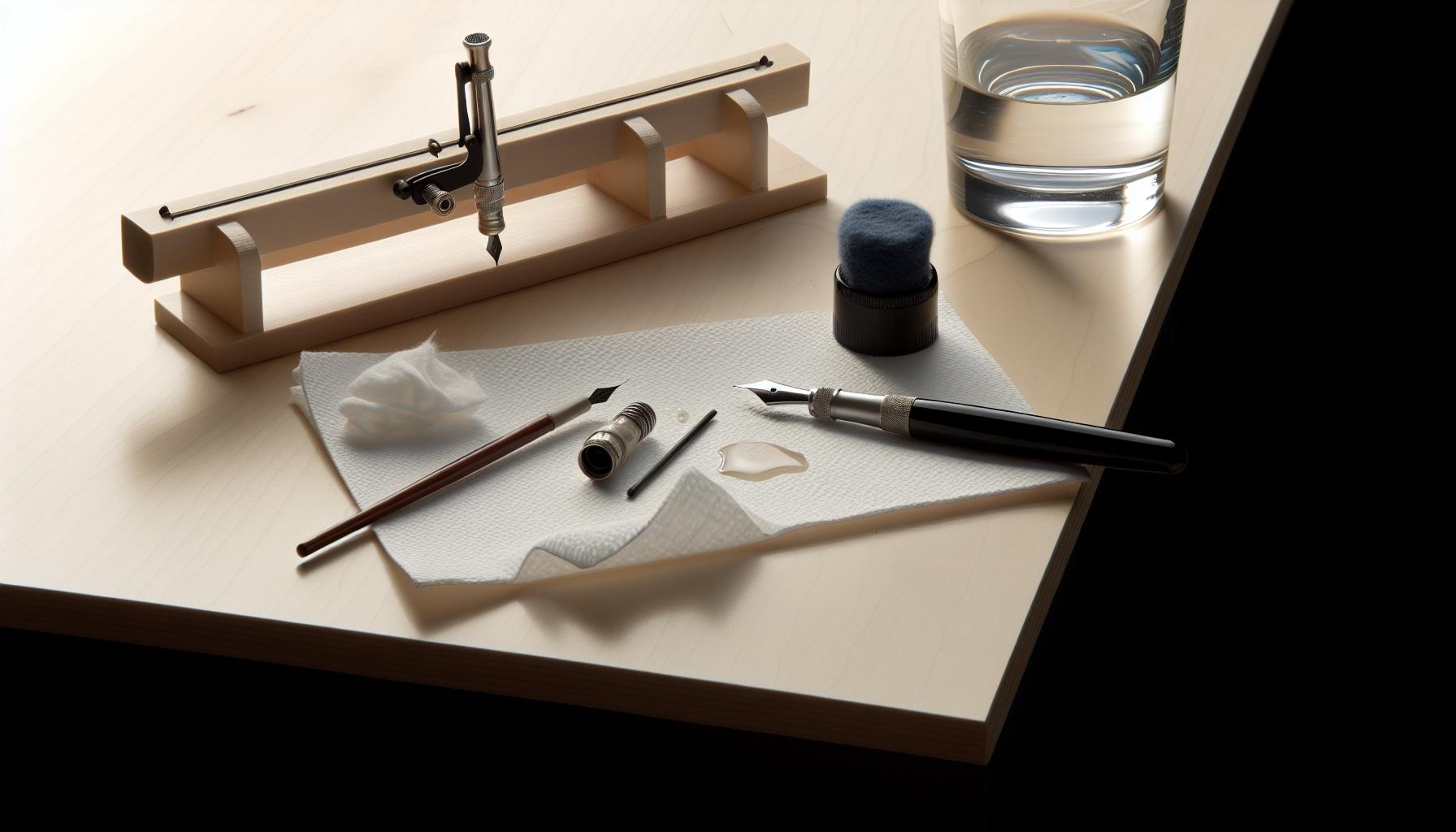
To maintain the beauty and functionality of your manuscript calligraphy pens, a systematic cleaning approach is essential. Think of it as a ritual that not only enhances your writing experience but also extends the lifespan of your cherished tools. Here’s how to effectively clean your pens step by step, ensuring each one stays in top-notch condition.
Start by disassembling your pen if possible. Remove the nib and any ink cartridges or converters. This will prevent any ink from seeping into parts that are harder to clean. Begin with a quick rinse under cool running water. This helps to wash away any excess ink. For the nib, handle it with care to avoid bending or damaging it. Use a soft brush, like a toothbrush, to gently scrub away any dried ink particles from the nib and feed. This is crucial, as dried ink can clog the flow of ink and affect your writing.
Next, fill a small bowl with lukewarm water mixed with a drop of mild soap. Submerge the nib and feed in this gentle solution for a few minutes. This not only helps dissolve remaining ink but also sanitizes the nib. After soaking, scrub gently again with your soft brush to lift any stubborn residues. Rinse everything thoroughly under cool water until no soapy residue remains. Dry components with a soft cloth or allow them to air dry completely before reassembling the pen.
Finally, for any particularly stubborn ink types, consider using an ink cleaning solution specifically designed for such materials. However, always check that the solution is compatible with your type of pen to avoid damaging it. Regular cleaning, ideally after each use, will keep your manuscript pens writing smoothly and looking like new. Making this a part of your routine will ensure you enjoy every stroke of your calligraphy without interruption from ink blockages.
Common Mistakes to Avoid When Cleaning Calligraphy Pens
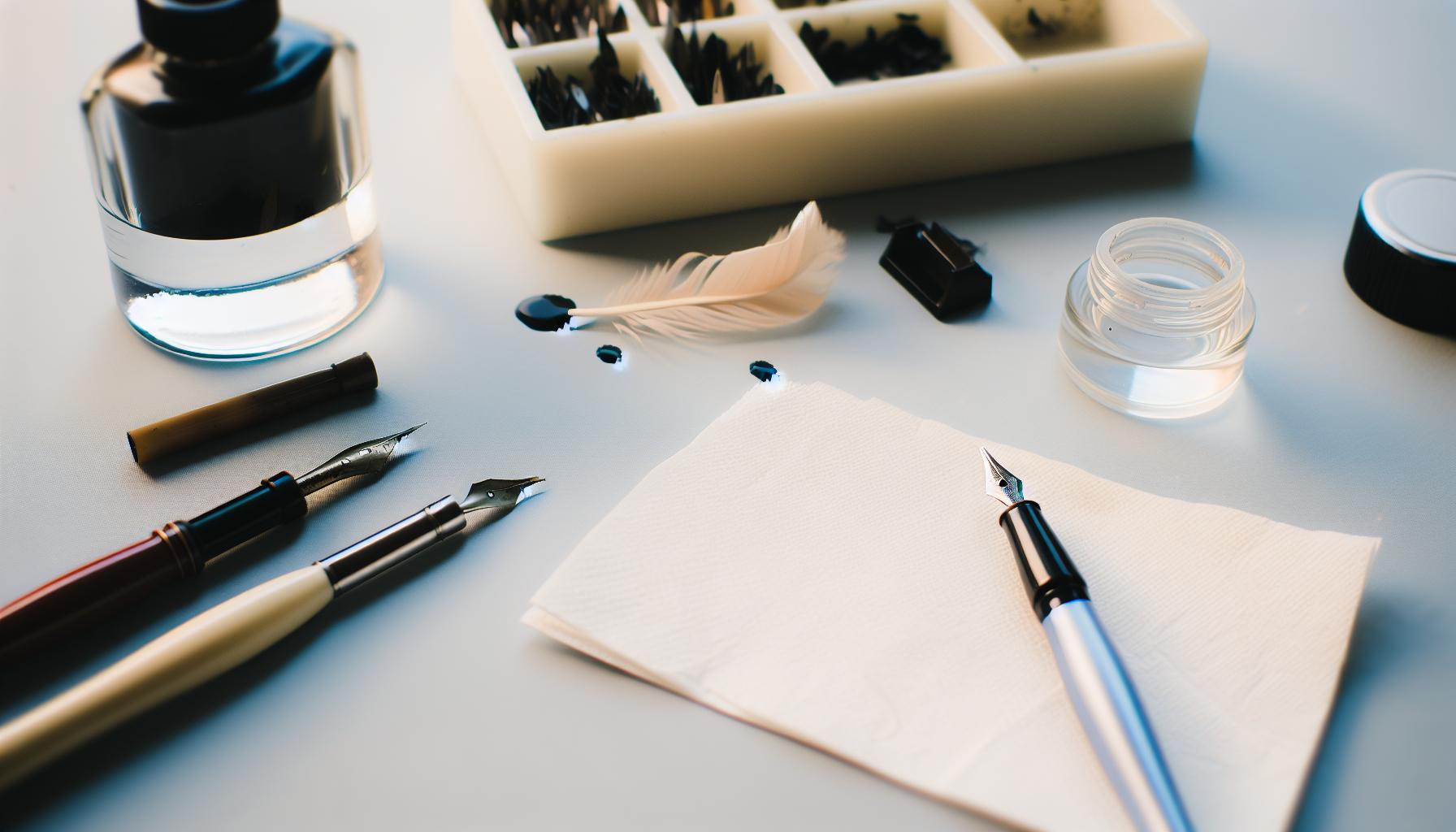
Cleaning your calligraphy pens effectively is crucial to maintaining their longevity and performance. However, many enthusiasts unknowingly make common mistakes that can lead to frustration and damaged tools. One of the biggest blunders? Omitting the disassembly of the pen before cleaning. Many users think rinsing the nib is sufficient, but leaving ink cartridges or converters attached can trap ink in hard-to-reach areas, causing clogs and leaks. Always take a moment to disassemble your pen to allow for a proper clean.
Another frequent mistake is using harsh chemicals or abrasive materials. While it might be tempting to reach for window cleaner or rough sponges, these can scratch the delicate surfaces of the nib and feed. Stick to mild soap and soft brushes or cloths instead. If you’re dealing with stubborn ink residue, warm water with a gentle soap is your best friend. Some users even resort to soaking nibs in strong solvents, forgetting that this can damage the finish and functionality of fine calligraphy tools.
Timing also plays a key role. Many writers neglect to clean their pens frequently enough, leading to built-up ink that’s harder to remove. Ideally, a quick rinse after each use can keep your nibs in top shape. If you’ve been away from your calligraphy for a while, it’s easy to miss this step, but do your future self a favor: make cleaning a habit.
Lastly, storage practices can affect your cleaning results. After cleaning, allow your nibs to dry properly before reassembling or storing them. If moisture remains, it can promote rust or mold over time. Implementing these simple yet vital practices ensures your calligraphy pens perform beautifully with every stroke.
How Often Should You Clean Your Calligraphy Pen?
Cleaning your calligraphy pen isn’t just about keeping it tidy; it’s essential for its longevity and the quality of your work. Believe it or not, how often you clean your pen can drastically affect your writing experience and the performance of the nib. Regular maintenance is crucial. If you develop the habit of rinsing your pen after each use, you’ll save yourself from the headache of stubborn ink buildup, which can lead to clogging and a compromised nib.
So, how often should you clean your pen? Ideally, you should give it a quick rinse after every session. Just a few moments spent under running water can prevent ink from drying and causing clogs. For those longer breaks in usage, like after completing a project or stepping away for days or weeks, a thorough cleaning is necessary. Disassemble your pen and soak any removable parts in soapy water-this is vital to ensuring every crevice is ink-free.
Another tipping point is the type of ink you’re using. Some inks contain pigments or chemicals that can be harsher on your nib, necessitating more frequent cleaning. If you’re working with thicker or more viscous inks, you may find it best to clean your pen after each major use to avoid residue buildup. The rule of thumb? If the ink feels thick or your pen isn’t gliding smoothly, it’s time for a clean.
In short, foster a cleaning routine that fits your writing habits. Making cleaning a regular practice won’t just keep your calligraphy pen looking like new; it will ensure that every stroke flows with elegance and precision. Invest the time now, and you’ll reap the benefits in your beautiful calligraphy work.
Identifying Different Types of Calligraphy Inks
Different types of calligraphy inks can make a significant impact on your writing experience, the performance of your pen, and, ultimately, the quality of your work. Each ink has its characteristics, and understanding them helps ensure you maintain your tools effectively and achieve beautiful results. Here’s what you need to know.
To start, there are mainly two categories of calligraphy ink: water-based inks and pigment-based inks. Water-based inks are more common and come in various colors. They’re easy to clean and great for beginners, but they may not be as durable as other inks. Since they dissolve readily in water, they pose less risk for clogging your nib. However, they can dry out quickly if not used often, leading to potential issues like crusting-so a consistent cleaning routine is essential.
On the other hand, pigment-based inks offer vibrant colors and permanence, making them popular among experienced calligraphers. These inks can be more challenging to clean because they can leave a residue on your nib, particularly if they dry out. If you choose pigment-based inks, be prepared for increased maintenance; thorough cleaning after each use will prevent build-up and clogs. Depending on the thickness and texture of the ink, you might even consider cleaning your nib mid-session if you notice any writing issues.
Here’s a quick overview of common ink types and their characteristics:
| Ink Type | Characteristics | Cleaning Difficulty |
|---|---|---|
| Water-Based Ink | Easy to clean, less permanent, vibrant colors | Low |
| Pigment-Based Ink | Permanent, vibrant, prone to residue | High |
| Iron Gall Ink | Historical, rich, can corrode nibs | Moderate |
| Metallic Ink | Shimmery, fun for decoration | High (can clog easily) |
By recognizing the type of ink you’re working with, you can tailor your cleaning routine accordingly. For instance, if you’re using metallic inks, be vigilant-these can cause significant clogs due to the particles they contain. If you routinely use iron gall ink, ensure you clean your nib more frequently, as its composition can lead to corrosion if left unchecked.
Ultimately, knowing your inks helps you maintain your calligraphy pens effectively, ensuring they stay in top condition for your next masterpiece. Whether you favor the ease of water-based inks or the vibrant results of pigments, the right care will keep your writing tools like new and your work elegantly flowing.
Special Techniques for Preserving Your Calligraphy Nibs
To truly appreciate the artistry of calligraphy, you’ve got to take care of your tools, especially the nibs. A well-maintained nib not only enhances your writing experience but also extends the lifespan of your calligraphy pens. Here are some effective techniques that can help preserve these delicate components and keep your writing smooth.
First and foremost, always rinse your nib after each use. Even if you’re planning to put it away for just a few days, a quick rinse will prevent ink from drying on the nib, which can cause clogs or corrosion over time. If you’re using water-based ink, simply dip the nib in clean water and give it a gentle shake to remove excess moisture. For tougher residues, consider using a soft toothbrush with mild soap to scrub the nib lightly. Just be sure to rinse well afterward to avoid soap residue.
Another important technique involves proper ink dipping. Don’t submerge the nib completely; dipping it halfway helps avoid ink reaching the collar and causing buildup, which can make cleaning more difficult later on. When you’re done writing, wipe the nib clean with a soft cloth or paper towel to remove the remaining ink, further minimizing the risk of residue buildup.
Storage Matters
Storing your nibs correctly is just as vital as cleaning them. After cleaning, ensure your nibs are completely dry before placing them in a designated pen holder or a dedicated nib case. This prevents moisture from accumulating, which can lead to rust-especially with metal nibs. For extra protection, consider wrapping your nibs individually in a soft cloth or tissue paper before storage.
Lastly, don’t neglect the importance of using the right ink. If you often use pigments or metallic inks, these require more diligent cleaning practices due to their tendency to leave residue. Regularly check the condition of your nibs, and if you see signs of wear or damage, it’s time to replace them. Your nibs are your primary interface with the paper, so investing time in their care ensures that your calligraphy remains beautiful and fluid.
Storing Your Calligraphy Pens for Longevity
Storing your calligraphy pens properly is just as crucial as cleaning them. Proper storage not only protects your pens but also ensures they’re always ready for your next creative project. You might own beautiful pen sets, but improper storage can quickly diminish their value and performance.
First, always ensure your pens are completely dry before storing them. Moisture can lead to rust, especially in metal nibs. After cleaning, lay your pens flat on a clean towel, giving them adequate time to dry. If you’re using fountain pens or any pen with an ink chamber, be sure to remove any residue ink by flushing the pen with water thoroughly before drying. Once they’re dry, consider placing them in a dedicated pen case, which can provide protection against dust and accidental damage.
For an extra layer of protection, store your nibs separately from the bodies of your pens. Use a dedicated nib holder or a small box lined with soft fabric, ensuring that each nib is cushioned to prevent bends or breaks. It’s wise to avoid plastic holders that might trap humidity, as that can promote rust. Wrapping each nib in tissue paper before placing them in your case can also work wonders.
Lastly, make sure to keep your calligraphy pens in a cool, dry place away from direct sunlight. Sunlight can warp and discolor materials over time, affecting not just aesthetics but also functionality. If you have a significant collection, consider organizing them by type or ink color to make it easier to select the right one when inspiration strikes. Treat your calligraphy tools like treasures; the way you store them can safeguard their longevity and keep your writing experience exceptional.
Troubleshooting: What to Do After Improper Cleaning
Improper cleaning of calligraphy pens can be frustrating, but it’s not the end of the line for your creative tools. If you’ve noticed ink residue, clogging, or rust after cleaning, don’t panic; there are effective steps you can take to restore your pen to peak performance.
First, assess the situation. If your nib feels gunky or the ink flow has become sluggish, get ready for a rinse. Submerge the nib and feed in clean, lukewarm water, letting it soak for a few minutes. This step loosens any dried ink that may have built up. After soaking, gently rub the nib with a soft cloth or paper towel to remove excess ink. If the problem persists, a deeper cleaning might be necessary. Consider using a gentle pen flush or a solution specifically designed for cleaning fountain pens-these can break down tougher residues without damaging the pen.
Dealing with Rust
If you’ve encountered rust, it’s critical to address it quickly. Start by using a fine, soft cloth to buff away visible rust-don’t use anything abrasive as this could scratch the nib. Next, soak the nib in white vinegar for about ten minutes. This will help remove rust without harming the metal. Rinse thoroughly with clean water and dry with a soft cloth. After this treatment, it’s wise to apply a small amount of pen oil to protect the nib from future corrosion.
Lastly, remember that prevention is key. After you’ve cleaned your pen, ensure it’s completely dry before storing it. Even little droplets of residual water can lead to rust down the line. Store your calligraphy pens in a cool, dry place and always use them dry, as excess moisture can trigger unwanted issues. Keeping your pens clean and in good working order takes some effort, but the joy of effortless writing is well worth it. Treat each pen with the care it deserves, and you’ll be rewarded with years of beautiful lettering.
Recommendations for Calligraphy Pen Care Products
When it comes to keeping your manuscript calligraphy pens in pristine condition, investing in quality pen care products makes all the difference. Using the right tools not only enhances your writing experience but extends the lifespan of your beloved pens. Here are some essential recommendations that will help you maintain those intricate pieces of art with ease.
Start with a dedicated pen cleaning solution. Look for options specifically designed for fountain pens or calligraphy tools such as gentle pen flushes. These solutions are formulated to break down ink residues and prevent clogging without causing any damage to the nib or feed. For example, brands like J. Herbin and Parker offer reliable cleaning fluids that have received positive feedback from users who appreciate their effectiveness.
Don’t underestimate the power of a simple soft cloth or microfiber cloth. These are perfect for removing moisture and ink smudges without scratching the surface of your pens. A clean, lint-free cloth keeps your tools looking professional and can even help maintain the shine on metallic parts. You can also keep a soft toothbrush on hand. It’s helpful for gently scrubbing the nib and feed area, especially when you haven’t used your pens in a while and need to dislodge any stubborn ink.
Pen cases or storage solutions are crucial for protecting your pens when they’re not in use. Opt for padded cases that prevent bumps and drops, which can misalign the nibs. Brands like TWSBI and Pen Addict make stylish yet functional cases to keep your pens secure. Additionally, consider investing in a pen oil for those delicate nibs often made of metals prone to rust. Applying a small amount of oil after cleaning can safeguard against moisture damage.
Incorporating these care products into your routine will not only keep your calligraphy pens clean but also enhance your writing efficiency. Regular maintenance using the right tools creates a seamless writing experience, allowing you to focus on capturing your artistic vision without distractions.
User Reviews: Top Picks for Cleaning Solutions
When it comes to cleaning solutions for your manuscript calligraphy pens, finding the right products can make all the difference in maintaining their performance and longevity. Many users rave about specific brands and types of cleaners that effectively remove stubborn ink residues without damaging the delicate nibs. Here’s a roundup of some top picks based on user reviews that can help you keep your pens in pristine condition.
1. J. Herbin Cleaning Solution
This gentle yet effective pen flush has garnered numerous positive reviews for its ability to clear out old ink without harsh chemicals. Users appreciate how it works quickly, often only requiring a brief soak time. It’s particularly touted for maintaining the integrity of both fountain and dip pen nibs, making it a favorite among serious calligraphers.
2. Parker Pen Flush
Another favorite is the Parker cleaning solution, renowned for its thorough cleansing capabilities. Many users highlight its effectiveness against various inks, including stubborn ones like permanent and metallic, which can be tough to eliminate. This solution is also praised for its non-corrosive formula, ensuring that your nibs remain undamaged.
3. Soft Microfiber Cloths
While not a liquid cleaner, the consensus is clear: a good quality microfiber cloth is an essential companion to your cleaning routine. Users recommend these for wiping down pens after each use. It’s a simple and effective way to prevent ink buildup and maintain a clean appearance.
4. Soft Toothbrush
For those hard-to-reach areas in nibs and feeds, a soft toothbrush is often highlighted in reviews as a great tool. Many calligraphers use this method to gently scrub away any residue after a soak with a cleaning solution. It’s a practical and affordable method that can revive even the most neglected pens.
It’s important to recognize that while cleaning products are vital, regular maintenance helps too. A consistent cleaning routine, using these recommended products, will ensure your calligraphy pens perform well and look great for years to come. Your tools are an investment in your artistry, and investing in quality cleaning supplies pays off in the long run.
Pro Tips for Advanced Calligraphy Pen Care
To keep your calligraphy pens in prime condition, some simple yet effective advanced care tips can make a world of difference. First, always flush your pens thoroughly after each use, especially if you’ve been working with pigmented or metallic inks, which can clog the nib or feed. I recommend using distilled water for flushing because it minimizes mineral buildup that can occur with tap water. A gentle soak followed by a few plunger pushes can help remove any stubborn residue.
Another handy trick is to rotate your nibs. If you have multiple nibs or pens, switch them out regularly. This gives each nib a chance to rest and can prevent wear and tear. Keep a dedicated pot of water or cleaning solution handy for routine checks; I like to dip my nib in it every so often while working to keep the ink flowing smoothly.
Don’t underestimate the power of a good cleaning routine. Incorporate a special day each month where you perform a deep clean of your pens. Take apart the nibs when applicable and use a soft toothbrush to clear out debris. Afterward, dry them thoroughly to avoid any rust formation.
Lastly, don’t let your pens sit with ink in them for extended periods. If you plan to take a break from your calligraphy work, clean the nibs and store them with a drop of oil on the nibs to protect against corrosion. This will help ensure that when you return, your tools are as pristine and ready as when you last used them. Regular care is not just about preventing problems; it’s about prolonging the life of your cherished writing tools.
Q&A
Q: What is the best solution to use for cleaning Manuscript calligraphy pens?
A: The best solution is warm water mixed with a mild soap or specialized pen cleaner. This gentle approach effectively removes ink without damaging the nib. Always rinse thoroughly to ensure no soap residue remains, which can affect ink flow. For further details, refer to the “Step-by-Step Guide to Cleaning Manuscript Pens” section.
Q: How do I prevent my Manuscript calligraphy pen from drying out?
A: To prevent drying, always clean your pen after each use. Store it horizontally in a cool, dry place with the cap on. Additionally, avoid leaving the pen uncapped for extended periods, especially with water-based inks. Check out the “Storing Your Calligraphy Pens for Longevity” section for more tips.
Q: Can I use rubbing alcohol to clean my calligraphy pen?
A: Yes, you can use rubbing alcohol occasionally for deep cleaning, especially for stubborn ink. However, it may not be suitable for all nib types; always test a small area first. Regular cleaning with water is generally recommended for daily use.
Q: How do I clean a Manuscript calligraphy pen with dried ink?
A: To clean a pen with dried ink, soak the nib in warm soapy water for several minutes, then gently wipe with a soft cloth. You can also use a small brush to dislodge stubborn bits of ink. This process will help restore ink flow effectively.
Q: Is it necessary to disassemble my calligraphy pen for cleaning?
A: It’s not always necessary to disassemble your pen but doing so can provide a thorough clean. If your pen allows it, unscrew the nib and feed for easier access to dried ink or debris. Check the “Common Mistakes to Avoid When Cleaning Calligraphy Pens” section for tips on proper handling.
Q: What are the common mistakes people make while cleaning calligraphy pens?
A: Common mistakes include using harsh chemicals, not rinsing properly, and failing to lubricate the nib after cleaning. Always handle your nib delicately and follow the cleaning instructions closely to maintain your pen’s performance.
Q: How often should I clean my Manuscript calligraphy pen?
A: Clean your pen after each use for optimal performance. If you’re switching ink colors, clean it thoroughly to avoid mixing inks. Refer to the section “How Often Should You Clean Your Calligraphy Pen?” for a detailed schedule.
Q: Why is it important to clean my calligraphy pen regularly?
A: Regular cleaning helps maintain ink flow, prevents clogging, and extends the lifespan of your nib. It ensures that your writing remains smooth and your pen functions effectively. For more insights, see “Understanding the Importance of Cleaning Calligraphy Pens.”
To Conclude
Now that you’ve mastered how to clean your manuscript calligraphy pen, you’re on your way to preserving your tools for stunning work time and time again! Remember, regular maintenance not only enhances your writing experience but also extends the life of your pen. If you’re eager to take your calligraphy skills further, check out our articles on “Essential Calligraphy Tools for Beginners” and “Top Techniques for Beautiful Lettering” to enhance your craft even more.
Don’t forget, sharing your own cleaning tips or experiences in the comments below can enrich our community! Also, if you found this guide helpful, why not subscribe to our newsletter for more tips on calligraphy and lettering? Keeping your supplies in top shape is just the beginning-let’s keep you inspired and ready to create! Visit our resources page for additional tools and tricks. Keep practicing, and happy writing!