Did you know that the beautiful, versatile patterns of washi tape can elevate your illustrations and crafts in amazing ways? Learning how to draw washi tape not only enhances your artistic skills but also adds a unique flair to your projects. Whether you’re looking to decorate your bullet journal, create stylish cards, or simply express your creativity, mastering the techniques to illustrate washi tape can transform your approach. In this guide, we’ll delve into the tools and methods that will make your drawings pop. You’ll discover tips for achieving the intricate textures and vibrant colors that make washi tape so beloved. Get ready to unleash your creativity and make your artwork stand out!
Understanding Washi Tape: What Makes It Special
Washi tape stands out in the world of arts and crafts, not just for its vibrant colors and patterns but for its rich heritage rooted in Japanese culture. Made from natural fibers like the inner bark of the gampi tree, washi is a traditional Japanese paper that lends itself perfectly to creating decorative adhesive tape. This blend of art and functionality is what makes washi tape special-it’s easy to use, versatile, and offers a unique texture that enhances design. Unlike typical plastic tapes, washi tape is matte and semi-transparent, which allows it to blend beautifully with various backgrounds without overwhelming them.
One of the key aspects of washi tape is its quality and the craftsmanship involved in its production. Authentic washi is handcrafted, preserving techniques that date back centuries. This traditional method not only results in higher quality but also means each roll of tape tells a story. When you use washi tape in your illustrations, you’re not just adding color or decoration; you’re integrating a piece of history into your art. Plus, the tape is easily repositionable, allowing for creative freedom without the fear of making permanent mistakes.
Using washi tape can elevate your artwork in various ways. You can create borders, highlight areas, or even layer it to build depth and texture. The range of patterns-from floral designs to geometric prints-means there’s always a perfect option to match your project. Embrace the essence of washi by incorporating it into your sketches, giving your illustrations that special touch that only this unique tape can provide. As you explore drawing techniques, consider how washi tape can serve not only as a decorative element but as an essential tool that encourages experimentation and creativity in your work.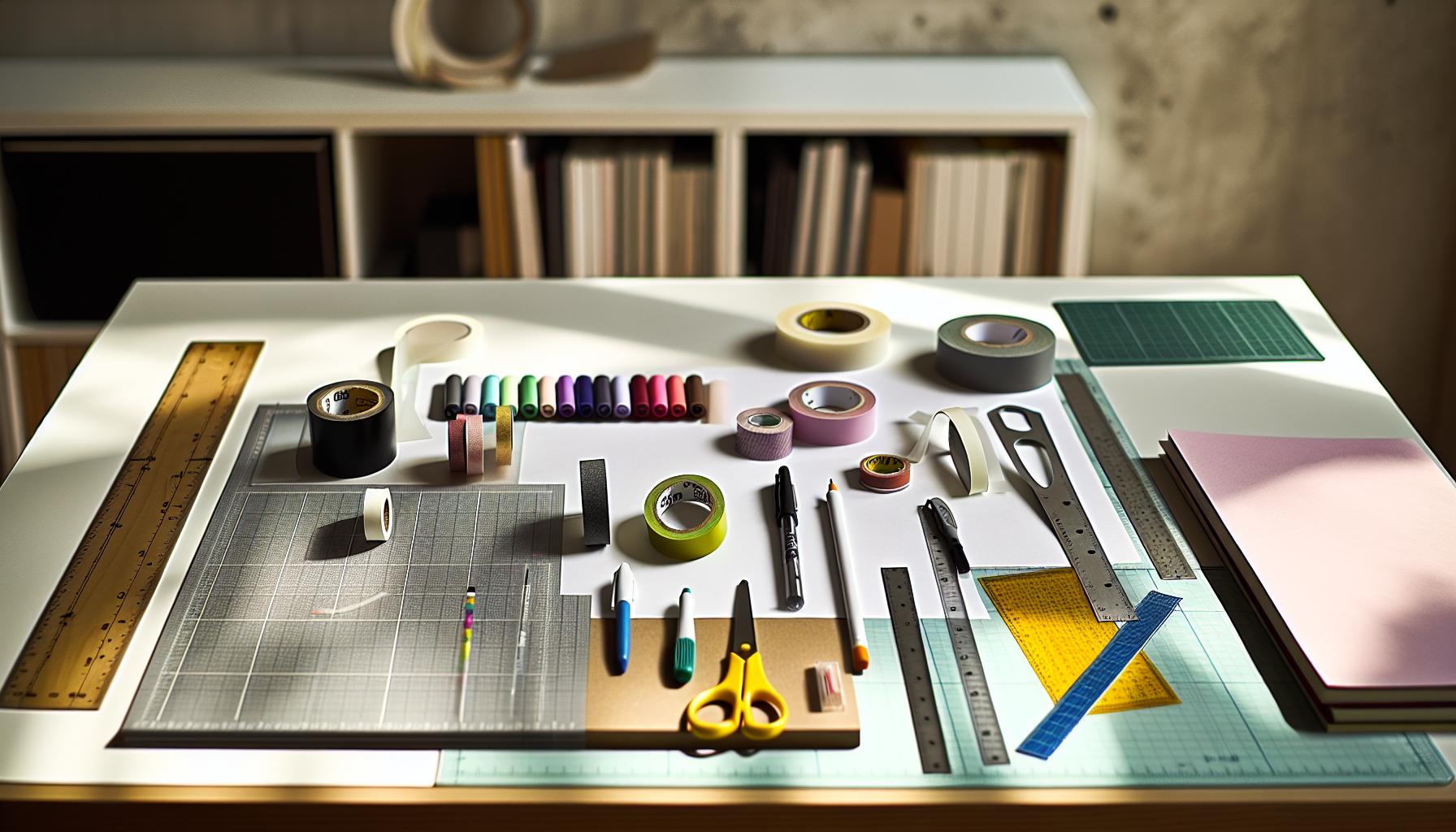
Essential Tools for Drawing Washi Tape
To truly capture the charm of washi tape in your illustrations, having the right tools is essential. Whether you’re a seasoned artist or just starting out, investing in quality supplies can make a world of difference. Ultimately, your tools can help you achieve the unique texture and vibrant colors that make washi tape so special.
First off, fine liners and brush pens are must-haves for drawing washi tape designs. These tools allow you to create clean, intricate lines that mimic the delicate patterns often found on actual washi tape. Look for pens with varying tip sizes. A fine point will let you get into those small details, while a brush pen can add bold strokes and flourishes.
Next, consider using watercolor paints or markers. The semi-transparency of washi tape invites layering, and watercolor mediums can replicate this beautifully. They allow you to build up soft washes of color, just like you would with real tape. If you’re aiming for a more vibrant finish, opt for alcohol-based markers; they provide rich colors and blend seamlessly, giving that true washi look.
Don’t overlook a good sketchbook or textured paper! The feel of the surface can drastically impact your work. A thicker, textured paper can hold up to various mediums without bleeding through, which is perfect for layering colors. Consider adding some blending tools, like a blending stump or even your fingers, to help smooth out transitions in your paints.
Finally, a ruler and a craft knife will be invaluable when you’re looking to create straight edges or precise cuts. Whether you’re simulating torn edges or giving your drawings a more polished look, these tools enhance the realism of your washi tape illustrations.
Equipped with these essentials, you’ll find that your ability to replicate the beauty of washi tape in your artwork will flourish, allowing your creativity to flow seamlessly. Experiment, have fun, and let the unique characteristics of washi inspire your designs!
Step-by-Step Guide to Sketching Washi Tape Designs
To create captivating washi tape designs, you need to appreciate not just the aesthetic appeal, but also the tactile qualities that make washi tape unique. Start by sketching out your ideas on paper. Choose a theme; it can be floral, geometric, or inspired by nature. Visualize the patterns and colors, then move on to the next steps so you can translate those visions into your art.
Gather Your Materials
First, grab your essential tools-including fine liners, watercolor markers, and a sketchbook. Better quality materials lead to better results. When you’re ready, let’s jump into the sketching process.
Basic Shape Sketching
Begin with the basic outline of the washi tape roll. Draw two parallel lines to suggest the tape’s edges, then connect them with curved lines on the ends to create a realistic roll shape. This is your foundation, so keep your lines light; you’ll refine them later. Remember, washi tape isn’t just flat; it has a slight thickness that gives it character.
Adding Patterns
Next, think about the design. If you’re going for a floral pattern, sketch petals, leaves, or even tiny blossoms. Use small, repetitive shapes for geometric designs. As you fill in your sketch, give yourself the freedom to experiment with layers-washi tape is often characterized by its vibrant, overlapping artwork. Don’t hesitate to play around until you’re satisfied with the balance of shapes and color distribution.
Refining and Detailing
Once your basic shapes and patterns are in place, it’s time for detailing. With your fine liner, go over your pencil lines, adding intricate details like dots, lines, or textures to mimic the actual feel of washi tape. Curved or angled lines can add depth and movement to your design, making it pop off the page.
Use your eraser to gently remove any pencil marks and clean up your design, revealing the crisp lines of your inks. Don’t forget to add highlights or shading to suggest dimensionality. Lightly shading one side can give the impression of light hitting the tape, enhancing realism.
With these steps, your washi tape sketches will start to come alive. Embrace the process: it’s all about your creativity and personal touch. Remember, practice makes perfect, so keep experimenting with new patterns and techniques!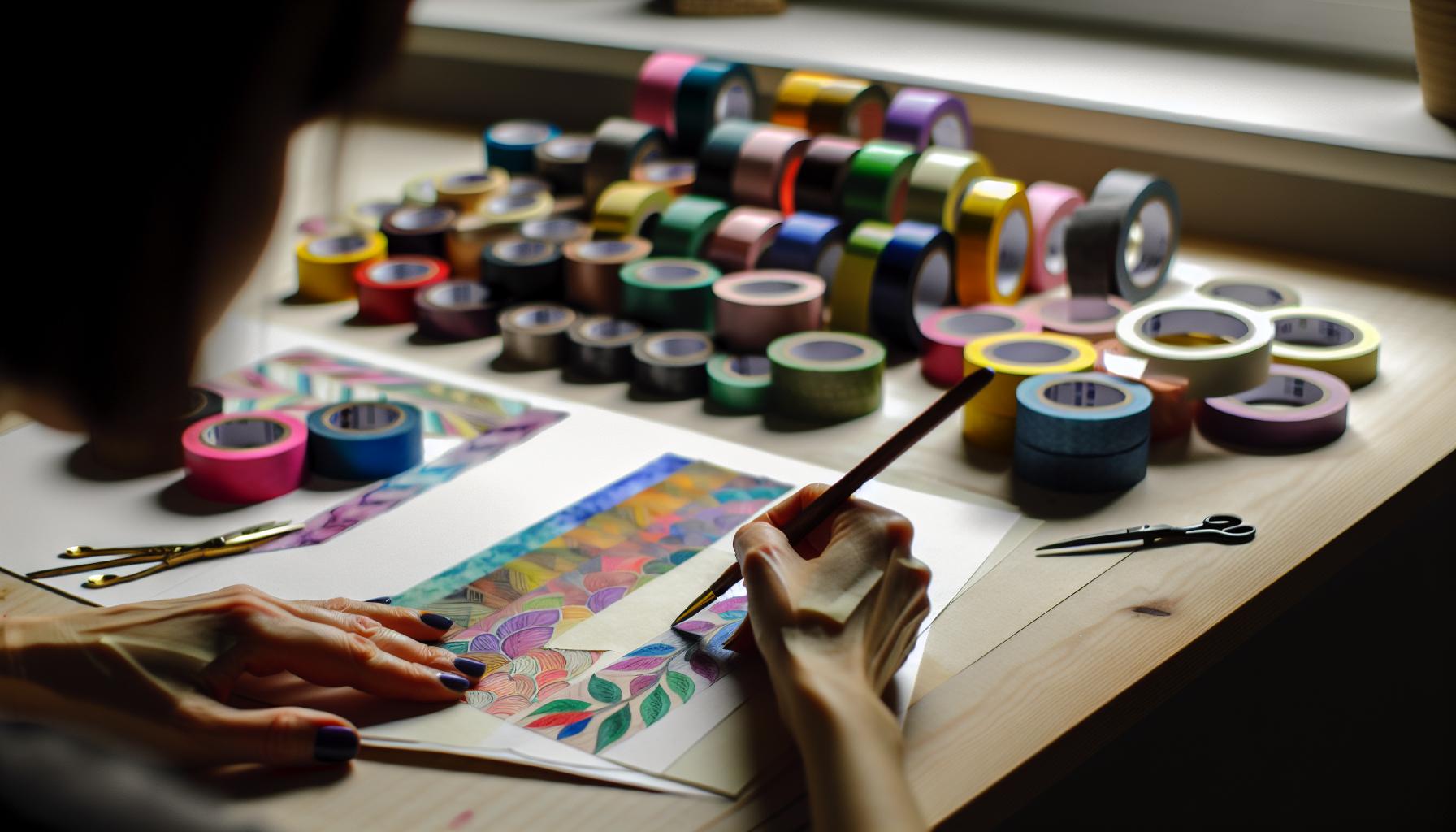
Mastering Color Techniques for Washi Tape Illustrations
Color can transform a simple drawing of washi tape into a vibrant, eye-catching piece of art. Understanding how to use color techniques effectively not only enhances your designs but also brings out the nuances that make washi tape unique. Whether you’re going for a soft pastel look or bold, bright colors, the right approach can make all the difference.
To start, consider your color palette. Limiting your palette to a few harmonious colors helps create a cohesive look. For instance, a combination of three complementary colors can generate visual interest without overwhelming the viewer. You might choose a bright color for the main design and pair it with softer shades for background elements. Experimenting with color blending techniques can also add depth. Using watercolors, for example, allows colors to blend beautifully, mimicking the soft textures of actual washi tape.
Layering is another key technique when illustrating washi tape. Apply multiple layers of color to achieve a more dynamic effect. Begin with a base layer of color, allowing it to dry before adding varied shades and patterns on top. This method not only adds richness but also gives the impression of different textures and layers found in real washi tape. Don’t hesitate to use a white pen for adding highlights, as this can provide a striking contrast and mimic the shine that real tape would have.
Furthermore, think about the lighting in your illustrations. Consider where the light is coming from and use shading to set the mood. This can turn a flat image into something that appears more dimensional. Gradually add darker hues to one side of your tape to represent shadows, while keeping the opposite side bright to reflect light. This technique creates contrast that draws the eye and enhances realism.
Lastly, don’t be afraid to incorporate digital tools if you’re working digitally. Software like Procreate or Adobe Photoshop allows you to play with opacity and blending modes, giving your colors a layered and polished appearance. Use the brush settings to simulate texture and grain found in washi tape, bringing your illustrations to life.
By mastering these color techniques, you can elevate your washi tape illustrations from simple sketches to exciting artworks full of depth and personality. Remember, practice is key-experiment with different palettes, layering methods, and lighting effects to discover your unique style!
Adding Texture: Techniques for Realistic Washi Tape
To truly capture the allure of washi tape in your illustrations, adding texture is essential. The delicate, fibrous quality of real washi paper often speaks volumes in art, and replicating that feeling can elevate your drawings from flat to fantastic. Start by considering the materials you’re using. If you’re working with traditional mediums, incorporating materials that mimic textures-like a sponge or textured brushes-can create that unique feel. For example, using a dry brush technique with paint can help emulate the subtle roughness of washi tape, lending an organic touch to your work.
When illustrating washi tape, layers are your best friend. Begin with a foundational layer that reflects the primary color of your tape. Once that’s dried, build upon it by adding varied colors and patterns. Think of it as weaving: the more layers you add, the richer and more complex your finished product will look. Incorporate stippling or cross-hatching techniques to add depth. Use fine-tipped pens or brushes to create these textures meticulously; this level of detail can transform a simple roll of tap into a textured masterpiece that seems to jump off the page.
Lighting and shadows also play a critical role in enhancing texture. Invest time in studying how light interacts with surfaces in real life. For washi tape, try to create subtle shadows beneath the edges of the tape to suggest that it’s lifting slightly from the surface. Use darker hues for shadowing while keeping your highlights bright and intentional to suggest the softness and thinness of the paper. This interplay can create a realistic sense of dimension, causing your tape to appear vibrant and almost three-dimensional.
Lastly, don’t shy away from experimentation. Digital tools like Photoshop or Procreate provide fantastic opportunities to play with texture. Use textured brushes to replicate the feel of washi directly in your digital art. The beauty of digital media lies in the ability to duplicate effects effortlessly, allowing you to try various textures without commitment. This versatility can be liberating; don’t hesitate to play around until you find the perfect match for your creative vision. By mastering these textural techniques, you’ll not only make your washi tape illustrations stand out but also develop a distinctive style that speaks to your artistic voice.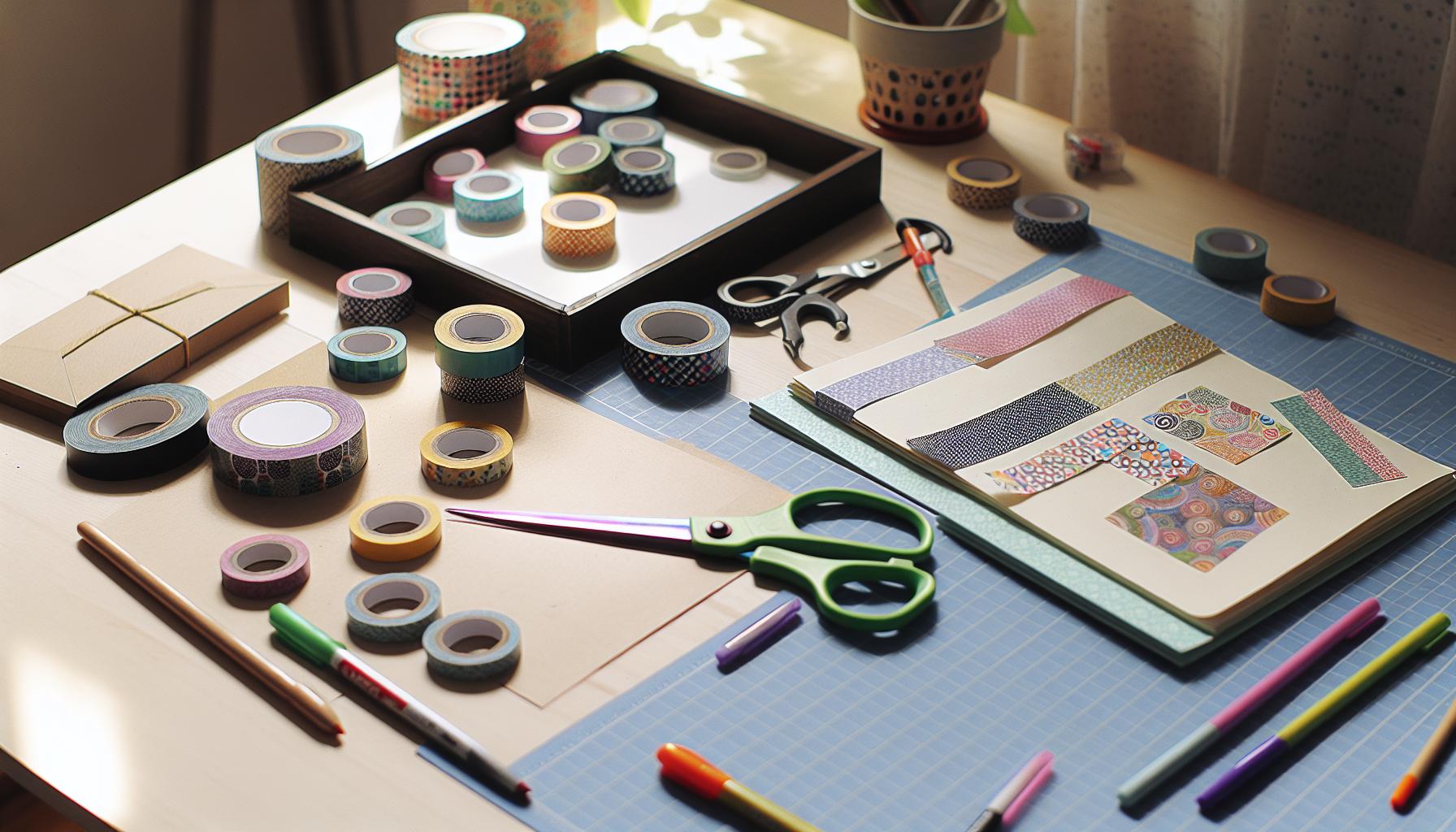
Creative Ideas for Using Washi Tape in Your Art
Washi tape isn’t just a versatile craft supply; it’s an artist’s dream. Its myriad colors, patterns, and textures invite creativity, making it an excellent medium for enhancing traditional and digital art projects alike. Here are some exciting ways to incorporate washi tape into your artwork that can spark your imagination and elevate your designs.
One fun approach is to create unique backgrounds for your illustrations. Cut strips of washi tape in various lengths and layer them on your canvas or paper. You can arrange the strips in a grid, diagonal lines, or even haphazardly for a more spontaneous feel. Once your background is set, you can draw over it, using the tape to enhance the composition. Consider contrasting patterns to create dynamic visual interest. For example, floral washi tape paired with geometric designs can create a striking juxtaposition that makes your art pop.
Use washi tape as a framing tool for your sketches. Applying strips along the edges of your artwork can guide the viewer’s eye and add an intriguing border that brings a polished look to your pieces. You can even create mini frames around individual elements within your artwork. By using different tapes with varying widths and patterns, you can develop a cohesive theme or add whimsy to your pieces, transforming simple drawings into multi-layered stories.
If you’re working on mixed media projects, washi tape can play a critical role in binding different elements together. It’s perfect for layering paper, fabric, or even natural materials like leaves or flowers. Use washi tape to attach these elements to your base layer securely. The transparency and color variety of washi tape allows it to blend seamlessly while adding texture and depth to your mixed media compositions. Plus, it’s easily removable, so you can reposition components until everything feels just right.
In your digital work, washi tape can still shine. Design custom digital stickers featuring digital versions of your favorite washi patterns. When constructing an illustration, use the tape to simulate borders or page edges, blending hand-drawn elements with digital flair. Many software programs, like Procreate or Photoshop, allow you to manipulate these designs effortlessly, letting you play with scale and color as you create vibrant, engaging layouts.
Whether you’re embellishing a journal, enhancing your illustrations, or diving into mixed media, think of washi tape as more than just an accessory. It’s a tool that can redefine your artistic expression, allowing you to explore new styles and techniques with confidence. Happy creating!
Incorporating Washi Tape in Mixed Media Projects
Washi tape is a game changer in the world of mixed media art. Its versatility and aesthetic appeal allow for endless creative possibilities that can elevate your projects. One of the best parts about washi tape is that it adheres easily to a variety of surfaces, including paper, canvas, and even fabric, making it an ideal tool for layering and adding depth. You’re not just adding a bit of color or pattern; you’re weaving storytelling into your art.
To start incorporating washi tape into your mixed media work, gather some complementary materials. Think about papers of various weights, textures like fabric or burlap, and even found objects from nature. Washi tape can securely bind these elements together without the mess of glue, allowing you to be more spontaneous in your arrangement. Cut strips of your favorite designs and layer them over your base materials. For example, you might place tape across a background of painted canvas or attach pressed flowers to your journal pages to enhance your layout.
Another effective method is to use washi tape as a masking tool. You can create sharp lines or interesting shapes in your mixed media pieces by strategically applying the tape, painting over it, and then peeling it away to reveal a clean design. This technique not only adds precision but also introduces an element of surprise-especially if you use patterns that contrast with the painted area underneath. Don’t hesitate to overlap various tapes for a collage effect, combining textures and patterns to produce stunning visual complexity.
Lastly, remember that washi tape is reversible. If you place a strip and don’t like how it looks, simply peel it off and reposition it. This quality removes the harsh finality of glue and allows for experimentation. So go ahead-try layering washi tape with your sketches, combine it with other media like pencils or watercolor, and don’t shy away from creating bold statements. Washi tape in mixed media projects isn’t just a decorative choice; it’s a powerful, flexible tool that invites exploration and innovation in your artistic practice.
Tips for Digitally Illustrating Washi Tape
It’s fascinating how digital tools can transform your approach to illustrating washi tape, allowing for vibrant creations without the usual constraints of traditional materials. Start by using graphic design software like Adobe Illustrator or Procreate, which offer a plethora of brushes and effects that mimic the delicate texture of washi. With the right tools, you can fully embrace the whimsical nature of washi tape in your digital artwork.
One key technique is to create custom brushes that replicate the edges of washi tape. This gives your digital pieces an authentic feel. By adjusting the opacity and flow settings, you can simulate the transparency of real washi tape, making it look as if it’s layered atop your artwork. Another method is using digital layers. Place your washi tape designs on a new layer and play with blending modes to experiment with how the tape interacts with other colors and textures beneath it.
When working digitally, color variation can make all the difference. Experiment with gradients and brushstrokes to create depth within your tape designs. Adding shadows beneath the tape can enhance its three-dimensional appearance, making it pop off the screen. Use a soft brush to create subtle shadows on areas where the tape would naturally lift-this small detail can significantly elevate the realism of your illustrations.
Lastly, don’t forget about texture. Incorporate textures-like paper grain or fabric-into your background to enhance the overall aesthetic of your artwork. Many programs have built-in textures, or you can scan your own. Layering these textures beneath your designs brings a tactile quality to your digital illustrations, making them even more compelling and reminiscent of actual washi tape in physical art. Happy illustrating!
Common Mistakes to Avoid When Drawing Washi Tape
When illustrating washi tape, it’s easy to fall into some common traps that can detract from your artwork’s charm and authenticity. One major mistake is failing to capture the unique texture and translucency that makes washi tape special. Unlike standard tape, washi often has subtle variations in thickness and lightness. If you don’t account for these, your illustrations may look flat and lifeless. Be sure to use shading and overlay techniques to mimic how light interacts with the actual tape, giving it that characteristic layered effect.
Another frequent error is neglecting the edges. Many artists tend to draw washi tape with perfectly sharp or uniform edges. Real washi tape, however, has a more organic look with slight imperfections. Experiment with varying your edge lines-some should be soft and slightly frayed, while others can be sharp. This will convey the handmade quality of the material, which is key to its appeal.
Overlooking color palettes is also a common misstep. Washed-out colors can make your tape look lifeless, while overly saturated hues can be overwhelming. Instead, aim for a balanced palette that reflects the subtle beauty of real washi tape. Use color blending and gradients to create depth, and don’t shy away from incorporating patterns or subtle textures that reflect the intricate designs often found on washi tape.
Lastly, don’t forget about context. Many artists sketch washi tape designs in isolation, ignoring how they interact with other elements in their artwork. Consider the composition and think about how tape is often used-to frame, accent, or highlight areas. When you create a cohesive narrative or visual flow with your washi tape designs, it makes your illustrations more engaging and relatable. Remember, the magic of washi tape lies not only in its individual beauty but also in how it enhances the overall piece.
Inspiration: Showcase of Washi Tape Art Styles
There’s a world of creativity waiting for you in the realm of washi tape. Artists across the globe are showcasing extraordinary styles that breathe life into this versatile medium, blending traditional techniques with modern flair. Discover how you can draw inspiration from various artistic approaches to elevate your own washi tape illustrations.
One popular style involves collage techniques, where artists layer different patterns and colors of washi tape to create vibrant, textured compositions. By combining multiple strips of tape with varying widths and designs, you can add depth and interest to your artwork. Think about using transparent washi tape to overlay on other colors; this can create stunning visual effects, giving the illusion of embellishments without the bulkiness of actual materials.
Another fascinating approach is minimalist design, where the elegance of washi tape shines through simplicity. Here, less is often more. Artists focus on clean lines and subtle color palettes to accentuate the delicate nature of the tape itself. Consider drawing fine outlines of washi tape shapes, filled with soft watercolors or even simple patterns. This technique not only enhances the aesthetics but also pays tribute to the beauty of the material.
For those looking to push boundaries, mixed media styles are increasingly popular. Incorporating washi tape with paint, ink, or digital illustrations can yield truly unique results. Use washi tape pieces to create a “base” for painting or as part of a larger composition that merges various elements. The interplay between the rigid nature of the tape and fluid media can produce dynamic contrasts that make your illustrations stand out.
Lastly, don’t overlook the power of storytelling through your designs. Many artists create themed artworks or narratives using washi tape, whether it’s representing a particular season with foliage and colors or depicting a story through a timeline of designs. This thematic approach not only makes your artwork cohesive but also engages viewers on a deeper level.
Dive into these styles, experiment, and let the process of creation inspire your own journey with washi tape. Each technique offers unique insights into how tape can enhance your artistic expression, so don’t hesitate to mix and match what resonates with you. Happy illustrating!
Advanced Techniques for Professional Washi Tape Illustrations
Creating professional illustrations of washi tape involves mastering techniques that elevate your designs, making them not just beautiful, but also impactful. One key to achieving depth and realism is to play with shadows and highlights. Using soft shading techniques can mimic the translucency of washi tape. For example, apply a light layer of gray or a soft color to areas where light naturally wouldn’t hit, simulating the tape’s bending or overlaying over other surfaces. Highlight edges with a slightly brighter hue to simulate light catching on the tape, making it pop off the page.
Another effective technique is to incorporate texture that reflects the characteristics of washi tape, which is often handmade and features unique fibers. You can replicate this using a textured brush in digital mediums or techniques like sponging or stippling in traditional mediums. Layering different textures, such as rough against smooth, can create a vibrant, eye-catching contrast that mirrors the tactile quality of real washi tape.
When aiming for accuracy in your designs, consider using references. Observing real pieces of washi tape can provide insights into the colors, patterns, and even the slight imperfections that give them character. Capture these details in your sketches. For instance, if you’re illustrating a floral pattern, focus on how the petals overlap and create subtle shadows, or how the edges of the tape might fray or lift slightly. This attention to detail transforms your work from simple illustrations to realistic representations.
Finally, storytelling through your illustrations can greatly enhance their appeal. Think about the narratives you can weave into your designs using washi tape. Create compositions that reflect particular themes, whether it’s a seasonal change, cultural events, or personal stories. Use color and pattern selections that resonate with these themes. This not only engages the viewer but also provides a cohesive and enjoyable experience.
By integrating these advanced techniques-shading, texture, direct observation, and storytelling-you’ll push your illustrations to a professional standard that captures the beauty and complexity of washi tape beautifully. Happy illustrating!
Where to Learn More: Resources for Artists
Discovering the world of washi tape illustration goes beyond technique; it’s about finding resources that inspire and educate. Whether you’re just starting out or looking to refine your skills, tapping into a variety of learning materials can elevate your artistry.
Online platforms like Skillshare and Udemy offer comprehensive courses on illustration techniques, including specific lessons on washi tape. These platforms often feature seasoned artists who share tips and demonstrations that can make a significant difference in your approach. You can also find valuable content on YouTube, where many artists post free tutorials that break down how to create realistic washi tape effects, tackle color blending, and incorporate texture.
Books can also be a treasure trove of insights. Look for titles specifically focused on illustration and design. “The Art of Watercolor and Mixed Media” provides techniques that can be easily adapted for washi tape illustrations. It dives deep into color theory and texture, both crucial aspects for creating impactful designs.
Don’t underestimate the power of community. Joining groups on platforms like Instagram or Facebook, especially those dedicated to illustration or crafting, can provide ongoing support and inspiration. Members frequently share their works-in-progress, offer feedback, and exchange tips that can spark your creativity. Consider platforms like Pinterest as well; it’s a fantastic resource for visual inspiration, letting you explore countless styles and patterns associated with washi tape.
Lastly, local workshops or art classes can be incredibly beneficial. They not only foster hands-on learning but also allow for networking with fellow artists. Remember, the more diverse your resources, the richer your artistic journey will be. Happy illustrating!
FAQ
Q: What are the best tips for drawing realistic washi tape?
A: To draw realistic washi tape, start by studying its texture and patterns. Use soft shading to mimic light hitting the tape, and consider layering colors for depth. Reference your favorite washi designs for inspiration, and check the section on adding texture in your guide for advanced techniques.
Q: How can I create unique washi tape patterns?
A: To create unique patterns, experiment with shapes and motifs. Combine elements like florals, geometrics, or whimsical designs. Sketch ideas on paper first, then refine them digitally. Don’t forget to embrace your style-this authenticity will make your designs truly stand out!
Q: Why is white space important in washi tape illustrations?
A: White space enhances your washi tape illustrations by creating balance and focus. It prevents designs from appearing cluttered and draws attention to key elements. Use this negative space effectively to highlight particular features or patterns in your artwork.
Q: Can I use digital tools to draw washi tape effectively?
A: Yes, digital tools can enhance your washi tape illustrations. Software like Procreate or Adobe Fresco offers brushes and textures that mimic traditional materials. Explore the section on digitally illustrating washi tape for specific tools and techniques to get started.
Q: What are common mistakes to avoid when drawing washi tape?
A: Common mistakes include ignoring the tape’s transparency and failing to depict its texture accurately. Also, avoid overwhelming your artwork with too many patterns. Refer to the common mistakes section in your main article for detailed tips on how to avoid these pitfalls.
Q: How do shadows affect the drawing of washi tape?
A: Shadows are crucial for creating depth in washi tape illustrations. They enhance realism by indicating where light falls and contributes to the three-dimensional effect. Use darker shades beneath the tape and where it overlaps with other elements for a convincing look.
Q: What styles can I use when illustrating washi tape?
A: You can explore various styles, such as minimalist, vintage, or playful. Each style can reflect different moods and purposes for your washi tape. Check the showcase of washi tape art styles section for inspiration and examples to guide your artistic journey.
Q: How do I incorporate washi tape into mixed media art?
A: To incorporate washi tape in mixed media art, layer it with paints, photographs, or other materials. It can act as a border, background, or even as part of the overall design. Refer to your section on incorporating washi tape in mixed media projects for practical tips.
The Way Forward
Thanks for diving into “How to Draw Washi Tape: Illustration Techniques”! You’ve learned key tips to enhance your illustrations, so why not put them into practice right now? Grab your supplies and try creating your own wash tape designs! Don’t forget to check out our guides on Illustration Techniques for Beginners and Creative Ways to Use Washi Tape for more inspiration and tips.
If you enjoyed this tutorial, consider signing up for our newsletter for exclusive content that will elevate your art skills. Also, drop a comment below sharing your thoughts or any questions you have! Your feedback means a lot, and we want to hear from you. Keep exploring our site to discover new projects and resources that can boost your creativity. Happy drawing!