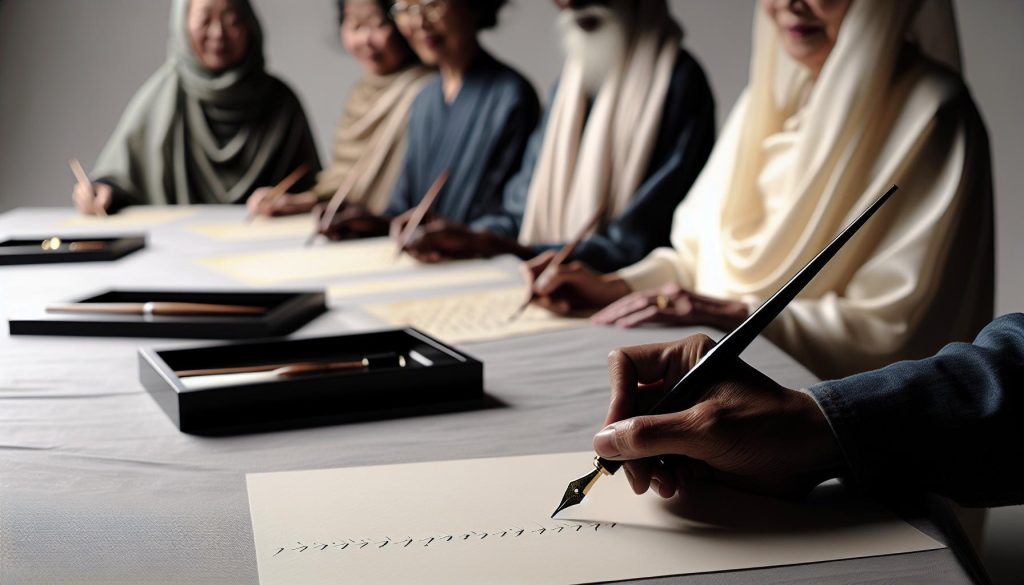
Have you ever admired the elegance of handwritten letters and wished to create your own stunning script? Using a manuscript calligraphy dip pen can transform your writing from ordinary to extraordinary, allowing you to express your creativity in a timeless art form. In this guide, we’ll explore the essential techniques and tips for mastering the art of calligraphy. Whether you’re a beginner or looking to refine your skills, you’ll discover how to harness the unique flow of ink on paper to produce beautiful lettering that captivates and inspires. Get ready to dive into the graceful world of calligraphy, where every stroke can tell a story.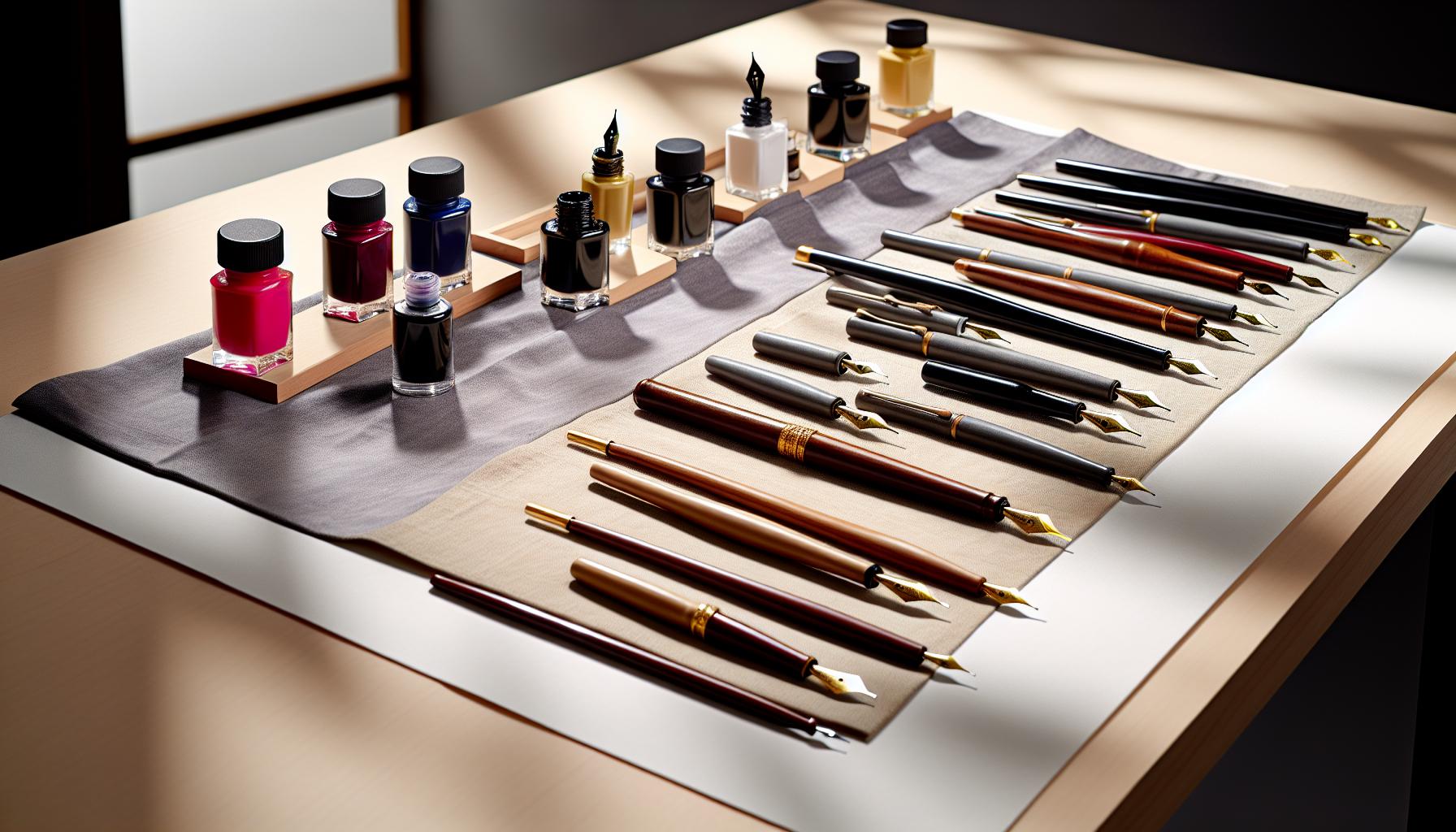
Choosing the Right Manuscript Calligraphy Dip Pen
Choosing the right dip pen for manuscript calligraphy is crucial for achieving the elegance and precision that this art form demands. You might think any pen will do, but the truth is that a few key specifications can elevate your practice to a new level. A good dip pen not only feels comfortable in your hand but also allows for a wide range of line variation-all essential for creating beautiful calligraphic letters.
When selecting a dip pen, consider the nib size and material. Nibs come in various sizes, typically ranging from fine to broad, and materials like steel or gold can significantly impact your writing experience. A fine nib is excellent for intricate details, while a broader nib allows for bold strokes and dramatic flourishes. My personal favorite is a medium, steel nib-it’s durable, provides a crisp line, and offers just enough flexibility to create expressive letterforms.
Another crucial factor is the pen holder. Many calligraphers prefer oblique holders because they position the nib at a more comfortable angle, reducing strain during longer sessions. Straight holders, however, are also a viable option, particularly for those who prefer a more direct approach. Ultimately, it’s about what feels right in your hand. Spend some time testing different holders to find one that complements your style.
Lastly, don’t underestimate the impact of balance and weight in your choice. A well-balanced pen feels like an extension of your hand, allowing for smoother strokes and better control. Look for options that suit your own grip, and try to find holders that are not too heavy or light. In the end, the right dip pen can make all the difference in your calligraphy journey, enhancing both your creativity and the beauty of your finished work.
Essential Tools for Manuscript Calligraphy
Using the right tools can elevate your manuscript calligraphy from ordinary to extraordinary. It’s not just about having a pen and ink; the quality of your materials profoundly impacts your art. Here’s what you need to get started on your calligraphy journey.
First and foremost, select a quality dip pen that feels right in your hand. Your choice will largely depend on the grip and style that suits you, but investing in a good pen holder is essential. Oblique holders are often favored for their ergonomic benefits, allowing the nib to sit at the perfect angle to your paper. This reduces wrist strain during long sessions. Don’t overlook the importance of nibs either; experimenting with different sizes and materials can help you discover the range of line widths and styles you can achieve. For intricate work, a fine nib is perfect, while broader nibs lend themselves to dramatic effects.
Next, consider the importance of ink in your practice. Calligraphy inks come in various formulations, with some designed specifically for dip pens. Look for inks that flow smoothly and dry evenly-this will save you from smudging and ensure your letters come out crisp and clean. You’ll also want to think about paper; the right surface can make a huge difference. Choose a paper that can handle the demands of your ink without bleeding. A smooth, heavy-weight paper often works best, allowing the nib to glide effortlessly and offering a foundation that showcases your calligraphy.
Additionally, don’t forget to keep some essential accessories at hand. A blotter is invaluable for absorbing excess ink and preventing smudging. A ruler and pencil can help with guidelines, giving your letters uniform height and alignment. As you grow more confident, you might want to explore adding decorative elements, so having a few brushes or colored inks can elevate your projects even further.
In summary, equipping yourself with the right tools-pen holder, nibs, ink, and quality paper-will provide a solid foundation for your calligraphy. These essentials not only facilitate better execution but also inspire creativity and experimentation along your calligraphy journey. Enjoy the process of discovery as you fine-tune your setup!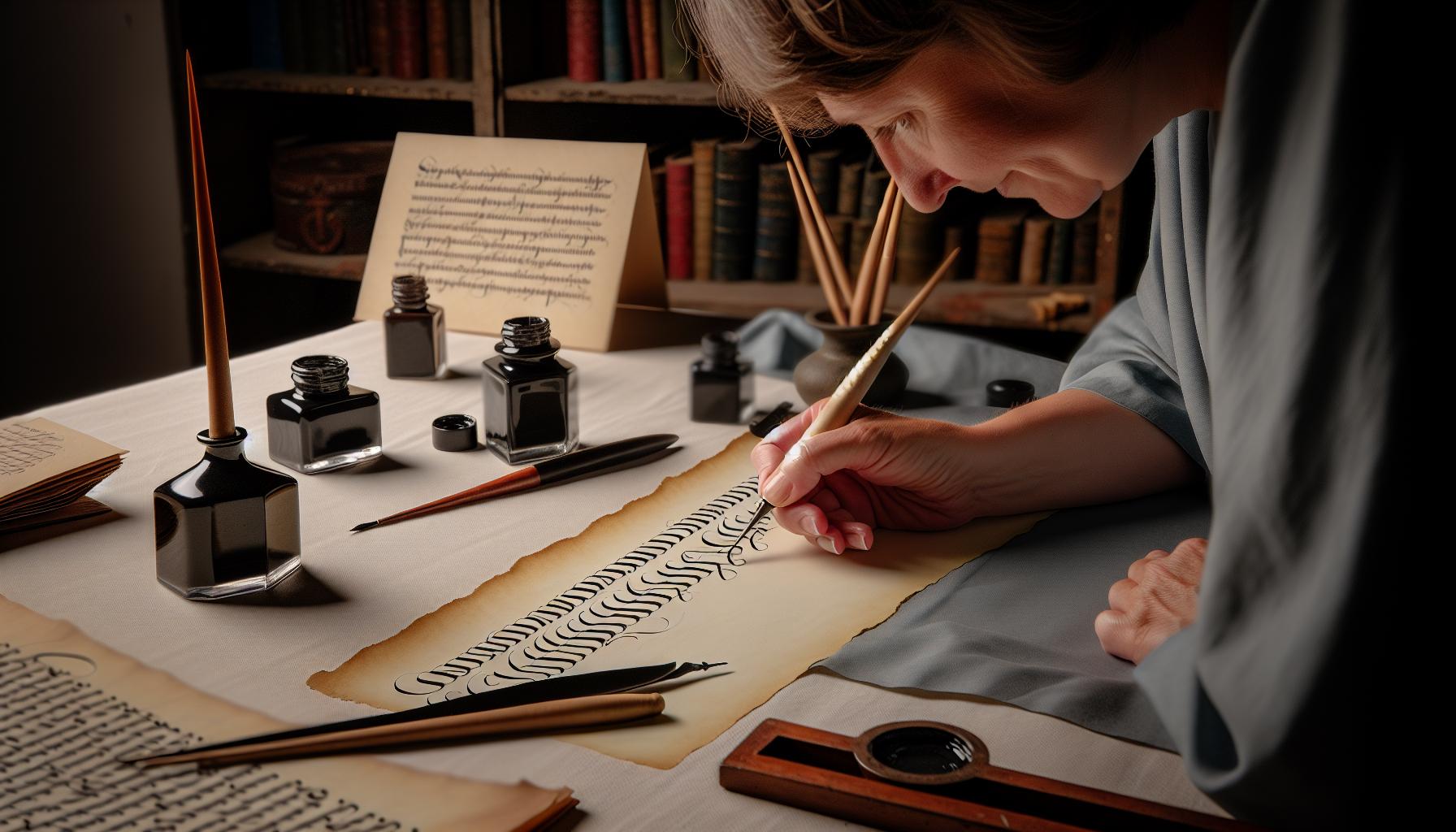
Techniques for Mastering Manuscript Calligraphy
To excel in manuscript calligraphy, mastering specific techniques is essential, and the journey is both challenging and rewarding. One fundamental aspect is understanding the importance of pressure control. As you write, varying the pressure on the nib allows you to create beautiful contrast between thick and thin strokes, which is a hallmark of great calligraphy. Practice drawing straight lines and curves with different pressure levels to gain comfort and fluidity.
Additionally, focusing on consistency is crucial. Developing uniformity in your letter forms comes with diligent practice. Start by creating guides or grids lightly on your paper to maintain consistent size and spacing. Regularly practicing basic shapes can significantly improve your craftsmanship. It’s often beneficial to drill the letters of the alphabet repeatedly until you feel confident in their forms before moving onto more complex compositions.
Utilizing Proper Hand Position
Your hand position can greatly influence the quality of your strokes. Keep your hand relaxed, and try to maintain a gentle grip on your pen. A good technique is to anchor your wrist and let your fingers lead the movement. This approach minimizes fatigue and ensures smoother strokes. A tip I learned along the way is to hold your pen at an angle of about 45 degrees to the paper; this helps in achieving smoother ink flow and avoiding excess pressure on the nib.
Embracing Practice Tools and Resources
To facilitate your practice, utilize practice sheets or templates that display various letter forms and flourishes. These resources guide you in achieving the correct stroke sequence and alignment. Another effective tool is a lightbox. You can trace over your desired styles while developing muscle memory for each letterform. Moreover, don’t shy away from learning from others-watching tutorials or participating in workshops can provide insights that transform your technique.
By integrating these techniques into your practice routine, you’ll not only enhance your skill with the dip pen but also deepen your appreciation for the art of manuscript calligraphy. Each session spent refining these methods will reflect in the elegance and precision of your work, making every stroke a testament to your progress and creativity. Enjoy the process-after all, calligraphy is as much about the journey as it is about the final piece!
Creating Beautiful Letter Forms: Step-by-Step Guide
Creating stunning letter forms with your dip pen isn’t just about technique; it’s a dance between control and artistic expression. Each stroke you make lays the foundation for your unique style. To start, remember that the pen’s angle plays a vital role in your work. Hold it at a 45-degree angle to the paper for optimal ink flow. This small adjustment creates the fluidity necessary for a smooth writing experience and allows the nib to glide effortlessly across the surface.
Next, focus on consistent strokes. Begin with basic shapes like ovals and loops, which are the building blocks of letters. Practice these shapes repeatedly until they become second nature. Keeping your wrist relaxed and your grip light will help you maintain control. As you gain confidence, transition to creating letters. Start with the simplest forms-like “i” and “l”-and gradually move to more complex letters such as “b” and “d,” which incorporate ascenders.
Mastering Strokes
Each letter consists of various strokes, and knowing them is crucial. Here’s a quick breakdown of essential strokes to practice:
- Downstrokes: Pressure on the nib here creates thick lines.
- Upstrokes: Lighter pressure yields thinner lines.
- Curves: Practice drawing smooth, continuous curves for letters like “o” and “c.”
- Serifs: Add these small flicks at the ends of strokes to enhance your letter forms.
As you become comfortable with these strokes, combine them into full letters. Practice forming words slowly. Watching your letters come together is satisfying, and it’s essential to be patient with the process.
Creating Compositions
Once you’ve mastered individual letters, it’s time to experiment with words and phrases. Use guidelines to maintain consistent height and spacing. Consider the overall shape of your text as you write. For instance, aligning letters into curves or waves can create dynamic visual interest.
Don’t forget to review your work critically. Reflecting on your letter forms helps identify areas for improvement and encourages growth. Remember, every calligrapher started as a beginner, and the beauty of this craft lies in your unique evolution as an artist. So, go ahead, embrace the challenge, and let your creativity flow with every stroke!
The Importance of Ink and Paper in Calligraphy
The quality of ink and paper you choose profoundly impacts your calligraphy results. Using the wrong materials can lead to frustration, inconsistent lines, and a lackluster finish. High-quality ink flows smoothly from your dip pen, while the right paper ensures that ink stays where it should, preventing bleeding and feathering that can mar your work.
When selecting ink, consider using pigmented or waterproof inks. Pigmented inks offer vibrant colors and better lightfast properties, making your work last longer. Brands like Higgins and Dr. Ph. Martin’s are known for their rich colors and smooth application. Avoid using standard inks not meant for calligraphy, as they may clog your nib or create unsightly smudges.
Equally important is the paper you choose; it should have a smooth finish to allow your pen to glide easily without resistance. Papers designed for calligraphy, such as Rhodia or Clairefontaine, feature a texture that strikes the right balance between smoothness and grip. If you’re using a more absorbent paper, such as watercolor paper, be prepared for a different flow and feel-they may require adjustments in technique and ink consistency.
Ultimately, investing time in testing different combinations of ink and paper will lead to a greater understanding of how they affect your final piece. Keep samples of your work on various papers to compare how each responds to your chosen inks. The perfect pairing can elevate your calligraphy from ordinary to extraordinary, showcasing your skill and creativity.
Common Mistakes Beginners Make in Calligraphy
Starting with calligraphy can be exhilarating, but many beginners trip over avoidable mistakes. One of the biggest missteps is rushing into the craft without understanding the basics. This often leads to frustration, as it’s essential to grasp how your dip pen works. Each nib has its unique quirks, and understanding pressure control will help you achieve those beautiful thick and thin lines that define calligraphy.
Another common issue is neglecting the importance of consistent practice. People often underestimate how much muscle memory is required in calligraphy. Inconsistent strokes can make your letters look awkward and patchy. Set aside dedicated time each week to practice fundamental strokes, and don’t skip this step-mastery comes from repetition. Remember, even the masters started with practice drills.
Also, pay attention to your grip and posture. A tight grip can lead to fatigue and inconsistency, while poor posture might leave you uncomfortable during longer sessions. Hold your pen lightly, and make sure your hand moves naturally without unnecessary tension. Experiment with positions that feel comfortable; this makes a substantial difference in your flow.
Finally, don’t overlook the materials. Using low-quality ink or paper can hinder your progress dramatically. Invest in decent supplies that complement your style, and don’t hesitate to test different combinations. The right tools can transform your work from mediocre to stunning, allowing you to showcase your flair and creativity. By avoiding these common pitfalls, you’ll set a solid foundation for your calligraphy journey and find joy in the art of beautiful writing.
Enhancing Your Calligraphy: Tips and Tricks
Embracing the art of calligraphy isn’t just about mastering the strokes; it’s also about enhancing your overall experience with effective strategies. One of the most powerful ways to boost your calligraphy skills is by incorporating mindful practice into your routine. Instead of just going through the motions, focus intently on each stroke, observing how the nib interacts with the paper. This attention to detail transforms your practice into a more insightful process, helping you understand where improvements can be made.
Utilizing varied pressure techniques is another essential tip to bring depth and contrast to your work. When you apply heavier pressure as you create downstrokes and lighten up on the upstrokes, you’ll create that signature calligraphic texture that makes your letters pop. Experimenting with different angles and speeds can also produce unique styles, so don’t hesitate to play around-your best designs often come from unexpected experimentation.
Maintaining the right atmosphere while you work can greatly affect your productivity and creativity. Dedicate a well-lit, comfortable space free from distractions. Consider playing calming music or ambient sounds to help kickstart your creative flow. Remember, the right environment can influence how you feel and ultimately how your work turns out.
Lastly, don’t underestimate the power of community. Engaging with other calligraphy enthusiasts through workshops, online forums, or social media can provide fresh perspectives and techniques. You’ll gain valuable insights, share your work for feedback, and find inspiration from others’ creations. The journey of calligraphy is much richer when experienced alongside fellow passion-driven individuals. By integrating these tips, you’ll notice how your skills advance and your enjoyment of the craft deepens.
Inspiring Styles and Variations in Manuscript Calligraphy
There’s nothing quite as captivating as the elegance of manuscript calligraphy, where each letter has the potential to tell a story of its own. There’s a rich tapestry of styles that can inspire your own calligraphy practice, allowing you to infuse personality into your work. Whether you’re drawn to the historical forms or modern interpretations, exploring various styles can elevate your skills and ignite your creativity.
One classic style that many calligraphers start with is Gothic or Blackletter. This style, characterized by its dramatic thick and thin strokes, offers a bold and striking appearance. It’s excellent for formal invitations or medieval-themed projects. In contrast, the Copperplate style brings fluidity and grace, utilizing sweeping curves and fine lines, making it perfect for elegant scripts and personal stationery. It’s all about the contrast and elegance that these letters display.
If you want to add a contemporary twist, consider experimenting with modern calligraphy. It breaks free from traditional rules, allowing you to play with letterforms, spacing, and color. This approach is great for infusing your personality into your work, letting you create whimsical and artistic letters that capture modern aesthetics. You might even explore styles like brush lettering, which offers a more relaxed and free-flowing feel, perfectly suited for casual settings.
To dive deeper into these styles, practice is key. Try replicating famous pieces from calligraphy masters or experimenting with style combinations. Mix elements of Gothic with Copperplate, or alternate between traditional and modern lettering for an eclectic look. The beauty of manuscript calligraphy lies in its versatility; don’t shy away from exploring what resonates with you. You’ll find inspiration in others’ works, and by personalizing traditional forms, you can develop your own unique voice in this timeless art.
How to Maintain Your Dip Pen Properly
To get the best out of your dip pen, you need to treat it with care-it’s not just a tool but an extension of your artistic expression. Proper maintenance can drastically improve its performance and longevity, ensuring that every stroke of ink flows smoothly and beautifully. Here’s how you can keep your dip pen in tip-top shape.
First, cleaning your nibs is crucial after each use. Dried ink can clog the nib, affecting your line quality. Simply run the nib under lukewarm water or use a soft cloth to wipe it clean. For stubborn ink, a gentle soak in water mixed with a drop of dish soap can be effective. Just remember to rinse thoroughly and dry it with care to avoid any rusting.
Next, be mindful of your storage practices. Always store your pen vertically, with the nib point facing up. This prevents ink from pooling in the nib and reduces the risk of damage. Avoid placing heavy objects on your pen case, as this can bend your nibs out of shape. If you have multiple nibs, a dedicated storage solution like a nib holder or case can keep them organized and protected.
Lastly, pay attention to the ink you use. Some inks contain chemicals that can be harsh on your nibs. Opt for high-quality, calligraphy-friendly inks to minimize wear and prevent premature degradation. If you notice your nib feels scratchy or uneven, it might be time to replace it, especially if you’ve used the same one for a significant period.
By incorporating these straightforward maintenance tips, you’ll not only enhance your immediate writing experience but also preserve the integrity of your tools for years to come. Remember, a well-maintained dip pen can be the difference between a good piece and a great one. Happy writing!
Unlocking Creativity: Projects for Calligraphy
Looking for ways to take your manuscript calligraphy to the next level? Engaging in creative projects is a fantastic way not only to hone your skills but also to breathe life into your artistic practice. Whether you’re aiming to produce unique gifts or simply want to experiment with your dip pen, consider these inspiring ideas to unlock your creativity.
One excellent project is designing personalized greeting cards. Start with a blank card and practice different alphabets or scripts. You can pair calligraphy with watercolor backgrounds or decorative borders to enhance your design. For instance, use gentle swirls and floral flourishes around your text to create an elegant look. The personal touch of handcrafted cards adds warmth to any message, making them cherished keepsakes.
Another idea is to frame motivational quotes or poems. Choose a quote that resonates with you, and sketch it out with your dip pen on high-quality paper. Experiment with layout and spacing-sometimes, giving your letters room to breathe creates stunning compositions. Once finished, frame it! This not only beautifies your space but also serves as a daily reminder of inspiration.
Consider making your own custom bookmarks. They’re practical, stylish, and a wonderful way to practice letter forms in a smaller format. Decorate them with imagery relating to your favorite books or themes that inspire you. Whether you gift them or keep them for yourself, they’re a perfect expression of your calligraphy skills and creativity.
Lastly, try creating a calligraphy journal. Dedicate a notebook to practice different styles, techniques, and projects. You can include calligraphy versions of daily affirmations, reflections, or sketches of ideas for future works. This journal not only serves as a practice tool but also captures your artistic journey over time.
Engaging in these projects can rekindle your passion for calligraphy and keep your creative juices flowing. Start small, and let your imagination guide you. Happy crafting!
Showcasing Your Work: Presentation Ideas for Calligraphy
When it comes to showcasing your calligraphy, presentation is just as crucial as technique. Your artwork deserves to be highlighted in a way that complements its beauty and craftsmanship. Think about how you can elevate your calligraphy pieces through various presentation methods that draw the viewer’s eye and make an impactful statement.
One popular approach is to frame your pieces elegantly. Choose frames that match the theme of your work-rustic for vintage scripts, sleek and modern for contemporary styles. Using high-quality matting not only enhances the visual appeal but also protects your work from dust and damage. When framing, ensure your calligraphy is centered and has adequate spacing around it to breathe; this layout creates balance and invites people to take a closer look.
Another effective way to present your calligraphy is through thematic displays. Create a mini-exhibit that tells a story-maybe a table setting that showcases place cards or menu designs for a special event. You can add elements like decorative stands or easels to showcase each piece prominently. If you’re showing a series of pieces, like quotes or poetry, consider arranging them on a wall using clips or string for a casual, gallery-like feel. This setup encourages viewers to engage more deeply with each individual work.
Don’t overlook the power of digital presentations. In today’s world, sharing your calligraphy on social media platforms is a fantastic way to reach a wider audience. Capture high-quality images of your work in natural light, and experiment with different backdrops that enhance the colors and details of your lettering. Use engaging captions and hashtags to connect with a community of fellow calligraphy enthusiasts. Hosting an online portfolio or blog where you showcase your best works can also establish your presence as an artist and provide insights into your creative process.
Lastly, always consider the material presentation. Using specialty papers that complement your ink choices can make a substantial difference. Consider textures like handmade paper for an organic feel or sleek cardstock for a modern look. Each detail, from the paper to the frame, communicates your artistic voice and enhances the overall impact of your calligraphy.
By thoughtfully presenting your calligraphy, you not only honor your hard work but also invite others to appreciate and be inspired by your art.
Where to Learn More: Resources for Calligraphy Enthusiasts
If you’re diving into the world of manuscript calligraphy with a dip pen, you’ll find a treasure trove of resources available to help you refine your skills and unleash your creativity. Exploring these avenues can lead to remarkable improvements and deeper enjoyment of your craft.
Start with books. Some classics like “The Art of Calligraphy” by David Harris and “Calligraphy for Dummies” by Jim Bennett provide foundational knowledge while also offering practical tips and project ideas. Look for books that focus specifically on dip pen techniques, as they can give you the insights you need to master this elegant medium.
Another invaluable resource is online tutorials and courses. Websites like Skillshare and Udemy offer structured courses ranging from beginner to advanced levels. Video demonstrations allow you to see techniques in action, making it easier to grasp nuances that text alone might not convey. Additionally, platforms like YouTube host countless channels dedicated to calligraphy, where you can find everything from technique lessons to Q&A sessions.
Don’t overlook the power of calligraphy communities and forums. Joining groups on social media platforms like Facebook or Reddit can provide you with access to a supportive network of fellow enthusiasts. Here, you can exchange tips, seek feedback on your work, and participate in challenges that keep your practice fresh and exciting. Websites like Instagram are also excellent for discovering inspiration through hashtags such as #CalligraphyCommunity or #DipPenCalligraphy.
Lastly, consider attending workshops and local meetups. Many art supply stores and community centers host calligraphy workshops where you can learn directly from experienced calligraphers. These in-person experiences not only enhance your skills but also provide a chance to connect with others who share your passion, fostering a sense of community that can be enriching and motivating.
By utilizing these resources, you can continually enhance your manuscript calligraphy skills, push creative boundaries, and immerse yourself in the rich traditions of this art form.
Q&A
“`markdown
Q: What is the best way to hold a manuscript calligraphy dip pen?
A: To hold a manuscript calligraphy dip pen correctly, grip the pen lightly about halfway up the barrel, allowing for flexibility. Ensure your fingers don’t apply too much pressure, which can hinder fluid strokes. *Practice holding it comfortably to improve control and reduce fatigue*.
Q: How do I choose the right nib for manuscript calligraphy?
A: Choosing the right nib depends on the style of calligraphy you want to achieve. For beginners, a medium nib is versatile. If you’re aiming for fine detail, select a smaller nib. *Experimenting with different nib sizes helps find what suits your writing style best*.
Q: What type of ink is best for manuscript calligraphy?
A: The best ink for manuscript calligraphy is a high-quality, preferably water-based ink. This ensures smooth flow and minimizes clogging. *Pigment-based inks offer vibrant colors but can be harder to clean. Choose based on your project needs*.
Q: How can I improve my manuscript calligraphy skills?
A: To improve your manuscript calligraphy skills, practice consistently using structured drills and guides. Focus on basic strokes before attempting full letters. *Use online tutorials or join a local calligraphy class for additional support and feedback*.
Q: What types of paper are best for calligraphy?
A: The best paper for calligraphy is smooth, heavyweight paper that prevents ink from bleeding. *Try papers specifically labeled for calligraphy or fine art, which provide a good surface for fluid motion*.
Q: How do I care for my manuscript calligraphy dip pen?
A: Care for your dip pen by cleaning it after each use, using warm water to rinse the nib gently. Avoid harsh cleaners which can damage the nib. *Store it in a protective case to prevent bending or damage when not in use*.
Q: What common mistakes do beginners make with dip pens?
A: Common mistakes include over-pressing the pen onto the paper and using the wrong ink type. Beginners often neglect proper maintenance of the nib. *Focus on light pressure and always clean the nib after use to ensure longevity and performance*.
Q: Can I use colored inks for manuscript calligraphy?
A: Yes, you can use colored inks for manuscript calligraphy, but ensure they are compatible with your nib. *Test the ink on scrap paper first to check for flow and consistency before moving to your final project*.
“`
Closing Remarks
You’ve now unlocked the beauty of manuscript calligraphy with your dip pen! Remember, practice is key to mastering this art form. Experiment with different strokes, papers, and inks to find your unique style. If you’re eager to elevate your skills further, check out our guides on Calligraphy Styles and Choosing the Right Ink for more insights.
Don’t let your journey stop here-sign up for our newsletter to receive exclusive tips and techniques straight to your inbox! Have questions or want to share your progress? We’d love to hear from you in the comments below. Embrace this timeless craft today and turn your words into art!