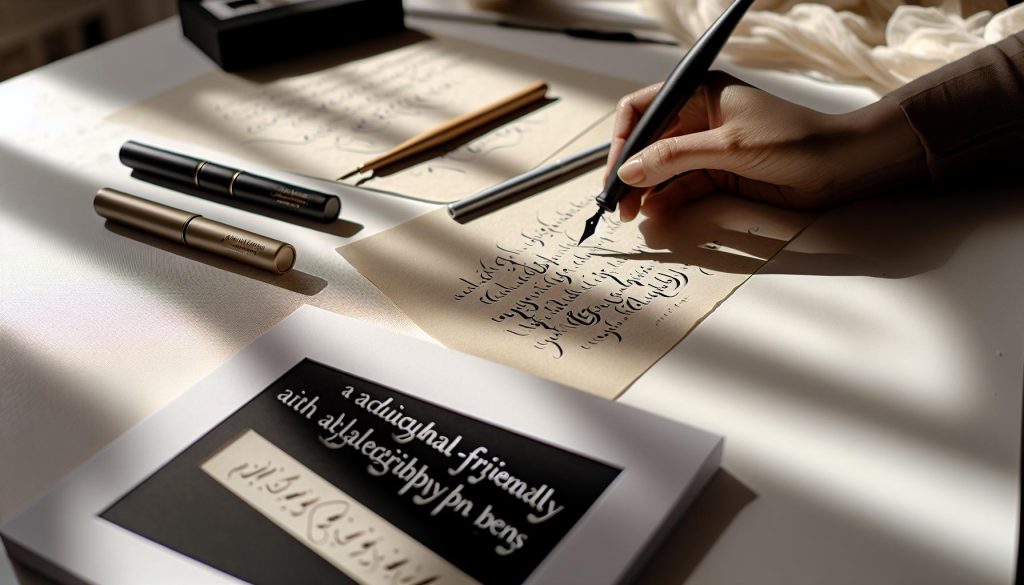
If you’re captivated by the art of calligraphy, you might have wondered about the costs involved in getting started. A quality calligraphy pen can range from affordable to quite pricey, yet there are budget-friendly options that don’t compromise on quality. Understanding these price ranges is essential, especially if you’re aiming to explore your creativity without breaking the bank.
By delving into various price points, you’ll discover not only the tools that suit your wallet but also the potential they have to elevate your writing experience. Whether you’re a beginner or looking to enhance your collection, finding a suitable pen is crucial for honing your craft and enjoying the process. Let’s explore these options together and uncover the best ways to invest in your calligraphy journey while remaining budget-conscious.
Understanding Calligraphy Pens: Types and Features
When diving into the world of calligraphy, selecting the right pen can make all the difference. There are various types of calligraphy pens, each designed for specific styles and techniques. Whether you’re a beginner exploring the art or a seasoned pro, understanding the features of these pens will help you find one that suits your needs and budget.
Types of Calligraphy Pens
- Felt Tip Pens: These are perfect for beginners due to their ease of use. They deliver smooth ink flow and come in various nib sizes, making it easy to create different line widths. You don’t need to worry about dipping ink, as these are ready to go right out of the box.
- Brush Pens: These versatile tools are essentially brush-shaped felt tip pens. They allow for a wider range of strokes, giving you the ability to create sweeping lines or intricate details. They are forgiving and ideal for those still mastering control.
- Dip Pens: These classic tools typically come with interchangeable nibs and require ink dipping. While they can provide richer line variations, they also demand more practice to achieve optimal results.
- Calligraphy Markers: These offer a balance between convenience and artistry, similar to felt tips but often with broad tips for bolder strokes. They’re ideal for larger projects and are often used in everyday crafting.
Key Features to Consider
When choosing a calligraphy pen, consider factors like nib size, ink type, and ease of use. The nib size can greatly affect the character of your lettering. A fine nib allows for precise, detailed work, while a broader nib can create those dramatic, thick strokes often seen in modern calligraphy. Additionally, some pens use water-based ink, which can blend and shade easily, while others use permanent ink for a more vibrant, lasting finish.
Ultimately, the best calligraphy pen for you depends on your style, goals, and budget. Exploring different types and their features can help you make an informed choice, ensuring that your journey into calligraphy is both enjoyable and fulfilling.
Factors That Influence Calligraphy Pen Prices
When it comes to calligraphy pens, price can vary dramatically based on several key factors. Understanding what influences these prices can help you make smart choices about your purchases, ensuring you get the best value for your money without compromising on quality.
One major factor is the type of pen. Felt tip and calligraphy markers tend to be more budget-friendly, often ranging from $5 to $20. These are great for beginners looking to explore calligraphy without a hefty investment. On the flip side, dip pens and brush pens usually fall into a higher price range due to their intricate design and the quality of materials. High-quality nibs and specialized ink can push prices upwards of $30 or more. Additionally, brands known for premium products-like Pilot, Tombow, or Speedball-often charge more due to their reputation and reliability.
Materials also play a significant role in determining price. Most calligraphy pens are made from a variety of materials, from plastic to high-grade metals. For instance, a brass dip pen holder with fine nibs will be pricier than a plastic felt-tip pen. Ink quality is another consideration; high-end inks that are pigmented and permanent will certainly raise the cost compared to standard water-based inks.
Lastly, packaging and sets can influence cost. Investing in a set often means paying a bit more upfront, but this can be economical in the long run if it includes various nib sizes or a selection of inks. It’s worth considering what you need and whether a set fits your style and budget.
Here’s a quick overview of how these factors can impact pricing:
| Factor | Price Range |
|---|---|
| Felt Tip Pens | $5 – $20 |
| Brush Pens | $10 – $30 |
| Dip Pens | $20 – $50+ |
| High-Quality Ink | $10 – $25 |
| Complete Sets | $30 – $100+ |
By considering these factors, you can approach your venture into calligraphy with a clearer understanding of what you’re spending and why. Aim to balance quality with your budget, and you’ll find the right tools to elevate your artistry.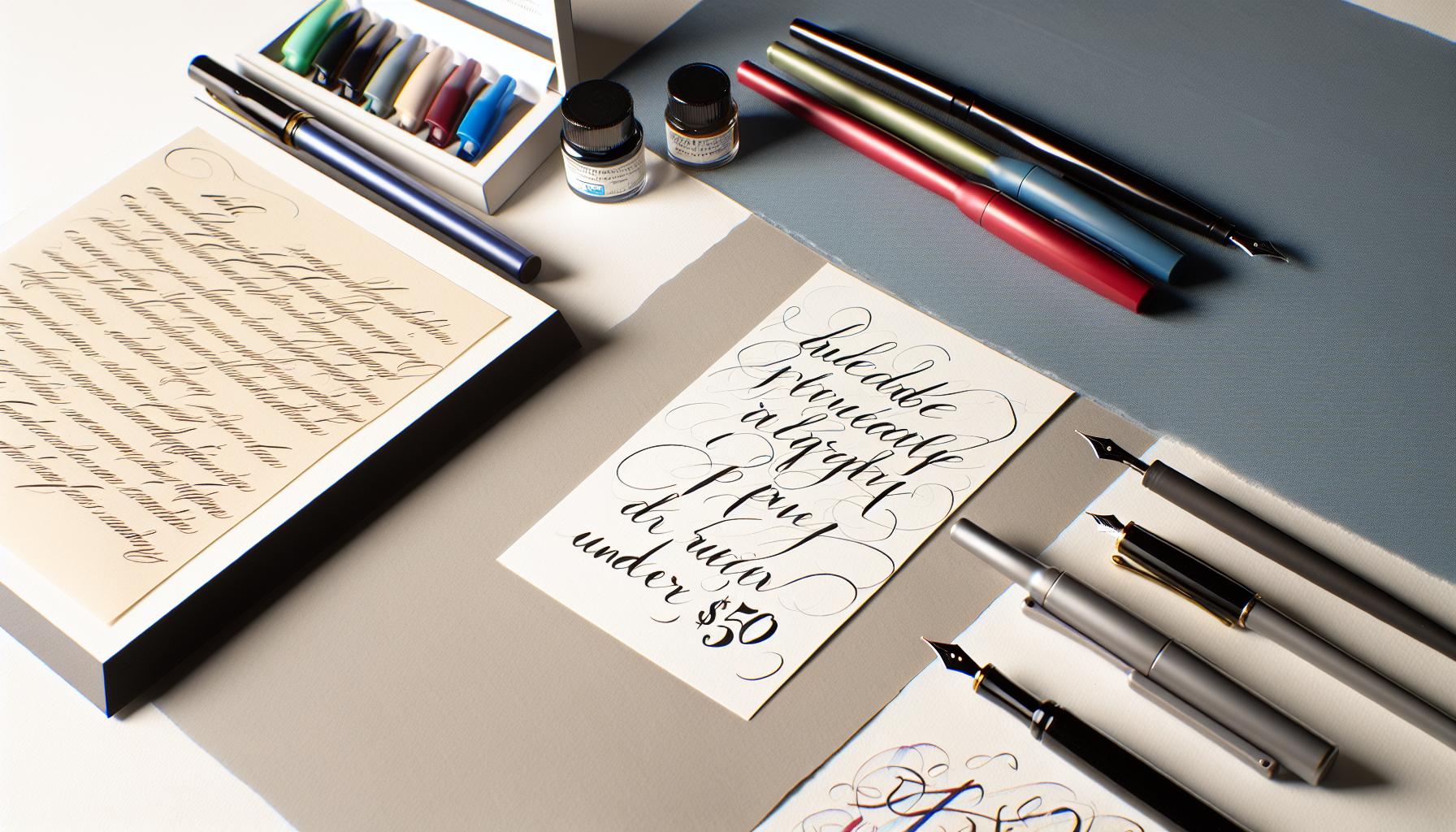
Budget-Friendly Calligraphy Pens Under $50
Finding quality calligraphy pens that won’t drain your wallet can be a game changer, especially if you’re just starting out or exploring new styles. Many exceptional options sit comfortably under the $50 mark, each offering unique features that can enhance your hand-lettering skills without sacrificing quality.
When considering budget-friendly calligraphy pens, it’s essential to recognize the value in both versatility and performance. Felt tip pens are a fantastic entry point. Priced between $5 and $20, they deliver bold lines and vibrant colors, ideal for quick projects and practice. They also offer the convenience of hassle-free use-no need for separate inks. Brands like Tombow and Crayola provide sets that include an array of colors, making them perfect for both casual use and serious crafting.
For those leaning towards a more traditional approach, dip pens can fit right into your budget, typically ranging from $20 to $50. A decent starter dip pen setup often includes various nibs and an ink bottle, which encourages experimentation with different styles. Speedball makes a reliable starter pen that features a comfortable grip and a variety of nib options, so you can create anything from sweeping serifs to delicate lines.
Lastly, don’t overlook brush pens. Ranging from $10 to $30, they provide a blend of control and artistry, allowing you to achieve beautiful brush strokes with ease. Look for dual-tip options that offer both broad and fine tips, which give you the flexibility to create intricate designs or bold lettering. Brands like Pentel and Sakura are well-regarded for their quality and affordability, making them great partners on your calligraphy journey.
Remember, investing in quality doesn’t have to mean breaking the bank. Choosing the right tools at an affordable price can be as impactful as selecting an expensive luxury brand. With so many options available, you can dive into calligraphy with confidence and creativity, equipped with the right tools to bring your artistic visions to life.
High-End Calligraphy Pens Worth the Investment
Investing in a high-end calligraphy pen can elevate your writing experience dramatically. While budget-friendly options serve their purpose, premium pens offer a level of craftsmanship, performance, and aesthetic appeal that’s hard to replicate. For instance, brands like Pilot, Lamy, and Montblanc are revered in the calligraphy community for their luxurious build and precision. Owning a pen from these makers isn’t just about functionality-it’s about the joy of using a tool that’s a piece of art in itself.
When considering a higher investment, think about the nib quality. A fine nib can make a world of difference, delivering smoother ink flow and allowing for more intricate line variation. For example, a Pilot Parallel Pen offers dual nibs that can create stunning calligraphy at an accessible price point around $35, while more exclusive options could reach upwards of $200. The difference lies in the material and design, such as the added flexibility of a gold nib or the intricate engravings on the barrel.
Also, consider the longevity of your investment. A high-quality pen, if maintained well, can last a lifetime. This might mean using specific inks that are designed for the pen or regularly cleaning it to prevent blockage. Such pens often come with various nib sizes and shapes, giving you the flexibility to explore different styles of calligraphy without needing to buy multiple pens.
In essence, while you can definitely start your calligraphy journey on a budget, splurging on a high-end pen can significantly improve not just the final result but also the pleasure of the process. Remember, calligraphy is as much about enjoyment as it is about skill, and using a beautifully crafted pen can inspire creativity and commitment.
Where to Buy Calligraphy Pens: Best Retailers
When you’re diving into the world of calligraphy, finding the right pen is crucial, but knowing where to buy it can be just as important. Many retailers cater to calligraphy enthusiasts at various budget levels, making it easier to find the perfect pen without breaking the bank. Local art supply stores often carry a range of quality pens, inks, and tools, allowing you to test the feel of the pen in your hand before purchasing. Stores like Michaels or Hobby Lobby frequently run sales, offering discounted prices on popular brands.
Online marketplaces are another excellent option. Websites like Amazon and Etsy provide a vast selection of pens, from budget-friendly options to high-end pieces. They also feature customer reviews which can help you gauge the performance and reliability of a pen before making a decision. Additionally, niche retailers like JetPens or Goulet Pens specialize in writing instruments and usually offer detailed descriptions and usage tips that can be immensely helpful when selecting a pen.
Don’t overlook specialty art stores or local calligraphy workshops, which often have the best recommendations. These venues usually have knowledgeable staff who can guide you toward the right tools based on your skill level and style preferences. Plus, workshops frequently sell kits that include pens and supplies tailored to beginners, which can save you time and effort.
Lastly, consider online communities or social media groups dedicated to calligraphy. Members often share their favorite retailers, current deals, and even experiences with specific products. Leveraging these resources can lead to great savings and the chance to discover unique items that you might not find at traditional retailers. Keep an eye out for seasonal promotions to score your favorite supplies at a fraction of the price!
Exploring Ink Options for Calligraphy Pens
When diving into calligraphy, ink selection is as vital as your pen choice. The right ink can elevate your artwork, while the wrong one can ruin the experience altogether. With a plethora of options available, it helps to know what works best for your style and project needs.
Start by considering the type of ink suitable for your pen. For many beginners, bottled inks are a fantastic option. They come in a variety of colors and formulations, including traditional inks made from dyes or pigments. Pigment inks are less likely to bleed through paper, making them ideal for detailed work. On the other hand, pre-filled cartridges offer convenience-simply pop one in, and you’re ready to write. This can be a real time-saver, especially when you’re just starting out or experimenting with different techniques.
Popular Ink Types for Calligraphy
- Water-Based Inks: Great for ease of use and clean-up, but they can smear if you’re not careful.
- Permanent Inks: Perfect for projects that need to withstand the test of time, like invitations or framed pieces.
- Metallic Inks: Ideal for adding a touch of glamour to your work, though they can require a bit more care.
- Iron Gall Inks: A traditional choice that fades beautifully over time, giving your work a vintage look.
Each of these ink types has its place in the calligrapher’s toolkit. For beginners, water-based inks are often the most accessible and forgiving. As you gain confidence and skill, experimenting with permanent or metallic inks can be a great way to explore different effects.
Maintaining consistency in your ink choice can also make a difference. Once you find an ink that suits your pen and style, stick with it for a while. This way, you can hone your skills and develop a cohesive look in your calligraphy projects. Remember, the right ink can make your lettering pop, so don’t shy away from investing in quality options that inspire you.
Maintaining and Caring for Your Calligraphy Pens
Taking care of your calligraphy pens ensures that they last longer and perform better, which is crucial whether you’re investing in budget-friendly options or splurging on high-end brands. One key aspect to remember is that calligraphy pens require regular cleaning. Dried ink can clog the nib and disrupt your flow. If you’re using a fountain pen or a dip pen, make it a habit to rinse the nib with warm water after each session. For cartridge pens, change cartridges promptly to prevent old ink from drying and causing blockages.
Another essential maintenance tip is to store your pens properly. Keep them horizontal to maintain even ink distribution for fountain pens, or store dip pens upright to protect the nib. Use pen cases or pouches for protection against dust and any accidental damage. If you’re using brush pens, avoid leaving them uncapped for prolonged periods; the brushes can dry out and lose their shape. Instead, promptly cap them after use and consider storing them lying flat.
Finally, when it comes to caring for the nibs, invest in a cleaning kit designed for calligraphy pens. They typically include soft brushes and cleaning solutions that can help remove stubborn ink buildup which water alone might not clear. Also, don’t hesitate to experiment with different papers and inks but keep track of how they affect your pen’s longevity-some inks contain additives that can be harsher on nibs. With these simple steps, your calligraphy tools will be ready whenever inspiration strikes!
Tips for Choosing the Right Calligraphy Pen
Choosing the right calligraphy pen can feel overwhelming, especially with so many options available. Here’s the kicker: you don’t need to break the bank to find a pen that suits your needs and enhances your skills. Start by understanding the types of pens available-fountain pens, dip pens, brush pens, and markers. Each has its unique feel and function, so it’s essential to know what you prefer. If you’re just starting out, a pen with interchangeable nibs can be a versatile choice as it allows you to experiment without committing to various pen types.
Next, consider the grip and weight of the pen. A comfortable grip makes a world of difference during those lengthy practice sessions. Try out pens in your local art store before buying, and look for something that feels balanced in your hand. Don’t forget about the nib size; finer nibs are great for detailed work, while broader nibs are ideal for expressive strokes and flourish. Ultimately, you want a pen that feels like an extension of your hand.
When it comes to price, prioritize quality over cost. While budget-friendly options can often perform surprisingly well, investing in a reputable brand is wise for a pen that lasts. Expect to pay anywhere from $10 to $50 for good quality pens that can enhance your calligraphy skills. Just remember, a higher price doesn’t always guarantee better quality, so read reviews and test pens when possible.
Lastly, don’t overlook ink. The type of ink you use can significantly impact your writing experience. Some inks flow smoothly and dry quickly, while others may require more care. If you are uncertain, start with a standard cartridge type that is easy to replace. Always keep experimenting to find what works best for you-after all, calligraphy is as much about personal expression as it is about technique!
Enhancing Your Calligraphy Skills on a Budget
Investing in calligraphy can feel daunting, especially if you’re on a budget, but it’s absolutely possible to sharpen your skills without burning a hole in your wallet. You can start with a few basic tools and resources that won’t just save you money but also enhance your experience and expertise. For instance, look for affordable calligraphy pen sets that include various nibs and ink options. Brands like Ooly offer dual-ended calligraphy pens that are perfect for beginners and come in vibrant colors, costing around $20 to $30, making them an excellent choice for practice or projects [2].
Utilizing free online resources can also significantly aid your learning. Websites, YouTube channels, and social media platforms abound with tutorials and community groups where you can seek advice and share your progress. Participating in this community not only motivates you but also opens the door to invaluable feedback. If you’re feeling particularly creative, consider making your own practice sheets by printing templates found online, saving cash on pre-made materials while still honing your skills.
Another way to save is by exploring the pencil technique. Practicing your strokes and styles with a regular pencil first allows you to focus on form and expression without the cost of ink. You can easily transition to ink once you feel more confident in your strokes. This method is incredibly beneficial for those just getting started, as it lets you develop a steady hand without the pressure of making mistakes on expensive paper.
Finally, remember to keep experimenting with different materials. Sometimes, a simple switch in your choice of ink or paper can yield greater results. Shop smart by checking local art supply stores or online retailers that offer sales or budget sections for calligraphy supplies. With resourceful practices and a creative mindset, your calligraphy skills can flourish even on a tight budget.
Popular Calligraphy Pen Brands for Every Skill Level
When diving into the world of calligraphy, knowing which brands offer the best pens for your skill level can make all the difference. There are several popular names that cater to everyone from beginners to seasoned professionals, offering a range of prices and features to suit your needs.
Beginner-Friendly Brands
For those just starting, Crayola and Ooly are great picks. Their products are affordable and user-friendly, making them perfect for anyone looking to experiment without a hefty investment. Crayola’s washable markers, for instance, feature a versatile tip for creating both thick and thin lines, and Ooly’s dual-ended calligraphy pens come in vibrant colors, typically priced under $30. These brands allow you to practice basic strokes and lettering styles without the intimidation of high costs.
Intermediate Options
As you progress, consider Pilot and Tombow. The Pilot Parallel Pen, in particular, is loved for its innovative design that gives you great control over ink flow and line width. Tombow’s Fudenosuke brush pens also allow for a variety of styles, from fine details to bold strokes, appealing to calligraphers who want to refine their skills. Their pricing typically ranges from $10 to $30, making them a reasonable investment for more serious hobbyists.
Professional Grade
For advanced calligraphers, brands like Luxiro and Nibs.com offer high-quality options that might be pricier but are well worth it for their performance. Luxiro’s fountain pens, known for their smooth writing experience, can start around $50, while specialty nibs available at Nibs.com allow for a level of customization that can greatly enhance your art. These pens are designed for those who wish to push their calligraphy to the next level, delivering exceptional results with each stroke.
Narrowing Down Choices
Ultimately, exploring these brands can help you find your ideal calligraphy pen that matches your development and budget. Always consider what you want to achieve with your calligraphy practice, and select a pen that feels comfortable in your hand. By trying out various brands, you’ll discover what suits your style best, whether it’s the ease of beginner pens, the precision of intermediate tools, or the luxury of high-end options. Remember, investing in a good pen can significantly enhance your writing experience and skill level in the art of calligraphy.
Uncovering Hidden Costs of Calligraphy: What to Know
Getting into calligraphy is thrilling, but many beginners overlook hidden costs that can quickly add up. While you might think you’ve got everything covered with just a quality pen, there’s so much more you may need to consider to truly enjoy this art form and develop your skills.
First off, ink isn’t just an optional accessory-it’s essential. Different pens require specific types of ink, and some inks are priced higher than others due to their quality and formulation. For example, fountain pen inks are often more expensive but generally provide a smoother flow and richer colors. Moreover, you might be tempted to buy multiple ink colors to experiment with styles, which can increase your costs significantly. Additionally, consider how often you’ll need to replace cartridges or bottles, as these ongoing expenses can accumulate.
Then there’s paper. Not all paper is created equal; some can cause frustration with bleed-through or feathering, especially with ink-based pens. Investing in high-quality paper designed for calligraphy can make a world of difference in your results, but it can also cost more than standard paper. You might also want to try practice pads or calligraphy journals that are specifically tailored for this purpose, adding to your initial investment.
Tools for maintenance, like pen cleaners or additional nibs, should also be part of your budget. If you’re serious about your craft, you’ll likely want to customize your setup down the line. Accessory costs can sneak up on you, from storage solutions to decorative cases for your pens, which can enhance your experience but increase your total expenditure.
Finally, don’t forget about resources for further learning. Workshops, books, or online courses can range from free to a hefty price tag. Investing in your education is worthwhile but consider it part of the overall cost of pursuing your calligraphy hobby.
By being aware of these hidden costs, you can budget more effectively and ensure you have a comprehensive setup that supports your growth and enjoyment in calligraphy. Plan for it, and your practice will not only be more enjoyable but sustainable in the long run.
How to Make Calligraphy Easier with the Right Tools
To truly enjoy calligraphy and develop your skills, the right tools can make all the difference. Choosing a quality pen suited to your style is crucial, but it doesn’t stop there. The type of ink and paper you use, along with essential accessories, can elevate your practice from frustrating to fulfilling.
Start with your pen. A fountain pen can offer smooth strokes, while brush pens are great for creating strokes with varying thickness. If you’re just getting started, look for budget-friendly options under $50-there’s plenty available that won’t compromise on quality. For instance, the Kaweco Sport Calligraphy set is an excellent choice, providing interchangeable nibs for different widths, all within a reasonable price range. This flexibility allows you to experiment with styles without breaking the bank.
When it comes to ink, invest in high-quality options that promote a smooth, vibrant flow. Explore various types-traditional bottled ink, cartridges, or even your own mix if you’re feeling adventurous. Each type interacts differently with paper, so you might want to test a few before settling on a favorite. Additionally, choosing the right paper can save you from bleed-through and feathering. Look for calligraphy-specific paper designed to handle liquid inks well, and consider practice pads to refine your skills without wasting premium sheets.
Another tool worth considering is a good light box or ruler to help with alignment, especially in complex lettering styles. If you’re feeling creative, try decorative paper or templates to inspire unique projects. All these additions can enhance your experience-making your practice smoother and more enjoyable. With the right tools, you won’t just write; you’ll create stunning pieces that showcase your growth in this beautiful art form.
Q&A
Q: What is the average cost of a beginner calligraphy pen set?
A: A beginner calligraphy pen set typically costs between $15 and $35. These sets often include various nibs, ink, and instructional materials. Investing in a decent set can help you get started without breaking the bank. Explore budget-friendly options in the article for more details.
Q: Are expensive calligraphy pens worth the investment?
A: Yes, expensive calligraphy pens often feature better materials, smoother writing experiences, and durability. Pens in the $50 to $200 range are ideal for serious calligraphers. Consider your usage frequency to determine if the luxury is necessary for you. Check the section on high-end options in the article.
Q: How often should I replace my calligraphy pen nibs?
A: It’s advisable to replace calligraphy pen nibs every few months or when you notice reduced performance. Factors like ink type and frequency of use influence their lifespan. Regular maintenance can enhance your writing experience. Learn more in the maintaining your pens section of the article.
Q: What should I look for in a budget calligraphy pen?
A: When shopping for budget calligraphy pens, look for ease of use, variety in nib sizes, and quality ink. A good option should feel comfortable in your hand and allow for fluid writing. Discover more tips in the tips for choosing the right pen section of the article.
Q: Can I use regular ink with my calligraphy pen?
A: While some regular inks are compatible, it’s best to use inks specifically formulated for calligraphy pens. Regular ink can clog or damage the nib. Always check compatibility to ensure a smooth writing experience. See the exploring ink options section for better insights.
Q: What type of calligraphy pen is best for lettering beginners?
A: Fountain pens or brush pens are great for beginners due to their user-friendly designs and versatility. They allow for easy control over line thickness. You can find recommendations in the understanding calligraphy pens section of the article.
Q: Where can I find discounts on calligraphy pens?
A: Discounts on calligraphy pens can often be found online at retailers like Amazon, Blick Art Materials, or Etsy. Joining mailing lists for these stores can give you access to exclusive deals. Check out the where to buy section for more.
Q: Is it necessary to practice calligraphy before using a pen?
A: Yes, practicing basic strokes before using a calligraphy pen is crucial. It builds muscle memory and confidence, ensuring better control and precision. For enhancing your calligraphy skills on a budget, see the related section in the article.
Future Outlook
Choosing the right calligraphy pen can open up a world of creativity without breaking the bank. Remember, it’s not just about how much you spend; it’s about finding the perfect tool that fits your style and budget. If you’re looking for more tips on selecting the best supplies or exploring calligraphy techniques, check out our guides on “Essential Calligraphy Tools” and “Beginner’s Guide to Modern Calligraphy.”
Now that you’ve got the budget-friendly options in mind, don’t wait! Dive into your calligraphy journey today and start crafting beautiful letters. If you have questions or want to share your experiences, drop a comment below-we love hearing from our community! And for those who want to keep up with the latest tips and tricks, sign up for our newsletter so you never miss an update. Your path to mastering calligraphy starts now!