

Are you ready to transform your handwriting into a stunning art form? Picking the right calligraphy pen set can make all the difference in your creative journey. Not only do the right tools enhance your writing experience, but they also boost your confidence as you master this beautiful craft. Whether you’re starting from scratch or looking to refine your skills, understanding how to choose and use your calligraphy pens is crucial for achieving those elegant strokes you admire. In this guide, we’ll delve into the best calligraphy pen sets and provide straightforward tips to help you get started confidently. By the end, you’ll be equipped with the knowledge to turn your artistic vision into reality. Let’s dive in!
Best Types of Calligraphy Pens for Beginners
Getting started with calligraphy can feel overwhelming, but having the right tools makes all the difference. For beginners, the best calligraphy pens are those that balance ease of use with the flexibility to create beautiful lettering. One popular option is the fountain pen, which allows for varied line thicknesses based on pressure. They’re great for practice because they help you understand the dynamics of ink flow and pressure control.
Another great choice is brush pens. They come in various sizes and textures, making them perfect for any style of calligraphy, from modern to traditional. Look for pens with flexible tips, as they provide the versatility you’ll need to master both thin and thick strokes. Brands like Tombow or Pentel offer excellent options that many beginners rave about.
Consider calligraphy nibs and holders if you want to dive into traditional dip pen styles. While they require a bit more setup-mixing ink and sometimes cleaning your nib-they offer an authentic feel that is rewarding to work with. Experimenting with different nib sizes can help you discover your style preferences.
Lastly, don’t overlook marker-style calligraphy pens. They’re user-friendly and come in a variety of colors, making them perfect for creating vibrant projects. These pens can simplify the learning curve significantly, allowing you to focus on your techniques without worrying about ink mechanics or paper types.
In short, your best bet is to start with a mix of these tools, allowing you to explore and find your favorite style. Remember, the key to excellent calligraphy lies not just in the pen, but in your practice and creativity. Whether you’re writing greeting cards, journaling, or exploring artistic projects, investing in these essential tools will set you up for success.
Essential Calligraphy Supplies You’ll Need
Starting with calligraphy requires more than just a pretty pen; the right supplies set the stage for your creative journey. To dive into this art form confidently, you’ll need a selection of essential tools that cater to both beginners and more experienced artists.
Calligraphy Pens
First, choose your pens wisely. A collection should include fountain pens, brush pens, and traditional dip pens. Fountain pens are excellent for learning line variation since pressure alters the ink flow, giving you a feel for how to manipulate strokes. Brush pens, like those from Tombow or Pentel, come in flexible tips that let you create varying thicknesses easily. They are particularly forgiving for beginners, making the learning process smoother. If you’re feeling adventurous, dipping into nibs and holders allows for a more traditional approach, offering an authentic experience as you mix your ink and control the strokes.
Quality Paper
Next up is paper. Not all paper is created equal in the world of calligraphy. Using smooth, heavy paper will prevent ink bleed and ensure your lines are clean. Look for papers specifically designed for calligraphy-these often have a slight texture that can enhance your strokes while minimizing frustration. Avoid using regular printer paper; it can quickly ruin your nibs and lead to unsatisfactory results.
Other Essential Supplies
In addition to pens and paper, don’t forget other essentials like a ruler, pencil, and eraser to help you draw guidelines for staying straight and consistent. A blotting pad or paper towel is also crucial to manage excess ink, while some ink (if you’re using dip pens) in various colors can add personality to your projects.
Storage and Organization
Proper storage is equally important. A pen case or organizer not only protects your tools but also makes it easy to access them. Keeping your supplies tidy enhances your creative process, ensuring you can focus on your practice without the distraction of searching for that perfect tool.
With these tools in hand, you’re equipped to embark on your calligraphy journey. Remember, the investment you make in quality supplies pays off as you refine your skills and develop your unique style. Enjoy the process and let your creativity flow!
Getting Started: Basic Calligraphy Techniques

To truly enjoy calligraphy, you need to get comfortable with some foundational techniques. Starting off with the right grip and posture can make a world of difference in how effortlessly you can create beautiful letters and strokes. Hold your pen with a relaxed grip-think about it as if you’re holding a delicate flower stem. This approach not only reduces strain but also gives you better control over your movements.
Basic Breath and Flow
Before you dive into specific styles or letters, spend some time familiarizing yourself with the feel of your pen on paper. Practice drawing simple strokes, such as straight lines, curves, and loops. These fundamental shapes are the building blocks of all calligraphy. Spend a good chunk of time just playing with these strokes. You’ll soon start to understand how pressure affects line width and how each pen type behaves on paper.
Understanding Pressure Control
Learning pressure control is key. Most calligraphy pens will allow you to create thick and thin lines by varying the pressure you apply. For instance, when using a brush pen, press down harder on downstrokes and lift slightly on upstrokes. It might seem simple, but practicing this will create the elegant contrast characteristic of calligraphy.
Creating Guidelines
To maintain consistency in your letters, it’s beneficial to create guidelines before you start. Use a ruler and a light pencil to mark out where each line will sit. This method helps keep your writing straight and evenly spaced. Just remember to erase the guidelines afterward; nobody wants pencil marks showing through their beautiful writing!
Keep practicing these techniques, and you’ll find yourself gaining confidence with each stroke. Remember, calligraphy is as much about enjoying the process as it is about the final product. So take a deep breath, relax your hand, and let your creativity flow. Happy writing!
Mastering the Art of Calligraphy Strokes
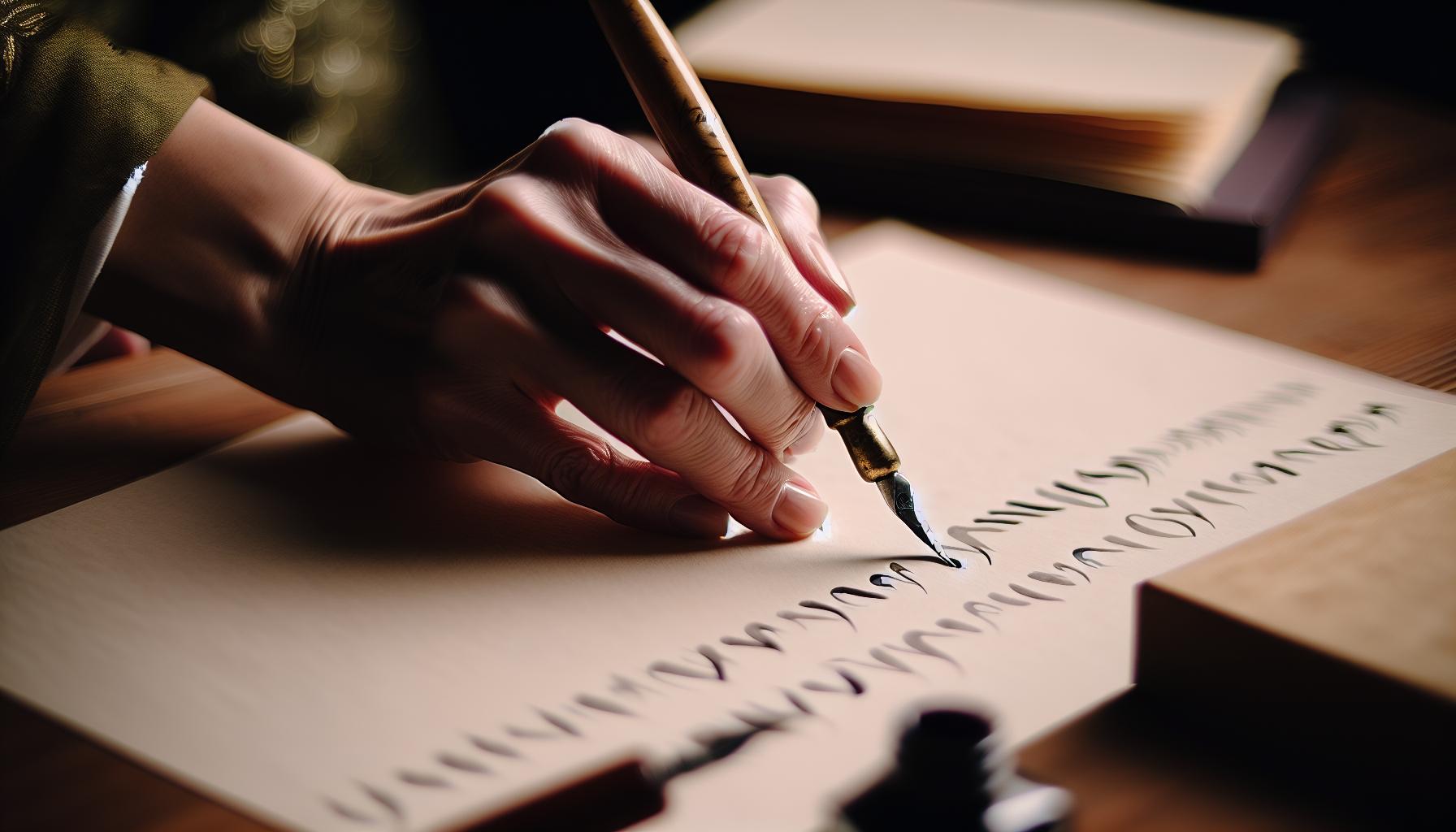
To truly master calligraphy, you’ve got to get comfortable with the strokes that form the backbone of this art. Think of each stroke as a building block, laying the foundation for everything you’ll create-from simple letters to intricate designs. The beauty of calligraphy lies in the elegance of these strokes, which is why practicing them is crucial for both beginners and seasoned artists alike.
Start with the basics by practicing common strokes such as upstrokes, downstrokes, and curves. These are the essential movements that will eventually come together to form letters and words. You might want to break it down: practice straight lines and loops first, then move on to more complex shapes. Use a light touch for upstrokes and a firmer grip for downstrokes to develop a natural rhythm. This pressure variation is where the magic happens; it creates the delicate contrast that characterizes good calligraphy.
Make it a point to incorporate guidelines into your practice. They help maintain consistent height and spacing, which is key to achieving that polished look. Use a ruler to create evenly spaced lines on your paper, and don’t hesitate to adjust them as needed. Over time, the need for guidelines will diminish as your confidence grows, but in those early days, they can be your best friend.
Finally, don’t shy away from experimenting. Each pen type offers a different feel and flow. Try a few out to see which helps you express your style best. Whether you’re using a traditional nib or a modern brush pen, remember that fluidity in your strokes will come with experience. Keep your hand relaxed and allow yourself to enjoy the process. With consistent practice and a willingness to learn from every stroke you make, you’ll find yourself evolving and gaining the expertise that will elevate your calligraphy to new heights.
Choosing the Right Paper for Calligraphy
Choosing the right paper can elevate your calligraphy practice from good to outstanding. The texture, weight, and finish of your paper impact how your pen glides across the surface, which in turn affects the overall look of your work. Trust me, investing a little time here will pay off immensely as you develop your skills.
When selecting paper, look for smooth surfaces that allow your pen’s nib to glide effortlessly. Papers that are too rough can snag your pen, making consistent strokes difficult to achieve. Many calligraphers love using bleed-proof papers, especially for beginner projects. These papers prevent ink from feathering or bleeding through, allowing for crisp, clean lines. Look for specific calligraphy papers or high-quality watercolor papers with minimal texture for the best results.
Another key factor is the weight of the paper. Aim for papers that are at least 120 GSM (grams per square meter) or higher. Heavier papers hold up better against ink’s saturation, which means you’ll get fewer wrinkles and less chance of tearing your paper with repeated strokes. If you plan on using water-based inks or working with a wet medium, thicker papers help avoid messy situations where the ink seeps through.
Lastly, consider experimenting with different types of colored or textured papers as you gain confidence in your calligraphy. While classic white is the go-to choice, adding a splash of color can provide a unique backdrop for your lettering. Remember, the right paper is a secret weapon in calligraphy. Don’t hesitate to test a few varieties until you find the combination that makes your strokes feel smooth and your art shine. Happy writing!
Common Mistakes to Avoid When Starting
Starting your calligraphy journey can be both exciting and daunting, and it’s easy to fall into some common traps along the way. One major mistake many beginners make is rushing to create their final pieces without mastering the fundamental techniques first. Calligraphy isn’t just about beautiful letters; it’s about control, practice, and understanding how your tools work together. Take the time to practice basic strokes and letterforms. This foundational work is crucial and will save you frustration later on when you try to create more complex designs.
Another pitfall is using the wrong tools or inadequate materials. Choosing a calligraphy pen set isn’t as simple as picking the prettiest one off the shelf. You need to consider nib size, ink flow, and pen type based on your style and project. Beginners often overlook the importance of high-quality ink and paper, opting for whatever is available. Don’t underestimate how much these elements contribute to your work; they’re what truly allow your pen to glide smoothly across the page. Investing in good supplies pays off in the quality of your writing.
Then there’s the issue of posture and grip. Many new calligraphers grip their pens too tightly or hunch over their work, which can lead to discomfort and poor line quality. Maintain a relaxed grip and a comfortable posture. Your hand should move naturally, and your wrist should have the freedom to move, which will help create fluid strokes. Experiment with different grips to find what feels right for you, as this will make a huge difference in the appearance of your work.
Lastly, don’t shy away from mistakes; they are a vital part of learning. Many beginners become discouraged by their initial efforts and rush through their practice or even give up entirely. Embrace every error as a learning opportunity. When you see what doesn’t work, you can adjust your technique-this is how improvement happens. Keep practicing regularly and celebrate your progress, no matter how small. Everyone’s journey is unique, and with time and patience, your skills will flourish.
Building Your Confidence in Calligraphy
Starting out in calligraphy can feel intimidating, but building your confidence is all about practice and mindset. One of the best ways to gain assurance is to set realistic goals for your progress. Instead of overwhelming yourself by aiming for perfection in every piece, focus on mastering one technique or style at a time. Celebrate small wins-a perfectly formed letter, a fluid stroke, or the successful use of a new pen. Each minor achievement builds your skill set and confidence with every practice session.
Another effective way to enhance your confidence is to create a consistent practice routine. Set aside a specific time each day or week dedicated to calligraphy. This regularity not only solidifies your skills but also transforms your mindset from “I’m just trying to get it right” to “I’m actively improving.” During these sessions, it’s beneficial to experiment with different tools from your calligraphy set. Trying out various pens or nibs can help you find what works best for your style. Remember, confidence often grows when you step outside your comfort zone.
As you practice, don’t shy away from making mistakes. Instead, view them as stepping stones rather than setbacks. Each error teaches you something valuable about your technique and helps refine your approach. It can also be helpful to share your progress with others-whether through social media, a calligraphy group, or simply with friends. Feedback, encouragement, and the knowledge that you’re not alone in your journey can vastly boost your confidence.
Finally, immerse yourself in the rich world of calligraphy styles. Explore various techniques and historical styles to find what resonates with you. Participating in workshops or seeking online tutorials can provide not only guidance but also community support. Engaging with fellow calligraphers can offer insights, inspiration, and camaraderie that makes the learning process more enjoyable. Embrace your unique journey in calligraphy, and let the passion for the art fuel your confidence!
Exploring Different Calligraphy Styles
Diving into the world of calligraphy is like unlocking a treasure chest of artistic expression. Each style carries its own history, elegance, and flair, making the journey of discovery both exciting and enriching. Whether you’re drawn to the classical elegance of Copperplate or the modern simplicity of Brush Lettering, understanding these styles can help you find your voice in calligraphy.
Popular Calligraphy Styles to Explore
- Copperplate: Famous for its flowing, elegant curves, Copperplate uses a pointed nib to create delicate lines that vary in thickness. It’s perfect for formal invitations and stationery. Consider practicing it with an oblique pen holder to achieve those graceful ascenders and descenders.
- Gothic: This style, characterized by its bold strokes and sharp angles, conveys a sense of strength and tradition. A broad-edged pen works wonders here, allowing for dramatic contrasts in line weight. Gothic lettering can bring a historical touch to your projects.
- Modern Calligraphy: A more flexible and expressive approach, modern calligraphy combines different styles and techniques. It often forgoes strict rules, allowing for personal flair. Experiment with various pens, including brush markers, to find what feels right.
- Brush Lettering: This style involves the use of brush pens, allowing for quick, fluid writing. Its casual charm is perfect for personalized gifts, cards, and social media. Focus on mastering pressure and release techniques to create those beautiful strokes.
Transitioning between styles can be helpful. Experiment with one for a project and switch to another when you’re tackling a different idea. This will not only enhance your versatility but also keep your practice engaging. Joining online communities or local workshops can provide inspiration and support, exposing you to techniques and styles that may resonate with your artistic vision.
Remember, the journey of exploring various calligraphy styles doesn’t just refine your skills; it also helps you discover what truly inspires you. Challenge yourself by working with a few styles that pique your interest, and don’t be afraid to mix elements. Your unique approach may lead to the creation of an entirely new style that reflects your personality and artistic voice.
Tips for Practicing Calligraphy Effectively
Practicing calligraphy is as much about the journey as it is about the final product. To really hone your skills and enjoy the process, you need a solid practice routine that keeps you engaged and improving. One effective strategy is to set aside dedicated time each day or week where you can focus solely on your writing without distractions. Consistency matters; even a few minutes daily can lead to significant progress. Remember, it’s better to practice a little bit regularly than to cram in long sessions sporadically.
Start by mastering the fundamental strokes. Break your practice down into basic shapes and lines, which are the building blocks of every letter. Use guides or worksheets that you can trace or practice alongside, focusing on developing muscle memory. Incorporate different pen grips and pressures as you work through strokes, as this will enhance your control and help define your unique style. You might find it beneficial to keep a journal of your progress, noting what techniques feel comfortable and what areas need more work.
Don’t shy away from experimenting with different styles and tools. Try using various types of pens, from brush pens to fountain pens, to see what feels best in your hand. Different widths, nib types, and even inks can dramatically change your experience and results. Engage with online communities or local workshops for tips and inspiration. Sharing your work can offer motivation, and receiving constructive feedback can help you see areas for improvement that you might miss on your own.
Lastly, it’s essential to be patient with yourself. Calligraphy is an art form that takes time and practice to master. Celebrate small successes, and don’t be discouraged by mistakes. Each stroke you practice brings you one step closer to your goals. Keep a positive mindset and remember to enjoy the creative process. After all, calligraphy is not just about the end result; it’s about expressing yourself through the elegance of beautifully shaped letters.
How to Care for Your Calligraphy Pens
Taking care of your calligraphy pens is crucial to maintaining their performance and ensuring they last. It’s easy to overlook cleaning and proper storage, but a little attention can go a long way. Pens can become clogged with dried ink or damaged by misuse, so let’s dive into how you can keep your writing tools in top shape.
Start with cleaning your pens regularly. After each use, especially when working with acrylic or water-based inks, it’s important to flush your nibs. For fountain pens, this means filling a glass or bowl with room temperature water and letting the nib soak for a minute before gently running clean water through it. Refill it with clean water until you see no more ink residue. For brush pens, clean them with water or a suitable brush cleaner to avoid the bristles becoming stiff. Make it a habit to check and clean your pens at the end of your writing session, as dried ink becomes increasingly harder to remove over time.
Next, store your pens properly when you’re not using them. Always place them horizontal or upright with the nib facing upwards if the pens have a cap. Avoid leaving them exposed to direct sunlight or extreme temperatures which can affect the ink’s viscosity and durability. If using brush pens, store them lying flat to avoid damaging the tips. A dedicated pen case or pouch not only protects them from physical damage but also keeps your workspace organized.
Another key aspect is to use the right inks. If you’ve invested in high-quality pens, using appropriate inks can significantly enhance their performance. Incompatible or low-quality inks can lead to clogging or other issues. Always check the recommendations for your specific pen type. If you notice the ink flow becoming inconsistent, it may be time to switch to a different ink or clean the nib more thoroughly.
Finally, understand that the way you handle your pens matters. Be gentle when applying pressure, especially with flexible nibs, as excessive force can cause them to bend or break. Practice maintaining a steady hand and the correct grip for precision strokes. The more attentive you are to your tools, the better your calligraphy will become.
By following these care routines, your calligraphy pens will serve you well on your journey as you refine your skills and explore creative possibilities in your writing. Keeping these tips in mind will help you avoid common pitfalls and keep your writing experience enjoyable and effective.
Inspiring Calligraphy Projects for Beginners
Creating beautiful calligraphy projects can be incredibly rewarding, especially for beginners eager to express their artistic flair. Once you’ve grasped the basics and chosen the right pen set, there’s a world of possibilities waiting for you. Here are a few inspiring project ideas that can help spark your creativity and build your confidence as you find your unique style.
One fantastic way to practice is by making personalized greeting cards. Start by selecting a few favorite quotes or sentiments, then use your calligraphy skills to write them out elegantly. You can experiment with different lettering styles and flourishes, adding small illustrations or flourishes around the text for flair. These cards are not just practice; they make heartfelt, personalized gifts for friends and family.
Another project to consider is creating a calligraphy wall art piece. Choose a meaningful phrase or a piece of poetry that resonates with you. Using your pen, write it on a quality piece of paper or canvas, and don’t hesitate to play with layout and spacing. Frame it once you’re done – this not only showcases your skill but can also transform your living space into a gallery of your growing talent.
Consider customizing items like tote bags, mugs, or notebooks. You can use fabric markers for bags or specific paint pens for non-porous surfaces. Begin with simple words or monograms that reflect your personality. These items can serve as thoughtful gifts or a fab way to brighten up your daily routine, reminding you of your journey in calligraphy.
Lastly, dive into creating a quote calendar or daily affirmation cards. Not only will this allow you to explore different lettering styles, but you’ll also end up with a collection of uplifting reminders that can boost your mood throughout the year. Try integrating various styles each month or week, experimenting with different layouts.
All these projects not only help you practice but also encourage you to push your boundaries. Calligraphy isn’t just about penmanship; it’s about creativity and expression. So grab your favored calligraphy pen set and begin crafting something beautiful today!
Taking Your Calligraphy to the Next Level
is about breaking past the fundamentals and letting your creativity truly shine. Once you’ve familiarized yourself with the basics of your pen set and practiced various strokes, you can delve into advanced techniques and personalized projects that showcase your unique style. The world of calligraphy is vast, and it’s filled with opportunities to express yourself artistically.
First, consider experimenting with different calligraphy styles. While you might start with a basic script or a classic italic, don’t shy away from more decorative styles like Copperplate or modern brush lettering. Each style has its own flow and set of rules, which can add depth to your work. Try mixing styles within the same piece-using a bolder script for headings and lighter styles for body text can create an eye-catching contrast. It’s all about finding your voice and what resonates with you.
Next, think about your projects. Start challenging yourself: create custom invitations, design a personalized monogram for a friend, or even tackle larger calligraphy art pieces for your home. Using your calligraphy in practical applications not only enhances your skills but also allows you to see your progress in a tangible way. You might find delight in pairing your lettering with simple illustrations or decorative flourishes, turning basic phrases into captivating visuals.
Don’t forget about the importance of feedback and community. Joining online forums or local workshops can be invaluable. Sharing your work and getting constructive critiques helps you grow, while also inspiring new ideas and techniques. Plus, watching others can introduce you to innovative ways of thinking about calligraphy. Remember, this journey is about enjoying the process as much as the final product. Embrace the learning curve, stay curious, and allow your artistic expression to flourish. Each stroke you take moves you closer to mastering this beautiful art form. So grab your favorite pen, keep practicing, and watch as your calligraphy evolves into a stunning representation of your creativity.
FAQ
Q: What are the essential steps to start using a calligraphy pen set confidently?
A: To start using a calligraphy pen set confidently, choose the right pen that fits your hand and style. Practice holding the pen at the correct angle, usually around 45 degrees. Begin with basic strokes, focusing on pressure and flow. Regular practice and experimenting with different styles will boost your confidence.
Q: How do I choose the right paper for calligraphy?
A: Selecting the right paper is crucial for calligraphy. Look for smooth, heavy paper that can handle ink without bleeding. Types like vellum or specially designed calligraphy paper work best. Always test your pen and ink on a small area to ensure compatibility.
Q: Can beginners use any kind of ink with calligraphy pens?
A: Beginners should avoid just any ink; opt for fountain pen ink or specifically formulated calligraphy ink. These inks flow well, reducing the chance of clogging the nib and helping produce cleaner lines. Check the manufacturer’s specifications for compatibility with your pen.
Q: What common mistakes should beginners avoid in calligraphy?
A: Common mistakes include incorrect pen angle, using the wrong pressure, and rushing through practice. To improve, take your time, maintain consistency in practice, and refer to online tutorials or instructional books for guidance on technique-patience is key!
Q: How often should I practice calligraphy to see improvement?
A: Practicing calligraphy three to four times a week for 30 minutes can lead to noticeable improvement. Consistency is crucial; incorporate warm-up exercises and focus on different strokes or letters each session to build muscle memory effectively.
Q: Are there particular calligraphy styles recommended for beginners?
A: Yes, beginners often start with styles like Italic or Modern Calligraphy for their clarity and simplicity. These styles allow for easier learning of basic strokes and are versatile for various projects. As you gain confidence, you can explore more complex styles like Copperplate or Gothic.
Q: What tools can help improve my calligraphy skills?
A: Tools like grid paper, calligraphy practice pads, and digital apps can significantly enhance your learning experience. Grid paper helps maintain consistent letter sizing, while digital apps can provide instant feedback on your letters-useful for improving your skills over time.
Q: How do I clean and maintain my calligraphy pens?
A: To keep your calligraphy pens in top condition, clean them after each use by rinsing them with lukewarm water. Avoid using hot liquid, as it may damage the nib. For pen holders and nibs, remove and gently clean with a soft cloth to prevent ink buildup-regular maintenance ensures longevity.
Insights and Conclusions
You’re now equipped with the essentials to use your new calligraphy pen set confidently. Remember, practice makes perfect, and don’t hesitate to experiment with different styles and techniques. If you enjoyed this guide, dive deeper into our resources on selecting the best calligraphy paper and exploring advanced techniques for creating stunning lettering.
Act now! Your journey in calligraphy awaits, and every stroke you make brings you closer to mastering this beautiful art. If you have any questions or want to share your progress, drop a comment below. We love hearing from you! Plus, don’t forget to subscribe to our newsletter for tips, inspiration, and exclusive updates on new products.
Ready to unleash your creativity? Visit our product pages for the best tools and accessories to enhance your practice. Let’s turn your passion into art!