
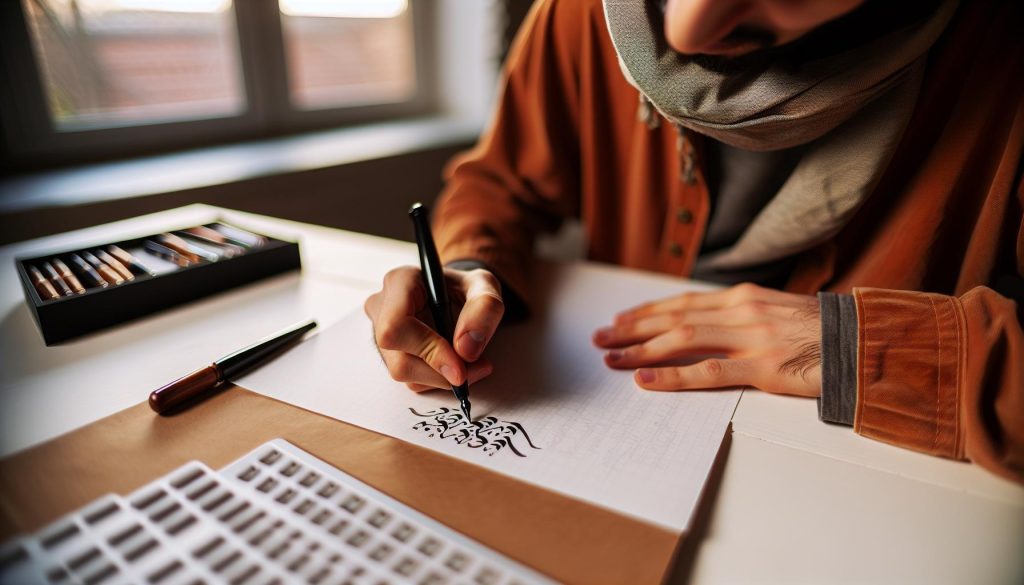
If you’re curious about calligraphy, choosing the right pen can make all the difference. It’s more than just a tool; it’s your gateway to creating beautiful, expressive letters that can transform simple notes into works of art. Whether you’re hoping to impress friends with personalized cards or just want a creative outlet, the right calligraphy pen can elevate your experience and results.
But with so many options out there, it’s easy to feel overwhelmed. Do you need a fountain pen, a dip pen, or something else entirely? Understanding what suits your style and skill level is crucial. In this guide, we’ll explore the best calligraphy pens for beginners, helping you navigate your options and find the perfect match for your artistic journey. Ready to unlock your potential in this beautiful art form? Let’s dive in!
Understanding Calligraphy: What You Need to Know
Understanding calligraphy goes beyond just putting pen to paper; it’s about embracing a skill that marries art with precision. Many people think calligraphy is overly complicated or only for specialists, but that’s far from the truth. With the right tools and mindset, anyone can dive into this beautiful art form. Whether you’re looking to enhance personal projects, create invitations, or simply enjoy a new hobby, understanding the basics is crucial.
Calligraphy involves the craft of creating decorative letters and symbols, with various styles ranging from traditional script to modern brush calligraphy. Each style has its own flair and requires specific techniques. Knowing a bit about the history and cultural significance behind different styles can enrich your practice, making it more than just a technique. For instance, Italic calligraphy boasts roots in the Renaissance, while contemporary styles draw inspiration from modern graphics and typography.
When starting with calligraphy, one of the most important aspects is choosing the right pen. Different pens will offer varied versatility, control, and ease of use. For instance, beginners often find brush pens with flexible tips, like the Tombow Fudenosuke, to be user-friendly. These pens enable you to create beautiful letters without the steep learning curve that traditional nibs might present. Experimentation is key, and discovering what feels comfortable in your hand is part of the fun.
In summary, calligraphy is an inviting and rewarding pursuit. As you explore this art, remember that everyone has a unique style to develop. Embrace the process, learn as you go, and don’t be afraid to make mistakes-every stroke adds to your growth as a calligrapher. By investing in the right tools and practicing regularly, you’re on your way to creating your own stunning lettered works.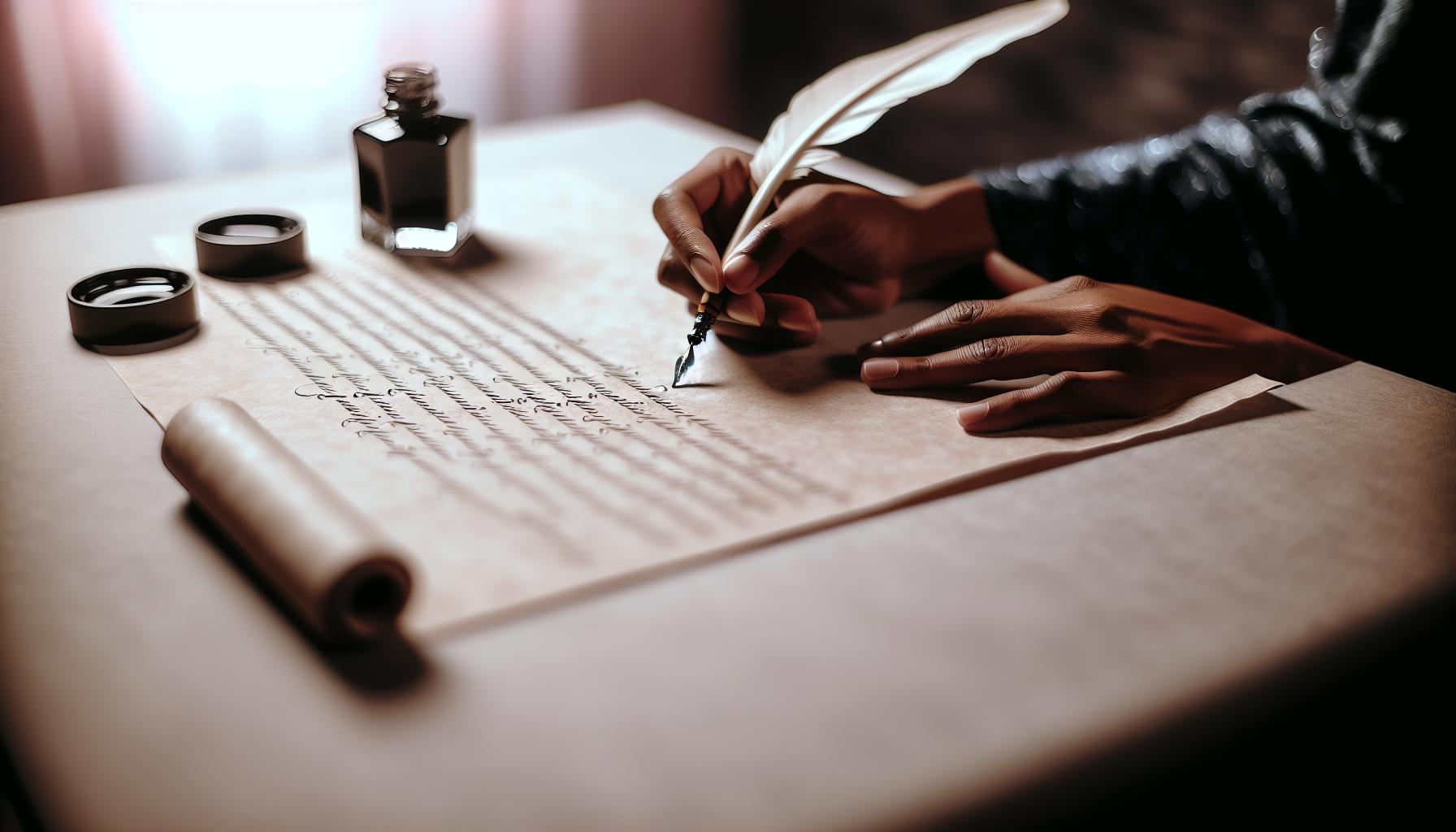
Essential Features of a Calligraphy Pen
The right calligraphy pen can make all the difference in your writing experience, especially for beginners eager to explore this intricate art form. Start by considering the pen’s nib type, as it plays a crucial role in the strokes you can achieve. You’ll generally find three primary categories: pointed nibs for delicate, intricate scripts; broad-edged nibs for bold, sweeping strokes; and brush pens that mimic natural brush effects. Each type offers unique advantages, so understanding their functionality will empower you to express your style effectively.
Another essential feature to consider is the pen’s grip and weight. A comfortable grip will reduce fatigue and improve control, allowing for longer, more enjoyable practice sessions. Lightweight pens may facilitate quick movements, while more substantial ones can add stability and control-it’s all about personal preference. Additionally, some pens come with adjustable nibs or interchangeable tips, giving you flexibility as you refine your technique and transition between styles.
Ink compatibility is another key factor. Not all pens work with every type of ink, and using the wrong one can lead to clogging or inconsistent flow. Beginners should opt for pens designed to work with a variety of inks or, if using specialized calligraphy ink, ensure the pen is compatible. This will help avoid frustrating mishaps while you’re honing your skills.
Lastly, consider the ease of maintenance. Some pens require regular cleaning to prevent ink buildup, while others are more forgiving. As you grow into your calligraphy practice, you’ll want tools that fit seamlessly into your routine, allowing you to focus on creativity rather than upkeep. Investing in a decent calligraphy pen with these essential features can significantly enhance your journey into this rewarding art, setting a solid foundation for your growth as an artist.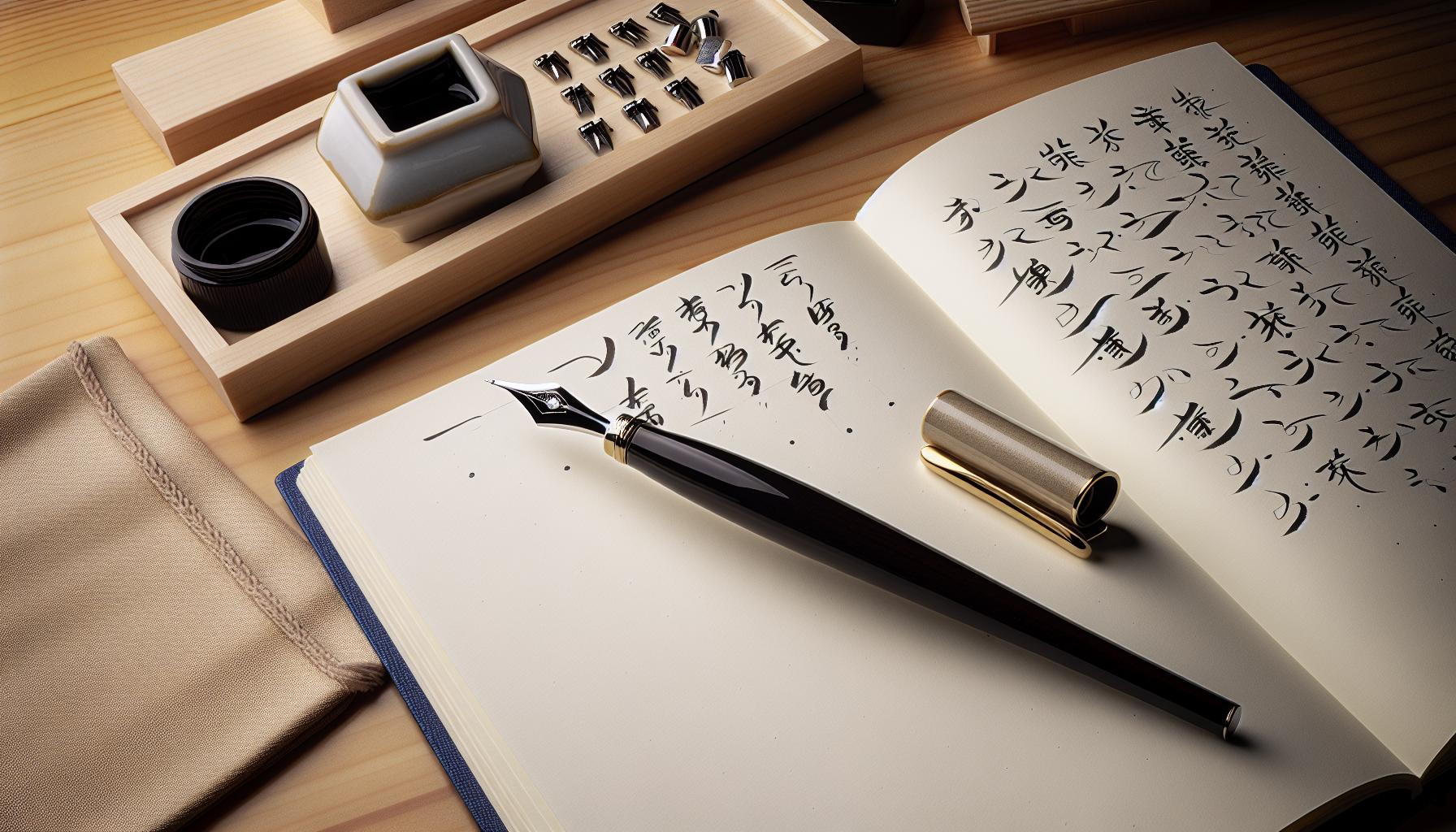
Top 5 Calligraphy Pens for Beginners
Finding the right calligraphy pen can feel overwhelming, especially when you’re just starting out. The good news? There are fantastic options tailored for beginners that make the learning curve a little less steep (and a lot more fun!). Here’s a rundown of the top five calligraphy pens that are perfect for those new to this beautiful art form.
Tombow Fudenosuke Brush Pens
These brush pens are a favorite among beginners for good reason. The Tombow Fudenosuke features a flexible tip that allows for both thin and thick lines, giving you versatility as you learn. Their small size makes them easy to control, which is crucial when you’re just getting to grips with various strokes. They come in various colors and are great for both detailed work and larger lettering projects.
Speedball Calligraphy Set
If you want to dive into traditional calligraphy, the Speedball calligraphy set is a great starting point. It typically includes a range of nib sizes and a comfortable holder. The variety allows you to experiment with different styles and find what suits you best. Plus, the set often comes with ink that’s specifically designed for calligraphy, so you get everything you need to start creating beautiful letters.
Liquitex Acrylic Ink
For those interested in modern calligraphy with a bit of flair, Liquitex acrylic ink is a fantastic choice. This ink works well with different types of pens, especially pointed nibs and brush pens. It has a vibrant color payoff and dries quickly, reducing the chances of smudging. Its fluid consistency is perfect for creating smooth lines, making it a favorite among both beginners and seasoned artists.
Papermate Flair Felt Tip Pens
These aren’t traditional calligraphy pens, but they’re excellent for beginners who want to explore lettering without the pressure of ink. Papermate Flair pens have a felt tip that provides enough flexibility to produce varied line widths. They’re budget-friendly and come in various colors, making them suitable for practice and casual projects without the need for extensive cleaning and maintenance.
Pilot Parallel Pen
For those eager to experiment with unique letterforms, the Pilot Parallel Pen is a game-changer. It features a flat nib that allows for a range of techniques, including classic calligraphy as well as modern styles. The pen is easy to use, making it great for beginners wanting to achieve different thicknesses in their letters. The ink flow is smooth, and cleanup is a breeze.
As you explore these options, remember that practice is key. Each pen offers distinct advantages that can enhance your learning experience. Whether you’re aiming for flowing brush strokes or elegant script, the right pen can significantly impact your journey in the world of calligraphy. Dive in, experiment, and enjoy every stroke of the pen!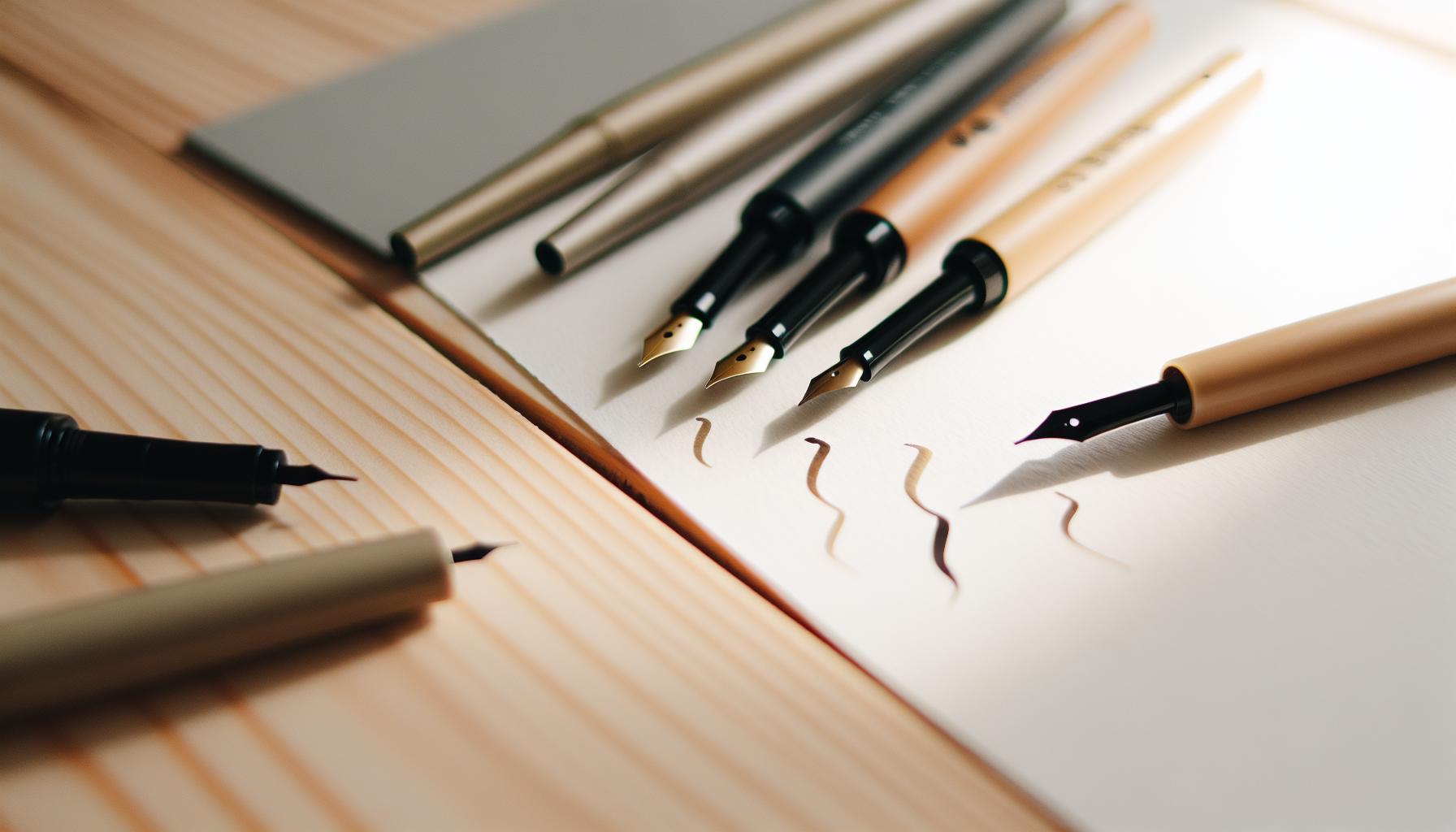
How to Choose the Right Pen for Your Style
Choosing the right pen can feel like finding a needle in a haystack-especially for beginners diving into the world of calligraphy. The perfect tool for your creative journey hinges on your unique style and the techniques you want to explore. To simplify the process, start by considering the type of calligraphy you want to practice. Are you drawn to the elegance of traditional scripts, or are you excited about modern brush lettering? Your choice of pen should align with your artistic vision.
One effective way to narrow down your options is to think about the kind of line variation you enjoy. If you want to create bold, expressive strokes with varying thickness, brush pens like the Tombow Fudenosuke are a fantastic choice. Their flexible tips allow you to easily switch between delicate lines and more dramatic swells. For those leaning towards more structured letters, a dip pen set like the Speedball, which comes with multiple nibs, will provide the control needed for precise, elegant writing.
It’s also essential to consider your comfort and ease of use. For beginners with limited experience, tools like Papermate Flair Felt Tip Pens can provide an easy entry point into lettering without the mess of ink. These pens allow for practice on a budget while still delivering decent line variation. If you’re keen on experimenting with different styles and techniques, the Pilot Parallel Pen offers versatility with its flat nib, making it perfect for both classic and modern calligraphy without the steep learning curve.
Ultimately, the best way to find your ideal pen is through experimentation. Don’t hesitate to try out different options at your local crafts store or purchase a few different types online. Each pen will bring something unique to your practice, and discovering what works for you can be an enjoyable part of mastering the art of calligraphy. Keep an open mind, and let your creativity flourish with the tools that feel right in your hands!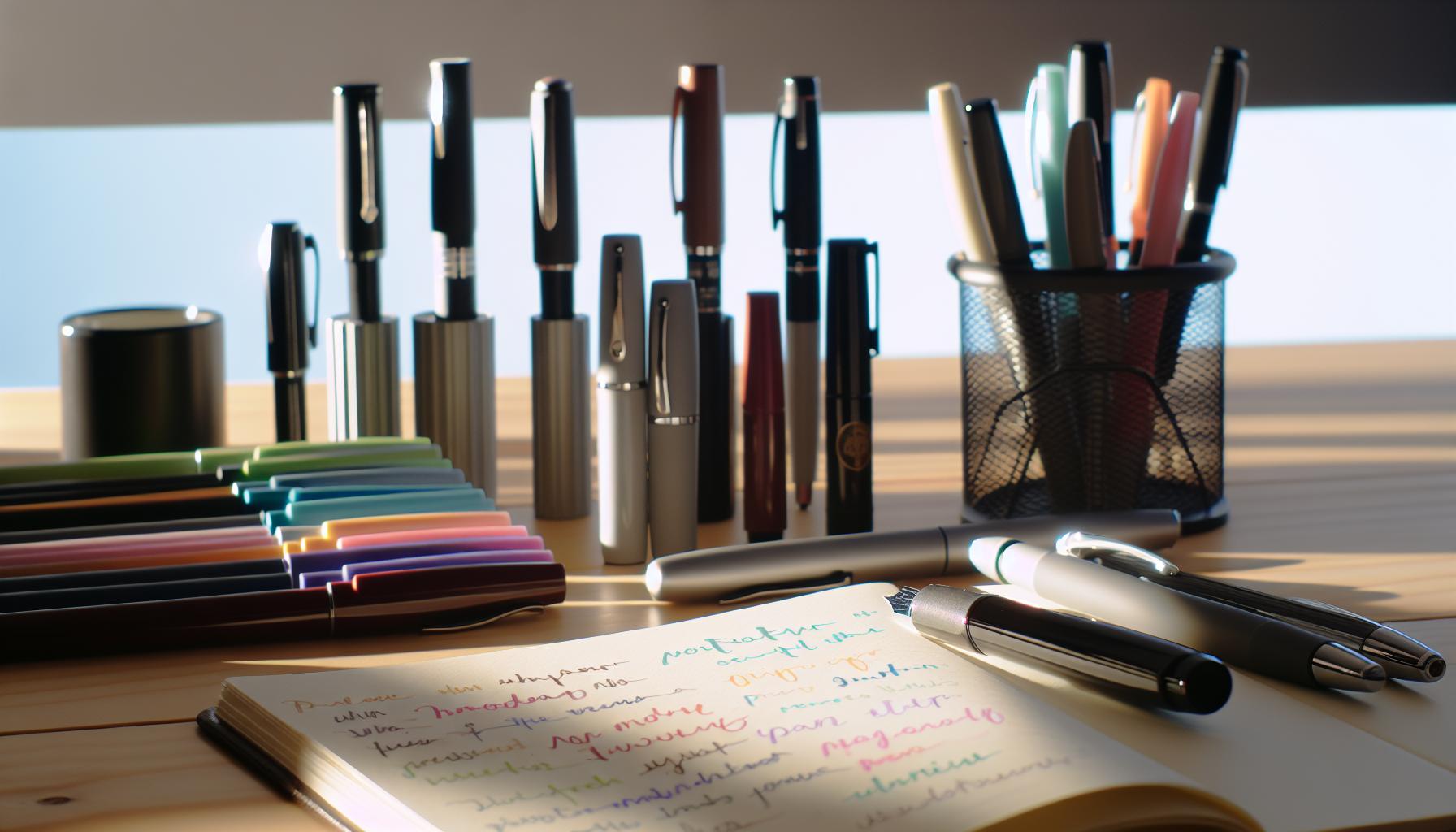
Inks Matter: Best Choices for Calligraphy
Choosing the right ink for your calligraphy is as crucial as selecting the perfect pen. The right ink can drastically affect the flow, color, and overall appearance of your work. For beginners, it’s essential to get familiar with the types of inks available and how they influence your calligraphy style.
Start with black inks, which are versatile and commonly used. The Winsor & Newton Calligraphy Ink is highly recommended for its rich density and smooth flow, making it beginner-friendly while delivering sharp, crisp lines [[2]]. If you’re aiming for classic styles, this ink will complement your efforts beautifully.
As you explore other colors, consider iridescent and metallic inks to add a unique flair to your projects. The PearlEx and Dr. PH Martin iridescent inks are fantastic options, providing a shimmering effect that can elevate your calligraphy to a new level of elegance [[1]]. These inks are especially great for festive occasions or special projects where you want to create a standout piece.
For watercolor lovers or those who enjoy blending and creating washes, Ziller Soot Black is a top choice. It mixes well with water and maintains its rich dark pigment, adding depth to your calligraphy practice Basic Calligraphy Techniques for Beginners Starting your journey into calligraphy can be incredibly rewarding, and mastering a few basic techniques is key. Whether you’re using a broad edge nib or a pointed pen, understanding the fundamentals will set you up for success. One of the first things to grasp is the baseline, which is where your letters should sit. This gives your writing structure and helps keep it neat. You also need to be aware of the ascender line and cap line. The ascender line indicates how high letters like “b” or “h” should extend, while the cap line defines the height of capital letters. Another essential aspect to consider is the angle at which you hold your pen. The pen angle impacts the thickness and style of your strokes. Most techniques benefit from maintaining a consistent angle relative to the baseline. This is where practice comes in. Start with simple strokes. Try making straight lines, curves, and loops; these are the building blocks of calligraphy. As you get comfortable, you’ll find it easier to form letters fluidly. When it comes to your strokes, be aware of how much pressure you apply. Varying the pressure can drastically change the line thickness, allowing you to create a range of visual effects. Light pressure yields thin lines, while greater pressure results in thicker strokes. As you practice, you’ll start feeling more comfortable with how much pressure to use for each stroke and angle, resulting in beautifully dynamic letterforms. Don’t shy away from practicing various styles and techniques. It’s part of the beauty of calligraphy! Consider setting aside time daily to practice. You can use guidelines and templates to help maintain consistent sizes and angles. As you evolve, challenge yourself with different alphabets or even create custom styles that reflect your personality. Remember, there’s no right or wrong in art-only discovery. These foundational techniques in calligraphy will not only enhance your skills but also allow for personal creativity to emerge. Embrace the learning process and enjoy every stroke! Jumping into calligraphy is exciting, but it can also lead to some common pitfalls that can frustrate beginners. Many newcomers tend to underestimate the importance of their tools, especially the pen. Using the wrong pen for your style can result in uneven strokes and hinder your progress. Make sure to choose a pen that suits your preferred technique-broad edge nibs are fantastic for traditional scripts, while pointed pens are great for graceful modern lettering. It’s all about finding what feels comfortable for you. Another frequent mistake is neglecting the fundamentals, like pressure control and angle consistency. Beginners often press too hard or angle their pens incorrectly, leading to inconsistent line widths. Remember, varying pressure creates the characteristic contrast in calligraphy. Start with simple strokes to practice this; think of it as building muscle memory before moving on to letters. If you find yourself struggling, try slowing down-quality over speed is essential when mastering your technique. Alignment and guidelines are your best friends. Many learners overlook the importance of using a baseline and ascender/cap lines. These guidelines keep your writing uniform and visually appealing. Without them, your letters can end up too tall or slanted, which creates an unpolished look. Use light pencil lines or printed templates to maintain consistency until you feel confident enough to write freehand. Lastly, don’t forget to practice regularly. It’s tempting to skip practice when you feel discouraged by imperfections, but persistence is key. Each stroke helps you improve. Set aside time daily, and don’t hesitate to experiment with different styles. Join online communities or forums for feedback-they can be invaluable in your learning journey. Embrace your mistakes; they’re an essential part of the process. Calligraphy is not just about creating beautiful letters-it’s about enjoying the journey, too. Diving into the world of calligraphy opens a treasure trove of different styles, each with its unique flair and purpose. Whether you’re drawn to the elegance of Copperplate or the boldness of Gothic, understanding these styles helps you determine your personal aesthetic and choose the right pen for your journey. Here’s a quick look at some popular calligraphy styles and what you might need as a beginner. Your choice of style will influence not only the aesthetic of your work but also your choice of tools. For instance, if Copperplate catches your eye, you’ll want a flexible pointed nib that allows for delicate variation in line widths. On the other hand, if you prefer Gothic, a stiffer broad-edged nib will likely suit you best. Don’t hesitate to experiment! Many calligraphy enthusiasts find joy in blending styles or adapting traditional techniques to create something uniquely theirs. As you embark on your calligraphy adventure, consider exploring online communities and tutorials. Websites and platforms offer countless resources to help you refine your technique while allowing you to connect with others who share your passion. Remember, each style has its own charm, and the best pen is the one that feels right in your hand. Happy writing! Taking care of your calligraphy pens is essential to achieving the best results and extending the life of your tools. While it might seem like a hassle, proper maintenance is pretty straightforward and can drastically enhance your calligraphy experience. You’ll want to keep your pens clean, store them correctly, and know when to replace parts to keep them in tip-top shape. Start with cleaning your pens after each use. If you’re using dip pens, rinse the nibs in cool water, then gently wipe them with a soft cloth. Avoid using hot water or scrubbing pads, as they can damage the nib. For fountain pens, flush the feed and nib with water, using a bulb syringe if necessary, and ensure nothing is clogging the ink flow. Remember, dried ink is a calligrapher’s worst enemy, so a quick wash goes a long way in preventing stubborn build-up. Correct storage is just as important. Always place your pens in a case or holder to protect them from dust and accidental damage. If you’re using a nib holder, store it upright with the nib facing down to prevent any bending. When it comes to ink, keep bottles tightly sealed and stored in a cool, dark place to maintain their quality. Light and temperature fluctuations can affect the viscosity and color of your inks, impacting your calligraphy work. Lastly, don’t neglect to check the condition of your nibs. If they start to feel scratchy or aren’t producing a consistent line, it might be time to replace them. Nibs can wear out or get damaged over time, especially if you’re practicing regularly. Investing in a few extra nibs gives you the freedom to swap them out when needed without interrupting your flow. By incorporating these simple maintenance habits, you can ensure your calligraphy pens remain in excellent condition, allowing your creativity to shine through every stroke. Happy lettering! Finding the right calligraphy pen is crucial for both beginners and seasoned artists. When it comes to buying calligraphy pens online, you have a wealth of options that cater to different styles and preferences. One of the best places to start is by visiting specialized art supply retailers, which offer a diverse range of pens designed specifically for calligraphy. Websites like Paper and Ink Arts provide a curated selection of calligraphy pens and holders that suit both beginners and experienced calligraphers alike. Here, you can find everything from traditional dip pens to modern brush pens, ensuring you can explore various techniques. Another excellent source for calligraphy supplies is Goldspot Pens. This site features an extensive collection of calligraphy pens that includes bestsellers and unique options, making it easy for you to choose what resonates with your style. Plus, customer reviews and detailed product descriptions can help guide your choices. Don’t overlook platforms like Amazon, where you can filter your search based on ratings and reviews. It’s a marketplace where established brands and niche suppliers converge, providing the best of both worlds. Look for bundles that include ink and nibs to save you some money and get everything you need in one go. Finally, social media groups and forums can be a treasure trove of recommendations. Many calligraphy enthusiasts share their favorite online shops, allowing you to discover lesser-known vendors offering high-quality products. So, dive in, compare your options, and get ready to unleash your creativity with the perfect pen! When starting your journey in calligraphy, having the right supplies beyond just pens can make a significant difference in your practice and results. A well-rounded toolkit can elevate your work and keep frustration at bay. Here’s what you should consider adding to your calligraphy arsenal. First off, invest in quality paper. Regular printer paper just won’t cut it, as it can lead to unsightly bleeding and feathering of ink. Look for smooth, bleed-proof paper designed for calligraphy, like Bristol board or watercolor paper. These options provide a sturdy surface that handles ink beautifully, allowing your strokes to shine and your creations to last. Next, think about your ink choices. Different inks behave differently on paper and with various nibs, so it’s worth experimenting. For beginners, you might start with bottled calligraphy ink, which is thick and lends itself to smooth application. If you aim for flexibility, try using ink cartridges designed for fountain pens; they’re easy to change and don’t create much mess. Adding a few essential tools can enhance your setup, too. A pencil and eraser for sketching out your designs before inking, a ruler for straight lines, and a compass for circles are all helpful. Markers, such as a bone folder or a retracing knife, can help with clean edges and details in your work. Lastly, consider including a pen holder if you’re using dip pens. This tool is essential for proper grip and control, which can significantly improve your strokes. There are various styles, so it’s worth trying a few to see what feels most comfortable. In summary, equipping yourself with the right paper, ink, tools, and a comfortable pen holder will not only streamline your practice but also enhance your calligraphy experience. Dive into these supplies, and watch as your creativity flourishes! When you dive into calligraphy, inspiration can be just as crucial as the tools you use. It’s about connecting with others who share your passion and learning from a treasure trove of resources that keep your creativity alive. There are online communities, free resources, and educational content designed specifically for beginners, which can greatly enhance your learning process. Start by exploring websites such as Calligraphy Masters, which offers a comprehensive resource pack that includes practice sheets and worksheets across various scripts. These materials are invaluable for honing your skills and understanding different styles.[1] Additionally, Logos Calligraphy provides links to favorite supplies and downloads that can aid your journey, making essential tools easily accessible.[2] Don’t forget to connect with other enthusiasts. Platforms like Instagram and Pinterest are filled with stunning calligraphy art and tutorials that can spark ideas. Searching specific hashtags, like #calligraphycommunity or #moderncalligraphy, will lead you to talented artists who share their tips and techniques. Engaging with these creators can give you fresh perspectives and direct feedback on your work. Consider joining online forums or local workshops. Many communities offer group classes, either virtually or in-person, where you can learn directly from experienced calligraphers. Workshops not only develop your skills but also introduce you to a network of fellow learners who can provide support and motivation. Making these connections is invaluable; you’ll share challenges, celebrate successes, and inspire each other along the way. Embrace these resources and communities as you begin your calligraphy journey. With support at your fingertips, you’ll not only improve your skills but find joy in the creative process itself. A: The best calligraphy pen for beginners is usually a broad-edged pen, as it allows for a range of styles and is easy to control. These pens are great for learning fundamental techniques and are versatile for various calligraphy styles. Explore your options in the “Top 5 Calligraphy Pens for Beginners” section for specific recommendations. A: To choose a calligraphy pen, consider your preferred style, nib type, and ink compatibility. Broad-edged pens are great for traditional styles, while pointed pens are ideal for intricate scripts like Copperplate. Check out the “How to Choose the Right Pen for Your Style” section for further help. A: Pointed calligraphy pens feature a flexible tip that excels in creating delicate lines and flourishes, while broad-edged pens have a flat nib that produces bold strokes suitable for modern and classic scripts. Each serves different calligraphy styles, so select based on your interest. A: Yes, fountain pens can be suitable for calligraphy, especially those with interchangeable nibs. They provide a smooth writing experience and are easy to refill. Look for models that allow nib customization to achieve better flourishes. A: While you can use regular ink, it’s best to choose inks specifically formulated for calligraphy. These inks flow better and dry quickly, helping to prevent smudging. Refer to the “Inks Matter: Best Choices for Calligraphy” section for recommendations. A: Common mistakes include applying uneven pressure, rushing strokes, and not practicing consistently. Focus on mastering basic techniques and stability in your grip. “Common Mistakes in Calligraphy and How to Avoid Them” offers tips to refine your practice. A: You can find calligraphy pen sets at art supply stores, online retailers like Amazon, or specialized stationery shops. Check the “Where to Buy Calligraphy Pens Online” section to discover reputable sources for beginner-friendly sets. A: Paper choice is crucial in calligraphy. Smooth, high-quality paper helps achieve clean lines and prevents ink bleed. Experiment with different types of paper to find what works best for your pen and style. Ready to start your calligraphy journey? No matter which pen you choose, the right tools will set the stage for beautiful creations. Don’t wait-pick your perfect beginner’s pen today and dive into the world of elegant lettering! Explore more about essential calligraphy supplies in our guide on Choosing the Right Paper for Calligraphy or learn how to elevate your skills with our article on Mastering Basic Calligraphy Strokes. If you have questions or want to share your progress, leave a comment below-your experiences could inspire someone else! For ongoing tips and tricks straight to your inbox, don’t forget to sign up for our newsletter. Let’s create something beautiful together!Pressure Application
Practice Makes Perfect
Common Mistakes in Calligraphy and How to Avoid Them
Exploring Different Calligraphy Styles
Popular Calligraphy Styles
Choosing Your Style
Maintaining Your Calligraphy Pens: Tips and Tricks
Where to Buy Calligraphy Pens Online
Building Your Calligraphy Toolkit: Additional Supplies
Inspiration for Beginners: Resources and Communities
Faq
Q: What type of calligraphy pen is best for beginners?
Q: How do I choose a calligraphy pen?
Q: What is the difference between pointed and broad-edged calligraphy pens?
Q: Are fountain pens suitable for calligraphy?
Q: Can I use regular ink with calligraphy pens?
Q: What are common mistakes beginners make in calligraphy?
Q: Where can I find calligraphy pen sets for beginners?
Q: How important is paper choice in calligraphy?
Key Takeaways