
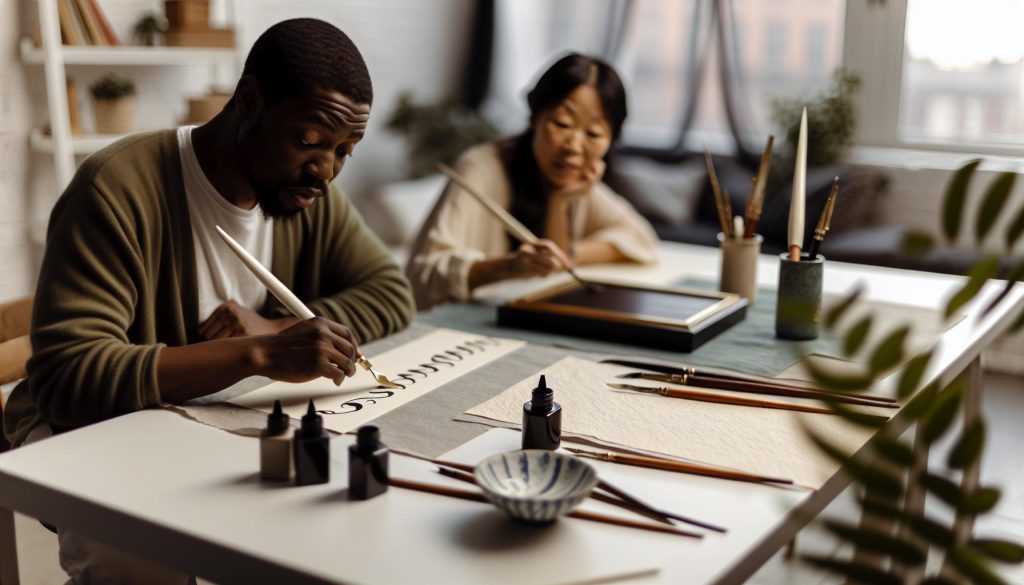
Unlocking the art of calligraphy isn’t just for artists; it’s a skill that can elevate your everyday writing into something truly special. Whether you want to impress with beautifully penned invitations or simply enjoy the meditative flow of ink on paper, knowing how to use a calligraphy pen is your first step.
In just a few minutes, you can learn the basics that will have you creating stunning letters and designs. Many beginners find the thought of starting daunting, but with the right guidance and tools, it becomes an enjoyable, fulfilling journey. This guide will take you through everything you need to master calligraphy quickly-setting you on a path to transforming your writing into art. So, grab your pen, and let’s dive into the graceful world of calligraphy together!
How to Choose the Right Calligraphy Pen for You
Choosing the right calligraphy pen can be a game changer for your writing journey. It’s essential to find a pen that feels good in your hand and meets your artistic needs. With so many options available, new calligraphers often find themselves overwhelmed. Let’s break down the key factors to consider when selecting your ideal tool.
Understand the Types of Calligraphy Pens
Calligraphy pens generally fall into two categories: fountain pens and dip pens. Fountain pens, like the Pilot Parallel or Sailor Compass, offer the convenience of ink cartridges or converters, making them easy to use and maintain. They’re great for beginners because they provide a smooth writing experience with minimal fuss over ink control. Dip pens, on the other hand, involve dipping a nib into ink, offering greater flexibility and the ability to experiment with various nibs for different styles and line variations. If you’re a beginner, starting with a fountain pen can help you gain confidence before transitioning to dip pens for more intricate work.
Consider the Nib Types
Nib choice is crucial in achieving the desired style. Different nibs offer various widths and flexibilities, which greatly impact your lettering. For instance, pointed nibs are fantastic for modern calligraphy because they allow for dramatic thick and thin strokes. Flat or broad nibs produce a more traditional look, suitable for classical scripts. For versatility, look for sets that provide a range of nib sizes. Remember, your nib will directly affect how your style develops, so don’t hesitate to experiment!
Grip and Comfort Matter
How a pen feels in your hand is just as important as its design. A comfortable grip helps reduce fatigue, especially during long practice sessions. Many calligraphy pens are designed ergonomically, but it’s wise to test different styles. Some pens come with grips made from rubber or soft materials to enhance comfort.
In sum, take your time to explore the options available. Whether you lean towards fountain pens for their convenience or dip pens for their versatility, understanding your preferences will drastically enhance your calligraphy experience. Start simple, find what resonates with you, and you’ll be well on your way to creating beautiful lettering.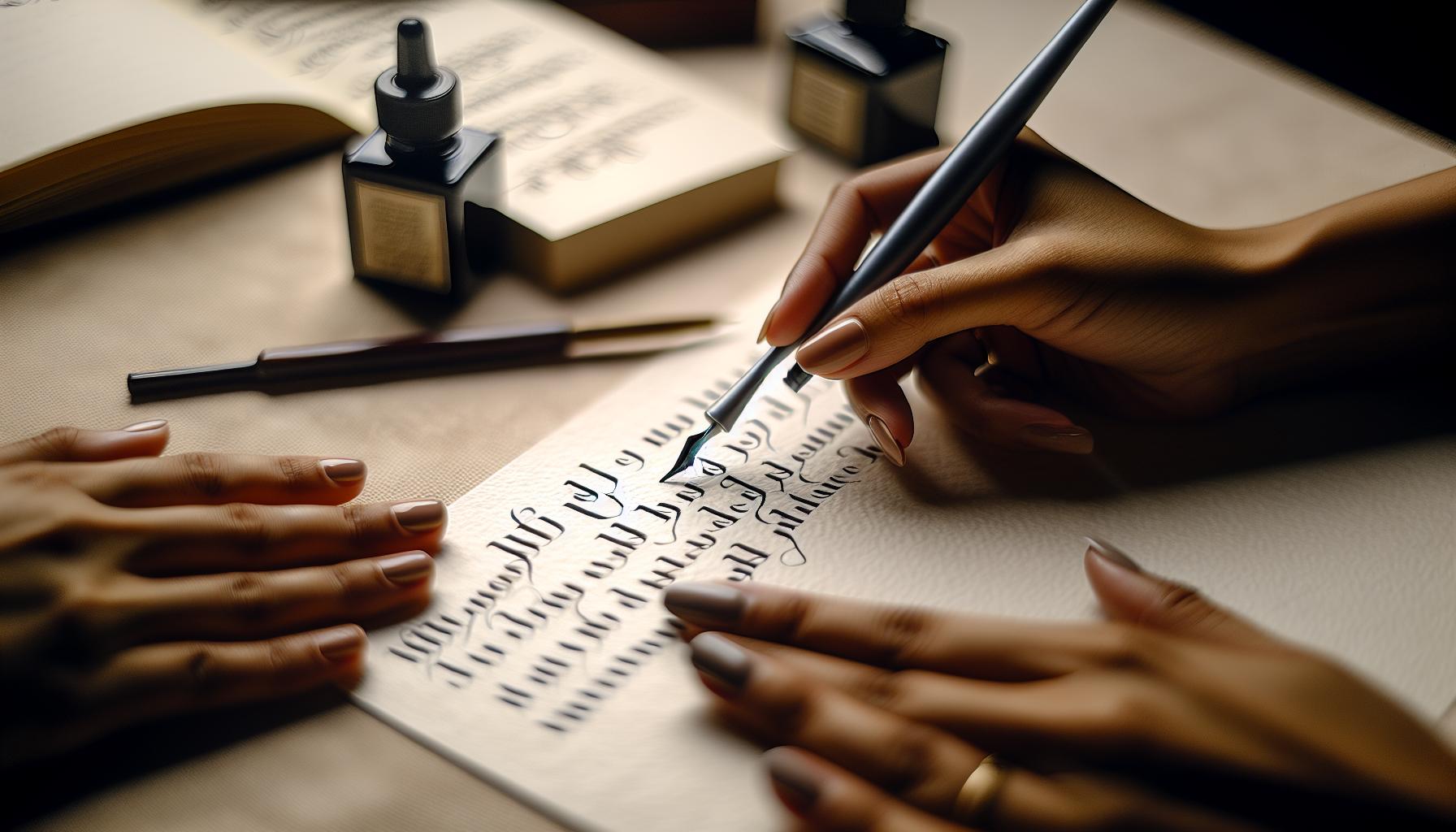
Understanding Calligraphy Pen Basics
Choosing the right calligraphy pen is crucial to your journey into beautiful writing. If you’re new to the world of calligraphy, understanding the basics of pens, nibs, and their functionalities can significantly impact your practice and enjoyment.
A good starting point is familiarizing yourself with the two primary types of calligraphy pens: fountain pens and dip pens. Fountain pens, such as the Pilot Parallel, are user-friendly because they’re pre-filled with ink and require minimal maintenance. They’re perfect for beginners, as you won’t have to deal with ink spills or frequent dipping. On the flip side, dip pens offer more versatility. You dip them into ink, allowing you to switch between different nibs for various styles and effects. This can be daunting at first, but it’s incredibly rewarding once you get the hang of it.
Next, the nib is perhaps the most critical component of your pen. It determines the width and style of the strokes you can create. Broad nibs are excellent for traditional calligraphy styles, producing thick, uniform lines. In contrast, pointed nibs are ideal for modern calligraphy as they allow for dramatic variations in line thickness. Many calligraphers opt for nibs that come in sets, providing a variety that can adapt to different styles and preferences. Experimenting with different nibs will help you discover what feels right for your unique lettering style.
Finally, comfort should never be overlooked. The grip of your pen affects not only your writing experience but also your performance and endurance during practice sessions. Look for pens that feel good in your hand, and don’t hesitate to try different styles to find the one that allows for a smooth flow of motion without causing fatigue. Remember, the right tools will boost your confidence and creativity as you create gorgeous calligraphy. Take your time-finding the right pen can elevate your artistry and make the learning process more enjoyable.
Mastering Calligraphy Grip and Posture
Mastering the grip and posture when using a calligraphy pen can dramatically enhance your writing experience and outcomes. The way you hold your pen isn’t just about comfort; it directly affects control, stroke quality, and the artistry of your letters. Start by holding the pen with a relaxed grip, just firm enough to maintain control without forcing it. This will help prevent fatigue, allowing you to write longer without strain. Aim for a hold that feels natural; if your fingers are too tense, adjust until you find a balance.
Position your pen at an angle of about 45 degrees to the paper. This isn’t a strict rule, but it’s a guideline that many calligraphers find useful for achieving the right flow and preventing the nib from skipping. Your fingers should rest gently on the pen, with your thumb slightly on one side and your index finger pressing it from the other side. This positioning allows for better mobility of the pen while ensuring that you apply the right amount of pressure during upstrokes and downstrokes. Keep your middle finger steady against the barrel of the pen for added support.
Posture also plays a critical role in calligraphy. Sit up straight with your shoulders relaxed. Your forearm should rest on the table, providing a secure platform while your wrist does the delicate work of guiding the pen. Avoid hunching over; instead, lean slightly forward from the hips to maintain a comfortable distance to the page. If you find your wrist bending awkwardly, adjust your seating or the height of your writing surface until you find a position that feels both comfortable and advantageous to your writing style.
Remember, practice is key. Spend a few minutes daily focusing solely on your grip and posture; you’ll quickly see improvement in your control and the fluidity of your writing. A few simple adjustments can make a world of difference, helping you write with confidence and creativity.
Essential Calligraphy Techniques for Beginners
To create stunning calligraphy, you don’t need to be an artist-just a willingness to practice and learn the essential techniques. The key is to focus on mastering basic strokes, as these are the building blocks of elegant lettering. Start with familiarizing yourself with different nibs and their effects. A broad-edged nib is fantastic for creating that classic calligraphy look, with its ability to produce both thick and thin lines based on the pressure you apply. Experiment with pen angles; a slight tilt can dramatically change the outcome of your strokes.
Here are a few foundational techniques to get you started:
- Hairline Strokes: These are ultra-thin lines created by very light pressure. Practicing these helps improve your control and builds a steady hand.
- Downstrokes and Upstrokes: Downstrokes should be heavy and broad, while upstrokes are lighter. This contrast is crucial for developing the characteristic look of calligraphy.
- Letter Formation: Break down letters into simple shapes and practice them individually. Begin with basic letters like ‘o’, ‘d’, and ‘l’, and then combine them to form more complex characters.
Adding rhythm to your strokes can enhance the dynamism of your writing. Try to maintain consistent spacing between your letters and lines; this not only looks cleaner but also makes your writing more appealing. Setting up guideline sheets can help you align your work and maintain uniformity across different pieces.
Lastly, don’t shy away from making mistakes. They’re not just inevitable-they’re part of the learning curve. Document your progress by keeping your early work. Look back to see how far you’ve come, and identify specific areas for improvement. With dedication and a little creativity, you’ll be crafting beautiful lettering in no time!
Exploring Different Calligraphy Styles
can be both exciting and daunting. Each style carries its unique flair and emotional resonance, which can elevate your writing from basic to breathtaking. Whether you’re drawn to the elegance of Copperplate or the boldness of Blackletter, understanding these styles helps you express your creativity while honing your skills.
Start with Copperplate, well-loved for its graceful curves and flourishes. This script involves fine hairlines combined with dramatic thick downstrokes, creating an elegant contrast. It’s often used in formal invitations and personal stationery, making it ideal for those wanting to add a touch of sophistication to their writing. To practice, focus on maintaining a consistent pen angle and pressure, which is key to achieving its flowing look.
Then there’s Blackletter, known for its gothic style characterized by its thick and thin lines and sharp, angular shapes. It’s visually striking, often associated with historical contexts, and can impart a strong, dramatic look to any piece. Start by practicing the individual letterforms, as they each require a distinct approach to stroke and spacing. This style can be fantastic for adding an old-world charm to your projects.
If you prefer something less formal, Italic is a popular choice for its readability and elegant slant. It strikes a balance between classical beauty and practical use, making it great for everyday writing as well as special projects. Its flowing lines are perfect for adding a personal touch to letters or art pieces.
Uncial is another captivating option, with its rounded, free-form letters derived from ancient manuscripts. This style is more forgiving than Blackletter or Copperplate, making it a great starting point for beginners who still want to explore artistic lettering without feeling constrained.
To delve deeper into your calligraphy journey, experiment with combining styles. Mixing Copperplate’s elegance with Blackletter’s boldness can lead to stunning results. Keep training by using various tools and papers, as these can significantly affect the outcome of your work.
Remember that while perfection is a common goal, the beauty of calligraphy lies in its imperfections and personal touch. Each style not only enhances your writing but also invites you to express your individuality. Embrace the process, and have fun with it!
Common Mistakes and How to Avoid Them
Common mistakes can trip up even the most enthusiastic beginners in calligraphy, but don’t let that deter you! Knowing what to avoid can mean the difference between frustration and joy in your practice. Here are some of the most frequent pitfalls and how to sidestep them.
First off, improper grip is a huge issue. Many beginners tend to grip their pens too tightly, which can lead to fatigue and poor control. Instead, hold your pen lightly, allowing your fingers to guide it rather than clamp down on it. This relaxed grip will give you more flexibility and fluidity in your strokes.
Another common mistake is inconsistent pressure. Calligraphy depends on varying pressure for achieving those beautiful thick and thin lines. If you’re pressing down too hard all the time or not applying enough pressure, you won’t get the desired effects. Focus on how you apply pressure-it helps to practice on scrap paper before committing to your final piece. Keep your movements deliberate and controlled.
Then there’s the issue of not practicing basic strokes. Many aspiring calligraphers jump straight into writing letters without mastering the fundamental strokes first. These basic strokes form the building blocks for all letter shapes. Spend time practicing them so that when you move on to forming letters, you’ll have confidence in your techniques.
Finally, avoid inconsistent spacing and alignment. If your letters are too close together or unevenly spaced, the overall look of your work will suffer. Use guidelines lightly drawn in pencil to help maintain uniform spacing and alignment, which will give your writing a polished, professional finish.
By being aware of these common mistakes and making a conscious effort to correct them, you can significantly improve your calligraphy skills and enjoy the process even more. Remember, practice makes progress, so keep pushing through the learning curve!
Tips for Practicing Calligraphy Effectively
Making progress in calligraphy doesn’t have to feel overwhelming. Here are some practical tips to elevate your practice sessions and make every stroke count. Practice regularly-even short, daily sessions of 20 to 30 minutes can lead to significant improvement over time. Consistency is key; it’s better to practice a little every day than to cram sessions infrequently.
Focus on your fundamentals. Before diving into full letters, spend time practicing basic strokes. These foundational elements-like upstrokes, downstrokes, and turns-are the building blocks for all calligraphy letters. Devote specific practice time to these strokes until they feel comfortable and natural. You’ll find that strong basic strokes improve the quality of your letterforms.
Consider creating a structured practice plan. Set specific goals for each session, whether it’s mastering a certain letter, focusing on spacing, or experimenting with pressure variations. This focused approach helps you target specific skills, leading to faster progress. Additionally, track your progress visually; keeping a practice log or a portfolio can provide motivation and show your improvement over time.
Finally, don’t forget to experiment and have fun. Try different pens, inks, and paper types to discover what you enjoy most. Explore various styles and don’t hesitate to incorporate elements of other art forms into your calligraphy. Remember, every mistake is just a step toward mastery. Enjoy the journey, and celebrate your unique style as it evolves!
Creating Beautiful Lettering: Advanced Techniques
Creating beautiful lettering isn’t just about having the right tools; it’s about mastering techniques that elevate your calligraphy into art. One of the best ways to stand out is to focus on advanced techniques that will enrich your writing style, allowing you to express your creativity fully. Whether you’re embellishing a wedding invitation or designing your own stationery, these tips will enhance both your skill and your style.
Understanding Flourishes
Flourishes add that wow factor to your work, turning simple letters into intricate eye-catching designs. To start, experiment with adding extended loops or swirls to the ends of your letters. Focus on balance and movement; each flourish should enhance the letter without overwhelming it. Remember to practice these flows at a slower pace until they feel natural. As you gain confidence, play with different types of flourishes. For example, a playful loop for casual writing or elegant curls for formal work can create different moods in your pieces.
Incorporating Varying Stroke Pressure
Another powerful advanced technique is mastering pressure variations. Calligraphy is all about contrast; pairing thick downstrokes with delicate upstrokes creates visual interest. Start by practicing your basic strokes with varying pressure on your nib. When you press down, you’ll create a thicker line, while a lighter touch yields thin strokes. This differentiation is crucial in achieving the character of traditional calligraphy. Be patient and allow yourself time to master this technique; the results will speak for themselves, offering a dynamic quality that captivates viewers.
Experiment with Color and Texture
Don’t shy away from introducing color and diverse textures to your calligraphy. Using colored inks or incorporating metallic accents can instantly transform a piece. Consider mixing brush lettering with traditional nibs for a fresh take. For texture, experiment with different papers; rough, handmade paper can create a rustic feel, while smooth, glossy sheets lend a more modern touch. Layering your designs with color can also help sections stand out. For instance, using a gradient effect on your letters can highlight certain words or phrases, guiding the eye in meaningful ways.
Incorporating these advanced techniques into your practice will not only refine your skills but also help you develop your own unique style. It takes time and experimentation, but don’t be afraid of making mistakes along the way; they’re part of the creative process. Your journey in mastering beautiful lettering will be a rewarding one, filled with self-discovery and artistic expression.
Using Ink and Paper for Best Results
The right ink and paper can make all the difference in your calligraphy journey. Choosing high-quality materials not only enhances your writing experience but also elevates the final result of your work. Whether you’re crafting elegant invitations or practicing alphabet strokes, understanding how ink and paper interact is crucial.
To start, consider the type of ink you use. Inks specifically designed for calligraphy provide a smoother flow and more consistent results than regular fountain pen ink. Look for non-waterproof inks if you’re using a dip pen; these inks can dry quickly without smudging and are easy to clean from your nib. Experimenting with different brands can help you find a formula that works well with your specific nib type and creates the visual effect you desire. Additionally, bringing in colored inks can introduce a new layer of beauty to your lettering, offering opportunities to create vibrant and unique pieces.
Regarding paper, your choice can greatly affect how the ink behaves. Smooth, high-quality papers allow your nib to glide effortlessly, preventing scratching and ensuring clean lines. Look for papers specifically labeled for calligraphy or smooth drawing papers with a weight of at least 90gsm. Practice papers are great for initial strokes, but if you’re working on a final piece, investing in a heavier paper will prevent bleed-through and ensure that your work remains vibrant over time.
Keep in mind that texture matters, too. Papers with a slight texture can add character to your letters, but too much texture can disrupt the flow of your strokes. It’s all about finding the balance that works for your style. For instance, consider trying watercolor paper for a softer look or handmade papers for a rustic charm. Often, the combination of specific inks on chosen paper types can yield truly stunning results, so don’t hesitate to experiment!
In summary, investing time in selecting the right ink and paper will pay off tenfold in your calligraphy practice. Your materials should inspire confidence and creativity; perfecting this aspect of your practice will ultimately lead you to master beautiful writing faster than you might expect.
Inspiration: Calligraphy Projects to Try
Calligraphy isn’t just a skill; it’s a powerful form of expression that can elevate everyday items into beautiful works of art. If you’re looking for inspiration to put your calligraphy skills to good use, consider these engaging project ideas that will not only challenge you but also provide stunning results.
Start simple with personalizing everyday items. You can transform plain envelopes into unique mail by adding calligraphic addresses. This small detail makes a big impact, and your recipients will appreciate the extra touch. Another great project is creating handwritten labels for jars in your kitchen. Whether you store spices, cookies, or homemade jams, these labels get a lovely calligraphic twist that adds character to your pantry.
For special occasions, consider crafting greeting cards. Birthdays, anniversaries, or just-friends’ encouragement cards can all benefit from your beautiful lettering. Handwritten quotes or personalized messages can really resonate. If you want to make something more elaborate, design a wedding invitation. The elegance of calligraphy lends itself beautifully to formal invites, allowing you to impress guests with your artistic flair.
Want to take your skills further? Try creating a piece of wall art. Choose a meaningful quote or phrase, then apply your calligraphy on high-quality paper or canvas. Frame your creation to enhance your home’s decor or gift it to someone special. Seasonal projects, like holiday decorations or themed place cards during family gatherings, are also a fun way to practice.
In summary, the possibilities are endless when it comes to calligraphy projects. You can make your practice enjoyable and productive while also creating items of beauty. So gather your pens, choose a project, and let your creativity flow!
Transitioning from Beginner to Pro in Calligraphy
Every calligrapher starts somewhere, but the leap from the basics to mastery can be exhilarating and intimidating all at once. To transition from a beginner to a pro in calligraphy, it’s crucial to refine your skills, broaden your techniques, and immerse yourself in the artistry of this beautiful craft. The very essence of calligraphy lies not just in writing well but in developing an individual style that resonates with your artistic voice.
Sharpen Your Techniques
Focus on perfecting fundamental techniques first. This means regularly practicing basic strokes and refining your grip and posture. Try dedicating a portion of your practice time to exercises specifically targeting problem areas. For instance, if you find consistency challenging, create repetitive stroke patterns. This not only builds muscle memory but also reinforces control. Techniques like varying your pressure with broad edge pens can add depth to your work; practice drawing thick downstrokes and thin upstrokes to understand how pressure affects line width.
Explore Diverse Styles
Don’t limit yourself to one style of calligraphy. Investigate various scripts like Copperplate, Gothic, and Modern calligraphy. Each style has its character and challenges, giving you a broader aesthetic to draw from as you develop your own signature look. Try recreating pieces from different traditions to see what resonates with you. This exploration can deepen your appreciation for the art and inspire innovation in your own work.
Embrace Feedback and Community
Engaging with other calligraphers is invaluable. Share your work on social media or in local workshops and seek constructive feedback. Seeing your work through another’s eyes is pivotal in identifying strengths and weaknesses. Join calligraphy communities online; they often provide a wealth of resources, inspiration, and motivation. Participating in challenges can also propel your skills forward; these often push you to try new techniques and reignite your passion.
Set Project Goals
Finally, why not set personal goals around projects? Choosing specific projects, like designing a wedding invitation or creating a piece of wall art, can give your practice a purpose. This approach encourages you to apply your skills in a real-world context, compelling you to step outside your comfort zone. Remember, every masterpiece was once a work in progress; don’t shy away from revisiting older pieces to see how far you’ve come.
Transitioning into professional territory involves dedication and a genuine love for the craft. Each stroke you make brings you closer to transforming your calligraphy from a hobby into an expressive art form-so pick up that pen and let your creativity flourish!
Resources and Tools for Continued Learning
There’s a treasure trove of resources and tools out there that can help elevate your calligraphy game, whether you’re just starting or looking to refine your technique. The right supplies can make all the difference. First off, invest in quality calligraphy pens. For beginners, fountain pens like the Pilot Parallel or the Sailor Compass are fantastic options. They offer a balance of control and ease of use. Once you get comfortable with ink flow and pressure, you might want to explore dip pens, which allow for a greater range of line variation [1].
Essential Supplies for Success
Your tools don’t stop at pens. The right nibs and tips can further enhance your writing experience. Shops like Tom’s Studio offer a wide selection of calligraphy nibs and replacement tips, ensuring you have just the right tool for your style [2]. Pair your pens with high-quality paper that suits your ink; smooth, bleed-proof paper can greatly improve the quality of your work.
Learn Through Exploration
Online platforms like The Postman’s Knock provide comprehensive guides that compare various calligraphy pens and styles. Use these resources to familiarize yourself with different techniques and styles, which can inspire your unique voice in calligraphy [3]. Workshops and online courses can also be invaluable. Look for local classes or webinars; hands-on guidance from experienced calligraphers can propel your skills better than practice alone.
Don’t forget to connect with the calligraphy community, whether through social media or local art groups. Sharing your work for feedback and inspiration keeps your passion alive and can lead to valuable friendships and mentorships. With the right tools and resources, you’ll find that mastering beautiful writing can indeed happen in just a matter of minutes-a journey worth every stroke of the pen.
FAQ
Q: What are the different types of calligraphy pens I should consider?
A: There are three main types of calligraphy pens: pointed nib, broad-edge, and brush pens. Each offers unique styles and techniques. Pointed nibs are great for elegant scripts, while broad-edge pens are perfect for traditional styles. Brush pens allow fluid strokes, ideal for modern lettering. Explore these options in the article’s “How to Choose the Right Calligraphy Pen for You” section.
Q: How can I fix shaky handwriting when using a calligraphy pen?
A: To reduce shakiness, ensure you have a comfortable grip and maintain a relaxed posture. Practice slow, controlled movements to build confidence. Additionally, utilize grid paper to guide your strokes. For more insights, refer to the “Common Mistakes and How to Avoid Them” section of the article.
Q: Why does my ink bleed when I use a calligraphy pen?
A: Ink bleeding often results from using the wrong paper or too much ink on the nib. To mitigate this, choose high-quality, absorbent paper. Also, ensure your nib is clean and not oversaturated with ink. You can find more tips in the “Using Ink and Paper for Best Results” section.
Q: When is the best time to practice calligraphy for the best results?
A: The best time to practice calligraphy is when you feel least distracted. Many find early mornings or quiet evenings ideal. Consistent practice, ideally daily for 15-30 minutes, helps in mastering the skill. Check the “Tips for Practicing Calligraphy Effectively” section for structured practice ideas.
Q: How can I create unique styles with my calligraphy pen?
A: To create unique styles, experiment with varying pressure on the nib and different angles while writing. Combining different pen types can also yield distinctive results. Explore various styles to find your voice in the “Exploring Different Calligraphy Styles” section.
Q: What common mistakes do beginners make with calligraphy pens?
A: Common mistakes include using improper grip, applying excessive pressure, and not practicing on suitable paper. These can result in inconsistent lettering. Refer to the “Common Mistakes and How to Avoid Them” section for detailed solutions.
Q: How often should I change the nib on my calligraphy pen?
A: Change your calligraphy nib when you notice it’s not performing well, such as skipping or uneven ink flow. With proper care, a good nib can last for several sessions. Check the “Using Ink and Paper for Best Results” section for maintenance tips.
Q: Why is posture important when using a calligraphy pen?
A: Good posture promotes better control and minimizes fatigue while writing. Sit comfortably with your feet flat on the ground and your elbows at a 90-degree angle. For a deeper dive, refer to the “Mastering Calligraphy Grip and Posture” section for optimal techniques.
The Way Forward
You’ve unlocked the secret to creating stunning calligraphy in just minutes! By mastering the basics of using a calligraphy pen, you can elevate your writing and impress everyone with your beautiful letters. Ready to take your skills to the next level? Explore our range of calligraphy pens that suit all styles and preferences, from beginner-friendly options to professional tools. Check out our latest resources on calligraphy techniques and discover