

Imagine transforming your unique designs into beautiful, custom washi tape, all from the comfort of your home. Washi tape, known for its versatility and aesthetic appeal, can elevate your craft projects, scrapbooking, or even gift wrapping. But purchasing endless rolls can get expensive. By learning how to print your own washi tape, you can save money, express your creativity, and ensure your supplies perfectly match your vision. This guide will walk you through the essential steps to create stunning washi tape that reflects your personal style and meets your crafting needs. Ready to dive in? Let’s unleash your creativity and turn those designs into reality!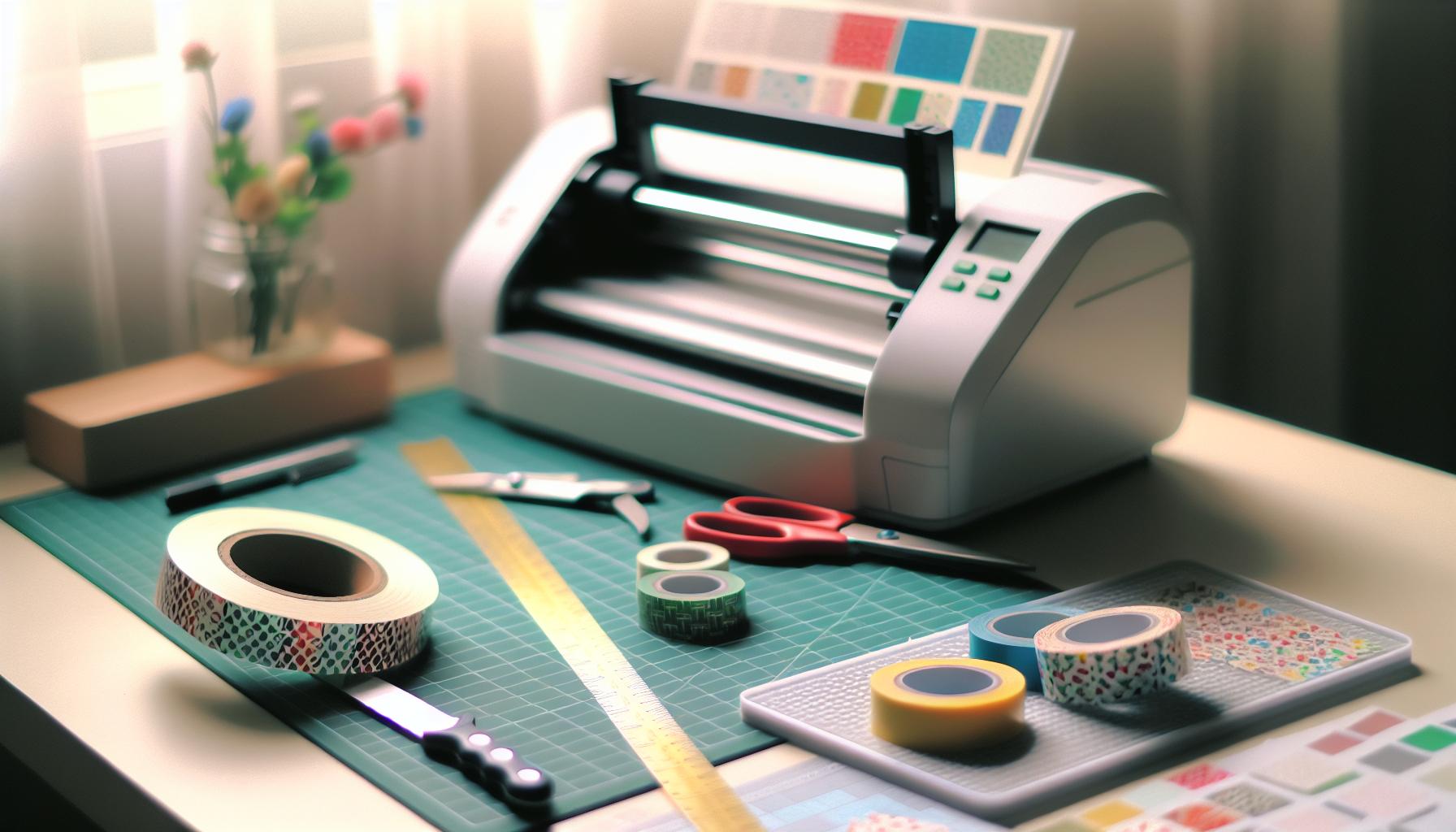
Choosing the Right Materials for DIY Washi Tape
When it comes to making your own washi tape, the right materials can make all the difference. Unlike standard tape, washi tape needs specific properties such as flexibility, adhesive quality, and printability. First, start with the tape base. Look for a thin, flexible adhesive tape that will hold your designs well. Masking tape is a popular choice, but make sure it’s not too sticky, as you want it to be repositionable without tearing the paper underneath.
Next, consider the paper you’ll design on. Traditional washi paper is beautiful but can be tricky to print on due to its fiber content. Instead, opt for matte photo paper or high-quality adhesive paper that mimics the texture of washi but is designed for inkjet or laser printing. This way, you’ll achieve vibrant colors and clear designs. Additionally, having a high-quality adhesive will ensure that your tape sticks well to various surfaces, which is crucial for practical use.
Don’t forget about the inks. Whether you have an inkjet or laser printer, choose inks that are waterproof and fade-resistant to enhance the longevity of your designs. This is particularly important if you plan to use your tape in crafts or gifts that might be exposed to light or moisture.
Lastly, think about embellishments to take your washi tape to the next level. You can incorporate glitter, foil, or even embossing powder after printing your designs to add texture and interest. With the right materials in hand, you’re set to create stunning washi tape that showcases your personal style and creativity.
Essential Tools You’ll Need for Production
To successfully create your own washi tape, having the right tools at your disposal is crucial. While it may seem simple, the process involves precision and care, and the right equipment can elevate your final product from basic to beautiful.
First and foremost, a good printer is essential. If you’re aiming for vibrant designs, an inkjet printer tends to work best because it can produce rich colors. However, if your designs require more durability, such as waterproof capabilities, a laser printer might be the better choice. Pay attention to the specifications of your printer to ensure it can handle the type of paper you’ve chosen for your washi tape.
Next, don’t underestimate the power of cutting tools. A craft knife or rotary cutter and a cutting mat can give you precision when trimming your tape to size. Alternatively, a paper trimmer can provide straight edges if you’re making larger rolls of washi. Additionally, a ruler will help you measure and cut consistently.
Adhesive options are equally important. Ensure you have high-quality, repositionable adhesive tape to serve as the base for your designs. This is crucial because the adhesive will determine not just how well your tape sticks but also how easily it can be removed and repositioned without damaging the underlying surface.
Finally, consider embellishment tools to enhance your washi tape. Items like stamps, stencils, and even embossing tools can add unique textures and designs that personalize your tape. Remember, each of these tools contributes to a more professional finish and reflects your creative vision.
Investing in the right tools will not only streamline your process but also give you the freedom to explore different styles and techniques, ultimately leading to unique and impressive washi tape creations.
Step-by-Step Guide to Designing Your Own Washi Tape
Creating your own washi tape can be a rewarding and creatively fulfilling project. The design process is the crucial first step that sets the tone for your entire tape. Start by brainstorming ideas that reflect your personality or current themes you love. Don’t shy away from exploring different styles-floral patterns, geometric shapes, or even custom text can all work beautifully. A sketchbook can serve as your creative playground; doodle your ideas, experiment with colors, and consider how each design will look when it’s rolled into a tape.
Once you have a few solid designs, using graphic design software can elevate your creations. Programs like Adobe Illustrator or even free options such as Canva allow you to refine your visuals. Keep in mind the size of your washi tape when designing; standard widths are around 0.5 to 1 inch, but you can create wider variations. You’ll want to ensure your designs translate well at this scale, maintaining clarity and vibrancy even when printed.
Preparing for Print
Before hitting print, select the right paper that mimics the feel of traditional washi tape. Look for adhesive paper that’s suitable for your printer-whether inkjet or laser. Remember that the quality of your material impacts the final product. Once you’ve got your files ready,-do a test print on regular paper first. This preview will show you how colors look and if any adjustments are necessary in terms of alignment or sizing.
With your printer set up and your test print approved, it’s time to print on your adhesive paper. Lay it carefully in your printer, ensuring it feeds correctly. After printing, let the ink dry completely before handling the sheets to avoid smudges. Now, use your cutting tools to trim the tape into desired lengths. Remember to be precise with your cuts; clean edges will make your final product look polished and professional.
Incorporate your own flair by decorating, either with embellishments or by layering different tapes together. This step not only personalizes your creations but increases their visual appeal. Enjoy the process-after all, each roll tells a story unique to you!
Printing Techniques: Inkjet vs. Laser for Washi Tape
When it comes to printing your own washi tape, the choice between inkjet and laser printers can significantly impact the final look and durability of your custom creations. Both methods have distinct characteristics that can either enhance or hinder your design, so understanding these differences is crucial.
Inkjet printers are known for their vibrant color reproduction and ability to handle a variety of media, including textured and adhesive papers that closely mimic traditional washi tape. They work by spraying fine droplets of ink onto the paper, resulting in rich, detailed colors and gradients. However, be cautious: inkjet prints can take longer to dry and may smudge if not handled correctly. It’s wise to allow adequate drying time and consider using a spray fixative to protect your designs, especially if you’re printing on specialty adhesive papers.
On the other hand, laser printers utilize heat to fuse toner onto the paper, making them ideal for producing sharp, crisp lines and text. Laser prints are generally more water-resistant compared to inkjet prints, which is a significant advantage if your washi tape will be used in crafts that involve moisture. However, not all laser printers can handle thicker or textured papers effectively, so make sure to test your specific printer’s capabilities before committing to a large print job.
In your decision-making, consider the following factors:
- Color Quality: Inkjet printers excel in producing vibrant colors, making them ideal for intricate designs.
- Durability: Laser printers offer more durable prints, with better resistance to smudging and moisture.
- Paper Compatibility: Inkjet printers generally have more flexibility with different paper types, while laser printers may require specific media.
- Cost Efficiency: If you plan to produce large quantities, factor in the cost of ink versus toner cartridges.
Ultimately, the best choice depends on your specific project needs, from color vibrancy to durability. If you’re looking for an eye-catching design, an inkjet printer might be more suitable. However, if you’re prioritizing longer-lasting, robust prints, a laser printer could be the way to go.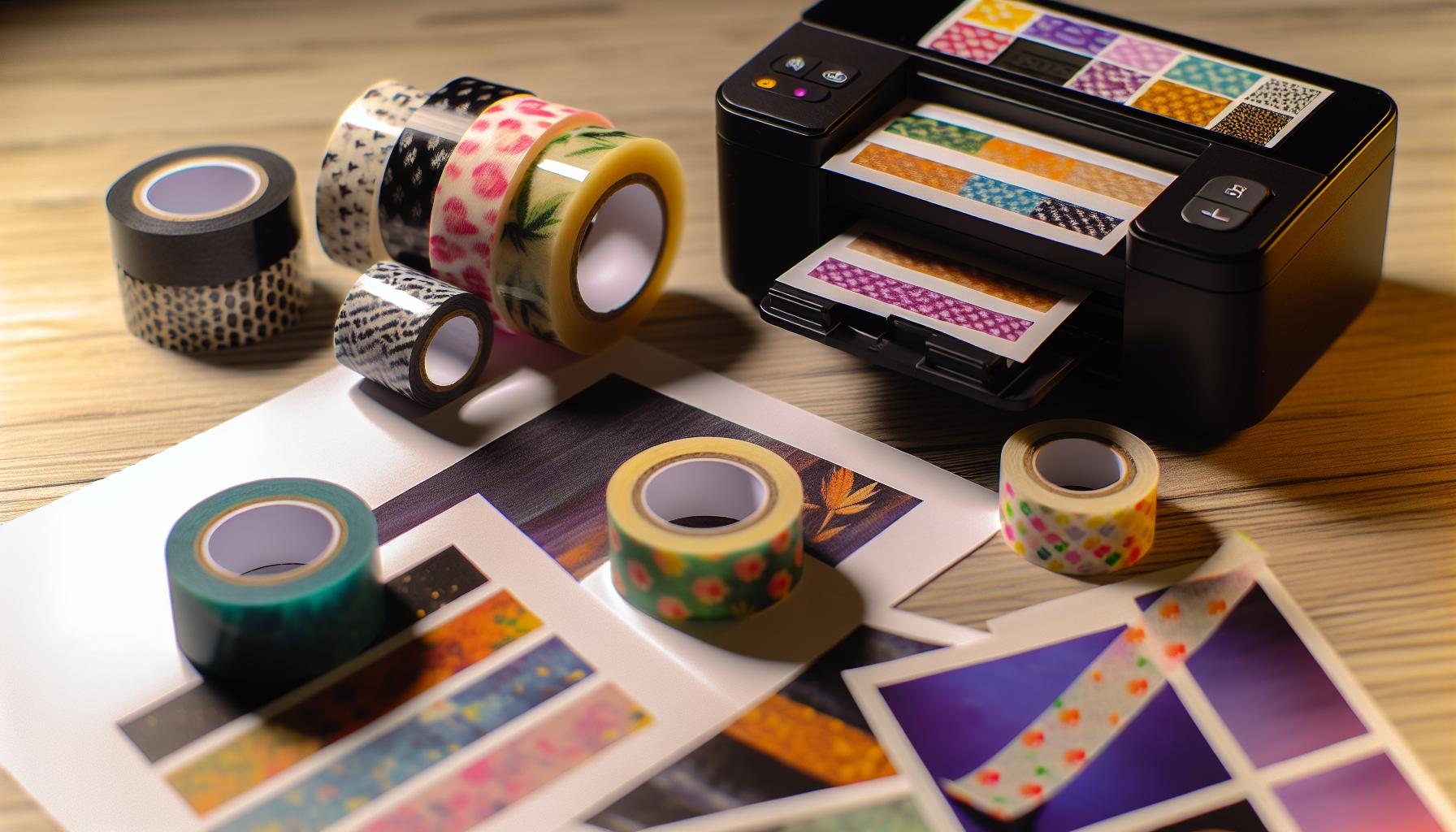
Creative Ideas for Customizing Your Washi Tape
When it comes to personalizing your washi tape, the sky’s the limit. DIY wash tape allows you to express your creativity and cater to your unique style. You can truly transform this craft staple into something that reflects your personality and meets your specific needs. Here are some fresh ideas to kickstart your customization journey.
Start by incorporating memorable quotes or inspirational phrases. Think about what motivates you or creates joy. Use appealing fonts and graphics that complement your message. Printing quotes on vibrant backgrounds can turn your washi tape into a beautiful decorative element in your planner or journal.
Another exciting avenue is to explore seasonal themes. Create rolls that celebrate different holidays, seasons, or special occasions. For instance, pastel colors and floral designs for spring, muted tones and pumpkins for fall, or sparkles for New Year’s celebrations can add a festive touch to gift wrapping or decorations.
Don’t shy away from experimenting with textures and patterns. Combine different kinds of materials-like glitter, foil, or watercolor effects-to elevate the standard washi tape look. You might even consider using DIY stencils to imprint unique designs or symbols, making each roll a work of art.
Lastly, think about functional customization. Personalized washi tape can be a practical tool in your crafting arsenal. Consider creating labels or markers for organizing supplies, or printing to-do lists that you can cut down to size for your planner. This versatility not only boosts utility but also enhances the aesthetic of your workspace.
With these creative ideas, you can turn your washi tape into a delightful reflection of your style and needs, making each piece not just a decorative item, but a cherished part of your crafting experience.
Troubleshooting Common Issues in Washi Tape Production
Printing your own washi tape can be a rewarding and creative process, but it’s not without its challenges. Many crafters encounter a range of issues, from paper jams to ink quality. Addressing these common problems can make the difference between frustration and a successful DIY tape project.
First off, one frequent culprit is paper jams when using your printer. This often happens if the paper is too thick. If your printer struggles to pull the washi paper through, make sure it’s compatible and check its settings. A good practice here is to feed one piece at a time and ensure the edges are clean and straight. You can also try running a test print with regular paper before committing to your washi material-this way, you can spot any potential issues without wasting resources.
Another common issue revolves around ink bleeding or smudging. If you’re using inkjet printers, high humidity can lead to smearing, so it’s best to print in a dry environment. Consider giving your printed washi tape sufficient drying time before handling or rolling it up. If you’re aiming for vibrant colors, using high-quality, compatible ink can drastically improve your results-opt for pigment-based inks if available, as they tend to adhere better to most materials.
Finally, adhesion problems can arise once the tape is cut and prepared for use. If the tape doesn’t stick well, examine your adhesive choice. Some adhesives work better with certain surfaces or materials. Testing a small area first can save you a lot of hassle later. For a more robust solution, consider layering with double-sided tape or an additional adhesive if necessary.
By troubleshooting these common challenges-adjusting your printer settings, allowing adequate drying time, and ensuring the right adhesive is used-you’ll be well on your way to creating beautiful, functional washi tape right from your home. Happy crafting!
How to Store and Preserve Your Washi Tape
To keep your DIY washi tape in pristine condition, smart storage is key. The way you store your tapes not only affects their longevity but also their performance when you’re ready to use them. A few simple techniques can ensure your lovingly printed creations don’t lose their charm over time.
Start by storing your washi tape in a cool, dry place away from direct sunlight. Exposure to sunlight can fade colors and damage the adhesive, making your tape less effective. A drawer or a cabinet works well, or you can opt for a decorative box to keep everything organized. If you prefer showcasing your collection, consider using a pegboard or a corkboard where each tape can hang free; just be wary of fluctuating temperatures.
Using airtight containers can be an excellent choice for maintaining quality. Ziploc bags or small plastic bins can help shield your tapes from dust and moisture. Regularly check your stored items to ensure they’re not stuck together. A little space between rolls can go a long way. Additionally, label each roll, especially if you have numerous designs, so you can find your favorites easily without having to unroll them.
Another tip is to incorporate a sheet of parchment paper between rolls if they’re stored close together. This will prevent adhesive transfer and stickiness issues that can happen if tapes touch over time. Lastly, remember to avoid extreme temperatures-too much heat can cause adhesives to break down, while excessive cold might make them brittle.
By adopting these storage habits, you’ll preserve the quality and functionality of your homemade washi tape, ensuring it’s ready for all your crafting needs whenever inspiration strikes!
Inspiring Uses for Your Homemade Washi Tape
There’s something incredibly satisfying about using your own homemade washi tape to enhance your crafts and projects. Not only does it add a unique touch, but it also reflects your personal style and creativity. Think beyond just decorating notebooks or planners; your washi tape can be a versatile tool for many exciting applications.
- Gift Wrapping: Elevate your gift presentations. Use your washi tape to seal packages or create decorative borders. Its warm, personal touch makes any gift feel special and thought-out.
- Home Décor: Apply washi tape to picture frames, vases, or furniture. A few stripes or patterns can transform an otherwise plain object into a statement piece. You can even use it to create temporary art on walls or mirrors!
- DIY Projects: Incorporate washi tape in scrapbooking, card-making, or journaling. Use it to highlight important dates, add embellishments, or simply to create colorful backgrounds. The possibilities are endless!
- Labeling: Have fun with organization! Customize labels for jars, storage boxes, or even your office supplies. Not only do they serve a practical purpose, but they also look good doing it.
- Event Planning: Whether you’re hosting a party or planning a wedding, washi tape can add an extra flair. Use it for place cards, decorations, or on invitations to reflect your theme and impress your guests.
Each use brings a different advantage, showcasing the flexibility of washi tape. And if you have kids, involve them in the fun! They’ll love creating with you and expressing their creativity through their own unique designs. With homemade washi tape, you’re not just crafting; you’re telling a story. So go ahead, let your imagination run wild – your projects will thank you for it.
Comparing Commercial vs. DIY Washi Tape Costs
When it comes to washi tape, many crafters face the decision of whether to purchase commercial varieties or make their own at home. It’s a compelling choice, since each option has its own set of costs and benefits. Buying ready-made rolls can add up quickly; a single roll often ranges from $3 to $10, depending on the brand and design. If you frequently use washi tape, these costs can escalate and strain your craft budget. On the other hand, producing washi tape at home can be a cost-effective and creative alternative, especially if you have access to basic tools and materials.
Creating your own washi tape involves a few essential items: adhesive-backed paper, printing supplies, and a cutting tool, which don’t have to break the bank. A good quality roll of adhesive paper costs about $10, providing you with enough material to make several feet of unique tape. If you factor in the ability to print various designs, the savings really start to add up, especially if you regularly need themed tapes for events or crafts. With a little planning, you can create custom designs, ensuring you have exactly what you want without paying a premium.
Moreover, the DIY approach offers a level of flexibility and personalization that commercial options simply can’t match. You can experiment with colors, patterns, and sizes, crafting designs that are tailored specifically to your projects or style. This individuality often makes the time and effort invested in creating your own washi tape feel more rewarding. Plus, you can involve friends or kids in the process, making it a fun, family-friendly activity while also keeping costs down.
Ultimately, while commercial washi tape comes with convenience, making your own is not only economical, but it fosters creativity and allows for truly personalized projects. The choice boils down to what fits your crafting habits-if variety and uniqueness are your priorities, the DIY route is definitely worth considering.
Where to Find Inspiration for Washi Tape Designs
Finding fresh inspiration for your washi tape designs can be an exhilarating part of the creative process. Whether you’re a seasoned crafter or just starting out, tapping into diverse sources can elevate your projects and make them uniquely yours. Start with your everyday surroundings-nature is a great muse. The colors of the changing seasons, the textures of materials like bark or leaves, and even patterns found in the skies can inspire unique designs. Take a moment to observe your environment, snapping photos or sketching ideas that resonate with you.
Another rich source of inspiration is popular culture. Dive into your favorite movies, books, or music albums. Think about how you can translate iconic themes, motifs, or colors into your washi tape. For instance, if you love a particular film’s aesthetic, create patterns or prints that reflect that vibe. Don’t hesitate to browse through social media platforms like Pinterest or Instagram. These platforms are treasure troves of visual inspiration, filled with fellow creatives sharing their unique designs and approaches. Follow hashtags related to washi tape and DIY crafts to keep your feed fresh and your ideas flowing.
You might also want to explore craft communities. Forums, local crafting groups, or even online workshops can inspire you to push the boundaries of your creativity. Engaging with other crafters allows you to exchange ideas, techniques, and styles that could inform your design process. Consider attending craft fairs or local markets where you can see washi tape in use, inspiring you to try new approaches or themes.
Lastly, don’t forget the power of mood boards. Collect images, fabrics, colors, and textures that speak to you, and organize them into a visual collage. This tactile process helps solidify your ideas and can guide your designs as you work on your washi tape. Remember, your design process should be a reflection of who you are and what inspires you. Embrace eclectic influences and let your personality shine through in every roll you create!
Tips for Selling Your DIY Washi Tape Online
Selling your handmade washi tape online can be a rewarding venture, but it requires a blend of creativity and strategy. First and foremost, high-quality photography is crucial. Capture your tape in natural light, using diverse angles that showcase the unique designs. Styled shots, where you show how the tape can be used in planners, scrapbooks, or various crafts, can entice potential buyers by sparking their imagination.
Next, choose the right platform for your sales-Etsy, Instagram, or your own website all have their merits. Etsy is popular for handmade goods and has built-in traffic, but having your own site allows for greater control over branding and customer experience. Whichever platform you choose, make sure your shop looks polished and professional. Pay attention to your product descriptions, making them informative and engaging. Highlight what sets your washi tape apart-be it unique patterns, eco-friendly materials, or the inspiration behind each design.
Don’t underestimate the power of marketing. Use social media to your advantage; share behind-the-scenes glimpses of your production process, customer testimonials, or creative usage ideas for your tape. Engage with your followers-ask them about their favorite designs or how they use washi tape in their projects. Building a community around your brand will enhance customer loyalty and encourage word-of-mouth promotion.
Lastly, consider pricing strategically. Research similar products to find a competitive price point, but don’t undervalue your work. Your washi tape is crafted with care and creativity, and that deserves recognition. Offering bundle deals or seasonal promotions can also attract buyers and encourage larger purchases. By combining beautiful products with smart marketing, you’ll create a vibrant online presence that resonates with tape enthusiasts.
Exploring Eco-Friendly Options for Washi Tape Production
Creating your own washi tape at home can be a delightful and eco-friendly craft. Many mainstream tapes rely on synthetic materials and harmful adhesives, but there are sustainable alternatives that not only reduce your environmental impact but also enhance your creativity. The key is to think about the materials you use in every step of the process.
To get started, consider using natural and biodegradable materials for your tape base. Look for plain paper made from recycled or sustainable sources. Rice paper, for instance, is an excellent choice; it’s thin, translucent, and adds a lovely texture to your designs. For adhesives, opt for plant-based glue. These glues are less toxic and easier to clean up compared to traditional options. You might even experiment with homemade glue recipes using flour and water, which are completely safe and biodegradable.
When it comes to decoration, utilize eco-friendly inks and dyes. Many craft stores sell water-based inks that are safe for the environment. Alternatively, you can make your own natural dyes using fruits, vegetables, or spices. Think about printing techniques, too-using an inkjet printer with sustainable ink can help reduce waste. If you have a laser printer, confirm that your toner is Earth-friendly. This enhances both the quality of your prints and your commitment to sustainability.
Lastly, mindful storage of your finished products is vital. Use recycled or upcycled materials to package your washi tape. This could be anything from cardboard boxes to glass jars. Not only does this protect your crafts, but it also minimizes waste. Each step of this process becomes a testament to your creative spirit and your commitment to a greener planet. By exploring these eco-friendly options, you can produce beautiful washi tape that showcases your creativity while being kind to the Earth.
FAQ
Q: How can I design my own washi tape?
A: You can design your own washi tape by using graphic design software to create unique patterns and images. Start with the dimensions of the tape and ensure your design is colorful and bold for the best results. For inspiration, browse design communities or consider themes related to your interests.
Q: What type of paper is best for printing washi tape?
A: The best paper for printing washi tape is low-tack adhesive paper or washi paper designed for inkjet printers. These types allow for easy application and removal while providing vibrant colors. Be sure to test a small print first to check adhesion and color intensity.
Q: Can I use any printer to print my own washi tape?
A: While you can use most inkjet or laser printers to print washi tape, inkjet printers are recommended for their ability to produce vibrant colors and intricate designs. Ensure the printer settings match your paper type for optimal results.
Q: How do I ensure my printed washi tape is waterproof?
A: To make your printed washi tape waterproof, apply a clear acrylic sealant spray after printing. This adds a protective layer that prevents water damage without affecting the design. Always allow the sealant to dry completely before using the tape.
Q: How do I troubleshoot printer issues when making washi tape?
A: If you experience printer issues like smudging or color inconsistency, first check your ink levels and align the printer heads. Use high-quality settings in your print dialog and ensure your adhesive paper is compatible with your printer for the best results.
Q: How can I store my homemade washi tape to keep it fresh?
A: Store your homemade washi tape in a cool, dry place, preferably in a stacked manner to prevent curling. Use airtight containers or resealable bags to protect against moisture and dust, which can damage the adhesive over time.
Q: Can I sell my custom washi tape online?
A: Yes, you can sell your custom washi tape online through platforms like Etsy or your own website. Focus on creating unique designs and high-quality products. Engaging product descriptions and vibrant photos will attract more customers.
Q: What are creative ideas for using homemade washi tape?
A: Get creative with homemade washi tape by using it for gift wrapping, scrapbooking, or decorating journals. You can also use it to personalize phone cases, planners, or even for crafting projects like bookmarks or card making.
To Wrap It Up
Now that you know how to print your own washi tape at home, it’s time to unleash your creativity! Remember, this process not only allows you to customize your designs but also brings a personal touch to your crafts. If you’re eager to keep the inspiration flowing, check out our guides on advanced washi techniques and creative DIY uses for washi tape.
Don’t hesitate to dive into this colorful world-start experimenting today! Have questions or need tips? Share your thoughts in the comments below or join our community newsletter for more insights and exclusive content designed just for you. Your next crafting adventure is just a click away. So grab your materials and let’s get started!