
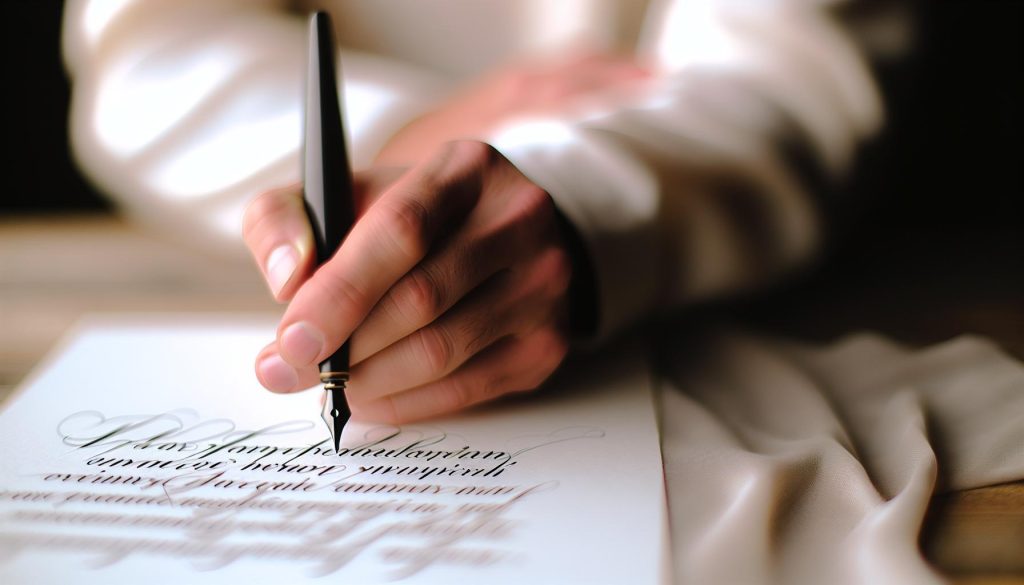
Calligraphy isn’t just about pretty letters; it’s a creative outlet that transforms your handwriting into art. If you’re a beginner feeling overwhelmed by the different tools, particularly calligraphy pens, you’re not alone. Understanding what a calligraphy pen is can significantly enhance your experience, making it easier to express yourself through beautiful writing. In this guide, we’ll demystify the various types of calligraphy pens, their uses, and what to look for as you start your journey. By the end, you’ll find the perfect pen that fits your style and skill level, setting you on the path to mastering this elegant craft. So, let’s dive into the world of calligraphy pens and get your creativity flowing!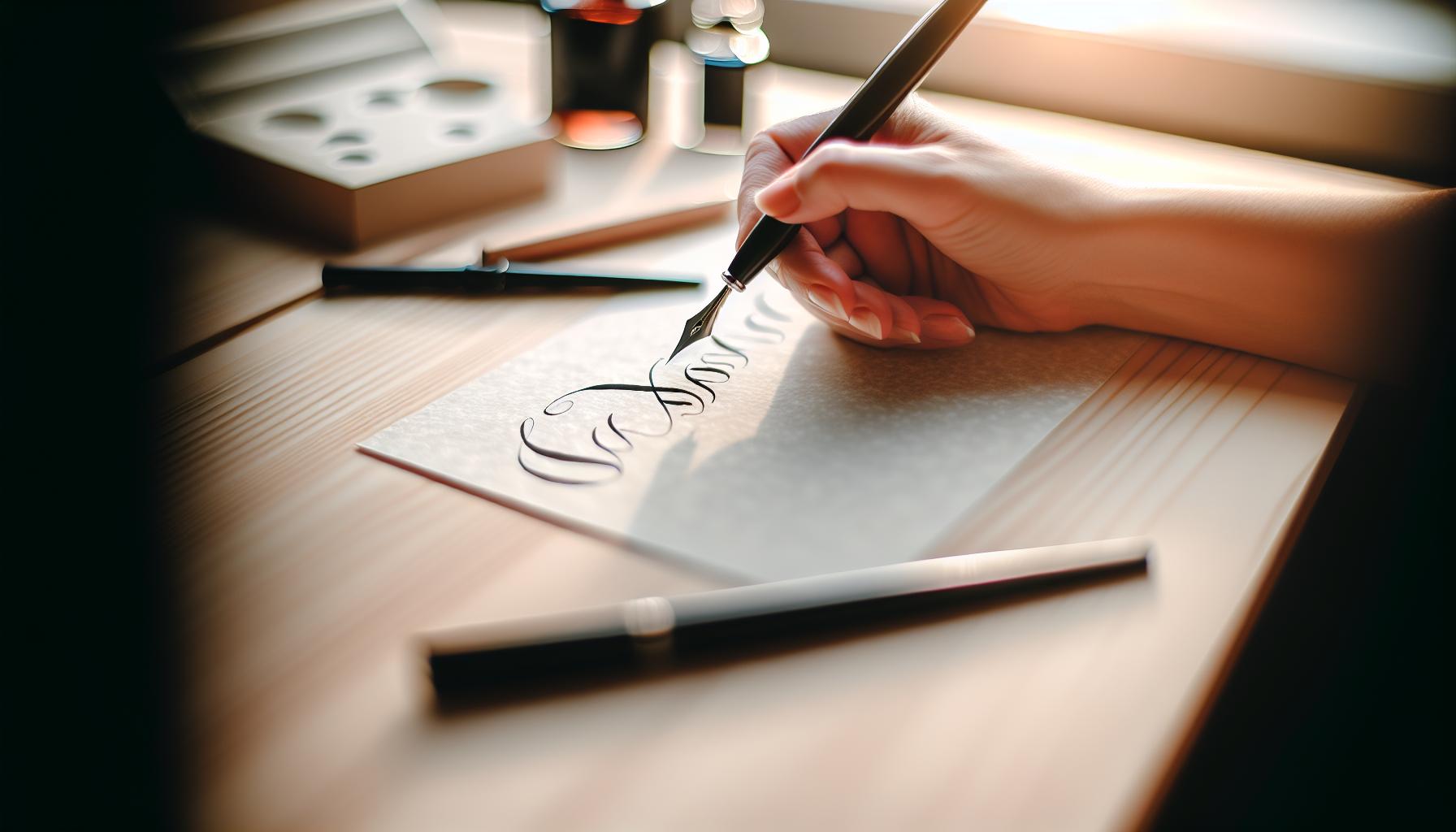
What Makes a Calligraphy Pen Unique?
A calligraphy pen is not just any writing tool; it’s crafted for artistry and expression. What sets these pens apart is their ability to create varying line widths depending on the pressure applied while writing. This contrasts with standard pens, which generally produce a consistent line. Calligraphy pens come with different nibs that allow for diverse styles, from thick and thin strokes to elegant flourishes. Each type of pen brings its own flair, enhancing the beauty of handwritten letters.
There are primarily three types of calligraphy pens: pointed nib pens, broad-edged pens, and brush pens. Each serves a distinct purpose. Pointed nib pens excel in creating delicate, ornamental lettering, while broad-edged pens are fabulous for traditional scripts like Gothic. Brush pens, particularly favored by beginners, mimic the effect of a paintbrush, giving a more free-flowing styling. The choice of pen influences not only the look of your calligraphy but also the techniques you’ll develop as you practice.
Whether you’re dabbling in modern or traditional calligraphy styles, the unique characteristics of each pen will shape your learning journey. You’ll find that the tactile feedback and control you get with a quality calligraphy pen elevate your writing experience, making it not just a task but a creative endeavor. As you progress, you’ll appreciate how each pen’s design and functionality contribute to your personal style and artistic expression.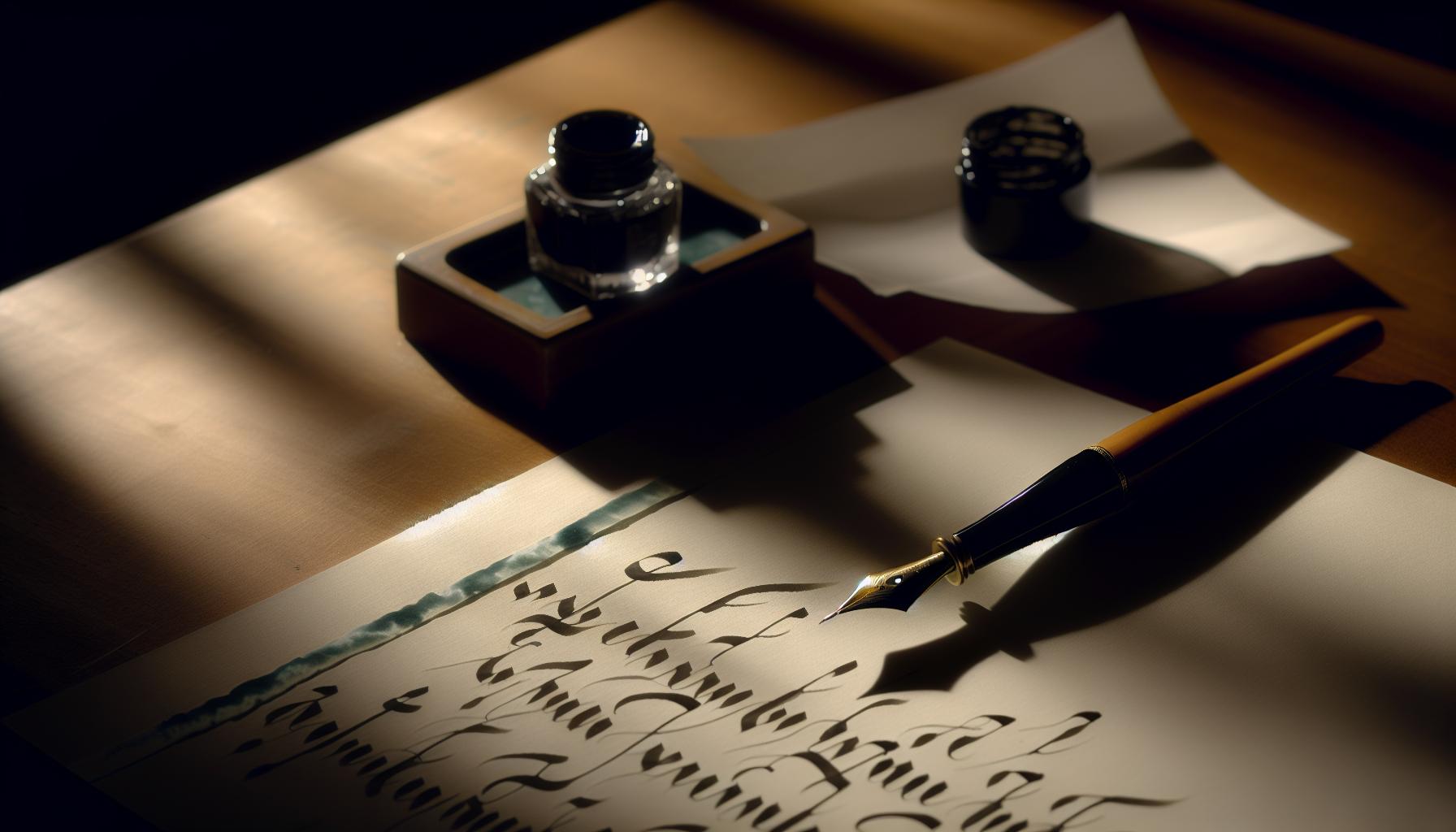
Types of Calligraphy Pens: Which One is Right for You?
Choosing the right calligraphy pen can feel overwhelming, especially with so many options available. The truth is, the best pen for you depends on your personal style, the kind of calligraphy you want to create, and your comfort level. Whether you’re looking to make bold statements or delicate swirls, there’s a pen that aligns perfectly with your goals.
Pointed Nib Pens are a favorite for those interested in elegant, ornate writing. They allow for a wide range of line thickness by adjusting pressure, making them ideal for scripts like Copperplate or Spencerian. If you’re drawn to the beauty of flourished letters and decorative pieces, a pointed nib pen is an excellent choice. They usually require a bit more skill and practice to master, but the results can be stunning.
On the other hand, Broad-Edged Pens are fantastic for achieving traditional styles like Gothic or Italic. These pens have flat tips, which create sharp, consistent strokes. They’re perfect if you enjoy classic lettering styles or want to convey a sense of formality in your work. If you’re just starting, broad-edged pens can be very forgiving as you learn to control the width of your strokes.
Finally, there are Brush Pens, which are particularly beginner-friendly. They mimic the feel of a paintbrush, providing a more artistic flair. Many people start with brush pens because they are versatile and can be used for various styles, including modern calligraphy. Plus, they come in many vibrant colors, which adds an exciting element to your practice.
In summary, consider what appeals most to you: the delicate nuances of pointed nib pens, the structured elegance of broad-edged pens, or the creative flexibility of brush pens. Each type opens up a world of possibilities, so experiment and see which one resonates best with your style. Remember, the journey of calligraphy is about expression and enjoyment, so choose what feels right for you!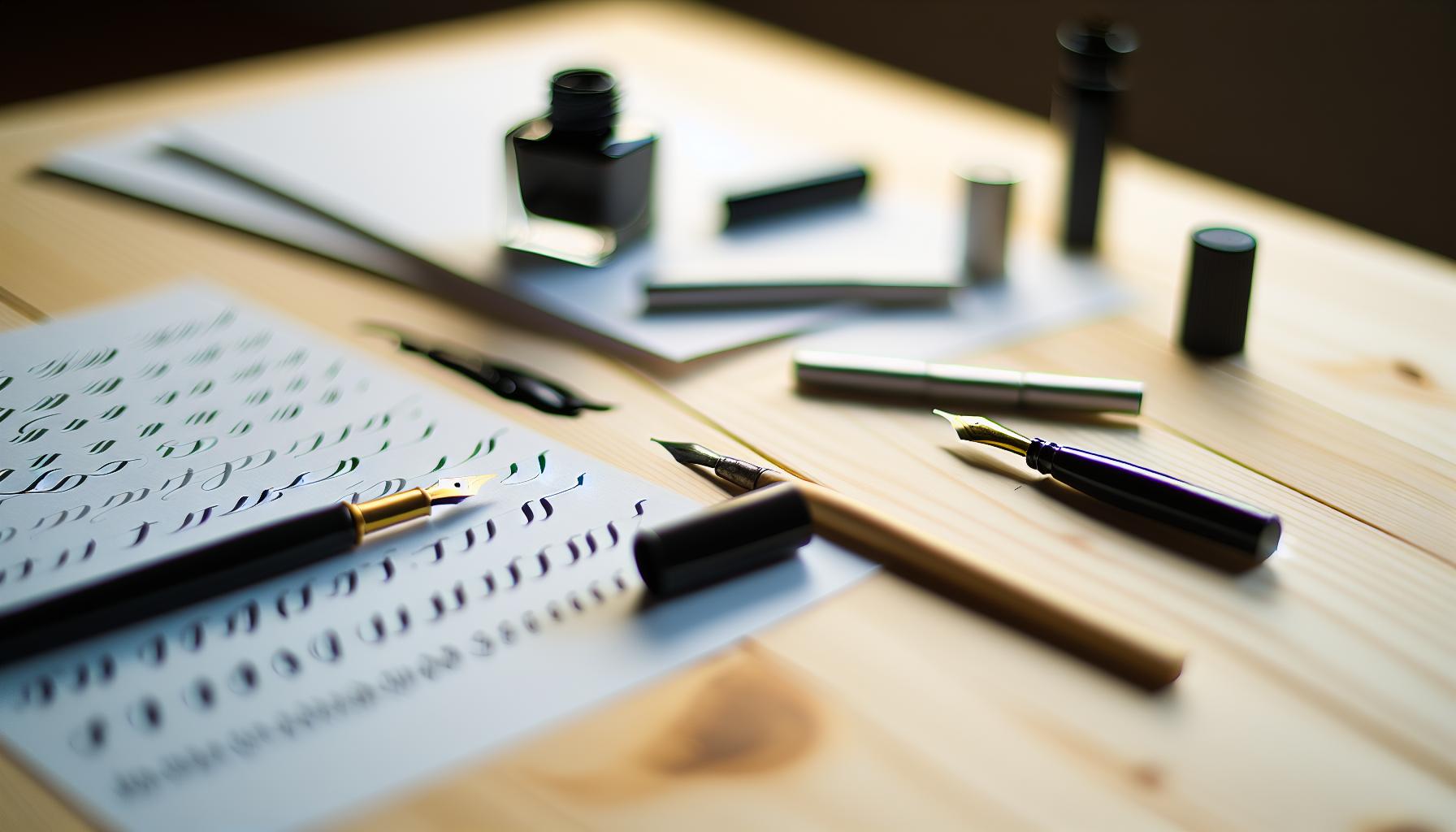
How to Choose Your First Calligraphy Pen
Choosing your first calligraphy pen is an exciting step into the art of beautiful writing. You might feel a bit overwhelmed by all the options out there, but let’s break it down. A good starting point is recognizing the different types of pens available and what you hope to accomplish with your calligraphy practice.
First off, consider what style speaks to you. If you’re eager to dive into elegant scripts like Copperplate, then a pointed nib pen would suit you well. These pens allow for delightful pressure changes, producing thin and thick strokes that lend themselves beautifully to flourishes. On the other hand, if you’re inclined towards classic letter forms such as Gothic or Italic, a broad-edged pen may be your best bet. Its flat tip provides sharp, consistent lines that help maintain the structure of traditional styles. Then there are brush pens, perfect for beginners who prefer a more relaxed approach. They’re user-friendly and give a modern twist to calligraphy, offering the flexibility to experiment with various styles.
When making your decision, think about the feel of the pen. If possible, try out a few options before purchasing. Many stationery stores or art supply shops have tester pens. Notice how the pen glides on the paper and whether it feels comfortable in your hand. If you’re just starting out, you might opt for an affordable set that includes a variety of nibs and pens; this allows you to experiment without a hefty investment.
Don’t forget to consider your supplies. Beyond the pen itself, you’ll need suitable paper that can handle the ink without smudging. Some specialty papers are designed specifically for calligraphy and can enhance your experience significantly. Ultimately, choosing your first calligraphy pen should strike a balance between your artistic aspirations, comfort during use, and the need to explore different styles without feeling restricted. Trust your instincts, and enjoy the journey of discovering the beauty of calligraphy!
Essential Accessories for Calligraphy Beginners
To truly dive into calligraphy and make your experience enjoyable, having the right accessories can make all the difference. Think of these tools as your companions on the journey to mastering an art form that celebrates beauty in writing. So, let’s gear up!
One essential accessory is a good quality calligraphy paper. Regular paper can be unforgiving, leading to ink bleeding and smudging, which can frustrate beginners. Look for paper specifically designed for calligraphy; it’s often smoother and more ink-friendly, allowing for cleaner strokes and a more satisfying writing experience. Some popular options include paper that has a bit of texture or worksheets featuring guidelines to help you maintain proportion and alignment in your letters.
Next, you’ll want to consider an ink reservoir or pot. This helps ensure you have a consistent ink supply without having to constantly dip your nib. Many beginners underestimate the importance of ink flow, but it’s crucial for maintaining a steady rhythm while practicing. If you’re using a brush pen, ensure you have a good ink cartridge or bottle handy for refilling!
Don’t overlook a pen rest or holder. These help protect your nibs and keep your workspace tidy. A simple pen rest can prevent your pen from rolling off the table and getting damaged. If you’re inclined towards more elaborate setups, consider a dedicated calligraphy tray or container that keeps all your supplies organized. Having a consistent, clean space to practice can also enhance your learning experience.
Lastly, invest in practice pads or guides. These pads typically feature ruled guidelines or grids designed specifically for calligraphy, making it easier to keep your lettering consistent. They’re especially useful for practicing different styles and ensuring that your letters don’t slant or wobble.
In summary, equipping yourself with the right tools not only supports your practice but also enhances your enjoyment of calligraphy. The right accessories will support your growth, prevent common frustrations, and inspire your creativity as you explore the elegant world of beautiful writing.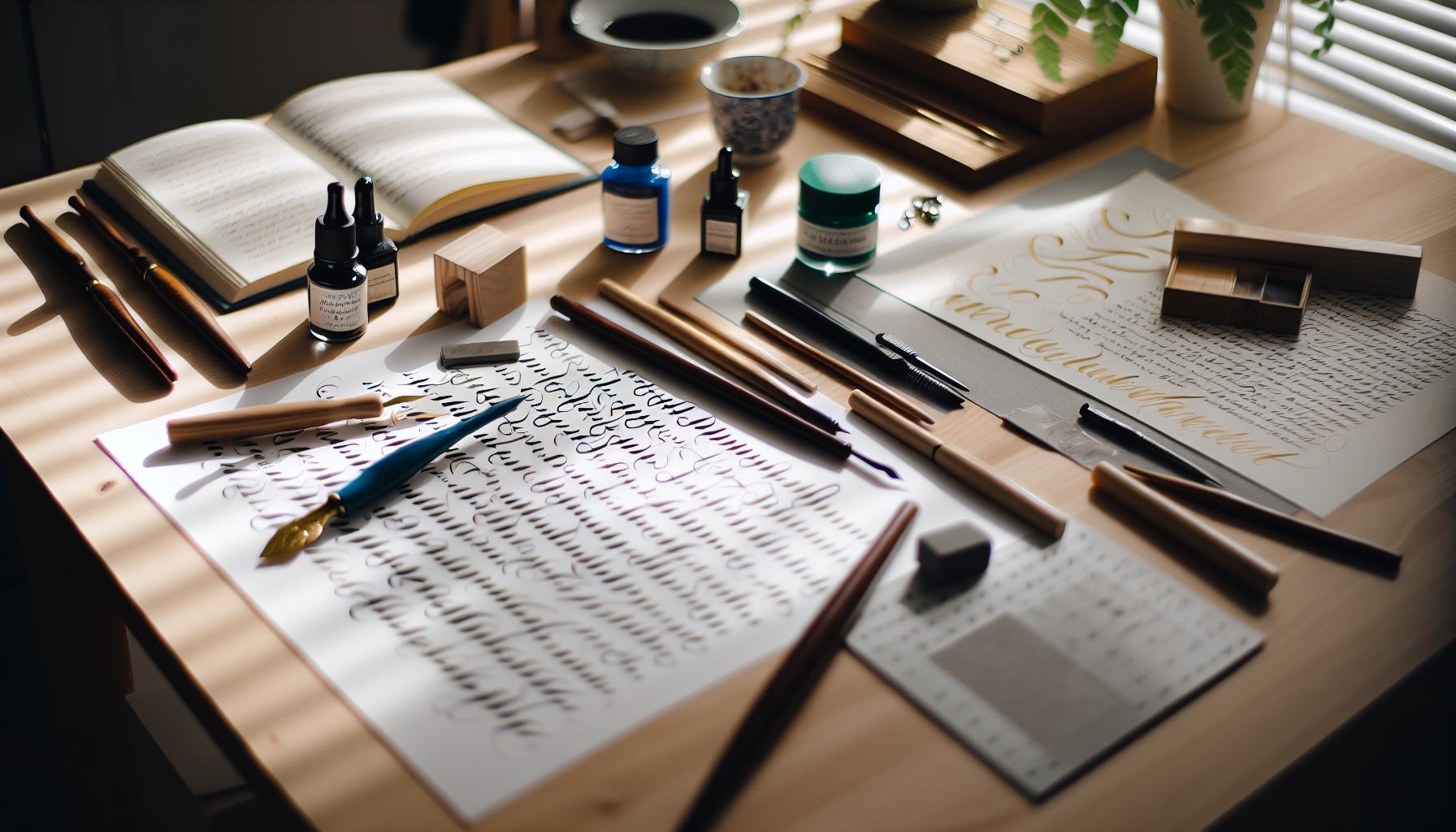
Calligraphy Pen Techniques Every Beginner Should Know
To truly make your mark in calligraphy, mastering the foundational techniques with your pen can set you up for success. It’s not just about the type of pen you use; how you handle it makes all the difference in your art. These essential techniques will help you develop the control and finesse necessary to create beautiful lettering.
First, it’s crucial to understand pressure control. This technique involves varying the pressure on your pen to create different stroke widths. Start with a basic upstroke and downstroke practice. Apply light pressure for the upstrokes and heavier pressure for the downstrokes. This contrast is what gives calligraphy its distinctive elegance. As you gain confidence, experiment with angles and pressure to create a wider range of strokes. Remember, even a slight adjustment in pressure can dramatically change your line quality.
Next, focus on your grip and posture. Hold your pen comfortably but firmly, ensuring that your hand is relaxed. A common mistake beginners make is gripping too tightly, which can lead to fatigue and a lack of fluidity in your writing. Practice writing while maintaining a consistent angle of your pen; usually, a 45-degree angle is ideal for traditional calligraphy styles. This positioning helps to achieve those lovely thick and thin lines.
Finally, incorporate consistent practice routines. Use practice pads with guidelines to help keep your letters uniform. Invest time in practicing basic strokes before diving into full letters. Repetition will build muscle memory, making your hand more adept at the delicate movements of calligraphy. Don’t rush! Celebrate small improvements along the way, and soon, you’ll find that your confidence and skills will flourish.
These techniques are essential stepping stones on your journey into the world of calligraphy. Developing a strong foundation not only enhances the quality of your writing but also amplifies your enjoyment of this beautiful art form. Happy writing!
Common Mistakes to Avoid with Calligraphy Pens
Starting out with calligraphy can feel overwhelming, especially when it comes to choosing the right tools and techniques. But did you know that some of the most common mistakes can easily be avoided? Paying attention to these pitfalls can take your lettering from mediocre to stunning.
One major error beginners make is using the wrong kind of pen. Not all pens are created equal when it comes to calligraphy. Beginners often opt for rigid pens that limit their ability to vary line thickness. Instead, consider using flexible tools like brush pens or pointed dip pens, which allow for greater control over pressure and stroke variation. This flexibility is key to achieving the elegant thick and thin lines that define calligraphy. Take time to select a pen that works for the style you’re aiming for, as the right tool can dramatically affect your confidence and results.
Another frequent mistake is neglecting proper grip and posture. It’s tempting to grip your pen tightly, especially when you’re still mastering your technique, but this can lead to fatigue and poor control. Instead, aim for a relaxed grip. Hold the pen comfortably, and maintain a consistent angle (about 45 degrees) to ensure fluid strokes. Not only will this help reduce strain, but it will also enhance your writing’s fluidity and style.
Lastly, many beginners skip the practice of basic strokes. Before diving into letters, dedicate time to practice the foundational strokes that form the building blocks of calligraphy. Engaging in drills not only develops muscle memory but also boosts your confidence. You’ll find that taking the time to master these basics pays off when you finally tackle full letters and words.
Keeping these common mistakes in check can make your journey into the calligraphic arts much smoother. Embrace the learning process-the more you practice and refine your techniques, the more your unique style will shine through in your work. Happy writing!
Caring for Your Calligraphy Pen: Tips for Longevity
Taking care of your calligraphy pen is crucial if you want it to last and perform beautifully. A little maintenance goes a long way in ensuring that your writing experiences remain enjoyable, whether you’re drafting a heartfelt letter or creating stunning art. The key to longevity lies in understanding your pen’s unique needs, and implementing simple, routine care.
After each use, make it a habit to clean your nib properly. For dip pens, rinse the nib under lukewarm water to remove any ink residue. A gentle brush with a toothbrush can help dislodge stubborn particles, but be careful-too much scrubbing can lead to scratches. For fountain pens, regularly cleaning the nib and converter or cartridge every few weeks will prevent dried ink build-up and ensure a smooth flow. Remember, never let your nib soak in water for extended periods; it can weaken the adhesive that holds the nib and feed together.
Storage also plays a significant role in your pen’s lifespan. Always store your pens with the nib facing upwards to prevent ink from leaking into unwanted areas and to keep the nib in good condition. If you’re using a fountain pen, consider keeping it capped when not in use to avoid drying out the ink. Additionally, avoid extreme temperatures and direct sunlight; conditions that could warp or damage your pens over time.
Beyond cleaning and storage, pay special attention to the type of ink you use. Not all inks are created equal. Some can cause corrosion or clogging, particularly those with high dye content or particulates. Invest in high-quality inks that are designed for your specific type of pen. This can make a noticeable difference in both performance and the overall health of your writing instruments. By following these simple tips, you can extend the life of your calligraphy pen and ensure it continues to create beautiful works for years to come. Happy writing!
Exploring Calligraphy Styles: Finding Your Voice
If you’re diving into the art of calligraphy, discovering your unique style is one of the most exciting parts of your journey. Calligraphy isn’t just about pretty letters; it’s an expressive practice that allows you to showcase your personality and voice. With so many styles to choose from, you might feel overwhelmed. But don’t worry-finding your calligraphic voice is part of the fun!
Start by experimenting with different styles. There are countless forms, from Copperplate and Gothic to more modern approaches. Try writing a few phrases using various styles to see what resonates with you. Don’t aim for perfection; focus instead on the joy of creation. You’ll quickly realize some styles feel more ‘you’ than others. For instance, if you enjoy elegant and flowing script, Copperplate might become your go-to. If you prefer bolder, more defined letters, you might be drawn to Gothic styles.
Once you’ve identified a style you love, consider how it can be adapted. Calligraphy is not static; it’s a living art form. Feel free to mix elements from different styles or even create your own unique blend. Adding your flair to established styles can help create a signature look that’s distinctly yours. Look at the tools you have, too. Different pens and inks can dramatically influence your final piece, helping you refine your style even further.
Seek inspiration everywhere. Explore social media platforms or local art shows to see how others interpret calligraphy. Study the works of seasoned calligraphers, but remember that inspiration is not imitation. Your work should reflect your personal experiences and feelings. Over time, as you practice regularly, you’ll discover not only what you enjoy but what makes your handwriting stand out.
In summary, exploring calligraphy styles is a journey. Take your time, be open to experimentation, and most importantly, have fun while you find the style that perfectly captures your voice. Happy writing!
Where to Buy Calligraphy Pens: A Beginner’s Guide
When it comes to starting your calligraphy journey, choosing the right pen can make all the difference. There are countless retailers out there, each offering unique tools that cater to newbies as well as seasoned artists. You don’t have to break the bank to find a quality calligraphy pen; you just need to know where to look and what to consider.
First off, local art supply stores are a treasure trove for beginners. Stores like Michaels or Hobby Lobby not only carry a variety of brands but also often have staff who can offer personalized advice based on your specific needs. Plus, you can test the pens and nibs firsthand, ensuring you find something comfortable to hold.
Online retailers, such as Amazon or specialized art supply sites like Jerry’s Artarama, provide extensive selections with user reviews to help guide your choices. They’ll typically have categories for different types of calligraphy pens, such as pointed nibs, brush pens, and broad-edged models, allowing you to filter down to what suits your style. A big advantage of shopping online is access to bundled sets, which often come with a variety of nibs or inks, saving you some initial trial-and-error costs.
Don’t overlook craft supply shops like Etsy or smaller online boutiques, which often feature handmade or curated tools from independent artists. These pens can add a unique flair to your collection and may come with personal stories or brand values that resonate with you. Checking out local art fairs or calligraphy workshops can also connect you with vendors showcasing the best in penmanship tools.
Lastly, always read the reviews and maybe even watch product demos on platforms like YouTube. Seeing the pen in action can provide insight into its performance and help you make a more informed decision. Whatever path you choose, embracing the search for your perfect pen can be an enjoyable part of your calligraphic adventure!
Inspiration: Creative Projects Using Calligraphy Pens
When you pick up a calligraphy pen, you’re not just holding an ink-filled tool; you’re embracing a world of creativity teeming with possibilities. From festive greeting cards to stunning wall art, calligraphy can transform everyday objects into cherished keepsakes. One of the most rewarding aspects of calligraphy is the variety of projects you can undertake to unleash your artistic potential.
Creative Project Ideas
Here are some exciting projects to inspire you:
- Personalized Gift Tags: Elevate your gift-giving with custom-made tags featuring beautiful lettering. Handwritten names or special messages add a personal touch that loved ones will treasure.
- Quote Wall Art: Choose your favorite quote or mantra, and create a striking piece for your home. This project allows you to experiment with different styles and colors, creating a unique centerpiece for any room.
- Wedding Invitations: If you’re feeling ambitious, why not try your hand at designing invitations? Your calligraphy can lend an elegant, personal vibe to the big day, making it even more memorable.
- Seasonal Decor: Use your skills to make seasonal decorations, such as Thanksgiving place cards or Christmas ornaments inscribed with joyful words. This not only showcases your talent but also enhances festive celebrations.
Whether you’re creating for yourself or others, each project invites you to explore various techniques and flourish styles. Try using different types of pens to see which ink flow and nib suits your style best. Broaden your skills by watching tutorials online or joining workshops where you can learn new techniques and meet fellow calligraphy enthusiasts.
Feel free to customize these ideas to fit your aesthetic. Incorporate watercolors, gold leaf, or even mixed media. Each piece you create is a step toward discovering your unique voice in the art of calligraphy, making it an immersive journey into creativity that goes beyond mere letters on a page. Dive in, experiment, and let your imagination guide your hand!
Resources for Learning Calligraphy: Books and Online Courses
Finding the right resources to dive into the world of calligraphy can make all the difference in your learning journey. Whether you’re a visual learner or someone who prefers a hands-on approach, there are plenty of books and online courses that cater to all styles of learning. Books often offer in-depth explanations and can serve as lasting references on your shelf. Meanwhile, online courses provide a dynamic learning experience, complete with video tutorials and community support.
Books to Consider:
- “The Art of Calligraphy” by David Harris – This comprehensive guide covers different techniques, tools, and styles, making it perfect for beginners and seasoned calligraphers alike.
- “Modern Calligraphy: A Beginner’s Guide to Pointed Pen Lettering” by Kris Dacre – Focused on modern techniques, this book provides step-by-step instructions and beautiful visuals to inspire creative projects.
- “Calligraphy Made Easy” by Liz Chappell – A practical choice for beginners, this book breaks down complex letterforms into simple steps, making learning enjoyable and accessible.
Online Courses:
The digital age has blessed us with numerous platforms to learn calligraphy at our convenience. Websites like Skillshare and Udemy host a variety of courses tailored for different skill levels. Courses often range from simple introductory lessons to advanced techniques, allowing you to progress at your own pace.
Additionally, you can access free resources, such as the Free 7-Day Hand Lettering Course offered at How to Hand Letter, which introduces essential skills and techniques in a structured format. For those looking for more comprehensive resources, the Calligraphy Masters Resource Pack provides a range of guides and worksheets for free, giving you ample practice opportunities. You can find this pack at Calligraphy Masters.
Exploring these resources can ignite your passion for calligraphy and help you refine your unique style. So, grab your favorite calligraphy pen and let these books and courses guide you through the wonderful world of beautiful writing.
Frequently asked questions
Q: What is the difference between a calligraphy pen and a regular pen?
A: A calligraphy pen is designed to create decorative lettering and features flexible nibs that allow for varied stroke thickness. Unlike regular pens, which typically deliver uniform lines, calligraphy pens produce expressive styles by adjusting pressure and angle during use. For more on pen types, check the section on “Types of Calligraphy Pens.”
Q: How do I choose the right calligraphy pen for beginners?
A: Choosing the right calligraphy pen involves considering factors like nib flexibility and ink type. Beginner-friendly options include fountain pens with broad nibs for easier control and dip pens for versatility. Explore the section on “How to Choose Your First Calligraphy Pen” for more detailed guidance.
Q: Can I use any ink with my calligraphy pen?
A: Not all inks are suitable for calligraphy pens. It’s important to use inks specifically formulated for the type of pen you have-nib and fountain pen inks differ. Refer to the “Everything About Calligraphy Inks” section for essential information on inks.
Q: How can I avoid common mistakes while using a calligraphy pen?
A: Common mistakes include applying too much pressure or not practicing proper angle control. To avoid these, focus on maintaining a light touch and consistent angles. Check the section on “Common Mistakes to Avoid with Calligraphy Pens” for tips on improving your technique.
Q: What should I do if my calligraphy pen ink is drying up?
A: If your calligraphy pen ink is drying up, try cleaning the nib with water or a specialized ink cleaner. Ensure you’re also using the pen regularly to prevent clogs. For more maintenance tips, visit the section on “Caring for Your Calligraphy Pen: Tips for Longevity.”
Q: Are there specific papers that work best with calligraphy pens?
A: Yes, using smooth, high-quality paper helps to prevent bleeding and allows for clean strokes. Look for specialty calligraphy or layout paper designed for inking. You can find more information in the “Essential Accessories for Calligraphy Beginners” section.
Q: How do I practice calligraphy effectively as a beginner?
A: To practice calligraphy effectively, start with basic strokes and letters, then gradually move to phrases. Use practice sheets and employ slow, deliberate movements. For additional techniques, check out “Calligraphy Pen Techniques Every Beginner Should Know.”
Q: Can children use calligraphy pens?
A: Yes, children can use calligraphy pens, particularly those designed for beginners. Look for pens with ergonomic grips and washable, non-toxic inks to ensure safety. For more insights, consider the section on “Essential Accessories for Calligraphy Beginners.”
To Conclude
Now that you know what a calligraphy pen is, it’s time to put that knowledge into action! Whether you’re a complete novice or looking to enhance your skills, diving into the world of calligraphy can be incredibly rewarding. Remember, the right tools are essential-consider checking out curated collections of calligraphy pens and inks to find your perfect match, such as options available at Scribblers (1).
If you have questions about specific pen types or need tips on getting started, don’t hesitate to explore our detailed guides on choosing the right calligraphy supplies and mastering basic techniques. You can also sign up for our newsletter to stay updated on the latest trends and resources in the calligraphy community. Share your progress with us in the comments below-I’d love to hear about your journey into beautiful lettering! Keep practicing, and let your creativity flow!