
Installing an ink cartridge in your calligraphy pen can transform your writing experience, but many find the process daunting. Did you know that a seamless ink transition can enhance your flow and creativity? If you’re eager to ditch the frustration of dried-up pens or sputtering ink, you’re in the right place! In this guide, we’ll walk you through the simple steps to connect your ink cartridge quickly and effectively. Whether you’re new to calligraphy or a seasoned scribe, mastering this skill is essential for achieving those beautiful, flowing lines you desire. Let’s dive in and elevate your writing journey!
Choosing the Right Ink Cartridge for Your Calligraphy Pen
can make a world of difference in your writing experience. Not all cartridges are created equal; they differ in ink flow, color consistency, and compatibility. To start, it’s vital to understand your pen’s specifications. Most likely, your calligraphy pen will utilize either standard international cartridges or specific proprietary cartridges designed for that brand. This detail affects not just the fit but also the performance. For instance, some brands offer smoother flow and richer color payoff, while others might be more prone to clogging.
When selecting a cartridge, consider the type of ink that suits your style and the effects you wish to achieve. For classic calligraphy, a rich, dark black or deep blue is often preferred. However, if you’re looking to experiment, vibrant colors or even shimmer inks can add a unique flair to your work. Pay attention to the viscosity and drying time of the ink as well; these factors significantly influence how your pen performs on various papers.
Here are some quick tips for making the best choice:
- Check Compatibility: Always match the ink cartridge to your pen’s specifications-read the label or pen manual.
- Experiment with Brands: Don’t hesitate to try different brands to see which one feels right for your style.
- Consider Ink Properties: Look for cartridges that offer good flow without skipping, as well as colors that won’t fade over time.
- Quality over Quantity: Sometimes investing a bit more gives you a better-quality ink cartridge that enhances your writing experience.
By keeping these factors in mind, you can enhance not only the quality of your calligraphy but also your overall enjoyment in creating beautiful, handwritten masterpieces. Remember, the perfect ink cartridge will complement your pen’s capabilities and unleash your creative potential.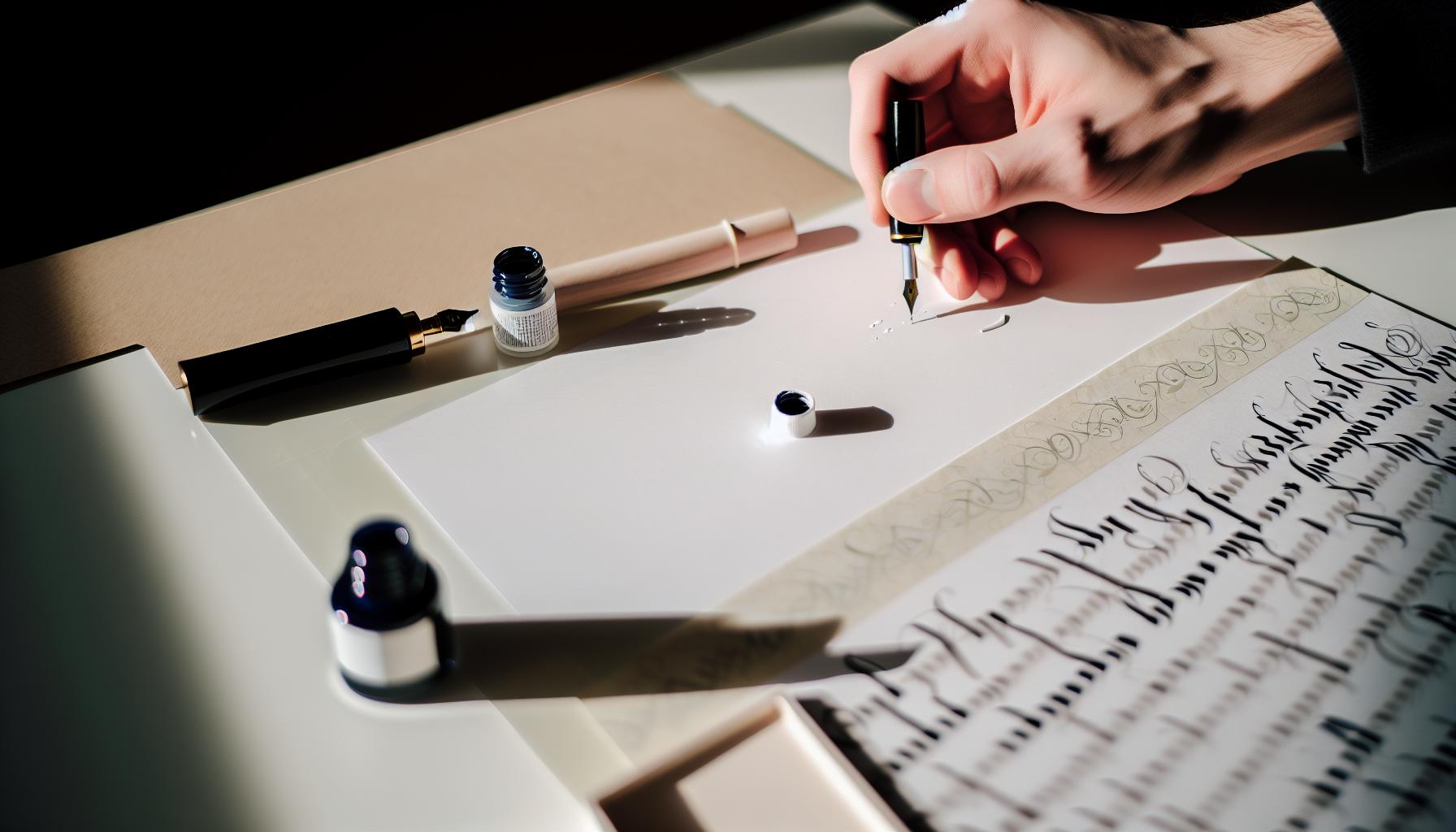
Understanding Your Calligraphy Pen’s Ink System
is crucial for achieving the best results in your writing. Most calligraphy pens utilize a basic ink cartridge system, which can vary significantly between brands and models. Familiarizing yourself with these systems helps ensure that you select the right cartridges and ink types that suit your artistic needs.
When you choose a cartridge, you’ll often find two main types: standard international cartridges and proprietary cartridges unique to specific brands. Standard cartridges are versatile and widely available, making them a convenient choice for most users. However, proprietary cartridges can offer nuanced ink flow and color options tailored to the manufacturer’s specifications, sometimes giving you an edge in quality. It’s also essential to be aware that some pens allow for the use of bottled ink with converters, providing greater flexibility in ink choices and styles.
Before diving into installation, checking the compatibility is key. Always refer to your pen’s manual or the packaging of the cartridges. If you go for a cartridge that doesn’t match your pen, you risk clogging or damaging it. Many popular brands, like Pilot and Monteverde, offer a variety of cartridges designed for optimal performance across their pen lines, so don’t hesitate to explore different options.
Lastly, consider the type of ink in your cartridges. The viscosity affects how smoothly the ink flows, while the drying time can influence your writing style. A quicker-drying ink might be ideal for fast-paced writing, while a slower-drying ink may allow for more expressive strokes. By understanding these elements, you can make informed choices that empower your calligraphy journey, enhancing both the look of your work and the enjoyment of your craft.
Step-by-Step Guide to Installing the Ink Cartridge
Installing an ink cartridge in your calligraphy pen can seem daunting, but it’s a straightforward process that, once mastered, opens up a world of fluid writing. Whether you’re a seasoned calligrapher or just starting, knowing how to properly install your ink cartridge ensures a smooth writing experience without interruptions or mishaps.
Start by gathering your materials: your calligraphy pen and the new ink cartridge. Take a moment to inspect the cartridge for any protective seals or caps. Most cartridges have a small seal that prevents the ink from drying out before use. Gently pull or twist this seal off-this is critical because failing to remove it will block the ink flow.
Next, hold your pen firmly. With many pens, you can simply twist the barrel to reveal the ink chamber, while others might require you to pull apart the sections. Once you have access to the ink chamber, position the cartridge with the nib pointing downwards. Insert it into the chamber until you hear a click. This click indicates that it’s securely in place. Make sure the alignment is correct; if it doesn’t fit easily, it may be the wrong size or type for your pen.
After installation, give the pen a moment. It often takes a few seconds for the ink to flow to the nib-especially if you’re using a new cartridge. To expedite this, lightly tap the pen nib against a piece of scrap paper, which can help draw the ink down. Once the ink flows smoothly, you’re ready to unleash your creativity. Keep testing and adjusting until you’re confident that the ink is reaching the nib effectively, and then let your calligraphy shine!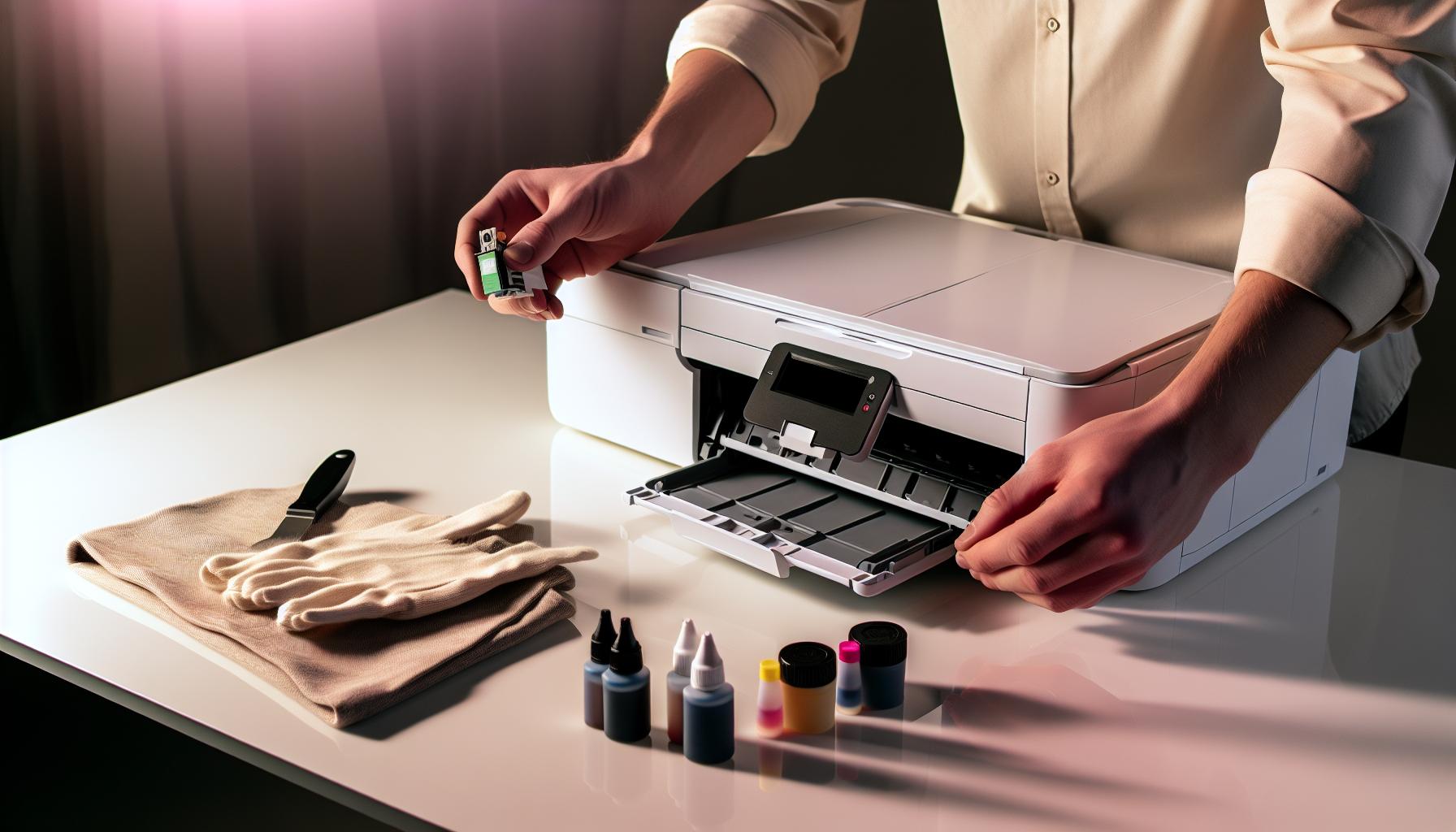
Troubleshooting Common Ink Cartridge Issues
It’s frustrating when you’re ready to create beautiful calligraphy, only to find that your pen isn’t cooperating. Common ink cartridge issues can disrupt your flow and creativity, but many problems are easily solvable. Understanding these issues can save you time and ensure your writing experience remains enjoyable.
If your pen isn’t writing well, it’s essential to check whether the ink is actually flowing. Sometimes, ink cartridges can become clogged or dried out. If you suspect this, try gently shaking the pen with the nib pointing downwards. This can encourage the ink to move down into the nib. If that doesn’t work, another quick fix is to draw circles on a scrap piece of paper-this encourages the ink to flow and may resolve the problem.
Another issue might be air bubbles stuck in the cartridge. If you notice skipping or blotting, try holding the pen nib down and tapping it lightly against a hard surface. This motion helps release bubbles that may have formed, allowing for smoother ink flow. Additionally, ensure that the cartridge is properly seated in the pen. A loose cartridge could cause inconsistent writing and is often overlooked.
Lastly, let’s talk about compatibility. Using the wrong cartridge for your pen model won’t just lead to poor performance-it might even damage your pen. Always refer to the manufacturer’s specifications when replacing your cartridges. If you’re unsure, keeping a small reference chart can help you quickly identify the compatible cartridges for your various pens. By taking the time to address these common issues, you can maintain a wonderfully fluid writing experience that brings your calligraphy to life.
Maintaining Ink Quality for Stunning Calligraphy
To create stunning calligraphy, the quality of your ink makes all the difference. Using a high-quality ink cartridge is just the beginning; you also need to maintain that ink effectively to ensure your writing flows beautifully, consistently, and without interruption. Much like a chef selecting only the finest ingredients, calligraphers should prioritize ink quality for the best results.
Here are some practical tips to keep your ink in prime condition:
- Choose the Right Ink: Always opt for ink cartridges specifically designed for your calligraphy pen. Check for compatibility and quality brands that are known for vibrant colors and smooth flow. Premium inks often have better viscosity, which contributes to a more consistent line and richer color.
- Store Properly: Store your ink cartridges upright and away from extreme temperatures. Excessive heat can cause the ink to dry out or thicken, while cold conditions can alter its consistency. A consistent environment helps maintain optimal ink quality.
- Avoid Contamination: Be mindful of contaminants. Keep your cartridges sealed until you’re ready to use them, and ensure your pen is free of any dried ink or debris before installation. Even slight impurities can affect the flow and color accuracy of your ink.
- Regular Use: Ink cartridges benefit from regular use. If you let them sit for extended periods, the ink can dry out or become sluggish. Regular writing ensures the ink stays fresh and flows properly.
Lastly, consider experimenting with different ink brands and colors to see what brings out the best in your writing style. Some inks can produce unique visual effects when used at different angles or with various nibs, giving you a creative edge in your projects. By maintaining your ink quality and keeping these tips in mind, you’ll find that your calligraphy not only looks stunning but also flows seamlessly, allowing your artistic expression to shine through.
Tips for Cleaning Your Calligraphy Pen After Use
Cleaning your calligraphy pen is essential for ensuring longevity and optimal performance. A well-maintained pen enhances the beauty of your writing and prevents potential issues like ink clogs or uneven ink flow. Here’s how to keep your tool in top shape after each use.
Start immediately after you’re done writing. The sooner you clean your pen, the easier it will be to remove dried ink, which can be a real headache later. First, carefully remove the ink cartridge. If you’ve just used a vibrant or deep color, consider using gloves to avoid staining your fingers. Next, rinse the nib section under cool running water. Make sure to do this gently to prevent damage; you want to flush out any residual ink without bending or breaking the nib.
Next, prepare a small bowl with a mild soapy water solution. Submerge the nib section and let it sit for a few minutes to dissolve stubborn ink residue. Some calligraphers prefer to use a soft toothbrush to gently scrub around the nib and feed, but be cautious not to overdo it. Rinse under running water again until no soap remains and the water runs clear.
Once cleaned, dry the nib by gently blotting it with a soft cloth. Avoid rubbing, as this can irreparably damage the nib. Let the pen air dry completely before reassembling or storing it. Remember, a clean pen not only performs better but also saves you time in the long run, ensuring every stroke glides smoothly.
Most importantly, consistent maintenance enhances your writing experience and helps develop your calligraphy skills without the interruptions that dirty equipment can cause. Keeping your pen in pristine condition elevates your art, allowing you to focus on creativity rather than dealing with preventable issues.
Exploring Alternative Inks for Unique Effects
Using alternative inks can elevate your calligraphy to stunning new heights. Imagine creating a piece with a shimmering, iridescent effect or a unique color blend that captures light differently. These inks often come in various formulations, including metallic, fluorescent, and even invisible inks, each offering distinct visual impacts that ordinary ink simply can’t match.
One of the best ways to explore alternative inks is by trying out metallic inks. These can add an eye-catching sheen to your work, making it pop off the page. Brands like Dr. Ph. Martin’s and J. Herbin offer a range of colors that can enhance your projects-think gold for weddings, silver for elegant invitations, or pearlescent tones for that added touch of luxury. Just be mindful of the pen compatibility, as some metallic inks can clog or damage certain nibs.
Another fascinating option is fluorescent inks. They glow under UV light, making them ideal for modern, artistic calligraphy that embraces the unconventional. They can be a perfect choice for creating unique greeting cards or art pieces that stand out in any light. Experimenting with diluted inks or layering colors can yield dramatic effects that catch the eye and spark imagination.
Don’t overlook the beauty of using inks that include particulates, like glitter or even botanical extracts. These can give your writing a textured look that is not only visually appealing but can also inspire intrigue and curiosity in your audience. However, it’s essential to test these inks for pen compatibility and flow consistency; some may require a nib change or special care to avoid clogs.
Incorporating alternative inks into your calligraphy routine can be a game changer and unleash your creative potential. They provide not only unique aesthetics but also limitless opportunities to express your style and voice through your work. Dive in and explore these alternatives-the results may just transform your calligraphy into something extraordinary!
Enhancing Your Calligraphy with Proper Technique
Getting your calligraphy just right is as much about technique as it is about the tools you use. When you take the time to hone your skills, your writing can transform from simple lettering to true art. One of the most crucial elements to consider is the angle at which you hold your pen. For most calligraphy styles, maintaining a consistent angle of about 45 degrees allows for the best ink flow and helps create those beautiful, sweeping strokes that define your letters.
Also, consider your pressure application. Light pressure on your downstrokes creates a fine line, while heavier pressure adds width, giving your letters contrast and dimension. This variation is what brings life to your calligraphy. As you practice, focus on slow, deliberate movements. Quick strokes may seem efficient, but they can lead to uneven lines and unbalanced letters. Remember, patience is your best friend in this craft; take your time to execute each line neatly, and the results will speak for themselves.
Another important aspect is the choice of paper. Smooth, bleed-proof paper is crucial to ensuring that the ink flows smoothly and doesn’t feather out, which can ruin the crisp lines you’re aiming for. Experiment with different papers to find one that feels right for your style and the kind of ink you’re using. Journals or notepads specifically designed for calligraphy can make a significant difference in your practice.
Lastly, watch how you handle your pen. Keep your grip relaxed to avoid fatigue, especially during longer sessions. A tight grip can lead to cramping and inhibit the fluidity of your strokes. It’s worth investing time into how you hold your pen as it can vastly improve the ease and beauty of your work. Constant practice with these techniques will not only enhance your calligraphy skills but also elevate your confidence as you create stunning pieces. Embrace each practice session as an opportunity to refine your technique, and soon you’ll notice a significant improvement in your artistic expression.
Frequently Asked Questions About Ink Cartridges
Understanding ink cartridges can significantly enhance your experience with calligraphy pens. A common question that arises is about compatibility. How do I know which ink cartridge fits my calligraphy pen? Most calligraphy pens use standard international cartridges, marked by their bore diameter and style. Always check the specifications provided by the manufacturer, as they often have detailed information on what fits their pens.
Another frequent concern is about the lifespan of ink cartridges. How long can I expect an ink cartridge to last? This largely depends on your usage. If you’re practicing regularly or working on projects, you might go through a cartridge within a few days. However, if you’re writing less frequently, a cartridge can last several months. To keep them fresh, store cartridges in a cool, dry place away from direct sunlight.
If you’re encountering issues while installing a cartridge, you’re not alone. What if my ink cartridge won’t fit? This can happen if the cartridge is the wrong size or if there’s a blockage in the pen. Double-check the type of cartridge you’re using. If you’re still having trouble, try gently cleaning the pen’s ink channel and make sure no old ink is obstructing the fit.
Lastly, let’s address a common query regarding ink quality. How do I maintain the quality of my ink? Keep your cartridges sealed until you’re ready to use them. Once opened, store them upright to prevent leaks, and use them within a reasonable timeframe to avoid drying out. Regularly flushing your pen with water can also help maintain ink quality and prevent clogging from residue building up inside.
By keeping these tips in mind, you can navigate the world of calligraphy ink cartridges with confidence, allowing your creativity to flow seamlessly.
Frequently asked questions
Q: How do I know if my ink cartridge is compatible with my calligraphy pen?
A: To ensure compatibility, check the pen’s specifications or manufacturer website for recommended ink cartridges. Most calligraphy pens come with specific cartridge requirements. Additionally, consult the section on Choosing the Right Ink Cartridge for Your Calligraphy Pen in your article for detailed insights.
Q: What should I do if the ink cartridge doesn’t fit in my calligraphy pen?
A: If the ink cartridge doesn’t fit, confirm you’re using the correct type for your pen model. Double-check the orientation as some cartridges have specific alignment. Refer to the Step-by-Step Guide to Installing the Ink Cartridge section for visuals that can help clarify the installation process.
Q: Can I use any ink cartridge in my calligraphy pen?
A: No, it’s crucial to use cartridges designed specifically for your pen model. Using the wrong type can damage the pen and affect ink flow. Refer to Understanding Your Calligraphy Pen’s Ink System for more guidance on suitable cartridges.
Q: How often should I replace the ink cartridge in my calligraphy pen?
A: The frequency of replacement depends on usage. If you notice fading or skipping, it’s time for a new cartridge. Regular maintenance is crucial. Check the Maintaining Ink Quality for Stunning Calligraphy section for tips on ensuring ink longevity.
Q: What are signs that my ink cartridge is empty?
A: Signs of an empty ink cartridge include consistent skipping, faint lines, or no ink flow. If these occur, check the ink levels or replace the cartridge. Troubleshooting Common Ink Cartridge Issues offers more detailed symptoms and solutions.
Q: Is it safe to refill ink cartridges in my calligraphy pen?
A: While some prefer refilling, it’s essential to use the right technique and ink type to avoid damaging your pen. Refilling can be risky. For alternative methods, refer to the Exploring Alternative Inks for Unique Effects section in your article.
Q: What should I do if my calligraphy pen leaks after installing a new ink cartridge?
A: If leaking occurs, ensure the cartridge is correctly seated and that the seal is intact. Inspect for any cracks in the cartridge. Check the Troubleshooting Common Ink Cartridge Issues for detailed troubleshooting steps.
Q: How can I avoid ink drying in my calligraphy pen?
A: To prevent ink from drying, store the pen horizontally when not in use and clean it regularly. Keeping the ink fresh is covered in the Tips for Cleaning Your Calligraphy Pen After Use section for more specific methods.
The Conclusion
And there you have it! Installing an ink cartridge in your calligraphy pen is a breeze once you know the steps. By following this quick connection method, you’ll ensure smooth writing and vibrant colors every time you use your pen. If you want to dive deeper, check out our guides on “Choosing the Right Ink for Calligraphy” and “Maintaining Your Calligraphy Pen” for further insights.
Don’t hesitate to ask if you have more questions-drop a comment below! And if you found this video helpful, share it with your friends or join our newsletter for tips and tricks that elevate your writing game. Remember, the right tools and techniques can transform your calligraphy experience, so keep exploring! Your next masterpiece is just a pen stroke away.