

Did you know that you can create beautiful, modern calligraphy without investing in expensive tools? That’s right! With just a normal pen, you can elevate your handwriting to an art form that adds a personal touch to everything from invitations to everyday notes. If you’ve ever struggled with traditional calligraphy’s rigid rules, fear not-modern calligraphy embraces your unique style and creativity. It’s about expressing yourself in a way that feels authentic and fun, rather than adhering to strict guidelines. Whether you’re looking to impress friends with custom notes or simply wish to develop a new hobby, learning how to do modern calligraphy is a rewarding journey. So, grab your favorite pen, and let’s dive into the trendy techniques that will make your words truly pop!
How Modern Calligraphy Differs from Traditional Styles
Modern calligraphy brings a fresh, bold twist to the art of beautiful writing, distinguishing itself significantly from traditional styles. While traditional calligraphy often adheres to strict guidelines and well-established forms-think Gothic scripts, Copperplate, or Italics-modern calligraphy embraces freer expressions and personal interpretations. This freedom allows artists to blend styles and create unique lettering that reflects their personality and emotion, often using spontaneity and casual techniques that encourage a more relaxed approach to the craft.
One of the most striking differences is the tools and techniques employed. Traditional calligraphy typically requires specific nibs and inks, focusing on precision and uniformity. In contrast, modern calligraphy thrives on adaptability; you can use everyday tools like brush pens, markers, or even normal pens to create stunning handwritten pieces. This accessibility not only democratizes the art form, making it approachable for beginners, but it also invites experimentation. You might play with thick and thin strokes without worrying about maintaining traditional pen angles, allowing for a playful, artistic flair in your lettering.
Furthermore, modern calligraphy often emphasizes personal style over adherence to historical standards. You’ll see vibrant colors, mixed mediums, and even digital elements integrated into the art. This contrasts sharply with the more monochromatic and formal presentations typical of traditional calligraphy. Modern calligraphy invites you to express your individuality through personalization and creative choices in every piece you create, aligning it more closely with contemporary design principles. By breaking away from the constraints of tradition, modern calligraphy emphasizes the artist’s voice, making it a vibrant and evolving form of expression that resonates with today’s creative landscape.
Choosing the Right Normal Pen for Calligraphy
When diving into modern calligraphy, one of the most versatile tools at your disposal is the normal pen. Surprisingly, the right pen can make a significant difference in your lettering experience, whether you’re sketching casual notes or crafting elegant invitations. For those new to the art form, using ordinary pens is an effective and budget-friendly way to explore your creativity. It’s about finding the right fit for your style and comfort.
Start by considering the pen type. Rollerball pens, gel pens, and even fine-tipped markers can provide varying levels of line thickness that are perfect for achieving that dynamic thick-to-thin stroke that’s a hallmark of modern calligraphy. Here are some things to keep in mind when making your choice:
- Flexibility: Look for pens that have a flexible tip if you want to vary the line weight. Brush pens or pens with softer tips might also offer a playful touch.
- Ink Quality: Opt for pens that use high-quality, vibrant ink for clear, crisp letters. Pigment-based inks are generally more colorful and can add richness to your work.
- Comfort: Pick a pen that feels good in your hand. Comfort is key in lettering, especially during longer practice sessions.
Experimenting with different types can help you discover what works best for your style. You could start with something as simple as a basic ballpoint pen, which gives you a feel for pressure control, before moving on to more specialized options. For instance, some people love the smooth glide of a gel pen, which can enhance flow and ease of movement across the paper.
Ultimately, the right normal pen can elevate your practice, making calligraphy approachable and enjoyable. Don’t overlook the importance of testing different choices to find your favorites. Remember, modern calligraphy is as much about personal expression as it is about technique; using a pen that resonates with you can inspire your creativity and help you develop your unique lettering voice.
Essential Tools and Materials for Beginners
To get started with modern calligraphy effectively, having the right tools on hand can make all the difference. While it may seem like you need an elaborate setup to begin, modern calligraphy is extremely accessible, and many of the essential materials can be easily found. Here’s what every beginner should know to create beautiful lettering without breaking the bank.
First and foremost, the pen is crucial. While you can invest in fancy calligraphy pens, don’t underestimate ordinary options. A good quality gel pen, felt-tip marker, or even a ballpoint pen can serve you well. Look for tools that allow for line variation, as they help achieve the characteristic thick and thin strokes crucial for modern calligraphy. Brands like Sakura and Micron offer pens that are both reliable and budget-friendly.
Next, consider your paper choice. Smooth paper is ideal for calligraphy since it allows your pen to glide effortlessly. Avoid anything too textured, which can catch the nib and hinder your flow. A good practice pad or even smooth printer paper will suffice. As you progress, you might want to explore specialized calligraphy paper that allows for a more luxurious finish.
Aside from pens and paper, keep a few other items in your toolkit. Having a ruler on hand is helpful for creating straight lines, especially if you’re working with guides before jumping into freehand lettering. Pencil and eraser can also be great for sketching out letter forms before committing ink to paper.
Lastly, embrace the power of tutorials and online resources. Websites such as The Happy Ever Crafter offer free worksheets and videos that guide beginners through the fundamentals of modern calligraphy, which can be invaluable as you practice and refine your skills. With these essential tools, you’re well on your way to creating stunning calligraphic art. Enjoy the process and let your creativity flow!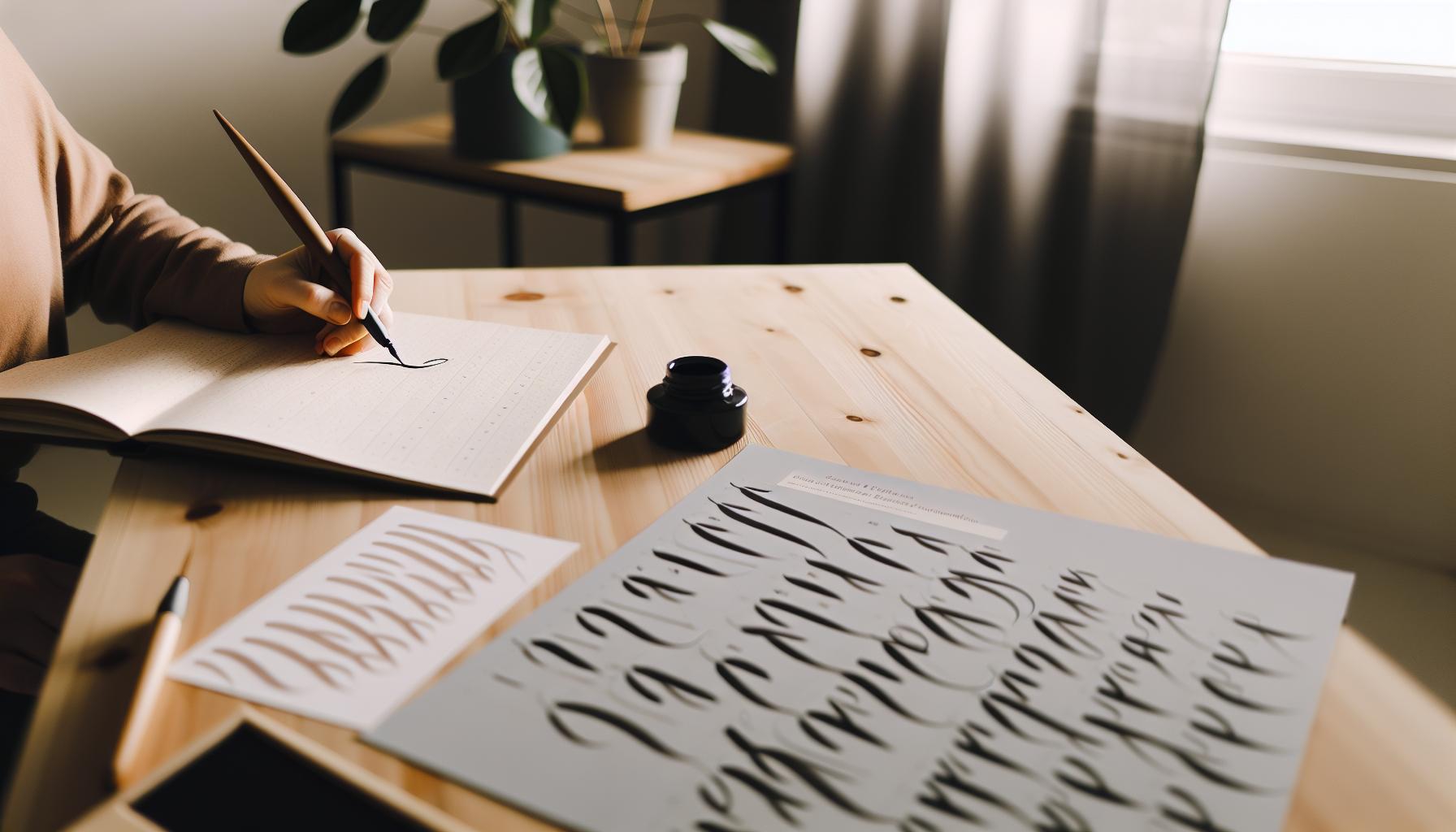
Basic Strokes: Mastering the Foundation of Calligraphy
To truly excel in modern calligraphy, mastering basic strokes is crucial. These foundational movements form the backbone of your lettering. Think of them as the building blocks that help you create everything from simple letters to intricate flourishes. Start by recognizing that most calligraphy letters are constructed from a combination of these basic strokes, making their mastery vital.
Begin with the upstroke and downstroke. An upstroke is executed by applying light pressure on your pen as you move upward, while a downstroke involves applying more pressure for that beautiful thick line. Practice these strokes repetitively, focusing on maintaining consistent pressure and fluidity. A fun exercise is to create vertical and horizontal lines, moving smoothly from light to heavy pressure, which will help you understand the dynamics of your pen and develop muscle memory.
Next, add in curves and loops. The oval stroke-essentially an upward downstroke followed by a downward upstroke-creates that elegant curve seen in letters like ‘o’ and ‘e’. Work on elliptical shapes, varying your pen pressure to create both light and bold lines. This variation not only enhances your letters but also imparts your unique style to your work.
After you’ve honed these essential strokes, consider transitioning into connecting strokes. Many letters share common strokes; for instance, the lowercase ‘f’ begins similarly to the ‘i’, but incorporates a loop. By familiarizing yourself with how different letters can be constructed from the same strokes, you’ll find that writing becomes much more fluid and natural.
Here’s a quick checklist for your practice sessions:
- Start with a light grip on your pen to avoid fatigue.
- Use a ruler to guide your strokes and maintain consistent angles.
- Experiment with different speeds; slow can enhance control, while faster can promote fluidity.
- Keep practicing in short bursts to maintain focus and effectiveness.
Remember, practice is key. Don’t rush through it-give yourself the space and time to explore these basic strokes deeply. They will pay off as you develop your unique modern calligraphy style, allowing your creativity to shine through every piece you create.
Step-by-Step Guide to Forming Letters in Calligraphy
To master the art of modern calligraphy with a normal pen, it’s essential to approach letter formation with intention and clarity. Each letter serves not only as a symbol but also as a unique expression of your style. Start by familiarizing yourself with the shapes and forms that make up each letter. The process is akin to learning a new language-the more you practice, the more fluent you’ll become.
Begin with the basics. Take the letter ‘a’ as an example. Focus first on the simple oval shape that forms its body. Use a light touch to draw the oval, then apply slightly more pressure as you finish with a downward stroke that creates the tail. This variation in pressure is vital; it adds depth and character to your writing. Once you’re comfortable with the individual components, try connecting them to form the full letter.
Practice individual letters by breaking them down into strokes. For instance, the letter ‘b’ starts with a straight line down, complemented by a loop at the top. Focus on how each stroke flows into the next. Use guides like grids or lines to maintain consistent height and width; this will help you achieve uniformity, which is crucial in calligraphy.
Key Steps to Form Letters
- Choose Your Pen: A normal pen can range from gel pens to fine liners. Find one that feels comfortable in your hand.
- Start with Basic Shapes: Before diving into letters, practice drawing ovals, lines, and loops to warm up your hand.
- Letter-by-Letter Approach: Break down letters into strokes. Focus on one letter at a time until you feel confident.
- Keep a Consistent Pace: Slow down and enjoy the process. This isn’t a race; precision will yield beautiful results.
- Use References: Look at samples of modern calligraphy for inspiration and to understand different styles.
Once you’ve practiced forming individual letters, combine them to spell out simple words or phrases. This is when your style really starts to emerge. Don’t hesitate to experiment with size and spacing. The beauty of modern calligraphy lies in its relaxed approach-there’s room for creativity. Embrace mistakes as opportunities; every imperfection adds to the charm of your work.
Creating Fluidity: Techniques for Connecting Letters
To create beautiful, fluid connections between letters in modern calligraphy, think of letterforms as a continuous flow rather than individual components. This mindset will transform your letters from mere shapes on a page into a harmonious expression of your style. A key approach to achieve this fluidity is to focus on the transitions between letters, which can often feel clunky if not practiced mindfully.
Start by noticing how certain letters naturally connect to one another. For instance, if you’re writing “hello,” the curve of the “h” flows seamlessly into the “e.” The trick is to allow your pen to glide without lifting it between these letters, using gentle movements to keep the ink moving. This creates a sense of rhythm. A common technique is to extend the last stroke of one letter to reach into the next. When finishing the “h,” let the downstroke curve gracefully into the “e.”
Here are some practical tips to enhance your connecting techniques:
- Practice Common Pairings: Spend time writing combinations of letters that frequently appear together (like “l” followed by “o”). This helps you visualize and feel the transition.
- Focus on the Anatomy of Letters: Pay attention to where strokes can overlap. Understanding your letters’ forms will make it easier to devise smooth transitions.
- Experiment with Loops and Swirls: Sometimes a little flourish can enhance connections. Adding a light loop or connecting stroke can add character while improving flow.
- Use Guides or Templates: If you’re struggling, consider using lined paper or templates. These can help keep your spacing consistent and encourage fluid movements.
Don’t be afraid to play with spacing and letter connections. Modern calligraphy is about embracing a relaxed style. Allow yourself to explore and even embrace imperfections-a small hiccup in connection can add unique charm. With practice, connecting letters will become second nature, and your writing will evolve into an elegant dance of ink on paper. This gives your calligraphy a personal touch that truly reflects your style and creativity.
Adding Style: Flourishes and Decorative Elements
Adding decorative flourishes to your modern calligraphy can elevate your work from simple text to a personalized piece of art. Flourishes serve as the icing on the cake, bringing rhythm and movement to your letters. They can highlight specific letters, enhance the overall composition, or create a signature style that’s distinctly yours.
Start with understanding where flourishes can naturally fit. Common areas include the beginning or end of letters, and tall or looping letters like “h,” “b,” and “g” are perfect for embellishment. Don’t overdo it; subtle flourishes often have a more significant impact than elaborate ones. As you practice, pay attention to how much space you have available. Overly crowded flourishes can make your work seem chaotic rather than elegant.
Here are some practical tips for incorporating flourishes into your calligraphy:
- Learn Basic Flourish Forms: Familiarize yourself with simple loops, swirls, and curls that can be transformed into flourishes. Practice these shapes separately before integrating them into your lettering.
- Use Flourishes as Transitions: Instead of viewing them as stand-alone decorations, consider how flourishes can connect different letters or words. This enhances the flow of your writing.
- Experiment with Different Styles: Play around with varying thickness and angles to see what suits your style best. Some flourish styles are more whimsical, while others feel more formal.
- Watch Tutorials: Online resources like The Happy Ever Crafter or Lettering Daily can provide visual guidance and inspiration. Watching skilled calligraphers can give you new ideas about where to add flourishes.
Finally, remember that flourishes should complement your calligraphy, not overshadow it. As you gain confidence, get creative and let your unique style shine through. Flourishes can truly transform your pieces, making them feel personalized and special. Embrace the process of experimenting-after all, modern calligraphy is all about expressing yourself freely.
Color and Ink: Making Your Calligraphy Stand Out
Choosing the right colors and inks can completely transform your calligraphy, giving it a unique flair that reflects your personal style. Using bold or unexpected colors not only makes your work visually striking but also helps express mood and emotion in your pieces. While black and white are classic, don’t shy away from experimenting with pastels, metallics, or vibrant shades. The key is to choose a color palette that resonates with you and the message you want to convey.
When it comes to ink selection, you have various options. For modern calligraphy with a normal pen, consider gel pens, brush pens, or even fountain pens that can accommodate different types of ink. Gel pens, for instance, offer smooth writing and vibrant color options, while brush pens allow for varying stroke thickness, adding dynamism to your work. If you want to venture into additional textures, try using metallic inks or watercolor, which can create stunning gradients and layered effects.
To maximize the impact of your colors, think about contrast. Pair light inks on dark paper to create striking visuals or use dark hues on lighter backgrounds for readability. You can also enhance your work by integrating colored backgrounds or decorative elements with complementary hues. Remember, your goal is to create something that draws the eye, so play around with different combinations until you find what resonates with you.
Here are some practical tips for using color and ink effectively:
- Test Before You Commit: Always try colors and inks on scrap paper first. This helps you see how they’ll look together and allows you to experiment without ruining your main piece.
- Limit Your Palette: Too many colors can overwhelm your work. Start with a few that complement each other, and expand as you get more comfortable.
- Consider the Occasion: Tailor your color choices to the piece’s purpose. For weddings, soft pastels might be ideal, while a birthday card could lean toward bold, vibrant colors.
Ultimately, the colors and inks you choose will not only enhance the aesthetic but also tell a story. Lean into your intuition and have fun with this aspect of your calligraphy. The journey of exploration is where the true magic happens.
Common Mistakes in Calligraphy and How to Avoid Them
Mistakes are a part of any creative journey, and calligraphy is no exception. One of the most common pitfalls beginners face is rushing through the learning process. It’s tempting to want to produce beautiful pieces right away, but this often leads to sloppy work and frustration. Take your time to practice each stroke and letter. Focus on mastering the basic movements before you attempt full words or elaborate styles. Remember, patience is key!
Another frequent error is overlooking paper choice. Using the right paper can drastically affect your output. Beginners often default to regular printer paper, which can absorb ink too quickly or let it bleed. Instead, opt for smooth, high-quality paper designed for ink. This makes it easier for your pen to glide, allowing for cleaner strokes and clearer letters. Incorporating a test sheet before starting a project can save you from future disappointment.
Besides material choices, inconsistent pressure and grip can lead to uneven lines and variable thickness in your strokes. Many beginners either grip the pen too tightly or hold it in a way that restricts fluidity. Experiment with different grips and find one that allows for smooth movement. Pay attention to how much pressure you apply as you write; the more you practice, the more intuitive this will become.
Lastly, a lack of regular practice can set you back significantly. Just like any skill, consistency is crucial in calligraphy. Set aside time daily or weekly for practice, focusing on different strokes, letters, or techniques in each session. Consider joining online communities where you can share your progress and gain valuable feedback. This not only keeps you motivated but also helps you learn from others’ experiences.
In summary, don’t let common mistakes hold you back. Embrace the learning curve by practicing regularly, choosing the right materials, and being mindful of your technique. With dedication and attention to these aspects, you’ll find that your calligraphy skills improve far more quickly than you might expect.
Showcasing Your Work: Tips for Displaying Calligraphy
If you’re proud of your calligraphy and want to share it with the world, how you showcase your work can make a huge difference. Whether it’s your first beautiful piece or a more intricate project, the presentation is just as vital as the craftsmanship. To start, consider the medium you choose for display. Framing your work is a classic choice that adds elegance; a simple, clean frame can highlight the beauty of your lettering without overwhelming it.
Creative Ways to Display
Think beyond traditional frames! Here are some fresh ideas to display your calligraphy:
- Canvas Prints: Transfer your work onto canvas for a modern touch that stands out.
- Greeting Cards: Transform your pieces into personalized cards. It’s a great way to share your art with friends and family.
- Digital Showcases: Utilize social media platforms or a personal website to reach a broader audience. High-quality photos can capture details that truly shine.
- Decorative Clips: Hang your work using decorative clips on a string or wire for a casual, artsy display.
Once you’ve selected your method of display, think about the arrangement. A gallery wall can create a visual impact-try mixing different sizes and styles of your pieces to form an eye-catching presentation. Highlight particular works by pairing them with complementary decor such as plants or textured backgrounds.
Sharing Your Process
Don’t just stop at showcasing finished pieces. Sharing your creative process-your rough sketches or practice sheets-can engage your audience and inspire other beginners. Use stories or captions to explain what inspired a particular piece. Sharing the journey can make your work even more relatable and appreciated.
Incorporating feedback from the community can enhance the showcasing experience as well. Engage with fellow calligraphers through online platforms and ask for critiques or tips on how to improve your display techniques. The more you share, the more connections you’ll build, and feedback can be one of the best tools for growth.
Exploring Online Resources and Communities for Calligraphers
Getting involved in the world of modern calligraphy can feel overwhelming at first, but thankfully, there’s a wealth of online resources and communities that can light your path. Whether you’re interested in technique tutorials, sharing your work, or connecting with fellow enthusiasts, the digital landscape offers countless opportunities. Join forums, follow social media accounts, and dive into specific online groups dedicated to modern calligraphy with a normal pen. These spaces not only provide inspiration but also a sense of camaraderie among those grappling with the same challenges.
One of the most enriching aspects of participating in online communities is the exchange of ideas and feedback. Websites like Instagram and Pinterest are gold mines for calligraphy inspiration, showcasing diverse styles and innovative uses of everyday pens. Don’t just lurk; engage! Share your own work, ask for critiques, and participate in challenges or collaborations. This interaction helps you learn faster and keeps you motivated. There are also dedicated groups on platforms like Facebook where members post their progress, ask for help, and share valuable resources such as free practice sheets or instructional videos.
YouTube is another excellent platform for modern calligraphy learning. With countless tutorials dedicated to everything from basic strokes to advanced techniques, visual learning can be a game-changer. Watching experienced calligraphers demonstrates the intricacies of how they manipulate their pens, allowing you to better understand the movements required for great lettering. Many creators also offer live sessions or Q&As, giving you the chance to get instant feedback on your work.
In addition to social media and tutorials, don’t overlook the power of blogs and dedicated websites. They often provide comprehensive guides, resources for supplies, and downloadable materials that are tailored specifically for beginners. Some sites even feature forums where you can ask questions and find likeminded individuals eager to share their experiences. Engaging with these platforms cultivates a supportive environment that fosters learning and growth in your calligraphy journey. So, jump in, explore, and remember: the more you share and connect, the richer your experience will be.
Taking Your Skills Further: Advanced Techniques to Learn
To truly elevate your calligraphy game with a normal pen, it’s time to dive into advanced techniques that bring depth and character to your work. Mastering these methods not only enhances your skills but also allows you to express your unique style. Think about infusing your pieces with intricate flourishes or exploring the beauty of pressure variations; these elements can transform simple lettering into stunning art.
One effective technique is dynamic pressure control. Unlike traditional calligraphy pens, regular pens can still achieve effects that mimic varying thicknesses. Practice applying different amounts of pressure while writing-light for upstrokes and heavier for downstrokes. This will create a more animated look. You can also experiment with angle variations by slightly tilting your pen when making strokes. Notice how this shifts your lines from rigid to fluid, adding an organic feel to your letters.
Additionally, layering techniques can significantly enhance your calligraphy. Start with a light outline of your letters, then add deeper colors or details once the base is dry. This method provides a dimension that catches the eye. Using multiple colors can also set apart different parts of your work. Challenge yourself by introducing gradients or blending colors-tools like a water brush can help soften edges. Don’t shy away from incorporating texturing methods, such as stippling or cross-hatching, which can create stunning backgrounds or embellishments.
Finally, keep your creative juices flowing by participating in calligraphy challenges online. These often prompt you to push boundaries and try new styles without the fear of judgment. Engaging with a community not only motivates you but also exposes you to a variety of advanced techniques. So, grab your normal pen, and let these strategies guide you as you create captivating and personalized calligraphy pieces that stand out.
Frequently Asked Questions
Q: Can I use any normal pen for modern calligraphy?
A: Yes, you can use any normal pen for modern calligraphy! Choose a pen with a medium to broad tip for better line variation. Experiment with gel, felt-tip, or ballpoint pens to find your favorite tool. For more tips, check the section on Choosing the Right Normal Pen for Calligraphy.
Q: What’s the easiest way to start modern calligraphy with a normal pen?
A: The easiest way to start is by practicing basic strokes and letterforms. Begin with simple shapes and gradually form letters. Use lined paper to guide letter height and spacing. Check out the Basic Strokes section of your guide for foundational exercises.
Q: How can I make my calligraphy look more stylish with a normal pen?
A: To add style, incorporate flourishes and decorative elements into your letters. Practice various embellishments like loops or swirls to enhance your designs. The section on Adding Style: Flourishes and Decorative Elements will provide great techniques.
Q: What are the common mistakes to avoid in modern calligraphy with a normal pen?
A: Common mistakes include inconsistent pressure and uneven spacing. Focus on maintaining steady pressure while writing and ensure letters are evenly spaced. To avoid these issues, refer to the Common Mistakes section for troubleshooting tips.
Q: How can I practice modern calligraphy effectively at home?
A: Create a consistent practice schedule and use practice worksheets tailored for normal pens. Start with basic strokes, then progress to letters and words. Dedicate time daily and check out the section on Essential Tools and Materials for more resources.
Q: What resources can I use to improve my modern calligraphy skills?
A: Online tutorials, YouTube videos, and social media communities can provide excellent resources. Additionally, consider joining workshops or following experienced calligraphers for tips. Explore the Exploring Online Resources and Communities for Calligraphers section for recommendations.
Q: When should I switch from a normal pen to a brush pen in my calligraphy practice?
A: If you’re comfortable with basic techniques and want to enhance your style with varied line thickness, it might be time to try a brush pen. Experiment with both to see which style suits your projects best. The article’s section on Taking Your Skills Further will assist in this transition.
Q: Where can I showcase my modern calligraphy projects?
A: You can showcase your work on social media platforms like Instagram, Pinterest, or even personal blogs. Participating in local art fairs or exhibitions is also a great way to display your skills. Check the section on Showcasing Your Work: Tips for Displaying Calligraphy for more ideas.
Insights and Conclusions
Now that you know how to achieve beautiful modern calligraphy with just a normal pen, it’s time to put your skills to the test! There’s no reason to wait-start practicing today and transform your handwritten notes into stunning pieces of art that will impress everyone. If you want to dive deeper, check out our guides on calligraphy tools you’ll love and the top mistakes to avoid when starting your calligraphy journey.
Don’t forget to share your creations with us! Your feedback not only helps others but also builds a community of calligraphy enthusiasts ready to inspire each other. For more tips and resources, consider signing up for our newsletter, where you’ll get exclusive content delivered straight to your inbox. Let’s keep the creative momentum going! Your path to mastering calligraphy starts here, so explore more and unleash your artistic potential!