

Did you know that washi tape is not just a beautiful craft supply but also a versatile tool for creativity? Making your own washi tape opens up endless possibilities to personalize your projects, from decorating journals to crafting one-of-a-kind gifts. This beginner’s complete guide will walk you through the simple steps of creating washi tape, empowering you to express your style while saving money on store-bought options. If you’ve ever struggled to find the perfect decorative tape or wanted a fun weekend project, you’re in the right place. Let’s dive into the art of washi tape making and discover how you can bring your unique flair into every corner of your life!
Choosing the Right Materials for Washi Tape
Choosing materials for making your own washi tape can feel overwhelming, but it doesn’t have to be. The right materials not only impact the final look of your tape but also its functionality. The most fundamental component of washi tape is, of course, the paper itself. Traditionally, washi paper is made from the long inner fibers of plants like the mitsumata or gampi, offering a delicate yet durable surface. For beginners, it’s often easiest to start with a quality rice paper or thin, textured paper that mimics the look of traditional washi, making it both versatile and user-friendly.
Next, consider the adhesive. Not all glues are created equal when it comes to washi tape. You’ll want to select a low-tack adhesive that sticks without leaving a residue. Double-sided adhesive sheets can also work wonders and allow for more creative designs, such as layering multiple patterns or colors. When it comes to customizing your tape, look for permanent markers, watercolors, or even decorative elements like stamps and stickers to embellish your designs.
Another critical material is the backing paper, which can be used to support your designs during the application process and ensure a smooth finish. Common choices for backing include plain cardstock or more decorative papers that enhance the aesthetic appeal of the final product.
Finally, don’t overlook the importance of proper cutting tools-sharp scissors or a rotary cutter paired with a cutting mat will make precise cuts easier, giving your tape a professional edge. With these materials, you’re well on your way to crafting unique washi tape that stands out while reflecting your personal style.
Essential Tools and Equipment for Beginners
The right tools and equipment can make all the difference when you’re starting your journey into making washi tape. Think of your workspace as a creative lab. Having everything you need within reach not only saves time but also sparks inspiration. Here’s a rundown of essential items to get you started.
You’ll first want a cutting tool-a sharp pair of scissors or a rotary cutter. Precision is key in crafting washi tape, and these tools help ensure clean cuts. Pair them with a cutting mat to protect your work surface and to make measuring easier. Next on the list is adhesive. A low-tack double-sided tape works wonders for washi tape which needs to stick but still be removable without damaging surfaces. It’s versatile and allows for experimentation with layering and pattern designs without the fuss of permanent adhesives.
Don’t underestimate the power of design aids. Markers, watercolors, and brushes are excellent for adding personal touches. Consider also investing in some stamps or decorative stickers to enhance your creations-these elements can take your washi tape from ordinary to extraordinary. To keep your projects organized, a storage solution-like a file folder or small bins for scraps-can be immensely helpful in keeping your workspace tidy and your materials accessible.
Finally, a blending tool like a bone folder can help smooth out your tape when applying it, ensuring there are no bubbles or wrinkles. With these tools, you’ll be equipped to tackle any washi tape project that comes your way, allowing your creativity to flow freely and beautifully. Happy crafting!
Step-by-Step Process to Create Washi Tape
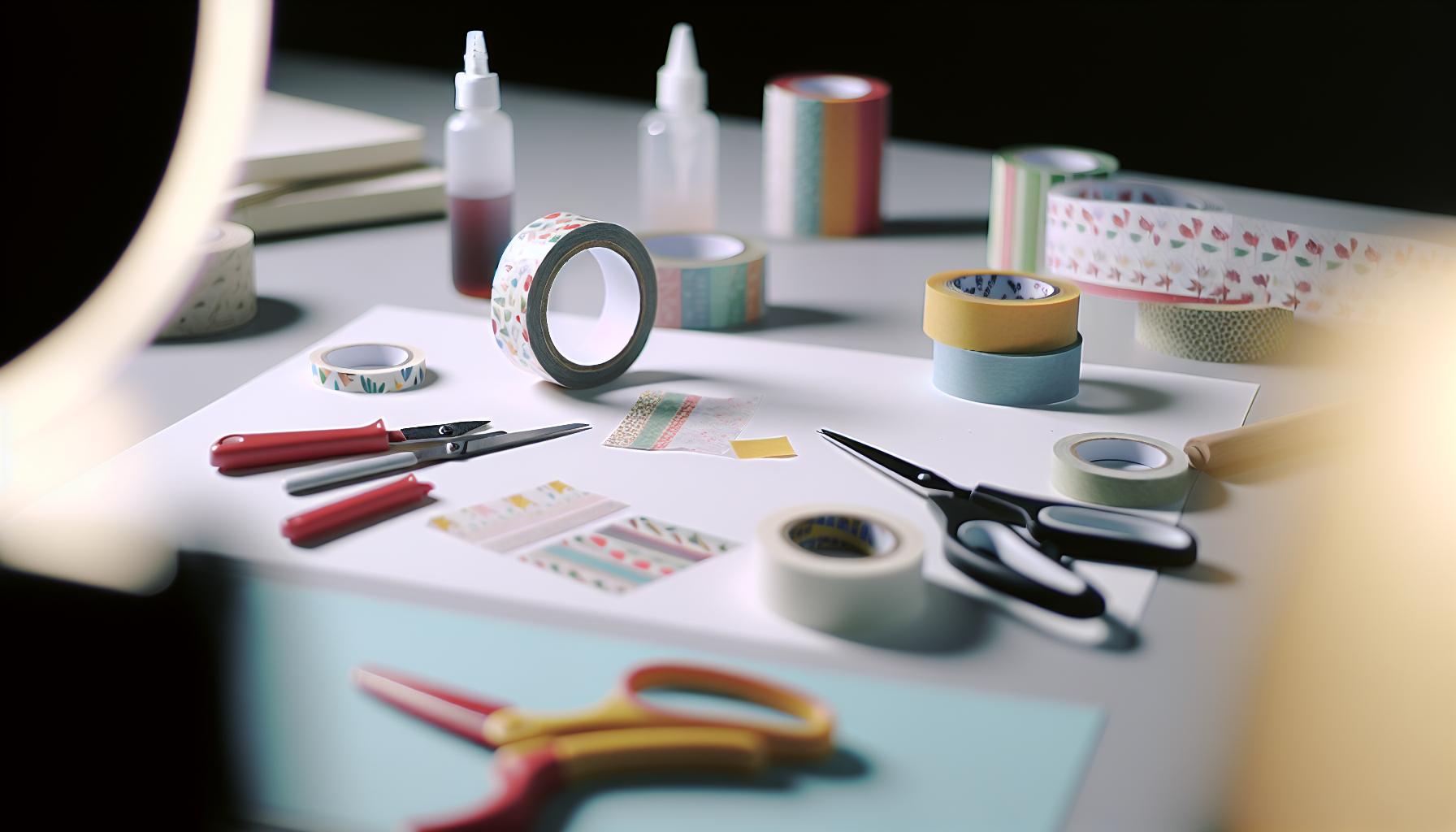
Creating your own washi tape is not just an exciting craft-it’s an opportunity to express your creativity and design unique pieces that suit your style. The process is straightforward and rewarding, making it perfect for beginners. With just a few materials and a little patience, you can transform your ideas into beautiful, functional tape.
Start by gathering your materials: you’ll need a roll of low-tack double-sided tape, a selection of decorative papers (such as scrapbooking paper or patterned tissue paper), scissors, and any additional embellishments like stickers or markers. Once you’re equipped, the first step is to cut your decorative paper into strips. Aim for a width that suits your preference, typically around 1 to 2 inches. This will form the base of your tape.
Next, take your strips of decorative paper and carefully peel away a section of the double-sided tape. Stick the paper on one side, ensuring that it adheres smoothly without air bubbles. Use your fingers or a bone folder to press down and create a solid bond. If you’re feeling artistic, this is where you can add designs using markers or stamps directly on the paper before applying the tape.
After your design is in place, trim any excess paper from the edges of the tape roll. It’s crucial to ensure neatness so that the tape doesn’t snag or peel unevenly. Once you’re satisfied with your creation, unwind the length of tape you’ll use and cut it from the main roll. Your handmade washi tape is now ready to beautify your notebooks, gifts, or any other projects you have in mind-enjoy the satisfaction of sharing your creations with others!
Creative Techniques for Customizing Your Washi Tape

Creating your own washi tape opens up a world of creative possibilities. You can transform ordinary materials into personalized masterpieces that reflect your unique style. From incorporating different textures to experimenting with patterns, there are plenty of engaging techniques to make your tape stand out.
One effective technique is layering. Start with a base layer of decorative paper, then add another layer on top with a contrasting or complementary color. This not only adds depth but also visual interest. You can even try using translucent papers, allowing the colors below to peek through for a stunning effect. Don’t hesitate to mix patterned papers with solid shades; the contrast can elevate your design significantly.
Another fun approach is to incorporate natural elements. Pressed flowers, leaves, or even small photographs can be embedded between layers of transparent tape for a beautiful, nature-inspired touch. Just ensure these elements are completely dry and flat before sealing them in. Additionally, you can use stamps or stencils to add unique designs to your tape. Whether it’s a simple geometric pattern or intricate floral motifs, hand-stamped designs bring a personal touch that machine-made prints often lack.
Using distress inks or watercolors can also help create a vintage or artistic flair for your washi tape. Apply these colors to your paper strips before adhering them to the tape. This technique gives an effortless watercolor wash that can enhance your creations without overwhelming them. Finally, don’t overlook the power of embellishments. Ribbons, sequins, or washi tape borders can be added to your designs, creating a multi-dimensional look.
By using these creative techniques, you’ll not only enhance the aesthetic appeal of your washi tape but also enjoy the process of making something that’s truly your own. Just let your imagination run wild, and you might discover new methods that could inspire future projects!
Understanding Different Washi Tape Patterns
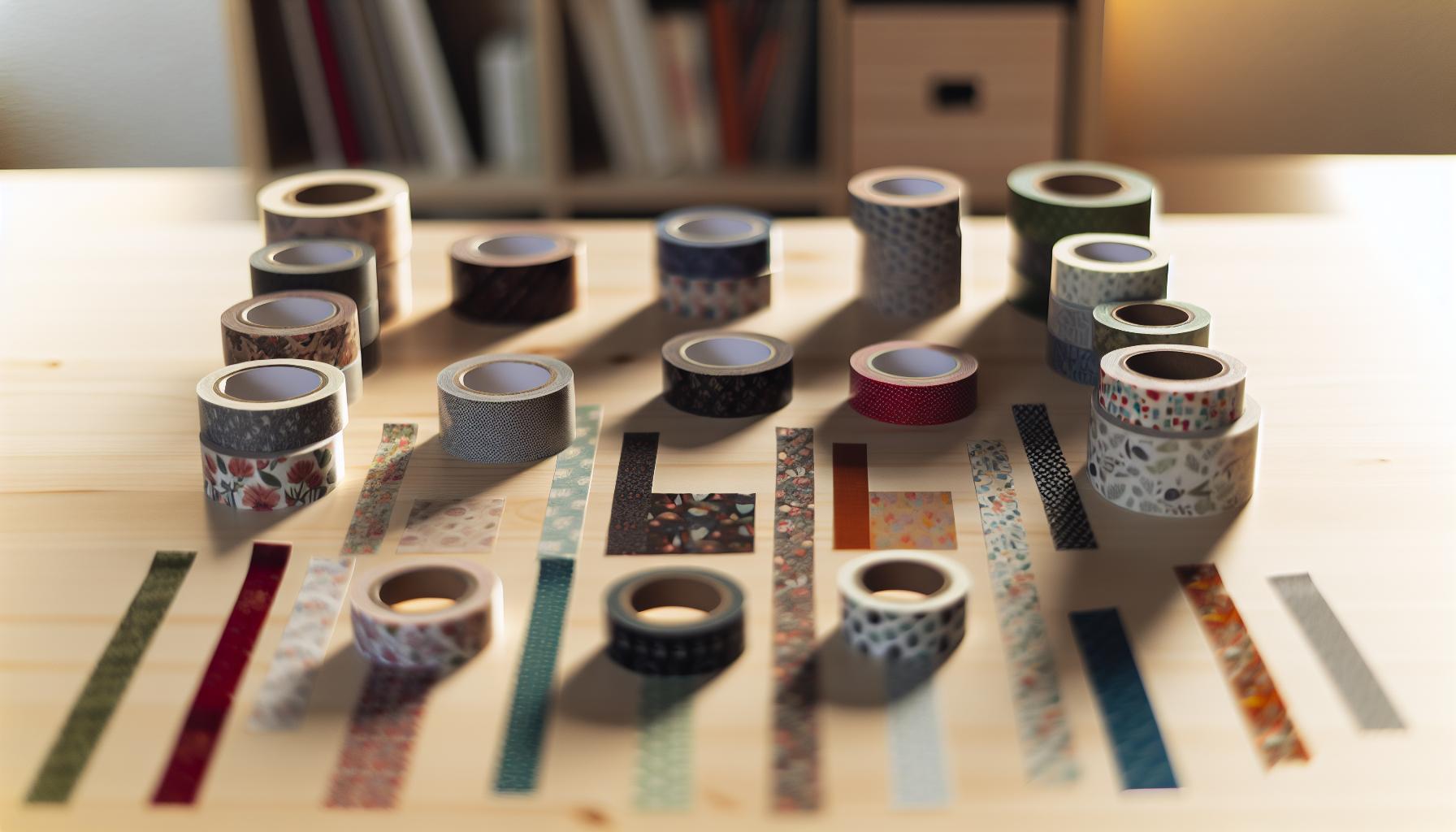
Different patterns can turn your handmade washi tape from basic to stunning in no time. The beauty of washi tape lies not only in its functionality but also in the incredible variety of designs you can create. From geometric shapes to botanical themes, understanding the range of patterns will elevate your crafting game and allow you to express your creative vision.
Start with geometric patterns. These are great for beginners since they can be easily achieved using stencils or by cutting shapes from patterned paper. Triangles, stripes, and polka dots are classic choices that can overlay beautifully on each other. If you want a contemporary feel, try incorporating contrasting colors or metallic elements to give your tape an eye-catching flair.
Another popular choice is floral designs, which often evoke feelings of freshness and nature. You can use pressed flowers, leaf prints, or even hand-drawn elements to create unique floral patterns. If you’re looking for a vintage vibe, explore using muted watercolor florals or combining multiple floral patterns for a layered effect. Embellishments like glitter or gold foil can add a luxurious touch to your floral-themed washi tape.
Don’t forget about abstract designs! These patterns can be as creative as you’d like, using splashes of color, brush strokes, or even collage techniques. Abstract patterns often encourage experimentation; try combining various techniques you’ve learned, like watercolor and stamping, for unexpected yet beautiful results. This approach lets you craft something truly personal and unique.
Lastly, consider seasonal and holiday themes. Create patterns inspired by the seasons-like falling leaves for autumn or snowflakes for winter. These thematic designs are perfect for decorating gifts or personalizing cards, allowing you to connect with seasonal celebrations deeply.
In short, exploring different washi tape patterns opens a world of creativity that enhances both your projects and your experience in crafting. Dive in, experiment, and most importantly, have fun while making designs that resonate with your personal style!
Common Mistakes to Avoid When Making Washi Tape
Making your own washi tape can be a fantastic crafting adventure, but it’s also easy to stumble into some common pitfalls. Here’s what you need to watch out for to ensure your creations turn out beautifully every time.
First off, don’t underestimate the importance of your adhesive. Many beginners make the mistake of opting for a glue that’s too strong or not strong enough. For washi tape, you want an adhesive that’s tacky enough to hold but not so permanent that it becomes a nightmare to remove. Using a tape adhesive or a specifically designed washi tape glue can prevent you from dealing with the frustration of tape that won’t stick or can’t be repositioned.
Another issue arises from not allowing your designs to fully dry before cutting them into strips. Whether you’re adding paint, ink, or any kind of embellishment, give your tape plenty of time to dry completely. Cutting too soon can smudge your design or create messy edges. Patience is key here; let the tape cool its heels for a bit.
It’s also crucial to be mindful of your cutting technique. When making washi tape, a blunt or uneven cutting surface can lead to ragged edges that detract from the overall look. For clean, beautiful results, always use a sharp blade or scissors. If you’re feeling fancy, a rotary cutter on a cutting mat can make the process smoother and more precise.
Lastly, don’t forget to test your patterns before you commit to a larger batch. Sometimes what looks good in theory doesn’t translate well to reality. Grab some scrap paper and create a few samples first. This practice can save you the heartache of wasting materials on a design that just doesn’t work.
By keeping these tips in mind, you’ll avoid the common missteps that can dampen your creative spirit. Dive in confidently, and your handmade washi tape will turn out stunning every time!
Unique Ways to Use Your Handmade Washi Tape
There’s an endless world of creativity when it comes to using your handmade washi tape, and the best part? You don’t have to stick to traditional uses. Think outside the box and transform ordinary items into something special. Whether you’re aiming for organization, decor, or unique gifts, washi tape can elevate almost anything.
One of the simplest ways to harness the charm of your washi creations is in your planning and organizing. Use your tape to decorate notebooks, planners, and bullet journals. It adds a personalized touch and helps highlight important sections or notes. Consider color-coding your tasks, using various patterns to denote different categories; this not only looks appealing but makes it easier to navigate your plans.
Crafty Gift Wrapping
Washi tape works wonders in gift wrapping, too. Instead of traditional ribbons or plain tape, use your washi to seal gift wrap or create beautiful accents. Layer different patterns or colors to create a unique design. You can even make custom tags by sticking washi tape onto cardstock and cutting it into fun shapes. This small detail can make your gifts stand out and feel more thoughtful.
Home Decor Innovations
Bring your personal touch into your living space by employing washi tape in home decor. Use it to frame mirrors, art pieces, or photographs. You can also craft decorative accents for furniture-such as adding stripes or geometric designs to drawers, cabinets, or even light switches. The beauty of washi tape is its repositionable nature, allowing you to experiment until you’ve perfected your design.
Lastly, think about using washi tape for unique, handmade cards and invitations. Stickers can get pricey, but with your own tape, you can create custom designs that reflect your personality or theme. Add layers of tape for texture, or create borders and backgrounds that frame your messages beautifully.
With just a few rolls of handmade washi tape, the possibilities are truly limitless. Get creative and find joy in discovering all the unique and fun ways to showcase your craft!
Storage Solutions to Keep Your Washi Tape Organized
Keeping your washi tape organized can significantly enhance your crafting experience and save you time and hassle. There’s nothing more frustrating than rummaging through a jumbled collection to find that one perfect roll. By implementing a few effective storage solutions, you can maintain an orderly space where your creativity can thrive.
One popular method is to use clear acrylic drawers or containers. These boxes allow you to see your entire collection at a glance, making it easy to choose your colors and patterns at a moment’s notice. You can even customize the organization within these boxes by using dividers to keep your rolls separated by theme, color, or size. For those who love a more vertical approach, a tiered supply organizer can help maximize space while displaying your beautiful washi collection in an appealing way.
Creative Storage Ideas
If you’re particularly crafty, consider repurposing items around your home. Empty glass jars or decorative tins can serve as charming washi tape holders. This adds a touch of personality to your workspace while also being functional. Simple DIY projects like a hanging rack made of wooden dowels can showcase your washi tape rolls, keeping them easily accessible while reducing clutter.
Remember to label your storage solutions. Whether you use a label maker or simply write on masking tape, having clear labels can help you quickly locate what you need without digging through multiple containers.
Investing some time in organizing your washi tape not only creates a more pleasant crafting environment but also inspires creativity, helping you maximize your projects. Make it a fun part of your craft routine-after all, a well-organized collection is a happy collection!
Inspiring Project Ideas Using Washi Tape
Using washi tape opens a world of creativity that can transform everyday items into personal treasures. From decorating your home to enhancing your crafting projects, the possibilities are limitless. Whether you’re a seasoned crafter or just starting out, these project ideas will spark your imagination and help you utilize your handmade washi tape in fun and innovative ways.
One exciting way to use washi tape is in your home decor. Create eye-catching wall art by simply applying strips of washi tape in geometric patterns on a canvas or wooden board. You can also decorate picture frames by wrapping the edges in vibrant tape to give your favorite photos a fresh look. Another idea is to customize plant pots; just wrap the tape around the pot to add color and personality, making your plants stand out.
In the crafting realm, washi tape is a game-changer. Use it to create personalized bookmarks by wrapping a strip around a piece of cardstock, adding a tassel for flair. For journaling enthusiasts, decorate the edges of your pages or use washi tape to highlight important notes or reminders. Gift wrapping becomes a breeze too: instead of traditional ribbon, use washi tape to seal gift boxes or create stylish embellishments.
Social events provide another perfect opportunity to showcase your washi tape creations. Make unique party decorations by enhancing simple balloons or covering cups and cutlery for a themed look. Even thank you cards can bear your special touch-just stick strips of washi tape on the envelopes or cards to make them more visually appealing. When it comes to organizing your workspace, try marking folders or notebooks with different washi tape patterns to keep things orderly yet stylish.
With these inspiring project ideas in mind, you’ll find that your washi tape is more than just a crafty supply-it’s an avenue for expressing your creativity and personalizing your space! Whether you’re beautifying a room or adding flair to your crafts, your handmade washi tape can truly shine in unexpected ways.
Exploring the History of Washi Tape
Washi tape’s roots are as rich and intricate as the designs that adorn its surfaces. Born from centuries of Japanese papermaking tradition, washi tape is a product of an art form that has been refined since the 7th century. Originally called washi, meaning “Japanese paper,” this versatile material was crafted using the inner fibers of plants like the kozo (mulberry), mitsumata, and gampi. These materials give washi its unique qualities-strength, flexibility, and the ability to absorb dyes beautifully. This was not just about creating a medium for writing but creating an art form in itself.
When washi paper began being manufactured in rolls and adorned with colorful patterns, washi tape emerged as a wonderful byproduct of this tradition. The first appearance of washi tape as we know it today can be traced back to the 1980s in Japan. At that time, decorative masking tape was popularized for both its aesthetic appeal and its practical uses, becoming a staple in crafts and home decor. The introduction of adhesive to make these decorative tapes easier to use transformed them into a must-have crafting supply, merging artistry with functionality.
Fast forward to today, and washi tape has transcended its humble beginnings to become a global phenomenon. No longer limited to Japan, it has found its way into craft markets around the world, available in countless colors, patterns, and sizes. This evolution reflects a broader fascination with DIY culture and the desire for unique, personalized touches in decorative arts. Whether used to embellish gifts, organize spaces, or highlight creative projects, washi tape is now celebrated for its ability to add a touch of elegance and flair to any situation.
As you dive into creating your own washi tape, remember its rich history. Each piece you make is not just a crafty endeavor but also a connection to ancient techniques that have endured through generations. By understanding the legacy of washi tape, you can approach your projects with greater appreciation and creativity, paving the way for innovations in your crafting journey.
Tips for Selling Your Handmade Washi Tape
Selling handmade washi tape can be a rewarding venture that marries creativity with entrepreneurship. With the right strategies, you can turn your passion into profit. Start by understanding your target market-who they are and what they love about washi tape. This could be scrapbookers, DIY enthusiasts, or even teachers looking for unique supplies. That insight will guide your design choices and marketing efforts.
You’ll want to showcase your creations effectively. Consider establishing an online presence with a visually appealing website or social media profiles. Use high-quality images that highlight the intricate designs and versatility of your washi tape. Ensure your branding reflects the aesthetic of your products. A cohesive look can help your products stand out in a crowded market. Also, engaging storytelling about your process can resonate with customers, making them more likely to connect with your brand.
Pricing your washi tape competitively is crucial. Calculate the cost of materials, time spent, and overheads, but also consider what similar products are selling for. Don’t undervalue your craftsmanship. If you put in the effort to create unique designs, highlight that in your pricing.
Maximizing Sales Opportunities
Utilizing various sales channels can elevate your reach. Beyond your website and social media, consider platforms like Etsy or eBay, which cater specifically to handmade goods. Attend local craft fairs or markets where customers can see and feel your products firsthand. Building relationships with other local artisans can also lead to collaborative opportunities.
Finally, don’t underestimate the power of customer feedback. Encourage reviews and testimonials to foster trust and credibility. Engaging with your customers through newsletters or social media also creates a community around your brand, leading to repeat sales. Ultimately, your unique designs and authentic story will drive your sales-embrace your creativity and share it with the world!
Frequently Asked Questions
Q: What materials do I need to make washi tape at home?
A: To make washi tape, you’ll need decorative paper, double-sided tape, scissors, and a cutting mat. It’s also helpful to have rulers and bone folders for precise measurements and smoothing edges. Don’t forget to choose the right paper to achieve the look you want!
Q: Can I use any type of paper to make washi tape?
A: Not all paper works for washi tape. You should use lightweight, flexible paper, like origami or scrapbook paper, that adheres well when combined with tape. Avoid heavy stock or glossy paper as they won’t give you the desired quality and flexibility in your tape.
Q: How can I create my own washi tape designs?
A: You can create unique washi tape designs by hand-painting, stamping, or printing your favorite patterns on lightweight paper. Use motifs that reflect your style, then apply double-sided tape behind your designs for easy use!
Q: How do I store my homemade washi tape properly?
A: Store your homemade washi tape in a cool, dry place away from direct sunlight to prevent fading. Use clear containers or drawer organizers to keep your tapes visible and accessible. Consider wrapping them around small cardboard rolls for easy organization.
Q: What common mistakes should I avoid when making washi tape?
A: Avoid using heavy paper, which can tear or not adhere well. Also, don’t rush the drying process if you use glue, as it may cause bubbling. It’s crucial to ensure the tape is fully adhered before cutting to prevent lifting at the edges.
Q: How do I know if my washi tape is usable for crafts?
A: Test your washi tape by applying it to different surfaces like paper, fabric, or walls. An ideal washi tape should stick well without leaving residue and should be easy to remove. If it meets these criteria, it’s great for crafts!
Q: Can I sell my homemade washi tape online?
A: Yes, you can sell your homemade washi tape online! Platforms like Etsy or your own website are excellent options. Make sure to take high-quality photos, describe your designs thoughtfully, and consider packaging that reflects your brand.
Q: What should I consider when pricing my handmade washi tape?
A: When pricing your handmade washi tape, consider the cost of materials, time spent making it, and competitor prices. Ensure you factor in shipping, and create a price that reflects both the quality of your work and your target market.
In Summary
Now that you’ve mastered the basics of making your own washi tape, it’s time to unleash your creativity! Dive into custom designs and experiment with colors-your crafting possibilities are endless! Don’t forget to check out our articles on advanced washi tape techniques and upcycling ideas to take your projects to the next level.
If you have questions or want to share your creations, we want to hear from you in the comments below! Feeling inspired? Subscribe to our newsletter for regular tips and exclusive DIY resources. Remember, every roll of washi tape you create not only showcases your unique style but also brings a personal touch to every project. Keep crafting and don’t hesitate to explore our site for more inspiring content. Your crafting journey has just begun!