

Did you know that creating your own washi tape is not only fun but also a fantastic way to personalize your crafts? Washi tape has become a beloved staple in the crafting world for its versatility and aesthetic appeal. Whether you want to jazz up your planner, add flair to gift wrapping, or simply express your creativity, knowing how to design and print your own tape empowers you to put your unique stamp on any project.
In this guide, we’ll explore simple techniques to design and print your own washi tape, helping you save money while unleashing your inner artist. You’ll discover that with just a few materials and a bit of imagination, making custom washi tape is easier than you think. So, if you’re ready to transform your crafting experience and create stunning, one-of-a-kind tape, let’s dive in!
Understanding Washi Tape: What It Is and Why You Need It
Washi tape is more than just a decorative adhesive; it’s a versatile crafting tool that has captured the hearts of DIY enthusiasts worldwide. Originating in Japan, this thin, easy-to-tear paper tape is known for its beautiful patterns and colors. One of the standout features of washi tape is its removability. It peels away easily without leaving residue, making it perfect for temporary decorations and craft projects. Whether you’re enhancing a gift, personalizing your planner, or diving into more advanced craft techniques, washi tape is an essential component that adds flair without the commitment of permanent adhesives.
You might be wondering why you should incorporate washi tape into your creative projects. First off, its lightweight nature and strong adhesion mean it sticks well without overpowering the base material. This makes it ideal for any craft, from scrapbook pages to home décor, and allows for easy repositioning if you want to change things up later. Additionally, washi tape is available in countless designs-from simple colors to intricate patterns-meaning the only limit is your imagination. It fosters creativity by allowing crafters of all skill levels to experiment with colors and styles in a low-risk environment.
In practical terms, using washi tape opens the door to thousands of creative possibilities. You can create stunning borders in journals, make custom labels for organization, or even wrap it around objects like pencils and jars for a decorative touch. The tactile quality of washi tape also makes it enjoyable to use, enhancing the crafting experience by inviting playfulness. As you begin to explore making your own washi tape, you’ll not only learn how to customize designs according to your aesthetic but also discover how to integrate them into various projects, further enhancing your crafting toolkit.
Embrace the world of washi tape-its charm, flexibility, and ease of use make it an indispensable ally for both novice crafters and seasoned artists alike.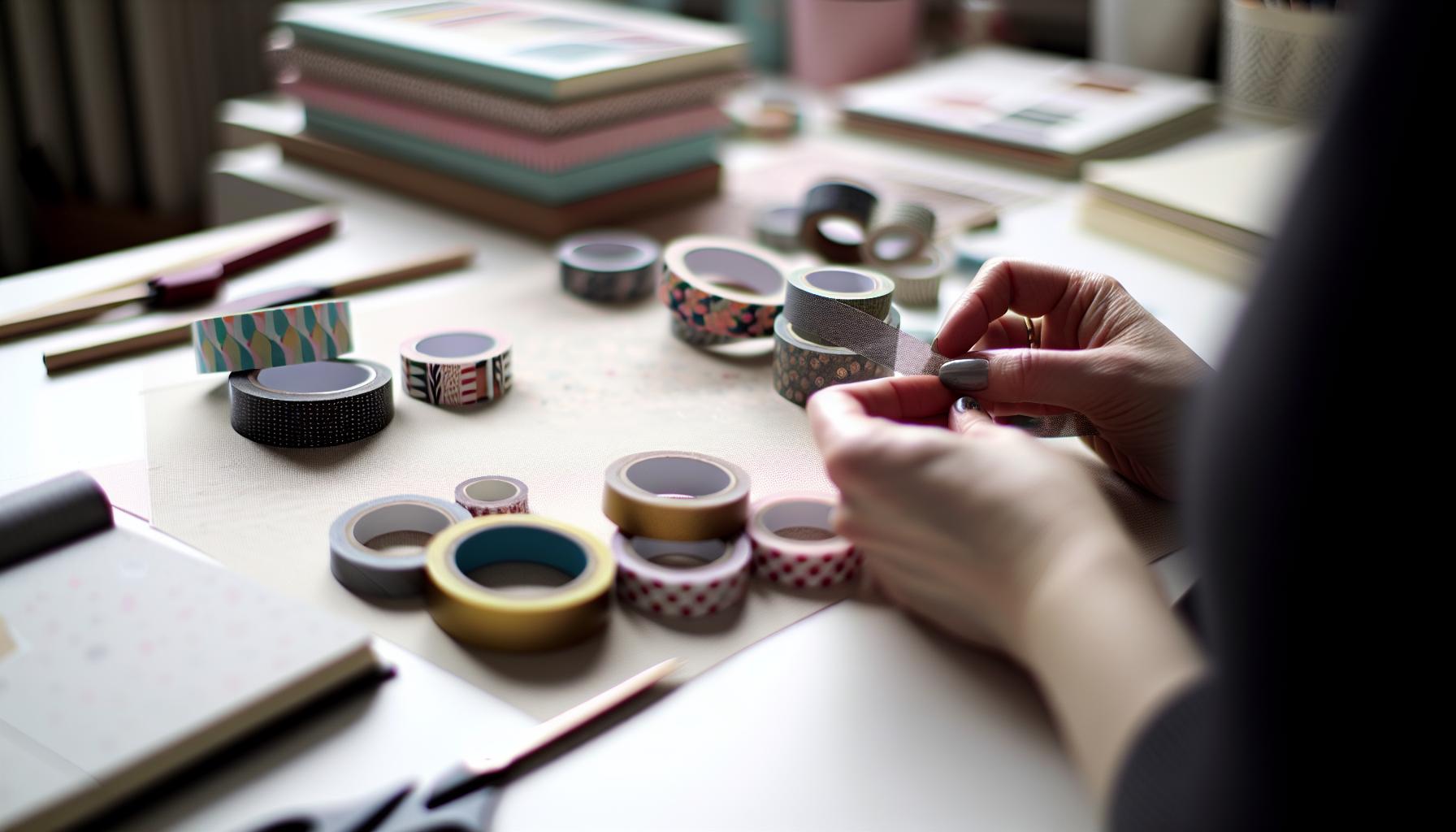
Essential Tools for Creating Your Own Washi Tape
Creating your own washi tape can be a rewarding and fun process, but you need the right tools at your disposal to make it happen seamlessly. Whether you’re a crafting newbie or a seasoned pro, having these essentials will ensure your DIY washi tape turns out beautifully.
First, you’ll want some masking tape as your base. It’s flexible and adheres well, mimicking the qualities of traditional washi tape. Consider investing in a roll of scissors or a paper cutter for clean, straight edges. If you plan to create designs using paint or inks, gather paintbrushes or markers for decorating your tape. You might also want to keep some acrylic paints handy; they’re fantastic for vibrant designs that won’t smudge easily once dry.
For those who love digital design, an inkjet printer is essential if you’re making printed designs. Watercolor paper or high-quality sticker paper can add a unique texture and quality to your finished product. A self-healing cutting mat will aid in trimming your tape while protecting surfaces. If you want to explore intricate designs, consider a die-cut machine; it will allow you to experiment with complex shapes and patterns.
Finally, let’s not forget about storage solutions. Once your beautiful washi tape is created, you’ll need a way to keep it organized. Clear containers or drawer organizers can be useful for keeping your rolls neat and accessible. This not only protects your creations but also inspires you to use them more frequently.
In summary, equip yourself with basic supplies like masking tape, scissors, and paints, along with some optional tools for more complex designs, and you’ll be well on your way to creating stunning, customized washi tape!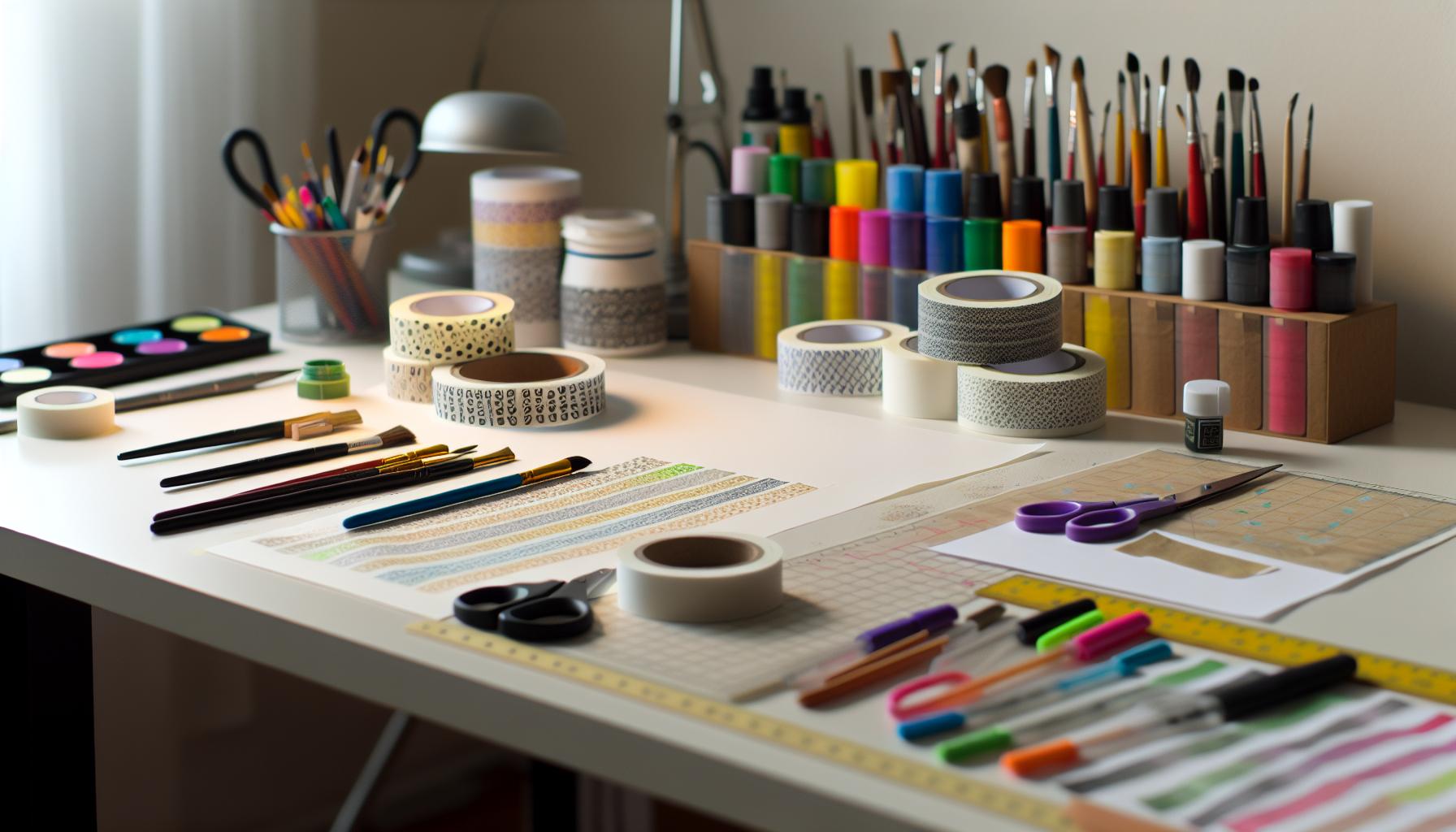
The Design Process: From Inspiration to Ideation
When it comes to creating your own washi tape, the design process is where the magic begins. Inspiration can strike from anywhere-a favorite color, a beautiful pattern in nature, or even artwork you admire. Start by gathering your thoughts and sketches in a visual journal. Pinterest is a fantastic resource for discovering design ideas, or you might find inspiration in fabric patterns, magazine clippings, or even in your own artwork.
Once you have a collection of ideas, it’s time to ideate. Try creating mood boards to explore different color palettes and design elements. Think about the theme you want to convey. Do you want whimsical, geometric patterns, or something more minimalist? As you brainstorm, make quick sketches of potential designs, even if they’re rough. This step is vital: it helps you clarify your vision before you commit your ideas to a final format.
Transforming Ideas into Designs
Now that you’ve narrowed down your concepts, it’s time to get serious about the actual designs. Use software like Adobe Illustrator or even free options like Canva to bring your ideas to life. Don’t hesitate to experiment with different layouts and scales, as the small details of your design can have a big impact when printed on tape. Overlay shapes, add textures, or play with typography to find what resonates best.
If you’re planning to print your tape, ensure your designs align with the specifications of your printer. Check the color modes-RGB or CMYK-depending on your printer type, and be aware of the resolution needed for a crisp, vivid final product. This attention to detail will greatly affect how your washi tape looks in the end.
Remember, the design process should be enjoyable and fulfilling. Allow yourself the freedom to explore and even make mistakes. Some of the best ideas can come from unexpected places, so keep an open mind as you move from inspiration to creation. Your unique style and perspective will shine through in your washi tape designs, making them truly one-of-a-kind.
Choosing the Right Materials for Your Washi Tape
When you’re ready to create your own washi tape, the choice of materials can make or break your project. Choosing the right base for your washi tape is crucial because it affects the overall look, feel, and usability. While traditional washi tape is made from Japanese rice paper, you can recreate a similar effect at home using more accessible materials. Here’s a breakdown of what you should consider for the best results.
Start with a strong adhesive tape as your base. Many DIYers prefer using masking tape or painter’s tape since they offer good stickiness and can be easily removed without leaving residue. The key here is to select a tape that has a smooth surface, which allows your designs to adhere well. If you want something more durable, you could opt for clear packing tape, though it won’t provide quite the same effect.
Next, consider your design materials. Depending on the look you’re striving for, you might use patterned paper, fabric, or even printed designs. If you’re printing your own designs, make sure to use paper that’s compatible with your inkjet or laser printer and has the right weight for easy handling. For a more textured finish, you can explore using fabric or specialty papers that offer bold colors or intricate patterns, adding depth to your washi tape.
Lastly, don’t underestimate the importance of a protective finish. If you’re using paints or inks, consider sealing your tape with a clear acrylic spray. This step not only enhances the colors but also provides a protective layer that keeps your designs vibrant and intact over time. Just make sure to let everything dry completely before using your homemade washi tape.
By selecting the right materials, you set the foundation for creating beautiful and functional washi tape that reflects your unique style and creative vision.
Step-by-Step Guide to Printing Your Washi Tape
Creating your own washi tape is not just a fun project; it allows for endless creativity in your crafts, gifts, and everyday life. Printing your washi tape can seem daunting, but breaking it down into manageable steps makes the process straightforward and enjoyable. Here’s how to bring your designs to life.
First, start with your design. Whether you’re using software like Adobe Illustrator or a simple graphic design app, ensure your artwork matches the width of your tape. A good rule of thumb is to keep the design area between 1 to 2 inches wide for standard washi tape. Use vibrant colors and playful patterns, and remember to leave some margin space around the edges to avoid cutting off details during the printing process.
Next, it’s time to print. Use high-quality paper that suits your printer-inkjet or laser. For a homemade feel, consider textured paper or specialty papers that mimic traditional washi. Print a test strip first to check the colors and alignment. Once satisfied, print your full design. If you’re working with multiple designs or patterns, you can format them onto one sheet for efficiency. This is a great way to mix and match your favorite prints.
After printing, you’ll need to adhere your design to your tape. For DIY projects, apply a thin layer of clear packing tape over your printed design. Be sure to smooth out any bubbles as you go; this will ensure a clean finish. If you’ve used a print-and-cut method, carefully trim your designs leaving enough tape around the edges to ensure it sticks well. If you want to protect your designs further, sealing with a clear acrylic spray can enhance durability and vibrancy.
Finally, cut your washi tape into desired lengths. Store your finished strips in a cool, dry place, and challenge yourself to use them creatively-whether it’s for decorating notebooks, gift wrapping, or scrapbooking! By following these steps, you’ll not only create unique washi tape but also enjoy the rewarding process of crafting something entirely your own.
Creative Techniques for Customizing Your Designs
Getting creative with your washi tape designs is where the real fun begins! Customizing your creations not only enhances their visual appeal but also allows you to express your personality and style. There are countless techniques to transform a blank canvas into something uniquely yours.
One effective method is incorporating mixed media elements. You can layer materials like fabric, glitter, or even small pressed flowers onto your designs to add texture and depth. If you’re feeling a bit adventurous, try using watercolor paints or inks to create soft, blending patterns on your tape. Simply lay down a wash of color and let it dry before applying it to your tape. This technique adds a dreamy, handmade feel that bulkier, commercial tapes often lack. Be mindful of the sealing process; a light application of clear acrylic spray can protect these delicate features without compromising their beauty.
Another fantastic approach is to play with patterns and motifs. Use stamps or stencils to create repeating designs. For instance, geometric patterns, florals, and even seasonal themes like snowflakes or leaves can be easily applied with a little ink and a brush. You can also experiment with digital patterns-designing unique prints in graphic design software and printing them onto your tape can yield stunning results. Make sure to test out different scale sizes, as varying the size of your motifs can dramatically change the overall look of your washi tape.
Don’t overlook the power of color theory when customizing your designs. Color can evoke emotions and set the mood for your tape. Try creating a color palette inspired by your favorite season or artwork, and use it consistently across multiple designs. This will help create a cohesive look when using the tape in different projects.
Lastly, remember that your creations can tell a story. Whether you’re crafting for a special occasion, a gift, or personal enjoyment, consider how your design elements reflect that narrative. Adding small text elements-like inspirational quotes or dates-can enhance the personal touch. Your handmade washi tape becomes not just a crafting tool, but a unique expression of you!
Tips for Achieving Professional-Quality Washi Tape
Creating high-quality washi tape isn’t just about having cool designs and vibrant colors; it’s about the overall finish that makes your tape look professional. To elevate your DIY experience, start with a few crucial tips that ensure your creation stands out and feels polished.
First, invest in quality materials. Begin with a good quality adhesive tape; choose one that has a clean edge and strong stickiness. Look for papers that can handle prints well, like rice paper or specific craft papers designed for printing. They not only ensure that your designs come out sharp but also give your finished product a more refined touch.
Next, focus on your printing method. If you’re using a home printer, make sure you’re set to the highest quality settings and use ink that is suited for the paper type. This not only enhances image clarity but also helps in achieving vibrant colors. If you’re going for something even more professional, consider outsourcing your prints to a local print shop that specializes in custom media. They have the equipment to provide a consistent and high-quality finish that can take your designs to the next level.
Also, don’t skimp on the finishing touches. After printing, consider using a clear protective spray or laminate to give your tape a durable layer that will prevent smudging or wear. This step not only enhances the longevity of your designs but also adds a slight shine that can make them pop.
Lastly, always test your designs before committing to a larger batch. Create small samples to see how they look in action-apply them to various surfaces to check adhesion, color vibrancy, and overall aesthetic. This trial-and-error process can save you from potential disappointments later and helps refine your approach, ensuring that your final product embodies professional quality.
By focusing on quality materials, printing techniques, finishes, and testing, you’ll find that your homemade washi tape can rival even the most popular brands on the market, all while showcasing your unique style and creativity.
Storing and Using Your Handmade Washi Tape
When you pour your creative energy into making handmade washi tape, it’s essential to think about how you’ll store and use it. Proper storage not only keeps your creations in pristine condition but also makes it easier to access and enjoy them. There’s nothing worse than spending hours crafting the perfect tape only to find it tangled or damaged later.
A great starting point is to invest in storage solutions that reflect the beauty of your work. Use clear storage boxes or cases that allow you to see your creations at a glance. For instance, a storage case with adjustable dividers can be customized to hold anywhere from three to twenty-eight rolls, helping you keep your various designs organized and accessible without cluttering your workspace [[1]]. When arranging your washi tape, consider categorizing them by color, pattern, or occasion to facilitate quicker selection during your creative sessions.
Using your handmade washi tape is where the fun really begins! Since washi tape is so versatile, think beyond traditional uses like scrapbooking. Use it to jazz up your planner, label jars, or even create unique wall art. The beauty of washi tape is that it adheres well but can also be removed and repositioned without leaving a sticky residue, making it ideal for temporary decor. Try layering different patterns for added dimension, or use it to embellish gift wrapping for a personal touch.
Lastly, always keep your tape away from direct sunlight and excessive humidity to maintain its quality. A cool, dry place works best. If you’re working in a small space and need to keep your supplies accessible, consider wall-mounted organizers that not only save space but also double as decor. With a little thoughtfulness in storage and a dash of creativity in application, your handmade washi tape will be a beautiful addition to all your crafting projects.
Exploring Unique Applications for Washi Tape
Washi tape isn’t just a trendy crafting accessory; it’s a game changer for personalized projects. Imagine fashioning unique home decor, enhancing gifts, or organizing everyday items with the vibrant colors and designs you’ve created. When you take the time to make your own washi tape, the possibilities multiply, allowing you to incorporate your personal style into nearly every aspect of your life.
One unique application is using washi tape to add flair to your tech gear. You can wrap it around phone chargers, earbuds, or laptop cables. Not only does this help identify your tech from the crowd, but it also adds a splash of color to otherwise dull accessories. It’s a practical and aesthetic shift that makes your items not just functional, but fun. You might even consider creating seasonal designs to switch things up throughout the year!
In the realm of organization, washi tape shines brightly. Create custom labels for storage containers, spice jars, or even office supplies. A quick strip of tape on a jar or a box can clearly indicate its contents, and since it’s removable, you can easily update or change labels as needed. This simple adjustment enhances your space’s aesthetics while providing functional clarity.
Don’t overlook its potential for personalizing stationary and gifts. Add washi tape to letters, cards, or gift wrap for an extra special touch. Mix and match your creations to fit the occasion-whether you’re sending a birthday card or wrapping a gift for a wedding. The best part? It’s easy to reposition without damage, letting you create layered effects or decorative borders that are uniquely yours.
By exploring these unique applications, you won’t just use washi tape-you’ll let it transform your projects into expressions of your creativity and personal style. Embrace this versatile medium, and you’ll discover that your handmade washi tape can brighten up every corner of your life.
Common Mistakes to Avoid When Making Washi Tape
Making your own washi tape can be a fun and rewarding process, but it’s easy to make a few missteps along the way. One of the most common mistakes is not choosing the right base tape. If you opt for a tape that doesn’t have a good adhesive or is too stiff, your designs might not adhere well or could end up looking limp. Instead, start with a high-quality masking tape; it’s removable, flexible, and mimics the qualities of traditional washi tape, making it ideal for custom creations.
Another pitfall lies in the design stage. Many creators rush this step, leading to less-than-satisfying results. Spend ample time brainstorming and sketching your designs, and remember to consider how colors and patterns will translate onto the tape. Always test prints on regular paper before committing them to your tape; this will save you from wasting materials if the outcome isn’t what you expected.
When it comes to the printing process, using the wrong printer settings can drastically affect your final product. If you’re printing on sticker paper, double-check your printer type and set it to the best quality. A common issue is not allowing adequate drying time after printing, which can cause smudging or ink transfer when you handle the tape. Be patient-good things take time!
Finally, don’t underestimate the importance of storage. Improperly stored washi tape can lose its stickiness or become damaged. Keep your creations in a cool, dry place and consider wrapping them in a protective layer. Investing a little thought into these aspects will elevate your homemade washi tape from mediocre to truly exceptional.
Sharing Your Washi Tape: How to Market Your Creations
There’s something magical about washi tape that makes it irresistible to crafters and DIY enthusiasts. If you’ve crafted your own designs, you’re sitting on a goldmine of potential. Marketing your creations effectively can turn a personal project into a rewarding side hustle. Here’s how to share your washi tape with the world and make it stand out from the crowd.
Start by establishing your brand. Think about what makes your washi tape unique. Is it the designs, the materials, or the stories behind each creation? Develop a cohesive aesthetic that reflects your style and resonates with your target audience. Use social media platforms like Instagram, Pinterest, and TikTok to showcase your designs visually. High-quality images are essential here-consider flat lays and lifestyle shots that show your washi tape in use, whether it’s on a scrapbook page, a gift, or a planner.
Engage with Your Community
Don’t just post and ghost. Engage with your audience! Respond to comments, host giveaways, and ask for feedback on new designs. This interaction builds loyalty and creates buzz around your products. Consider joining online communities or crafting groups where you can share your work and get inspired by others. Platforms like Etsy or your own website can serve as an online store to sell your products directly. Optimize your listings with keywords that people are searching for; this includes phrases related to washi tape, crafting, and gift wrapping.
Utilize Creative Marketing Techniques
Another powerful strategy is to use washi tape in your marketing efforts. Create mini samples that you can include with orders or as freebies in social media promotions. Host DIY workshops or virtual classes where participants can learn to use washi tape creatively. This not only showcases your product but also builds a community around your brand. Collaborating with influencers or other crafters can also expand your reach; consider sending them free samples in exchange for reviews or promotional posts.
Finally, don’t underestimate the power of storytelling. Share the inspiration behind your designs-this can add depth and connection. Use your website or social media bios to tell your story, what motivates you, and how your washi tape can bring joy or creativity to others’ lives. Personal stories create authentic connections, making your audience more likely to support your work.
By using these strategies, you can effectively share your washi tape creations, reach a broader audience, and turn your passion into a thriving venture. Remember, the more you engage and showcase your unique offerings, the more likely you are to attract customers who appreciate your creativity.
Resources for Further Exploration: Books and Websites
When it comes to diving deeper into the world of washi tape creation, having the right resources can make all the difference. Whether you’re just starting or looking to refine your techniques, numerous books and websites can guide and inspire you.
Consider picking up books like Washi Tape Crafts by Amy Anderson, which offers a range of projects that explore the versatility of washi tape, from home decor to personalized gifts. Another great resource is The Art of Washi Tape by Sara Schreiber, which dives into the origins of washi tape and showcases innovative uses, adding a historical perspective that enriches your understanding of this craft.
For online resources, websites like Pinterest are goldmines for finding unique design ideas and DIY projects. Simply search for washi tape projects, and you’ll find a plethora of pins showcasing everything from simple tape wrapping techniques to intricate designs. Also, crafting blogs like Journal With Purpose provide practical tips and creative ideas on how to incorporate washi tape into your journaling and art projects effectively. Their article on “21 Ways to Use Washi Tape” can help spark your creativity by offering fresh perspectives on utilizing your homemade designs.
Don’t forget about communities on platforms like Facebook and Instagram where crafters and DIY enthusiasts share their experiences, photos, and tutorials. Participating in these groups can help you stay updated on trends, share your creations, and receive feedback, turning your solo crafting journey into a collaborative experience.
By exploring these resources, you’ll gain insights and inspiration that will elevate your washi tape projects, turning your ideas into reality with confidence and creativity.
Faq
Q: What materials do I need to create my own washi tape?
A: To create your own washi tape, you’ll need basic materials like adhesive tape, design paper, and scissors. Additionally, you may require markers or printed designs and a printer, depending on your approach to creating custom designs. Refer to the “Choosing the Right Materials for Your Washi Tape” section for more details.
Q: How can I design effective patterns for washi tape?
A: Effective patterns for washi tape can be designed using graphic design software. Consider using bold colors and simple shapes to ensure visibility. Exploring themes related to events or seasons can also enhance appeal. For tips, check out the “The Design Process: From Inspiration to Ideation” section.
Q: Can I print my own washi tape at home?
A: Yes, you can print your own washi tape at home using inkjet printers and special washi tape sheets. Make sure to follow the “Step-by-Step Guide to Printing Your Washi Tape” to achieve the best results.
Q: What methods can I use to customize my washi tape further?
A: You can customize your washi tape by adding glitter, using stencils, or incorporating multi-layer designs. These techniques allow for unique textures and effects. Explore more in the “Creative Techniques for Customizing Your Designs” section.
Q: How do I store my handmade washi tape to keep it in good condition?
A: Store your handmade washi tape in a cool, dry place to maintain its quality. Use plastic containers or a craft organizer to prevent it from getting tangled or damaged. Later, see the “Storing and Using Your Handmade Washi Tape” section for more tips.
Q: How can I market my homemade washi tape effectively?
A: To market your homemade washi tape, leverage social media platforms such as Instagram and Etsy. Showcase creative applications of your tape in crafts and art projects to attract potential buyers. For detailed strategies, refer to the “Sharing Your Washi Tape: How to Market Your Creations” section.
Q: What are some common mistakes to avoid when making washi tape?
A: Common mistakes when making washi tape include using low-quality materials, improper adhesive application, or skipping design planning. To learn how to avoid these pitfalls, see the “Common Mistakes to Avoid When Making Washi Tape” section for guidance.
Future Outlook
Now that you’ve learned how to create your own custom washi tape, it’s time to put your ideas into action! Experiment with different designs and let your creativity flow-after all, the sky’s the limit when it comes to personalizing your projects. Don’t forget to check out our related guides on “10 Creative Uses for Washi Tape” and “DIY Washi Tape Projects” for even more inspiration!
Still have questions? Drop a comment below, and I’d love to help you out. Remember to subscribe to our newsletter for exclusive tips and updates on crafting techniques that can elevate your DIY game. Your washi tape journey is just beginning-let’s keep the creativity rolling! Happy crafting!