Have you ever felt a deep connection to your writing tools? Crafting your own calligraphy pen from scratch not only enhances your artistic skills but also brings a personal touch to your work. By creating a pen tailored to your style, you can achieve the perfect line width and flow, transforming the mundane act of writing into a joyful experience. Whether you’re a seasoned calligrapher or a curious beginner, making your own pen allows you to explore a new dimension of creativity and expression. Join me in this hands-on journey to craft a unique calligraphy pen that will elevate your art and inspire confidence in your writing. Let’s dive in and discover the satisfying process of making your own writing instrument!
Choosing the Right Materials for Your Calligraphy Pen
When it comes to creating your own calligraphy pen, the materials you choose can make all the difference in your writing experience and the quality of your final product. Not all materials are created equal, and understanding how each option can influence your performance is key. Think of your calligraphy pen as a musical instrument-just as the right wood affects the sound of a violin, the materials you select shape the personality of your calligraphy.
Wood is a popular choice for the barrel of your pen due to its durability and aesthetic appeal. Hardwoods like walnut, maple, and cherry not only provide a solid grip but also add a touch of elegance. For a unique twist, consider using exotic woods like mahogany or teak. Each type of wood has its own texture and grain, which can enhance the tactile feel of your pen and add personal character.
Metal components are essential for durability and functionality. Brass or stainless steel nibs hold up well against wear and tear, providing a smooth writing experience. Avoid lightweight metals if you want a more substantial feel during use. Coupling these materials with a securely fastened nib holder made from metal can add to your pen’s longevity.
Ink compatibility is crucial too. While you might lean towards traditional ink, the type of nib you use determines what ink consistency will work best. For example, a flexible nib works beautifully with fluid, well-mixed inks, while stiffer nibs can handle thicker inks. Always test your materials together to ensure that you achieve the desired flow and line quality.
Personal touches can elevate your homemade pen from functional to a true work of art. Consider incorporating elements like carved patterns or personalized engravings on the outer shell; these not only make your pen uniquely yours but also reflect your personal style.
In summary, selecting the right materials isn’t just about function-it’s about crafting a tool that you connect with emotionally and creatively. Whether you opt for the warmth of wood, the durability of metal, or the fluidity of your chosen ink, each choice enhances your calligraphy journey.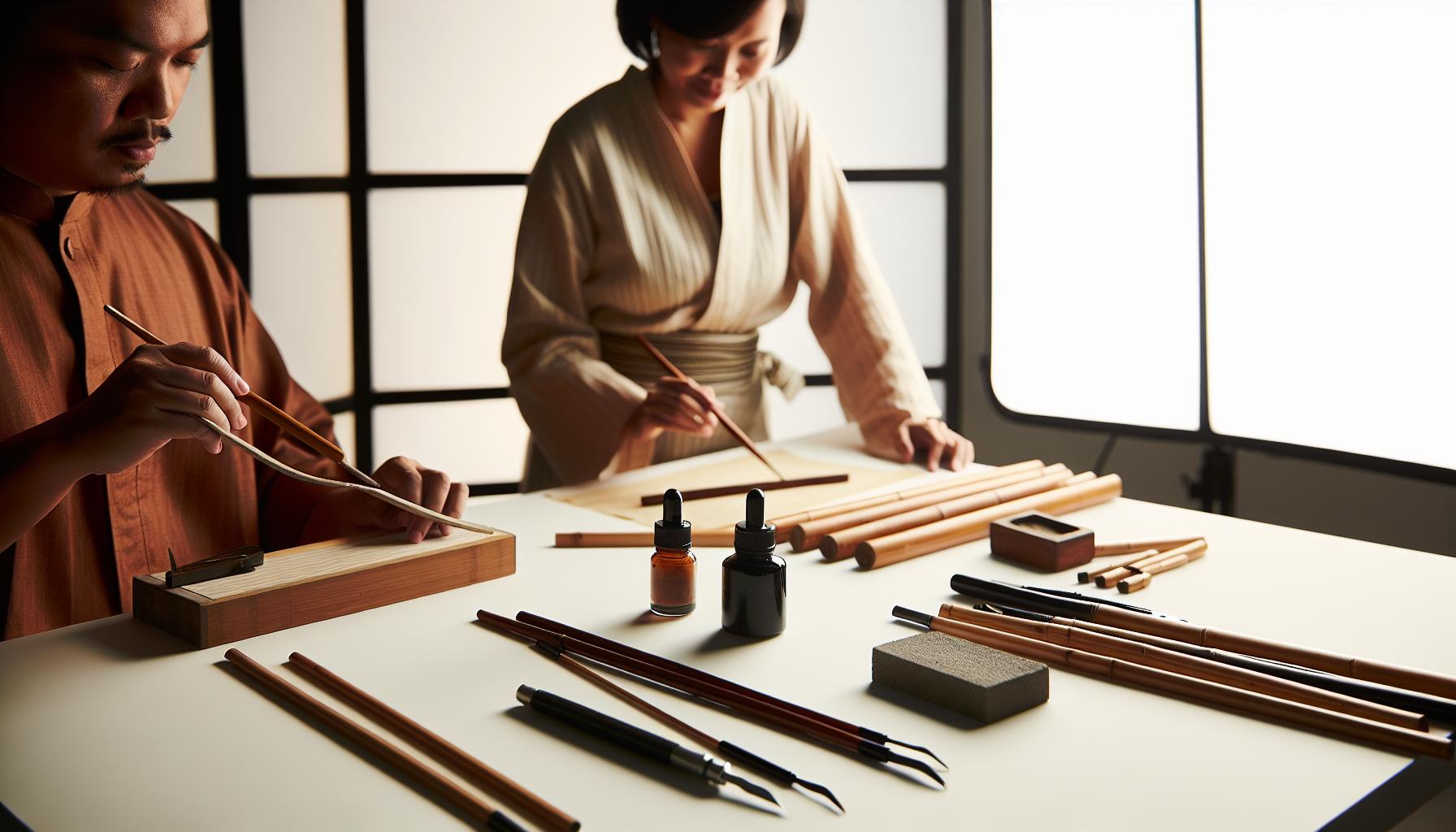
Step-by-Step Guide: Crafting Your Own Calligraphy Pen
To make your own calligraphy pen from scratch, you don’t need to be a master craftsman; just a little creativity and the right materials will do. This engaging project starts with selecting the materials that resonate with you, and it’s easier than you think. Whether you’re drawn to the warmth of wood or the sleekness of metal, each choice influences not just the look of your pen, but also how it feels in your hand and performs on the page.
Begin by gathering your materials. You’ll need a barrel, which can be crafted from a piece of hardwood or a metal tube. If you choose wood, consider a piece with an interesting grain pattern for added visual appeal. For a metal option, look for a sturdy pen tube with a diameter that feels comfortable. Next, select a nib that suits your writing style-flexible nibs are great for brush lettering, while stiffer ones work well for more uniform lines. Don’t forget the ink reservoir! This can be a simple squeeze bottle or a more advanced cartridge system.
Once you have everything, it’s time to assemble your pen. Start by shaping your barrel to your preference-sand it smooth and, if you wish, apply a finish for that professional touch. For the nib holder, ensure it’s securely fastened to your barrel, using an adhesive if necessary. A snug fit here is crucial for a seamless writing experience. If you’re feeling artistic, now’s the time to add those personal touches-engravings, painted designs, or even simple color stains can transform your pen into a true reflection of your style.
Finally, it’s essential to test your creation. Fill it with ink and give it a few practice strokes on paper. Adjusting the nib or experimenting with different inks might be necessary to find optimal flow and line quality. Crafting your calligraphy pen is not just about the end product; it’s about the joy of creating something unique that connects you with your artistic journey. Enjoy the process, and let your pen writing give life to your thoughts!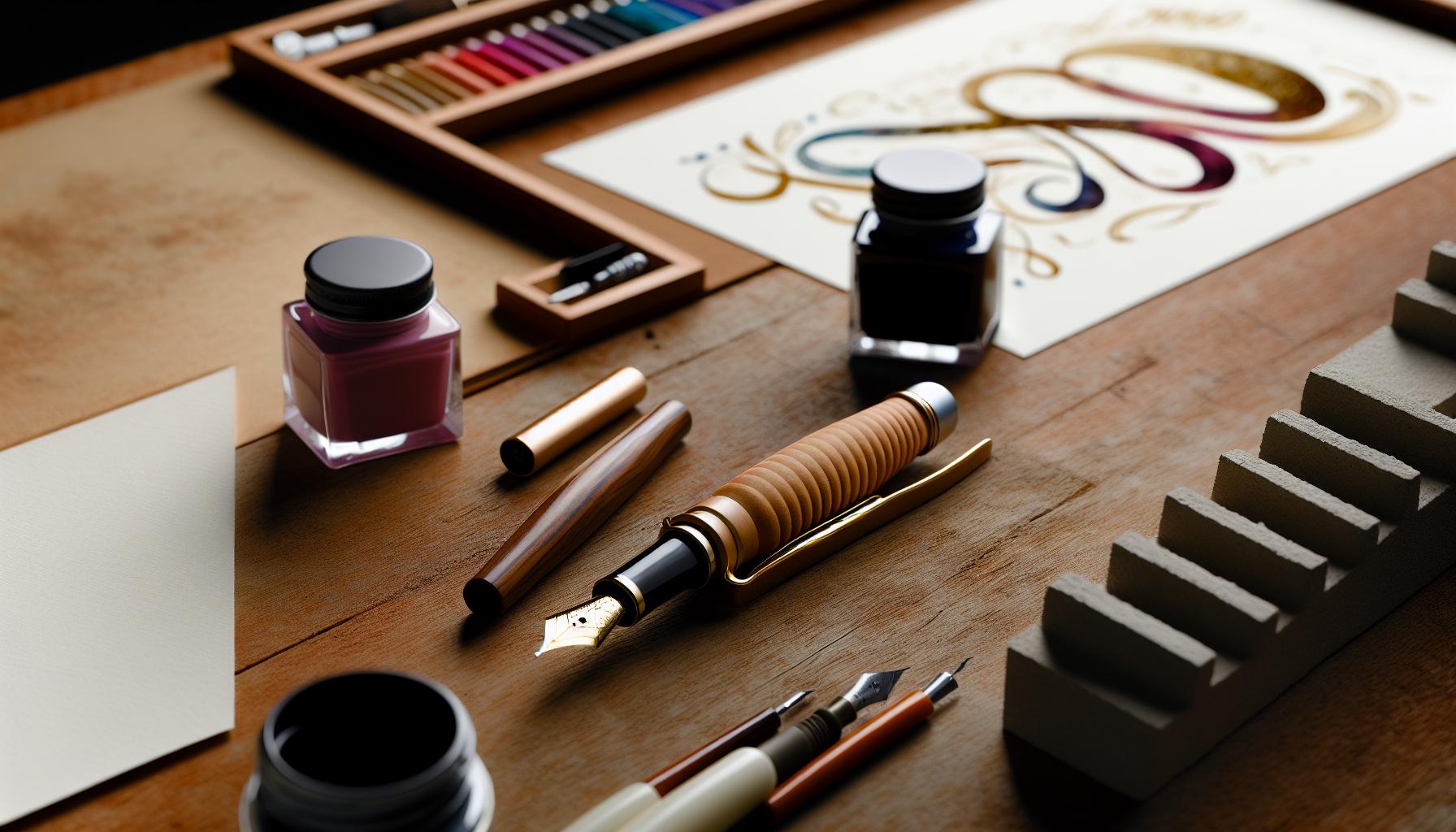
How to Personalize Your Calligraphy Pen Design
Personalizing your calligraphy pen design is where creativity meets functionality. When it comes to crafting a pen that not only performs beautifully but also reflects your unique style, the possibilities are endless. Whether you’re drawn to intricate patterns, bold colors, or the simplicity of natural wood, your pen can become a true extension of your artistic voice.
Start by considering the finish of your barrel. If you’ve chosen wood, think about applying a stain or varnish that enhances its natural grain. This not only protects the wood but also adds an elegant touch. If metal is more your vibe, consider incorporating techniques like anodizing or paint to add a pop of color. You can also experiment with textures; a rough finish can provide a tactile engagement during your writing process, while a smooth surface exudes sophistication.
Next, let’s talk about personal touches. You have the option of engraving your name, initials, or even a meaningful quote. Engravings can be done using a simple engraving kit or a Dremel tool if you prefer a more DIY approach. Don’t forget about adding embellishments like beads or stones that can be securely embedded into the design. These small details can transform an ordinary pen into a cherished keepsake.
Lastly, consider your nib choice and how it can contribute to your pen’s overall look. Opt for a nib with a distinct aesthetic-perhaps a vintage style or one with decorative etching. Experiment with colors in your ink as well; matching or contrasting the ink color with your pen’s design can create a visually stunning effect while you write. A personalized calligraphy pen not only improves the writing experience but also serves as a testament to your dedication and flair for detail. So dive in, and let your imagination guide the design of your unique writing instrument!
Mastering Calligraphy Techniques with Your Homemade Pen
Mastering calligraphy with your homemade pen is both an art and a craft that can elevate your writing style significantly. The beauty of working with a pen you’ve made yourself lies not just in the unique experience it provides but also in how much it can enhance the writing techniques you choose to explore. Once you’ve constructed your pen and chosen the perfect materials, it’s time to dive into calligraphy techniques that will make your handwriting sing.
Start with the fundamental strokes. These strokes are the building blocks of every letter in calligraphy. Practice making varying thicknesses by applying different pressures on the nib; this pressure will define the elegance of your curves and lines. For instance, when forming an upstroke, use light pressure, allowing the nib to glide smoothly across the paper. Conversely, use firm pressure for downstrokes to create those signature thick lines. A good exercise is to draft basic shapes-ones without letters-to get comfortable with your pen. Try practicing circles, loops, and various ascenders and descenders.
Find Your Style
Calligraphy isn’t just about accuracy; it’s also about discovering your personal style. Whether you appreciate the classic elegance of Copperplate or the modern flair of brush lettering, your homemade pen allows you to experiment with different styles. Begin by mimicking existing alphabets, but don’t hesitate to alter them. Combine flourishes, add swirls, or play with letter spacing. Document your progress and variations to create a unique font.
Consistency is Key
As you practice, focus on maintaining consistency in your strokes and letters. Use lined paper or a graph sheet to help track your movements. This practice keeps your letters uniform and builds muscle memory. Additionally, consider the angle and position of your pen while writing. A slight tilt can dramatically affect the thickness of the lines and the overall appearance of your letters. The correct grip also contributes to comfort and control; hold your homemade pen loosely for a smooth flow of ink, which can make a significant difference, especially during longer writing sessions.
Troubleshooting Technique
If you encounter issues like skipping or uneven ink flow, don’t be discouraged. Check the nib for any clogs or damage and ensure your ink is of good quality. Practice adapting your grip or angle if you’re feeling inconsistent in your writing. Sometimes, simply adjusting the surface you’re writing on can yield better results; for example, writing on a harder surface can improve feedback and control, while a softer surface might absorb ink and affect flow.
Mastering calligraphy with your homemade pen is all about practice and patience. Allow yourself to enjoy the process, and relish your growth. Your pen isn’t just a tool; it’s an extension of your creativity, leading you to a deeper appreciation of this beautiful art form. So grab your personalized pen, find your rhythm, and watch your calligraphy flourish!
Troubleshooting Common Issues When Using a Handmade Pen
Using a handmade calligraphy pen can be incredibly rewarding, but it often comes with its own set of challenges. If you’re facing issues like skipping ink, uneven flow, or even smudging, there’s no need to panic. These problems are common among calligraphers, especially when using custom or homemade pens. Let’s break down how to troubleshoot these issues effectively.
First off, ink flow problems are the most frequent headaches for calligraphers. If your pen skips or the ink doesn’t flow consistently, check the nib for clogs. Dried ink can interfere with performance, so make sure to clean the nib thoroughly before using it. If you’re using a dip pen, ensure the nib is correctly seated in the holder. Sometimes, the angle at which you hold the pen can affect ink flow-try adjusting the tilt to see if that helps.
When it comes to uneven lines and smudges, the type of paper you’re using matters a lot. A rough, textured paper can struggle to take ink, while super-smooth paper may not give you the feedback you need. Experiment with different papers to find one that matches your nib and ink choice. Additionally, be mindful of your writing speed. Slow down as you pull each stroke; rushing can lead to inconsistency and errors that affect the overall look of your work.
Sometimes, all it takes is a quick adjustment to your grip or writing angle to make a world of difference. Many calligraphers find that a relaxed grip leads to smoother movements and better control, allowing for that graceful flourish you’re aiming for. If you’re noticing tension in your hand, take a short break and shake it out before returning to your work.
Lastly, don’t forget about the importance of ink quality. Low-quality ink can thicken or thin out unexpectedly, causing frustration in your writing process. Always use recommended inks for your type of pen, and consider trying out different brands until you find one that flows perfectly for your unique style.
With these tips, you’ll be better equipped to handle common issues that arise with handmade pens. Remember, every calligrapher faces challenges; it’s all part of the learning process. Happy writing!
Exploring Different Ink Types for Calligraphy
Finding the right ink for your handmade calligraphy pen can drastically improve your writing experience. Different inks produce distinct effects, colors, and flow characteristics, fundamentally impacting your calligraphy style and technique. Whether you’re aiming for rich, opaque lines or delicate, watercolor-like washes, understanding your ink options is essential.
Types of Inks
- Water-Based Inks: These are great for beginners and offer easy cleanup. They come in a variety of colors and are perfect for practice. However, they might not be as vibrant on all paper types, so testing with different media is essential.
- Iron Gall Inks: Known for their archival qualities, these inks darken over time and provide a classic calligraphic look. They’re a bit tricky to work with – requiring careful handling to avoid damaging your pens or nibs.
- Permanent Inks: If you’re looking for durability, permanent inks won’t budge. They’re ideal for projects that might encounter moisture or handling but can be hard on your nibs if they’re not formulated for fine art use.
- Tempura/ Acrylic Inks: Fluid and vibrant, these inks can give your work a striking visual effect. Their consistency can vary, so you might need to experiment to find the right flow for your homemade pen.
Choosing the right ink goes beyond characteristics; it’s about matching your workflow and desired outcomes. For instance, if you’re creating art that will be displayed, selecting a higher-quality ink can significantly enhance the longevity of your work. Conversely, if you’re practicing your lettering skills, opt for a more affordable, water-based ink that won’t break the bank.
Ink Care and Maintenance
Your ink’s performance depends on how you use and care for it. Be sure to regularly clean your nibs and pens to avoid clogs from dried ink. Always store your inks in a cool, dark place to maintain their quality. When switching ink types, conduct a test run to understand how they work with your pen so you won’t encounter surprises during an important project.
With the right ink and a handcrafted pen, your calligraphy can flourish, allowing you to create beautiful pieces that express your unique voice. Embrace your ink journey, and don’t be afraid to try new products – experimentation is part of the joy in calligraphy!
Creative Projects: Using Your Calligraphy Pen
Unlocking your creativity with a homemade calligraphy pen can lead to some truly enchanting projects. Think beyond just writing letters; your pen can transform simple materials into beautiful works of art. For instance, consider using your pen to create custom greeting cards. A few elegant strokes can turn a blank card into a personalized masterpiece. Pairing your penmanship with decorative elements like watercolor backgrounds or pressed flowers can make each card a unique gift.
Another fun project is making your own decorative quotes or wall art. Choose a motivational phrase, and let your handcrafted pen create stunning lettering. Frame it for an inspiring addition to your workspace or as a thoughtful gift to a friend. You can experiment with different ink colors to match your decor or the recipient’s tastes, making it a heartfelt touch that shows you care.
Don’t forget about practical applications! Use your calligraphy pen for labeling jars in your pantry, creating stylish tags for gifts, or even designing your own planner pages. The versatility of your pen means that every little detail can be handwritten and customized, adding a personal touch to everyday items.
Finally, consider collaborating with other creative folks. Join a local art group or participate in workshops where you can share your handmade pen and learn from others. This community aspect can be incredibly rewarding and inspiring, as you can exchange ideas for projects, techniques, and tips on using your pen effectively. Embrace these opportunities to learn and grow as a calligrapher-it’s all about expressing yourself and enjoying the process!
Tips for Maintaining and Caring for Your Calligraphy Pen
Taking care of your homemade calligraphy pen is just as important as crafting it. A well-maintained pen will not only enhance your writing experience but also prolong its lifespan. To start, always wipe the nib clean after each use. Inks can dry quickly and can clog your pen, so a quick cleaning with a soft cloth or some water after you’re done will save you from headaches later. If you’ve been using saturated inks, you might need to flush the nib with warm water more frequently to keep it flowing smoothly.
Another crucial aspect is storing your pen correctly. Avoid leaving it in direct sunlight or placing it in extreme temperatures; both can warp your materials and ruin the design. Ideally, keep your pen in a protective case or wrap it in a soft cloth to prevent scratches and damage. Additionally, if you’ve made a pen with a nib that screws on, ensure it’s not overtightened, as this can lead to wear and tear over time.
When it comes to choosing the right ink, consider using liquid inks that are specifically made for calligraphy. Some inks may dry out too quickly or have a consistency that doesn’t suit your pen style. If you’re experimenting with inks, test them on a separate piece of paper before filling your pen; this way, you can avoid damaging the nib or your work.
Lastly, embrace the art of routine upkeep. Just like any tool, regular maintenance leads to a better experience. Make it a habit to check your pen for loose parts, replace any frayed elements, and clean it properly after each use. This will not only keep your pen in working order but also ensure that each stroke remains consistent and beautiful, reflecting the care you’ve put into both the pen and your calligraphy.
Showcase: Inspiring Calligraphy Projects from Homemade Pens
Imagine transforming simple strokes into art with your homemade calligraphy pen. The beauty of crafting your own writing instrument lies not only in the creation process but also in the endless projects you can undertake once it’s complete. From personalized greeting cards to custom art pieces, the potential for creativity is boundless.
One inspiring project is designing personalized stationery. Using your unique pen, craft a set of elegant notecards to send thoughtful notes to friends or family. Experiment with flourishes and lettering styles that feel true to your aesthetic. Incorporate decorative elements, such as watercolor washes or metallic inks, to elevate your creations further.
Another exciting endeavor could be creating a calligraphy journal. Use your pen to hand-letter quotes, poetry, or prose that resonates with you. This becomes not just a writing practice but a reflection of your artistic journey, where you can experiment with different styles, sizes, and inks. Consider binding your favorite pieces into a book to showcase your progress.
Don’t forget about special occasions! Your homemade pen can add a personal touch to wedding invitations or celebratory banners. Hand-lettering names and important dates makes the event feel extra special. You could even host a calligraphy workshop with friends, where everyone can create their own projects using your pen, sharing tips and techniques along the way.
Always remember to document your projects, whether through photographs or a dedicated social media account. Sharing your journey can inspire others and create a community of calligraphy enthusiasts who exchange ideas and encouragement. With each project, your skills will grow, allowing you to explore new techniques and styles that keep the art of calligraphy alive and vibrant.
Sharing Your Calligraphy Journey: Community and Resources
Connecting with fellow calligraphy enthusiasts can elevate your craft and open a world of inspiration. Consider joining online communities or local groups where you can share your experiences and learn from others. Platforms like Instagram and Pinterest are teeming with creatives showcasing their calligraphy journeys. By participating actively, you can gain feedback on your techniques and even discover new methods that enhance your art. You might find it rejuvenating to see how others interpret similar styles with their handmade pens.
Another valuable resource is online forums and groups specifically dedicated to calligraphy. Websites like Reddit or Facebook have specialized groups where members share tutorials, offer advice, and celebrate each other’s work. Here, you can ask questions about any hurdles you face or share your successes, creating camaraderie within the community.
Don’t overlook the power of local workshops! Many art supply stores and community centers host calligraphy classes where you can learn directly from experienced calligraphers. These sessions often cover topics ranging from basic strokes to advanced techniques, and they provide a great opportunity to network with people who share your passion.
Lastly, consider documenting your own journey, whether through a blog, a YouTube channel, or social media. Sharing your process, tips, and the ups and downs of creating with your homemade pen not only helps solidify your learning but also inspires others in their creative endeavors. Remember, every calligrapher started somewhere, and your story might just light the spark in someone else’s journey.
Q&A
Q: How can I create a calligraphy pen from everyday materials?
A: You can craft a calligraphy pen using materials like bamboo sticks, plastic bottles, or even old ballpoint pen casings. Cut the tip at an angle to create your nib, then shape it for precision. This DIY approach allows for personalized writing tools that suit your style!
Q: What tools do I need to make my own calligraphy pen?
A: To make your own calligraphy pen, you’ll need cutting tools (like scissors or a craft knife), sandpaper for smoothing, and possibly a drill for precise nib shaping. A ruler and pencil will also help in marking measurements.
Q: What is the best way to personalize a homemade calligraphy pen?
A: You can personalize your calligraphy pen by adding decorative elements such as colored paints, washi tape, or even engraving your initials. Experimenting with different materials can give your pen a unique touch that reflects your personality.
Q: How do you choose the right ink for a homemade calligraphy pen?
A: Opt for liquid inks that flow smoothly and suit your pen’s nib size. Fountain pen ink or specific calligraphy inks work well. Test different types to see which creates the best contrast on your chosen paper elsewhere, like in the “Exploring Different Ink Types for Calligraphy” section.
Q: What common mistakes should I avoid when making a calligraphy pen?
A: Avoid making the nib too wide or the tip too pointed, as this can lead to ink flow issues. Also, don’t rush the shaping process; smoothing edges with sandpaper improves performance significantly. These insights are echoed in troubleshooting tips throughout the article.
Q: Can I make a calligraphy pen without specialized tools?
A: Yes, you definitely can! Simple items like a household knife for shaping and a sharp object for creating a nib can suffice. Many people find creativity in using what they have on hand. Check the crafting tips in the article for further guidance.
Q: How do I maintain my homemade calligraphy pen?
A: To maintain your homemade calligraphy pen, regularly clean the nib with warm water to prevent ink buildup. Store it upright to keep the nib in good condition, and refer to the “Tips for Maintaining and Caring for Your Calligraphy Pen” section for more detailed advice.
Q: Why should I create my own calligraphy pen?
A: Creating your own calligraphy pen allows for customization and a personal connection to your writing tools. It can enhance your calligraphy experience by providing bespoke designs that inspire creativity and expression. Dive deeper into your calligraphy journey by exploring the community resources mentioned in the article.
Closing Remarks
Now that you’ve crafted your very own calligraphy pen, the next step is to unleash your creativity! Don’t stop here-dive into our detailed guide on calligraphy techniques to truly master your art. If you want to elevate your writing further, check out our resource on creating custom fonts that can transform your unique handwriting into digital masterpieces.
Before you go, why not join our community? Sign up for our newsletter for tips and exclusive content tailored just for aspiring calligraphers like you. Embrace the art of pen-making and let us know your experience in the comments below. Your feedback could inspire others to pick up their tools and start crafting!
Remember, every expert was once a beginner. Don’t hesitate to share your progress; we’d love to see what you create! Happy writing!