
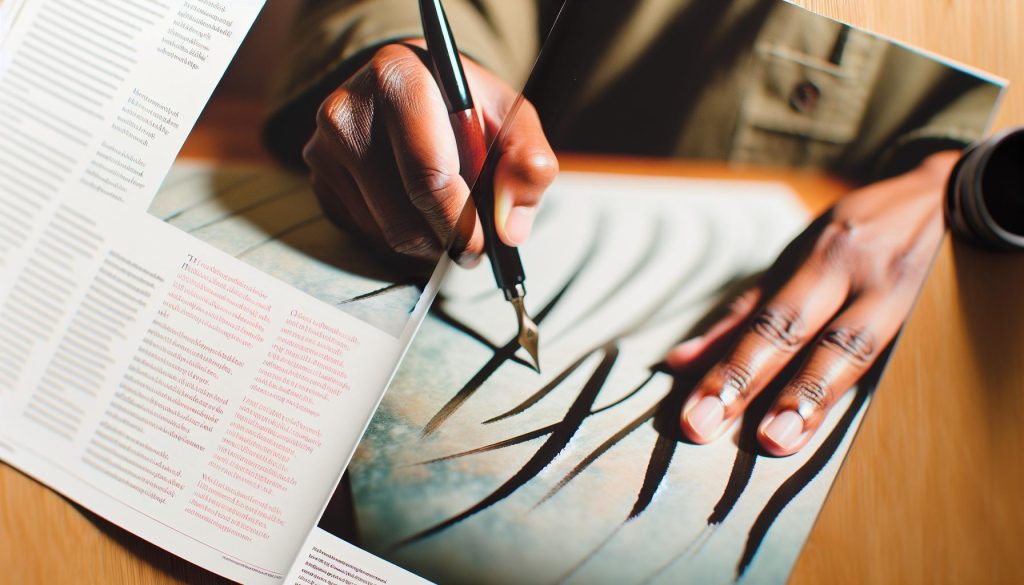
If you’ve ever admired beautifully crafted letters but felt daunted by the idea of calligraphy, you’re not alone. Brush pen calligraphy simplifies this art form, making it accessible to anyone eager to express their creativity. With just a brush pen and a bit of practice, you can create stunning lettering that brings your projects to life-whether for personal notes, gifts, or professional branding.
In our busy lives, finding a way to infuse creativity into your daily routine can be incredibly rewarding. Brush pen calligraphy not only allows you to create eye-catching art but also serves as a stress-reliever and a way to personal touch to your communications. As you explore this guide, prepare to unlock techniques that will turn those initial, shaky strokes into smooth, beautiful letters. Let’s dive into the world of modern lettering made simple, and discover how you can transform your writing style one brush stroke at a time!
What Is Brush Pen Calligraphy? A Simple Introduction
Brush pen calligraphy blends art and writing in a way that’s accessible to everyone, whether you’re a seasoned artist or just starting out. This form of modern lettering utilizes a flexible brush tip that creates varied line thickness and expressive strokes, allowing for unique styles in your lettering. Imagine transforming plain text into a work of art with just a swipe of your pen! It’s this blend of creativity and technique that makes brush pen calligraphy so exciting.
At its core, brush pen calligraphy is about the interplay of pressure and release. When you press down, the brush tips widen, and when you lift up, they taper back to a fine point. This dynamic is what brings your letters to life, making them bold and dramatic or soft and flowing, depending on your technique. Many find it therapeutic, as it not only enhances fine motor skills but also offers a satisfying creative outlet. Plus, with a bit of practice, you can quickly see progress, making it a rewarding hobby.
One of the best things about brush pen calligraphy is its versatility. From personal stationery to wedding invitations, the applications are endless. You can incorporate it into your DIY projects, add flair to your bullet journals, or simply enjoy it as a meditative practice. So, whether you’re doodling during a meeting or crafting a unique gift, the possibilities with brush pen calligraphy are as vast as your imagination.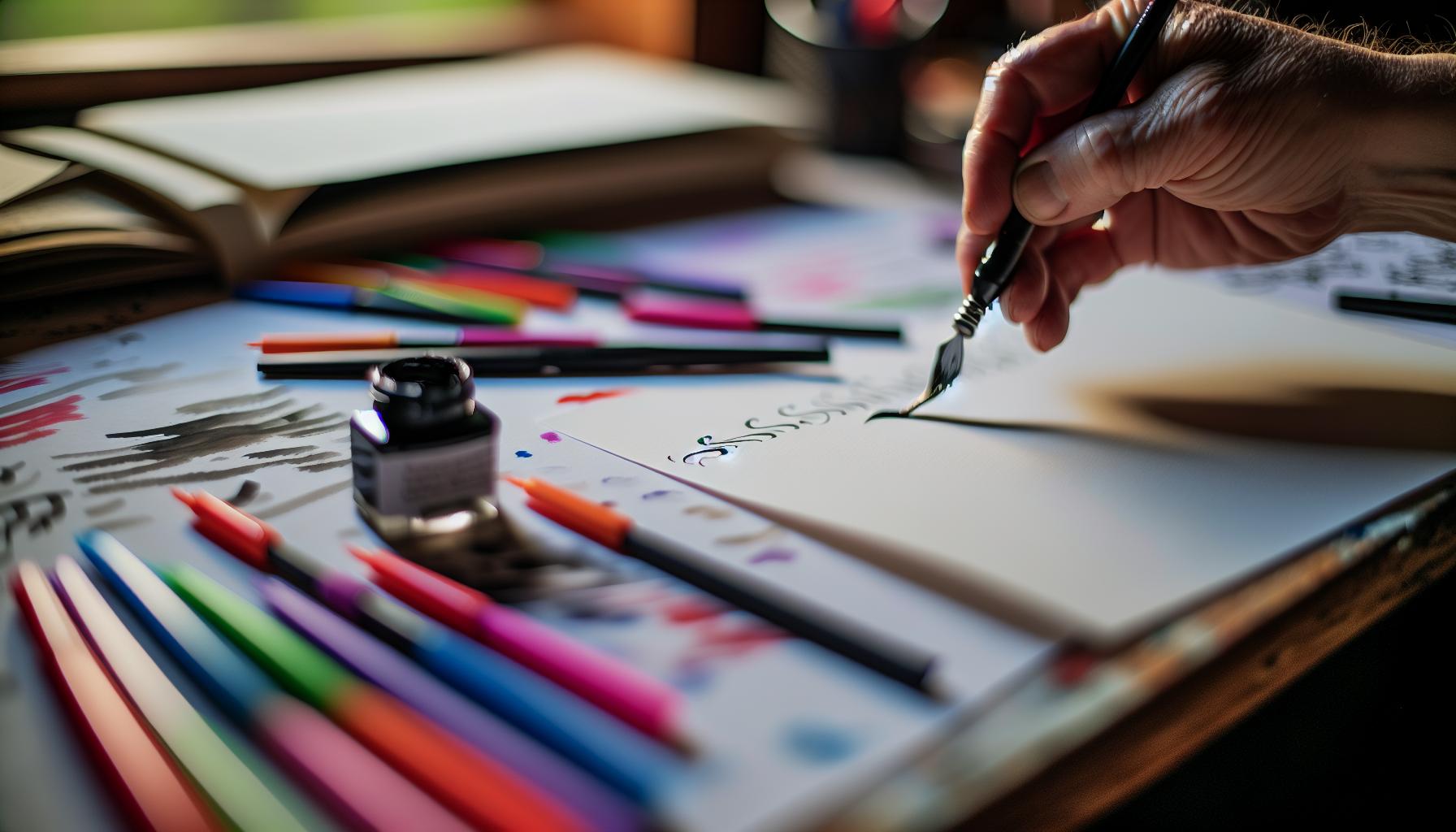
The Tools You Need for Brush Pen Calligraphy
To dive into brush pen calligraphy, you’ll need the right tools that inspire creativity and make the process enjoyable. The good news? You don’t need a massive investment to get started-just a few essentials that can help you create stunning lettering with ease.
First and foremost, brush pens are the heart of your practice. They come in a variety of types, each offering different brush tips ranging from soft to stiff. Some popular choices for beginners include the Tombow Fudenosuke for its fine tip and controllable ink flow, and the Sharpie S-Gel, which provides a vibrant, smooth writing experience. For those wanting to try something more premium, brands like Pentel and Kuretake offer a range of options that are flexible and highly pigmented. You might be surprised how different brush pens can alter your handwriting style, so it’s worth experimenting with a few.
Next up, having the right paper is crucial. Look for smooth, bleed-proof paper to ensure your ink flows nicely without any unsightly feathering. There are specific calligraphy pads out there, but if you’re on a budget, a good-quality sketchbook will suffice. You can also find practice sheets online that help you get the feel for various strokes before moving onto more advanced letterforms.
Don’t forget about accessories! A pencil and eraser will be your best friends for sketching out letters before committing them with your brush pen. Additionally, a straight edge ruler can help you maintain consistency in line spacing, which is essential for creating professional-looking letters.
Lastly, consider investing in a calligraphy practice book. These books often provide structured guidance, step-by-step practices, and inspiration to keep you engaged. Whether you’re taking cues from established artists or finding your unique flair, having a resource at hand will accelerate your learning and keep your enthusiasm high.
In sum, the right tools transform your experience and significantly impact your progress in brush pen calligraphy. Start simple, practice regularly, and let your creativity flourish!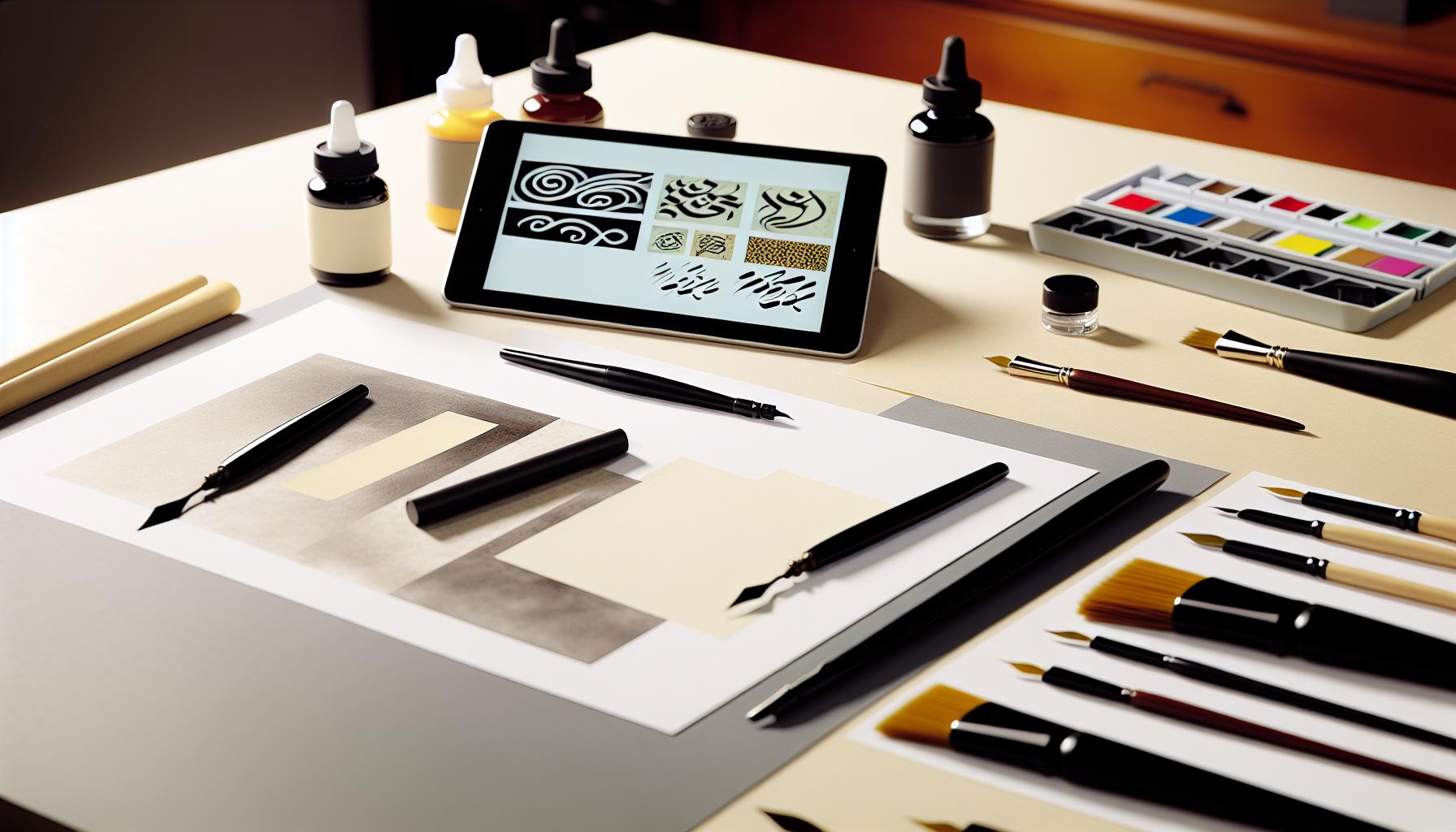
Essential Techniques for Beginners in Calligraphy
When you’re just starting with brush pen calligraphy, mastering a few essential techniques can make all the difference in your practice and results. Brush calligraphy is about flow and finesse, and understanding the fundamentals will help you create beautiful letters that reflect your style. Here are some key techniques to focus on as you embark on this creative journey.
First, understanding the pressure that you’re applying to your brush pen is crucial. Brush pen calligraphy relies heavily on contrast between thick and thin strokes. When you press harder, you produce thicker lines; when you lighten your grip, the strokes become thinner. Work on forming your letters with this in mind. Practice basic strokes like upstrokes (light pressure), downstrokes (heavy pressure), and curves to develop control and ensure you feel the difference. Regular practice will train your hand to react intuitively to the pressure, creating more fluidity in your writing.
Next, focus on the letter forms. It’s helpful to break down letters into basic shapes and strokes. For instance, many letters can be formed using simple curves and straight lines. A good exercise is to practice these strokes independently before attempting full letters. Consider using guide sheets with outlines to follow. This can help you gauge spacing and proportion, essential elements in calligraphy.
Another technique that many beginners overlook is maintaining a consistent angle while writing. Your brush pen should remain at a consistent angle (usually around 45 degrees) to achieve uniformity in stroke width and style. Experiment with different angles to see what feels comfortable, but aim for consistency across your letters to enhance readability and visual appeal.
Lastly, don’t shy away from creating practice routines. Assign 10-15 minutes a day to focus on certain letters or patterns. Incorporating a mix of drills, like repeating downstrokes or practicing connecting letters, can solidify your skills and boost confidence. Over time, you’ll see a noticeable improvement in your technique and style.
Brush pen calligraphy is as much about expression as it is about technique. Enjoy the process, and remember, practice is your best friend. Embrace mistakes as learning opportunities, and soon enough, you’ll develop a signature style that’s distinctly your own.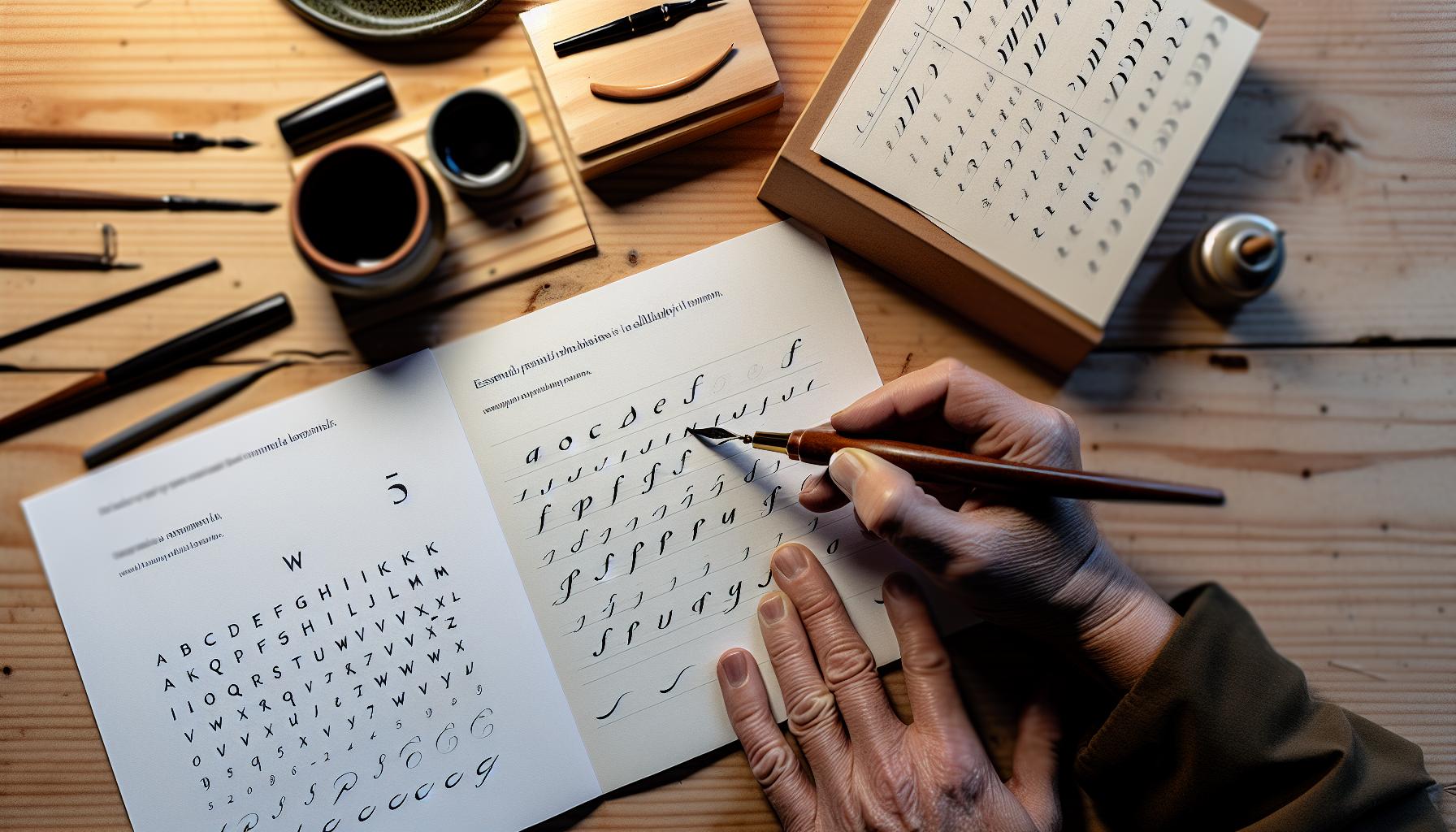
Creating Beautiful Letters: Step-by-Step Guide
Creating beautiful letters with a brush pen is one of the most rewarding aspects of calligraphy. Unlike traditional writing tools, a brush pen allows for fluid production of strokes that range from delicate to bold, giving your letters a unique character. To get you started on this journey, follow these straightforward steps to bring your brush pen calligraphy to life.
Start with basic strokes. These are the building blocks of all your letters. Spend time practicing upstrokes (light pressure), downstrokes (heavy pressure), and curves. Think of it like sketching; these strokes set the foundation for more complex characters. For example, practicing a series of loops can help perfect the “o” or “e”, while practicing straight lines will aid letters like “l” and “t”. Remember, consistency in these strokes leads to consistency in your letters.
Next, work on letter construction. Break each letter down into its essential shapes. Capital letters, for instance, often consist of simple forms like straight lines and curves. Use guidelines or graph paper to help with spacing and proportion. When you feel confident with individual letters, start connecting them to form words. Transitioning smoothly from letter to letter is essential, so practice makes perfect here!
Pay attention to spacing and alignment. When writing words, ensure that your letters are evenly spaced. Crowding letters can lead to a cluttered look. Take a moment to step back and assess your work from a distance. This will help you see if the overall composition is visually appealing. Using a ruler to draw baseline guides can maintain consistency in the height of your letters, helping achieve that professional finish.
Finally, don’t forget about personal flair. Once you’ve mastered the basics, it’s time to inject your personality into your lettering. Experiment with different styles and embellishments, like serifs or flourishes. Try writing in varied sizes or adding depth with shadowing techniques. The key is to practice regularly, and keep experimenting until you find a style that feels uniquely you.
By following these steps, you’ll not only create beautiful letters but also develop your own voice in brush pen calligraphy. Embrace the process and let your creativity flow!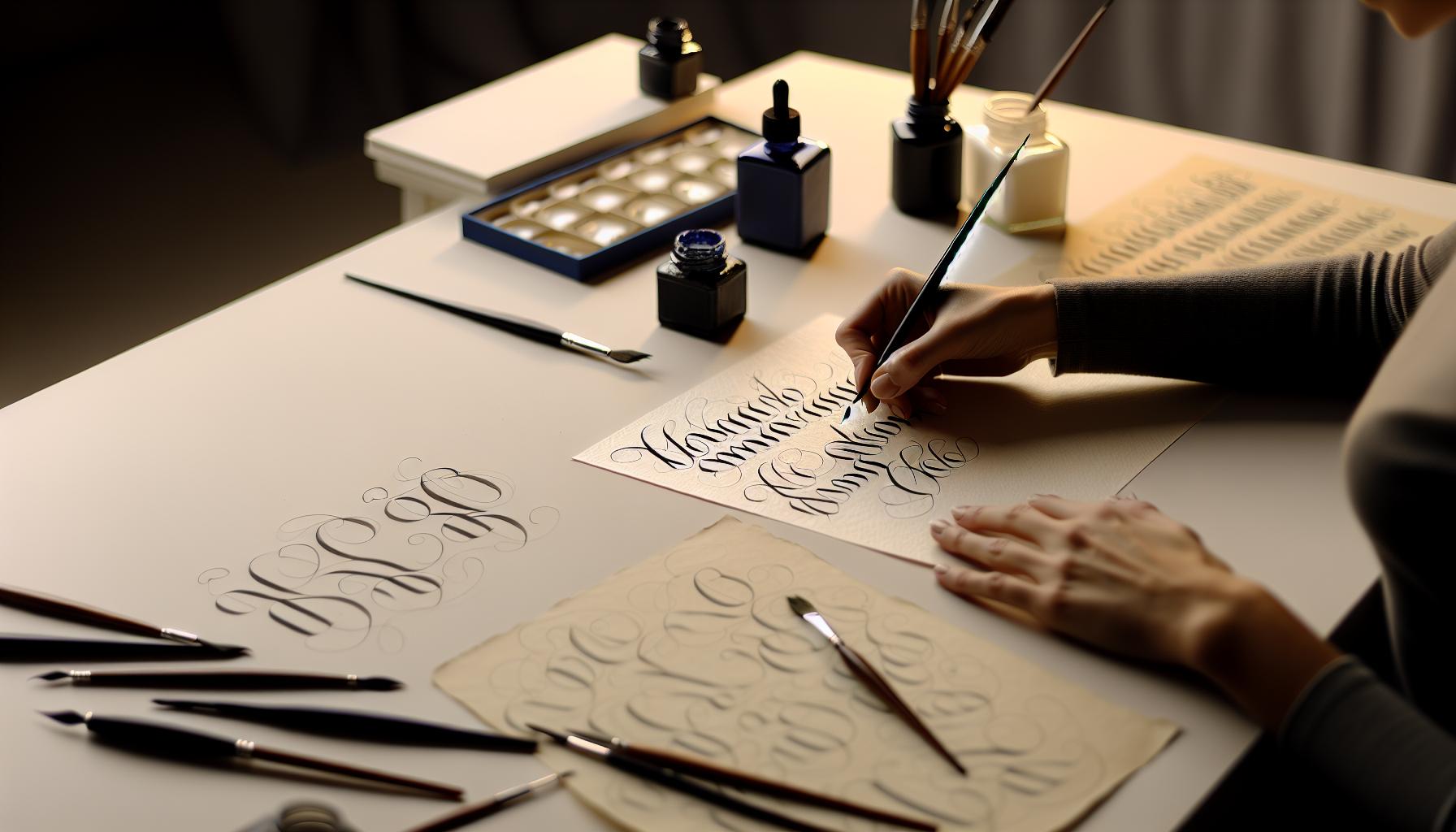
Common Mistakes in Brush Pen Calligraphy and How to Avoid Them
Common mistakes can be the biggest roadblocks in brush pen calligraphy, and recognizing them can dramatically improve your skills. Ever spent hours practicing only to feel like you’re not getting anywhere? You’re not alone; many beginners overlook simple aspects that could enhance their work and boost their confidence. By addressing these mistakes, you can elevate your brush pen calligraphy game and enjoy the creative process much more.
One major pitfall is inconsistent pressure control. Brush pen calligraphy is all about the contrast between fine and thick strokes. Beginners often apply too much pressure on upstrokes or too little on downstrokes, which can result in letters lacking the dynamic contrast typical of brush lettering. A helpful exercise is to consciously practice basic strokes, focusing on applying light pressure for upstrokes and heavier pressure for downstrokes. Don’t rush! Slow down and really feel the pen gliding across the paper.
Another common issue is poor letter spacing and alignment. When words look crowded or too far apart, it messes with the flow and aesthetic appeal of your calligraphy. To combat this, use guidelines; they’re not just for beginners! Even experienced calligraphers benefit from drawing light pencil lines to keep their letters evenly spaced and aligned. Also, try stepping back occasionally to view your work from a distance. It helps you see the overall composition better.
Lastly, neglecting to practice consistently can stunt your progress. Many enthusiasts get discouraged if they don’t see immediate improvement and abandon practice altogether. Instead of lengthy sessions, aim for short, regular practice times. Focus on specific techniques each session, whether it’s mastering a style or experimenting with new strokes. Remember, every artist had to start somewhere!
By being aware of these pitfalls and making small changes to your practice routine, you’ll quickly gain confidence and skill in brush pen calligraphy. Embrace the journey, learn from your mistakes, and watch your letters transform into art.
Exploring Different Brush Pen Styles and Variations
There’s a world of creativity waiting for you in brush pen calligraphy, and part of that excitement lies in the variety of styles and variations you can explore. Each style offers a different aesthetic and feeling, allowing you to express your personality and creativity in unique ways. Whether you’re looking to create stunning invitations or personal art, understanding these variations can make all the difference.
One popular style is modern brush script, characterized by its fluid lines and casual elegance. This is great for projects where you want a personal touch. Think about how a friend’s name written in this style feels more intimate and warm compared to a perfect print. Modern brush script often emphasizes the natural flow of letters, with swirls and embellishments that bring life to your words.
Then we have vintage calligraphy, which lends a classic, refined look to your writing. This style is often inspired by historical lettering forms and features intricate flourishes and ornate details. Using this style on wedding invitations or formal announcements can elevate the overall presentation, creating a sense of timelessness. To practice this style, concentrate on the precision of your strokes and the beauty of your curves-think of it as a dance between the pen and paper.
There’s also the bold brush lettering technique that allows for striking visuals. This style utilizes thick strokes and bright colors, making it perfect for eye-catching posters or graphic designs. It can convey strength and confidence, making your words stand out in a bold way. Experiment with varying your pressure to achieve dramatic contrasts, which adds to the visual impact and can help you develop your unique flair.
Additionally, don’t underestimate the power of decorative techniques. Incorporating styles like watercolor effects or ombre shading can add depth and dimension to your work. These techniques can be especially useful when creating art pieces or personal projects, combining brush pen with other tools or mediums for a multi-layered effect.
Ultimately, exploring these different styles not only enhances your skill set but also fuels your creativity. Start with one style that resonates with you, practice it consistently, and, as you gain confidence, branch out to incorporate elements from other styles you admire. Remember, the beauty of brush pen calligraphy lies in its versatility-there’s always room to discover and create something uniquely yours.
Mastering Flourishes: Elevate Your Calligraphy Skills
There’s something magical about adding flourishes to your brush pen calligraphy. These delicate embellishments not only enhance your lettering but also bring a unique flair that can transform a simple word into a stunning piece of art. Flourishes are those graceful, sweeping lines that extend from letters, often lending a sense of motion and elegance. Mastering them can elevate your skills and give your work that wow factor.
To start, focus on the basics of your strokes. Flourishes thrive on control, so practicing your downstrokes and upstrokes is essential. Use your brush pen with varying pressure to create thick and thin lines; the contrast is key to making your flourishes stand out. Begin with simple shapes-like loops and swirls-and gradually incorporate them into your letters. For example, you might elongate the ascenders of letters like ‘b’, ‘h’, or ‘k’ into a beautiful swirl that dances upward before curving back down.
Experimentation is your best friend here. Try creating a list of standard words like “love” or “joy” and then play with the flourishes. This could look like adding curls at the ends of the letters or creating trails that mimic a wave. Watch your favorite calligraphers and take notes on how they incorporate flourishes fluidly into their work.
Keep in mind that less can be more. While it’s tempting to go all out with elaborate designs, sometimes a single flourish can provide just the right touch without overwhelming the piece. As you practice, look for balance in your designs, and ensure that your flourishes enhance the readability of your letters, not hinder it.
As you build confidence, don’t hesitate to develop your unique style. Your flourishes should reflect your personality. The more you practice, the more you’ll discover what works best for you. Consider using flourishes not just at the ends of letters but within them, weaving them through your phrases to create a seamless and beautiful flow. With dedication and creativity, you can master the art of flourishes and incorporate them into your brush pen calligraphy, making every piece of lettering a personal masterpiece.
Inspiration and Ideas: Where to Find Your Style
Finding your unique style in brush pen calligraphy can feel like a daunting journey, but it’s also one of the most rewarding parts of your creative process. The beauty of this art form lies in its flexibility, allowing you to blend techniques, shapes, and personal touches that resonate with your artistic voice. So, where do you begin? There are countless sources of inspiration just waiting to spark your creativity.
Start by immersing yourself in the work of other calligraphers! Platforms like Instagram and Pinterest are treasure troves of inspiration. Follow artists who inspire you and don’t shy away from engaging with their work. Analyze their styles-notice the way they form letters, the flourishes they use, and how they play with spacing. This isn’t about copying; it’s about understanding and taking cues that might help you develop your own flair. Create a mood board of styles or color palettes that speak to you. Curate your favorites, and over time you might spot common threads that can inform your style.
Experimentation is key. Don’t be afraid to mix techniques and try new approaches. Work on varying your pressure, integrating different types of strokes, or even using unconventional tools. Consider blending colors using your brush pens for gradients or shadows. Challenge yourself with themed projects, like creating quotes that resonate with you, or practicing alphabets in different contexts, such as holiday greetings or personal mantras. This playful exploration will help you uncover what feels authentically yours.
Incorporate your surroundings and emotions into your work. Look at your favorite environments-parks, cafes, or huge urban spaces-and gather color, texture, and mood inspirations. Capture the essence of these experiences in your calligraphy. Similarly, reflect on your personal stories orheritage; bringing these elements into your lettering can create a deeply personal touch, making your pieces not just visually appealing but also meaningful.
In addition, remember to seek out workshops or online classes where you can learn from others and gain new perspectives on the art. Many artists offer tutorials that cover specific styles, techniques, and philosophies on finding one’s voice. Participating in a community can provide motivation and feedback that enhances your journey toward finding your unique style.
Cultivating your brush pen calligraphy style is an ongoing adventure. Embrace the process, stay curious, and keep pushing boundaries. The more you immerse yourself, the clearer your artistic voice will become, transforming your practice into something truly special.
Using Brush Pen Calligraphy in DIY Projects
Using brush pen calligraphy in your DIY projects can elevate your creations from ordinary to extraordinary. Whether you’re adding flair to greeting cards, personalizing home decor, or crafting unique gifts, the fluidity and expressiveness of brush pen lettering can bring a personal touch to virtually any project.
Start by choosing the right surface for your calligraphy. Think beyond just paper; you can easily apply your skills to wood, fabric, or even glass. If you’re working on a wood sign, for instance, make sure to use a suitable finish that helps the ink adhere well and prevents smudging. For fabric, fabric markers or specialized fabric pens will work, allowing you to create stunning pillowcases or tote bags that showcase your personal style.
Creative Project Ideas
Consider incorporating brush pen calligraphy into various DIY endeavors:
- Personalized Greeting Cards: Handwritten notes add a heartfelt dimension, especially for special occasions.
- Wedding Decor: Use calligraphy for table names, seating charts, or invites to add a romantic touch.
- Home Decor: Create framed quotes or wall art that reflect your personality and values.
- Gift Tags: Hand lettered tags can turn a simple gift into something memorable.
- Bullet Journals: Use your skills to decorate planners and journals, making them visually appealing and personal.
When starting a project, sketch out your designs lightly in pencil to get a feel for spacing and layout. Afterward, go over your sketches with your brush pen, applying pressure to create those beautiful thick and thin lines that make brush lettering so captivating. Don’t shy away from experimenting with colors and blending techniques; this can add depth and character to your pieces. Embrace mistakes; sometimes, they can lead to the most creative solutions!
Ultimately, using brush pen calligraphy in your DIY projects not only enhances aesthetics but also gives them a unique, handcrafted quality. It’s all about infusing your personality into your work and expressing yourself creatively through each stroke. So grab your brush pens, unleash your creativity, and start turning everyday items into art!
Taking Your Calligraphy to the Next Level: Advanced Tips
To elevate your brush pen calligraphy skills, it’s essential to delve into advanced techniques that can refine your style and enhance your creativity. One transformative approach is practicing different pressures and angles. This isn’t just about making thick and thin lines; varying your angle of approach can create unique textures and flows in your letters. Try rotating your pen while writing to discover new shapes and styles that set your work apart.
Experiment with blending colors. Start by layering two or more ink colors while they’re still wet. This technique allows for seamless transitions and creates stunning gradients that can significantly enhance the visual appeal of your work. Use a color wheel to choose complementary shades for your projects. This can transform a simple phrase into a vibrant piece of art.
Another powerful way to step up your game is by incorporating embellishments and flourishes into your lettering. Adding swirls and flourishes can enhance your work without overwhelming it. Consider starting with basic shapes and then gradually introducing more complex designs as you gain confidence. Don’t be afraid to make mistakes-they’re often the gateway to finding your unique style.
Lastly, joining a community or taking classes can greatly influence your growth as a calligrapher. Surround yourself with fellow creatives through online forums or local workshops. This interaction provides not only inspiration but also constructive feedback that can broaden your perspectives. Sharing your work and learning from others’ experiences can accelerate your journey from novice to expert.
Joining the Calligraphy Community: Resources and Workshops
Finding your tribe in the world of brush pen calligraphy can dramatically enhance your skills and inspire your creativity. Joining a community offers not just a support system but also access to invaluable resources. You’ll discover that you’re not alone in your journey; many others share your passion for lettering.
One of the best ways to dive into the community is through local workshops. These gatherings allow you to connect with experienced calligraphers who can provide hands-on guidance and feedback. Plus, you’ll get to meet fellow enthusiasts who can motivate you on days when your creative spark feels dim. Don’t underestimate the power of collaboration-it often leads to new techniques and ideas that you might not have explored on your own.
Online platforms also play a crucial role in the modern calligraphy community. Websites, social media groups, and forums are teeming with shared resources, tutorials, and critiques. Follow hashtags like #BrushPenCalligraphy or #LetteringCommunity on Instagram to find inspiration and engage with other artists. These online spaces are great for asking questions, sharing your work, and receiving constructive feedback from a wider audience.
Don’t overlook the wealth of resources available online. Various websites offer free tutorials, brush pen guides, and even downloadable templates to practice your skills. Consider subscribing to newsletters from prominent calligraphers or joining online courses tailored to different skill levels. Platforms like Skillshare or Udemy often have classes specifically focused on brush pen techniques.
Ultimately, by immersing yourself in the calligraphy community-both locally and online-you’ll cultivate not only your skills but a sense of belonging. This network of support can be the difference between achieving basic lettering and mastering the art of brush pen calligraphy. So, get out there, share your progress, and soak up the vibrant creativity around you!
Q&A
Q: What are the best brush pens for beginners in calligraphy?
A: The best brush pens for beginners include the Tombow Dual Brush Pens, Pentel Fude Touch, and Sakura Koi Color Brush. These pens offer flexible tips, are easy to control, and come in various colors, making them ideal for practicing modern lettering techniques. Check out our section on The Tools You Need for Brush Pen Calligraphy for more details!
Q: How can I improve my brush pen calligraphy skills?
A: To improve your brush pen calligraphy skills, practice consistently and try different styles. Utilize guides and dotted paper to help with letter formation. Joining a community or taking workshops can also provide feedback and inspiration to refine your technique. Explore Taking Your Calligraphy to the Next Level for advanced tips!
Q: What type of paper is best for brush pen calligraphy?
A: Use smooth, bleed-resistant paper designed for markers and calligraphy. Papers like marker paper, or Bristol boards work well as they prevent ink smearing and allow for better ink flow. Check out Essential Techniques for Beginners in Calligraphy for recommendations on suitable papers.
Q: Can I use a regular pen for brush pen calligraphy?
A: While you can use a regular pen, brush pen calligraphy specifically requires flexible tips that allow for varying line widths. Regular pens lack this flexibility, making it difficult to achieve the desired calligraphic effects. For an introduction, see What Is Brush Pen Calligraphy? A Simple Introduction.
Q: How do I choose the right brush pen style for my handwriting?
A: Choosing the right brush pen style depends on your personal preference and the look you want to achieve. Experiment with various styles, such as bullet nibs for precise lines or softer brush tips for flowing scripts, to see which best suits your handwriting. Discover more in Exploring Different Brush Pen Styles and Variations.
Q: What are some common brush pen calligraphy mistakes to avoid?
A: Common mistakes include applying too much pressure, rushing through strokes, and not practicing basic drills. Focus on maintaining steady pressure on the pen and practice individual letters before creating full words. Find more on this in Common Mistakes in Brush Pen Calligraphy and How to Avoid Them.
Q: How do I add flourishes to my brush pen calligraphy?
A: Adding flourishes involves a mix of creativity and practice. Start by lightly sketching your letters and then enhance them with curves and loops, focusing on achieving a balanced flow. Review Mastering Flourishes: Elevate Your Calligraphy Skills for detailed techniques to elevate your work.
Q: Where can I find inspiration for brush pen calligraphy projects?
A: Inspiration can be found through social media platforms like Instagram and Pinterest, where many artists share their work. Additionally, attending workshops or community meetings can spark new ideas. Visit Inspiration and Ideas: Where to Find Your Style for more methods to gather inspiration!
Future Outlook
Ready to dive into the world of brush pen calligraphy? You’ve learned the basics of modern lettering, and now it’s time to put that knowledge into practice! Don’t just stop here-explore our comprehensive guides on advanced techniques and embellishments to elevate your writing further. Check out our tips on choosing the best brush pens for your style, or explore our in-depth tutorials to refine your skills.
If you’re excited to create beautiful, personalized letters, now’s the perfect moment to start. Grab your pen and paper, and let the creativity flow! And remember, signing up for our newsletter ensures you’ll never miss out on fresh resources and expert insights that will keep you inspired and growing. We’d love to hear from you-share your brush pen creations in the comments or on our social media! Keep practicing, and let your unique style shine through every stroke.