

Are you looking to elevate your writing or artistic projects with a touch of elegance? The Sheaffer Calligraphy Pen is a timeless tool that can transform ordinary letters into beautiful, flowing scripts. Whether you’re a beginner or have some experience, mastering this pen can enhance your skills and bring a new level of creativity to your work.
Many people shy away from calligraphy, thinking it’s too complex or demanding. But here’s the truth: with the right guidance and a little practice, you can create stunning letters that impress and inspire. In this tutorial, we’ll break down the fundamentals of using a Sheaffer Calligraphy Pen, making it accessible and enjoyable. You’ll discover tips on posture, pressure application, and even some creative techniques to help you unleash your inner artist. So, grab your pen and let’s dive into the art of calligraphy-your journey to beautiful writing starts here!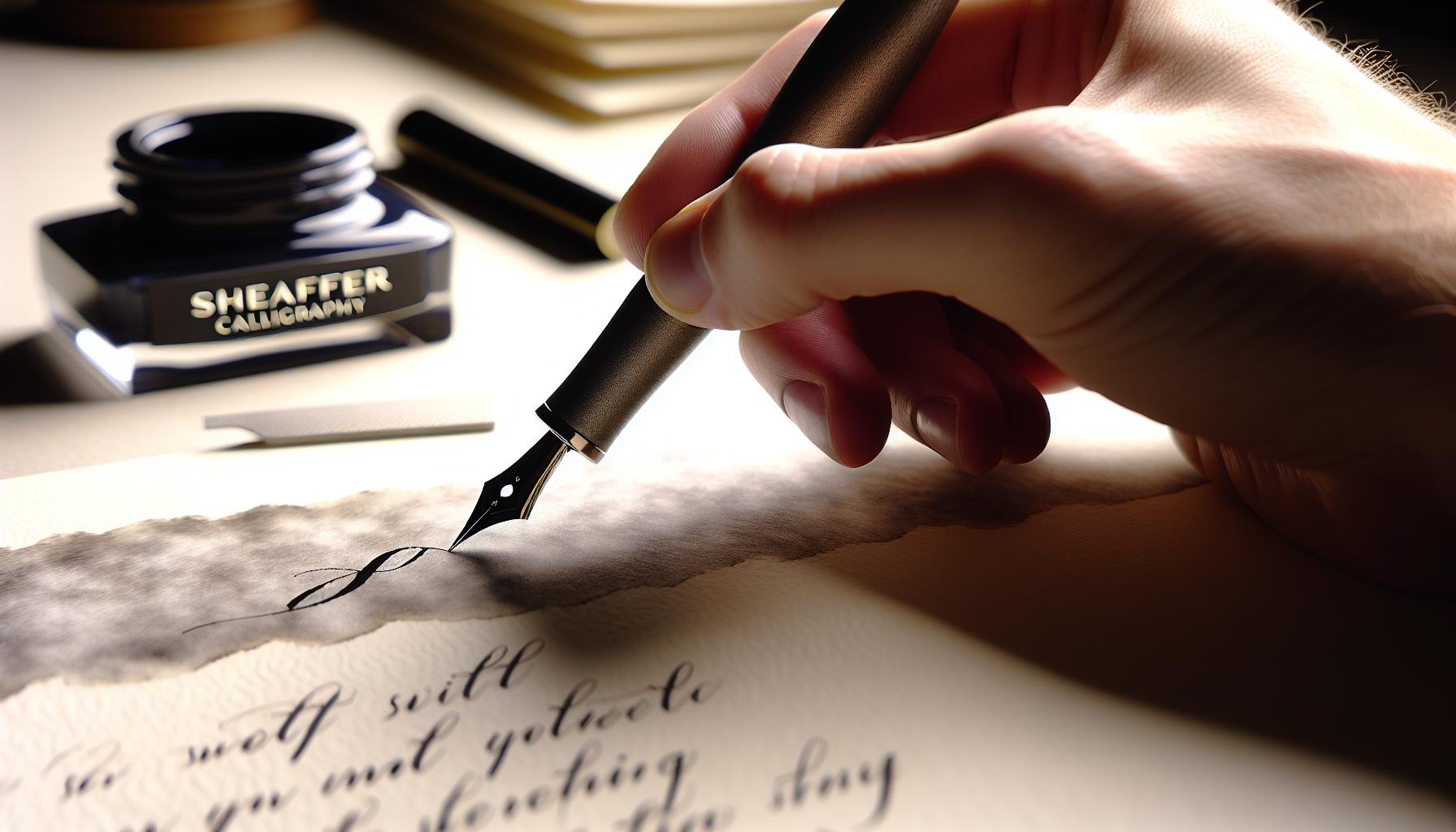
How Sheaffer Calligraphy Pens Work
The Sheaffer calligraphy pen works by combining precision engineering with the art of writing to create stunning letterforms. Its design typically features a nib that is shaped to provide varying line widths, making it ideal for expressive writing. When you hold the pen, the rhythmic flow of ink from the nib allows you to create intricate letterforms with varying pressure. The ink usually flows smoothly from a reservoir, often found in a cartridge or converter, allowing for uninterrupted creativity.
A key aspect of using Sheaffer calligraphy pens is understanding how to manipulate the nib angle and pressure to achieve different effects. For example, holding the pen with a slight tilt creates broad strokes for letters like ‘M’ and ‘W’, while a straight approach results in thinner lines suitable for more delicate letters. This ability to control the pen’s flow and angle opens doors to unique styles, from traditional scripts to modern hand lettering.
To start using your Sheaffer calligraphy pen, make sure you have the right type of ink and a comfortable grip. It’s also essential to maintain consistent speed and rhythm while writing, which will help you achieve balanced letterforms. If you’re experimenting with different nib sizes, keep in mind that broader nibs require more ink and are suited for larger lettering, while finer nibs are perfect for small details and intricate designs.
Practicing regularly with your Sheaffer calligraphy pen will enhance your technique and build muscle memory, enabling you to produce beautiful, fluid handwriting. Don’t be afraid to try out different styles and let your unique voice shine through your work. The more you practice, the more comfortable you’ll become, transforming your calligraphy into an art form that reflects your personal style.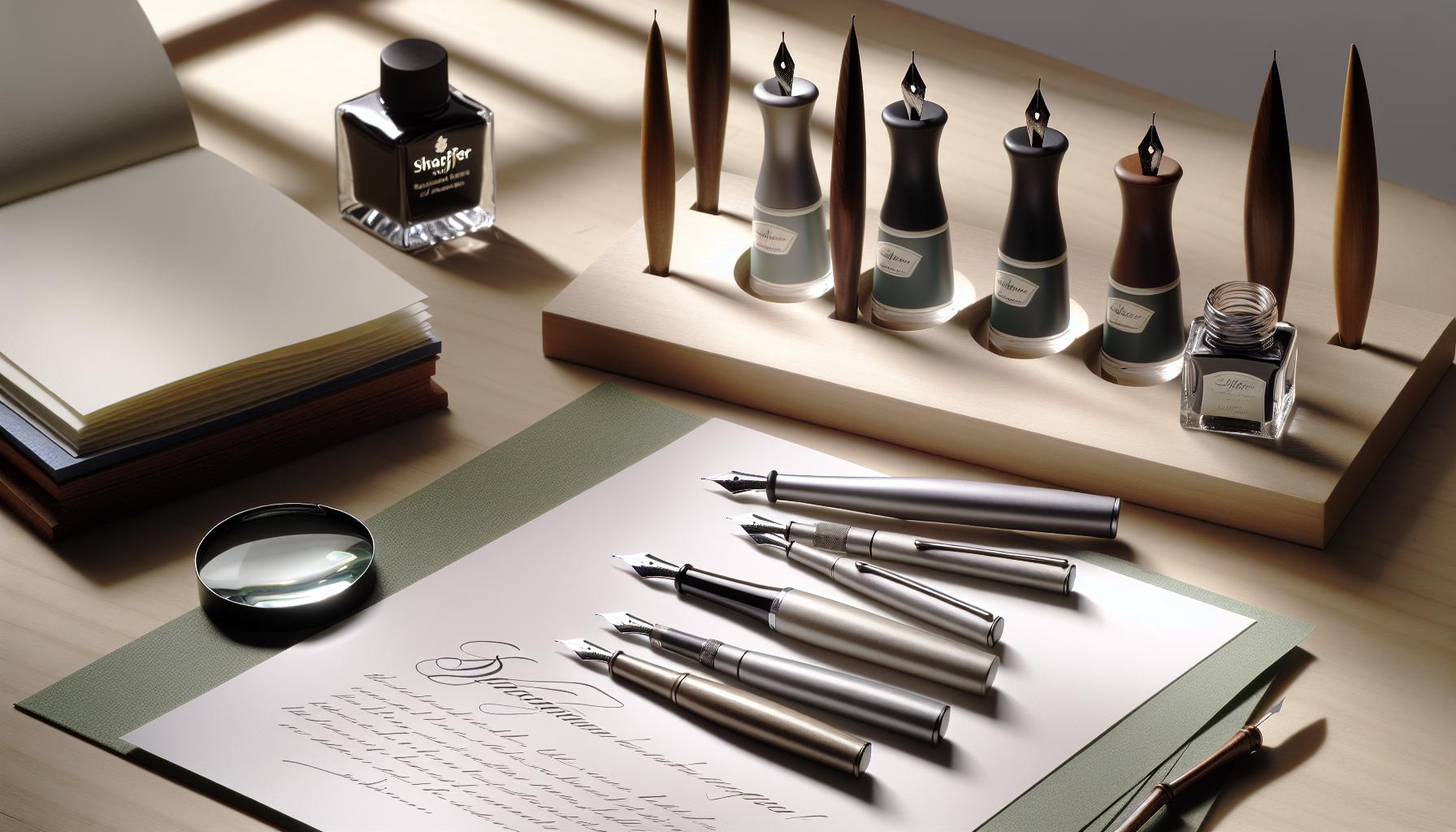
Choosing the Right Sheaffer Calligraphy Pen for You
When it comes to calligraphy, choosing the right Sheaffer pen can make all the difference in your writing experience. Did you know that the nib size can influence not just the width of your strokes, but also the styles you can master? Sheaffer offers a variety of nib sizes and shapes, each tailored for different effects, from delicate scripts to bold, expressive lettering.
Start by considering your writing style and what you hope to achieve. If you’re drawn to elaborate scripts, a broad nib is your best friend-it delivers stunning thick and thin lines that add flair to your work. For detailed, intricate designs, opt for a finer nib that allows you to create tiny, precise letters. Remember, broader nibs require more ink flow; if you’re working on a project that demands precision, this is a crucial factor to keep in mind.
One aspect often overlooked is the pen’s grip and weight. Sheaffer pens come in various designs that cater to different preferences. A pen with a comfy grip will minimize fatigue during long writing sessions, while a balanced pen keeps your hand steady, allowing for smoother letterforms. Take the time to hold a few different models, as how a pen feels in your hand can greatly affect your performance.
In addition to the nib and design, think about the type of ink you want to use. Sheaffer pens are versatile and can work with both cartridges and bottled ink. If you love experimenting with colors, a converter that allows the use of bottled ink can open a world of possibilities. Conversely, if convenience is your priority, pre-filled cartridges are a quick solution that still offers quality without the mess.
Ultimately, choosing the right Sheaffer calligraphy pen is about understanding your needs and preferences. Spend time experimenting with different options, and don’t hesitate to explore; each choice will contribute to honing your craft. Your ideal pen is out there-ready to bring your artistic visions to life with each stroke!
Essential Supplies for Calligraphy Beginners
To kickstart your journey into the vibrant world of calligraphy, having the right supplies is essential. While a high-quality Sheaffer pen is your main tool, it’s the accompanying materials that can elevate your practice and creativity. Let’s dive into what you need to create beautiful lettering right from the start.
First off, paper quality matters. Choose smooth, bleed-proof paper to help your ink glide effortlessly across the surface. Some great options include calligraphy-specific pads or heavyweight sketch paper. Avoid standard printer paper, as it doesn’t hold up well to excess ink and will leave you frustrated with bleed-through.
Next, consider ink choices. While Sheaffer pens typically perform beautifully with both cartridges and bottled ink, experimenting with different types can be a game-changer. Pigment-based inks are great for vibrant colors, while dye-based inks offer a smoother flow. If you’re new, starting with Sheaffer cartridges can simplify your experience; they’re user-friendly and mess-free.
Don’t forget about guidelines for practice. Using grid paper or calligraphy practice sheets can help maintain consistent letter size and shape. You can easily find downloadable templates online that provide various styles for you to practice.
Finally, collect some additional tools:
- Pencil and eraser for planning before committing ink to paper.
- Ruler to draw light guidelines for your lettering.
- Blotting paper helps control excess ink and keeps your workspace clean.
- A comfortable pen holder if you opt for interchangeable nibs, enhancing your grip for longer writing sessions.
With these essential supplies at hand, you’re ready to dive into the art of calligraphy. Enjoy the process, take your time, and watch as your skills flourish with each stroke!
Mastering Basic Calligraphy Techniques
Mastering the fundamentals of calligraphy can elevate your lettering game from basic to breathtaking. The Sheaffer calligraphy pen, with its precision and smooth flow, is designed to enhance your writing experience and help you develop essential skills. Here are some techniques to get you started on your journey to beautiful calligraphy.
To begin, focus on your grip and posture. Hold your Sheaffer pen lightly at an angle of about 45 degrees to the paper. This angle helps control the flow of ink and creates the beautiful thick and thin lines that characterize calligraphy. While writing, keep your wrist relaxed. Your fingers should do the work, allowing for a natural movement that enhances control and precision.
Practicing basic strokes is key to developing fluency with your pen. Start with simple shapes like lines, loops, and curves. Fill pages with these strokes to build muscle memory. For example, practice the “upstroke” – a light stroke where you move the pen upwards, and the “downstroke” – a heavier stroke moving downwards. These strokes will form the backbone of your lettering.
Next, incorporate letterforms into your practice. Succeeding in calligraphy is about consistency; the way each letter connects to one another plays a crucial role in the overall flow. Use reference materials or templates to guide your practice. Focus on mastering a few letters at a time, ensuring each one is well-formed before moving to the next. Mix them into short words or phrases to see how they work together.
Spacing and alignment are equally important. Use guidelines to maintain consistent letter height and spacing. Experiment with different styles of lettering as you grow more comfortable. Don’t hesitate to explore basic cursive forms or modern styles that appeal to you. Each style will add a unique flair to your projects.
Finally, embrace mistakes. They are part of the learning process. Every professional calligrapher has had their share of blunders. If a letter turns out imperfectly, don’t stress. Instead, take a moment to analyze it-what went wrong? Maybe the pressure was uneven, or the angle was off. Understand what led to the mistake, and use it to improve.
By focusing on these foundational techniques, you’ll be well on your way to creating stunning calligraphy with your Sheaffer pen. Enjoy the process, and let your style evolve naturally as you practice!
Tips for Creating Beautiful Letterforms
Creating beautiful letterforms is the heart of calligraphy, and with a Sheaffer pen, you have the perfect tool to bring your artistic vision to life. One key to mastery is understanding how pressure affects your strokes. The beauty of calligraphy lies in its dynamic lines; thick downstrokes contrast beautifully with delicate upstrokes. When forming letters, apply greater pressure on downstrokes and lighter pressure on upstrokes. This technique not only creates visual interest but also helps beginners see the immediate impact of their grip and hand position.
To further refine your letterforms, practice specific guidelines and templates. Align your letters within a set structure to maintain consistency in size and slant. For instance, use ruled paper with different horizontal lines to guide the height of your letters. This method will enhance your understanding of where each letter should rest. Think of it as building a framework for your creativity-once you’re comfortable, you can begin to play with varying styles.
Another powerful tip is to incorporate the art of rhythm into your writing. Each letter has a natural flow, and when you write, aim for a smooth transition between each stroke. Imagine each letter as part of a musical composition; the more you practice, the more natural your rhythm will become. Try repeating the same letter multiple times to explore variations in style. For example, take the letter “a” and practice shifting its weight and embellishments, transforming it from simple to ornate.
Lastly, don’t shy away from experimenting. Calligraphy is an expressive art form, and each pen stroke offers a chance to showcase your personality. Whether it’s trying out a new style or adding flourishes to your letters, embracing your individuality will lead to stunning results. Remember, every professional started as a beginner-so enjoy the journey of learning and let your beautiful letterforms unfold!
Common Mistakes with Calligraphy and How to Avoid Them
Making mistakes is part of the learning process in calligraphy, but some slip-ups can be avoided with a bit of awareness and practice. One common error many beginners face is grip tension. Holding the pen too tightly can lead to shaky lines and fatigue. Instead, focus on a relaxed grip that allows for fluid motion. Try holding the pen lightly, as if you’re balancing it on your finger. This will give you better control and a smoother writing experience.
Another frequent misstep is rushing through the creation of letters. Each stroke in calligraphy deserves its own time and attention. If you’re impatient, you may find that letters begin to merge or lose their shapes. Slow down, breathe, and let each stroke breathe too. As you form each letter, visualize it and articulate your movements. You might also find it helpful to practice with a metronome or keep a rhythm in your head.
It’s also essential to use the right tools and materials. Many beginners assume that any paper will do, but this can lead to frustration. Low-quality paper can absorb too much ink, bleed, or create rough surfaces that hinder your pen’s glide. Invest in good quality calligraphy paper specifically designed for fountain pens. This small change can dramatically improve your writing experience and output.
Lastly, don’t underestimate the importance of regular practice and reviewing your work. It’s easy to fall into the trap of only creating new pieces without reflecting on what you’ve done. Set aside time to look back and assess your work critically. Identify areas where you can improve-maybe some letters aren’t as consistent as others, or certain styles don’t resonate with you. This reflection can be just as valuable as creating new art, guiding you toward becoming a more skilled calligrapher.
Exploring Advanced Calligraphy Styles
Advanced calligraphy opens a whole new world of creativity and expression. It’s where you can really let your personality shine, using your Sheaffer calligraphy pen to explore different styles that range from classic to contemporary. Each style not only has its own character but also offers unique ways to convey emotions and messages in your writing.
One of the most captivating styles is Copperplate calligraphy, characterized by its beautiful loops and flourishes. It’s fluid and elegant, often requiring a delicate touch. To master this style, practice the fundamental strokes that form the letters. Focus on your pen angle and the varying pressure you apply while writing. Incorporating elements like the faux calligraphy technique can also help beginners achieve similar effects without extensive practice.
Then there’s Gothic script, which might seem intimidating at first with its bold and dramatic strokes, but the rewarding feel of creating these robust letters is unmatched. This style works wonders for invitations or any project requiring a strong visual impact. You can make it your own by adding embellishments or combining with modern elements such as watercolor backgrounds.
Don’t forget about brush lettering, which is becoming increasingly popular, especially for casual projects. Unlike traditional calligraphy, brush lettering lets you create more relaxed, free-flowing letters, perfect for social media art or personalized greeting cards. Experiment with different brushes and strokes to find your voice within this style.
Finally, a fantastic way to integrate various advanced styles is through mixed media projects. Combine calligraphy with other art forms like watercolor, ink drawing, or even digital designs. This approach not only enhances your calligraphy but also creates visually stunning pieces that can be tailored for any occasion.
As you dive deeper into advanced styles, keep in mind that practice is essential. Experimentation with different styles not only improves your technique but also helps you discover what resonates with you and your artistic vision. Don’t be afraid to empower your creativity and let your unique style evolve over time.
Crafting Personalized Projects with Calligraphy
When it comes to personalizing projects with your Sheaffer calligraphy pen, the possibilities are limited only by your imagination. Whether you’re crafting a special card, designing an invitation, or creating wall art, using calligraphy adds a unique, personal touch that mass-produced items simply can’t match. Here’s how to take your personalized projects to the next level with calligraphy.
First, consider the purpose and audience of your project. Are you making a wedding invitation? A birthday card for a friend? Tailor your style and messaging accordingly. For instance, soft scripts work wonderfully for weddings, while bold lettering can make a birthday card pop. Use color thoughtfully-different inks can set the mood of your piece. A classic black or deep blue ink communicates elegance, while vibrant colors can convey joy and energy.
Next, engage with composition and whitespace. Visual balance is key in calligraphy. Avoid a cluttered appearance by leaving sufficient space around your text; this allows the calligraphy to breathe. If you’re working on an embellishment like flourishes or illustrations, think about how they interact with the words. A harmonious layout draws the viewer’s eye and highlights your lettering.
Don’t hesitate to incorporate mixed media elements-this can elevate your work significantly. Consider adding watercolor backgrounds, or even layering different types of paper for a textured look. Integrating simple illustrations or doodles around your text can complement your calligraphy beautifully and make the project uniquely yours.
Finally, remember that practice makes perfect. Don’t shy away from experimenting with various styles and techniques. Sketch out your ideas before diving in to make your projects less intimidating. With each piece you create, you’ll discover what works best for you, refining your personal aesthetic and technique. The joy of crafting personalized projects lies in the journey of creativity, and with a Sheaffer pen in hand, you’re well-equipped to make it a memorable one.
Maintaining and Caring for Your Sheaffer Pen
To keep your Sheaffer calligraphy pen in peak condition, a little routine care goes a long way. The longevity and performance of your pen depend on how well you maintain it, which can enhance your creative experience significantly. Let’s dive into some effective tips to ensure your pen remains a reliable tool for all your calligraphy endeavors.
Start with the ink. If you’re using a cartridge pen, make sure to replace cartridges before they dry out. Old ink, especially if left unused for long periods, can clog the nib. When switching ink colors, always clean the pen thoroughly to avoid mixing inks. Rinse the nib and feed under lukewarm water, and let it dry completely before reassembling. This simple cleaning ritual can prevent many issues and keep your writing smooth.
Storage is equally important. Always cap your pen when not in use to prevent the nib from drying out. If you’re planning to store it for an extended period, consider removing the ink cartridge. Make sure to keep your pen in a cool, dry place away from direct sunlight. A pen case can protect it from dust and potential damage while making it ready for use at any time.
When it comes to using the pen, be mindful of pressure. Excessive force can damage the nib and lead to uneven ink flow. Let the pen glide over the paper, using light pressure to create beautiful letterforms. After each session, gently wipe the nib to prevent ink build-up, ensuring it remains clean and ready for your next project.
Lastly, appreciate the craftsmanship. Your Sheaffer pen is not just a tool; it’s a piece of art. Treat it with respect, and it will reward you with an exceptionally smooth writing experience every time you sit down to create. Regular care allows you to focus on your art, knowing that your essential tool is in tip-top shape. Happy writing!
Inspiring Calligraphy Examples and Techniques
There’s something undeniably magical about transforming simple letters into stunning works of art with a Sheaffer calligraphy pen. Each stroke has the potential to convey emotion, beauty, and creativity. Whether you’re addressing wedding invitations, crafting handmade cards, or simply exploring your artistic side, calligraphy can elevate your work to new heights. Let’s explore some inspiring examples and techniques that can unlock your calligraphy potential.
One popular style that many beginners often gravitate towards is modern calligraphy. This approach allows for greater expression and personal flair than traditional scripts. You can achieve varied line thickness by adjusting your pressure on the pen, which creates a dynamic contrast. Experiment with brush lettering, where you can mimic calligraphy using a brush pen. This technique is fantastic for making bold phrases pop and is perfect for decorating items like tote bags or wall art.
If you’re seeking more intricate designs, consider flourishing. This technique adds decorative swirls and curls to your lettering, turning simple words into elaborate art pieces. Start by practicing basic shapes and lines, which will give you the confidence to incorporate flourishes into your writing. Try using lighter ink for flourishes or incorporating color to create depth and visual interest.
For those who want to explore beyond traditional applications, you can apply calligraphy to various surfaces, such as glass, wood, or fabric. Using a Sheaffer pen designed for different mediums allows you to expand your creative scope. Imagine personalizing a wine glass for a friend or providing a unique touch to home decor with quotes. This versatility can turn ordinary items into cherished keepsakes.
Lastly, don’t underestimate the power of community. Sharing your work on social media platforms or joining local calligraphy groups can provide invaluable feedback and inspiration. Engage with other calligraphy enthusiasts to exchange techniques, tips, and even critique each other’s work. Connecting with like-minded individuals can fuel your passion and help you discover new styles and techniques.
Utilize these examples and techniques not just to practice, but to encourage your creativity and make your learning experience enjoyable. After all, each pen stroke is a step towards developing your own unique style in calligraphy. Enjoy the journey!
Where to Find Calligraphy Resources and Communities
Finding a vibrant community and reliable resources for calligraphy can breathe new life into your practice, especially when using a Sheaffer calligraphy pen. Connecting with fellow enthusiasts not only enhances your skills but also keeps your inspiration flowing. There are countless avenues to explore that cater to all levels, whether you’re just starting or looking to refine your style.
One of the best places to start is social media platforms like Instagram and Pinterest. Search for hashtags like #calligraphy or #sheaffercalligraphy to discover stunning examples and tutorials. You’ll find artists sharing their techniques, which can spark your creativity and provide valuable tips. Additionally, consider joining dedicated Facebook groups or online forums where you can ask questions, share your work, and receive constructive feedback from others in the community.
Local craft shops often host workshops or classes, where you can learn in a hands-on environment. These in-person sessions allow you to receive immediate feedback from instructors and meet fellow calligraphers. Websites like Meetup.com can help you find local calligraphy groups, making it easier to connect with others who share your passion.
Online resources, including YouTube tutorials, offer an endless well of techniques and styles. Whether you’re looking for basics or advanced flourishes, there’s a video out there that can guide you through the process. Don’t forget to check out dedicated websites and blogs focusing on calligraphy-many feature free downloadable practice sheets, tool recommendations, and inspiration galleries that can supplement your learning experience.
Invest in your journey by exploring these resources. They can transform your practice and help you cultivate a unique style that showcases your artistic voice. Remember, every stroke you make brings you closer to mastery, and the connections you form along the way make the experience all the richer.
Frequently asked questions
Q: How do I hold a Sheaffer calligraphy pen correctly?
A: To hold a Sheaffer calligraphy pen, grasp it between your thumb and index finger, allowing the barrel to rest against your middle finger. This grip ensures control and comfort. Aim for a 45-degree angle to the paper for optimal ink flow. For more tips, check the “Mastering Basic Calligraphy Techniques” section of our tutorial.
Q: What type of ink should I use with a Sheaffer calligraphy pen?
A: Use high-quality, water-based inks formulated for calligraphy. These inks flow easily and dry quickly, preventing smudges. Avoid using fountain pen ink, as it can clog the nib. Explore “Essential Supplies for Calligraphy Beginners” for further recommendations.
Q: Can I change the nib size on my Sheaffer calligraphy pen?
A: Yes, many Sheaffer calligraphy pens allow you to change nib sizes. Choose different sizes for varying line thickness, making your work more versatile. Refer to the “Maintaining and Caring for Your Sheaffer Pen” section for guidance on changing nibs.
Q: What should I do if my Sheaffer calligraphy pen skips while writing?
A: If your calligraphy pen skips, first check the ink supply. If it’s low, refill it. Clean the nib thoroughly to remove any dried ink. Adjust your writing angle as needed. For troubleshooting tips, see “Common Mistakes with Calligraphy and How to Avoid Them.”
Q: How do I practice different calligraphy styles with a Sheaffer pen?
A: Start by mastering basic strokes, then practice specific letters. Use guides and grids to maintain consistency. Explore “Exploring Advanced Calligraphy Styles” in our tutorial for structured practice plans and examples.
Q: Can I use my Sheaffer calligraphy pen on different paper types?
A: Yes, but choose smooth, bleed-resistant paper for best results. Avoid textured or very absorbent papers, as they can cause ink to bleed or feather. For more on suitable materials, see the “Essential Supplies for Calligraphy Beginners” section.
Q: How do I care for my Sheaffer calligraphy pen to ensure longevity?
A: Regularly clean your pen to prevent ink buildup. Use a gentle soap and water solution, and avoid soaking parts for too long. Store it horizontally when not in use. Detailed care tips are available in the “Maintaining and Caring for Your Sheaffer Pen” section of our tutorial.
Q: What’s the best way to learn calligraphy with a Sheaffer pen?
A: Begin with online tutorials and practice sheets focusing on basic strokes and techniques. Join calligraphy communities for feedback and support. For resources, check the “Where to Find Calligraphy Resources and Communities” section of our article for recommendations.
In Retrospect
Now that you’ve mastered the Sheaffer calligraphy pen, it’s time to put your skills to practice. Remember, the key to beautiful lettering is patience and consistency. Don’t hesitate to revisit our tutorial whenever you need a refresher on techniques or ink choices. Explore more about the art of calligraphy in our guides on “Choosing the Right Paper for Calligraphy” or “Top 10 Tips for Perfecting Your Calligraphy Skills”-your journey doesn’t have to end here!
Feeling inspired? Grab your pen and start creating! Share your progress or any questions in the comments; we’d love to hear about your experience. And while you’re here, consider subscribing to our newsletter for exclusive tips and updates. Let’s keep the ink flowing!