
If you’ve ever picked up a calligraphy pen and been captivated by the beauty of flowing letters, you know the frustration of watching that same pen fade from its former glory. Care and maintenance are crucial to extending the life of your prized pen. A little attention can make all the difference, ensuring you get the most out of your investment while enjoying a smooth writing experience. Whether you’re a passionate artist or just starting, learning how to care for your calligraphy pen will not only enhance your craft but also keep your tools in top shape. Dive in and discover some simple yet effective tips to keep your pen working beautifully for years to come. Your artistry deserves it!
Understanding Calligraphy Pens: Types and Uses
When it comes to calligraphy, the type of pen you choose can make all the difference in your writing experience. Calligraphy pens come in several varieties, each designed for specific styles and techniques. Understanding these types is crucial not just for achieving beautiful writing but also for extending the life of your pen.
The most common types of calligraphy pens are dip pens, fountain pens, and brush pens. Dip pens are versatile, allowing you to use different nibs to create various strokes. They require ink to be filled each time, which means extra care is needed to prevent the nib from drying out. Fountain pens offer convenience with refillable ink cartridges-great for longer writing sessions. Brushes pens, meanwhile, are excellent for achieving fluid strokes and expressive styles but often need special inks that can be less forgiving on standard pens. Understanding the right use for each pen can enhance your skill and, in turn, lead to better maintenance practices.
Using the right type of ink is another critical factor. Not all inks are created equal; some can eat away at your pen’s nib or clog its mechanism. If you frequently use a specific type of calligraphy pen, invest in high-quality ink designed for that pen. This not only promotes durability but also achieves sharper, more vibrant strokes.
Ultimately, the way you handle and store your calligraphy pen matters. Always keep them capped when not in use to prevent the nib from drying out. Regularly check for ink buildup and clean the nib and feed to maintain smooth writing performance. With attention to the specific needs of your chosen calligraphy pen, you’ll not only enjoy a more satisfying writing experience but also significantly extend its lifespan.
Essential Care Techniques for Calligraphy Pens
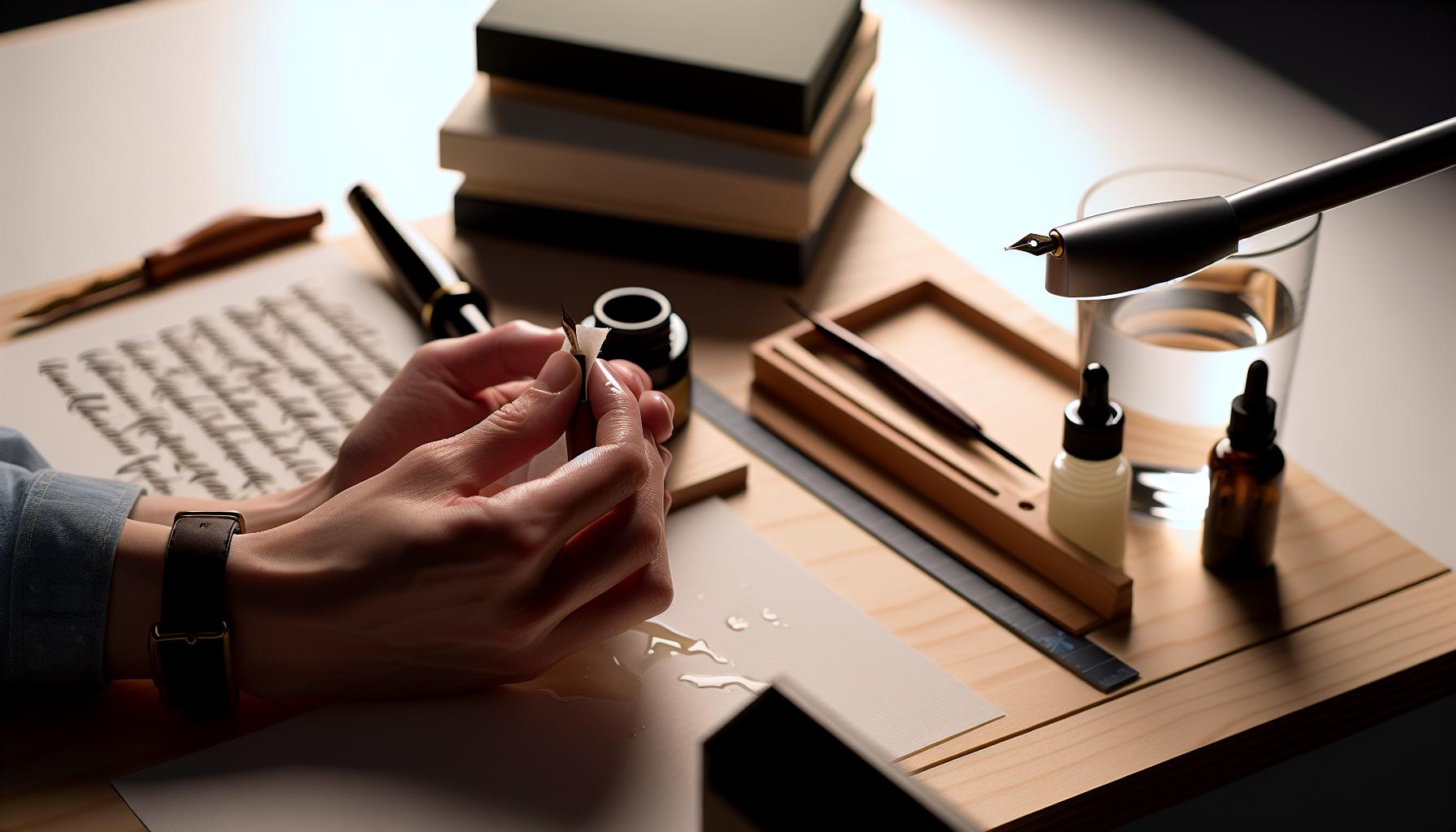
Taking care of your calligraphy pen can feel like a daunting task, but it doesn’t have to be. With a few essential techniques, you can keep your pen in fantastic shape, ensuring it lasts through countless writing sessions while helping you create beautiful work. Proper maintenance is all about regular checks and gentle handling. After all, a well-cared-for pen isn’t just about longevity; it’s also about enhancing your writing experience.
First and foremost, establish a routine cleaning process. After each use, especially if you’ve been using a heavy or pigmented ink, rinse the nib under lukewarm water to remove any residual ink. This step is particularly crucial for dip pens and brushes, where dried ink can easily clog the nib or bristles. For fountain pens, use a bulb syringe to flush water through the nib and feed until the water runs clear. This regular cleaning prevents build-up and ensures smooth ink flow, ultimately saving you from the frustration of skipped strokes.
Another vital aspect of care is how you store your pen. Always keep it capped when not in use, as this prevents the nib from drying out. Additionally, store your pens horizontally or upright in a pen holder to ensure that the nib remains protected and oriented correctly. If you use a fountain pen, make it a habit to avoid leaving it dry for extended periods, as the ink can harden and ruin the feed.
Maintaining your pen’s nib and ink is equally important. If you notice your strokes aren’t as crisp or consistent, it might be time to consider replacing your nib-it’s a simple process that can make a world of difference. Invest in high-quality ink suited to your pen type; using inferior inks can lead to clogs and degrade the nib.
Lastly, pay attention to environmental factors. Humidity and temperature can affect your ink and pen performance. In overly dry conditions, ink may thicken, leading to skipping. In contrast, high humidity might cause it to thin too much. Keeping your supplies in a controlled environment will ensure they are always ready when you are. By integrating these care techniques into your routine, you not only extend the life of your calligraphy pen but also enhance the quality of your writing.
The Importance of Regular Cleaning

Maintaining your calligraphy pen isn’t just about ensuring it looks good – it’s essential for keeping it functional and ready to create beautiful work. Regular cleaning plays a pivotal role in this process. Did you know that neglecting to clean your pen can lead to clogged nibs and inconsistent ink flow? Just like any artist’s tool, a clean pen is vital for achieving precision in your strokes.
After each use, make it a habit to clean your nib. For dip pens, a simple rinse under lukewarm water can work wonders to remove residual ink that might otherwise dry and clog the nib. If you’re using a fountain pen, it’s crucial to flush water through the nib and feed with a bulb syringe until the water runs clear. This practice not only ensures a smooth writing experience but also prevents the frustration of skipped strokes during your next session.
Dust and moisture can also accumulate in your pen if left uncleaned for too long, potentially damaging the internal mechanisms. Regular cleaning is akin to performing maintenance on a car – it keeps everything running smoothly and extends the life of your beloved instrument. Plus, it’s a quick and simple task that can save you time in the long run, allowing you to focus more on your art.
Incorporating cleaning into your routine ensures that your pen functions optimally, providing a consistently satisfying writing experience. Remember, a little maintenance now means less trouble later. So, before you put that pen back on the shelf, take a moment to rinse it off; your future self will thank you!
How to Properly Store Your Calligraphy Pen
Storing your calligraphy pen correctly is just as crucial as cleaning it. After all, a pen that’s not stored properly can suffer from damage that ruins its functionality and aesthetic. Did you know that the way you store your pen can significantly affect the lifespan of both the nib and the ink? Here’s how to ensure your beloved writing tool is safe and ready for your next artistic endeavor.
First, it’s essential to store your calligraphy pens upright, with the nib pointed upwards. This positioning prevents ink from pooling in the nib, which can cause clogging or ink flow issues later. For fountain pens, if they have a converter or cartridge, removing the ink supply during long-term storage can be beneficial as it minimizes the risk of leaks or dried ink. If you use dip pens, consider using a dedicated pen holder that keeps the nib safely elevated.
Humidity and temperature are also critical factors in preserving your pen. Ideally, store your pens in a cool, dry environment. If you live in a humid area, consider using silica gel packets within your storage container to absorb moisture. Over time, exposure to humidity can lead to rust or corrosion in metal nibs, significantly shortening their lifespan. Conversely, keeping your pens out of extreme heat ensures that the ink doesn’t dry out or become too viscous.
For those with multiple pens, using a case or a dedicated drawer can help prevent scratches and other damage. A padded case not only protects your tools but also keeps them organized. When placing your pens in storage, ensure that they are not too tightly packed-this can cause bends and damage to the nibs.
Lastly, embrace a routine check of your stored pens. Every few months, take a moment to examine your collection and ensure they’re still in perfect condition. Spotting issues early can save a pen that might otherwise need costly repairs or replacement. Proper storage isn’t just about keeping your pens safe; it’s about respecting the craftsmanship that goes into each of them. By following these guidelines, you’ll find that your calligraphy pens remain in top-notch condition, ready to inspire you with each stroke.
Extending the Life of Your Ink and Nibs
To truly get the most out of your calligraphy pens, extending the life of both the ink and nibs is essential. Did you know that the way you treat your ink can significantly affect its longevity? Proper care ensures you achieve the best results in your art while saving money on replacements.
Start with the ink: always choose high-quality, appropriate ink for your pen type. Using ink that’s too viscous can clog your nib and create flow issues. If you’re working with a fountain pen, opt for inks designed specifically for these. Avoid mixing brands; combining different inks can lead to unexpected reactions, drying out or clogging your nib. When you’re done using the ink, cap it tightly or store it upright to prevent evaporation and drying out.
For the nibs, regular maintenance is key. After each use, clean the nib with a soft cloth and water to remove any residual ink. You might also want to soak the nib in clean water for a few minutes if the ink has dried. This simple process can help maintain smoothness and prevent corrosion. When you notice any wear, don’t hesitate to replace the nib. Keeping a selection of nibs on hand allows you to switch them out easily, ensuring your writing remains sharp and precise.
Lastly, always remember to keep your pens filled with ink when in use. If a nib sits dry for too long, the end can dry out and lose its shape, making your writing experience less enjoyable. By following these straightforward steps, your ink will flow beautifully, and your nibs will last longer, enhancing both your calligraphy experience and your artistic expressions.
Troubleshooting Common Calligraphy Pen Issues
Many calligraphers face common issues that can disrupt their creative flow, but most are easily fixable with a bit of know-how. Whether you’re struggling with ink not flowing, nibs scratching the paper, or inconsistencies in line quality, there are troubleshooting steps you can take to put your calligraphy back on track.
First off, if your ink isn‘t flowing, it’s often a sign of a clogged nib. This can happen if you’ve used the pen for a while without cleaning it or if the ink has dried out. Start by soaking the nib in warm water for several minutes to break down any dried ink. After soaking, gently use a soft cloth or a nib cleaner to wipe it clean, ensuring no residue remains. If you find the ink is still not flowing, check the feed-this is the part that delivers ink to the nib. Make sure it isn’t blocked or misaligned, which could be affecting the ink flow.
If you’re experiencing scratching or skipping when you write, this could be due to a damaged nib or the type of paper you’re using. Inspect the nib closely for any signs of wear or bends. If it’s damaged, replacing it is your best bet. Additionally, using the right paper is crucial; rougher surfaces can catch on the nib. Experiment with smoother papers to find one that provides a pleasant writing experience.
Inconsistencies in line thickness can often stem from how you’re holding the pen or the angle at which you’re using it. Are you maintaining a steady hand? Consider practicing different strokes to find a comfortable grip and angle. If you notice an uneven applying of pressure, try to keep your hand relaxed and consistent-this simple shift can greatly enhance your writing quality.
With these techniques, you can overcome the most frequent pen issues and keep your calligraphy practice flowing smoothly. Regular checks and maintenance will not only help you enjoy the art more but also extend the life of your tools, ensuring your creative expressions are as beautiful as the pens that help create them.
Choosing the Right Ink for Longevity
Choosing the right ink for your calligraphy pen can mean the difference between a frustrating experience and an enjoyable one. Ink isn’t just a medium; it’s the lifeblood of your writing, influencing everything from flow and color saturation to nib wear. With the vast array of inks available, making the right choice can be daunting, but here’s how to simplify it.
First off, consider the composition of the ink. Pigment-based inks are known for their longevity and resistance to fading, making them ideal for archival work. In contrast, dye-based inks tend to offer more vibrant colors but can be less durable over time. If you’re doing any permanent work, go for pigments. If you’re experimenting or working on practice pieces, dyes can give you that eye-popping color without breaking the bank.
Next, think about flow characteristics. Not all inks behave the same way with every nib. A well-flowing ink minimizes skipping and clogging, allowing you to maintain a consistent line quality. I recommend testing different inks with your unique equipment. Look for inks that explicitly state they’re suitable for your nib type, as some inks can cause friction and wear down the nib faster. For example, if you’re using a flexible nib, choose an ink with appropriate viscosity that won’t weigh down its performance.
Lastly, always check for compatibility with your specific pen. Some inks can cause corrosion or damage to certain materials, leading to costly repairs or replacements. Make sure to read product descriptions carefully and leverage user reviews for insights. Keeping a small record of what works and what doesn’t with your different pens and inks can save a lot of time in the future.
- Know your nib: Match ink viscosity to nib type.
- Test different brands: Find the right flow for your style.
- Prioritize longevity: Choose pigment-based inks for archival pieces.
By being selective about your ink, you’ll not only enhance your calligraphy experience but also extend the life of your tools, turning your writing into a work of art that lasts.
Tips for Replacing Nibs and Maintaining Quality
When it comes to maintaining the quality of your calligraphy, knowing when and how to replace your nib is crucial. Nibs are the fine point of your pen that interacts directly with the paper, and they wear down over time with use. If you notice your lines aren’t as crisp or your ink is skipping, it might be time for a replacement. Don’t be daunted by this process; it’s simpler than you might think and can significantly enhance your calligraphy experience.
Understanding Nib Types
Different styles of calligraphy require different nibs, so recognizing the right replacement is key. You’ll find nibs designed for broad strokes, flexible movements, or fine details. Always match the replacement to your writing style. For instance, a flexible nib allows for dramatic line variation, while a stiff nib can provide a more uniform stroke. Keep a few types on hand for different projects or effects; this way, you’ll always be prepared to adapt your tools to your artistic needs.
Steps for Replacing Nibs
- Choose the Right Nib: Before replacing, make sure you have the correct nib for your pen. If you’re unsure, consult the manufacturer’s guidelines or explore online communities for recommendations.
- Loosen the Old Nib: First, hold the pen firmly and twist the nib to remove it. Some nibs simply pull out, while others may require a gentle twist. Be cautious not to apply too much force; you don’t want to damage the pen itself.
- Install the New Nib: Insert the new nib into the holder until it fits snugly. You should feel a secure, flush connection. Test it on a scrap piece of paper to ensure it’s seated properly and functioning as intended.
- Protect Your Nibs: After use, clean your nibs to remove any ink residue before they dry and harden. This simple step extends their lifespan and keeps your calligraphy crisp.
Maintaining Quality Over Time
To keep your nibs in prime condition, store them properly. Avoid leaving them in an ink-filled pen for extended periods, as this can deteriorate both the nib and the ink. Instead, clean them regularly and store in a dry, cool place separate from harsh sunlight or moisture. You might also consider a designated tool kit for your calligraphy supplies. A well-organized kit prevents accidental damage and helps you quickly find what you need when creativity strikes.
Ultimately, keeping an eye on your nibs, knowing when to replace them, and practicing proper maintenance ensures that your calligraphy not only looks great but also allows your creativity to flow smoothly. Regular care makes it easier to enjoy writing and lets your artistic expression shine through every stroke.
Environmental Factors Affecting Calligraphy Pens
Extreme temperature and humidity can be your calligraphy pen’s worst enemies. Did you know that fluctuations in your writing environment can cause serious damage over time? Whether it’s too hot, too cold, or excessively humid, the conditions can affect the ink flow and the integrity of the nib. Sunlight can also dry out ink or even warp plastic parts of your pen. To protect your investment, pay attention to where and how you store your calligraphy tools.
Temperature Considerations
High temperatures can cause ink to become too fluid, making it run and bleed on your paper. If you’re working in a place that feels sweltering, consider moving to a cooler area or using your pen less frequently. Conversely, cold conditions can make inks thicken, leading to skipping and inconsistent flow. Always try to maintain a balanced temperature; ideally, use your calligraphy pens at room temperature for the best performance.
Humidity Levels
Humidity is another factor that can affect performance. Excess moisture in the air can lead to ink drying slower than usual, potentially clogging the nib. If you notice your ink isn’t flowing smoothly, it might be time to check the humidity in your workspace. A dehumidifier can help in particularly damp environments, while a humidifier can work wonders in dry settings.
Direct Sunlight
Direct sunlight can be deceptively damaging. Pens left out in the sun can dry out the ink and might even lead to warping in plastic parts. Be sure to store your pens in a drawer or a protected area, away from harsh light. A simple pen case can make a huge difference.
To sum up, being mindful of your writing environment and taking a few simple precautions can significantly extend the life of your calligraphy pens. Always keep them in a stable, controlled environment to ensure a smooth and enjoyable writing experience every time you pick one up. You’ll not only maintain functionality but also preserve the quality of your artwork over the long haul.
The Role of Maintenance Schedules in Longevity
To keep your calligraphy pens in pristine condition, a regular maintenance schedule is essential. Think of it as a routine check-up that not only enhances performance but also prolongs the life of your tools. With consistent care, you can prevent many common issues, ensuring your pens write smoothly whenever inspiration strikes.
Creating a maintenance schedule doesn’t have to be overwhelming. Start by designating specific times each month to inspect and clean your pens. During these sessions, look for signs of wear-nibbled nibs, dried ink, or cracked barrels. Be proactive: gently clean the nibs with a soft cloth or a specialized cleaning solution to remove dried ink. For pens that haven’t been used in a while, flush them with clean water before reloading them with ink. This simple step can prevent clogs and keep your ink flow consistent.
A detailed checklist can guide your maintenance efforts. Here’s a straightforward approach:
- Monthly: Inspect and clean nibs, check for ink residue.
- Quarterly: Deep clean the barrel and check all moving parts for wear.
- Annually: Review your entire collection for any pens needing repairs or replacements.
By setting these intervals, you’ll not only keep your pens ready for use but also develop an instinct for identifying potential problems before they escalate. Treat your calligraphy pens with this kind of regular attention, and you’ll be amazed at how smoothly they perform and how long they last.
Innovative Accessories to Enhance Your Calligraphy Experience
To take your calligraphy experience to the next level, innovative accessories can make a significant difference. Whether you’re a seasoned scribe or a curious beginner, the right tools can enhance your writing and help you care for your pens more effectively. One pivotal accessory to consider is a pen holder that is ergonomically designed. It allows for a comfortable grip and encourages better control, reducing hand fatigue during long sessions. A good holder not only enhances your writing posture but can also prevent unnecessary wear on your nibs.
Another must-have is a cleaning kit tailored for calligraphy pens. These kits typically include specialized cleaning solutions, brushes, and soft cloths meant to eliminate ink residue without scratching delicate surfaces. Regular cleaning is essential, and having a dedicated kit ensures you can maintain your pens effortlessly, prolonging their life and performance. Pair this with customizable ink trays or dropper bottles to keep your ink organized and accessible. These tools help manage different ink types and colors, so you can experiment without the fear of spills or contamination.
Consider incorporating a lightbox into your setup, especially if you’re working on intricate designs. A lightbox makes tracing and layout work easier, allowing you to visualize your strokes and spacing. It can reveal inconsistencies in your work early, which is key to maintaining high-quality calligraphy.
Lastly, storage solutions like pen cases with individual compartments can protect your nibs from bending or breaking. Some even come equipped with humidity control to prevent ink from drying out prematurely. Regularly using these innovative accessories not only enhances your calligraphy experience but also supports your commitment to keeping your tools in top shape for as long as possible.
Q&A
Q: How often should I clean my calligraphy pen?
A: Clean your calligraphy pen after every use, especially if you use different inks. Regular cleaning prevents ink from drying and clogging the nib, ensuring better performance and longevity. Follow the cleaning techniques outlined in our Essential Care Techniques section for best results.
Q: What materials are best for storing calligraphy pens?
A: Store your calligraphy pens in a cool, dry place, preferably in a pen case or holder to protect them from dust and damage. Use materials that don’t absorb moisture, like silk or cotton, and keep them away from direct sunlight to avoid fading and degradation.
Q: Can I use any ink with my calligraphy pen?
A: Not all inks are suitable for calligraphy pens. Use inks specifically designed for your pen type to avoid clogging and maintain the integrity of your nib. Check our section on Choosing the Right Ink for Longevity for detailed recommendations.
Q: How do I know when to replace the nib of my calligraphy pen?
A: Replace your nib when it shows signs of damage, such as fraying or inability to produce clean lines. Regularly inspect your nib for wear and tear, and follow the tips for Replacing Nibs and Maintaining Quality to keep your pen in optimal condition.
Q: What environmental factors can damage my calligraphy pen?
A: Humidity and temperature fluctuations can cause ink to dry out and affect the materials of your pen. Keep your pens in a stable environment, away from extreme heat or moisture, as discussed in the Environmental Factors Affecting Calligraphy Pens section.
Q: How can I troubleshoot ink flow issues in my calligraphy pen?
A: If your calligraphy pen has ink flow issues, clean the nib and feed to remove any blockages. Ensure you’re using compatible ink and check for air bubbles in the ink reservoir. Refer to our Troubleshooting Common Calligraphy Pen Issues for more solutions.
Q: Is it necessary to follow a maintenance schedule for my calligraphy pens?
A: Yes, a maintenance schedule helps to systematically clean and check your pens, which can prolong their lifespan. Following the Role of Maintenance Schedules in Longevity will guide you on when to perform routine checks and cleanings.
Q: Are there accessories that can help with maintaining my calligraphy pen?
A: Absolutely! Accessories like cleaning kits, pen holders, and protective cases enhance your calligraphy experience and maintain pen condition. Check the Innovative Accessories to Enhance Your Calligraphy Experience section for more ideas on useful tools.
Wrapping Up
Now that you know how to care for your calligraphy pen to extend its life, it’s time to put that knowledge into action! Regular maintenance not only enhances your writing experience but also preserves the beauty and functionality of your pen. Don’t let your investment go to waste-make cleaning and storing your pen a regular habit.
If you’re eager to explore more about the art of calligraphy, check out our guides on selecting the right ink and choosing paper that complements your writing style. We also recommend signing up for our newsletter to stay updated on tips, techniques, and exclusive workshops that will elevate your skills even further!
Have questions or tips of your own? Drop a comment below; we’d love to hear from you! Remember, consistent care leads to stunning results-keep your calligraphy tools in top shape and enjoy a lifetime of beautiful writing!
Get our latest guides, news, and insights highlighted in your Google Search & AI Overviews.