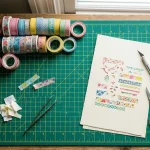

Did you know that washi tape originated from the ancient craft of washi paper making, a technique that has been cherished in Japan for over 1,300 years? Creating your own washi tape is not just about crafting; it’s a chance to express your unique style and bring a personal touch to your projects. Whether you’re looking to decorate your planner, personalize gifts, or add flair to your home, learning how to design washi tape can transform everyday items into beautiful works of art. This guide will walk you through the design process, revealing tips and techniques that will help you unleash your creativity. So, if you’re ready to discover how to merge tradition with modern design, read on and let’s dive into the vibrant world of washi tape creation!
Understanding the Basics of Washi Tape Creation
Washi tape is more than just a decorative adhesive; it’s a canvas for your creativity. starts with appreciating its unique qualities and how those can influence your design process. Traditionally made from natural fibers, washi tape is not only eco-friendly but also incredibly versatile. This opens up exciting avenues for custom designs that reflect your personal style.
To kick things off, get familiar with two key elements: the adhesive and the paper. Washi tape’s adhesive is light, making it easy to reposition, and the paper itself is porous, allowing designs to be intricate yet delicate. When creating your own washi tape, think about balancing visual appeal with functional application. You’ll want to consider how the designs you create will look not only on their own but also how they’ll fit into various projects-from scrapbooking to home decor.
Next, consider your design’s theme and color palette. Start with a brainstorming session, laying out ideas on a mood board. This can be physical or digital. Include samples of colors, textures, and patterns that resonate with you. Once you have a clear vision, sketch out your designs. Don’t hesitate to experiment with various tools: watercolor, stamps, or digital design software can add depth and variety to your creations. Above all, enjoy the process! Crafting washi tape is about expressing yourself, so let your imagination run wild.
Essential Materials for Making Washi Tape

To create stunning washi tape, the right materials are essential. Your main ingredients will be the paper, adhesive, and optional decorative elements. Starting with the paper, traditional washi tape is made from natural fibers such as kozo, mitsumata, or ganpi. These fibers are valued for their strength and natural beauty, resulting in a tape that’s both durable and visually appealing. When choosing your paper, consider the texture and weight; a lighter paper allows for delicate designs, while a heavier stock can give a bold, substantial feel.
Next up is the adhesive. Look for a lightweight, repositionable adhesive. This type of glue allows for easy adjustments during your crafting process-perfect for fine-tuning placement without damaging your designs. You might also explore double-sided adhesive options if you’re looking to create effects where the tape adheres from both sides, opening up even more creative possibilities.
Additionally, here are a few optional materials you might want to have on hand:
- Inks and Paints: Whether you’re drawing directly on the tape or creating designs that will be transferred, high-quality inks and paints can enhance your final product.
- Stencils and Washi Tape Cutters: These tools can help ensure precision and add consistent patterns to your creations.
- Protective Coatings: If you want your designs to last, consider using a clear coating to protect your artwork from wear and tear.
Arming yourself with these materials will set you up for a successful washi tape-making adventure. It’s all about experimentation and finding the right combination that resonates with your creative vision. Happy crafting!
Step-by-Step Guide to the Design Process

Creating your own washi tape can be a thrilling journey, transforming simple materials into beautiful, functional decor. The design process is where the magic happens, allowing you to infuse your unique style and creativity into the tape. So, let’s dive into a straightforward step-by-step guide to help you navigate this exciting venture.
Start with brainstorming your design. Pencil down themes, colors, or motifs that resonate with you. Think about what you want to convey-joy, serenity, boldness-and let that guide your choices. Gather inspiration from nature, artwork, or even patterns you admire. Once you have a solid concept, sketch out a few rough ideas. Use shapes, lines, and elements that reflect your vision and remember, drafts are made for refining!
Next, it’s time to choose your paper. As you learned before, traditional washi tape relies on fibers like kozo or ganpi. Your choice of texture and weight will significantly affect the tape’s look and feel. A lighter paper lends itself to delicate designs, while a heavier option can make bold statements. Cut your chosen paper into manageable strips; this will help when applying your designs later.
Then, grab your arsenal of tools. You might want to use high-quality inks or watercolors to bring your sketches to life. If you’re using stencils or stamps, this is the moment to incorporate them-slide them under the paper and trace. Feel free to layer colors and patterns for added depth and interest! Finally, once your design is complete, applying a light protective coating can help preserve your artwork, making it last longer through various uses.
Remember, don’t be afraid to experiment. Mistakes are often where we find our best ideas. Your washi tape is a canvas for exploration, so enjoy the process and let your creativity flow. Whether you’re making a few rolls for personal projects or considering a larger production, each step brings you closer to creating a piece that’s truly your own. Happy crafting!
Innovative Techniques for Custom Washi Tape
Creating custom washi tape isn’t just about pretty designs; it’s a place where creativity meets innovation. One essential technique to elevate your washi tape game is to experiment with layering. By applying multiple thin layers of different colors or patterns, you can create unique effects that add depth and texture to your designs. You might start with a lighter base coat, then progressively layer darker shades or intricate patterns. This technique not only looks stunning but also allows you to adjust the transparency and saturation of your colors, giving you more control over the final look.
Another game-changing approach is the use of digital design tools. Don’t shy away from technology! Applications like Procreate or Adobe Illustrator let you manipulate designs with precision. You can create seamless patterns, adjust colors with just a swipe, and visualize your ideas before committing to paper. Once you’re satisfied with your design, you can print these digitally created patterns onto your washi tape. This method is particularly useful for those who may not feel confident in their hand-drawing skills-but still want that professional flair.
Furthermore, consider experimenting with unconventional elements like fabric or metallic inks. Using fabric swatches can add a unique texture, while metallic inks can bring a touch of glamour to your pieces. A subtle shimmer can make your washi tape stand out, especially when exposed to light, creating an eye-catching visual that traditional ink simply can’t provide.
Lastly, don’t forget about eco-friendly innovations. Many crafters are now turning to sustainable materials and natural dyes. By incorporating plant-based dyes or recycled papers, you not only create something beautiful but also contribute positively to the environment. These choices resonate with a growing audience that values sustainability, making your creations not just stylish, but also mindful.
Tips for Choosing the Right Patterns and Colors
Choosing the right patterns and colors for your washi tape is crucial, as they can make or break your design. Think of it this way: the right visuals not only attract attention but also evoke emotions and convey messages. Avoid getting overwhelmed by options; instead, start by considering the end use of your tape. Are you creating decorative pieces for crafts, or are these more functional for labeling? Knowing the purpose can significantly narrow your focus.
One effective strategy is to follow current trends or seasonal themes. For instance, florals and pastels might be perfect for spring, while deep hues and geometric patterns may resonate better in the autumn months. Keep a collection of images that inspire you or use social media platforms like Pinterest to scan for popular designs that catch your eye. This practice can spark your creativity and provide insight into what colors and patterns are trending in the washi tape community.
Consider Color Theory: Getting familiar with color theory can also be a game-changer. Complementary colors create a vibrant look, while analogous colors provide a more harmonious feel. Don’t be afraid to experiment with contrast-bold patterns against soft colors can create stunning visual interest. A quick tip? Test your color combinations on paper before printing them on your tape. You’d be surprised how differently colors can appear once they’re on the actual material.
Lastly, let’s talk about uniqueness. Your washi tape should reflect your style. Don’t shy away from niche patterns that tell a story or encapsulate a part of your personality. Think about integrating personal elements-like textures or motifs that resonate with you-and experiment. Custom designs that blend your individual taste with careful consideration of colors and patterns can elevate your projects, ensuring your washi tape stands out from the crowd.
Creating Unique Effects with Washi Tape
can transform your craft projects and elevate your design aesthetic. It’s not just about sticking beautiful designs on paper; it’s about showcasing creativity and innovation. With the right techniques, you can add depth, texture, and even personalization, making your washi tape uniquely yours.
One of the simplest ways to create standout effects is through layering. Try layering different patterns and colors of washi tape to achieve a collage-like feel. Here’s a tip: start with a solid or lightly patterned base tape and then top it with a more intricate design. This method not only adds visual interest but also plays with transparency and allows for light to change how the patterns are viewed. Experiment with varying widths of tape; using narrower strips can create a more delicate look, while wider ones make bold statements.
Texture Galore
Another effective technique is incorporating texture. You can achieve this by using materials like tissue paper or fabric as a base before applying your washi tape. By sticking your tape onto these materials, you not only introduce a tactile element but also enhance the overall visual appeal. Consider adding metallic washi tape or textured options for added flair. Using these tapes on your projects can catch the light beautifully and create a striking effect that standard prints can’t replicate.
Don’t forget about personalization-adding your own handwritten notes or doodles on top of your washi tape can create a unique narrative within your projects. This is particularly effective in scrapbooking or journaling. For example, when combined with nature-themed washi tape, doodling little flowers or creatures that correspond to the design can make your project feel cohesive and personal.
For users who want to push their creativity further, using techniques like marbling or negative space can yield stunning results. To create a marbled effect, gently swirl two or more colors of paint on a surface, press a piece of washi tape briefly into the design, then lift it away. This gives you a beautifully unique pattern that can be repeated across a whole roll. Meanwhile, negative space plays on removing parts of the tape to reveal the underlying surface, which can be a fun way to integrate different colors or textures in innovative ways.
In short, the possibilities with washi tape are endless. By layering, playing with texture, personalizing your designs, and utilizing creative techniques, you can craft distinct effects that will set your washi tape apart from the rest. Working with washi tape is all about experimentation, so don’t hold back-dive in and discover what unique creations you can make!
Troubleshooting Common Issues in Washi Tape Production
Creating washi tape can sometimes come with its own set of challenges, but overcoming these obstacles can lead to even more creative and innovative outcomes. Whether you’re a beginner or looking to refine your technique, understanding common issues will help you navigate your washi tape production more smoothly.
One frequent problem is the adhesion of your tape. If your washi tape isn’t sticking well, it could be due to the surface you’re applying it to. Ensure that your base materials are clean, dry, and smooth. For surfaces like plastic or glass, consider using a strong adhesive backing or double-sided tape to help your washi adhere better. If you notice your tape lifting over time, try to burnish it down with a brayer or your fingers to ensure a solid bond.
Another common hiccup is wrinkling or bubbling during the application process. This can happen when applying washi to uneven surfaces or when there’s too much moisture in the air. To avoid this, lay your tape down slowly, smoothing it out as you go. If bubbles form, gently prick them with a pin and press out the air using a flat tool.
Color and design issues can also arise, especially if you’re layering or working with intricate patterns. If the colors don’t match your vision, test the designs on a small scale before committing to a large project. Use swatches and sample pieces to see how layers interact. Remember, sometimes what looks good on paper doesn’t translate well when applied-always assess visibility on the actual surface.
Finally, production can hit snags due to material quality. If your washi tape is tearing easily or you notice inconsistencies in texture, consider sourcing higher-quality materials. A reputable supplier will make a significant difference in your end product, leading to tape that not only looks good but also performs well.
By knowing these potential pitfalls and how to address them, you can improve your washi tape crafting experience. Embrace the learning process and enjoy the creative journey.
Showcasing Your Washi Tape: Display Ideas
Imagine scrolling through a beautifully curated display of washi tape, each roll telling its own story and inviting creativity. Showcasing your handmade washi tape isn’t just about storage; it’s about celebrating your artistry and inspiring others. You can elevate your tape display with a few clever techniques that not only beautify your workspace but also make your creations easily accessible.
Start by selecting a dedicated space that showcases the colors and patterns of your tapes. A simple wall-mounted rack or a multi-tiered shelf can turn your washi collection into a decorative focal point. Consider using repurposed materials, like an old spice rack or a wooden pallet, which can add character and be an eco-friendly choice. Arrange the rolls by color, pattern, or theme to create a visually appealing gradient that draws the eye. Vertical displays can save space and keep your washi rolls organized and visible.
Environment matters as well; add personal touches that reflect your style. Incorporate potted plants or small art pieces around your tape display to create a cheerful, inspiring atmosphere. Use clear jars or glass containers to hold loose washi pieces or cut strips, allowing for easy access while still being visually attractive. Hang a small bulletin board nearby to pin inspiration, scraps, or swatches, enhancing the creative flow.
For those who want to share their washi designs with the community, consider hosting a small pop-up showcase or an online slideshow. Invite friends to view your collection or create themed tutorials on how to use washi in various projects. Social media platforms are perfect for this; showcase your displays and projects while connecting with others in the washi-loving community. Remember, the more you share, the more others will be inspired to create with you. By thoughtfully displaying your washi tape, you not only enhance your workspace but also spark joy and creativity for everyone who encounters your collection.
Creative Projects Featuring Your Handmade Washi Tape
There’s something incredibly satisfying about seeing your handmade washi tape transform ordinary projects into extraordinary creations. This lightweight, versatile tape opens up a world of possibilities, allowing you to infuse color, pattern, and personal flair into various crafts. Whether you’re looking to add a splash of creativity to your journal or elevate your gift wrapping, handmade washi tape can be the star of the show.
One fun project is to create personalized greeting cards. Start with blank cards and let your washi tape take center stage. Layer different colors and patterns to frame photos or messages. You can even create simple designs, like flowers or geometric shapes, by cutting the tape into smaller pieces. This not only adds a unique touch but also showcases your artistic style. Plus, your friends will love receiving a handmade card that reflects your creativity.
Another excellent way to use your washi tape is in home décor. Try wrapping the edges of picture frames or jars with strips of your favorite tapes. This quick and easy technique can bring old items back to life with minimal effort. You can even create unique wall art by arranging various tape patterns on canvas to make a colorful and eye-catching statement piece. The possibilities are endless, and the results are always rewarding.
For those who love organization, consider customizing your planner or bullet journal with washi tape. Use it to mark important dates, create borders, or divide sections. The beauty of using washi tape here is its re-positionable nature-you can experiment with layouts until you find the perfect fit without damaging your pages. Plus, it adds a pop of color that turns your planner into a reflection of your personality.
Lastly, think about creating custom party supplies. Use your washi tape to embellish straws, napkins, or gift bags, instantly elevating your party décor. You can even use it to make simple bookmarks as favors, adding a personal touch that guests will appreciate. When used creatively, your handmade washi tape can enhance any project, giving it a special charm that reflects your unique style.
Embrace your creativity and dive into these projects; you’ll soon find that washi tape is not just a crafting material-it’s your key to transforming the ordinary into the extraordinary.
Sourcing Eco-Friendly Materials for Washi Tape
To create washi tape that’s not only beautiful but also eco-friendly, choosing the right materials is crucial. Your options don’t just affect the outcome; they reflect your values. Start with sourcing fibers from renewable resources like bamboo, cotton, or even the traditional kōzo plant. These materials are sustainable and decompose easily, making them excellent choices for environmentally conscious crafting. Bamboo, in particular, grows rapidly and doesn’t require pesticides, making it a sustainable option for your tape.
When selecting adhesives, look for water-based or plant-based glues instead of traditional chemical adhesives. These options still offer strong bonding without the environmental impact. Companies that manufacture eco-friendly adhesives often share their commitment to sustainability, so don’t hesitate to research brands that align with your values.
Recycled paper is another fantastic material to incorporate. It significantly reduces waste and gives your washi tape a unique texture that can enhance your designs. If you can, choose paper from post-consumer waste or FSC-certified sources, ensuring that your materials are responsibly sourced.
Lastly, consider dyeing or printing your designs with non-toxic inks. This not only achieves vibrant results but also maintains a commitment to sustainability. By investing a little time in sourcing these eco-friendly materials, you’re not just making washi tape; you’re contributing to a healthier planet, one roll at a time.
Inspiring Examples from the Washi Tape Community
Looking for inspiration to kick off your washi tape projects? You’re in great company! The washi tape community is bursting with creativity, and there are countless examples to spark your imagination. From intricate designs to innovative uses, here’s a glimpse of what other passionate crafters are creating.
One compelling movement is the blend of traditional and modern aesthetics in washi tape designs. Crafters often experiment with patterns that reflect diverse cultural influences, blending classic Japanese motifs with contemporary graphic design. Imagine a roll that combines cherry blossoms with geometric shapes, or delicate koi fish swimming alongside bold stripes. This fusion not only makes each piece unique but also honors the rich history of washi paper in modern craftsmanship.
Another inspiring trend is the customization of washi tape for personal events. Weddings, birthdays, and baby showers are a few occasions where handmade washi tape becomes a cherished embellishment. For instance, using personalized stamps or DIY stencils, creators design tapes that feature names, dates, or themed graphics. This personal touch adds a heartfelt element and transforms everyday items into memorable keepsakes.
Moreover, many artists are pushing the envelope by incorporating washi tape into mixed media projects. They create stunning collages, journal pages, and even framed art pieces that highlight the tape’s versatility. The textures and colors of washi tape can create depth and interest, turning simple ideas into vibrant works of art. Consider trying a layered approach where you combine several strips of different tapes, playing with opacity and color contrasts.
In addition to these creative explorations, sustainability plays a vital role in the community. Many crafters are committed to using eco-friendly materials and processes in their washi tape creations. By sharing their journeys online, they inspire others to make conscientious choices, emphasizing that beautiful art can also support environmental preservation.
So, let these vibrant examples fuel your own creativity! Whether you’re designing your own rolls or incorporating washi tape into various projects, the possibilities are endless. Dive into the community, share your creations, and who knows? Your unique designs may just inspire someone else!
Moving Beyond Basics: Advanced Washi Tape Techniques
The world of washi tape is bursting with potential, and once you get the basics down, it’s time to dive deeper into advanced techniques that can elevate your creations. Whether you’re looking to refine your skills or explore new dimensions of creativity, these methods can help you differentiate your washi tape projects and truly make them your own.
One exciting technique is layering. This involves applying multiple strips of different tapes atop one another. By mixing patterns and colors, you can create a unique texture that adds depth to your designs. Start with a base layer, perhaps a solid color, then apply patterned strips. Experiment with angles and overlaps to see how they interact visually. Not only does this technique enhance aesthetics, but it also allows you to repurpose leftover washi tape creatively.
Another innovative approach is transfer printing. By using wax paper, you can transfer intricate designs or images onto your washi tape. First, print your desired image using an inkjet printer on wax paper. Allow the ink to dry, then place the wax paper against the tape and rub gently with a bone folder or your fingers to transfer the ink. This method opens a vast realm of customization, allowing you to incorporate personal artwork, printed text, or even digital designs directly onto your tape.
Exploring themed series is another approach to consider. Create collections around specific themes, whether it’s seasonal designs, motivational quotes, or cultural motifs. Not only does this help craft a cohesive look, but it also encourages you to think more critically about your designs and how they relate to one another. For example, develop a winter-themed set that includes snowflakes, cozy mittens, and hot cocoa. This can also be a great way to engage customers if you’re selling your creations.
Lastly, consider using texture and embellishments. Incorporating elements like glitter, embossing powders, or even fabric can help your washi tapes stand out. When the tape is still wet from the adhesive, sprinkle some glitter over it to add sparkle, or press fabric pieces into the tape for a mixed media effect. It’s all about experimentation-don’t be afraid to try unconventional materials.
As you delve into these advanced techniques, remember that creativity thrives on exploration. Each method offers a unique opportunity to express your personal style and push the boundaries of what washi tape can do. Embrace these challenges, and you’re sure to produce stunning pieces that capture attention and inspire others in the washi tape community.
Frequently asked questions
Q: What are the best materials to use for creating custom washi tape?
A: The best materials for custom washi tape include high-quality rice paper, craft adhesive, and printed designs. You can also use water-resistant coating to make your tape more durable. For a detailed guide on materials, check out the “Essential Materials for Making Washi Tape” section of our article.
Q: How can I design unique patterns for my washi tape?
A: To design unique patterns for washi tape, consider using graphic design software to create your prints. Experiment with different shapes, colors, and themes that reflect your style. Research visual trends to inspire your designs. For more design tips, refer to “Tips for Choosing the Right Patterns and Colors.”
Q: What is the process of printing designs onto washi tape?
A: Printing designs onto washi tape typically involves transferring your design onto adhesive sheets. Use a printer for high-quality results, or opt for hand-drawn designs if you’re looking for a personal touch. Learn more in our “Step-by-Step Guide to the Design Process.”
Q: How can I create washi tape with special effects?
A: To create washi tape with special effects, consider techniques like embossing, foil stamping, or adding glitter accents. Each technique can enhance the overall look. Check out the “Creating Unique Effects with Washi Tape” section for more innovative ideas.
Q: When is the best time to create washi tape for seasonal projects?
A: The best time to create washi tape for seasonal projects is 2-3 months before the season begins. This allows you to design and produce sufficient quantities. For project ideas and inspiration, see “Creative Projects Featuring Your Handmade Washi Tape.”
Q: Where can I find inspiration for washi tape designs?
A: You can find inspiration for washi tape designs from social media platforms, such as Pinterest and Instagram, and by researching trends in graphic design. Additionally, exploring “Inspiring Examples from the Washi Tape Community” can fuel your creativity.
Q: Why is washi tape considered eco-friendly?
A: Washi tape is considered eco-friendly because it is made from renewable, biodegradable materials like rice paper. By sourcing your materials sustainably, you can further enhance its green credentials. For tips on eco-friendly sourcing, refer to “Sourcing Eco-Friendly Materials for Washi Tape.”
Q: How can I troubleshoot common issues when making washi tape?
A: To troubleshoot common issues, ensure that your adhesives are properly applied and that your designs are the correct size. If you experience tearing, adjust your paper thickness. For detailed troubleshooting advice, visit the “Troubleshooting Common Issues in Washi Tape Production” section.
The Way Forward
You now have the tools and insights to create your own stunning washi tape! Remember, experimenting with colors and patterns can lead to unique creations that reflect your personal style. Don’t let hesitation hold you back-dive in today and start designing! If you’re curious about the rich history behind washi paper, check out our article on the 1500-Year History and Culture of Echizen Washi. For more design inspiration, also explore Tips for Customizing Your Washi Tape to elevate your projects even further.
Got questions or ideas? We’d love to hear from you! Leave a comment below, and be sure to share your creations with us. Subscribe to our newsletter for more tips and exclusive content, and don’t miss our guide on Caring for Your Washi Tape to keep your beautiful creations in top shape. Let’s get crafting and make something beautiful together!
Get our latest guides, news, and insights highlighted in your Google Search & AI Overviews.