
Loading a manuscript calligraphy pen properly is crucial for achieving that smooth, effortless flow of ink that every calligrapher desires. If you’ve ever struggled with ink blots or inconsistent lines, you’re not alone. Many of us have faced the frustration of a poorly loaded pen, which can disrupt the creative process. In this guide, we’ll break down the simple steps to fill your pen efficiently, ensuring you spend more time creating beautiful letters and less time worrying about ink issues. Whether you’re a seasoned artist or just starting out, mastering this essential skill can elevate your calligraphy game. Let’s dive into the easy filling process and unlock your pen’s true potential!
Choosing the Right Manuscript Calligraphy Pen
When diving into the world of manuscript calligraphy, choosing the right pen can make all the difference in your experience and results. A quality manuscript calligraphy pen is designed for precision and comfort, allowing for smooth strokes that bring your lettering to life. Here’s what to consider to ensure you’re making the best choice.
First, think about the nib type. Manuscript pens typically come with various nib sizes; a broader nib creates more dramatic lines but requires more control, while a finer nib allows for intricate details and easier maneuverability. If you’re just starting, a medium nib is often a smart choice as it strikes a balance between expressiveness and precision. Make sure the nib material suits your style; stainless steel nibs are durable and great for beginners, while gold nibs offer a softer touch and greater flexibility, which can enhance your writing experience over time.
Next, consider the ink delivery system. Some manuscript pens use cartridges, making the refilling process quick and less messy, while others use a converter, allowing for a wider range of ink options. If you enjoy experimenting with different colors and types of ink, a converter pen might be more fulfilling. Additionally, look for pens with comfortable grips; calligraphy can require prolonged use, and a comfortable grip will help avoid hand fatigue.
Lastly, don’t overlook the aesthetics of the pen itself. A beautiful pen can be a source of inspiration! Whether you prefer a classic look or something more modern, there are plenty of designs to match your personality. Always try to test the pen, if possible, to feel how it flows on paper. Engaging with the pen in person can significantly impact your decision and ensure you find one that’s just right for your calligraphy journey.
Essential Tools for Filling Your Pen
To make the most of your manuscript calligraphy pen, having the right tools at your disposal for filling it can make all the difference in your writing experience. Properly loading your pen not only enhances ink flow but also ensures consistent output, helping to bring your creative visions to life.
Start with a reliable ink source. Whether you choose bottled ink or cartridges, opt for high-quality products that are designed specifically for calligraphy. Bottled ink allows for a variety of colors and shades, giving you the freedom to express your creativity fully. Make sure to have a small bottle or glass bowl for easy filling, especially if you’re using a converter. A syringe can also be handy for filling ink directly from the bottle without spillages.
Another essential is a clean cloth or paper towel. This simple tool will serve multiple purposes: it can help wipe the nib to remove excess ink or to clean up any drips during the filling process. Keeping your workspace tidy is crucial as it minimizes mess, allowing you to focus on your artistry.
Finally, consider having a few cleaning supplies nearby, such as water or a cleaning solution, especially if you regularly switch inks. A good cleaning routine not only extends the life of your nib and feed but also preserves the vibrancy of your inks, preventing cross-contamination.
With these tools on hand, loading your manuscript calligraphy pen becomes a straightforward and enjoyable task, paving the way for beautiful lettering and creative projects.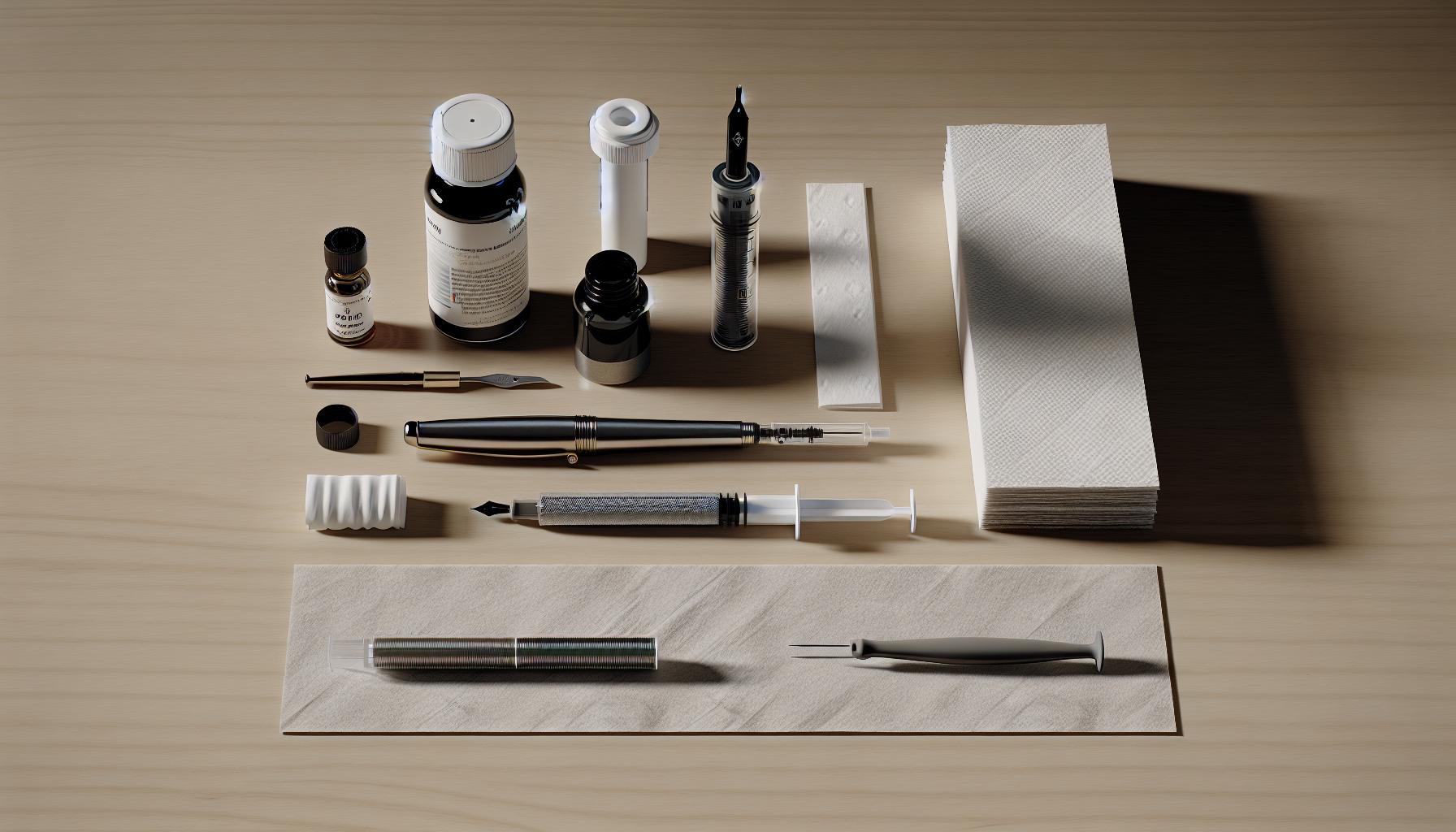
Step-by-Step Guide to Filling Your Pen
Filling a manuscript calligraphy pen might seem daunting at first, but with the right approach, it can be a smooth and satisfying process. Understanding the mechanics of your pen and the properties of your ink is crucial. Here’s how you can fill your pen with confidence.
Start by ensuring that your workspace is prepared and clutter-free. Grab your pen and the ink of your choice, and make sure you have a clean cloth nearby to catch any drips. If you’re using bottled ink, have a small bowl or glass for easy access during the filling process. For cartridge pens, simply have your cartridges ready.
Now, let’s delve into the filling technique:
1. Filling with Bottled Ink
- Remove the Nib or Cap: Depending on your pen design, you may need to take off the nib section to access the ink reservoir.
- Use a Converter or Syringe: If your pen has a converter, dip it into the ink and draw back the plunger to fill it. If you’re using a syringe, carefully draw ink from the bottle and inject it into the barrel.
- Check for Air Bubbles: Gently tap the pen body to dislodge any air bubbles that might cause inconsistent ink flow. You want the ink to completely fill the reservoir.
- Reassemble the Pen: Once filled, put the nib back on securely. It’s important to ensure a tight seal to prevent leaks.
2. Filling with Cartridges
- Insert the Cartridge: Push the cartridge firmly into the nib section until you hear a click. This sound indicates that the ink chamber has been punctured.
- Test for Flow: Gently squeeze the cartridge to check for ink flow. If nothing comes out right away, give it a moment. Sometimes it takes a little while for the ink to reach the nib.
3. Clean Up
After you’ve successfully filled your pen, use your cloth to wipe any excess ink from the nib. This minimizes mess and prevents ink smudges on your paper during writing.
Remember, practice makes perfect. The more you fill your pen, the more comfortable and proficient you’ll become. Enjoy the process, and allow your creativity to flow as beautifully as your ink does! With this guide, you’re well-equipped to tackle filling your manuscript calligraphy pen like a pro.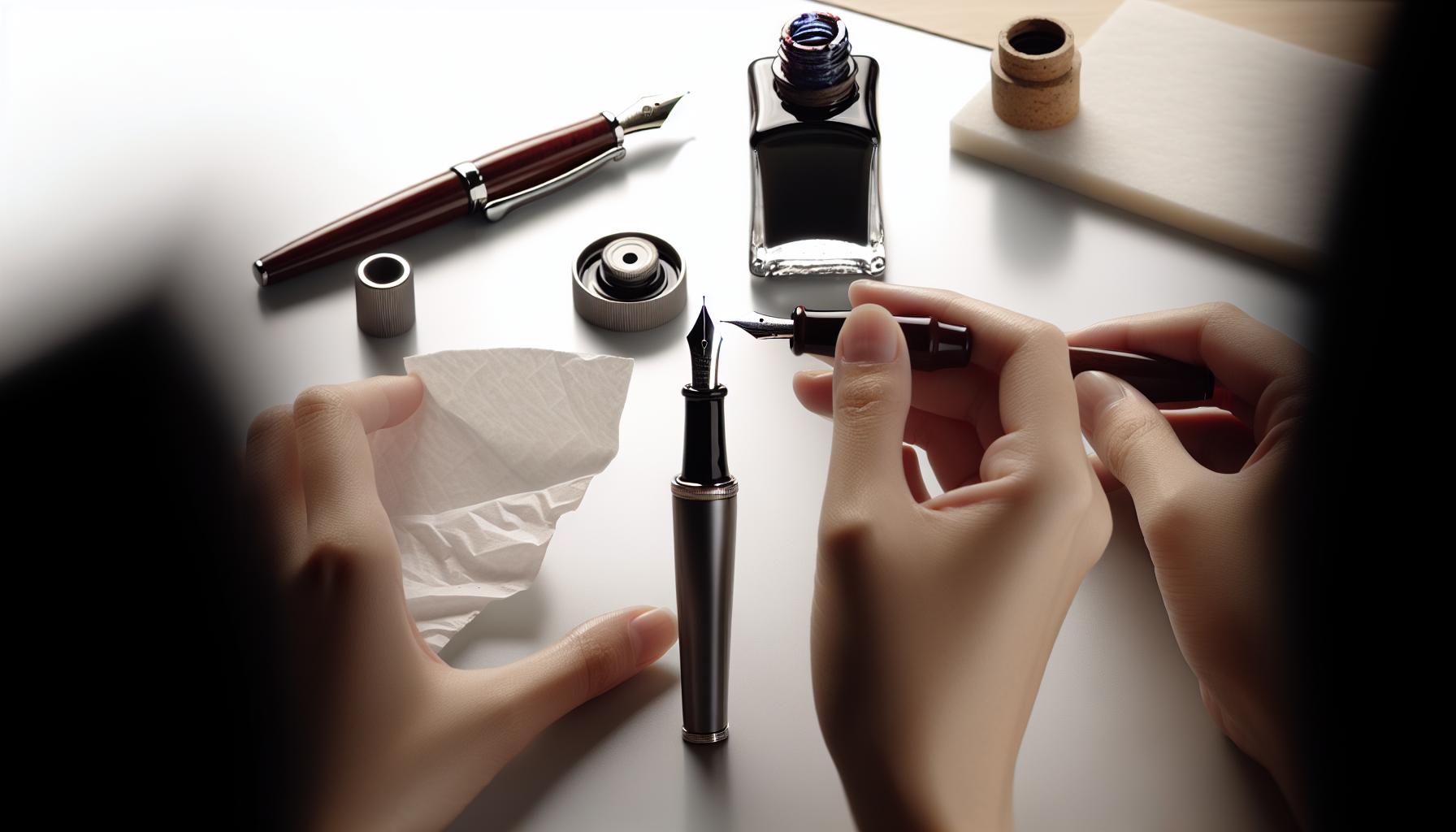
Common Mistakes When Loading Calligraphy Pens
Loading a manuscript calligraphy pen can be straightforward, but many beginners stumble over a few common pitfalls that can make the process frustrating. First off, one of the biggest mistakes is not ensuring that the pen and ink are compatible. Always check the pen’s specifications. Using the wrong ink type, especially with fountain pens that require specific formulations, can lead to clogging and poor performance.
Another frequent error is rushing the filling process. Some new users might skip the crucial step of checking for air bubbles in the ink reservoir after filling. Those little bubbles can interrupt the flow when you’re writing, creating gaps in your letters or forcing you to stop and adjust mid-flow, which can be both annoying and disruptive. Always take a moment after you fill the pen to tap it gently and ensure there are no trapped air pockets.
In the case of cartridge pens, it’s common for users not to push the cartridge firmly enough into the pen body. If it doesn’t click, the ink won’t flow properly and you’ll be left struggling to get ink to the nib. Make sure you give it a firm push until you hear that satisfying click, which indicates that the ink chamber is punctured and ready for action.
Finally, don’t forget to clean your nib before starting to fill your pen. Residual ink from previous uses can mix with the new ink, leading to unexpected colors and potentially affecting the flow. Keeping your nib clean ensures you get a pure and consistent application. Avoid these common mistakes, and your calligraphy experience will become much more enjoyable and productive!
Caring for Your Manuscript Calligraphy Pen
is crucial for maintaining its performance and ensuring it lasts for years. A little attention goes a long way in preventing issues like ink flow problems and nib damage. Regular maintenance can transform your writing experience from a chore into a delight.
Start by cleaning your pen after each use. Ink residue can dry inside the nib, leading to clogging and inconsistent flow. Simply flush the nib with water if you’re using water-based ink, or follow the manufacturer’s recommendations for other types. If you notice the ink flow struggling, it might be time for a deeper clean. Soak the nib in a solution recommended for calligraphy pens overnight, then rinse thoroughly. This keeps your nib in pristine condition and ensures smooth writing.
Storing your pen properly is just as important. Always store it horizontally when filled with ink to prevent leakage or air bubbles from forming in the ink chamber. If you’re taking a break from writing, consider emptying the pen first to prevent dried ink buildup. I’ve found that keeping a pen pouch dedicated to your calligraphy collection helps you avoid accidental damage and keeps everything organized.
Lastly, be mindful of your ink choice. Not all inks are created equal, and some can be harsher on your nib than others. High-quality, pH-neutral inks generally produce the best results. Always read the pen specifications to ensure compatibility. By taking these simple steps, your manuscript calligraphy pen will not only perform better but also inspire you to create beautiful pieces of art every time you use it.
Exploring Different Ink Types for Calligraphy
Choosing the right ink for your manuscript calligraphy pen can be the game-changer in your writing experience. Not all inks are created equal; some are more suitable than others for various techniques and styles. When it comes to calligraphy, the consistency, flow, and drying time of the ink can greatly impact your final piece. Here’s a deep dive into the different types of ink that can elevate your calligraphy projects.
Water-based inks are incredibly popular among calligraphers for their versatility and ease of use. They’re often pH-neutral and come in a multitude of colors, making them perfect for blending and adding personal flair to your writing. However, be cautious: if you use water-based ink, ensure it’s compatible with your pen. Some pens can clog if the ink isn’t designed for the specific nib type.
Another fantastic option is India ink. Known for its rich, deep color and permanence, it’s a favorite among professionals. However, India ink can be a bit thick, so it’s vital to make sure your pen’s nib can handle it; otherwise, you might face ink flow issues. For a more unique application, consider using metallic or shimmer inks. They offer stunning visual effects, perfect for decorative pieces. Just remember, these inks can sometimes require more frequent cleaning to prevent clogging due to their particles.
Tips for Choosing Ink
- Test Before Committing: Always try a small amount of ink on a scrap piece of paper to see how it behaves.
- Check Your Nib: Ensure that the ink’s viscosity is compatible with your pen’s nib to avoid clogging.
- Consider Drying Time: For projects requiring quick results, select a fast-drying ink to avoid smudging.
- Blend to Perfection: Don’t hesitate to mix inks to achieve the desired color or texture.
The right ink can inspire creativity and lead to beautiful results in your calligraphy. By experimenting with various inks, you not only find what works best for your style but also discover new techniques that can enhance your writing. Each ink has its personality, so let your pen flow with the one that resonates with your artistic vision.
Troubleshooting Ink Flow Problems
Sometimes, nothing is more frustrating than when your manuscript calligraphy pen just won’t flow. You’ve got your paper ready, your ink loaded, but the pen’s nib is reluctant to cooperate. Let’s tackle this common issue so you can get back to your beautiful lettering without a hitch.
First off, check your ink. If it’s too thick, it can clog the nib, preventing a smooth flow. Water-based inks generally work best for everyday use-remember to shake or stir them before filling your pen! If you’re using a thicker ink, like India ink, consider diluting it slightly with a compatible medium to ensure it flows freely. Additionally, feel free to test your ink on scrap paper to see how it behaves before committing to your project.
If the nib is dry or experiencing blockages, it might simply need a good clean. Gently wipe the nib with a clean cloth or paper towel to remove any dried ink. If clogging persists, a soak in warm water can help. Just be sure to thoroughly dry the nib before you attempt to write again. This small act can rejuvenate your pen and get it working like new.
Air bubbles can also cause flow issues. If you notice the ink isn’t feeding properly, try lightly tapping the pen or giving it a gentle squeeze (if it’s a squeeze-filler). This can help release any trapped air. Sometimes, simply adjusting your writing angle or pressure can make a difference too; calligraphy can be sensitive to how you hold the pen.
Last but not least, experiment with your paper and writing surface. Some papers absorb ink differently, which can impact flow. A smoother, non-absorbent surface usually yields better results. Be mindful of the material you’re using, especially with those more textured or absorbent papers. Each detail matters when it comes to achieving that perfect stroke in your calligraphy.
By keeping these tips in mind, you’ll conquer those pesky ink flow problems and enjoy the art of calligraphy to its fullest!
Advanced Techniques for Calligraphy Ink Filling
Filling a manuscript calligraphy pen isn’t just about pouring in the ink; it’s an art form that can drastically affect your writing experience and the quality of your work. Many calligraphers overlook the nuances that can take their technique from average to exceptional. If you aim to elevate your skills, consider incorporating these advanced techniques into your routine.
First, pressure and technique matter when filling your pen. Avoid simply dipping the nib into the ink; instead, gently press the nib against the ink surface to suck the ink up into the reservoir. This creates a better seal and ensures that you’re not just coating the exterior but actually filling it properly. Additionally, try using a pipette or ink syringe for more viscous inks. This allows for precise control over how much ink you load, reducing waste and preventing overflow.
Another tip is to experiment with temperature. Inks can behave differently based on their temperature, so don’t hesitate to warm your ink slightly in a warm water bath (just not too hot-think lukewarm). This can make thicker inks flow more easily during filling. It’s crucial to test your ink’s flow on a scrap piece of paper afterward, as the slightly warmed ink can yield different results compared to its cooled state.
When filling, consider the angle of your pen as it enters the ink. Angling it slightly downward helps draw the ink up by utilizing gravity to your advantage. If you find that your ink isn’t feeding through to the nib effectively, it might be worth adjusting how deep you insert your pen into the ink. Sometimes a subtle change makes a world of difference.
Finally, don’t forget about the importance of cleaning your pen frequently. Residual ink can clog the nib or dry out inside the pen, leading to those frustrating moments where it seems impossible to get a consistent flow. A quick soak in water or a specialized pen cleaner after each session can extend your pen’s life and keep your ink flow smooth.
Incorporating these advanced techniques into your ink filling process not only prepares you for better calligraphy but also enhances your overall experience as a calligrapher. Focus on precision, experiment with your materials, and you’ll quickly see improvements in your work.
How to Clean Your Manuscript Pen After Use
Cleaning your manuscript calligraphy pen properly after use is essential for maintaining its performance and lifespan. Neglecting this step can lead to dried ink clogging the nib or reservoir, resulting in frustrating and inconsistent writing experiences. Luckily, it’s a straightforward process that will ensure your pen is ready for your next creative endeavor.
Start by gathering a few supplies: a soft cloth, clean water, and a gentle brush or an old toothbrush. If you’re using colored or pigmented inks, it’s particularly important to clean your pen soon after use to prevent staining and buildup. First, if your pen has a removable nib, gently detach it. Rinse the nib and ink reservoir under lukewarm running water. Avoid using hot water, as it may damage some materials. For stubborn ink residue, a gentle brush can help remove remnants without scratching the nib.
If your pen is more complex, consider soaking the nib and reservoir in a bowl of water for 10 to 15 minutes. This can help dissolve any stubborn ink particles. After soaking, give everything a final rinse, ensuring no ink remains. Then, dry the components thoroughly with a soft cloth. It’s crucial to let everything air dry completely before reassembling to avoid trapping moisture, which can lead to mold or corrosion.
For those who frequently switch ink colors, investing in a specialized pen cleaner can be beneficial. These cleaners are designed to dissolve ink residue more effectively than water, making the cleaning process quicker and more efficient. Always check your pen’s instructions, as some materials may require specific care.
Incorporating these cleaning practices into your routine will not only prolong the life of your manuscript pen but also enhance your overall calligraphy experience. A clean pen means consistent ink flow and beautiful, fluid writing, allowing you to focus on your art rather than on frustrating technical issues. Remember, a little maintenance goes a long way in enjoying your calligraphy journey.
Inspirational Calligraphy Projects to Try
There’s something magical about transforming ink on paper into art with a calligraphy pen. If you’re looking for inspiration for your next project, consider crafting personalized gifts or home décor items that showcase your skills and creativity. Here are a few engaging projects to spark your imagination and enhance your calligraphy journey.
Personalized Greeting Cards
Creating custom greeting cards is a fantastic way to practice your calligraphy while delivering a heartfelt message. You can experiment with various styles-from elegant scripts to playful lettering. Use different colors and ink types to match the occasion, whether it’s a birthday, holiday, or just a note to say “thank you.” Layering your calligraphy with decorative elements such as stickers or washi tape adds a personal touch.
Artistic Quotes and Framed Pieces
Try lettering your favorite quotes or meaningful phrases on high-quality paper, and frame them. These pieces not only serve as beautiful art for your home but can also be great conversation starters. Choose inspiring or motivational quotes that resonate with you, and feel free to add illustrations or embellishments. You can even create a series around a theme and display them together for a striking visual impact.
Customized Wedding Invitations
If you want to dive deeper into calligraphy, consider taking on a project like designing wedding invitations. The beauty of calligraphy can elevate any invitation, making it feel special. Collaborate with couples to capture their vision, and you can experiment with styles, colors, and even layout designs. This project not only hones your skills but also allows for artistic expression in a meaningful way.
Daily Journaling or Sketchbooks
Incorporating calligraphy into your journaling practice can be both fulfilling and therapeutic. Take time each day to write down thoughts, reflections, or even doodles in a dedicated sketchbook. Explore various ink types and nibs to discover what feels right for your writing style. This exercise improves your calligraphy technique while allowing you to unleash your creativity freely.
No matter what project you choose, the key is to enjoy the process of filling your manuscript pen and watching your words come to life. Each project is an opportunity to practice your skills, express your personality, and create something uniquely yours. So, grab your pen, pick your project, and let your creativity flow!
Benefits of Using a Manuscript Calligraphy Pen
Using a Manuscript calligraphy pen transforms writing into a beautiful form of art. The tactile experience of gliding the nib across paper is not just about getting the words out; it’s about expressing creativity through every stroke. One of the most significant benefits of using these pens is the ability to achieve varied line widths and styles, simply by adjusting the pressure you apply. This versatility allows you to create dynamic and visually captivating lettering that ordinary pens can’t match.
Moreover, the rich array of inks designed for calligraphy, ranging from metallic to vibrant hues, enhances your artistry. These inks are formulated to provide smooth flow and rich color saturation. When you fill your Manuscript pen with high-quality ink, it elevates your work, making even simple notes look luxurious. Let’s not forget, the satisfaction of mastering the loading process adds to your skill set, knowing that you can easily prepare your pen for any writing occasion.
Beyond aesthetics, writing with a calligraphy pen has therapeutic benefits. The mindful practice of calligraphy engages both the brain and hands, creating a meditative experience. As you focus on the fluid movements of the pen, you can find calm and clarity, which is especially beneficial in our fast-paced digital age. Additionally, using a Manuscript pen encourages slower writing, allowing for deeper thought and connection with your words-perfect for journaling or crafting heartfelt messages in cards.
Lastly, investing time in mastering a Manuscript calligraphy pen cultivates patience and precision. These skills translate not just to writing but into other areas of life as well. Whether you’re preparing invitations or painting mural signs, the techniques learned through calligraphy can improve your overall craftsmanship. So, pick up that pen, embrace the process of loading it beautifully, and let your creativity flourish!
Frequently asked questions
Q: How do I know if my Manuscript calligraphy pen is full?
A: You can check if your pen is full by looking for ink flow while writing. If the ink starts to skip or fade, it’s likely time for a refill. Also, some transparent cartridges allow you to see the ink level directly.
Q: Why won’t my calligraphy pen draw ink?
A: If your calligraphy pen won’t draw ink, it may be due to air bubbles in the nib or an empty ink cartridge. Try gently tapping the pen to dislodge air or check the cartridge to ensure it’s filled according to the Step-by-Step Guide to Filling Your Pen.
Q: Can I use any ink with my Manuscript calligraphy pen?
A: Not all inks are suitable for every pen. It’s best to use inks recommended for calligraphy pens, such as fountain pen inks or specific calligraphy inks. Refer to Exploring Different Ink Types for Calligraphy for guidance on compatible inks.
Q: How long does ink last in a Manuscript calligraphy pen?
A: The lifespan of ink in your calligraphy pen depends on usage. If you write regularly, expect the ink to last between a few days to several weeks. Always check your ink levels and refill when necessary to maintain optimal flow.
Q: What should I do if my Manuscript pen leaks?
A: If your pen leaks, it might be due to overfilling or using incompatible ink. Clean the nib thoroughly and check the filling method. Avoid overfilling in the future, and ensure you follow the Common Mistakes When Loading Calligraphy Pens section.
Q: How can I clean my Manuscript calligraphy pen to ensure longevity?
A: Regular cleaning of your pen enhances its lifespan. After each use, flush the nib and cartridge with water to remove residual ink, and allow it to dry. Refer to the How to Clean Your Manuscript Pen After Use section for specific steps.
Q: When should I replace the nib on my calligraphy pen?
A: You should consider replacing the nib when you notice excessive wear, fraying, or if it no longer produces clean lines. If you’re experiencing continuous ink flow problems, it might help to check if a replacement is necessary.
Q: What’s the best way to store my Manuscript calligraphy pen?
A: Store your calligraphy pen horizontally or nib-side up to avoid ink pooling. Keep it in a cool, dry place away from direct sunlight. For more tips, check out Caring for Your Manuscript Calligraphy Pen.
In Summary
Now that you know how to load your Manuscript calligraphy pen effectively, you can elevate your writing experience and unleash your creativity! Remember, a well-filled pen can transform your calligraphy from simple lettering to stunning art. Don’t let uncertainty hold you back-grab your pen and start practicing today!
If you’re looking for more tips on improving your calligraphy skills, check out our guides on choosing the right ink and mastering basic strokes. Interested in a deeper dive? Sign up for our newsletter to receive exclusive tutorials and updates on all things calligraphy right in your inbox!
Your journey doesn’t end here; share your thoughts in the comments below. What techniques have you found most helpful? We love hearing from fellow enthusiasts! Let’s keep the conversation going-explore our site for more resources, and make sure to come back for your next dose of inspiration!