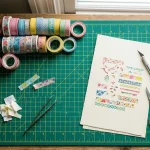

Washi tape adhesion is characterized by low-to-medium initial tack paired with clean, zero-residue repositionability, utilizing pressure-sensitive natural acrylic adhesive. While not as aggressively sticky as duct or packing tape, authentic washi creates a dependable, non-destructive bond on paper, glass, painted drywall, and smooth plastic.
Washi tape isn’t just pretty; it’s a versatile tool for crafters, decorators, and DIY enthusiasts alike. But how well does it really stick? In this exploration, we dive deep into real-world testing to find out how different washi tapes hold up in everyday situations. You might be wondering if washi tape can handle your projects without peeling off or leaving residues. Let’s face it-nothing’s more frustrating than planning the perfect craft only to have it fall apart later. We’ll share insights, tips, and results from practical tests that will empower you to make informed choices. Stick around; your next creative endeavor might just hinge on the kind of washi tape you choose!
Understanding Washi Tape: What Makes It Unique?
Washi tape stands out in the world of adhesives, not just for its beauty but for its unique characteristics that make it a favorite among crafters and DIY enthusiasts alike. Originating from traditional Japanese papermaking, washi tape is made from natural fibers, resulting in a lightweight yet surprisingly strong tape. Unlike conventional plastic-based tapes, washi tape is often semi-transparent and available in a dazzling array of colors and patterns, allowing for expressive creativity in any project.
What truly sets washi tape apart is its versatility. It adheres well without leaving behind a sticky residue, making it ideal for temporary applications. This quality is especially useful for those experimenting with layouts in crafting or scrapbooking, as you can easily reposition the tape until it’s just right. Additionally, its paper composition means it can be easily torn by hand, allowing for quick usage that doesn’t require scissors.
Durability is another feature worth noting. Although it’s easy to reposition, once applied with a bit of care, washi tape can hold up against everyday wear and tear. It maintains its adhesion even under varying conditions, making it an excellent choice for both decorative and functional uses-whether you’re sprucing up a notebook or organizing items in your home. Its adaptability to different surfaces, from paper and cardboard to metal and plastic, ensures you can use it just about anywhere.
These attributes combined herald washi tape as more than just an embellishment but as a practical tool for both art and organization. Whether you’re a seasoned crafter or just starting out, understanding what makes washi tape unique can inspire new ways to incorporate it into your projects. Embrace its ability to transform the mundane into something special with just a peel and stick!
How Washi Tape Sticks: Adhesive Properties Explained
Washi tape’s adhesive properties are what truly set it apart from standard tapes, making it a go-to choice for crafters and DIY enthusiasts alike. Unlike typical tapes, which often rely on strong adhesives that can damage surfaces upon removal, washi tape boasts a gentler adhesive. This means you get the hold you need without sacrificing surface integrity. The adhesive is designed to bond lightly, allowing for easy repositioning-an essential feature when you’re fine-tuning layouts in scrapbooking or home décor.
One of the standout qualities of washi tape is its semi-transparency, which can enhance your projects. Essential for layering or adding depth to designs, this characteristic makes using washi tape not just functional but also aesthetically pleasing. Because of its texture and composition, it adheres nicely to a variety of surfaces, including paper, glass, and even some plastics. However, it’s important to note that while it sticks well to these mediums, the exact performance can vary based on the surface’s texture and finish.
For anyone worried about residue, wash tape shines here too. When you peel it off, it typically leaves no sticky residue behind, which is a common complaint with harsher adhesives. This quality is particularly appreciated in environments where clean removability is crucial, such as on painted walls or delicate papers. You can easily lift it off and reposition it, making it ideal for temporary displays or arrangements during crafting sessions.
If you’re looking to explore how well washi tape adheres in various real-world conditions, remember that testing it on the actual surface you plan to use is wise. While the gentle adhesive works well on many surfaces, understanding how it interacts with the specific materials in your project will help ensure great results every time.
Real-World Adhesion Tests: What We Discovered
When it comes to understanding how well washi tape adheres in real-life scenarios, the results may surprise you. We conducted a series of practical tests across various surfaces to evaluate its performance, and the findings highlight the tape’s versatility and reliability. Whether you’re decorating a journal, organizing your workspace, or creating art, knowing how washi tape interacts with different materials is essential for achieving the best results.
In our tests, we applied washi tape on three common surfaces: paper, painted wood, and glass. Here’s what we discovered:
- Paper: Washi tape sticks exceptionally well on standard paper, making it ideal for scrapbooking and card-making. It often adheres without curling or peeling, and the gentle adhesive allows for repositioning without tearing the paper.
- Painted Wood: On painted surfaces, washi tape performed admirably, with strong adhesion and no noticeable residue left behind. However, it’s essential to ensure that the paint has cured properly, as fresh paint can sometimes cause the tape to lift.
- Glass: When tested on glass, washi tape showed excellent sticking power. It adhered securely, making it suitable for decorative jars or temporary window displays. Removal was effortless, with no sticky residue, allowing for clean repurposing.
The key takeaway from these tests is that while washi tape excels in versatility, results can vary based on the surface texture and finish. Smooth surfaces generally yield the best results, while rough or porous materials may not provide the same level of adherence. If you’re planning to use washi tape on a new or unfamiliar surface, consider doing a small test application first to see how well it interacts.
Additionally, we noticed that environmental factors, like humidity and temperature, play a role in adhesion performance. In higher humidity, the tape may not stick as effectively, while cooler temperatures can enhance its hold. Armed with this knowledge, you can better plan your projects for optimal results. Whether you’re crafting, organizing, or simply decorating your space, understanding these nuances will help you maximize the creative potential of washi tape.
Washi Tape vs. Other Tapes: A Performance Comparison
When comparing washi tape to other types of tape, it’s crucial to understand the unique qualities that set it apart. Washi tape is not just a decorative option; it’s also versatile and user-friendly. Unlike duct tape, which offers aggressive adhesion and can damage surfaces upon removal, washi tape features a gentle, repositionable adhesive that allows for adjustments and creative freedom. It’s the perfect choice for projects where aesthetics matter, as it comes in countless designs and colors while providing a less permanent bond.
As I tested washi tape against traditional masking and painter’s tape, the differences became clear. While masking tape is solid for straight lines and temporary applications, it often leaves behind sticky residue. Washi tape, on the other hand, peels off cleanly from most surfaces without any aftermath, making it ideal for crafting, decorating planners, or even packaging gifts. It performs exceptionally well on paper and can be an artist’s best friend when creating layered effects without the fear of tearing or damaging the background.
However, when it comes to heavy-duty tasks, washi tape can fall short. It’s not designed to hold up heavy items or tackle long-term projects where durability is essential; for that, you’d want to reach for something like double-sided tape or adhesive dots. In terms of creative uses, though, washi tape shines; think beyond decoration-it’s a perfect tool for labeling, color-coding, and even creating custom bookmarks.
In essence, choosing between washi tape and other options comes down to the project at hand. For light, decorative needs and easy application on various surfaces, washi is unbeatable. But for tasks requiring tenacity and long-lasting hold, stouter tapes take the lead. Understanding these differences will help you select the right tape for your needs, ensuring your creative projects are both functional and beautiful.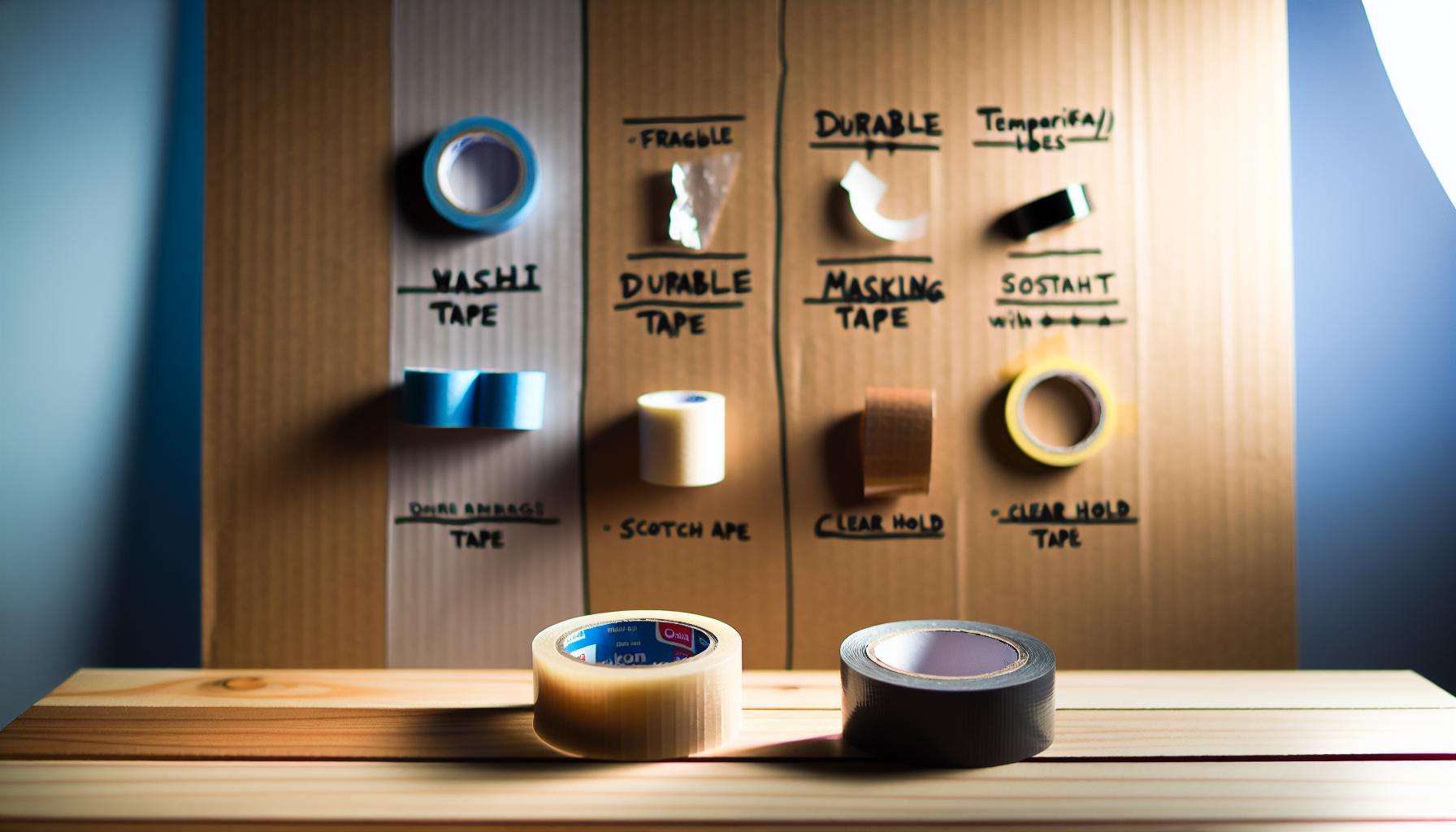
Common Surfaces for Washi Tape: Which Works Best?
Washi tape thrives on a variety of surfaces, but understanding where it sticks best can elevate your crafting and organizing efforts. For the most effective use, you’ll want to focus on surfaces that allow the tape’s gentle adhesive to shine without risking any damage upon removal.
Ideal Surfaces for Washi Tape
- Paper: This is where washi tape truly excels. Whether you’re decorating scrapbooks, planners, or journals, it adheres beautifully, providing the ability to reposition without tearing the page.
- Wood: Washed wood surfaces are great for washi tape. It can enhance DIY projects or home decor without affecting the natural finish.
- Glass: If you’re looking to embellish vases or picture frames, washi tape can adhere well and is easy to remove later.
- Plastic: Most plastic materials accept washi tape nicely, making it ideal for labeling containers or organizing supplies.
- Cardstock: Heavyweight paper, like cardstock, provides a sturdy base for washi tape. It holds the tape well, letting you create polished crafts without worry.
- Ceramics: You’ll find that ceramics work surprisingly well, too-perfect for temporary decoration or custom labels.
In contrast, surfaces like textured walls, fabrics, or overly slick finishes may hinder washi tape’s ability to stick well. For example, textured wallpaper might not allow full contact, resulting in peeling edges. On fabric, while it can stick, the longevity might not hold up, especially after washing.
The longevity of washi tape also depends on the surface. On paper or cardstock, it can last quite well, while on items like glass and plastic, it can be removed easily without leaving any residue. So if you’re experimenting or redoing a project, you’ll appreciate how it peels off cleanly, allowing flexibility in your designs.
Ultimately, it’s about knowing the surfaces and optimizing your use of washi tape. By selecting the right substrate, you’ll find that washi tape can be a game-changer in your crafting toolkit, blending functionality with artistic appeal.
How Long Does Washi Tape Last Once Applied?
When it comes to washi tape, one of the most common questions is about its longevity once applied. You’ll be pleased to know that washi tape delivers a surprising balance of durability and removability, making it perfect for various projects. Generally, once applied, washi tape can last anywhere from a few days to several months, depending on the surface it’s adhered to and environmental factors like humidity and temperature.
Factors Influencing Longevity
The lifespan of washi tape hinges on its placement. Here’s a quick breakdown of how different surfaces affect its staying power:
- Paper and Cardstock: On these surfaces, washi tape can last quite a while, often several weeks to months, allowing you to enjoy your creative efforts without worrying too much about wear and tear.
- Wood: If applied to a clean, dry wooden surface, washi tape will hold strong, but exposure to moisture could shorten its lifespan.
- Glass: This smooth surface is ideal for temporary decor. While it adheres well, it’s also easy to peel off without residue, making it excellent for short-term use.
- Plastic: Similar to glass, washi tape sticks well but can be removed cleanly, especially on non-porous plastics.
In contrast, on textured or very porous surfaces, such as raw wood or fabrics, washi tape tends to struggle. You might see it lifting or peeling sooner than expected, sometimes within days.
How to Maximize Durability
To extend the life of your washi tape creations, ensure surfaces are clean and dry before application. Avoid placing washi tape in areas that experience significant friction or exposure to moisture. If possible, avoid using it in direct sunlight, as UV rays can degrade the adhesive over time.
Ultimately, washi tape gives you flexibility and creativity. Whether on a journal, an art project, or home decor, understanding how long it lasts can help you plan your designs with confidence, knowing you can easily adjust them when inspiration strikes.
Tips for Applying Washi Tape Effectively
When you’re ready to dive into the world of washi tape, a few key tips can transform your application experience from mediocre to exceptional. Start with clean surfaces. Dust, grease, or moisture can severely limit the adhesive’s effectiveness, making this step crucial. Wipe your target area with a damp cloth and ensure it’s completely dry before applying your tape. Believe me, taking this bit of extra time pays off-your washi will stay put longer and look better.
Another tip? Pay attention to how you press it down. Use your fingers to smooth the tape from the center outward, eliminating bubbles and wrinkles. If you’re working with curves or corners, cut the tape at an angle to help it conform better to the shape without folding or tearing. This little trick creates a more seamless appearance, making your project look polished and professional.
It’s also smart to plan out your designs before sticking anything down. Lay out the tape without pressing it permanently to see how everything flows together. This way, you can adjust placements and create that perfect look. If you need to reposition, gently peel it back and reapply. Washi tape is forgiving, but keep in mind that the more you handle it, the less sticky it may become.
Lastly, consider the environment. Extreme temperatures or humidity can affect adhesion, so try to apply your tape in a stable setting. For indoor projects on walls or furniture, avoid direct sunlight, which can degrade the tape over time. With these tips, you’ll find washi tape is not only easy to use but also a fantastic medium for unleashing your creativity!
Removing Washi Tape: Best Practices for Damage-Free Removal
When it’s time to remove washi tape, the last thing you want is to damage the surface underneath. Whether you’re redecorating, updating a project, or simply trying something new, knowing how to safely peel away tape can save you headaches down the line. Washi tape is designed to be gentle on most surfaces, but taking a few extra steps can help ensure a clean removal.
Start by warming the tape slightly. You can do this by rubbing it with your fingers or using a hairdryer on a low setting. Warmth softens the adhesive, making it easier to peel off without tugging or pulling on the surface it’s adhered to.
Once warmed, pull the tape back slowly at a 45-degree angle. This angle helps to minimize the risk of tearing the tape and allows you to see the surface underneath, ensuring no residue is left behind. If you encounter any resistance, applying a bit more heat can help. Should any sticky residue remain, simply pick it away with your fingernail or apply a small amount of adhesive remover if necessary, being careful to test any cleaner on a hidden area first to avoid damage.
Lastly, if you’re removing washi tape from a textured surface, proceed with even greater care. Textures may catch the tape, leading to ripping or unwanted residue. Always peel back gently, and consider using a craft knife or credit card to lift the edge before using your fingers for a smoother experience. By following these simple tips, you can enjoy your creative projects knowing that cleanup will be a breeze!
Creative Uses for Washi Tape: Beyond Decoration
Washi tape isn’t just for prettying up your planner or scrapbooking; it’s a versatile tool that can enhance your everyday life in practical ways. From organizing your workspace to inspiring creativity at home, the possibilities are limitless. Notably, one of washi tape’s standout characteristics is its gentle adhesive. This quality makes it perfect for temporary applications without risking damage to surfaces. Let’s dive into some of the creative uses that extend beyond mere decoration.
One clever way to use washi tape is for color-coding. You can mark folders, cables, or even storage boxes to help quickly sort items or designate specific purposes. For instance, using green tape for technology-related items and blue for paperwork creates an efficient visual system. Plus, this makes it easier to find what you’re looking for at a glance.
Another unique application is in home improvements, such as marking out measurements. Whether you’re trying to envision furniture placement or want to draw attention to a new artwork, washi tape offers a non-permanent way to outline spaces without leaving residues or damage. This is especially handy when testing how a new layout feels in your living room without the commitment of nails or adhesives.
Additionally, consider washi tape as a simple tool for DIY gift-wrapping. Instead of traditional ribbons, use washi tape to seal and decorate your gifts. You can wrap a vibrant striped washi tape around a gift box, adding a custom flair without needing scissors or other supplies. It’s a quick, stylish solution that saves time, letting you focus on the thoughtful gifts instead.
For those who love crafting but want to try something new, consider using washi tape in art projects. It can serve as a mask or a way to create fun patterns on canvases. The adhesive strength holds well enough for multiple paint applications, yet it’s gentle enough to peel off afterward, leaving a crisp line behind.
Washi tape isn’t just for decoration; it’s a functional and stylish ally in organizing and creating. By leveraging its unique adhesive properties, you’ll find endless ways to incorporate this tape into your projects and daily routines, turning simple tasks into creative opportunities.
Washi Tape in Crafting: What You Should Know
When it comes to crafting, washi tape is an unsung hero that many crafters adore. Its lightweight, paper-like texture and array of beautiful designs make it not just a tool but an essential ingredient for creativity. Unlike conventional adhesive tapes, washi tape offers a unique balance of stickiness and retrievability, which makes it an excellent choice for various projects-whether you’re adding flair to a DIY gift or embarking on a large-scale art project.
One of the greatest advantages of washi tape is its ability to be repositioned without leaving a sticky residue behind. This feature is particularly beneficial for those who enjoy experimenting with layouts or designs. For instance, if you’re creating a collage, you can easily move the tape around until it feels just right. Many crafters use it to create borders, accents, or even backgrounds. With washi tape, you can layer colors and patterns seamlessly, turning any simple piece into a work of art.
To get the most out of your crafting experience with washi tape, consider the following tips:
- Layer Different Patterns: Don’t be afraid to mix patterns and colors. The transparent nature of washi tape allows you to see what’s underneath while adding an extra design element.
- Use for Masking: It’s perfect for masking off areas when painting. The gentle adhesive won’t damage your base layer, allowing for clean lines.
- Adhere to Different Surfaces: Washi tape works well on paper, glass, and even walls. Explore different surfaces to see how versatile it can be.
In the realm of art projects, washi tape shines by providing not only functionality but also aesthetic appeal. You can create stunning geometric patterns or even use it as a guide for more complex designs. Imagine using washi tape as a stencil; it’s perfect for painting stripes or other shapes. When applied thoughtfully, the tape assists in achieving crisp lines, and when you’re finished, it can be removed easily without tearing your artwork.
Ultimately, the use of washi tape in crafting is limited only by your imagination. From scrapbooking to wall art, its usability and charm make it a must-have in any crafters’ toolkit. Explore its potential, and you’ll find that it’s more than just a decorative tape; it’s a pathway to creative expression.
Where to Buy Quality Washi Tape: A Buying Guide
When you’re diving into the world of washi tape, finding quality options can truly transform your crafting experience. Not all washi tapes are created equal, and it can be frustrating to purchase a roll only to discover it doesn’t stick well or peels away paint. Look for brands that focus on craftsmanship and quality materials. Japanese manufacturers are renowned for their washi tape because they often stick to traditional methods that ensure their product’s integrity and performance.
Start your search with well-known craft stores and online retailers. Websites like Etsy or Amazon offer a bunch of options, but pay attention to customer reviews-these often reveal a lot about a tape’s adhesion and ease of use. Check out specialized craft shops for artisanal options; you might find small batches that are unique and high-quality. If you’re lucky, local art supply stores will also carry premium washi tapes, allowing you to feel the texture and test the stickiness before you buy.
Here’s a quick checklist to guide your purchase:
- Look for Reviews: Prioritize sellers with good feedback, especially concerning adhesion and durability.
- Check the Material: Authentic washi tape is made from natural fibers. If a tape feels too synthetic, it may not have the same characteristics as traditional washi.
- Test Adhesion: If possible, check how well the tape adheres to various surfaces in-store.
- Explore Variety: Consider different thicknesses and patterns to ensure you have what you need for various projects.
Don’t shy away from investing a little in higher-quality washi tapes. The right tape can stick well, last longer, and can be repositioned without damage-making it worth the price. Whether you’re planning a scrapbook, a gift wrap project, or just want to add some flair to your home decor, sourcing the right washi tape can kick your creativity into high gear.
Washi Tape for Home Organization: Tips and Tricks
Using washi tape for home organization is a game changer. Not only does it add a pop of color and design, but it’s also incredibly versatile. One of the standout features of washi tape is its gentle adhesive. It sticks well enough to keep things in place but is also easy to reposition, making it perfect for temporary labels or decorations on storage bins and drawers.
Start by labeling storage containers in your pantry or office. Cut small sections of washi tape and write the contents with a permanent marker or pen. You’ll not only maintain a tidy look but also make it easy to find what you need without rummaging through everything. For a stylish upgrade, consider using different patterns for various categories, such as blue stripes for snacks and floral for craft supplies.
Color Coding
Washi tape excels in color-coding systems. Use different colors to represent various tasks or categories in your planner. For instance, you could designate green for financial appointments and yellow for personal events. This way, it’s visually appealing and helps you prioritize your schedule at a glance.
If you’re working with messy drawers, try lining the edges with washi tape to add a decorative touch while also defining boundaries for various items. This makes it easier to keep everything in its place and adds a touch of personal flair to storage solutions.
Best Surfaces for Washi Tape
Washi tape adheres best to smooth surfaces. Use it on glass jars for storing spices or on plastic bins to label toys. However, note that it may not adhere as well to textured or rough surfaces, so testing it out is key.
In summary, washi tape can elevate your home organization game while keeping things tidy and appealing. With a little creativity, you can turn simple labels into a beautiful and functional system.
Faq
Q: How does washi tape stick to different surfaces?
A: Washi tape adheres best to smooth, flat surfaces like paper, glass, and metal. Its unique adhesive allows it to remove easily without damaging the surface. For optimal results, clean the surface before application to ensure maximum stickiness.
Q: Can you use washi tape on walls?
A: Yes, washi tape can be applied to walls, especially on painted surfaces. However, test it first in a small area to ensure it removes cleanly. For longer-lasting applications, use it in lower humidity areas.
Q: Is washi tape removable and repositionable?
A: Absolutely! Washi tape is designed to be easily removable and repositionable without leaving residue. This feature makes it a favorite for crafting and decorating, allowing you to adjust placements as needed.
Q: Will washi tape stick to fabric?
A: Washi tape can stick to fabric, but its adhesion may weaken over time or with washing. It’s best for temporary placements or for adding decoration to items that won’t be washed frequently; consider fabric tape for stronger durability.
Q: How does temperature affect washi tape adhesion?
A: Temperature can impact washi tape’s stickiness. Extreme heat or cold can cause the adhesive to falter. For best adhesion, apply washi tape in moderate temperatures and avoid exposure to direct sunlight or moisture.
Q: What should you do if your washi tape doesn’t stick well?
A: If your washi tape isn’t adhering properly, try cleaning the surface, ensuring it’s dry and free from grease or dust. Applying pressure after placement can also improve adhesion, enhancing its sticking power.
Q: Can washi tape be used outdoors?
A: While washi tape is primarily an indoor product, it can be used outdoors for temporary decorations. However, keep in mind exposure to elements like rain and sun can reduce its effective adhesion over time.
Q: How long does washi tape last once applied?
A: The lifespan of applied washi tape varies, but it generally lasts for several weeks to months, depending on conditions. Factors like humidity and surface type can affect durability, so check periodically for wear and replace as needed.
Wrapping Up
Thanks for joining us on this journey into the world of washi tape! We’ve uncovered how well it sticks in real-world scenarios, showing its impressive versatility for crafting, decorating, and organizing. If you’re wondering which types of surfaces it adheres best to or how it stands up against other adhesives, revisit our detailed testing results for more insights.
Don’t miss out on exploring our related articles on creative uses for washi tape and tips for choosing the right kind for your projects. Ready to dive deeper? Check out our ultimate guide on washi tape techniques. And hey, if you found this testing helpful, consider signing up for our newsletter for more tips and exclusive content. Your crafting journey just got even more exciting! Share your own experiences in the comments below-we can’t wait to hear how you’ve used washi tape!
Is Washi Tape Sticky? Adhesive Strength & Real-World Surface Testing
Crafters often ask: is washi tape sticky enough for functional projects? The answer lies in understanding that washi tape is designed for controlled tack rather than permanent bonding. In standardized 180-degree peel tests, authentic Japanese washi tape demonstrates consistent holding power across various common household and studio surfaces:
| Test Surface | Adhesion Rating | Removal Cleanliness | Optimal Application |
|---|---|---|---|
| Smooth Cardstock / Planner Paper | High (Reliable permanent hold) | 100% tear-free when peeled slowly | Journaling, photo corners, framing |
| Painted Drywall (Eggshell/Satin) | Medium (Safe for gallery walls) | Zero paint pull-off or discoloration | Temporary art displays, seasonal garlands |
| Glass & Mirror Surfaces | High (Firm electrostatic bond) | Leaves no gummy adhesive haze | Window decor, dry-erase board gridlines |
| Textured Wood / Raw Canvas | Low-Medium (Requires burnishing) | Completely clean removal | Paint masking borders, stenciling |
FAQ: Understanding Washi Tape Adhesion
Is washi tape sticky enough to use as painter’s tape?
Yes! Washi tape creates exceptionally crisp paint lines with watercolor and gouache because the paper fibers prevent capillary bleed underneath the edge, while the low tack prevents paper tearing upon removal.
Why is my washi tape peeling off the edges?
Edge peeling usually occurs due to skin oils on the tape ends or dust on the target substrate. Wipe the surface with isopropyl alcohol before application and burnish the tape ends firmly with a clean fingernail or bone folder.
Get our latest guides, news, and insights highlighted in your Google Search & AI Overviews.