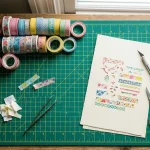
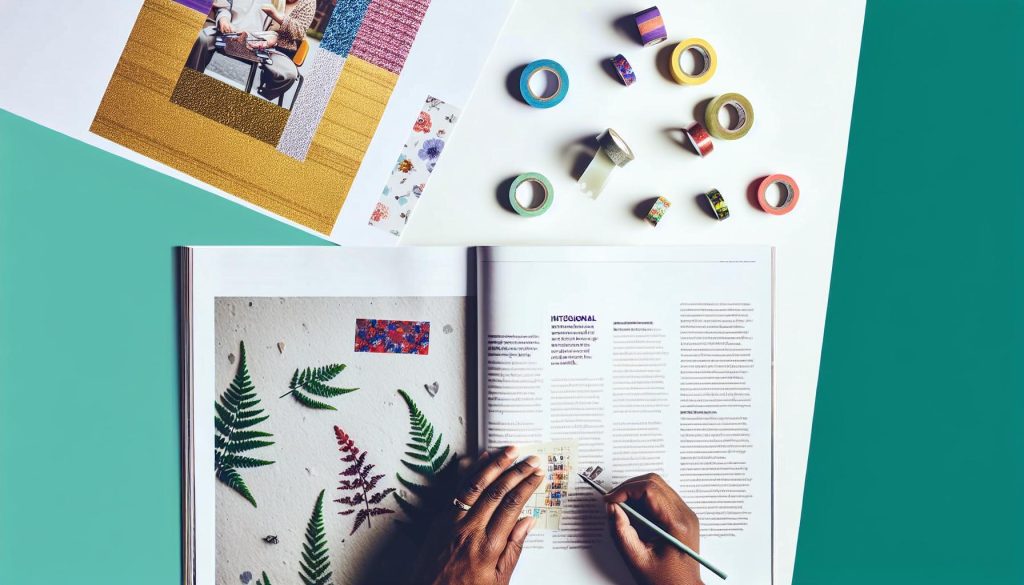
Have you ever stumbled upon a beautifully designed tape in a craft store and wondered what makes it so special? That’s the charm of Japanese washi tape-a versatile and artistic tool that has transformed the way we express creativity in our daily lives. Made from traditional Japanese paper, washi tape is not only easy to use but also comes in a stunning variety of colors and patterns. Whether you’re a scrapbooker, a journal enthusiast, or someone who simply enjoys personalizing gifts, washi tape offers an endless canvas for your imagination. In this article, we’ll dive into what exactly Japanese washi tape is and explore its authentic varieties, inspiring you to unleash your creativity and elevate your projects. Get ready to discover how this simple tape can add a touch of beauty and individuality to everything you create!
What Makes Washi Tape Unique?
Washi tape stands out in the realm of crafting materials, primarily due to its unique characteristics. This decorative masking tape, made traditionally from rice paper, boasts a delicate yet strong construction. Washi tape is lightweight, easy to tear by hand, and versatile, allowing for effortless use across various projects-from scrapbooking and journaling to decorating gifts and home decor items. The translucence of washi tape also adds an enchanting quality to designs, allowing underlying textures and colors to show through, which isn’t possible with heavier, opaque tapes.
What really makes washi tape unique are the endless designs available. Unlike ordinary masking tape, washi tape comes in a vast array of patterns and colors, often inspired by nature, traditional Japanese art, and contemporary trends. This aesthetic appeal not only enhances creativity but also encourages personalization. Whether you prefer minimalist designs or vibrant, playful prints, there’s likely a washi tape that perfectly matches your taste and project needs. Additionally, because washi tape is repositionable, it grants users the freedom to experiment with placements without the risk of damaging surfaces, making it a forgiving choice for both beginners and seasoned crafters.
Moreover, the sustainability aspect of washi tape can’t be overlooked. Traditionally crafted using eco-friendly materials, washi tape is often a better choice for environmentally conscious consumers compared to plastic-based alternatives. Many artisans and companies now emphasize sustainable production methods, further promoting washi tape as both a creative tool and a responsible choice. All these factors combined contribute to washi tape’s unique appeal, establishing it as more than just a craft supply, but rather as an artistic medium in its own right.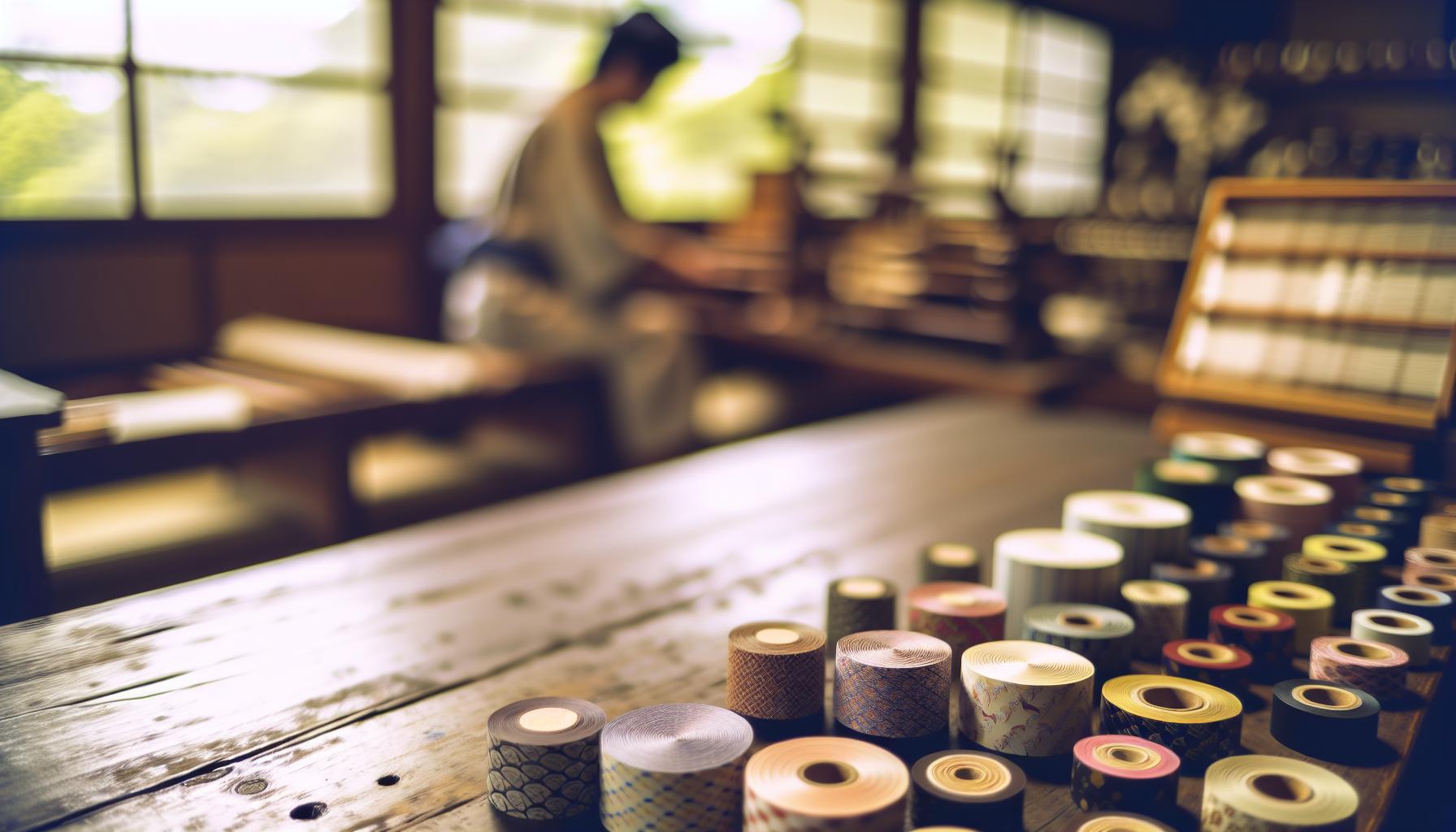
The History Behind Washi Tape
Washi tape has a rich history that intertwines cultural tradition and artistry, making it a unique addition to the world of crafting. The origins of washi can be traced back over a millennium, with paper-making techniques introduced to Japan from China around the 6th century. Early Japanese craftsmen, especially during the Heian period (794-1185), refined these methods, developing washi-traditional Japanese paper made from natural fibers such as those sourced from the gampi tree, the mitsumata shrub, and the paper mulberry tree (kōzo). This dedication to quality and craftsmanship laid the foundation for what would eventually become washi tape.
Washi tape itself first emerged in the late 20th century, evolving from the traditional washi paper. In Japan during the 1980s, companies began producing decorative masking tapes made from washi, capitalizing on its lightweight, flexible, and aesthetically pleasing qualities. This innovation transformed a practical craft supply into a beloved art medium, appealing to both amateurs and professionals alike. What distinguishes washi tape from standard masking tape is its unique texture, translucence, and variety of designs, often inspired by both traditional Japanese motifs and contemporary artwork.
Over the years, washi tape has not only maintained its Japanese roots but has also gained global popularity. It became a staple in scrapbooking, journaling, and DIY projects, celebrated for its ability to enhance creative expression. As artisans and companies worldwide began mimicking the washi aesthetic, there has been a renewed interest in authentic versions, emphasizing the importance of quality and sustainability. For those looking to incorporate washi tape into their projects, understanding its historical significance and cultural context can greatly enhance its use, transforming simple creations into something culturally rich and meaningful.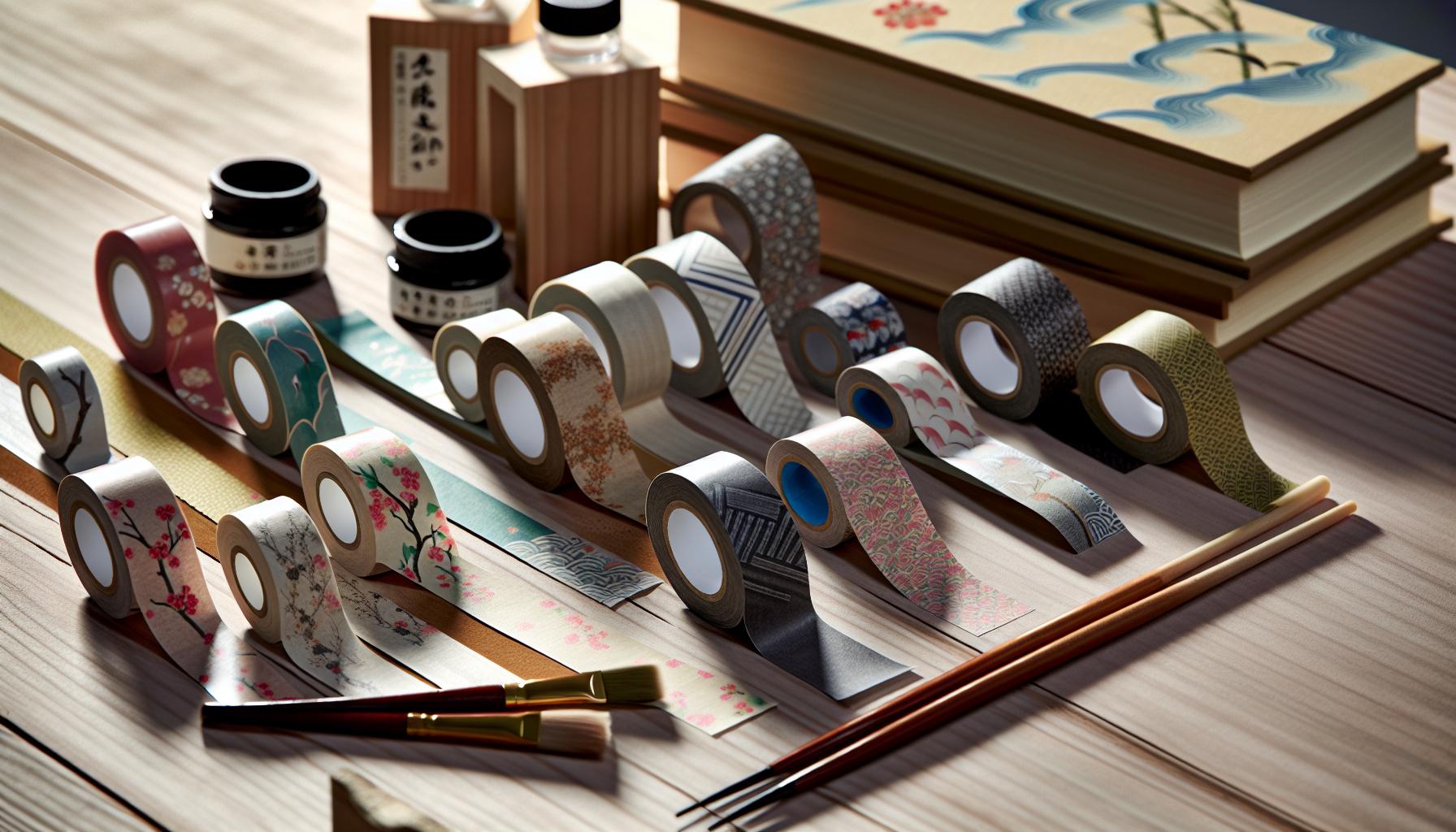
Types of Authentic Japanese Washi Tape
Authentic Japanese washi tape comes in several distinct varieties, each celebrated for its unique characteristics and craftsmanship. The essence of washi tape lies in its origin-traditional washi paper, which is handmade using specific fibers that lend it flexibility, durability, and a beautiful tactile quality. Here’s a deeper dive into the types that stand out in the authentic washi tape category.
- Traditional Washi Tape: This type is created from natural plant fibers such as gampi, mitsumata, and kōzo. It’s known for its strength and delicate translucence. Traditional washi tape often features intricate patterns and motifs derived from nature or Japanese culture, making it perfect for adding a touch of elegance to any project.
- Chiyogami Washi Tape: Renowned for its vibrant colors and intricate designs, chiyogami is a decorative paper made by dyeing rice paper. This type of washi tape is often used in arts and crafts, particularly for those looking for eye-catching designs. It’s a favorite among scrapbookers and card makers who want to infuse their work with traditional Japanese art.
- Kraft Washi Tape: This variety combines the earthy quality of kraft paper with the decorative charm of washi. It’s sturdy and offers a rustic look, making it popular for a variety of crafts, including journaling and decorating packaging. Its neutral tone provides a beautiful backdrop for stamps and handwritten notes.
- Nafune Washi Tape: Nafune, or water-dyed washi tape, incorporates a unique dyeing process where colors are applied using water, creating a rich texture and depth. This type gives a more artistic flair to projects, perfect for those who appreciate a more abstract and organic design aesthetic.
Utilizing these distinct types not only enhances creativity but also allows crafters to incorporate elements of Japanese tradition into their work. When choosing washi tape for a project, consider the texture, design, and functionality. Each type offers unique benefits, making them a wonderful addition to any crafting toolkit.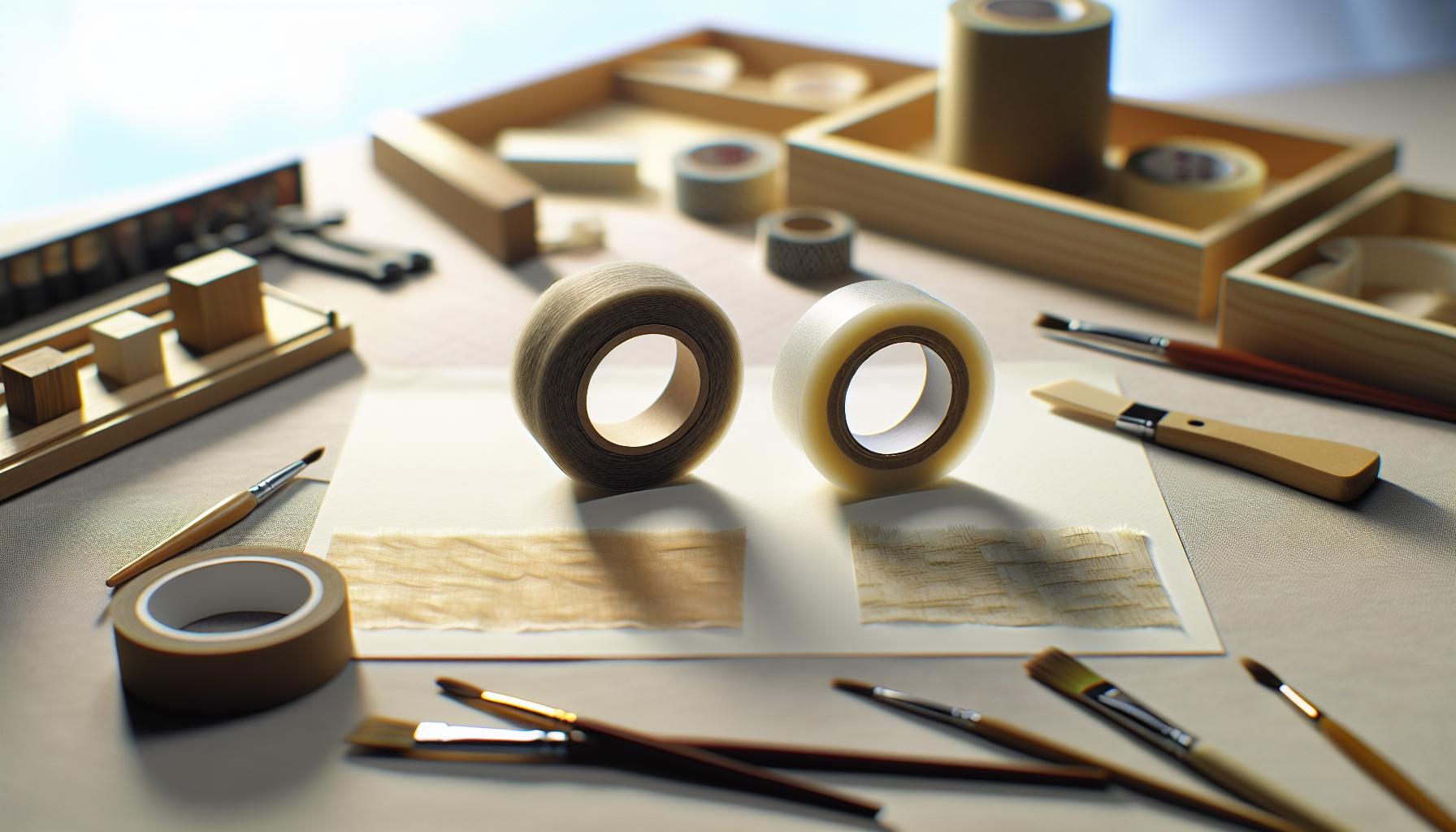
How to Differentiate Genuine Washi Tape
When you’re diving into the delightful world of washi tape, spotting genuine varieties can be a game changer. Authentic washi tape isn’t just about aesthetics; it embodies a rich tradition and craftsmanship that mass-produced alternatives often lack. Here are key elements to consider when differentiating genuine washi tape from its imitations.
First off, check the materials. Genuine washi tape is made from natural fibers like gampi, mitsumata, and kōzo, which are sourced and processed in Japan. This gives washi its unique texture and flexibility. To differentiate authentic washi from synthetic or paper imitations, feel the tape. Genuine washi should be both strong and soft, with a slightly translucent quality that allows light to pass through, giving it an ethereal quality.
Next, look for craftsmanship details. Authentic washi tape often showcases intricate designs that reflect traditional Japanese patterns or natural motifs. If the print seems overly glossy or perfect, it might be machine-made. Authentic designs might display slight imperfections-a hallmark of handmade craftsmanship. Examine the edges; genuine washi tape typically has clean, precise cuts that don’t peel away easily.
Another crucial factor is the packaging. Genuine washi tape often comes in well-designed, informative packaging that conveys the story behind the product. Look for brands that emphasize their Japanese origins or provide details about their manufacturing processes. If you see a bulk lot sold at an unreasonably low price with vague branding, proceed with caution.
Lastly, consider where you’re purchasing from. Trusted retailers, especially those specializing in Japanese stationery, are more likely to sell authentic products. Websites that feature detailed product descriptions, including the manufacturing background, often provide a solid indication of authenticity. By keeping these tips in mind, you’ll be well-equipped to enjoy the true beauty and artistry of genuine washi tape.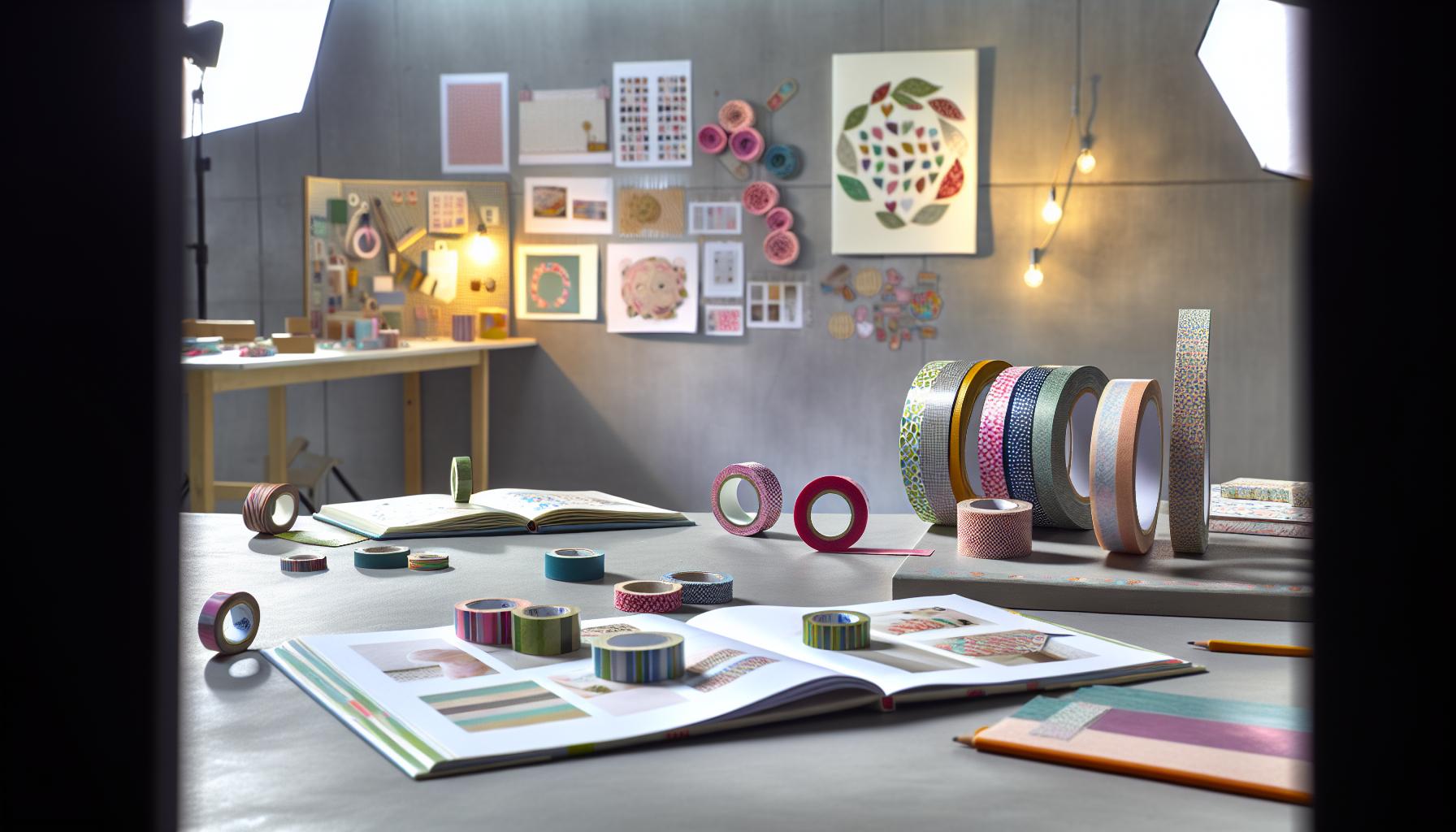
Creative Uses for Washi Tape in Art and Craft
Washi tape isn’t just pretty; it’s a creative powerhouse waiting to be unleashed in your art and craft projects. Its versatility and ease of use make it a favorite among crafters, whether you’re a beginner or a seasoned pro. You can transform everyday items into personalized treasures with just a roll of this decorative tape. Here are some inspiring ways to incorporate washi tape into your creative endeavors.
One of the simplest and most popular uses for washi tape is decorating journals and planners. Instead of mundane headings and dividers, use vibrant washi tape to mark important dates or sections. You can create colorful borders around your pages or even make custom tabs that not only help organize but also enhance your journal’s visual appeal. Think of it as reinventing your planner into a piece of art that reflects your style.
Washi tape also shines in gift wrapping. Why settle for plain brown paper when you can layer it with beautiful washi tape? Use it to seal boxes or create unique patches and patterns on your wrapping paper. It adds a personal touch that tells the recipient you care. Plus, with so many designs available, you can tailor the tape to suit any occasion, from birthdays to holidays.
In the realm of home decor, washi tape becomes a tool for upcycling and DIY projects. You can turn ordinary items like vases, frames, or furniture into stunning focal points with just a few strips of tape. For instance, create a colorful pattern on a glass vase or use it to give new life to an old picture frame. The best part? If you ever want to change the look, washi tape is easily removable and won’t leave a sticky residue behind.
Finally, don’t overlook washi tape when it comes to scrapbooking and card making. Use it as an accent for your photos or combine it with stamps and stickers for a mixed-media effect. You can cut it into shapes to create embellishments or backgrounds, adding depth and interest to your pages. The possibilities are virtually limitless since washi tape is available in countless colors, patterns, and widths.
With a little imagination, washi tape can elevate your art and craft projects, making them more vibrant and personal. It’s not just a tape; it’s an essential tool for creative expression. So grab some rolls and start transforming the mundane into the extraordinary!
Top Brands and Manufacturers of Washi Tape
When it comes to washi tape, the brand you choose can greatly influence your crafting experience. Authentic Japanese washi tape comes with a legacy of quality and craftsmanship, and several brands stand out as leaders in this niche market. Each brand brings its unique flair, showcasing both traditional artistry and contemporary designs, making them essential choices for any washi enthusiast.
Top Japanese Brands
- MT Washi Tape: Founded by Kamoi Kakoshi Co., MT (Masking Tape) is arguably the most recognized name outside Japan. Known for its vast variety of colors and patterns, MT offers everything from classic designs to seasonal collections, appealing to both novice crafters and seasoned pros.
- Yamato: With a focus on traditional washi-making techniques, Yamato’s tapes often feature intricate patterns inspired by Japanese culture. They pride themselves on the durability and elegance of their tape, perfect for higher-end crafting projects.
- Daizo: Popular among hobbyists, Daizo offers an affordable range of washi tapes, including whimsical characters and bright colors. This brand is ideal for those who want to experiment without breaking the bank.
- Rooftop: A newer brand, Rooftop specializes in eco-friendly washi tapes. Their designs are often minimalist yet stylish, appealing to those who appreciate simplicity paired with sustainability.
International Favorites
While many crafters prefer authentic Japanese brands, a few international manufacturers have made a mark with their unique offerings:
- Scotch Brand: Known primarily for traditional tapes, Scotch has embraced the washi tape trend by introducing collections that are perfect for scrapbooking and DIY projects. Their integration of washi tape into their broader product line helps craft enthusiasts find quality solutions easily.
- Holly & Ivy: This brand combines modern design with high quality, offering quirky and chic washi tapes that stand out in any craft project. Their eco-conscious production methods also resonate with environmentally aware consumers.
Choosing the right brand can elevate your crafting game. It’s worth considering the designs that speak to you, the quality that meets your standards, and, of course, your budget when you shop for washi tape. By exploring these top brands, you’ll gain access to a treasure trove of creative potential that can transform your projects from mundane to extraordinary.
Caring for and Storing Your Washi Tape
To keep your washi tape in top condition, storage and care are key. Washi tape, celebrated for its vibrant colors and beautiful patterns, is also delicate. Correct storage can ensure it remains sticky and visually appealing for all your crafting needs.
Start with a designated storage solution. Keep your rolls organized and accessible by using a tackle box or a drawer organizer. You could even repurpose a spice rack for a charming display. Ensure that the environment is cool and dry, as heat and humidity can warp the adhesive or create discoloration. Avoid direct sunlight, as exposure can fade those beautiful prints over time.
When it comes to handling washi tape, gentle is the name of the game. Always peel it off the roll slowly to prevent stretching or tearing. If you notice the edges of the tape starting to lift or fray, consider cutting off that section rather than risking damage to the entire roll. For long-term storage, consider wrapping a piece of wax paper around the tape to protect the adhesive side.
If you’ve accumulated more tape than you can use, it’s a good idea to rotate your stock. Use the older rolls first to prevent any degradation, which can happen with any adhesive over time. By treating your washi tape with care and storing it properly, you ensure it stays as delightful as the day you bought it, ready to bring creativity to your next project.
Washi Tape Trends: What’s in Style Now?
Washi tape is more than just a decorative craft supply; it’s a canvas for creativity that evolves with current trends. Today, we’re seeing a fascinating blend of traditional Japanese artistry and contemporary design sensibilities in washi tape that cater to artists and crafters alike. From bold geometric patterns to soft pastel palettes, the styles are as varied as the users. One rising trend is eco-friendly washi tape. As people become more environmentally conscious, brands are responding by offering tape made from recycled materials, demonstrating sustainability without sacrificing design.
Another exciting trend is the personalization of washi tape. Many companies now allow customers to create custom designs, whether showcasing favorite quotes, original artwork, or even branding for small businesses. This customization not only enhances personal projects but also makes washi tape a popular choice for wedding décor, party favors, and corporate branding. Incorporating personal elements fosters a deeper connection with craft projects and gifts, making each piece a unique treasure.
Creative Pairing and Mixed Media
Crafters are also embracing the trend of mixed media, where washi tape is used alongside other materials like acrylics, watercolors, and fabrics. This intersection of different mediums allows for richer, more textured art pieces. For instance, embedding washi tape within collage art, or using it to accentuate handmade cards or scrapbooks, creates a stunning visual impact. Tutorials and communities around this mixed-media approach are flourishing, as enthusiasts share their creations on platforms like Pinterest and Instagram, inspiring others to blend styles and techniques.
Ultimately, staying in tune with washi tape trends means understanding the cultural zeitgeist. Social media’s influence on aesthetics cannot be understated, showcasing vibrant washi designs that catch the eye and spark imagination. Whether it’s the nostalgia of vintage prints or the sleek lines of modern minimalist designs, the right washi tape can elevate any project, making it not just functional but a true expression of individual style. So don’t hesitate to explore these trends; they might just inspire your next creative endeavor!
Beginner’s Guide to Using Washi Tape
Using washi tape opens the door to countless creative possibilities, making it a must-have for any crafter. This unique adhesive comes from Japan and is made from traditional paper, known for its beautiful designs and transparency. What sets it apart is its repositionable adhesive, allowing you to adjust placements without leaving a sticky residue behind. If you’re new to washi tape, here’s how to get started effectively.
Begin with the Basics
Before diving into projects, familiarize yourself with the vast array of washi tape options. Explore various widths, colors, and patterns-each one can radically change the outcome of your project. Start by selecting a few rolls that resonate with your style. A good rule of thumb is to choose complementary colors or a specific theme, like florals or geometric shapes.
Here are some beginner-friendly projects to ignite your creativity:
- Journaling: Add flair to your bullet journal by using washi tape to create borders or highlight important dates.
- Gift Wrapping: Use washi tape instead of ribbon for wrapping gifts. It adds personality and can be reused effortlessly.
- Home Decor: Customize picture frames or create wall art by applying washi tape in patterns directly on the walls.
- Card Making: Design greeting cards by layering strips of washi tape with stamps and handwritten notes.
Embrace Improv
Don’t stress about making things perfect. One of the best aspects of washi tape is its versatility. Experiment freely-layer tapes, tear them for a ragged edge, or use them with other materials, such as watercolor paints or stamps. This mix-and-match approach can lead to unexpected and beautiful outcomes.
Once you get the hang of it, you’ll find washi tape is perfect for adding that personal touch to anything. Whether decorating your planner, livening up school supplies, or enhancing home decor projects, washi tape empowers you to transform the ordinary into the extraordinary. So, gather your supplies, let your imagination run wild, and enjoy the creative process!
Expert Tips for Designing with Washi Tape
To elevate your designs with washi tape, understanding its unique qualities is your secret weapon. This Japanese decorative tape isn’t just pretty; its repositionable adhesive allows for effortless adjustments without leaving sticky residue. That means you can play around with placements until everything feels just right. Use this versatile feature to your advantage, especially when layering different tapes. Consider creating gradients or patterns by combining colors that complement each other-think pastel hues paired with bright shades.
Master the Art of Layering
Layering is essential. Don’t be afraid to mix and match various washi tape designs-there’s no “wrong” way to create. You might start with a bold floral pattern as your base and then add stripes or polka dots over it. This can create a stunning visual effect that captures attention. Also, try tearing the washi rather than cutting it; the ragged edges can add an organic feel to your projects. Experimentation is key, so let your instincts guide you!
Utilize Negative Space
While washi tape can be vibrant and bold, paying attention to negative space can significantly enhance your design. Leave areas uncovered as a blank canvas, which can balance busier sections adorned with tape. This strategic approach will help prevent your project from feeling overly cluttered. For instance, if you’re decorating a journal page, consider using a few strips of washi along the edges while keeping the center clear for your writing.
Think Beyond Paper
Washi tape isn’t limited to just paper crafts. Its versatility extends to various surfaces-wood, glass, and even metal. Create personalized coasters, or decorate small storage boxes by wrapping the edges in colorful tape. You can also use it for temporary home decor; why not outline shapes on your walls or create temporary art installations? The beauty of washi tape lies not just in its aesthetic appeal but in its ability to inspire an entire creative journey, so don’t hesitate to expand your horizons!
Incorporate these tips, and you’ll find yourself designing unique, eye-catching pieces that showcase the true charm of washi tape. Dive in, explore, and let your imagination lead the way!
Fun DIY Projects Featuring Washi Tape
You’d be surprised by just how versatile and fun washi tape can be in your DIY projects! This decorative tape isn’t just for pretty paper crafts; it’s a game-changer for all kinds of creative endeavors. From personalizing your office supplies to sprucing up home decor, washi tape opens the door to countless possibilities. Here are some engaging project ideas that will get your creative juices flowing.
Personalized Gift Wrap
Transform plain wrapping paper into something extraordinary by adding strips of colorful washi tape. Mix and match different patterns to create a unique design that reflects the gift recipient’s personality. This quick and easy technique adds a personal touch and makes your gifts stand out. Consider using washi tape to seal gift wraps at the ends or as decorative accents on boxes and bags.
Customizable Phone Case
Give your phone a makeover without breaking the bank. Simply wrap strips of washi tape around a clear phone case for a stylish and personalized look. You can easily change the design whenever you want, keeping your phone fashionable and fresh. Plus, the repositionable adhesive means you won’t damage your case when you switch up the tape.
Note Cards and Stationery
Elevate your note-taking or stationery with a dash of washi tape. Use it to create borders on blank cards or to highlight key points in your planner or journal. Pairing different types of washi tape adds texture and interest to your projects. You can make matching sets for special occasions or just to make everyday notes a little more vibrant.
Wall Art and Home Decor
Ditch the nails and paint for a no-fuss approach to wall art. Use washi tape to create geometric shapes or patterns directly on your walls. It’s an easy way to add color and style to a room without a long-term commitment. Additionally, you can wrap it around picture frames, vases, and even furniture to revitalize them in an eye-catching way.
Fun Labels and Organization
Organizing your space just got a lot cuter! Use washi tape as labels for jars, boxes, or storage containers. Simply write on the tape with a permanent marker and stick it on. This is especially handy in the kitchen or craft room, where clarity is key. Plus, you can easily swap out the labels as your needs change.
With these fun DIY projects, washi tape becomes an essential tool for creativity at home or anywhere you want to add a personal touch. Don’t hesitate to explore beyond these ideas-let your imagination roam, and you’ll uncover even more ways to utilize this charming decorative tape!
Q&A
Q: What are the main characteristics of authentic Japanese washi tape?
A: Authentic Japanese washi tape is made from traditional washi paper, known for its durability and unique texture. It’s often handcrafted, featuring diverse designs that reflect cultural motifs. Unlike regular tape, it’s easily removable and repositionable, making it ideal for various crafts without leaving residue.
Q: How is washi tape made in Japan?
A: Washi tape is traditionally made using techniques passed down through generations. It’s created from fibers of specific plants, like mulberry, processed into a paper-like form. The tape is then printed or decorated, showcasing patterns that can range from subtle to intricate, reflecting Japanese artistry.
Q: Why is Japanese washi tape considered eco-friendly?
A: Japanese washi tape is eco-friendly because it is made from renewable natural resources and often uses non-toxic inks in its production. The biodegradable paper and minimalistic packaging contribute to a lower environmental impact compared to synthetic tape options.
Q: Can you use washi tape for permanent applications?
A: Washi tape is designed for temporary applications. While it can stick well for a long time, it’s not ideal for permanent uses like heavy-duty bonding. If you need a more lasting solution, consider combining washi tape with stronger adhesives or look for specific permanent tape options.
Q: What are the best ways to store washi tape?
A: To store washi tape, keep it in a cool, dry place away from direct sunlight to prevent fading. Use clear containers or racks to organize different designs and prevent tangling. For easy access, consider labeling containers based on themes or colors, as suggested in the caring section of the article.
Q: What types of creative projects can I use Japanese washi tape for?
A: You can use Japanese washi tape for a wide range of creative projects, including scrapbooking, decorating planner pages, gift wrapping, and creating custom home décor items. Its versatility also makes it great for DIY crafts, such as personalized stationery or party decorations.
Q: Are there specific techniques to enhance designs with washi tape?
A: Yes, layering different patterns and textures can enhance your designs with washi tape. You can also combine it with stamps, stickers, or other embellishments to create dimension. For tips on techniques, refer to the expert section of the article for more detailed guidance.
Q: What should I look for when choosing authentic Japanese washi tape?
A: When choosing authentic Japanese washi tape, look for its texture, design variety, and brand reputation. Ensure it’s made from traditional washi paper and check for quality indicators, like smooth edges and vibrant prints. Researching top brands can also help ensure authenticity and quality in your selection.
Concluding Remarks
Now that you’re familiar with the authentic varieties of Japanese washi tape, it’s time to unleash your creativity! Whether you’re decorating your planner or crafting stunning artwork, these versatile tapes can truly elevate your projects. Don’t miss out-explore our guide on how to incorporate washi tape into your journaling for even more inspiration.
If you’re still wondering about the best ways to use washi tape or how to choose the right designs for your needs, check out our insights on washi tape for journaling and decoration techniques. Want to stay in the loop on all things washi? Sign up for our newsletter for tips, tutorials, and exclusive offers! Your next creative endeavor starts here-what will you create today? Share your projects and thoughts in the comments below; we’d love to hear from you!
Get our latest guides, news, and insights highlighted in your Google Search & AI Overviews.