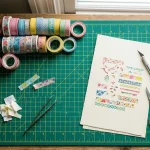
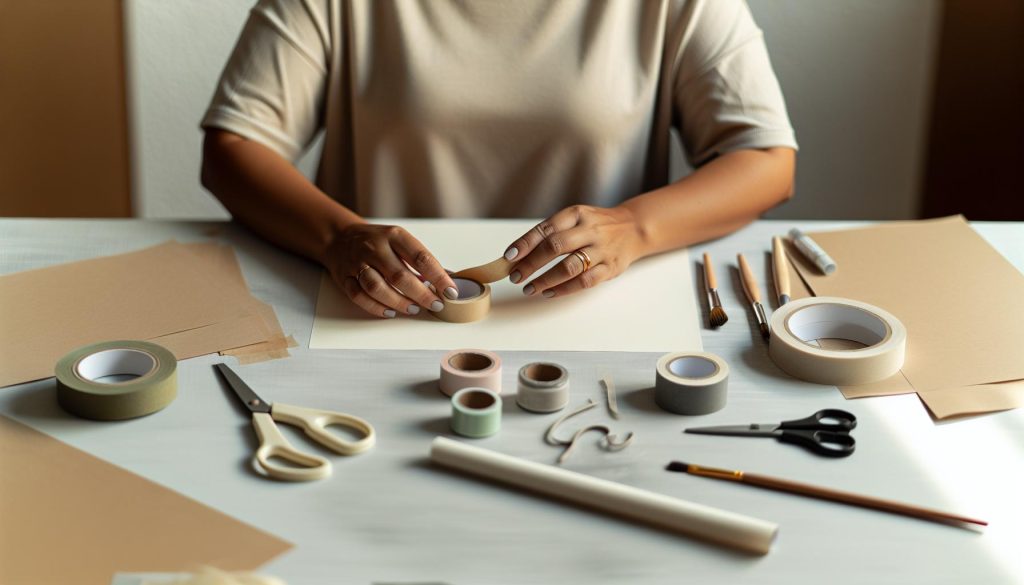
Did you know that washi tape, those stunning decorative tapes we love for crafting and organizing, can be made at home without sticker paper? If you’re someone who enjoys personalizing your projects but finds traditional materials limiting, you’re in for a treat. This clever trick allows you to create beautiful, custom washi tape using simple supplies you probably already have. Whether you want to add a personal touch to your planner, gifts, or home decor, making washi tape enhances your creativity and gives your projects that unique flair. In this guide, we’ll dive into a straightforward method that saves you money and offers endless design possibilities. Ready to unleash your inner DIY enthusiast? Let’s get started!
How to Create Your Own Washi Tape
Creating your own washi tape can be an exciting venture, especially when you realize you don’t need sticker paper to make it happen. Instead, you can use plain paper combined with some clever techniques and materials that lend authenticity and charm to your DIY project. Imagine personalizing your crafts and decor with tapes that reflect your unique style-it’s simple, satisfying, and offers endless creative possibilities.
To start off, gather your essential materials: plain paper (like printer or watercolor paper), a ruler, scissors, a craft knife, and some double-sided tape or adhesive. If you’re feeling adventurous, think about using patterned paper or even fabric to add texture and interest. What’s great is that you don’t need specialized tools; your standard craft supplies will do just fine. Remember, the charm of washi tape lies in its handmade nature, so don’t be afraid to embrace imperfections!
Now, for the fun part-cutting and creating! Begin by measuring your paper into strips about 2 inches wide, or whatever size you prefer. Use the ruler for straight lines and a craft knife for precision. Apply double-sided tape on one side of the paper strips. This is your secret ingredient that allows you to turn regular paper into functional tape. Once you have your strips ready, peel off the backing. Voila! You’ve just made your very own washi tape.
To customize further, you can experiment with techniques like stamping, watercolor painting, or even doodling your designs directly on the tape. Feeling inspired? You could create a set of seasonal tapes or themed collections for different projects. These personalized touches not only make the tape more special but also let your creativity shine. Finally, remember to store your tape in a cool, dry place to keep it fresh for your next crafting project!
By crafting your own washi tape, you tap into a delightful process that transforms simple materials into creative tools for your projects. Enjoy the journey of making and the joy of using something that reflects your personality!
Essential Materials You’ll Need
To craft your own washi tape, you don’t need to invest in expensive tools or materials-just a handful of simple supplies will do. The beauty of making washi tape lies in its accessibility; you can transform everyday items into personalized creations that reflect your unique style. Here’s what you’ll need to get started:
- Plain Paper: This is your canvas. Standard printer paper works fine, but you might also want to experiment with watercolor paper for a bit more texture or thicker craft paper for durability. Feel free to use patterned paper as well to add instant character to your designs.
- Ruler and Scissors: Precision matters when cutting your tape. A ruler will help you measure your strips accurately, while scissors will give you clean edges. For more precision, consider using a craft knife and a cutting mat.
- Double-Sided Tape: This is the secret ingredient that turns your paper into functional washi tape. It sticks well and ensures your creations adhere neatly to any surface. Look for a good-quality tape that is strong yet easy to peel.
- Optional Tools: If you want to get crafty, a variety of decorative tools can add flair. Think about using stamps, stencils, or even fabric to create unique textures and designs that elevate your tapes.
When choosing your materials, consider how they will affect the final look of your tape. Transparent or lightly textured surfaces can create a beautiful layering effect, while heavier papers will hold up better in practical use. This DIY process not only fosters creativity but also results in one-of-a-kind embellishments for your projects. So gather your materials, and let’s get started on this enjoyable crafting adventure!
Step-by-Step Guide to Making Washi Tape
To create your own washi tape without relying on sticker paper, you can follow a straightforward and enjoyable process. Dive into this DIY adventure with just a few materials at hand, and you’ll find that making personalized washi tape is quicker and easier than you might think.
Start by taking your chosen plain paper-be it standard printer paper, craft paper, or even watercolor paper to add some texture. Cut it into strips about 2 inches wide (or your preferred width) using a ruler for accuracy and scissors for clean edges. Once your paper is cut, the real magic happens next. Lay down a piece of double-sided tape on the back of your paper strips. Press it firmly to ensure it sticks well and covers the entire length of your strip. This step is crucial because it transforms your paper into functional tape that can adhere to various surfaces.
Next, it’s time to unleash your creativity! Decorate your paper strips before applying the double-sided tape, or afterward, depending on what you want to achieve. Use stamps, washi tape remnants, or even doodles to personalize your tape. If you’re feeling adventurous, consider layering different papers to create a more textured or patterned effect. Once you’ve satisfied your artistic flair, peel off the backing of the double-sided tape. Now your homemade washi tape is ready to be used in scrapbooking, decorating planners, or any crafting project.
This method not only saves you money but also gives you the pleasure of creating something uniquely yours. Plus, experimenting with different types of paper and decorative techniques means every roll can be a reflection of your personal style. The beauty of this process lies in both the functionality and the creative outlet it provides, keeping your crafting journey fresh and exciting.
Creative Techniques to Customize Your Tape
You can transform your homemade washi tape into a true expression of your personality and creativity with some simple techniques. It’s all about layering texture, colors, and features that reflect your style. One of the most exciting aspects of customizing your tape is experimenting with various materials and methods. Here are some fun ideas to get you started:
Layering Techniques
Layer different types of paper and materials for added depth. For instance, try combining colorful scrapbook paper with translucent tracing paper. When you stick these layers together, you’ll find the tape has a unique, eye-catching quality. You can also use paper with different weights; think about incorporating a bit of fabric or tissue paper to give your washi tape more dimension and a tactile quality.
Stamps and Stencils
Stamps and stencils can really amp up your creativity. Use rubber stamps to add designs and patterns, or create your own stencils to spray or ink over your tape. This technique can work wonders if you’re looking to make themed tape for holidays, events, or specific projects. I’ve had great success using nature-themed stamps to create floral-inspired washi tape that looks stunning in my planner.
Watercolor and Doodling
If you enjoy painting, watercolor techniques can lead to breathtaking results. Paint designs directly onto your paper strips, allowing the colors to blend and flow before applying double-sided tape. Layering colors can create stunning ombre effects or soft washes. After your paint dries, grab some fine-tip markers or pens to doodle or write inspiring phrases on your tape. This makes for beautifully personalized additions to your crafts.
You’ll find that customizing your washi tape not only makes each roll uniquely yours but also allows you to explore different artistic expressions. Don’t hesitate to test combinations of colors, patterns, and techniques-this is part of the fun! Whether you want to keep it simple or go all out with intricate designs, your creativity is the only limit.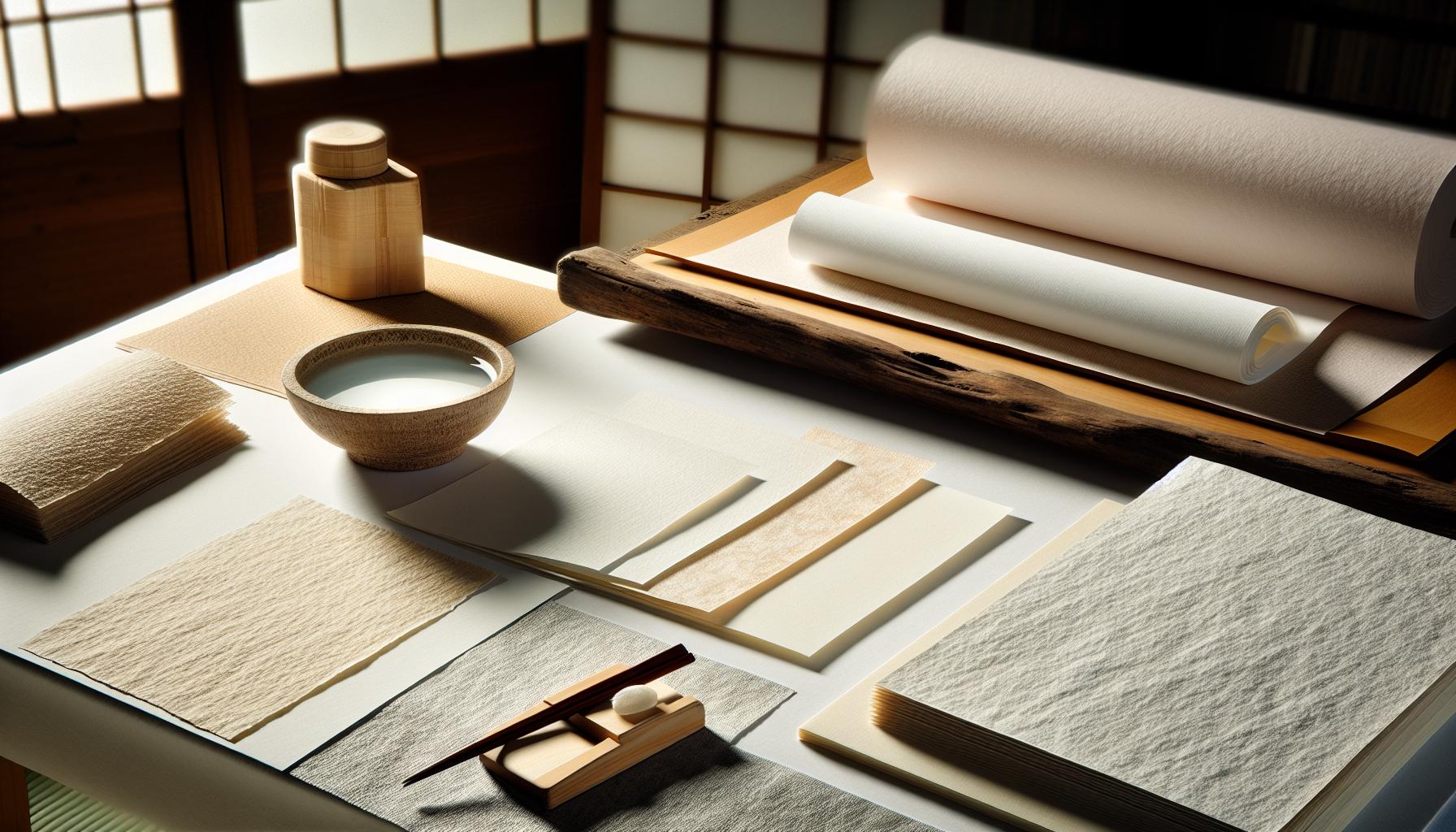
Understanding Different Paper Types for Washi
The type of paper you choose for your washi tape can dramatically influence both its aesthetic and functionality. Each type offers distinct textures and visual characteristics, allowing you to tailor your creations to fit your personal style or project needs. When you’re crafting your own washi tape without sticker paper, understanding these paper types can enhance your creativity and ensure you achieve the desired results.
One popular choice is traditional washi paper, which is handmade in Japan and revered for its strength and flexibility. Its fibrous texture gives it a unique look that adds depth to any project. This paper is resilient yet lightweight, making it ideal for tape that adheres well without tearing. You can often find washi paper in a variety of patterns and colors, perfect for creating decorative tape that stands out.
Another great option is rice paper, which is slightly more transparent and offers a delicate, ethereal quality. This type of paper can be particularly effective when you want to overlay designs or when creating softer, more muted effects. Just remember, rice paper may not be as durable as traditional washi, so it’s best used for lighter applications like journaling or embellishing gift wraps.
You might also explore kraft paper, known for its rustic charm and biophilic appeal. This sturdier paper has a natural brown hue that lends an organic touch to your tape. It’s perfect for those who want a tactile experience and appreciate the warmth of a more handmade look. Combine it with vibrant inks or stamps, and you’ve got a unique washi tape that’s both functional and visually appealing.
Lastly, don’t overlook scrapbook paper. It’s readily available in a myriad of designs and colors, making it an excellent resource for unique patterns. When you layer different scrapbook papers together, you can achieve dynamic textures and visuals in your washi tape. Just be sure to select lighter weights to maintain the flexibility necessary for tape.
In summary, the paper you choose can transform your DIY washi tape project, inspiring new designs and opportunities for expression. By understanding the characteristics of each type, you’ll be better equipped to create tapes that not only look great but also hold up well over time. Experiment with combinations and find what resonates with your crafting style. Happy crafting!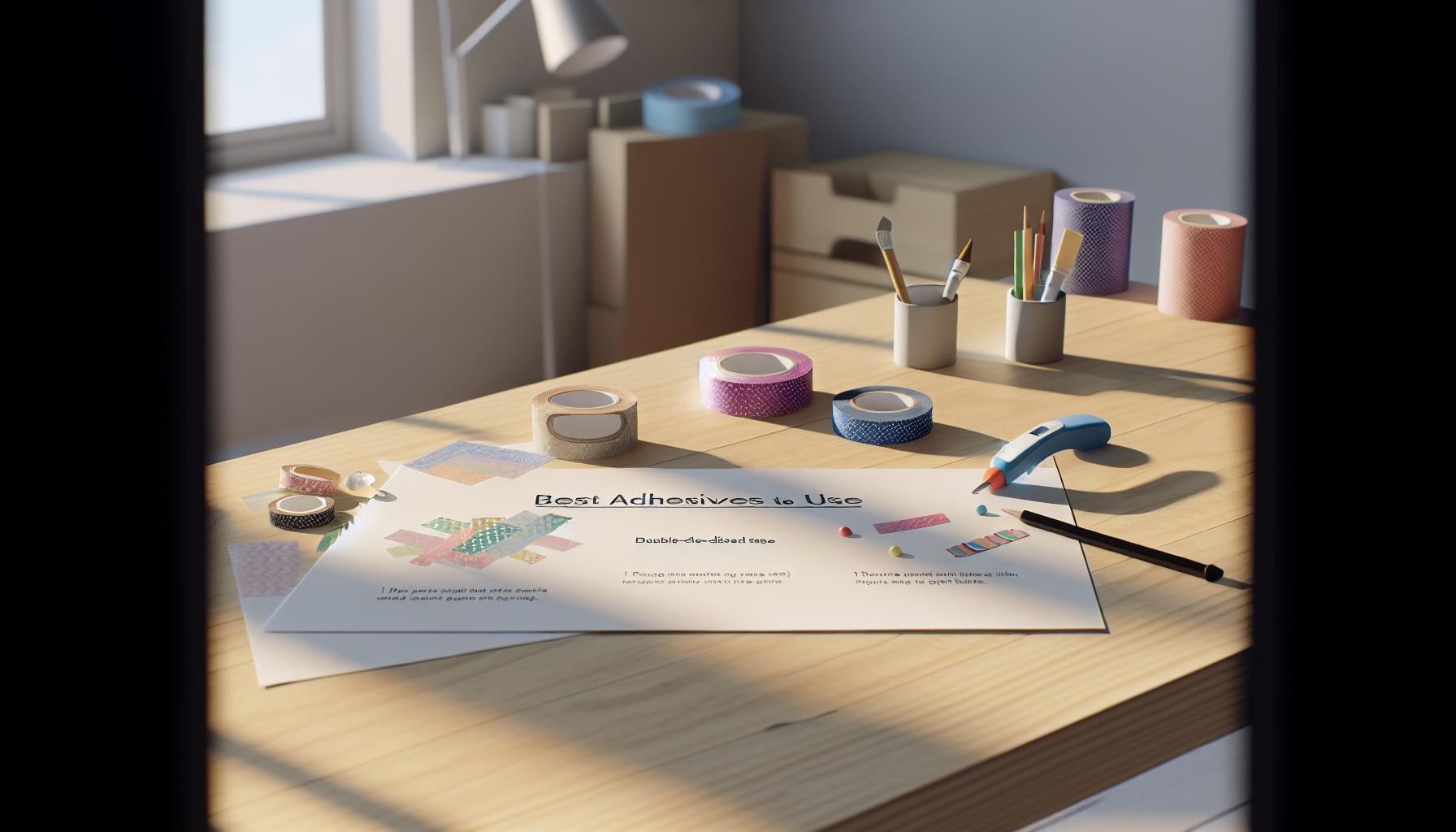
Best Adhesives to Use for Washi Tape
When it comes to making your own washi tape without the convenience of sticker paper, choosing the right adhesive is crucial for achieving that perfect stickiness and usability. Not all adhesives are created equal, and selecting the right one can make your DIY tape projects more successful and enjoyable. Here are some top adhesive options you might consider.
One popular choice is double-sided tape. It’s incredibly easy to use and allows for a clean finish without any mess. Just cut a strip to the desired length, peel off one side of the backing, and adhere it to your chosen paper. After that, peel off the second side when you’re ready to stick your washi tape down. Double-sided tape can hold well on various surfaces, making it a go-to for most crafters.
Another excellent option is glue sticks. They are especially handy for paper-based projects. Apply a thin layer to the back of your washi creation, ensuring you cover the edges for durability. Glue sticks provide flexibility and also make it easy to reposition if needed-perfect for those who like to experiment with placement.
For a more permanent solution, consider using heat-activated adhesives. These can be applied with a craft iron and provide a reliable bond. Simply place your tape on the desired surface, cover it with a thin cloth, and apply heat. This method is great for heavier materials or textured surfaces where traditional adhesives might struggle.
Lastly, if you’re looking for an environmentally friendly option, homemade starch glue is a fantastic alternative. Mix equal parts of cornstarch and water, then heat gently until it thickens. This natural adhesive is safe, inexpensive, and offers a decent hold for lighter applications. Just keep in mind, it may not be as strong or long-lasting as commercial adhesives.
Whatever adhesive you choose, experiment to find the perfect fit for your projects. Remember, the right glue can make all the difference in how your washi tape performs, so don’t hesitate to try different options until you discover what works best for you!
Unique Patterns and Designs to Try
Creating unique patterns and designs for your homemade washi tape can elevate your craft projects to another level. The beauty of DIY washi tape lies in its versatility and the endless possibilities for customization. Whether you want simple elegance or bold, intricate designs, getting creative with your tape can turn everyday items into works of art.
Start with the basics: solid colors and easy patterns. Stencils are your best friend here. You can create polka dots, stripes, or even geometric shapes by applying paint or ink through a stencil onto your washi paper. Use a variety of paints-acrylics, watercolors, or even fabric paints-to achieve different effects. For a more subtle touch, consider creating an ombre effect by blending two or more colors from light to dark.
Move on to more complex designs. Think about incorporating elements like photographs or magazine clippings. Cut out small images or phrases and glue them onto your tape base before applying your adhesive. Alternatively, you could stamp designs on the tape. Use rubber stamps with various ink colors to add texture and complexity. Don’t hesitate to experiment-layering different designs can result in stunning tape that stands out.
If you’re feeling adventurous, try to mimic nature-inspired themes. Create floral patterns by using real flowers or leaves to stamp onto your tape. Just apply a little paint to the surface of the plant, press it onto the tape, and you’ll have a beautiful print. Textures can also elevate your washi tape. Add depth by using items like lace, bubble wrap, or netting as texture stamps. All these techniques not only add originality but also make your craft projects uniquely yours.
For those down days when inspiration is lacking, remember to keep things simple. Sometimes, a minimalist approach-like a single line of metallic paint or a strand of twine-can be just as impactful as complex designs. Whatever your choice, have fun with the process. The possibilities are endless, and each pattern tells your story.
Troubleshooting Common Washi Tape Issues
Creating your own washi tape can be a fun and rewarding crafting experience, but sometimes things don’t go as planned. You might find yourself dealing with common issues, from adhesion problems to misaligned patterns. Here’s how to troubleshoot these challenges effectively.
First, if your tape isn’t sticking well, check the adhesive you used. Not all adhesives work the same on various substrates. Using a stronger adhesive is often necessary, especially if you’re crafting decorative tape meant for more demanding applications like gift wrapping or scrapbooking. If your tape keeps lifting, try applying a thin layer of glue on the surface before laying down the tape. Stickiness can also diminish due to dust or oils on the surface, so ensure both the tape and the application area are clean and dry before use.
Another common issue is wrinkling or bubbling when applying the tape. This can be frustrating, especially if you’ve spent time customizing your designs. To combat this, apply the tape lightly at first and use a squeegee or a credit card to smooth it out as you go, pushing out any air bubbles. If you accidentally create wrinkles, don’t panic-gently lift the tape and reposition it, smoothing as you replace it.
You might also find that your homemade washi tape tears easily. This is often due to using paper that’s too thin or delicate. To prevent this, opt for a sturdier paper that can withstand movement without ripping. Papers like cardstock or thicker craft papers provide better durability. If tearing occurs, consider reinforcing the edges with a small strip of clear tape or using a decorative border punch to shape the edges and minimize stress points.
Lastly, if you’ve crafted decorative tape that fades or discolors over time, the cause could be the materials used in decorating. Ensure you’re using acid-free inks and paints that are meant for crafts to improve longevity. If your designs fade, you might want to experiment with mediums like archival ink or waterproof markers for more vibrant and lasting impressions.
With a little troubleshooting and a keen eye for detail, you can overcome these challenges and enjoy the full potential of your homemade washi tape. Keep these tips in mind, and you’ll be crafting with confidence in no time!
Tips for Storing and Using Your Washi Tape
You’ve put in the effort to create your own washi tape, and now it’s time to make sure it lasts and is easy to access when inspiration strikes. Proper storage and usage of your homemade washi tape can elevate your crafting game, keeping your creations fresh and functional.
To start, how you store your washi tape can greatly influence its longevity and usability. Consider using a dedicated storage solution, like a clear container or drawer organizer, to keep your tape organized and visible. This makes it easier to find the perfect design without having to rummage through a mess. Another great option is to repurpose a small spice rack or a pegboard-these not only offer visibility but add a charming decorative element to your workspace. Always keep your tapes in a cool, dry place to prevent any damage from heat or moisture.
Using washi tape effectively is just as crucial as storing it properly. When applying your washi tape, make sure the surface is clean; oils and dust can prevent it from sticking well. If you want to reposition the tape after application, don’t worry-washi tape is forgiving! Just peel it back slowly and adjust as needed. For more intricate designs or layering, you could gently fold the edges over to create a neat finish. Remember, layering different patterns can provide a visually appealing look that enhances your projects.
As tempting as it may be to hoard all those beautiful rolls you’ve made, using them is the best way to enjoy your creations. So dive into your scrapbook, journal, or planner, and let your creativity flow! If you find yourself inspired to make seasonal or themed designs, set aside a few rolls for specific occasions. This not only helps with organization but also ensures you have unique pieces ready for future projects.
By taking these simple yet effective steps for storage and usage, you’ll keep your crafting journey enjoyable and your homemade washi tape at its best!
Inspiring Projects Using Your Homemade Washi Tape
There’s something incredibly satisfying about using your homemade washi tape in creative projects. Not only does it showcase your craftsmanship, but it also adds a personal touch that store-bought tapes simply can’t replicate. Whether you’re a seasoned crafter or just starting, these projects will inspire you to dive into the endless possibilities of washi tape.
One fantastic way to use your washi tape is in journaling. You can create beautiful borders, highlight important dates, or even use strips of tape to divide sections within your planner. For example, if you’re tracking habits or setting goals, washi tape can add color and organization, making your journal not only functional but visually appealing. Plus, you can customize the patterns based on themes-think floral for spring or warm colors for autumn.
Gift Wrapping & Custom Cards
Want to elevate your gift-giving game? Use washi tape as a unique embellishment for wrapped presents. Combine it with plain kraft paper for a chic look-simply layer different colored and patterned washi strips across the gift. You can also create custom greeting cards by applying your tape in fun designs or even using it to create shapes like hearts or stars. These small personal touches make any card extra special.
Home Decor & Organization
Transform your space with washi tape by adding it to everyday items for a fresh look. For instance, you can decorate clipboards, picture frames, or even light switches. Just apply strips of tape in fun patterns to make these mundane items pop. You can also use washi tape on jars or storage boxes to label contents creatively. This not only keeps your space organized but also injects personality into your decor.
Ultimately, the only limit is your imagination. Whether you’re personalizing everyday objects or decorating for special occasions, your homemade washi tape can bring your creative visions to life. So gather your supplies and let those rolls of creativity shine!
Exploring Sustainable Options for Crafting
Crafting with sustainable materials isn’t just a trend; it’s a necessity to protect our planet. When making washi tape, there are numerous eco-friendly options to consider that can elevate both your projects and your environmental impact. For instance, you can opt for recycled paper or other biodegradable materials, which reduce waste and support a cleaner future.
Choosing Eco-Friendly Materials
Start by sourcing your base materials. Look for recycled paper, which comes from post-consumer waste, or even remnants from craft projects. Natural fibers like bamboo or washi paper made from the bark of the gampi tree are excellent alternatives, boasting both durability and a charming aesthetic. Not only do these options minimize your carbon footprint, but they also lend a unique texture to your creations.
When it comes to adhesives, conventional options often contain harmful chemicals. Instead, consider using biodegradable glues or those made from natural ingredients. Many craft stores now offer environmentally friendly adhesives that work just as well without compromising on quality.
Maximizing Usage to Reduce Waste
An effective way to be sustainable is by making the most of what you have. For instance, creating small pieces of washi tape from leftover paper scraps not only sparks creativity but also minimizes waste. Another clever trick is to repurpose old stationery or maps into your designs. These materials can give your tape a vintage feel and inspire discussions about reuse and sustainability.
Remember, embracing sustainability in your crafting means thinking beyond the final product. Always aim to reduce, reuse, and recycle. Keeping this mindset not only helps the environment but also enhances the stories behind your unique creations. The next time you sit down to make washi tape, ask yourself how you can make the process a little greener. Your projects will look beautiful, and your eco-conscious efforts will make a real difference.
Frequently Overlooked Benefits of DIY Washi Tape
Creating your own washi tape opens up a world of benefits that many enthusiasts overlook. One highly rewarding aspect is the sheer customization you can achieve, allowing you to tailor your creations to fit any occasion or project. Whether you’re looking to match a specific color palette for a gift or align with a theme for a party, DIY washi tape gives you complete control. You can use your favorite colors, patterns, and textures, making each roll uniquely yours.
Another significant advantage is the cost-effectiveness of making your tape. Instead of purchasing expensive commercial designs, you can use materials you already have at home, like scrap paper or fabric. Not only does this practice save money, but it also encourages resourcefulness. Imagine transforming leftover birthday wrapping paper into stylish washi tape that adds a personal touch to your stationery or crafts.
Moreover, embracing DIY washi tape means you’re tapping into a more sustainable crafting approach. By using recycled materials, you’re reducing waste and minimizing your environmental footprint. Each time you create a new roll, you contribute to a greener lifestyle, aligning your crafting hobby with eco-friendly practices.
Lastly, let’s not forget the therapeutic aspects of crafting your own washi tape. Engaging in this creative process is a fantastic way to unwind and express yourself. It encourages mindfulness as you focus on selecting materials and patterns, ultimately resulting in a tangible product that reflects your personality. So every piece you create serves not just a practical purpose, but also acts as a reminder of the joy in creating.
Frequently Asked Questions
Q: What materials can I use to make washi tape without sticker paper?
A: You can use a variety of materials, such as plain paper, tissue paper, or even fabric. For adhesive, consider using double-sided tape or a glue stick to secure the paper. This allows you to customize your washi tape creatively without needing sticker paper.
Q: How do I achieve different designs for homemade washi tape?
A: To create various designs, decorate your base materials with stamps, watercolors, or patterns. You can also print images onto the paper directly. This opens up endless possibilities for unique and personalized washi tape.
Q: Can I make washi tape using recycled materials?
A: Absolutely! You can use magazines, wrapping paper, or even old maps. By recycling these materials, you not only create washi tape but also promote sustainability in your crafting. Just make sure to use a strong adhesive to keep it intact.
Q: What is the best way to store homemade washi tape?
A: Store your homemade washi tape in a cool, dry place. Consider using small containers or washi tape dispensers to keep them organized. This helps preserve their quality and ensures they’re easy to access for future projects.
Q: How can I make sure my homemade washi tape sticks well?
A: To ensure good adhesion, use high-quality adhesives like double-sided tape or make your own adhesive by mixing equal parts of flour and water for a DIY option. Test the stickiness on a small surface first to confirm it holds.
Q: Is there a specific technique to avoid bubbling when making washi tape?
A: Yes, you can avoid bubbling by applying the adhesive smoothly, starting from one side and working your way to the other while pressing out air bubbles. Use a craft scraper or your fingers to gently smooth the surface as you go.
Q: How can I incorporate my homemade washi tape into projects?
A: You can use your washi tape for decorating journals, scrapbooking, gift wrapping, or even for labeling items around your home. Its versatility allows for creative projects, from enhancing DIY crafts to adding flair to everyday tasks.
Q: Can I make washi tape with a design on both sides?
A: Yes, you can create double-sided washi tape by adhering two pieces of decorated paper back-to-back. Use a strong adhesive in between to ensure they stick together well. This is perfect for projects where both sides are visible.
In Retrospect
Now that you’ve learned how to make washi tape without sticker paper, it’s time to unleash your creativity! This clever trick not only saves you resources but also opens the door to countless design possibilities. Ready to dive deeper? Check out our guide on Washi Crafting Techniques for more tips and tricks that can elevate your DIY projects.
Got questions or ideas to share? We’d love to hear from you in the comments below! Don’t forget to subscribe to our newsletter for exclusive content and inspiration straight to your inbox. With your newfound skills, you’re sure to impress your friends and family-let’s start crafting today! Explore more about the history of washi and find ways to incorporate this beautiful art form into your life. Your journey with washi tape is just beginning!
Get our latest guides, news, and insights highlighted in your Google Search & AI Overviews.