
Cleaning a calligraphy pen nib is the essential maintenance process of removing dried ink, paper fibers, and oils from the metal tines and feed channel using lukewarm water, mild surfactants, or specialized flush solutions. Regular cleaning prevents ink starvation, stops corrosion, and ensures crisp, uniform hairline strokes across all lettering styles.
Cleaning the nib of your calligraphy pen might seem like a tedious chore, but it’s crucial for achieving those beautiful, fluid strokes you crave. Did you know that a well-maintained nib can extend its life and enhance your writing experience? Neglecting it can lead to frustrating skips, inconsistent ink flow, and uneven lines-nightmares for any calligrapher!
Whether you’re a seasoned pro or just starting out, keeping your nib in top shape is essential. In this guide, we’ll walk you through the simple steps to clean your nib effectively, ensuring that you can focus on what you love most: creating stunning calligraphy. So, grab your pen tools, and let’s dive into the art of nib maintenance to keep your creativity flowing smoothly!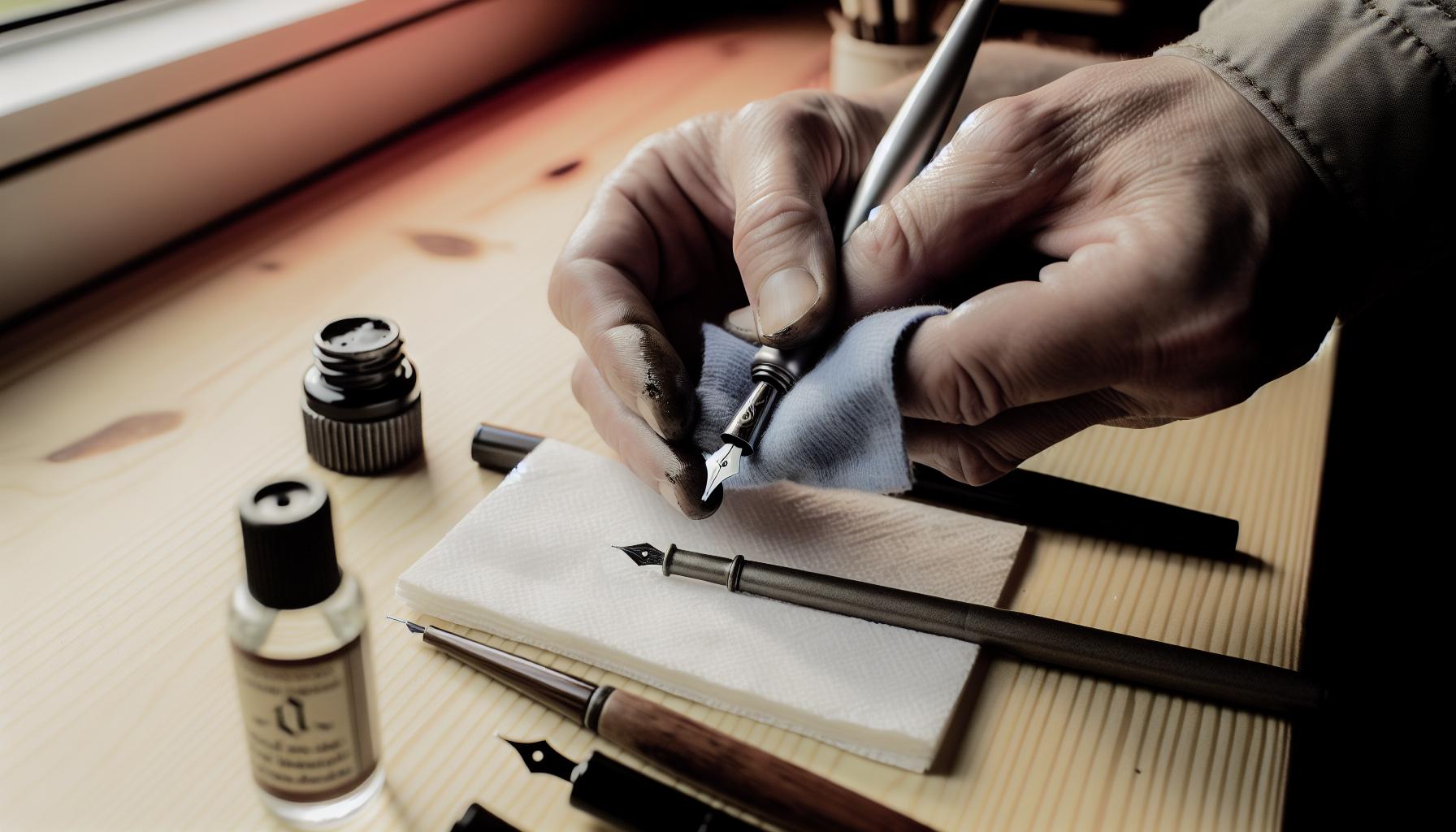
How Nibs Affect Calligraphy Quality
The quality of your calligraphy is significantly influenced by the choice and condition of your nibs. You might think a pen is just a vessel for ink, but it’s the nib that really matters. A well-maintained nib can glide across the page smoothly, allowing for elegant curves and precise details. Conversely, a damaged or neglected nib can produce uneven lines, cause skipping, and make your writing look sloppy. To truly master calligraphy, you need to understand these subtle yet crucial components.
Different nibs are designed for diverse styles of writing. Flexible nibs, for example, can create varying line widths that are essential for flourishing. On the other hand, a stiff nib may provide greater control and consistency, ideal for more structured lettering. The nib material-be it stainless steel, gold, or even plastic-also affects performance. Gold nibs, while more expensive, often offer a softer touch and smoother ink flow, enhancing your writing experience. However, regardless of material and design, every nib requires care and regular cleaning to maintain its optimal function.
If you often find your lines lacking in precision or your ink flow inconsistent, it may be time to inspect your nib closely. Clean it after every writing session to prevent ink buildup, especially if you’re using certain types of ink that tend to dry quickly. For example, iron gall inks can be particularly harsh on nibs if left uncleaned. Keeping a routine not only prolongs the life of your nib but also ensures your calligraphy remains as beautiful as intended. Remember, the nib is the direct connection between you and your art; treat it well, and it will perform beautifully.
Essential Tools for Cleaning Calligraphy Nibs
To keep your calligraphy nib in top shape, having the right tools at your fingertips is essential. Without proper cleaning, accumulated ink and debris can interfere with your writing, leaving you frustrated and your art less than perfect. Here’s what you need to ensure a smooth and effective cleaning process.
Start with a gentle cleaning solution. One of the best methods involves using plain water, but some enthusiasts prefer specially formulated cleaning solutions that can break down stubborn ink residues. You can even make your own by mixing water with a few drops of dish soap. Avoid harsh solvents that could damage your nib.
Next, a soft cloth or paper towel will be your best friend. Use it to gently wipe the nib after soaking it in your cleaning solution. This helps to remove any loose ink without scratching the surface. Also, a soft brush, like a toothbrush or small artist’s brush, can get into tight spaces to dislodge stubborn particles-just be delicate to avoid bending the nib.
For a more thorough cleaning, consider investing in a nib cleaning tool. The Luer Syringe Pen Cleaning Tool System, for instance, allows you to flush water through the nib, clearing out dried ink effectively, making it particularly useful for those times when you’ve used more challenging inks, like iron gall. You might also explore dedicated cleaning kits that come with various tools tailored for nib care and maintenance.
In summary, having the right cleaning supplies-gentle solutions, soft cloths, a brush, and specialized tools-will help maintain your nib’s integrity, ensuring your calligraphy remains exceptional every time you write. Regular maintenance isn’t just a chore; it’s a form of respect for your tools and art!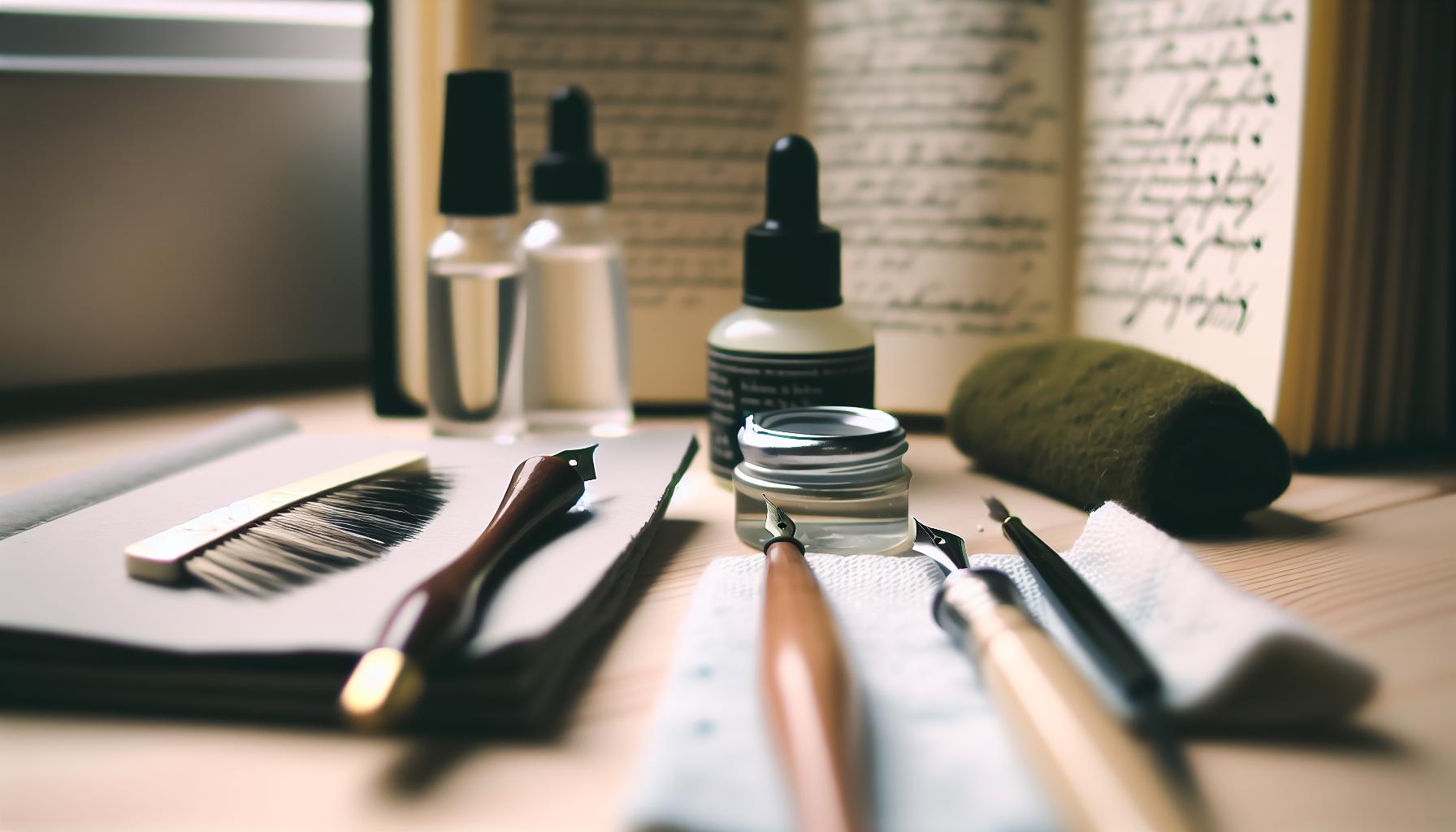
Step-by-Step Guide to Cleaning Your Nib
Cleaning your calligraphy nib properly is crucial for maintaining its performance and ensuring your writing looks pristine. A clean nib not only flows better but also prevents ink from drying up and clogging your pen. Follow these straightforward steps to effectively clean your nib and keep your calligraphy game strong.
Start by gathering your supplies. You’ll need a gentle cleaning solution, which can be as simple as plain water or a mix of water with a small amount of dish soap. Avoid harsh chemicals that can damage the nib. Have a soft cloth or paper towel on hand for drying, and a soft brush (like a toothbrush) for those stubborn bits of dried ink. If you often use tougher inks, consider investing in a nib cleaning tool to make the process smoother.
Soaking the Nib: Begin by submerging the nib in your cleaning solution. A shot glass works well for this purpose. Let it soak for a few minutes; this allows the ink to loosen without you having to scrub vigorously, which could bend the delicate nib. If your nib has heavy staining or dried ink, you can gently agitate the water to help dislodge the residue.
After soaking, remove the nib and use your soft cloth to wipe away any remaining ink. A soft brush can be used gently to scrub the tines-just be careful not to apply too much pressure, as this can affect the nib’s shape. Always rinse the nib under warm water afterwards to ensure all cleaning solution is removed.
Finally, dry your nib thoroughly. You can let it air dry on a clean cloth or pat it dry gently with a paper towel. Make sure not to leave any moisture on the nib before reassembling your pen or storing it, as moisture can lead to rusting or corrosion over time.
By creating a regular cleaning routine with these steps, you’ll not only prolong the life of your nib but also enhance your overall calligraphy experience. Investing time in cleaning is investing in your artistry-ensuring every letter flows as beautifully as it should.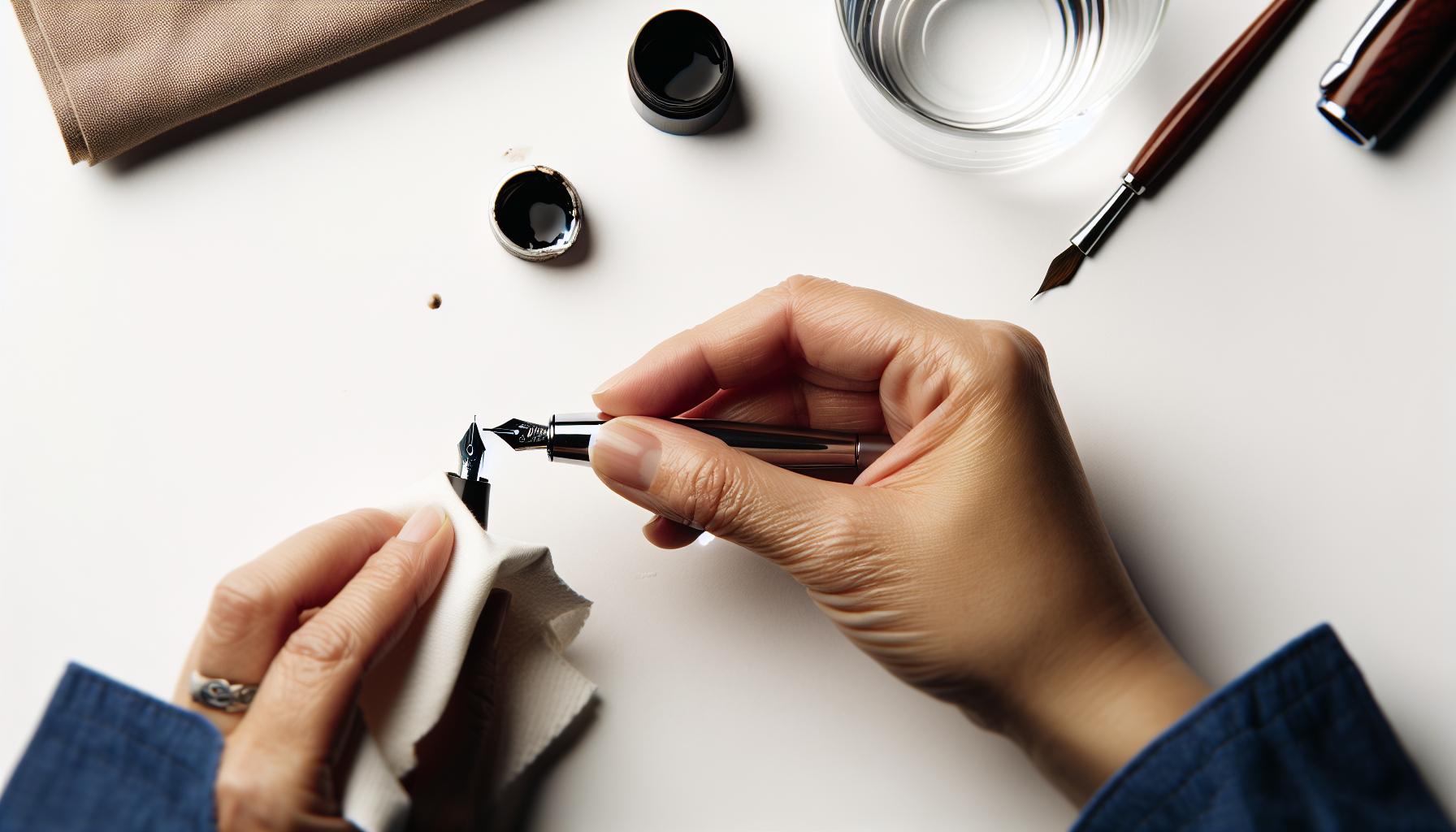
Common Nib Problems and Their Solutions
Some calligraphy enthusiasts find themselves grappling with common nib issues that can quickly disrupt their creative flow. If you’ve noticed that your nib is skipping, clogging, or producing uneven lines, don’t despair. These challenges are often simple to diagnose and fix, saving you time and frustration.
A frequent issue is ink flow problems, where the nib skips or doesn’t release ink evenly. This often happens when the nib is clogged with dried ink or debris. To solve this, try soaking the nib in a warm water solution for a few minutes, which can help dissolve hardened ink. After soaking, gently scrub the tines with a soft brush, being careful not to apply too much pressure. Rinse the nib thoroughly to remove any remaining residue.
Another common problem is rusting. If you use your nib frequently and notice surface spots or discoloration, it’s likely that moisture was left on the nib after cleaning or use. Always ensure your nib is completely dry before storage. To prevent rust, you can apply a tiny drop of mineral oil to the nib before putting it away; just remember to clean it off before your next writing session.
Worn-out nibs can also affect your calligraphy quality. If your lines start to look shaky or jagged, it might be time for a replacement. Regularly inspect your nib, and if you notice signs of wear, consider investing in new nibs. Keeping a few spares on hand can save you from interruptions in your creative process.
Lastly, make sure to check the angle and pressure you apply while writing. Sometimes, issues stem from your technique rather than the nib itself. Adjusting the angle of how you hold the pen or lightening your touch can dramatically improve performance. With these simple troubleshooting habits, you will consistently enjoy a smoother and more reliable calligraphy experience.
Preventive Maintenance Tips for Calligraphy Pens
Maintaining your calligraphy nibs doesn’t just enhance their lifespan; it’s essential for achieving those crisp, elegant lines you love. Here are some straightforward preventive measures to keep your nibs in top condition and your writing experience smooth.
First, always clean your nib after each use. Residual ink can dry out and clog the tines, leading to flow issues during your next session. A quick rinse under lukewarm water, followed by gentle wiping with a soft cloth or paper towel, does wonders. If you’re working with more stubborn inks, consider a light soap scrub as mentioned in some guides. This keeps the tines free of debris and ensures consistent ink flow.
Next, pay attention to how you store your nibs. After cleaning, make sure they’re completely dry. Storing wet nibs can lead to rust, which not only shortens their life but affects performance. A tiny drop of mineral oil on the nib can act as a protective barrier against moisture. Just remember to wipe it clean before your next use to avoid any surprises in your ink consistency.
Another tip is to rotate your nibs regularly. Like any tool, using a single nib excessively can lead to premature wear. By alternating between a few different nibs, you can extend their functional lifespan significantly. Also, keep an eye on your writing technique. Sometimes, adjusting the pressure or angle of your pen can make a huge difference in how smoothly your nib performs.
By integrating these simple practices into your routine, not only will your nibs perform better, but your overall calligraphy experience will become more enjoyable and efficient.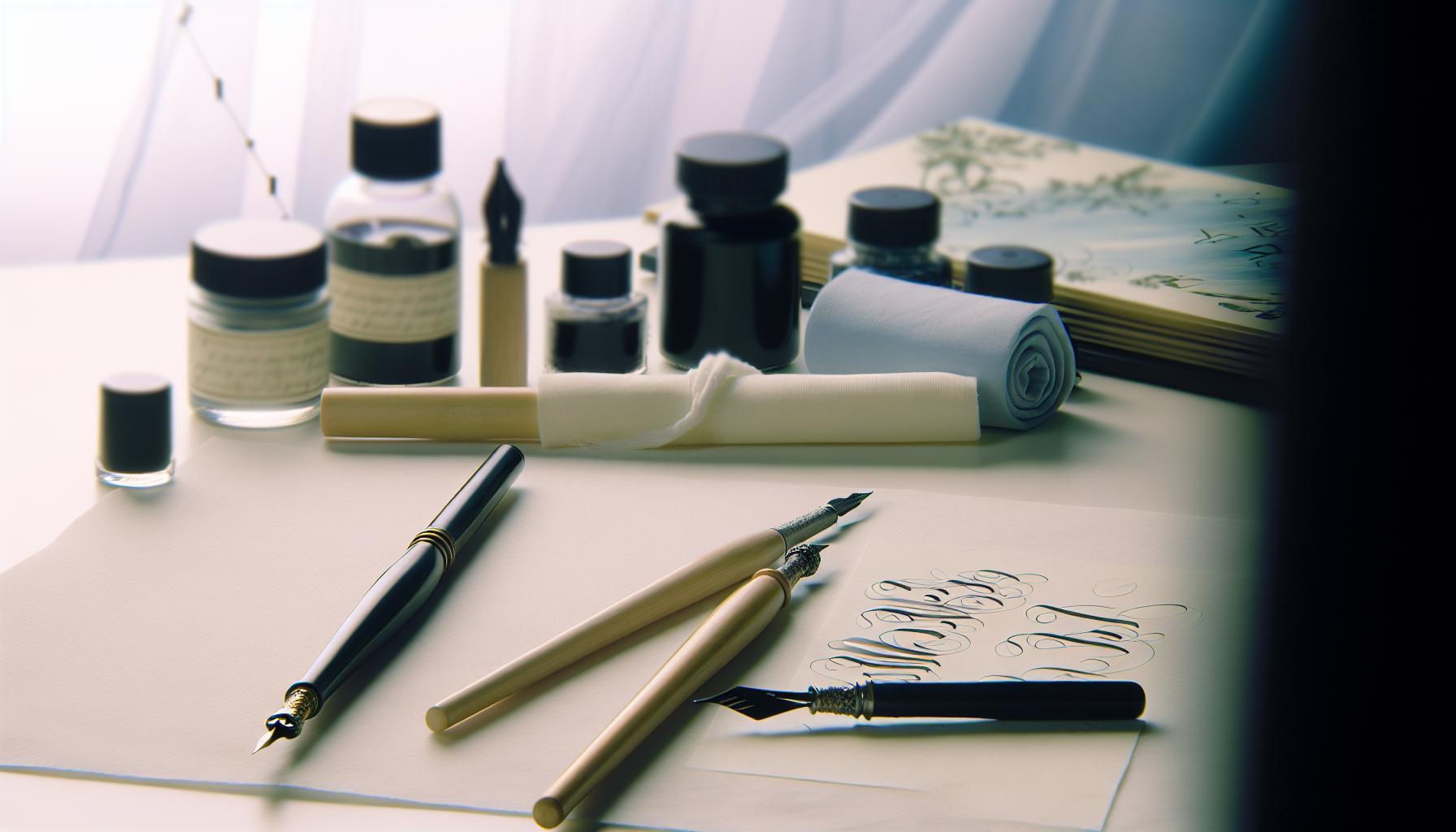
Understanding Different Nib Materials and Care
Choosing the right nib material can significantly impact your calligraphy experience. Each type of nib-whether it’s stainless steel, gold, or flexible-brings its own set of qualities and care requirements. Understanding these can help you make informed decisions and elevate your skills.
Stainless steel nibs are the workhorses of the calligraphy world. They’re durable, affordable, and perfect for everyday use. These nibs require minimal care-just keep them clean and dry. Gold nibs, on the other hand, offer a luxurious feel and excellent flexibility, making them a favorite among professional calligraphers. Gold requires a bit more TLC; while they also resist rust, you should avoid exposing them to harsh chemicals and ensure they’re properly cleaned after each use to maintain their smooth performance.
Different nibs may have coatings that affect how ink flows. For instance, some technical nibs are coated to enhance durability or performance, but this coating can attract more dirt. Make it a habit to clean your nibs regularly, especially after using inks known for residue, like metallic or shimmering inks. A gentle wash with lukewarm, soapy water can work wonders. Always opt for a soft cloth to dry them; scratching a nickel-plated nib can ruin its performance.
To sum it up, knowing your nib material is crucial for maximized performance and longevity. Don’t hesitate to invest in a few types to find what feels right for you. Regular maintenance tailored to your nibs’ specific needs will not only enhance your writing but also keep your tools in peak condition for years to come.
Deep Dive: Restoring a Dried-Out Nib
Sometimes, you might pick up your calligraphy pen only to find the nib completely dried out. It’s frustrating, but don’t worry-you can often restore it to working order with a few simple steps. Often, dried-out nibs are the result of not cleaning them properly after use or leaving them unused for too long. The good news is that reviving them is usually a straightforward process.
To start, gently soak the nib in warm water for about 10 to 15 minutes. This helps loosen any dried ink that’s making it difficult for the nib to function. Avoid using hot water, as it can damage the nib’s coating or material. After soaking, take a soft toothbrush or cloth and lightly scrub the nib. Be gentle here-you’re not trying to scrape away the material but rather remove residue. Rinse again with warm water and let it air dry completely.
If the nib is still unresponsive, you may need to use a more aggressive approach. Soak the nib in a solution of water and a few drops of mild dish soap for up to 30 minutes. This can help break down more stubborn ink. Just be sure to rinse thoroughly afterward, as soap residue can affect ink flow. Once clean, always dry the nib with a soft cloth to prevent corrosion.
Finally, to keep your nibs in shape, make a habit of cleaning them after every use. Regular maintenance not only prolongs the life of your nibs but also enhances your calligraphy quality. A clean nib allows for smoother ink flow and better performance, meaning you’ll spend less time restoring and more time creating beautiful letters!
How to Store Your Calligraphy Pen Properly
Storing your calligraphy pen properly can be the difference between a smooth writing experience and a frustrating battle with dried ink or a damaged nib. When you take the time to store your pen correctly, you protect your investment and ensure your tools are always ready to create beautiful letters. Remember, a well-cared-for pen can inspire you to pick it up time and again!
First, always store your calligraphy pens horizontally if you want to maintain optimal ink flow. This position prevents ink from pooling at one end and keeps the nib moist and ready for use. If your pen comes with a cap, make sure to put it on securely to prevent the nib from drying out or getting damaged. If you’re using dip pens, consider a dedicated pen holder or a case that cushions them gently to avoid bending the nibs.
Environmental Factors
Consider where you’re storing your pen as well. Aim for a cool, dry location away from direct sunlight. Extreme temperatures can affect the nib’s flexibility, potentially leading to warping or loss of performance. Humidity can similarly impact ink consistency, so try to keep your writing tools in a stable environment. A simple drawer or a pen case works wonders.
Cleaning Before Storage
It’s also prudent to clean your nib before putting your pen away for a while. Even if you can’t tell from a glance, residual ink can dry and affect your next writing session. Following your cleaning routine will allow the nib to rest without the worry of unwanted build-up. Always let the nib dry completely before storage to avoid any chance of rusting or corrosion.
Taking these steps to store your calligraphy pen properly will keep it in top condition, ready for your next creative endeavor.
Knowing When to Replace Your Nib
Knowing when to replace your calligraphy nib can save you a lot of frustration. It’s a common misstep to push a nib beyond its prime, hoping for that perfect stroke. But like any tool, nibs have a lifespan. If your nib is refusing to cooperate-feathering, skipping, or producing inconsistent lines-it might be time for a replacement. Trust me, working with a dull or damaged nib is like trying to paint with a frayed brush. You’re better off starting fresh.
Look for visible signs of wear. Does the tip appear bent or deformed? If so, it’s diminishing your control and affecting your work’s overall quality. Similarly, signs of rust or corrosion can show up after improper cleaning or storage. Rust is not just an eyesore; it can also affect ink flow and lead to those dreaded blotches on your paper. Remember, a healthy nib should be smooth and responsive without excessive pressure.
Also, consider how you use your nib. If you’re a frequent calligraphy enthusiast, replacing your nib every few months might be wise. On the flip side, if you only pick it up for special occasions, you can stretch its life a bit longer. Just stay vigilant about its performance and appearance.
When you choose to replace, investing in quality can make a world of difference. Not all nibs are created equal. Experimenting with different materials and brands can also lead to discovering a nib that fits perfectly with your style. Above all, listen to your tools. A smooth writing experience not only enhances your artwork but can rekindle your passion for calligraphy.
Enhancing Your Calligraphy Skills through Nib Care
Maintaining the health of your calligraphy nib is essential for elevating your writing skills and ensuring a flawless experience on the page. A well-cared-for nib not only prolongs the life of your tools but also transforms your writing into a smooth, fluid art form. Think of your nib as the brush in a painter’s hand; if it’s clean and well-maintained, it can deliver beautiful strokes far more effortlessly.
One of the best ways to enhance your calligraphy skills is to develop a routine for nib care. Regular cleaning after each use can prevent ink buildup, preserve the smoothness of the nib, and ensure consistent ink flow. Utilize simple tools for this task, such as cleaning solution, a soft cloth, and possibly a toothbrush for more stubborn residues. Never underestimate the power of a clean nib-it can be the difference between frustration and flowing creativity.
Understanding different nib materials is also crucial. Some nibs are more prone to rust or wear, while others have a natural resistance to corrosion. By familiarizing yourself with the characteristics of the nibs you use, you can tailor your care routine appropriately. For example, brass nibs may require more diligent cleaning compared to their stainless-steel counterparts. By respecting your nib’s specific needs, you’re directly improving the quality of your work.
Lastly, don’t overlook storage. Properly storing your calligraphy pen is just as important as cleaning it. Store it horizontally to avoid ink pooling at one end, which can lead to drying out or clogging. Investing a little time in these practices each time you finish writing will not only make maintaining your nib easier but will also empower your calligraphy journey with enhanced confidence and skill.
Cleaning Your Nib: FAQs and Best Practices
Cleaning your calligraphy nib doesn’t have to feel like a daunting chore; in fact, it can be quite rewarding. A clean nib is critical for a seamless writing experience, ensuring that ink flows smoothly and that your strokes are as precise as you intend them to be. Here’s the lowdown on some frequently asked questions and best practices for keeping your nib in pristine condition.
Basic Cleaning Steps
After each use, rinse your nib under lukewarm water. If you’re using permanent ink, you might need to soak the nib in a solution of warm water mixed with a bit of mild soap. Avoid harsh chemicals, as they can damage the nib’s finish. Use a soft cloth or a cotton swab to gently wipe away residue. If you notice stubborn dried ink, a soft toothbrush can help dislodge it without scratching the nib.
When to Clean Your Nib
It’s essential to clean your nib regularly, especially if you switch between different colors of ink or types of ink. A good practice is to clean it after every writing session. If you notice inconsistency in ink flow or feel roughness when writing, it’s a strong indicator that your nib needs attention.
Common Issues and Solutions
Sometimes, you might encounter issues like ink not flowing or the nib feeling scratchy. If your nib is clogged, a gentle soak in warm water or a bit of vinegar can help dissolve any ink buildup. If it still feels scratchy after cleaning, it might need to be polished with a fine micro mesh or smoothing cloth to restore its smoothness.
FAQs on Nib Maintenance
- Can I use alcohol to clean my nib? While it can be effective for some inks, alcohol may damage the nib, particularly those made from softer metals.
- How often should I deep clean my nib? Deep cleaning should be done weekly or after extended periods of use-like when you switch inks.
- Is it safe to soak the entire pen in water? No, it’s best to only soak the nib to avoid damaging the pen’s body or ink reservoir.
With a little bit of care, your nib can last for years, enhancing your calligraphy experience significantly. Remember, the time you invest in cleaning and maintaining your nib is directly proportional to the quality of your writing. Happy lettering!
Faq
Q: How often should I clean my calligraphy nib?
A: You should clean your calligraphy nib after each use to maintain its performance and longevity. Regular cleaning prevents dried ink from clogging the nib, ensuring a smooth flow next time you write. For quick maintenance, simply rinse the nib in water and wipe it with a paper towel [3].
Q: What is the best way to remove dried ink from a nib?
A: To remove dried ink from a nib, soak it in a mixture of clear ammonia and water for 10-15 minutes. This solution helps dissolve stubborn ink residues. After soaking, gently scrub with a soft brush, rinse with water, and dry thoroughly before use [2].
Q: Can I use soap to clean my calligraphy nib?
A: Yes, using mild soap on your calligraphy nib is effective. Apply a small amount of soap, scrub gently with your fingers or a soft toothbrush, rinse thoroughly, and dry. This method is great for removing stubborn ink without damaging the nib [1].
Q: Should I clean my nibs before each writing session?
A: Cleaning your nib before each writing session is recommended, even if it seems clean. A quick rinse in water and a wipe with a paper towel can help avoid issues caused by leftover ink, enhancing your writing experience [3].
Q: How can I tell if my nib needs replacing?
A: If your nib isn’t producing a consistent ink flow, becomes overly scratchy, or shows signs of damage such as bends or breaks, it may need replacing. Regular inspection and maintenance can help determine the right time to replace it to maintain your calligraphy quality [1].
Q: What materials are commonly used for calligraphy nibs, and do they require special care?
A: Calligraphy nibs come in various materials such as stainless steel, gold, and flexible metals. Each material has unique care needs; for instance, gold nibs may require gentler handling and cleaning products compared to sturdier steel ones. Refer to your nib’s specific guidelines for optimal care [1].
Q: Can I use vinegar to clean my calligraphy nib?
A: Yes, vinegar can be used as a cleaning agent for calligraphy nibs. Its acidity helps break down dried ink. Soak the nib in a diluted vinegar solution for a short time, then rinse with water. Ensure to dry properly to prevent corrosion [2].
Q: What should I avoid when cleaning my calligraphy nib?
A: Avoid using abrasive materials or harsh chemicals that can damage your nib. Never use boiling water or any extreme heat, as this can cause warping. Stick to gentle methods, like soaking and rinsing, for effective care [1].
Key Takeaways
Now that you know how to clean a nib on your calligraphy pen, you can ensure your writing stays smooth and beautiful for years to come. Regular maintenance not only enhances performance but also extends the life of your tools. Don’t wait for a problem to arise-take action today!
If you found this guide helpful, check out our related articles on care techniques for calligraphy pens and tips for selecting the right nibs. Want to stay in the loop? Subscribe to our newsletter for expert advice straight to your inbox!
Remember, a clean nib is key to flawless calligraphy. Feel free to share your thoughts or questions in the comments below-we love hearing from fellow calligraphy enthusiasts! Explore our shop for high-quality products tailored to elevate your craft, and keep practicing. See you in our next tutorial!
How to Clean Calligraphy Nibs: Advanced Maintenance & Restoring Ink Flow
Understanding how to clean calligraphy nibs properly depends on identifying the exact type of ink used. Different ink formulations require distinct chemical approaches to prevent permanent clogging and tine damage:
| Ink Formulation | Cleaning Agent | Soak Duration | Critical Safety Rule |
|---|---|---|---|
| Standard Dye / Fountain Pen Ink | Lukewarm distilled water or commercial pen flush | 5–10 minutes | Never use hot water, which warps ebonite feeds |
| Iron Gall Inks | Dilute vinegar or ascorbic acid rinse, followed by water | 2–3 minutes max | Dry immediately; acid causes rapid steel oxidation |
| Waterproof Pigment / India Ink | Diluted household ammonia solution (1:10) or Koh-I-Noor Rapido-Eze | 15–20 minutes | Dip pens only; never fill fountain pen reservoirs with India ink |
| Metallic / Acrylic Inks | Rubbing alcohol (isopropyl 70%) on bare metal only | Wipe down immediately with cloth | Avoid contact with plastic feeds or vintage lacquer finishes |
Mastering how to clean calligraphy nibs also involves inspecting the tine alignment with an 8x jeweler’s loupe after cleaning. If light does not pass evenly through the slit from breather hole to tip, dried binder residue or micro-fibers may still be trapped, requiring gentle flossing with a 0.002-inch brass shim.
FAQ: Expert Tips for Calligraphy Nib Cleaning
How to clean calligraphy nibs when ink has dried completely?
Soak the nib in lukewarm water mixed with a drop of gentle dish soap or ammonia-based pen flush for 15 to 20 minutes. Use an ultra-soft toothbrush to brush gently along the slit from the breather hole toward the tip—never scrub across the tines.
Can you use alcohol to clean calligraphy nibs?
Isopropyl alcohol can be used sparingly on bare metal dip nibs to strip manufacturer packing oils or dissolve stubborn acrylic binder, but should never touch fountain pen plastic feeds or decorative lacquer finishes.
How often should calligraphy nibs be cleaned during a project?
Rinse dip pen nibs in a clean water jar every 20–30 minutes during long writing sessions to prevent pigment drying on top of the nib, and wipe thoroughly before setting the pen down for breaks.
Get our latest guides, news, and insights highlighted in your Google Search & AI Overviews.